Protected areas, rescues, anti-poaching work and new laws: good news about wildlife, checked against the people who count and protect the animals.
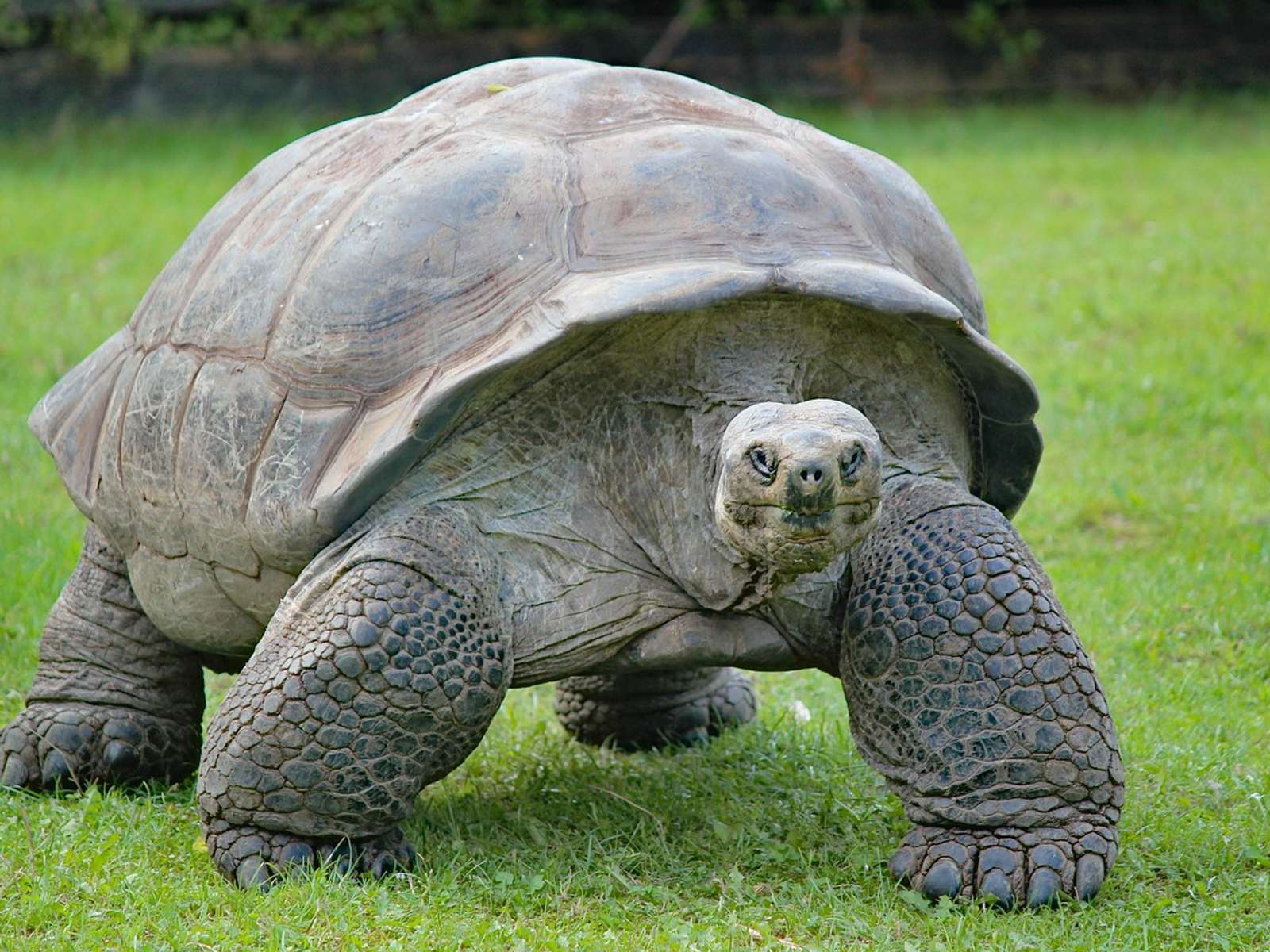
Eleven of 16 eggs from a giant tortoise nest hatched in a controlled hatchery on Cousin Island over the weekend of 31 October, Nature Seychelles said. Of more than 15 wild nests monitored in recent years, only one hatched successfully.
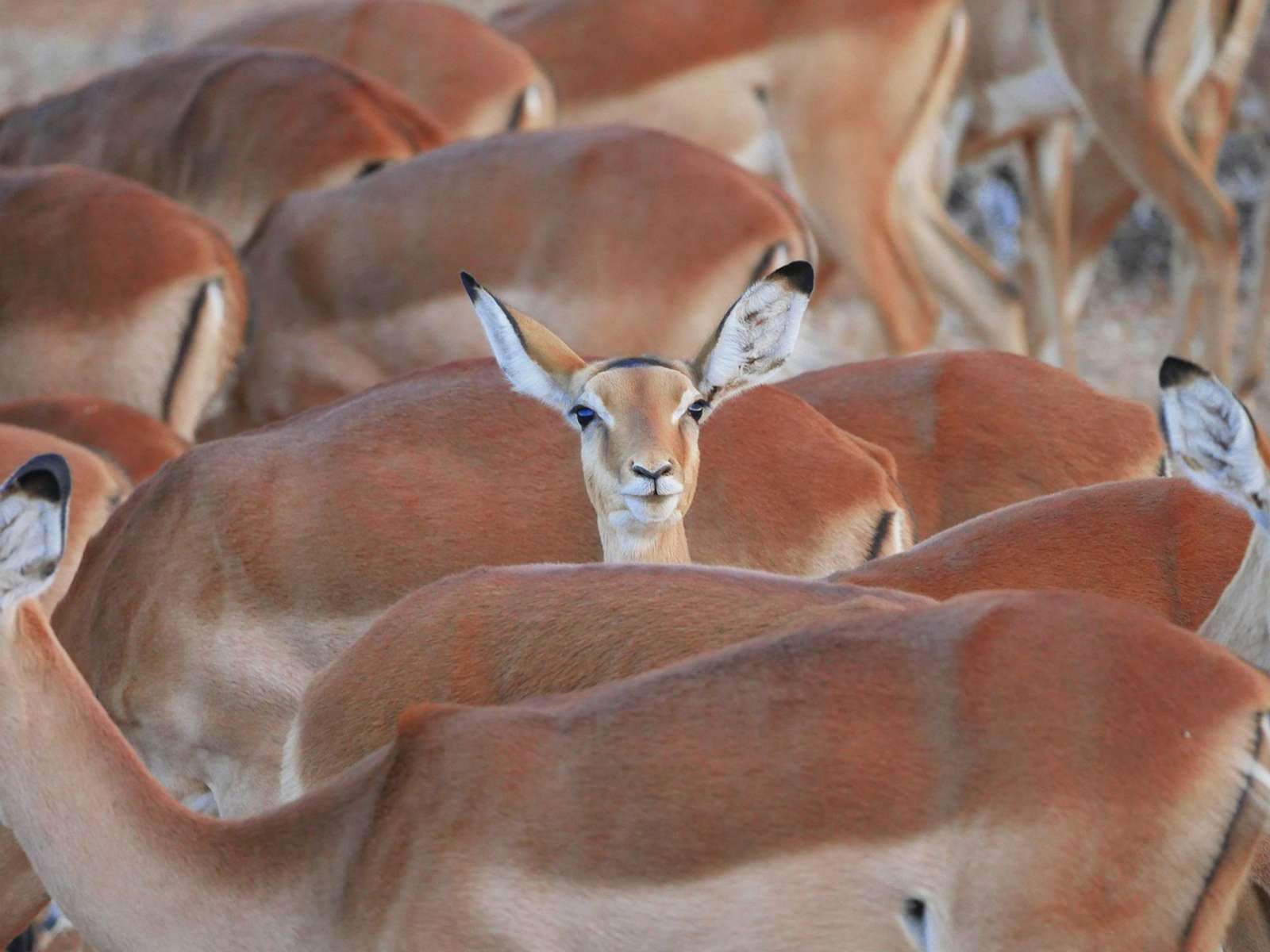
African Parks has fitted 262 antelopes with GPS collars since 2023, producing a map of the Great Nile Migration Landscape, where around 6 million animals move. One tiang covered 11,573 km in just over three years, Mongabay reported.
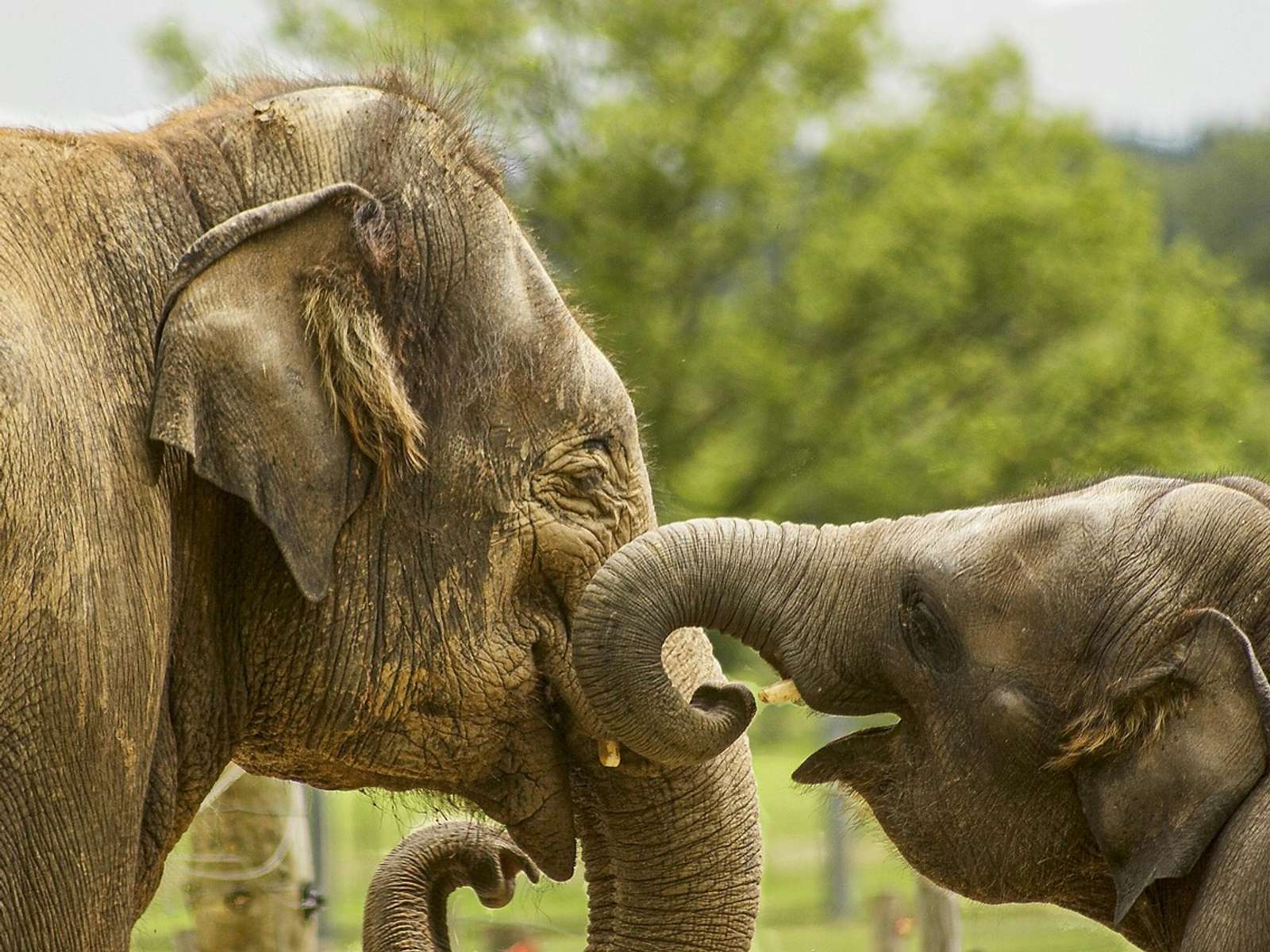
Rescued in 2012 with a ravaged leg and a dislocated hip, the orphan elephant Murera gave birth to a second daughter on 29 October in Kenya's Kibwezi Forest, the Sheldrick Wildlife Trust said. The calf is named Mwezi, Swahili for moon.
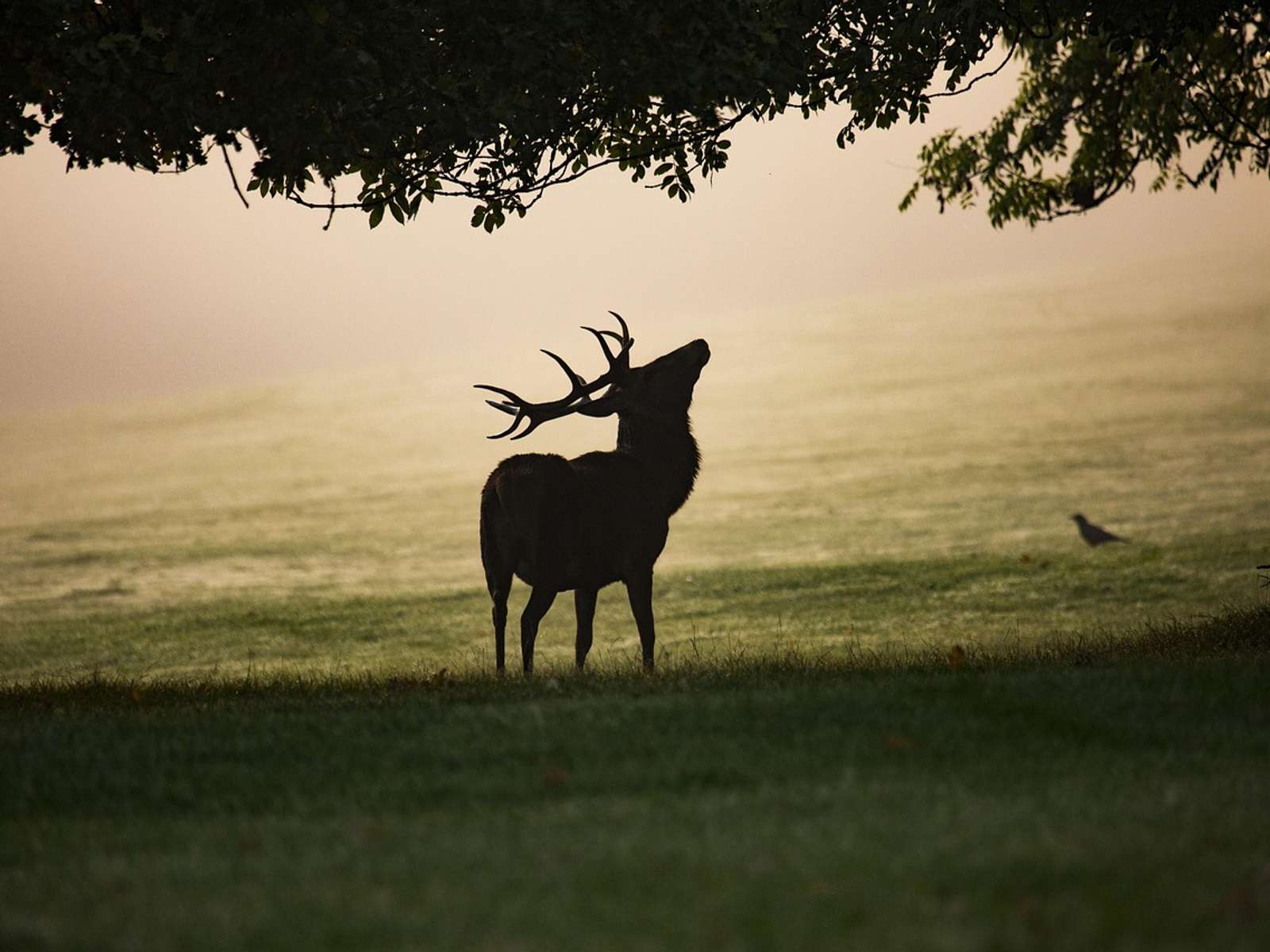
Richard Bischof of the Norwegian University of Life Sciences built bait-lured units that fit a GPS collar on an animal without catching it. The proof of concept worked on red deer and red foxes. Its effects on behavior have not been tested yet.
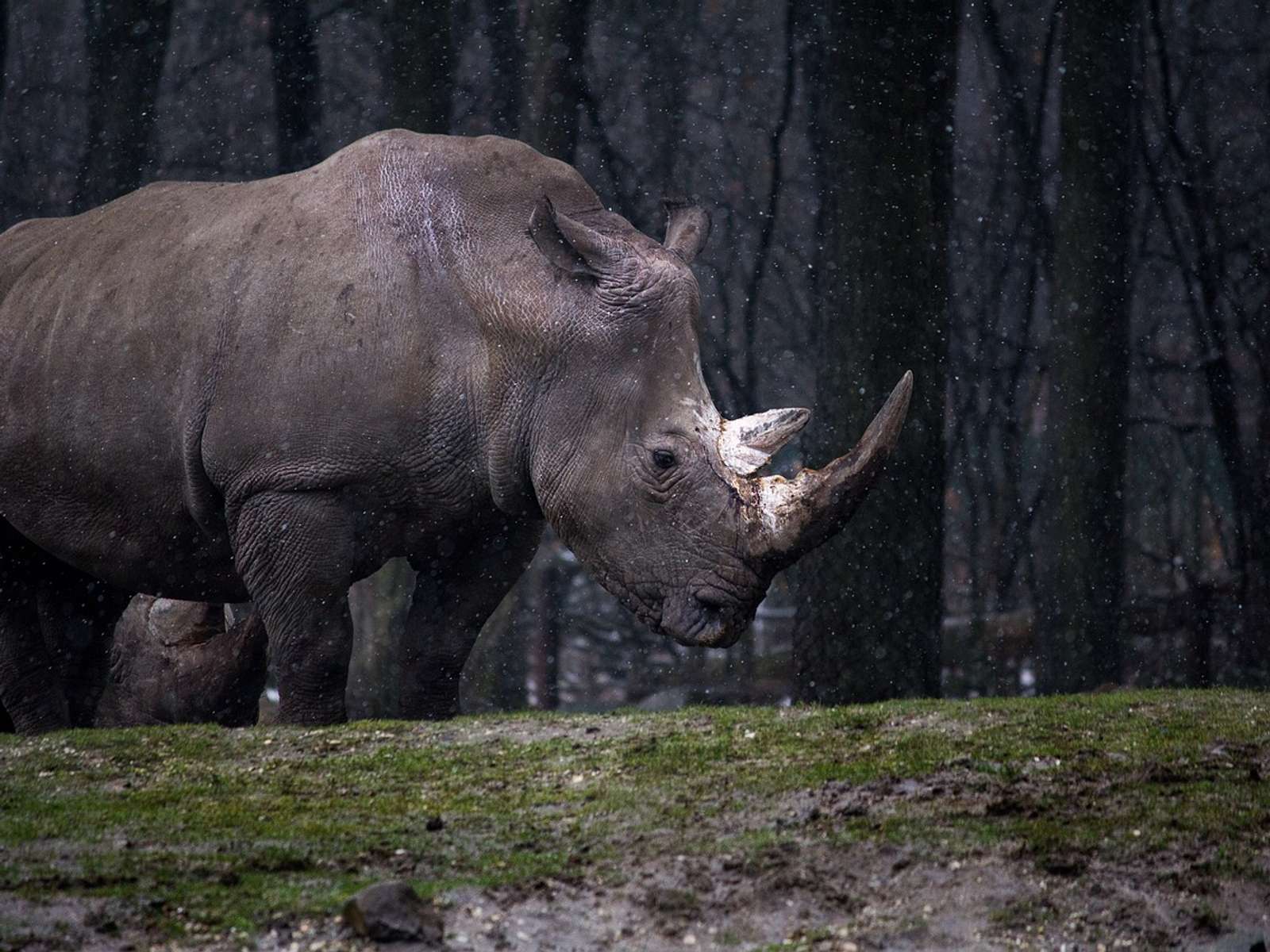
A camera trap in Indonesia's Ujung Kulon National Park recorded a Javan rhino calf about 1 to 2 months old on 10 October. It is the fifth calf of the female Desy, the Ministry of Forestry said. Fewer than 100 Javan rhinos are left.
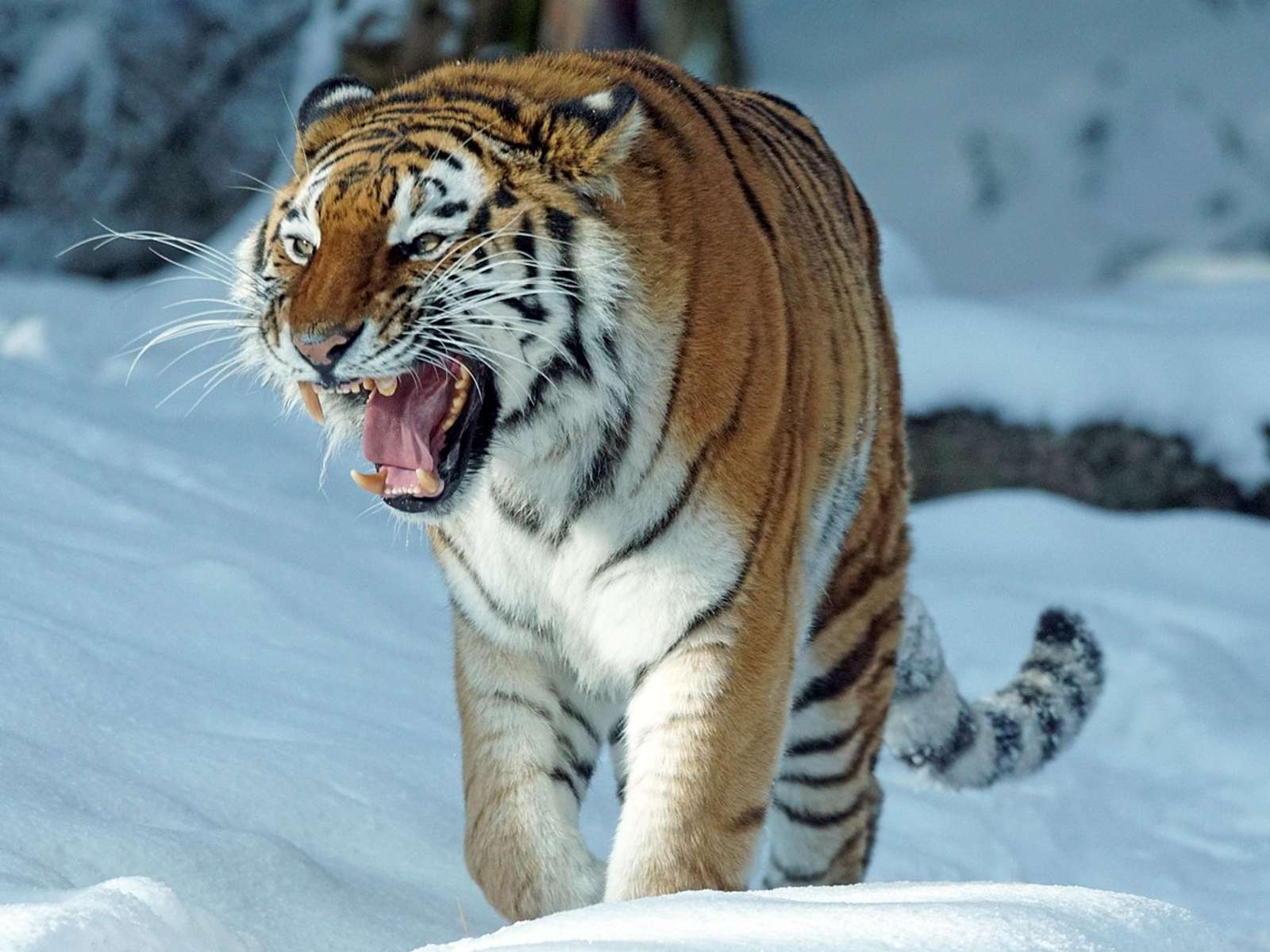
A male Amur tiger named Amur was released into the Ile-Balkhash State Nature Reserve on 31 October, Kazakhstan's ecology ministry said. He follows the tigress Ümit, released in July, in a program to bring tigers back more than 70 years after they disappeared.
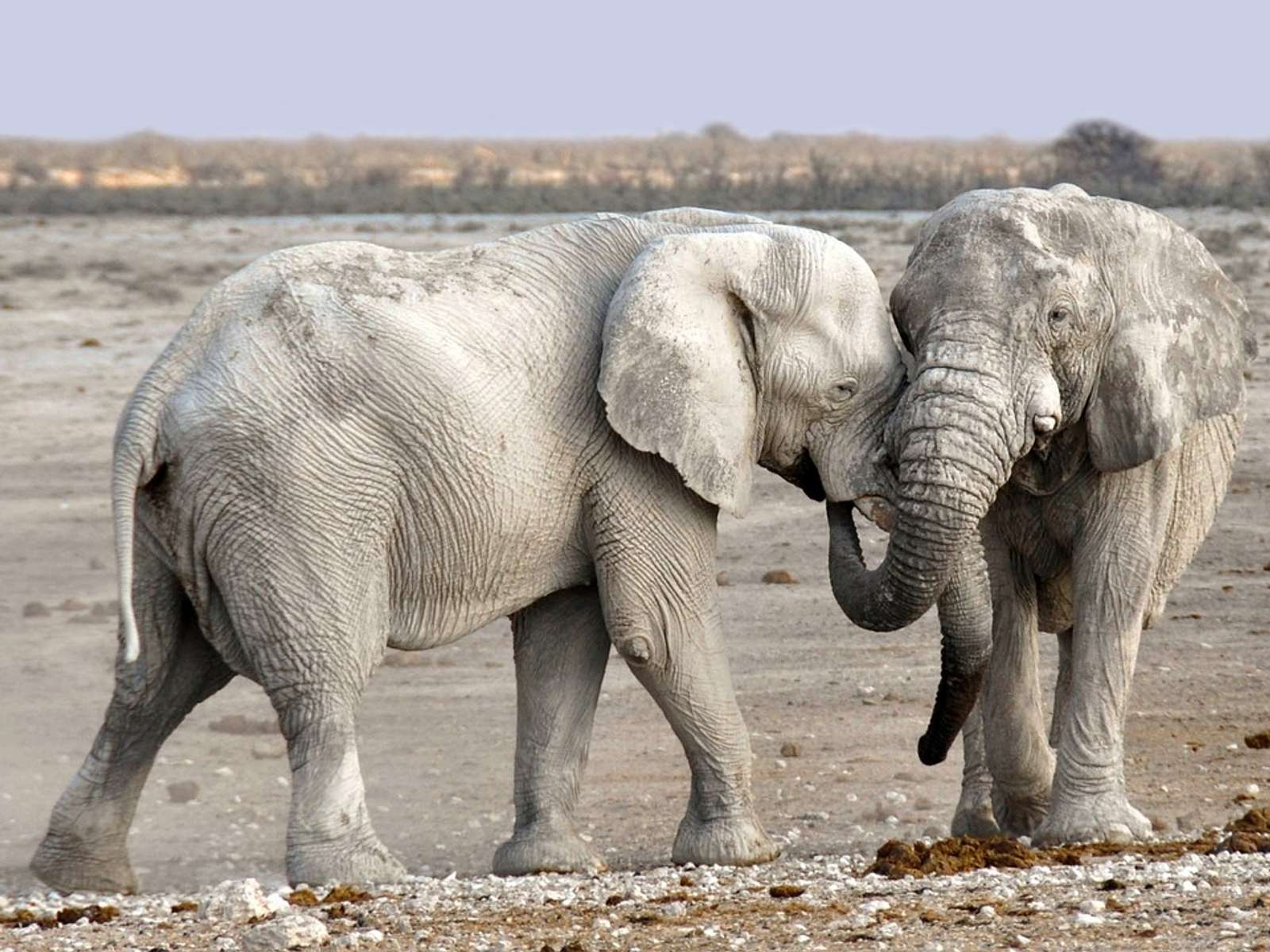
Traditional leaders from Kenya, Zambia, Malawi, Zimbabwe, Namibia, Botswana, Benin and Ghana signed the Lusaka Declaration, asking for a formal role in conservation decisions and committing to wildlife corridors and community-led conflict prevention.
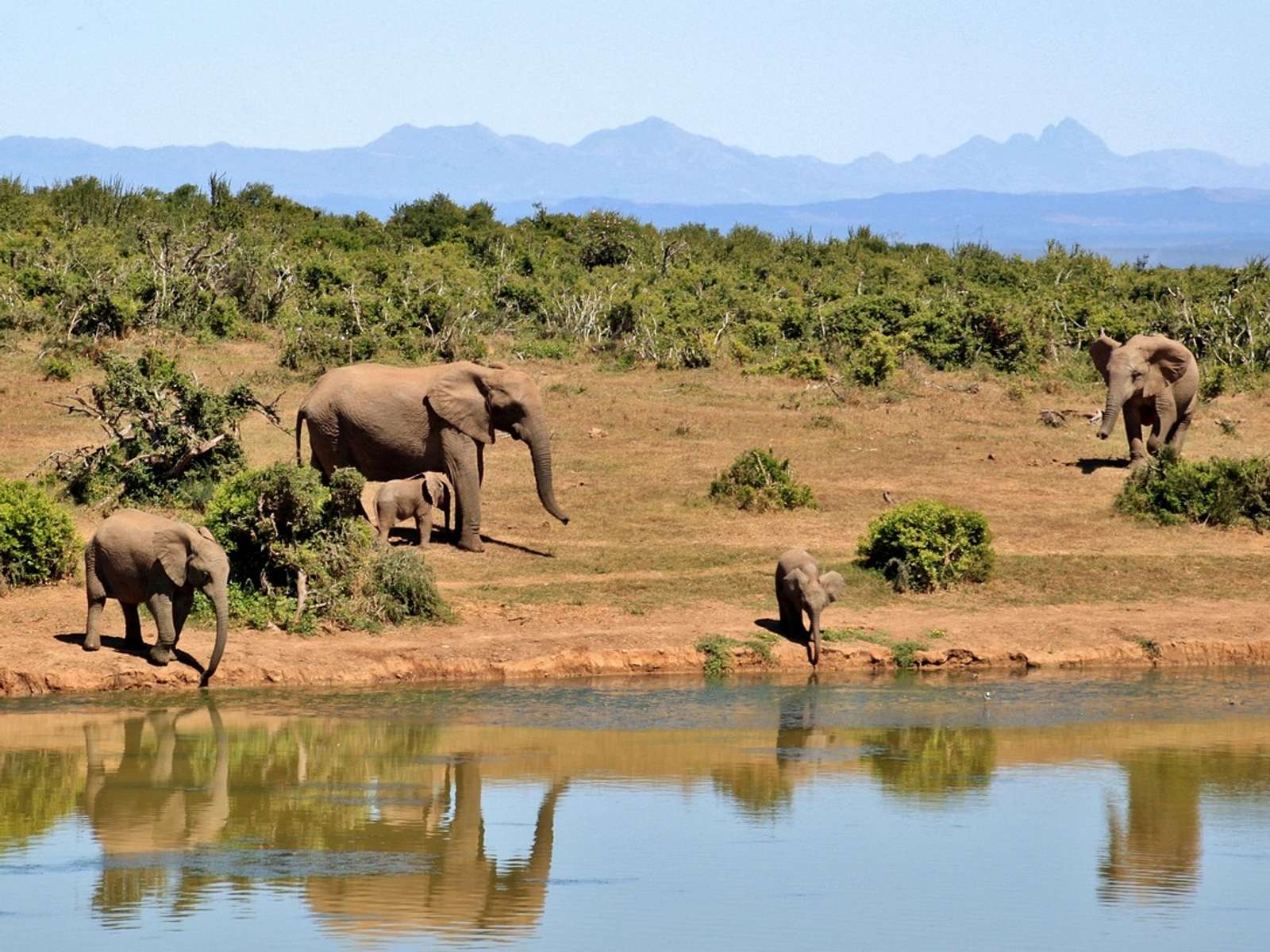
IFAW and ZimParks have launched Room to Roam Nature Clubs at 21 schools in the Hwange–Matetsi landscape, where children walk to school past elephants and lions. Students elect leaders and plan their own projects.

At the UN organized crime convention's conference in Vienna, governments agreed to start negotiating a new protocol on environmental crime, covering wildlife and timber trafficking, illegal mining and waste trafficking. A draft is due in 2028.
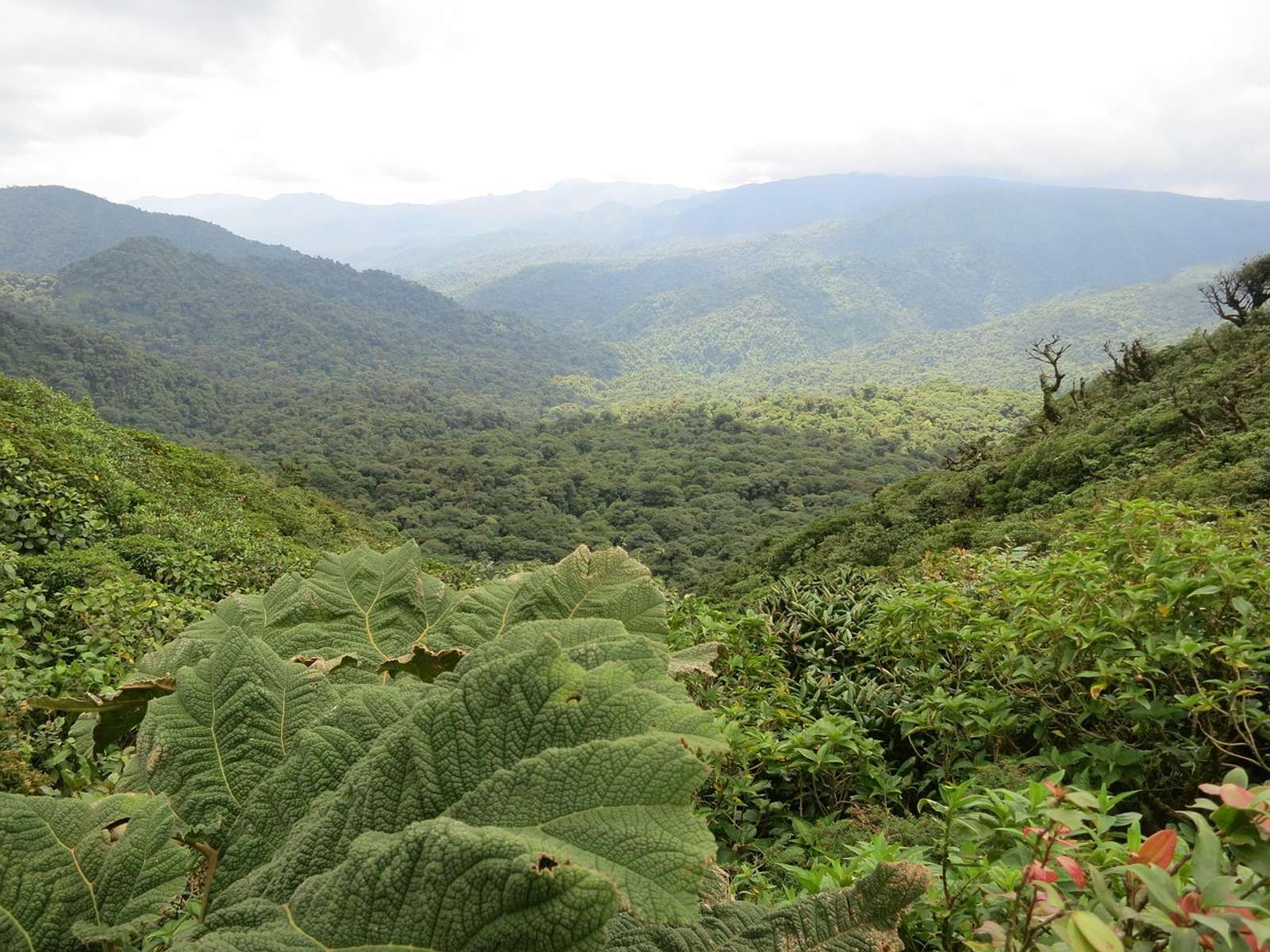
IUCN recognized 25 protected and conserved areas in Brazil, China, Colombia, Costa Rica, Egypt, France and Saudi Arabia for meeting its Green List standard, including Monteverde, Malpelo and Wadi Al-Hitan.
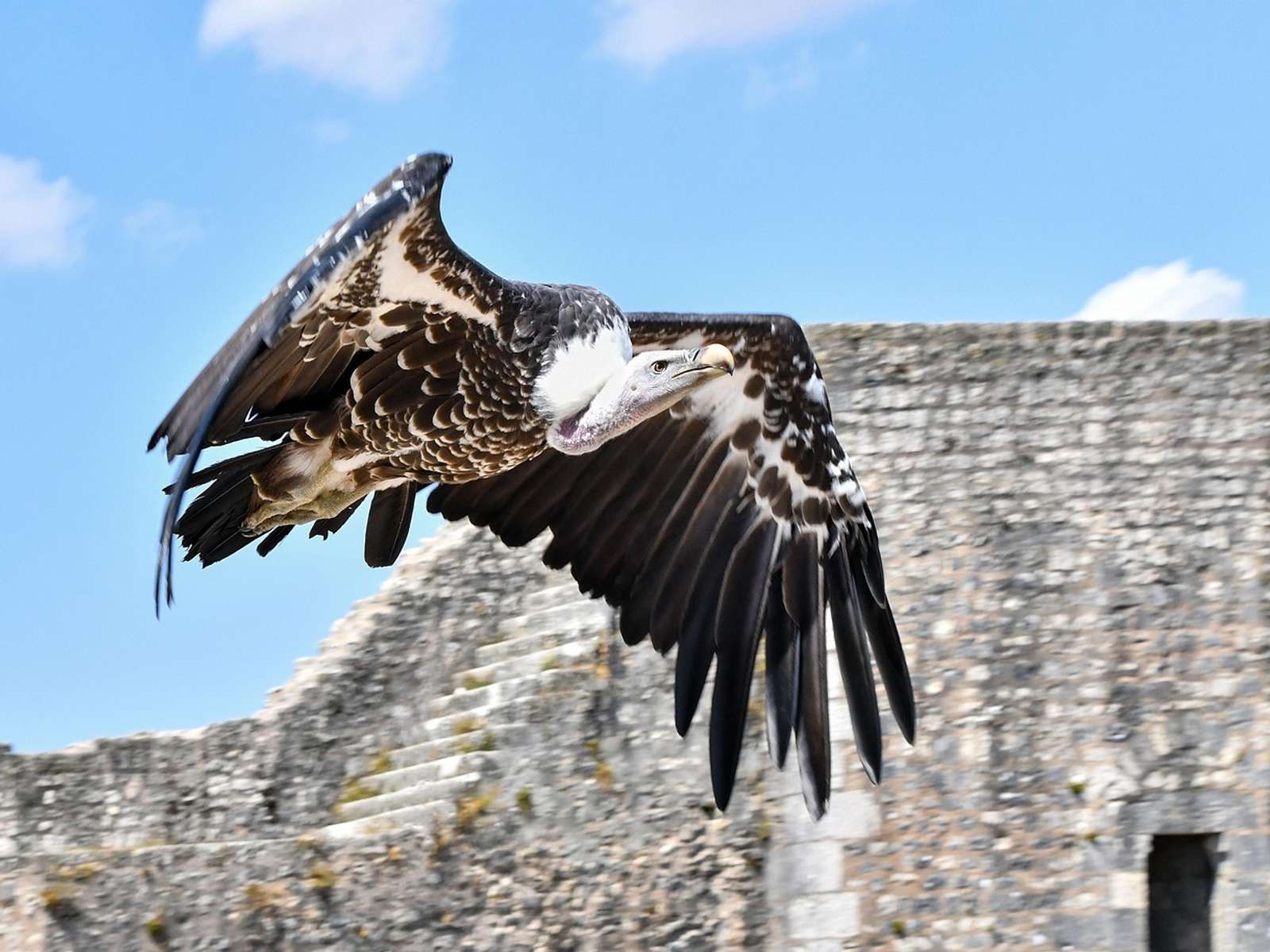
A Vulture Conservation Foundation study under BalkanDetox LIFE found the average number of vultures recorded as poisoned each year fell from 22 to about 8. But poisoning rose again in 2025, and offenders are rarely punished.
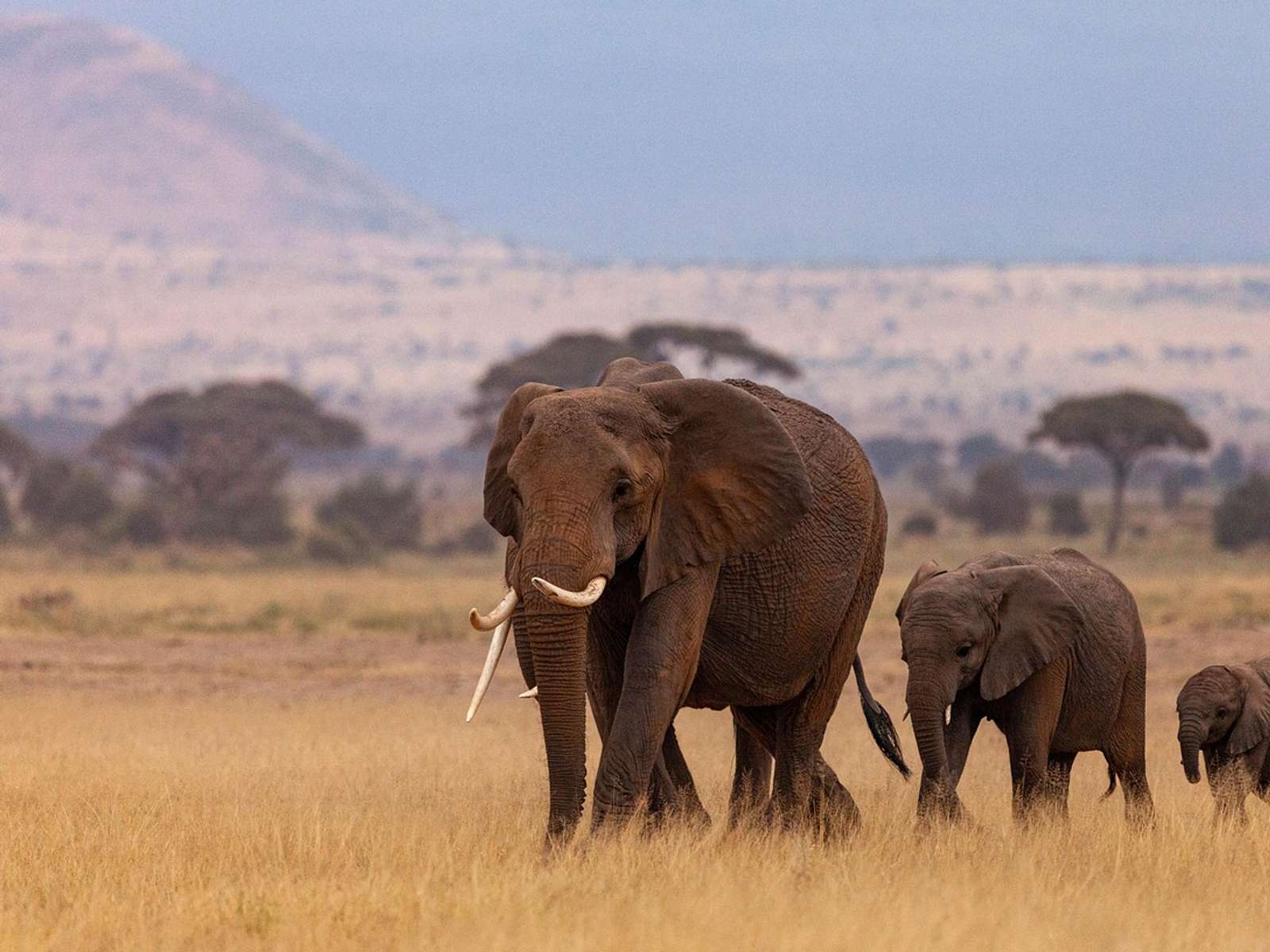
Kenya's government and The Nature Conservancy unveiled Thamani Asili, a $160 million Project Finance for Permanence covering about 17.3 million hectares over 10 years. About 1.6 million people are expected to benefit directly.

Sgiath, a Scottish labrador trained to detect the invasive carpet sea squirt by scent, won Animal of the Year at IFAW's Animal Action Awards 2026 in London, alongside six people honored for work on anteaters, lions, sharks, wildlife crime and rescue.

Lam Dong province has established the Ta Kou Nature Reserve, 8,408 hectares of mostly natural forest where surveys recorded about 287 animal species, including black-shanked douc langurs. A plan worth about $3 million runs to 2030.
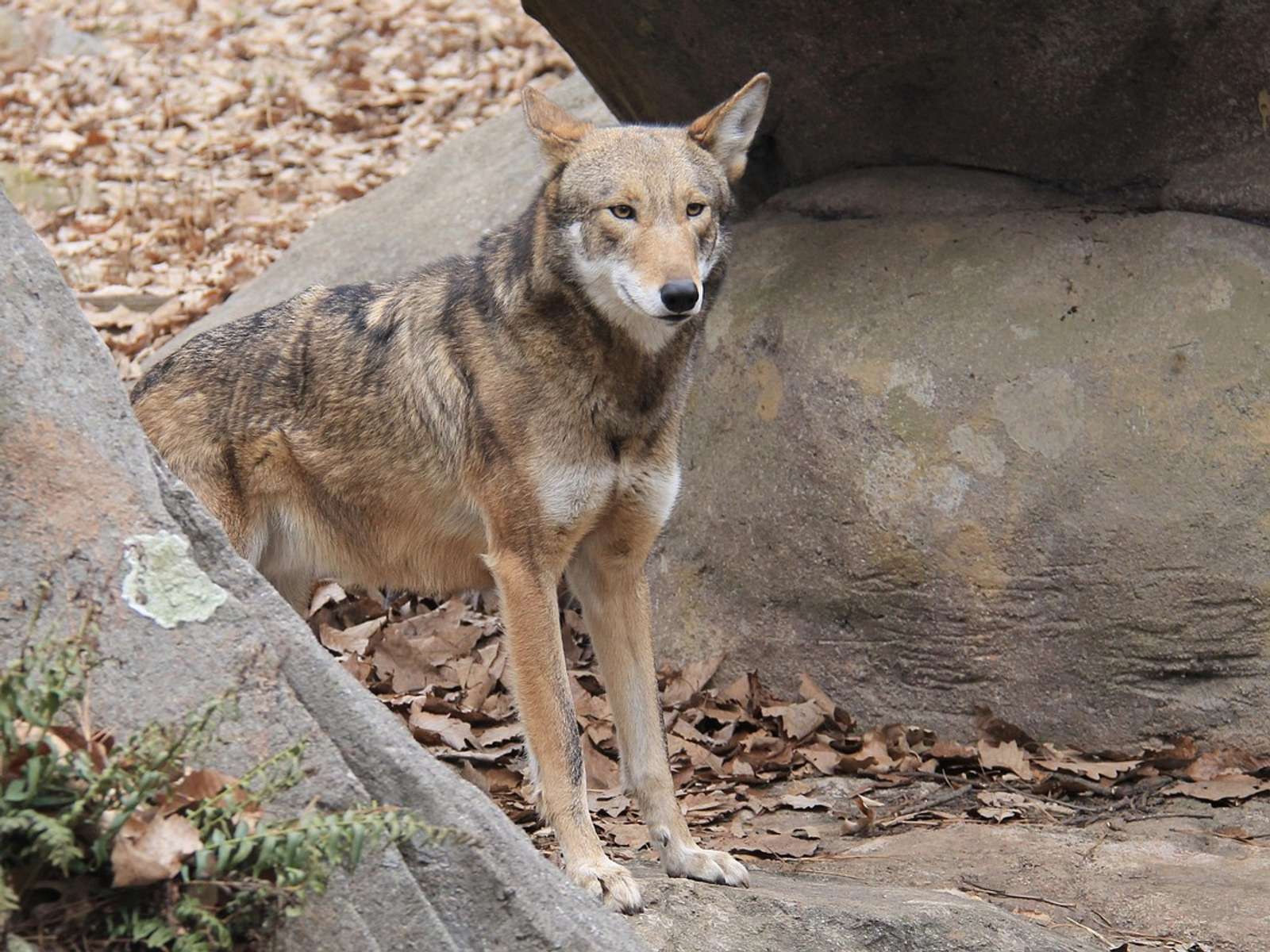
Red wolves Carolina and Jacques and their five pups moved from Durham's Museum of Life and Science to the Wolf Conservation Center in New York, in an exchange meant to keep the species' small captive population genetically healthy.

A WCS-led study used more than 134,000 GPS locations from 99 jaguars to map the corridors that connect their populations across the Americas. It found new pathways, warned that some old ones may be lost, and showed many lie outside protected areas.
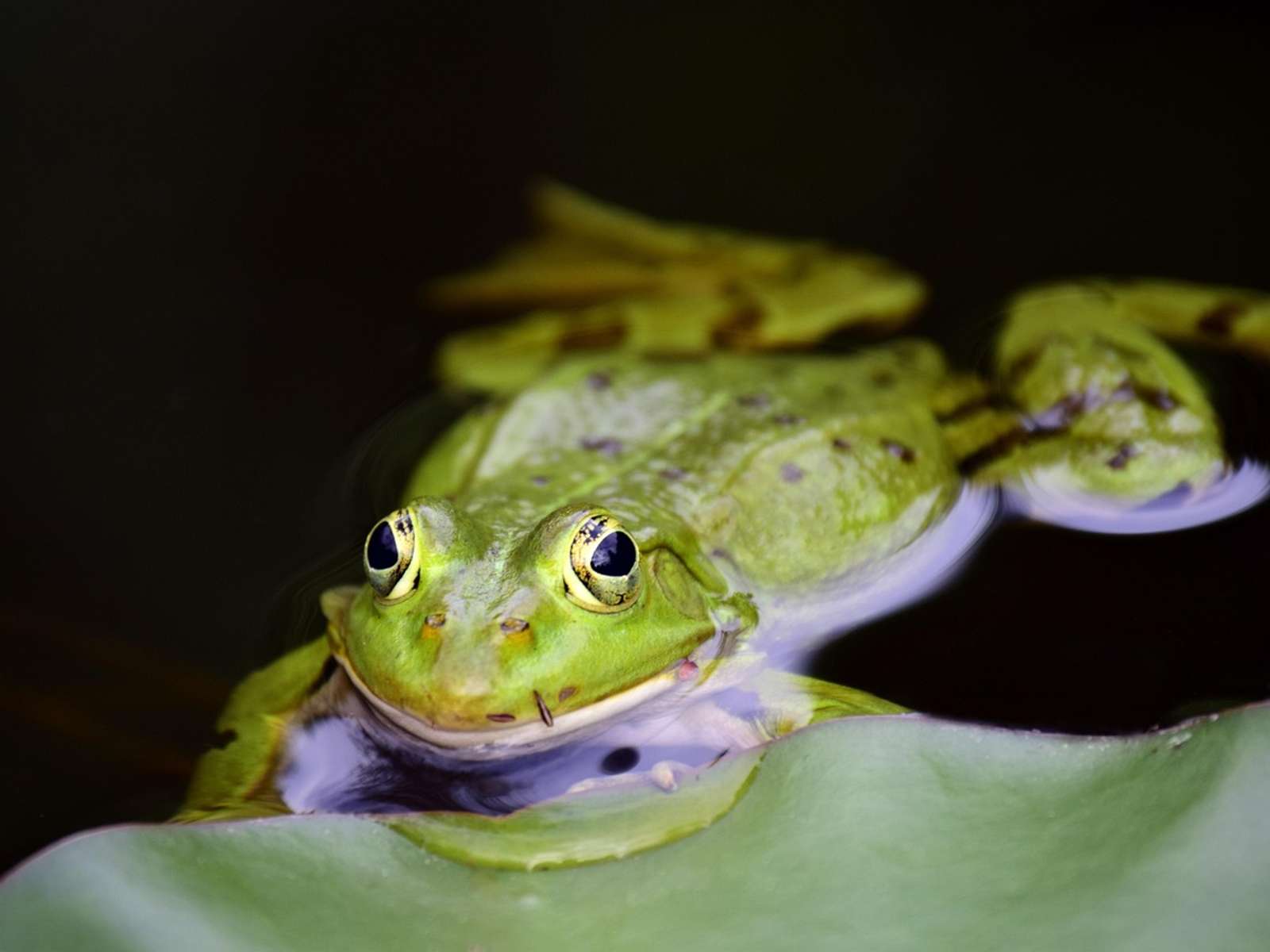
Museum specimens show the chytrid fungus arrived at Brazil's Boracéia station just as frogs vanished in 1979-1982. Today most species there appear to have recovered, Smithsonian and Penn State researchers report, though five have not been found.

On the edge of Huai Kha Khaeng Wildlife Sanctuary in western Thailand, a women-led herbal network has grown from 21 to 88 households in about six years, earning more from less land and easing pressure on the forest, UNDP said.
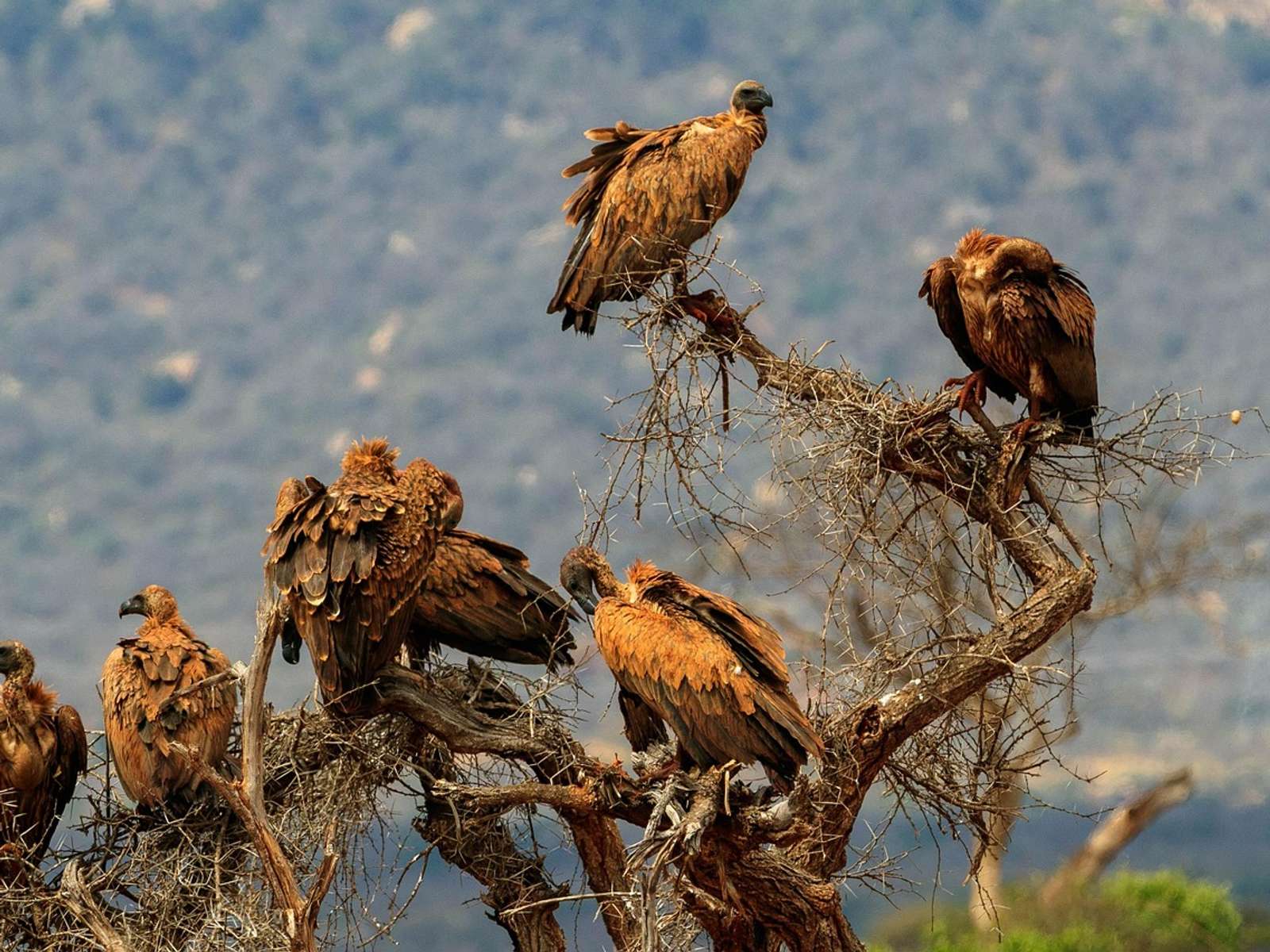
Since 1996, the African Bird Club has given £755,241 in small grants to 383 bird conservation projects in 53 countries and territories, from protecting coastal forest in Kenya to surveying waterbird colonies in Zambia.
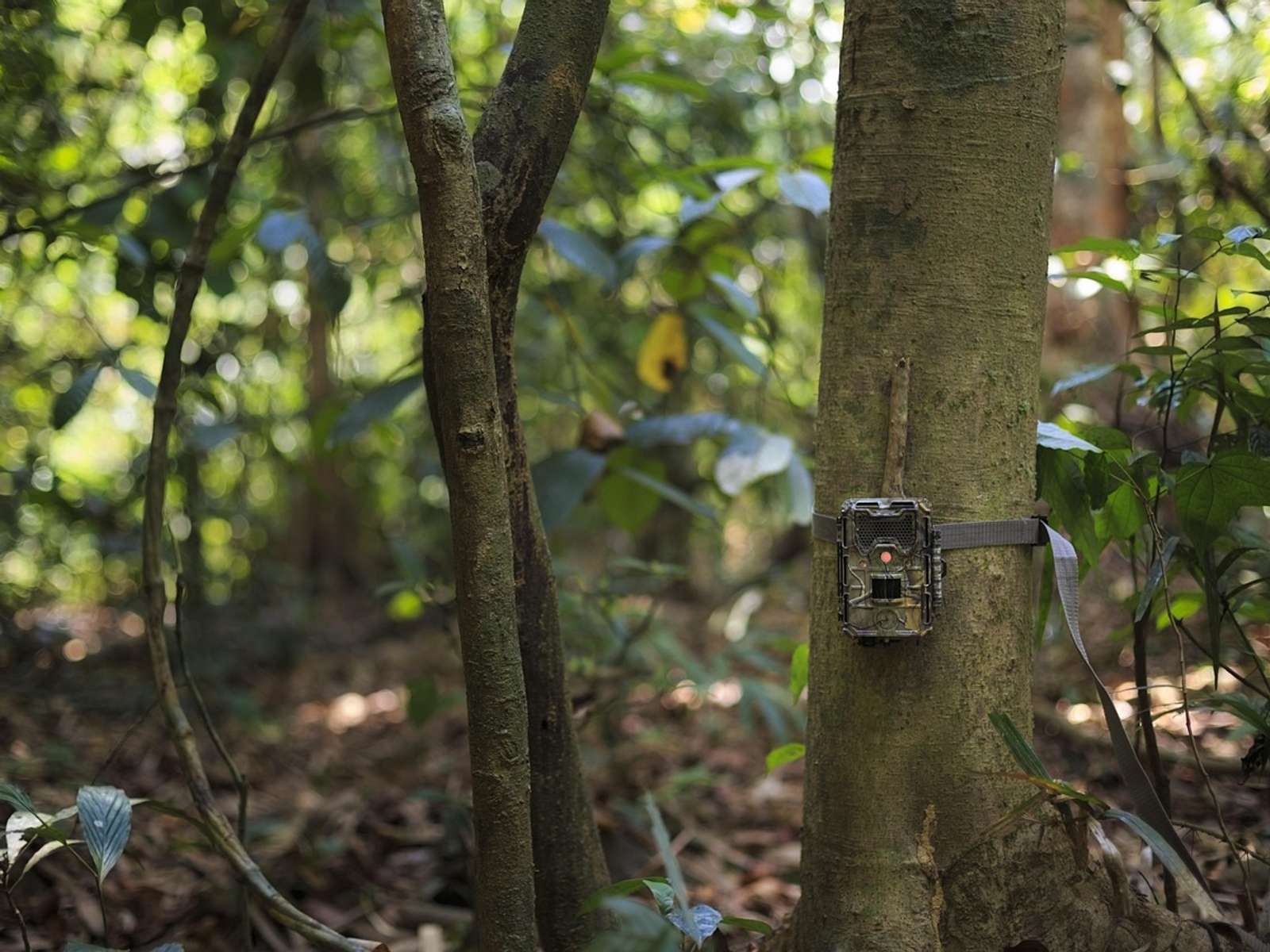
Rangers in the Warddeken Indigenous Protected Area used the open AI model MegaDetector to filter empty camera-trap photos, cutting the images they had to check from 925,088 to 172,290 and processing time from six months to two.

Students and staff at Curtin University's Perth, Singapore and Malaysia campuses sampled air, water and surfaces for environmental DNA and identified 572 species, from a small-clawed otter to an escaped pet iguana.
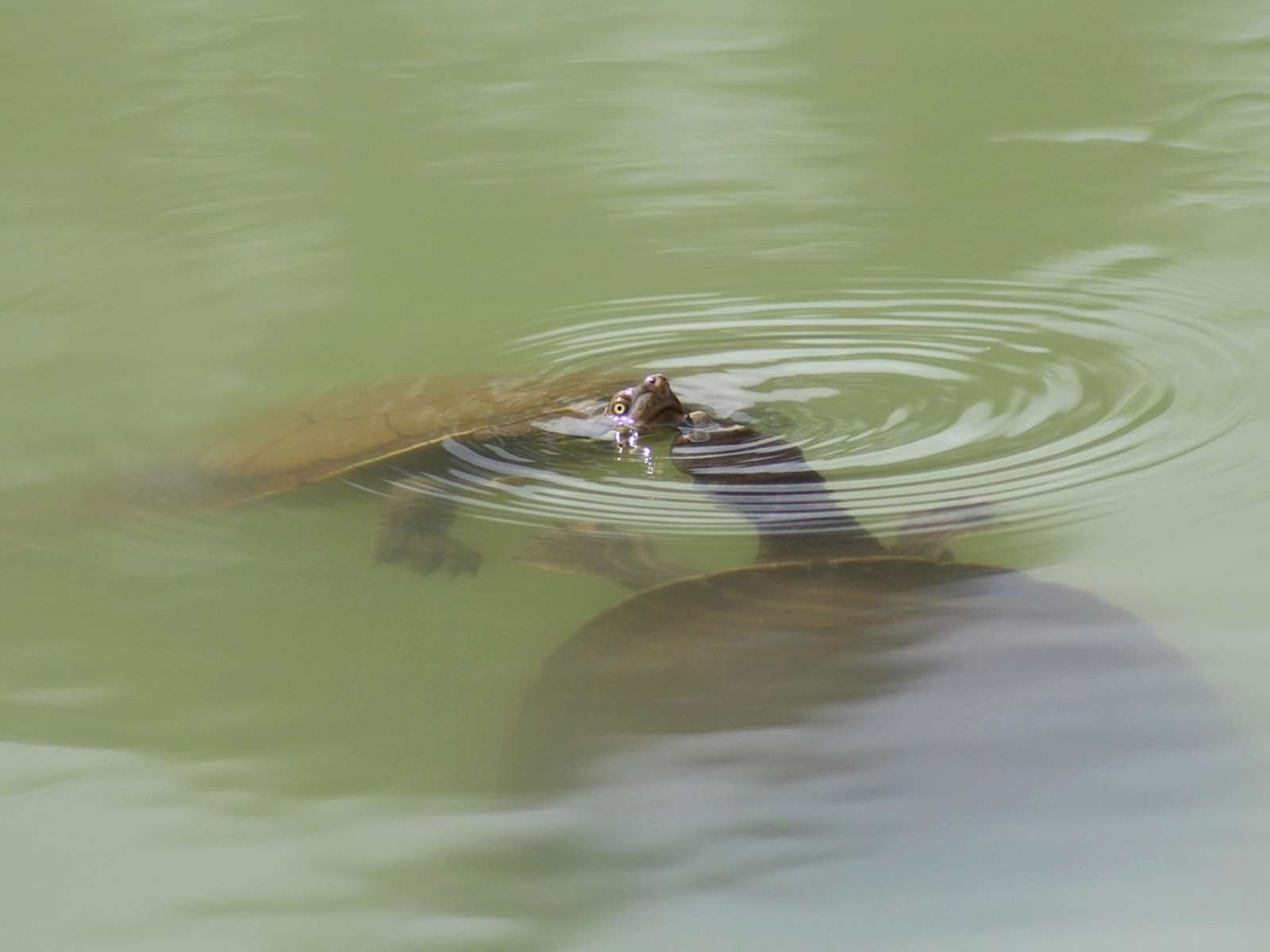
Thirty-nine freshwater turtles pulled from a drying waterhole in the Gwydir wetlands laid more than 250 eggs at Taronga Western Plains Zoo. Thirteen adults are already back in the wild.
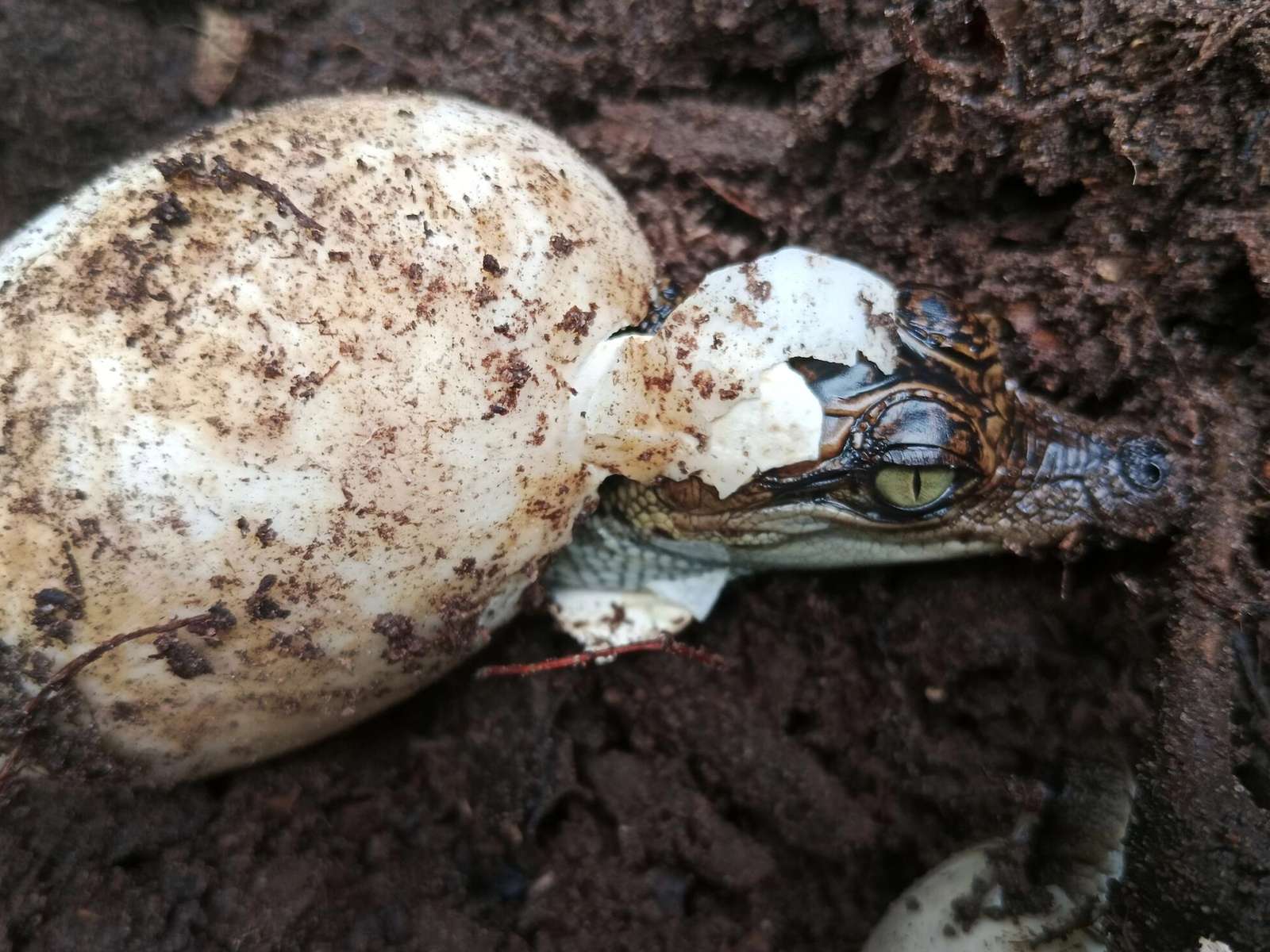
Cambodia has set aside 315 hectares of marsh in the Cardamom Mountains as its first genetic conservation area for an animal species. The site holds more than 40 wild Siamese crocodiles, the largest known wild group.
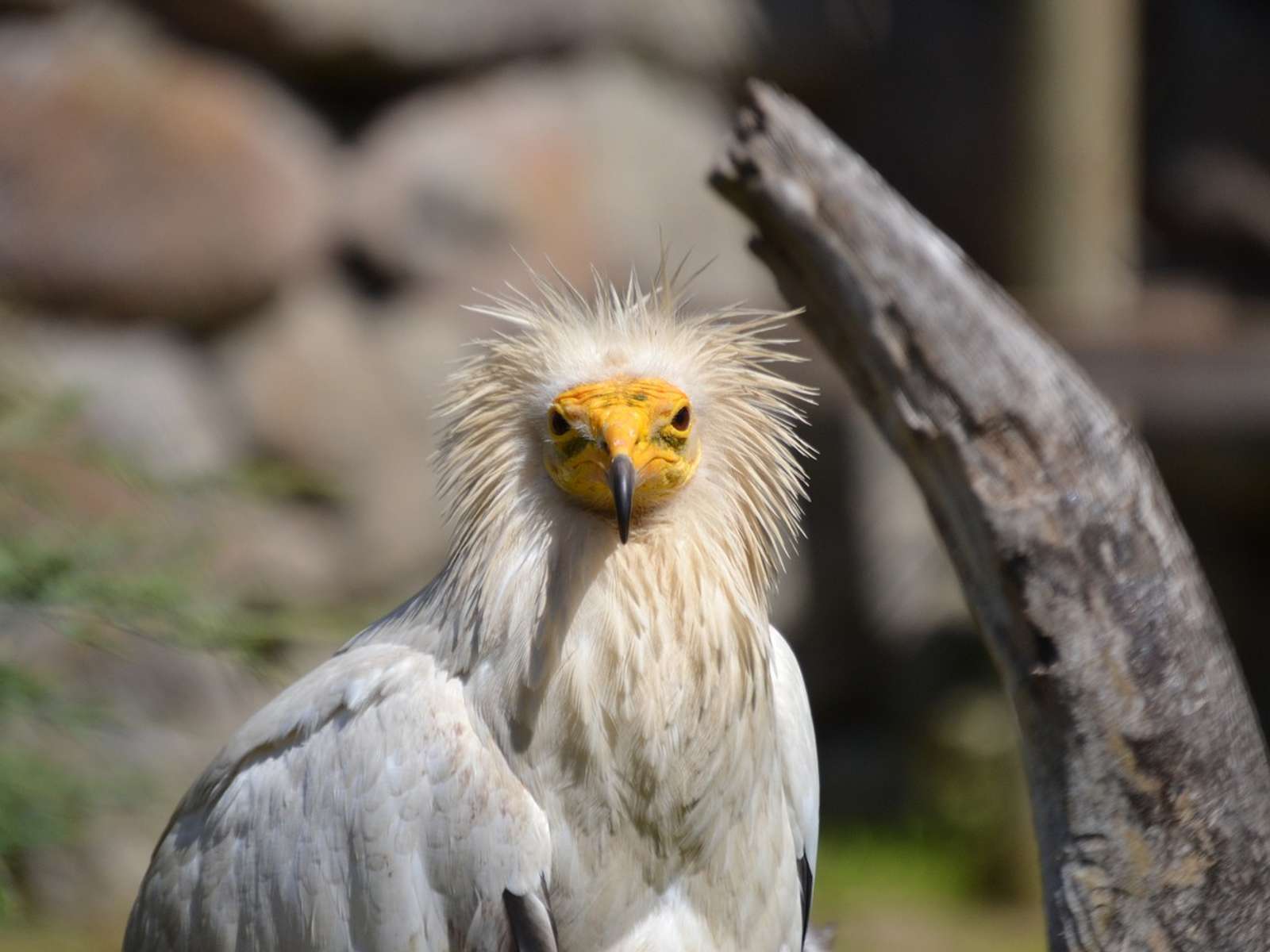
LIFE EV Safe Return, led by BirdLife Bulgaria with 15 partners, plans to release at least 40 Egyptian vultures in Bulgaria and Greece and tackle poisoning, poaching and electrocution along their 5,000 km migration.
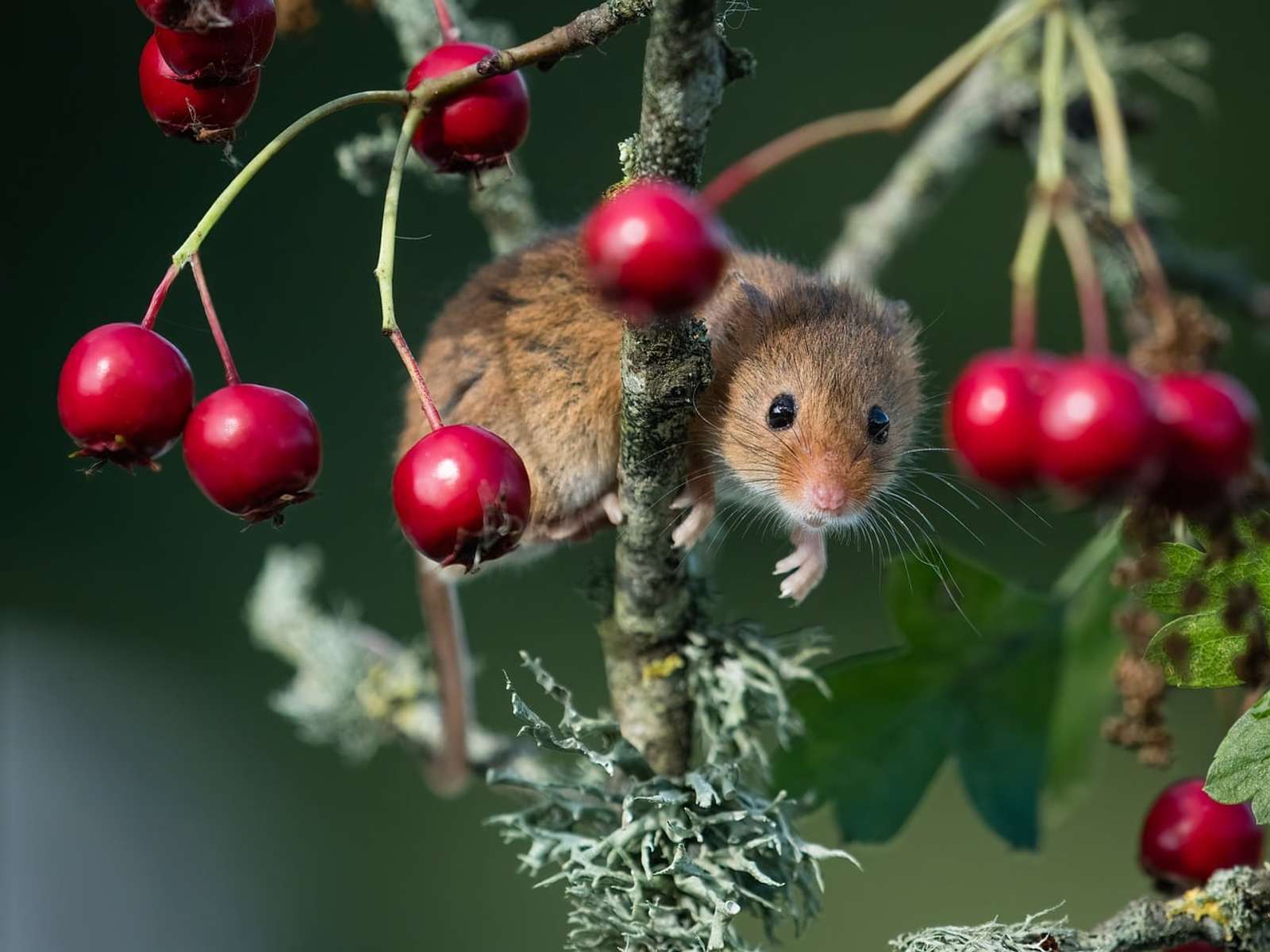
Devon teenagers Eva and Emily, both 14, are looking for 20 children aged 8 to 13 to breed 250 harvest mice at home, guided by ecologists, for release into the wild in September 2027.
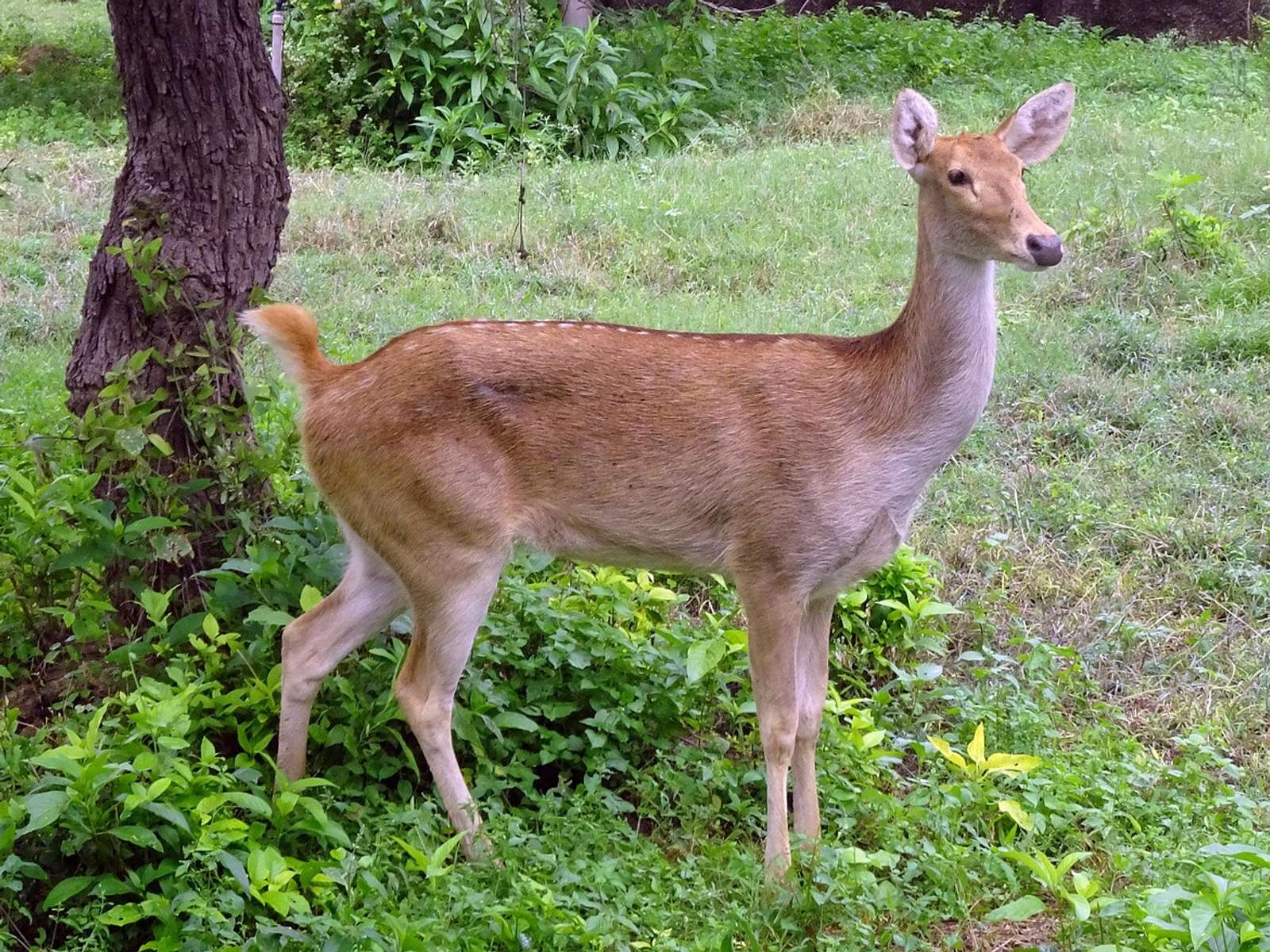
Ten years after Madhya Pradesh began moving hard-ground barasingha from Kanha to Satpura Tiger Reserve, where the deer had died out, the population has grown to about 303, with corridors now planned.
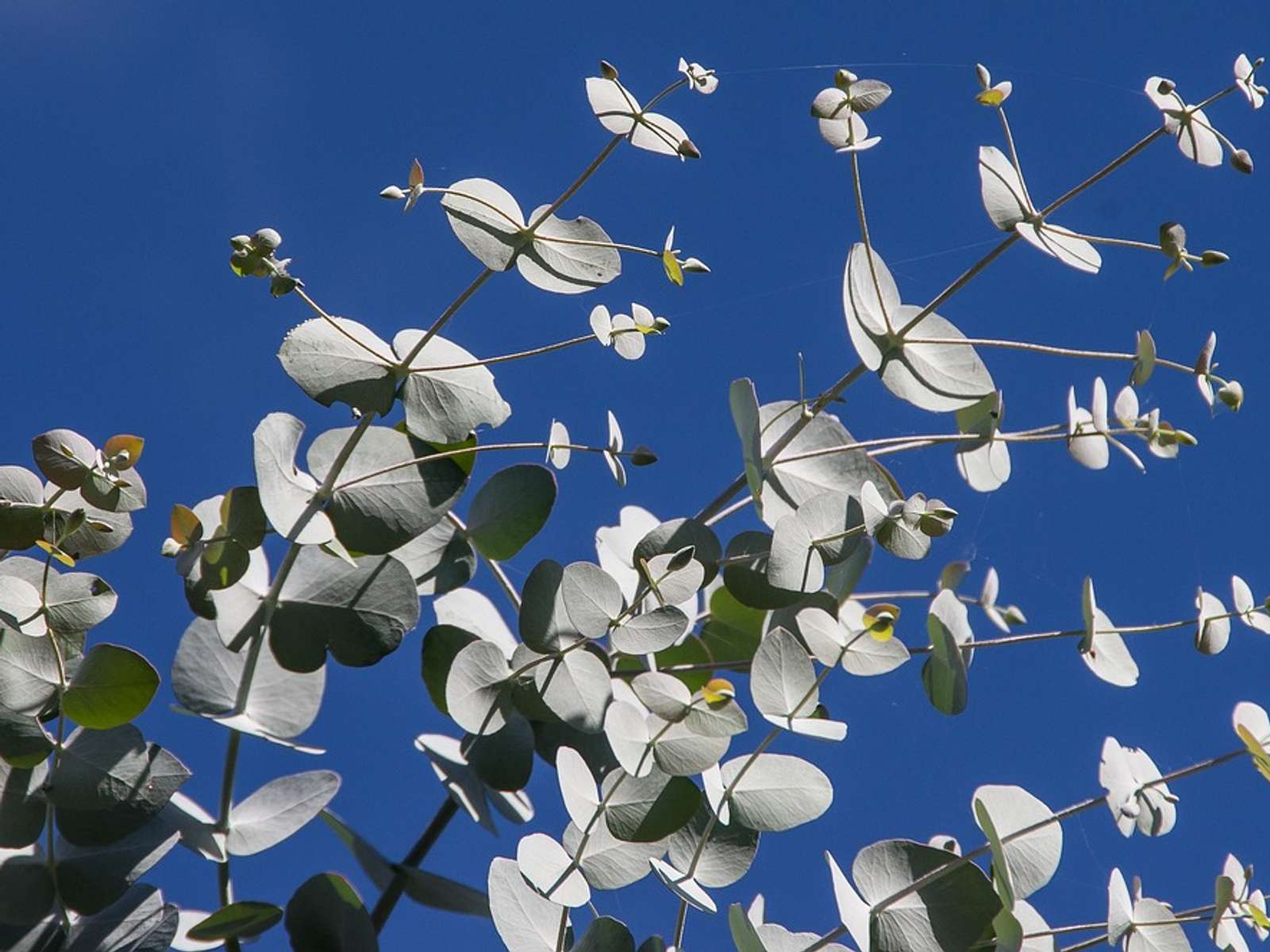
University of the Sunshine Coast researchers used DNA from greater glider droppings to identify 17 plant species in their diet, including non-eucalypts such as acacia and casuarina.

In Alta Floresta, Brazil, rope canopy bridges over city roads recorded nearly 15,000 animal crossings in 15 months, and eight more bridges have been added, bringing the total to 15.
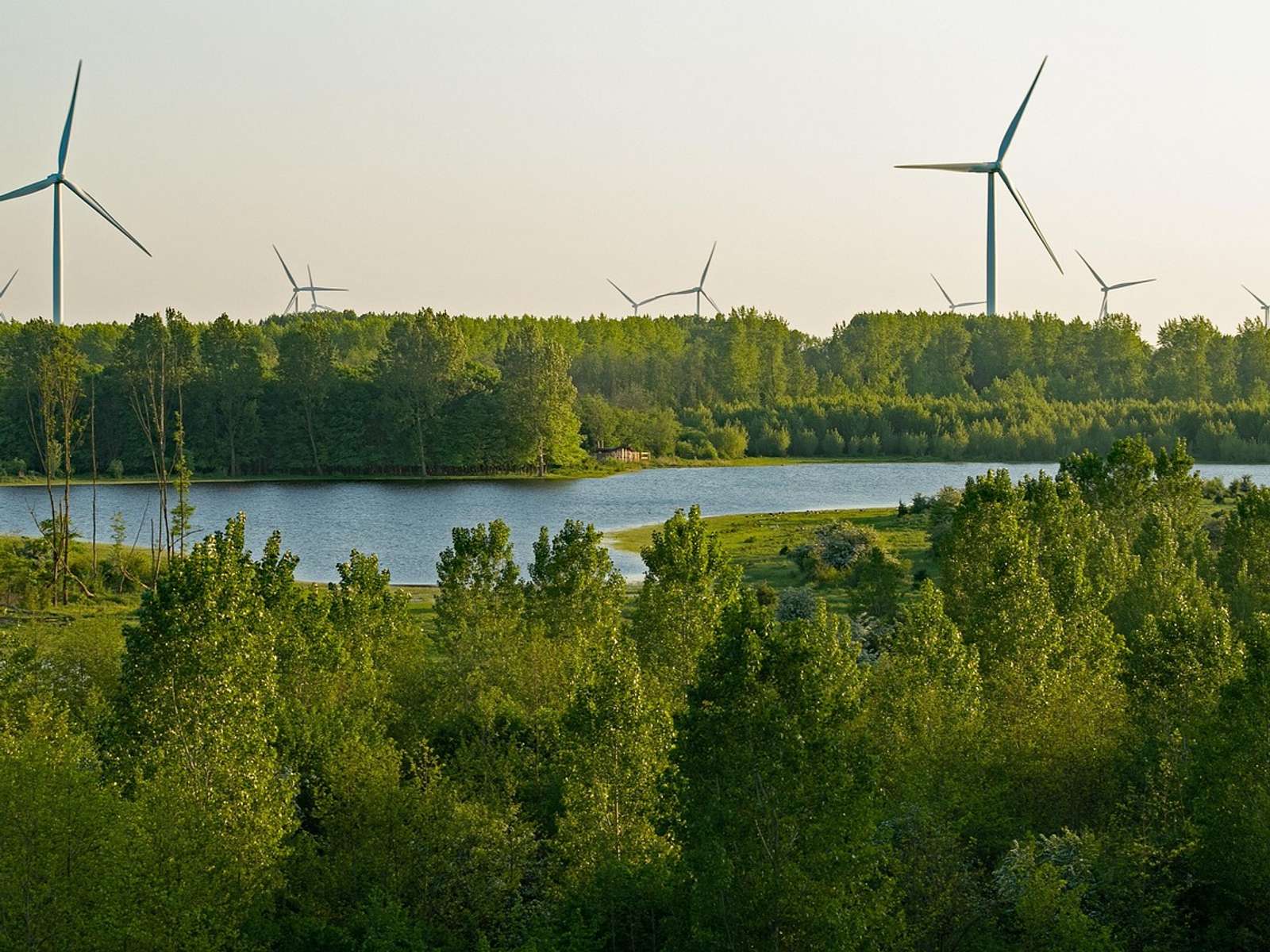
A 13-year experiment at the El Ruedo wind farm in Cádiz, Spain, found that painting one of three blades black reduced bird deaths at those turbines by 74% compared with unpainted turbines.
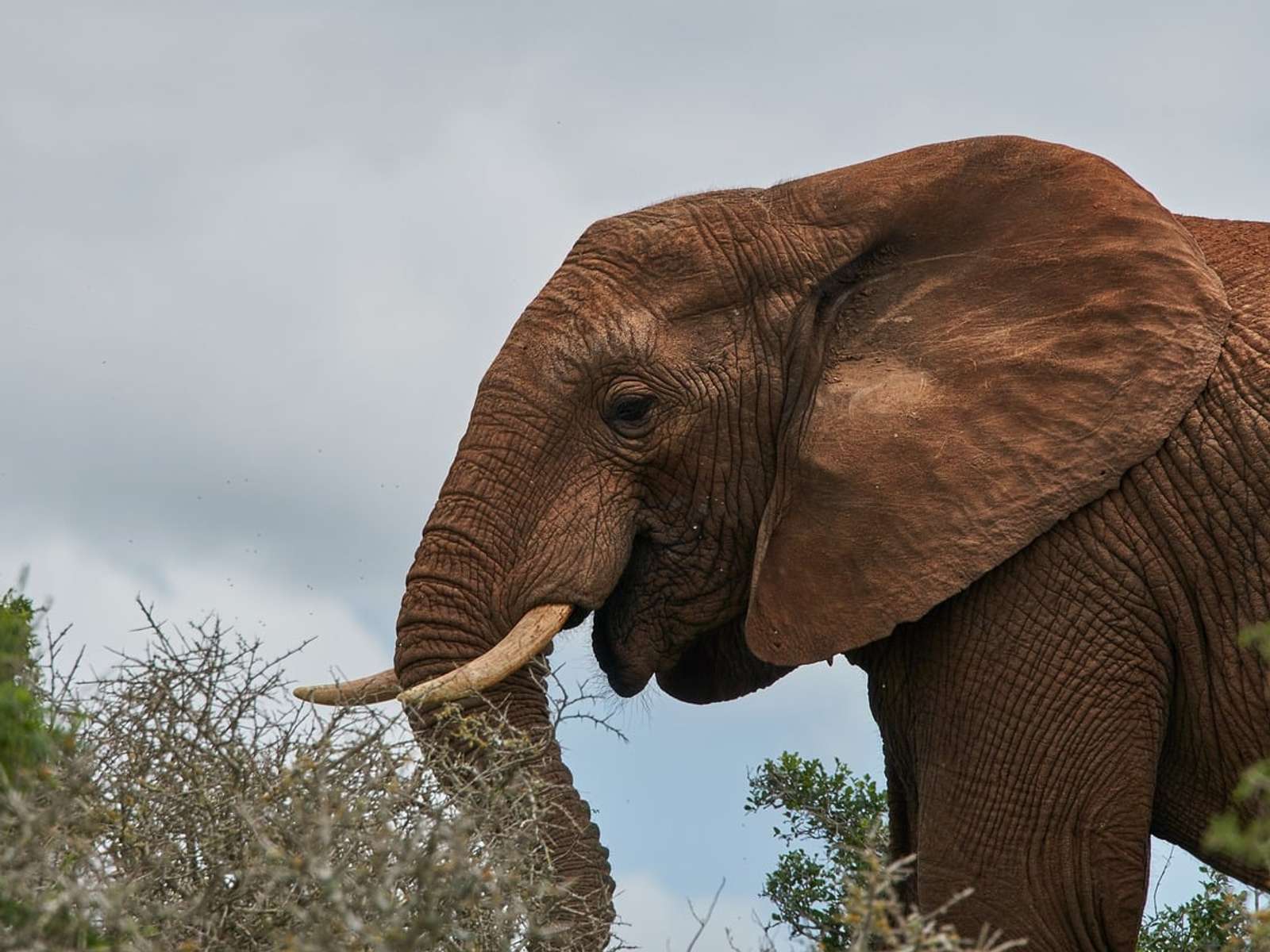
A study of wild elephants in South Africa found they use more than 40 types of gestures intentionally, checking whether others are watching and repeating signals until they get the response they want.
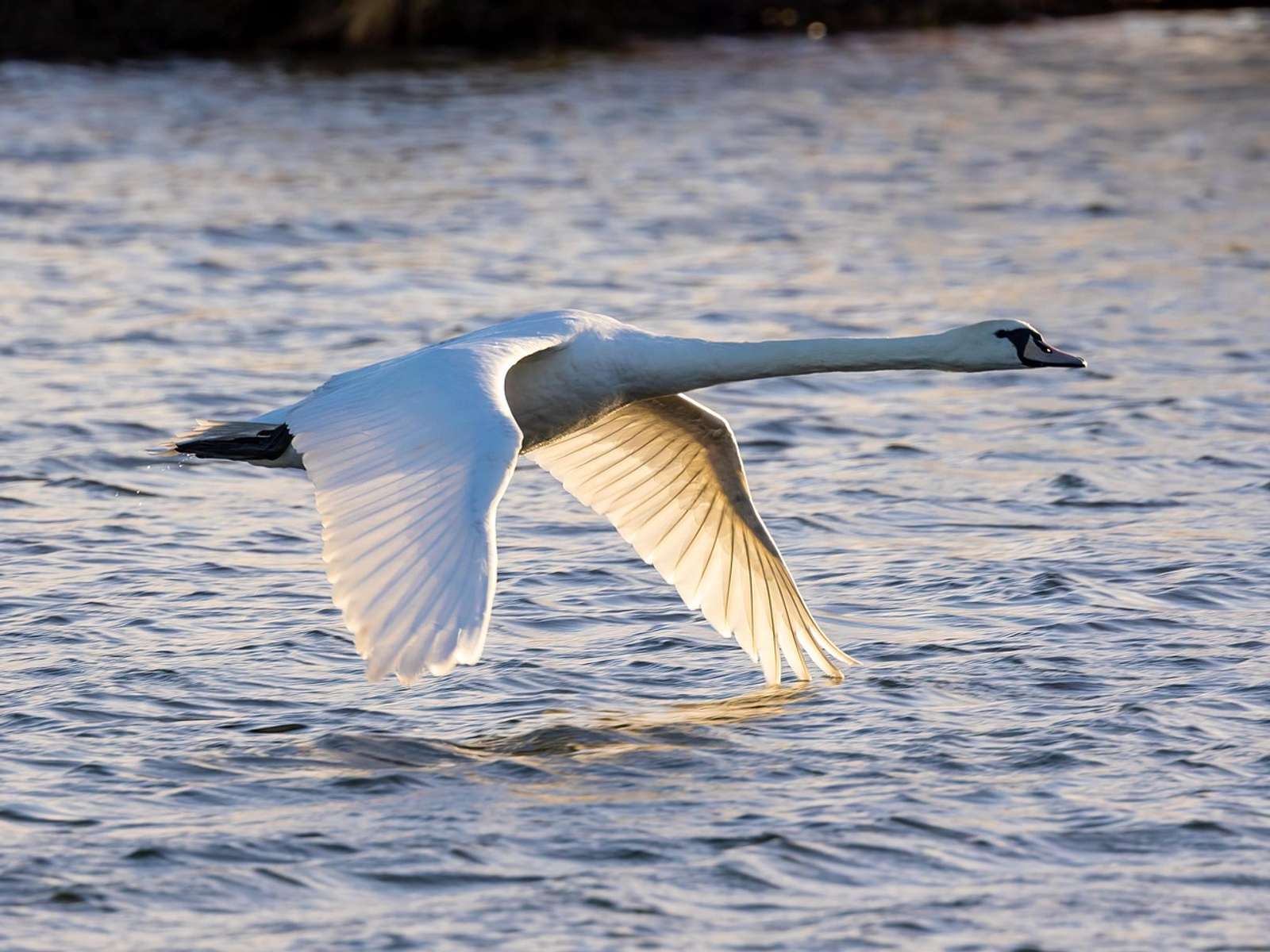
The European Parliament has rejected two attempts to block an EU-wide ban on lead gunshot, clearing the way for a rule that conservationists say will protect around 135 million birds at risk of lead poisoning.
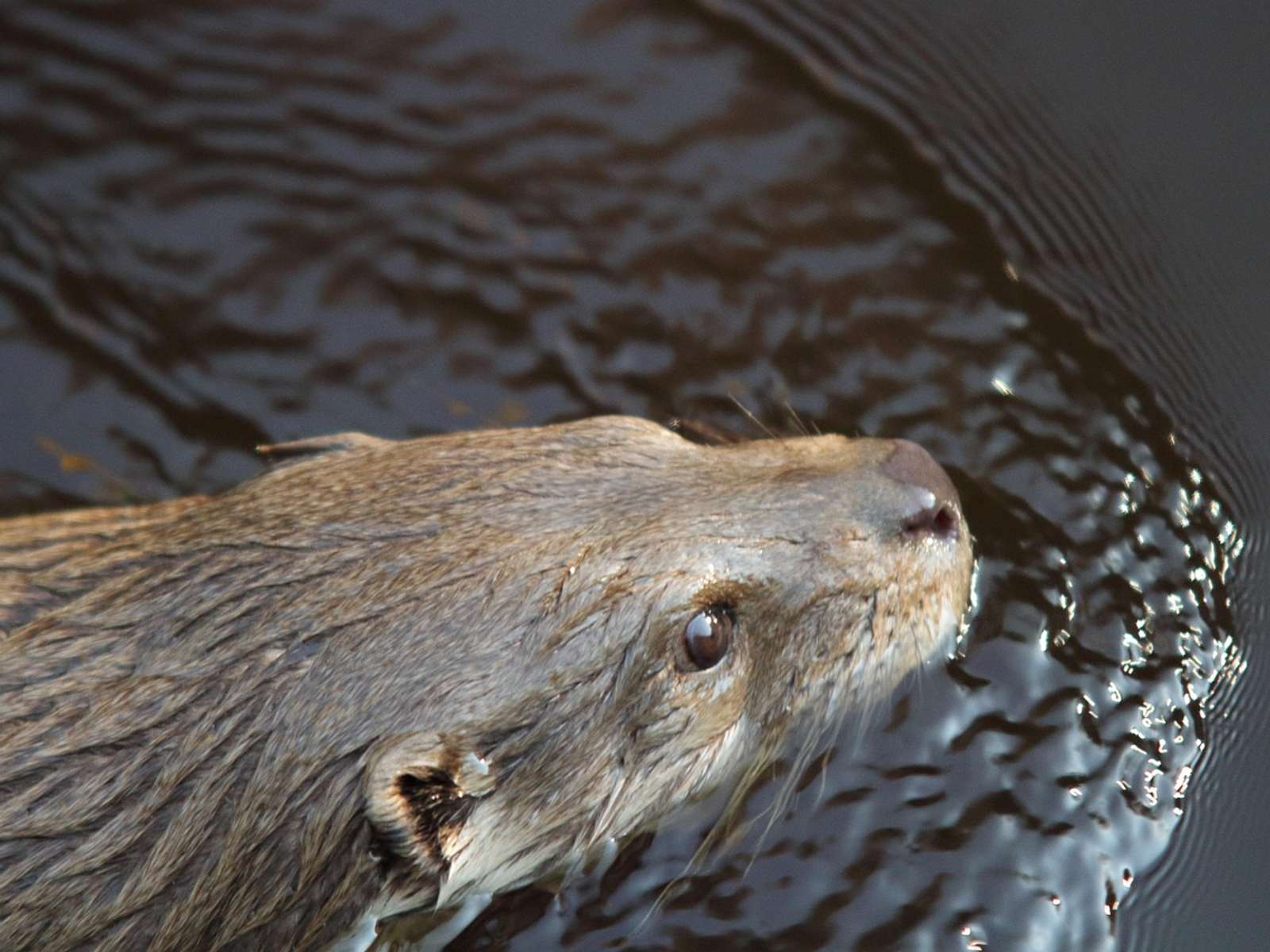
The new Agua Dulce Municipal Wildlife Reserve in Baures, Bolivia, protects nearly 715,000 acres of habitat for jaguars, Amazon river dolphins, giant otters and hundreds of bird species.
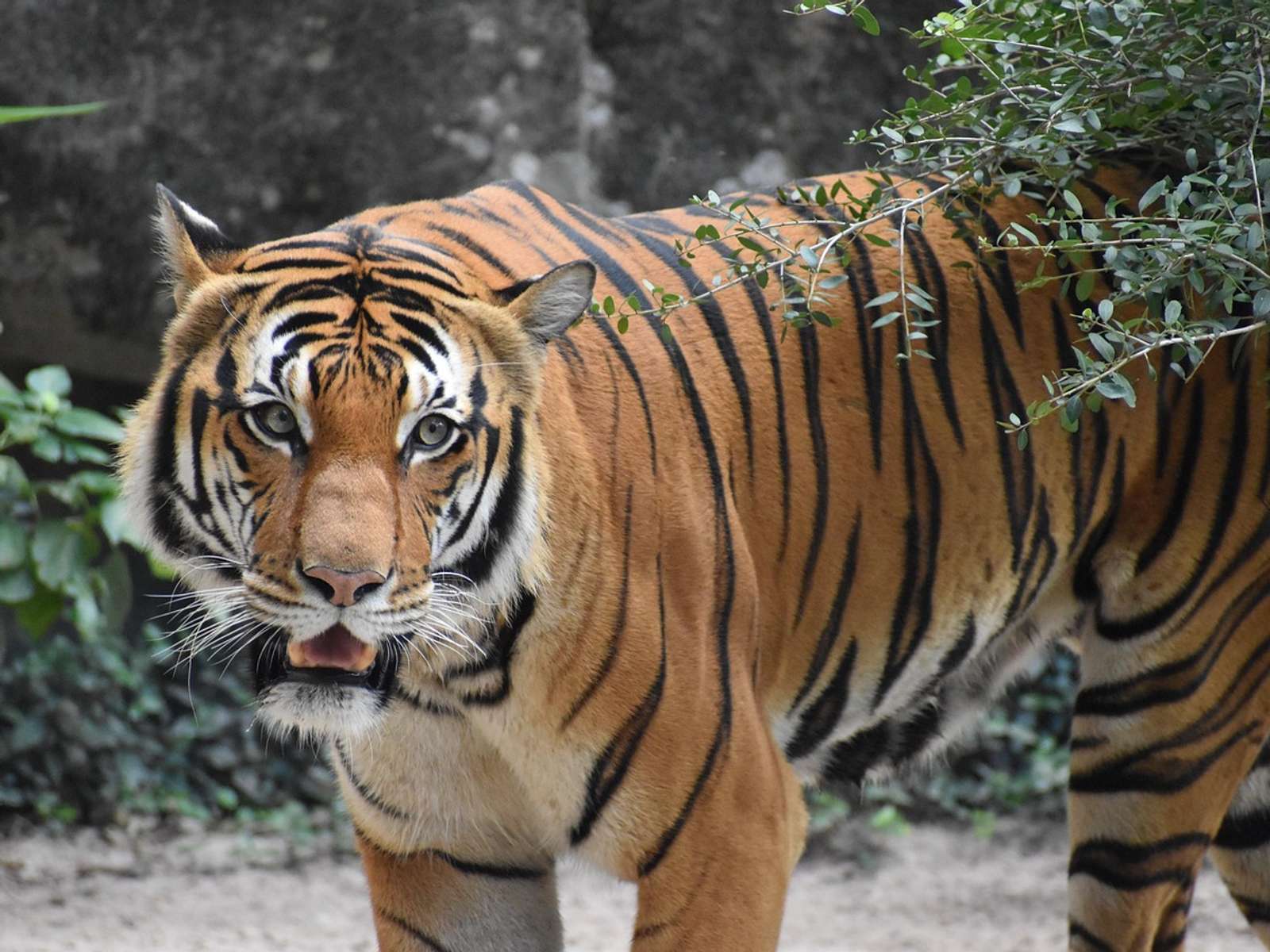
Camera traps in Thailand's Western Forest Complex show a wild tigress named Mae Kaew has raised three litters, nine cubs in all, and one of her daughters has now had two cubs of her own.

A white-crowned mangabey, a West African monkey that signals with its white eyelids, has been born at BIOPARC Valencia, the 10th birth there for the European breeding program.
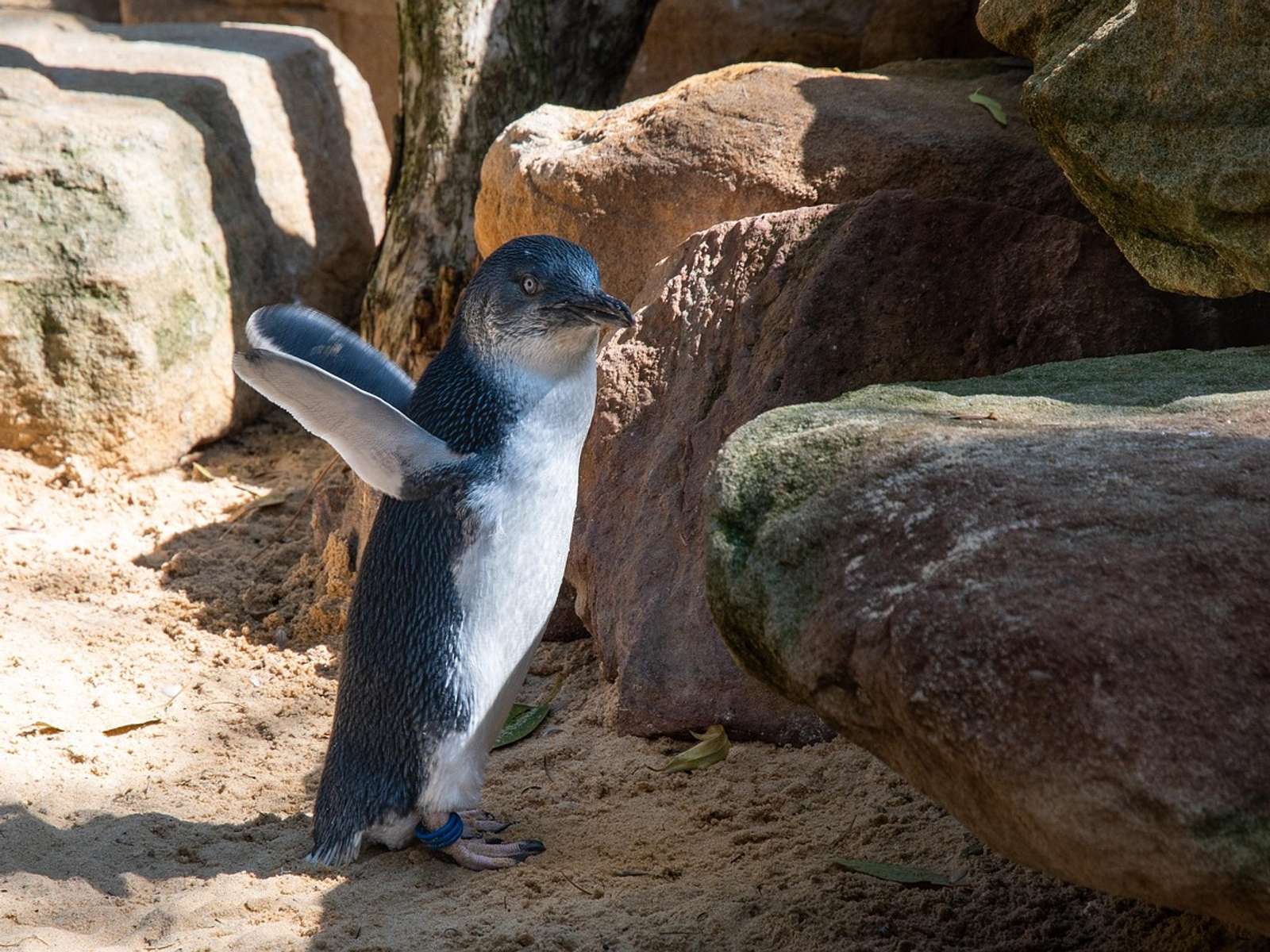
After almost 60 little penguins on Barunguba Montague Island got their first dose, NSW teams have started vaccinating birds on Big Island and Bowen Island against H5 bird flu, with two more islands to follow.
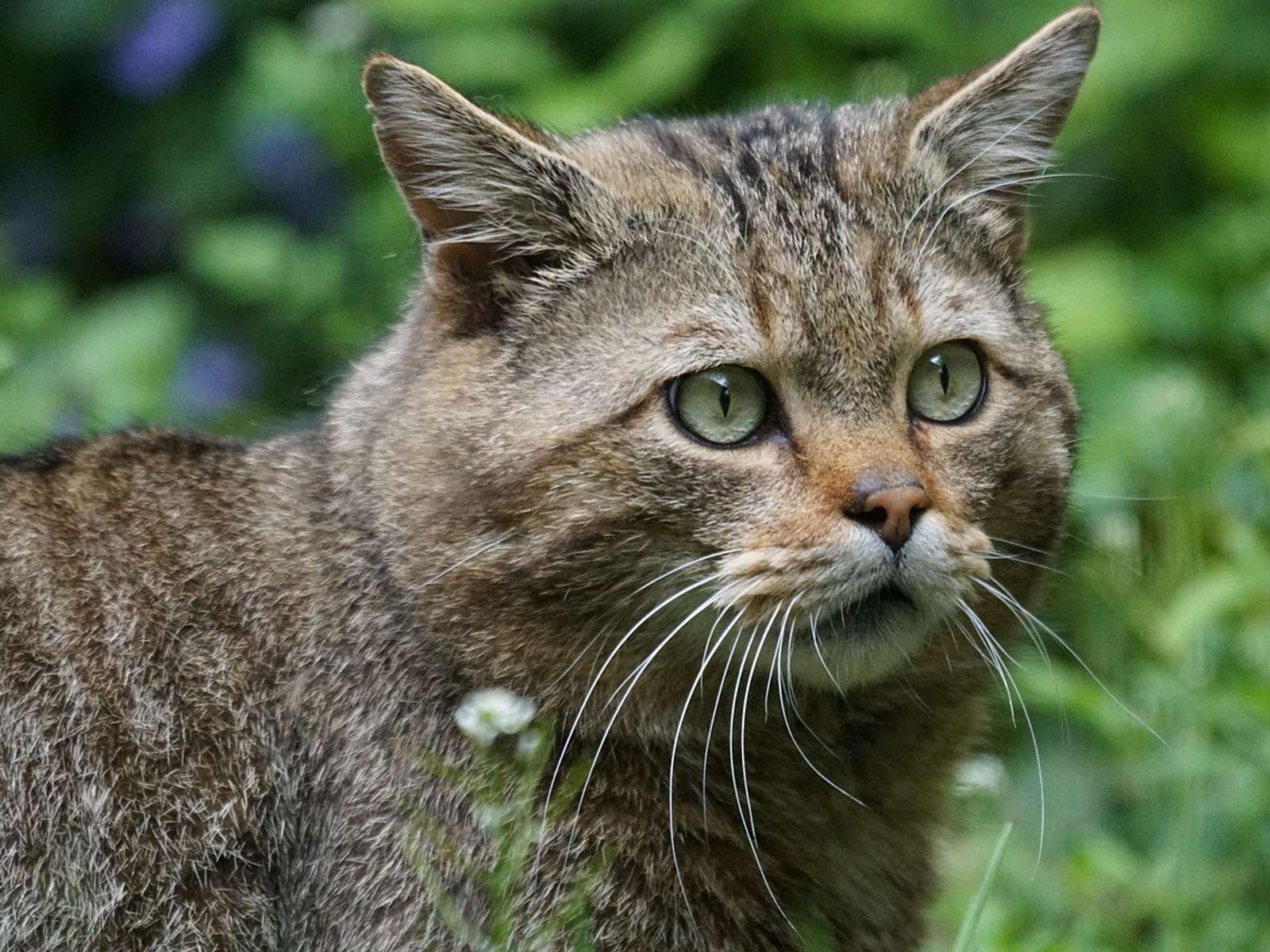
The Saving Wildcats project has now released 50 critically endangered wildcats into Scotland’s Cairngorms National Park since 2023, and released females have given birth in the wild for three years in a row.
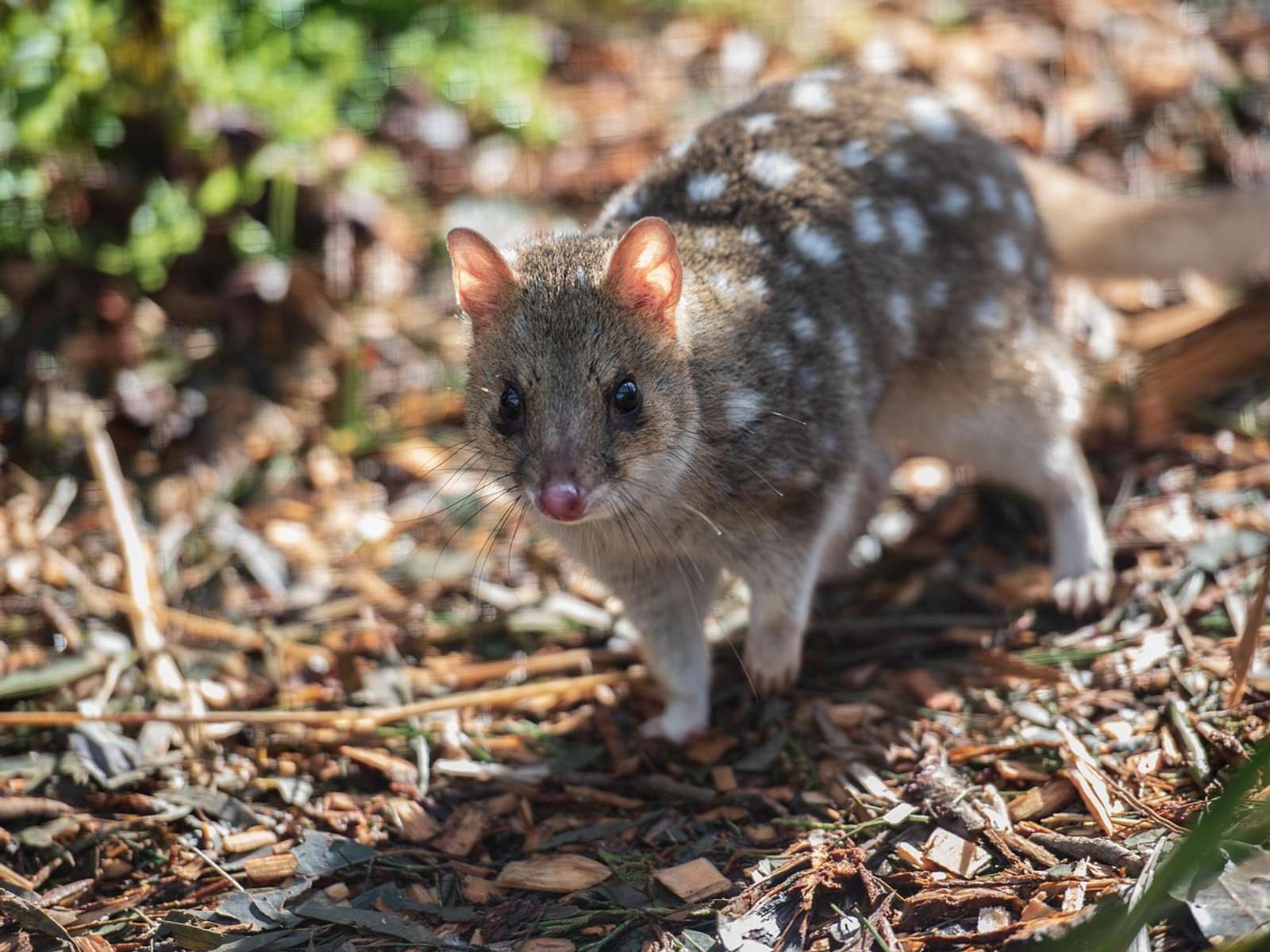
Australian Wildlife Conservancy has begun releasing endangered northern quolls, many of them females carrying young, into a 950-hectare feral predator-free area at Mt Zero-Taravale Wildlife Sanctuary in north Queensland.
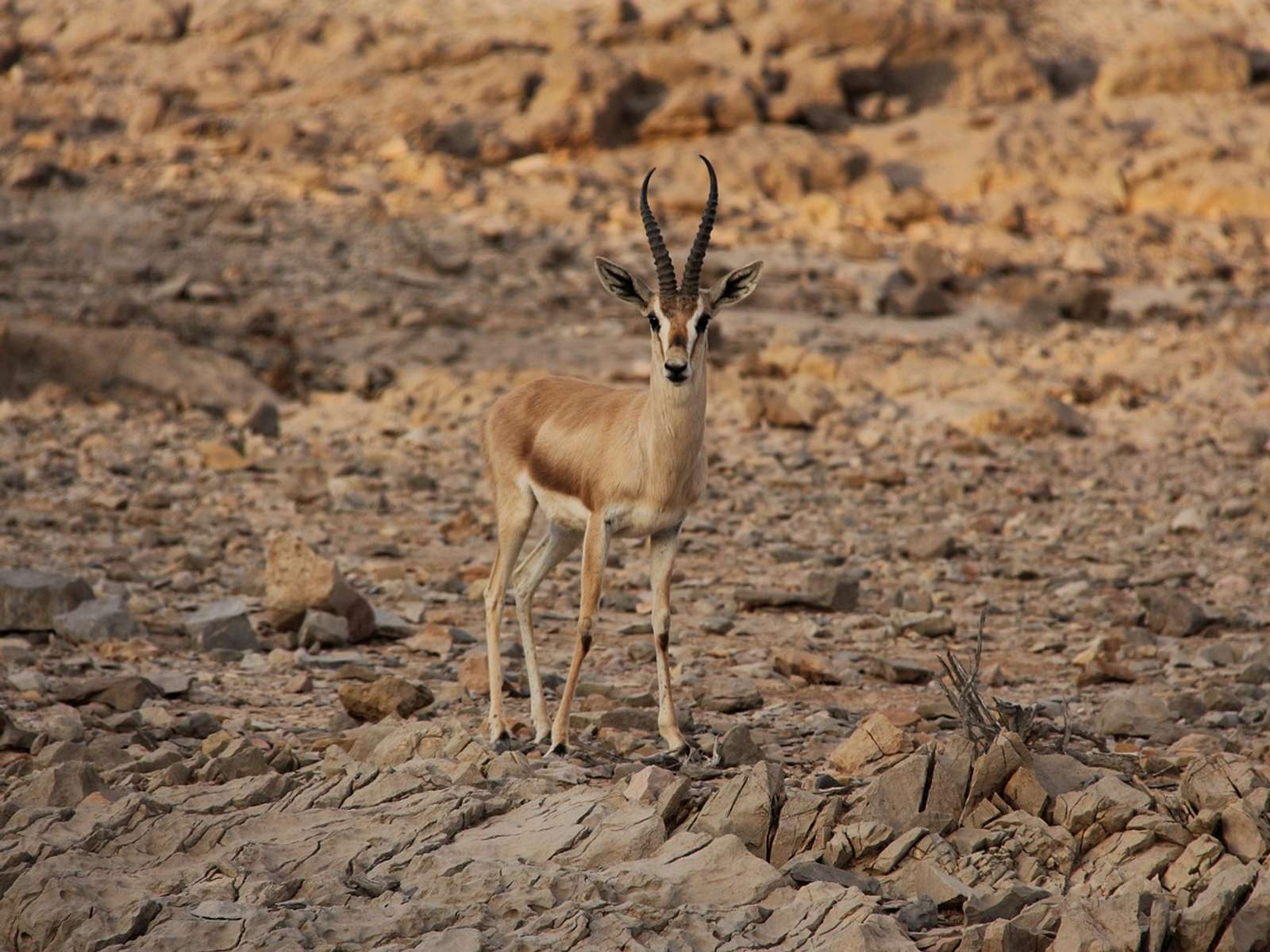
Thirty-eight vulnerable sand gazelles now live among the panels of a working 250-megawatt solar park in northwest Saudi Arabia, where a royal reserve hopes to breed a herd of about 600 by 2031 for release into the wild.
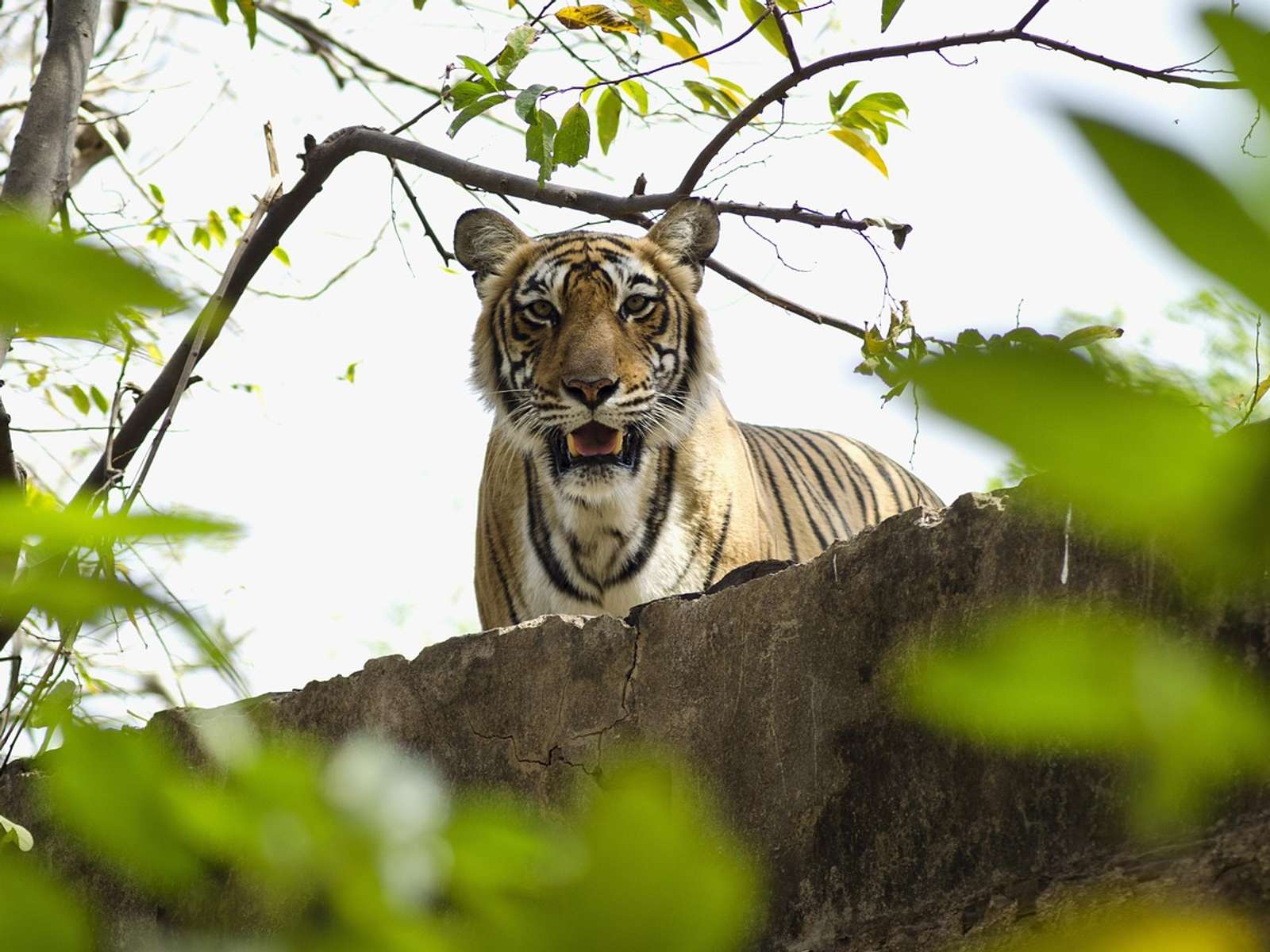
Tigress T138, about three years old, was flown from Bihar's Valmiki reserve and released into West Bengal's Buxa Tiger Reserve on 2 October, the first step in a phased plan to bring back a breeding tiger population.

A five-year-old Philippine eagle rescued in Magpet, Cotabato, was carrying three airgun pellets. Vets removed two, and the critically endangered bird is under close care. The rescue also shows eagles still use a nesting territory last confirmed active in 1990.
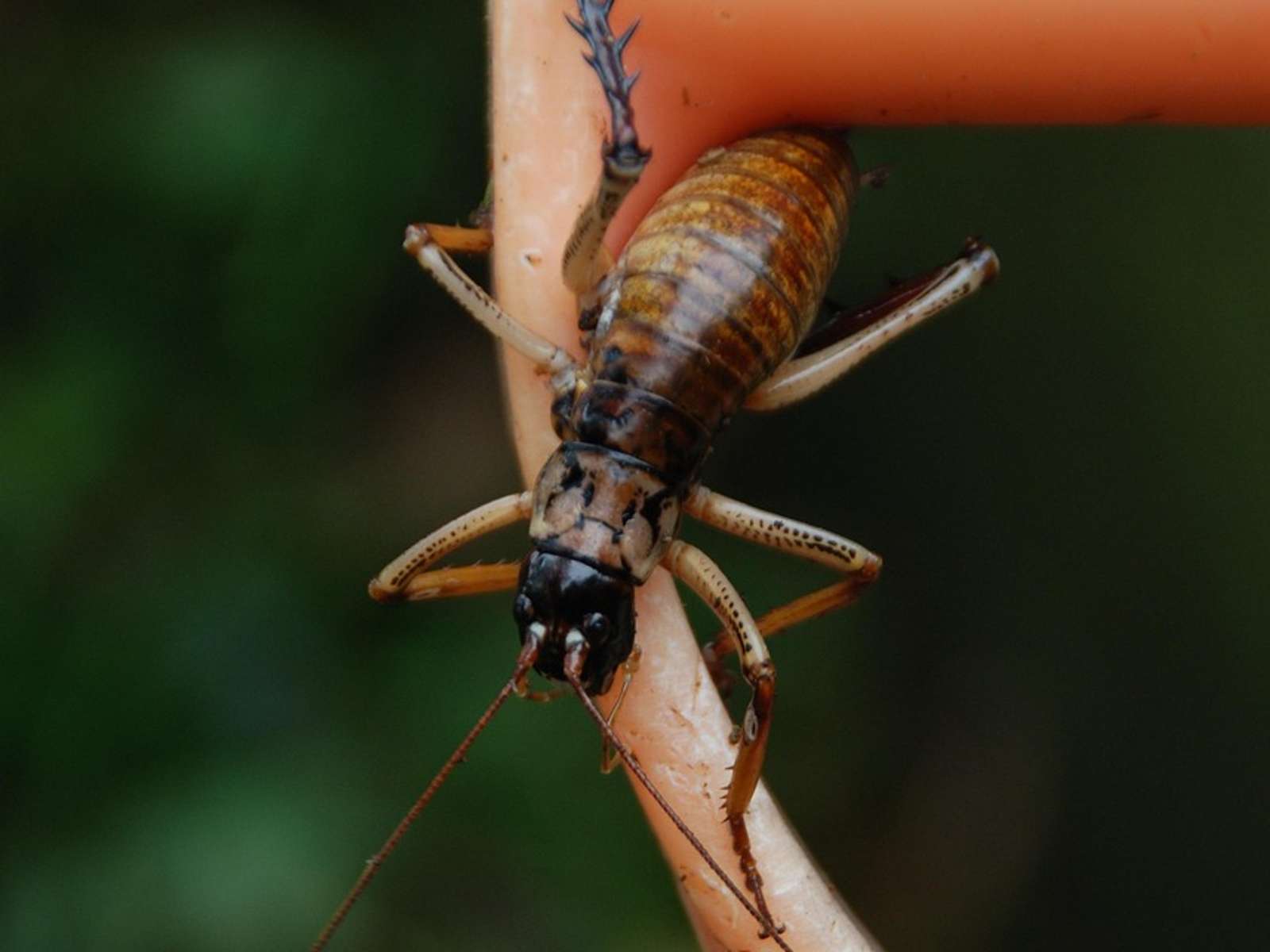
A 15-year breeding program at Butterfly Creek and Auckland Zoo has put 11,000 wētāpunga into 10 new wild sites. The giant insect's status improved from Nationally Endangered in 2004 to Nationally Increasing in 2022.
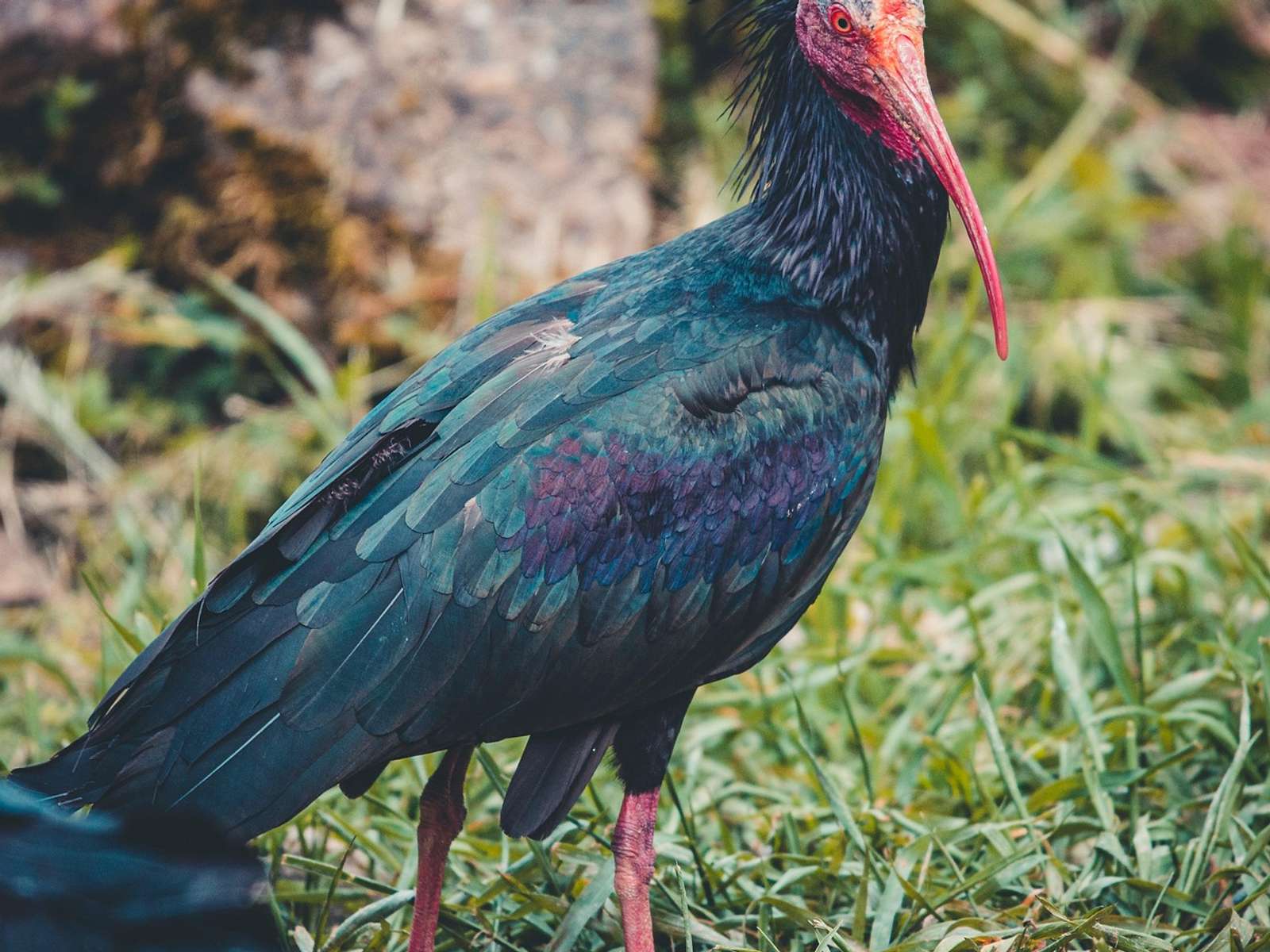
Fifteen young northern bald ibises were guided to Spain behind ultralight aircraft flown by their human foster parents, part of a project to re-establish a migratory population of a species extinct in Europe since the 17th century.
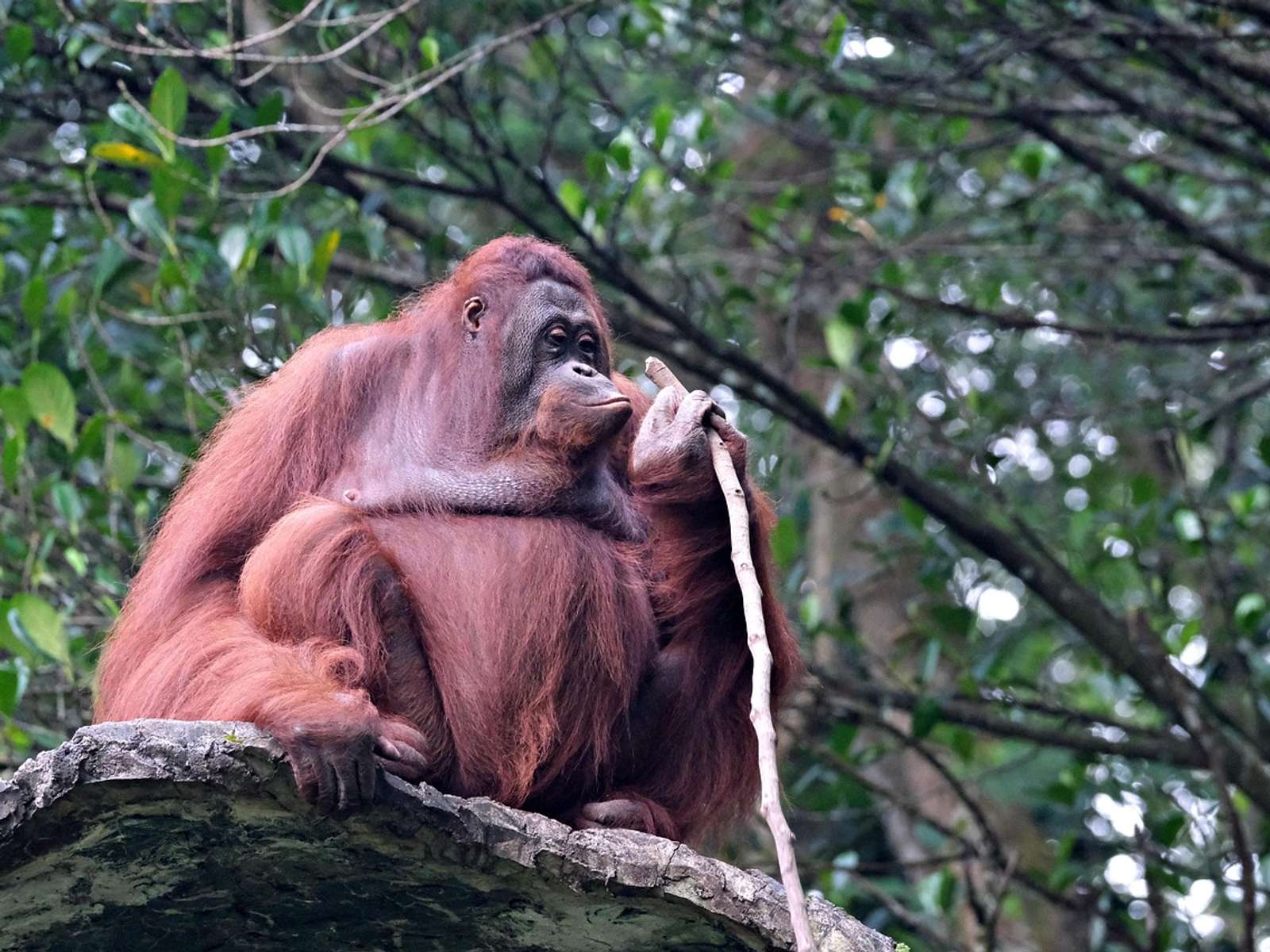
About 800 villagers in Indonesian Borneo are paid for verified photos and recordings of wildlife, from common birds to orangutans. The KehatiKu program has logged more than 300,000 observations, and two villages have banned hunting.
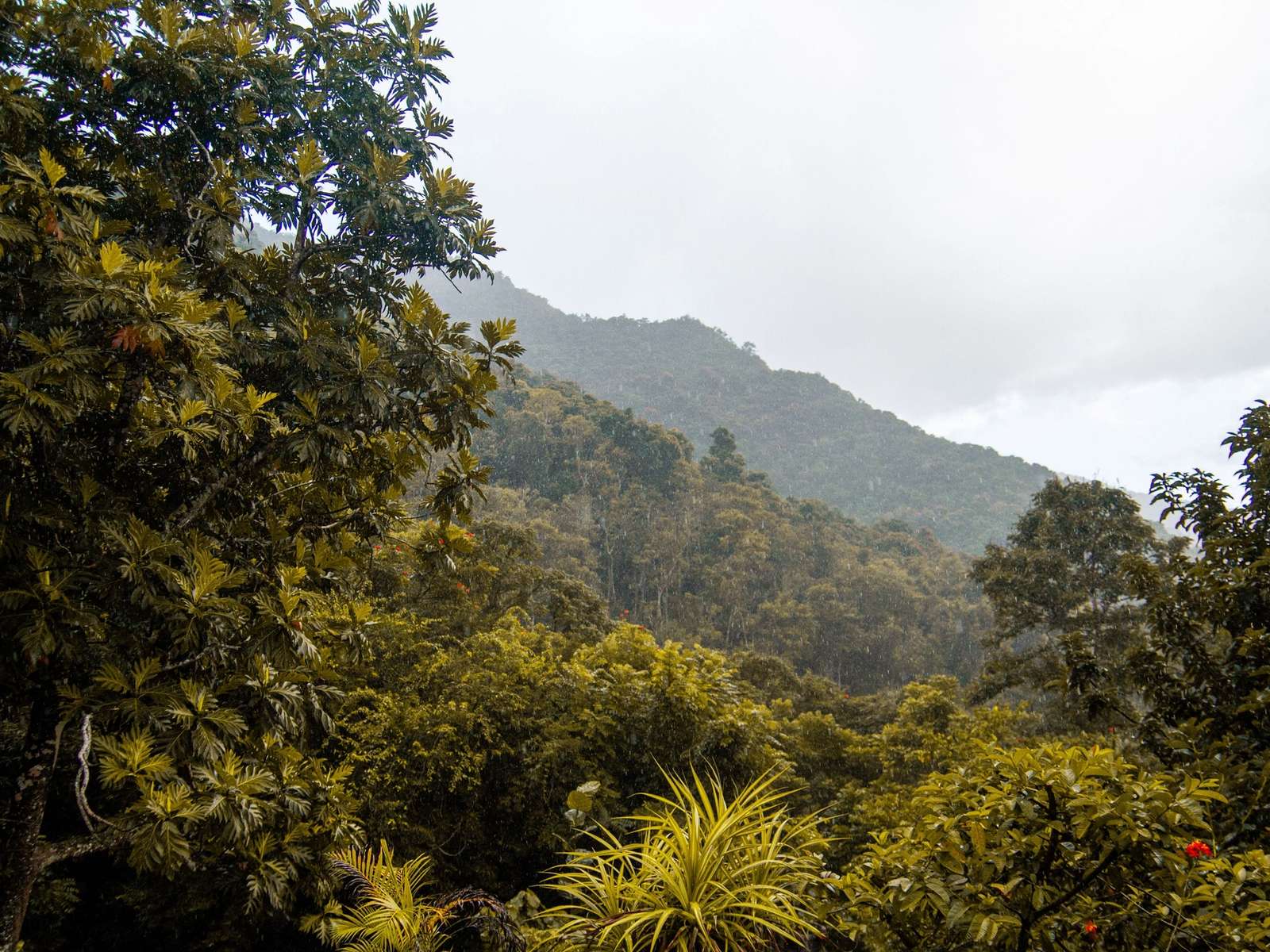
Laos has designated a 217,400-hectare national park in the Annamite Mountains, protecting habitat for the critically endangered saola and several other species found almost nowhere else on Earth.

Ho Chi Minh City forest rangers released 84 rescued animals from 13 species into the Dong Nai Nature and Culture Reserve, part of an ongoing program that has returned over 1,400 animals to protected habitats since 2022.
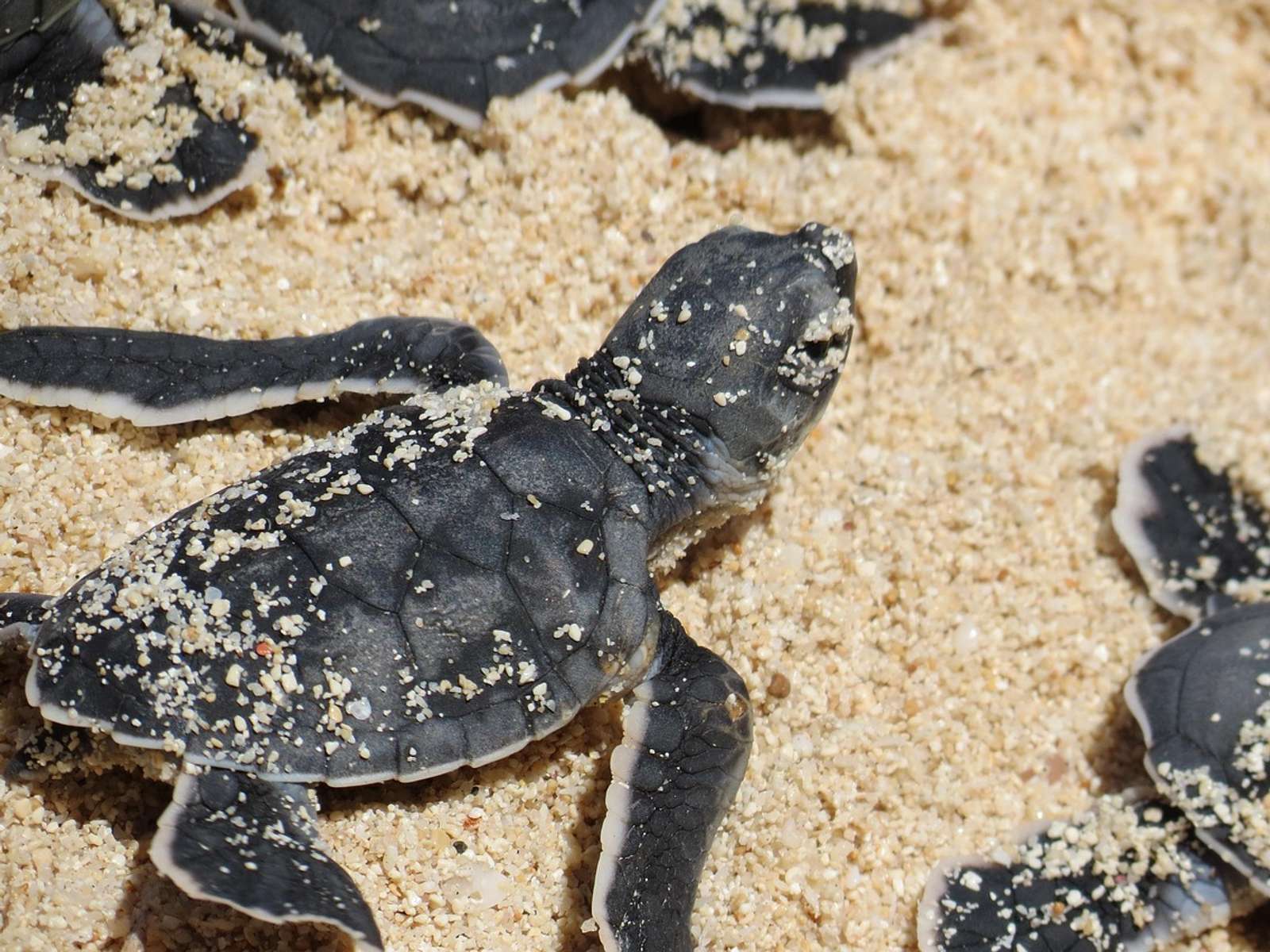
More than 22,000 baby sea turtles have been recorded from protected nesting areas in Playa del Carmen this season, as conservation teams monitor thousands of nests along the Mexican Caribbean coast.
About this topic
The IUCN Red List, the world's main register of species at risk, held 172,620 species at its October 2025 update, and 48,646 of them were threatened with extinction. The same list also records recoveries. In that update the green sea turtle moved from Endangered to Least Concern after its global numbers grew by about 28% since the 1970s, which the IUCN credited to decades of sustained conservation work.
The stories on this page are about that second column: species and local populations that are growing again because people protected their habitat, removed a threat or bred animals for release. They range from a single birth to national programs. Recent examples include barasingha deer in India's Satpura Tiger Reserve passing 300 a decade after their return, 11,000 captive-bred wētāpunga released at 10 wild sites in New Zealand, Scotland's 50th wildcat release, and Cambodia's first protected area for the critically endangered Siamese crocodile.
A comeback is only news when it can be checked. We take the numbers from the organization that counts the animals, such as the park authority, the breeding program or the research team, and we name it in the story. We also say when a population is still small or when a release has only just happened, because many reintroductions take years to show whether the animals survive and breed in the wild.
Most recoveries are still fragile. A species can improve on the Red List while some of its local populations keep declining, as the IUCN noted for the green turtle. When a story's source names the threats that remain, such as habitat loss, poaching or disease, we include them.