New national parks, reserves and Indigenous-managed lands, and what the numbers say about the world's goal to protect 30% of land and sea by 2030.
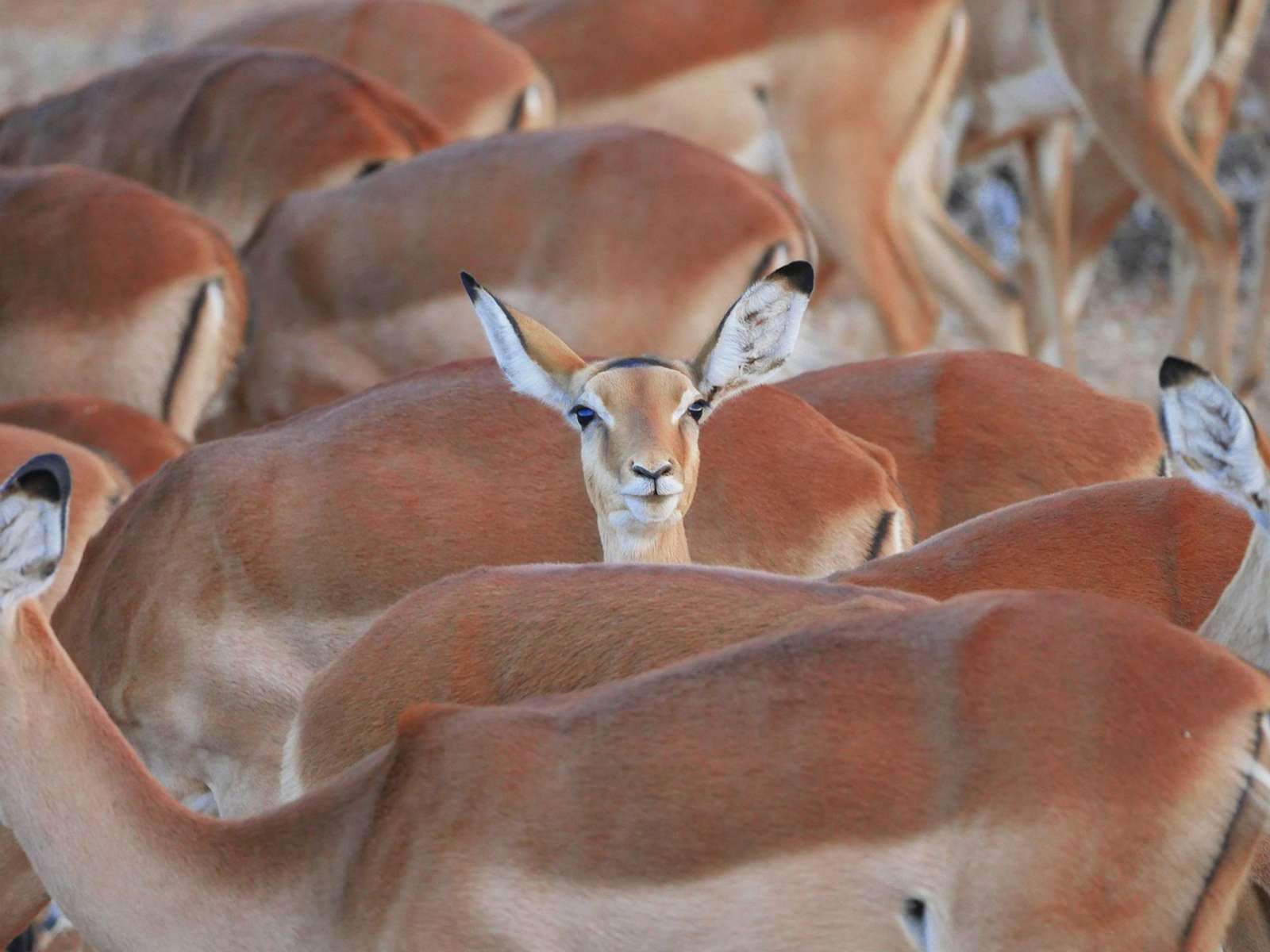
African Parks has fitted 262 antelopes with GPS collars since 2023, producing a map of the Great Nile Migration Landscape, where around 6 million animals move. One tiang covered 11,573 km in just over three years, Mongabay reported.
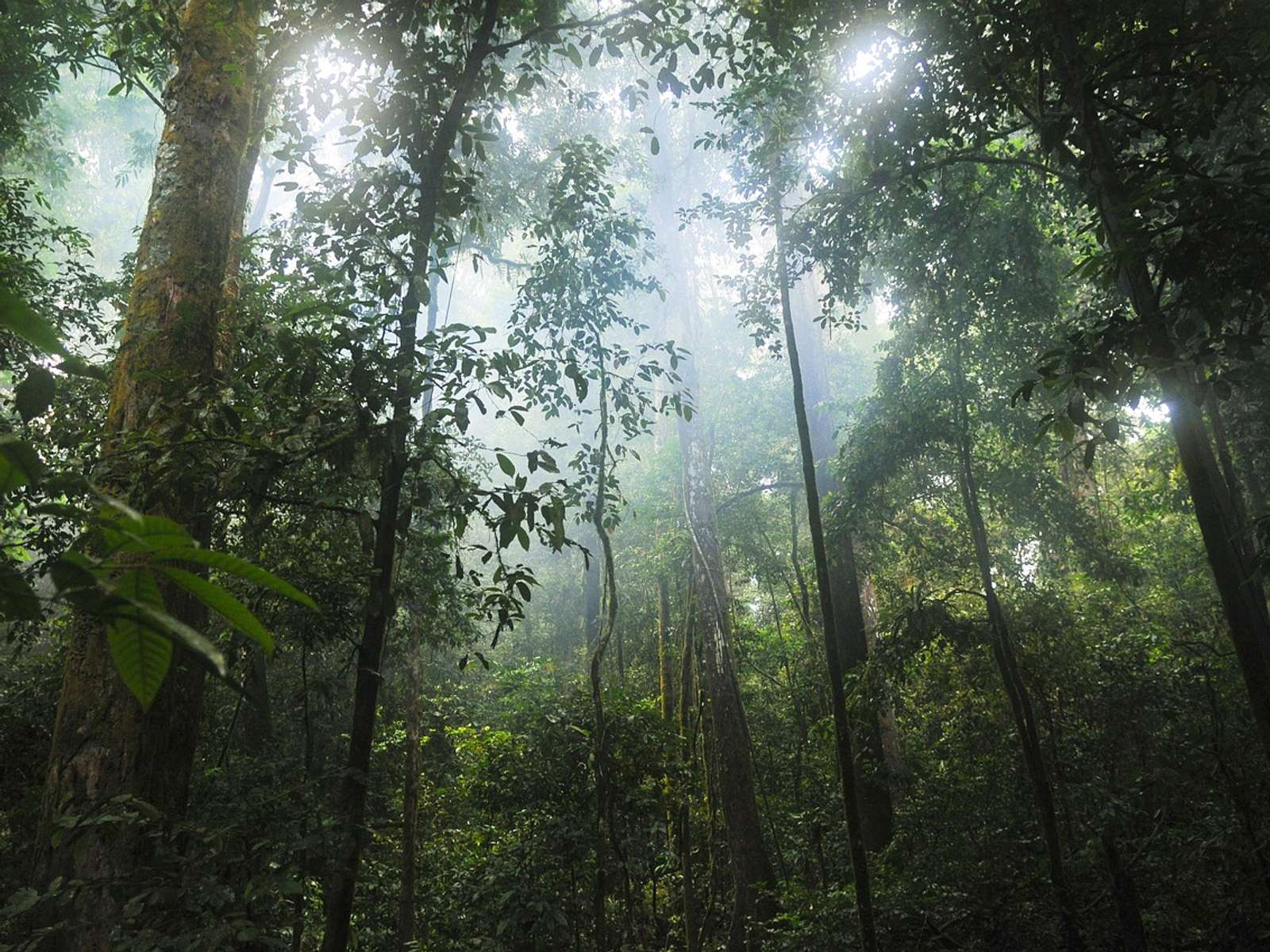
A field team photographed the Ghana cuckooshrike in Taï National Park in June 2026, the first verified record of the West African bird since 2013. The species is on the Search for Lost Birds list, and its forest habitat is fragmented.
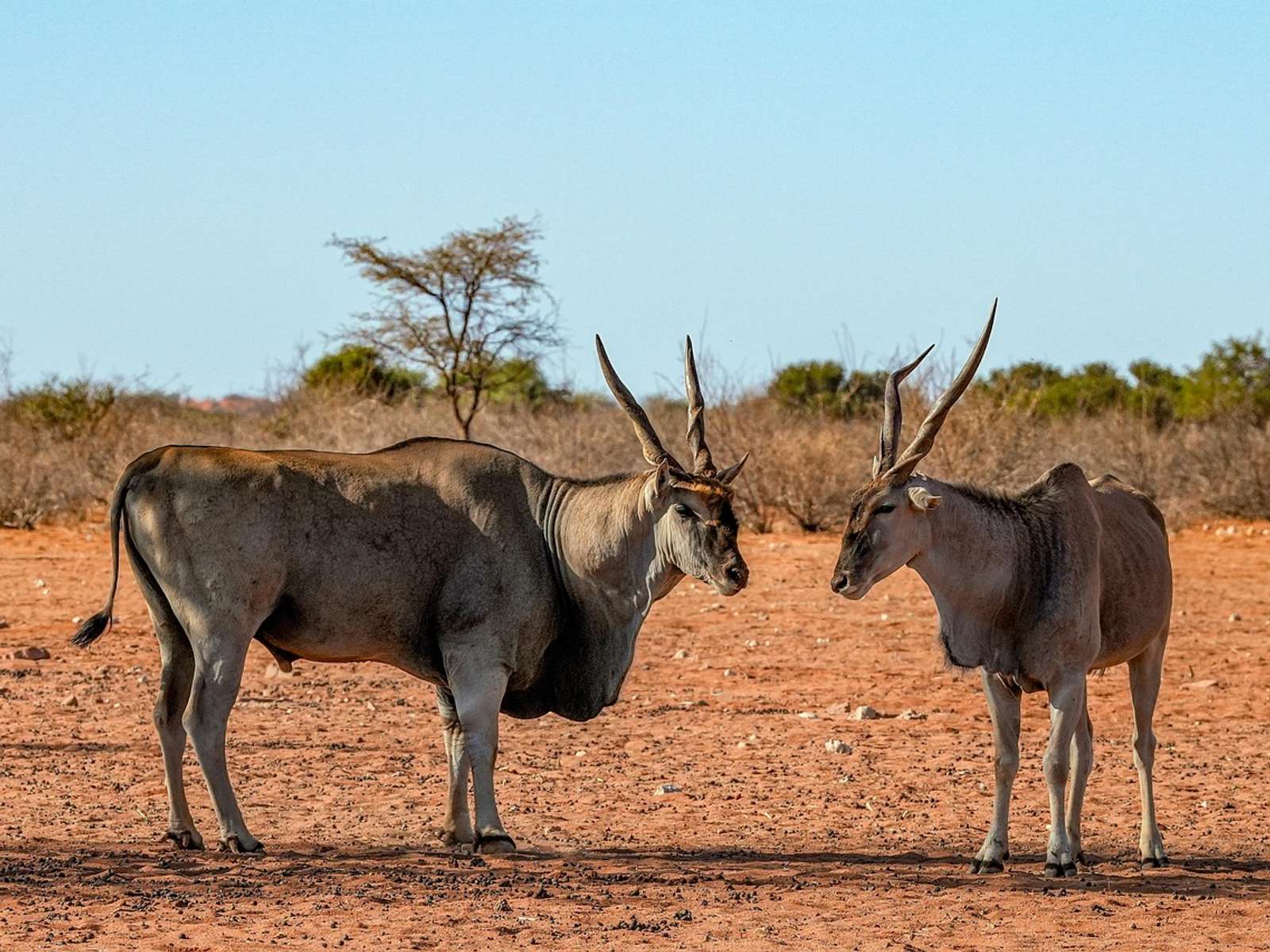
Botswana's government has approved a four-phase roadmap that could let Indigenous San communities return to the Central Kalahari Game Reserve with legally recognized rights, Mongabay reports. Key questions remain open.
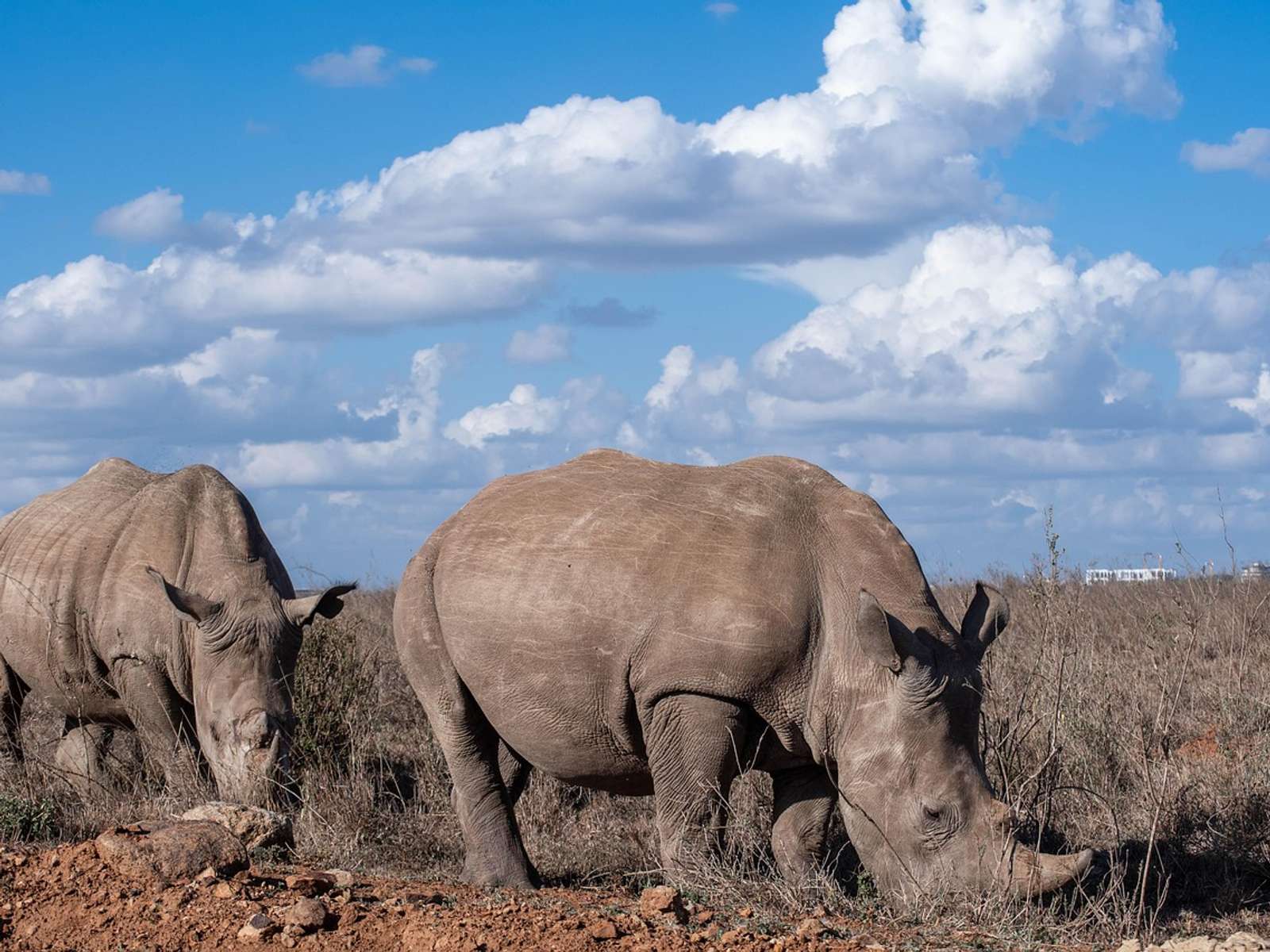
The final fence of the expanded Tsavo West Rhino Sanctuary came down in September, opening about 3,200 square kilometers to black rhinos, roughly 30 times more space, the Kenya Rhino Range Expansion initiative and San Diego Zoo Wildlife Alliance said.
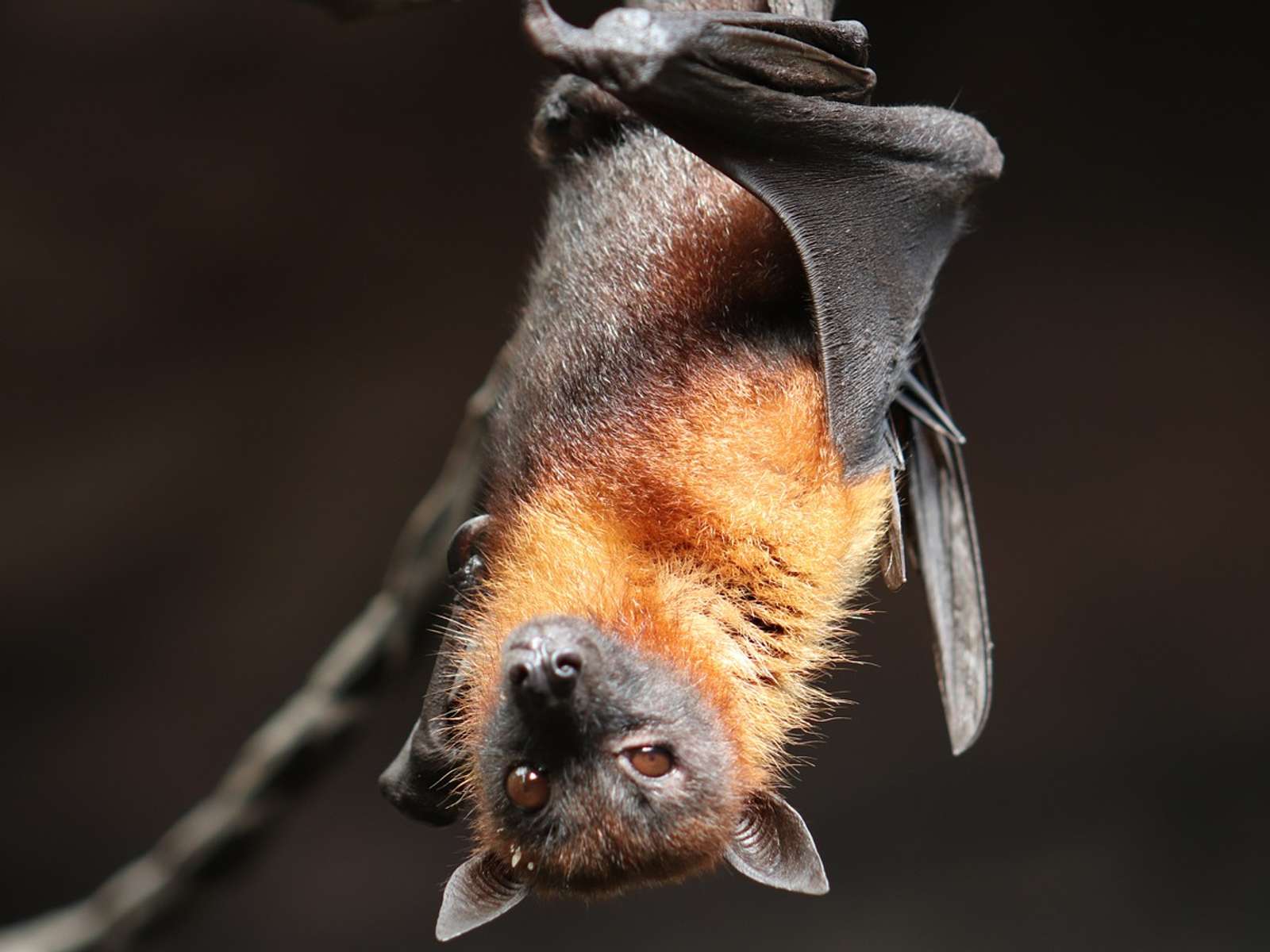
An Australian Wildlife Conservancy ecologist recorded the call of the Arnhem sheath-tailed bat at Pungalina-Seven Emu Wildlife Sanctuary, more than 650 km east of its last known location. The species was first found in 1979.

Biologists have described four new species of Oreobates frogs from northern Peru, including one near Cordillera Azul National Park, raising the genus to 31 known species. They told the frogs apart by body features, calls and DNA.
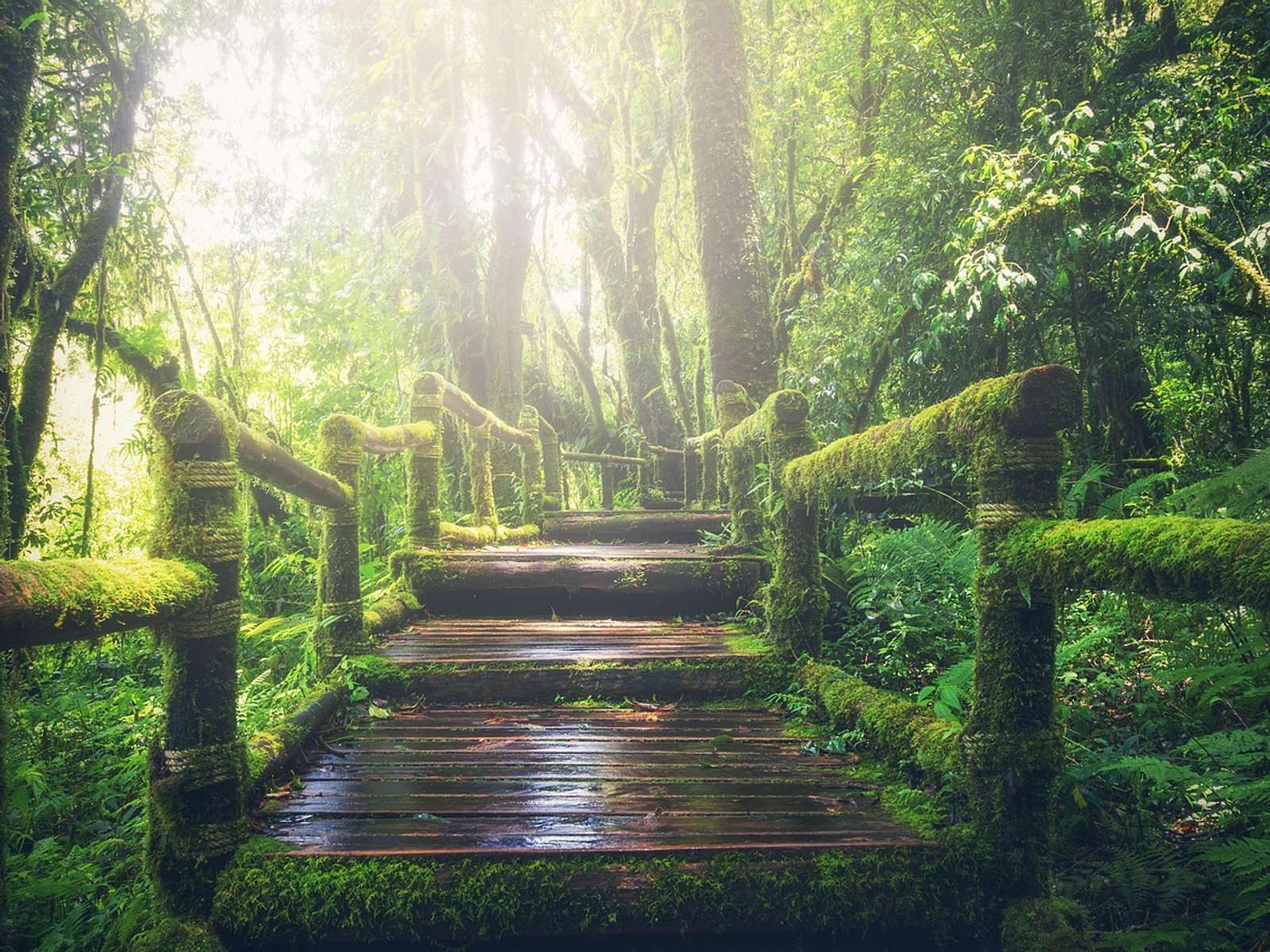
Camera traps in DR Congo's Luki Biosphere Reserve photographed grey-necked picathartes, a near-threatened bird never recorded in the country, nearly 400 km beyond its known southern limit. The find adds weight to a stalled cross-border park.
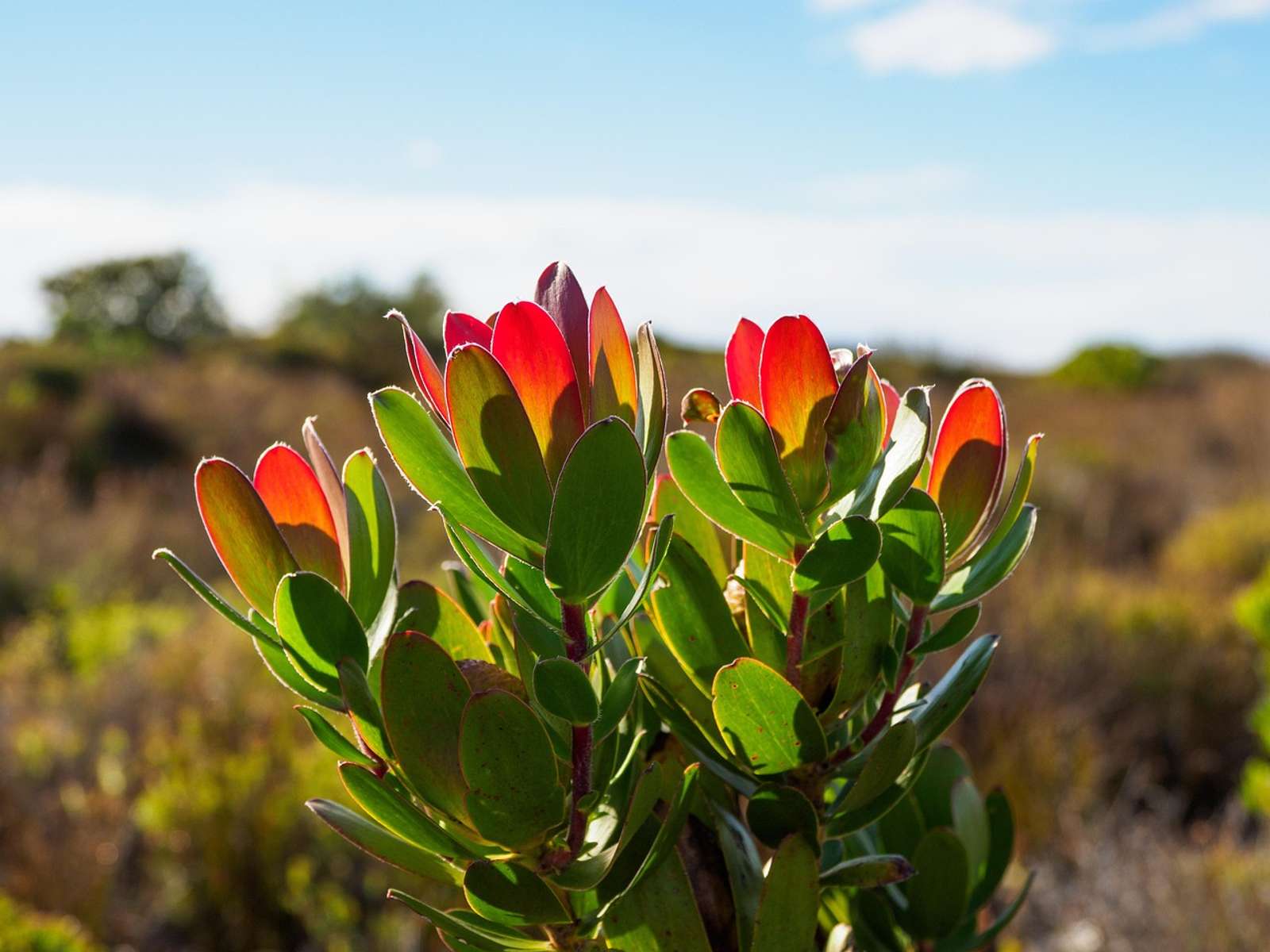
A man who poached 104 indigenous plants from Cape Town's Bracken Nature Reserve has been convicted, fined R80,000 (suspended) and barred from entering reserves for three years. The plants were returned and replanted.
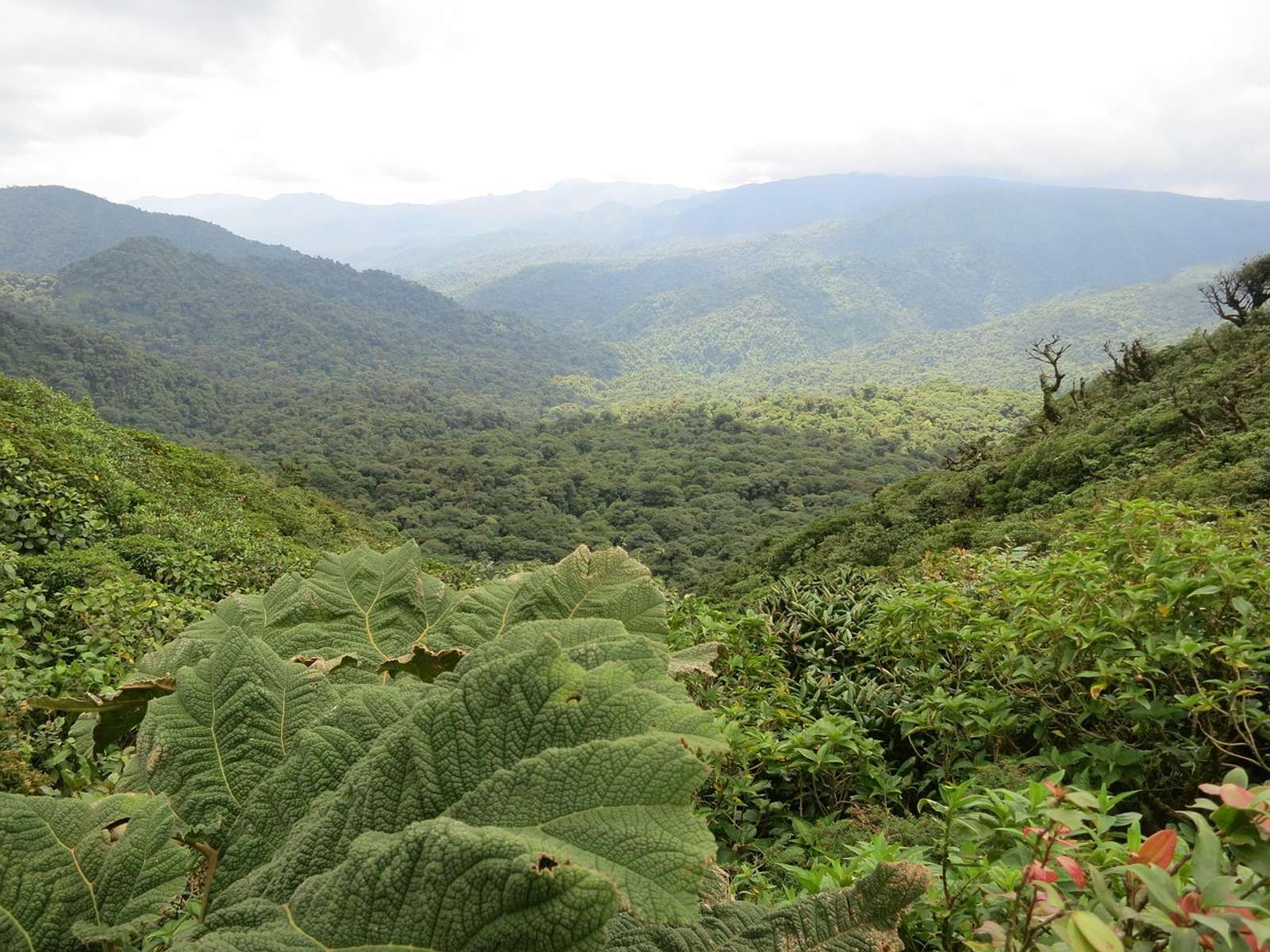
IUCN recognized 25 protected and conserved areas in Brazil, China, Colombia, Costa Rica, Egypt, France and Saudi Arabia for meeting its Green List standard, including Monteverde, Malpelo and Wadi Al-Hitan.
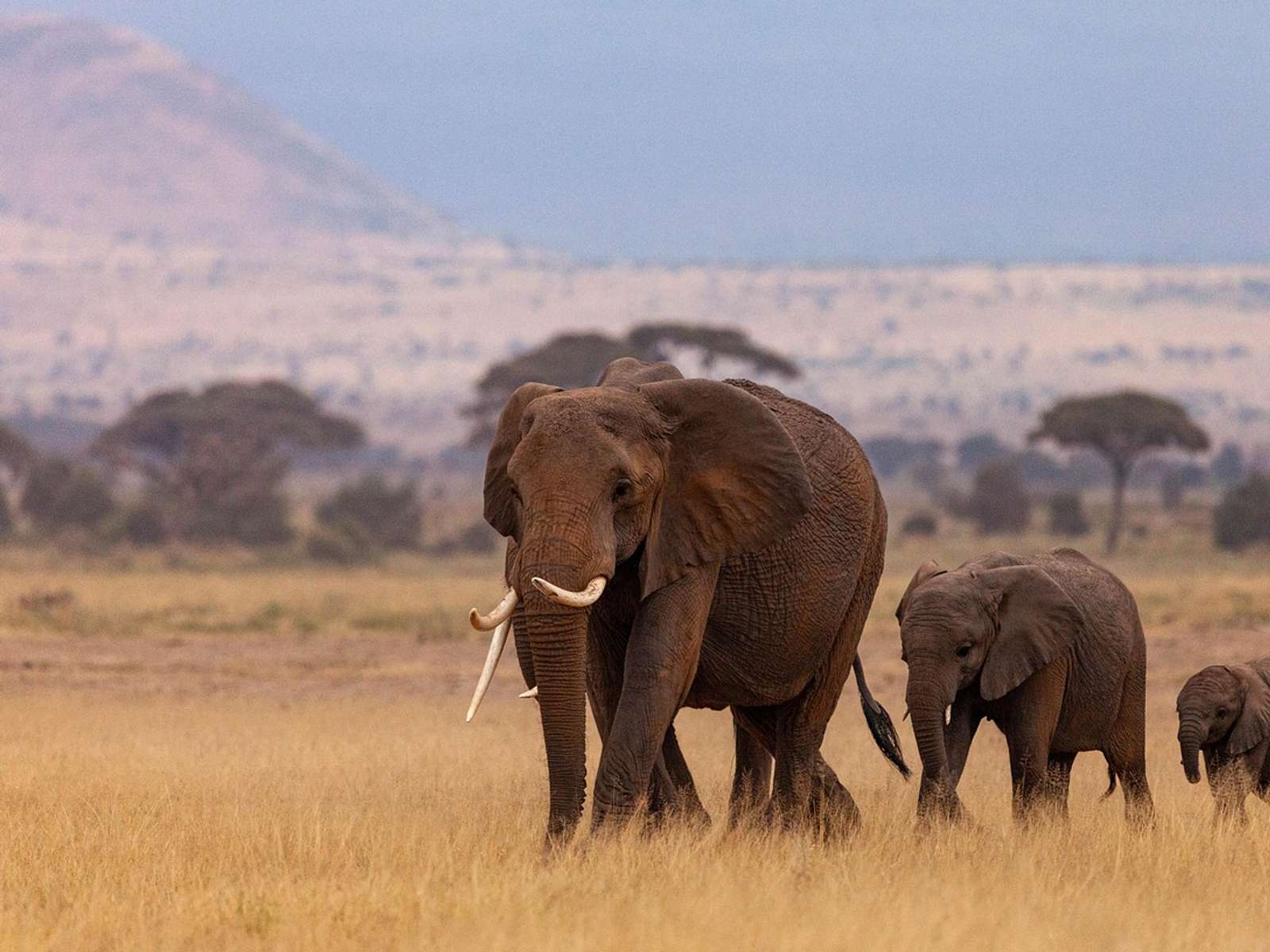
Kenya's government and The Nature Conservancy unveiled Thamani Asili, a $160 million Project Finance for Permanence covering about 17.3 million hectares over 10 years. About 1.6 million people are expected to benefit directly.
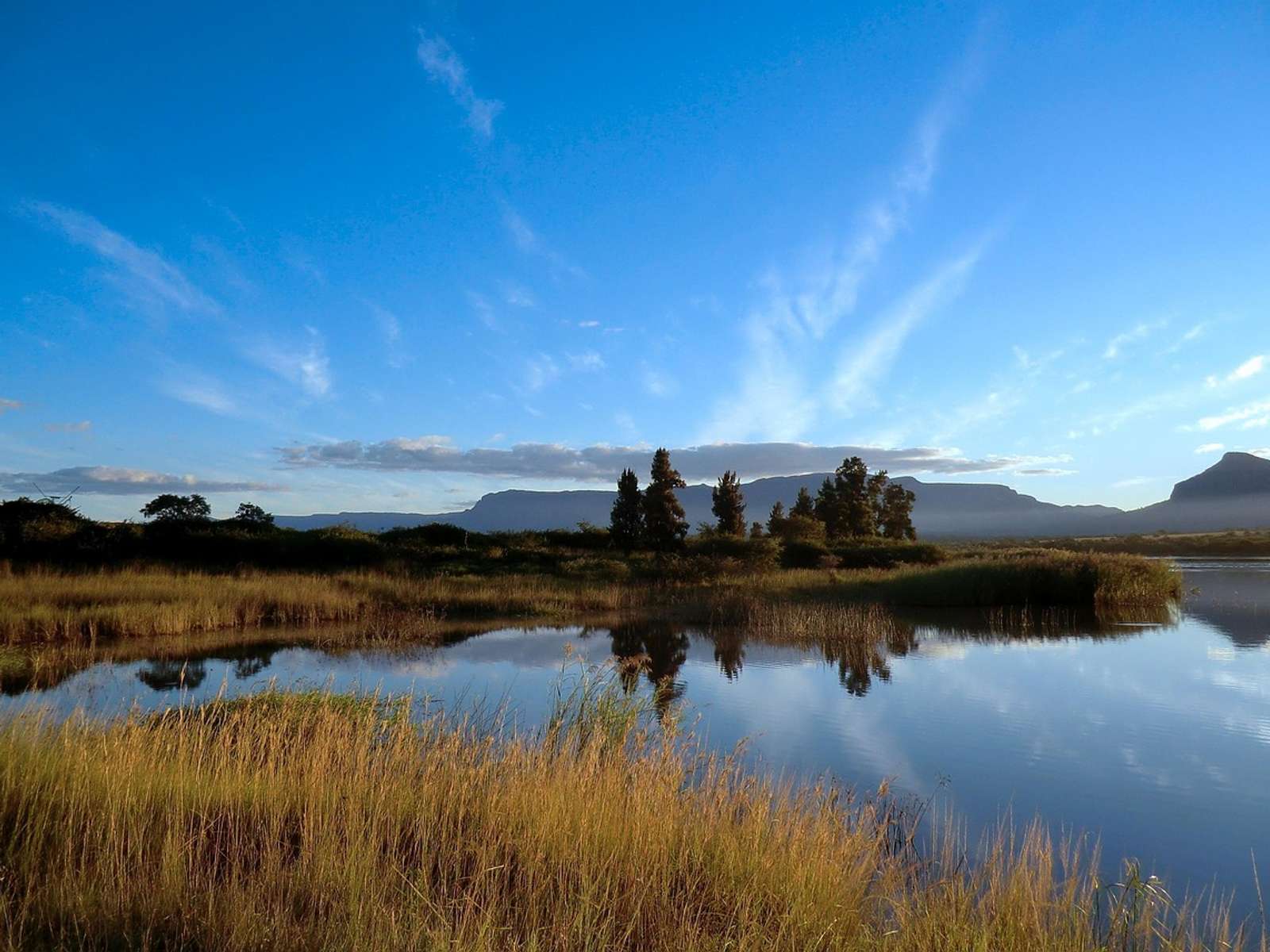
South Africa has declared the Grasslands National Park, 18 properties covering about 10,226 hectares between Nqanqarhu and Rhodes. It is the first national park created mainly through landowners signing on to protect their land.
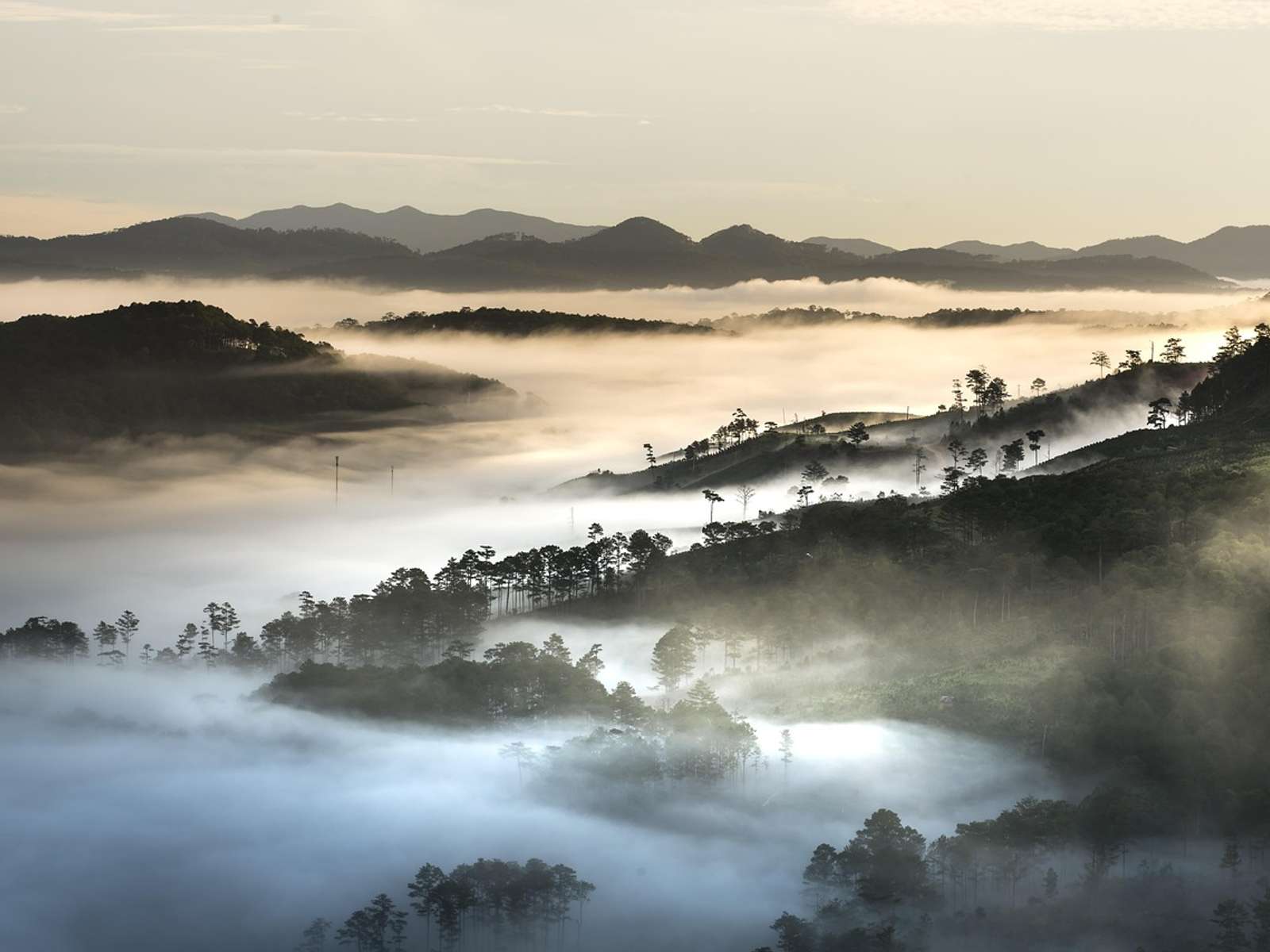
Lam Dong province has established the Ta Kou Nature Reserve, 8,408 hectares of mostly natural forest where surveys recorded about 287 animal species, including black-shanked douc langurs. A plan worth about $3 million runs to 2030.

A WCS-led study used more than 134,000 GPS locations from 99 jaguars to map the corridors that connect their populations across the Americas. It found new pathways, warned that some old ones may be lost, and showed many lie outside protected areas.
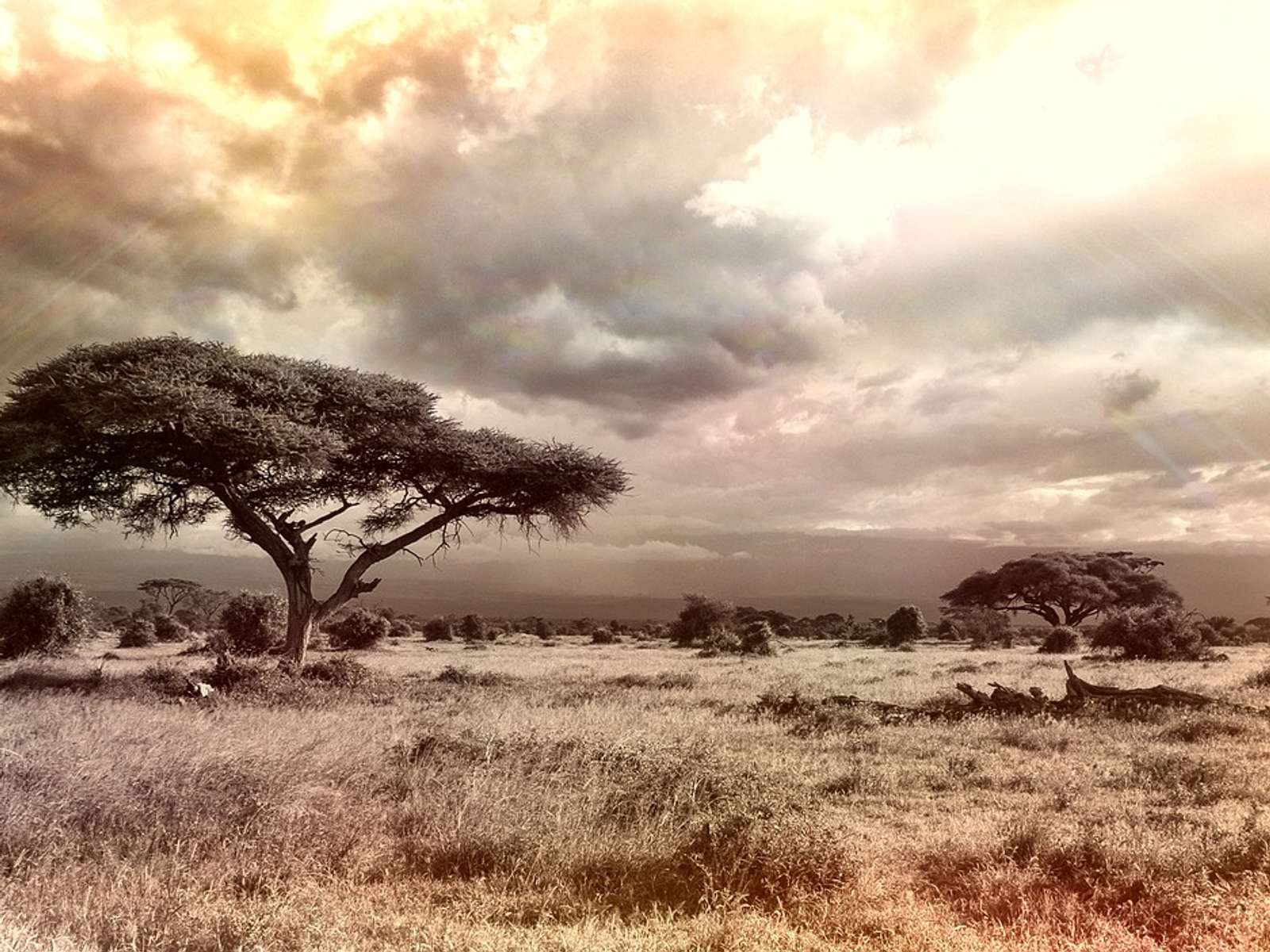
Official data put conservation areas at 18.5% of the world's land. A Nature study led from the University of Kent estimates the real figure at 26.81%, close to the 30% goal for 2030, but warns that the extra land fills few gaps in nature protection.
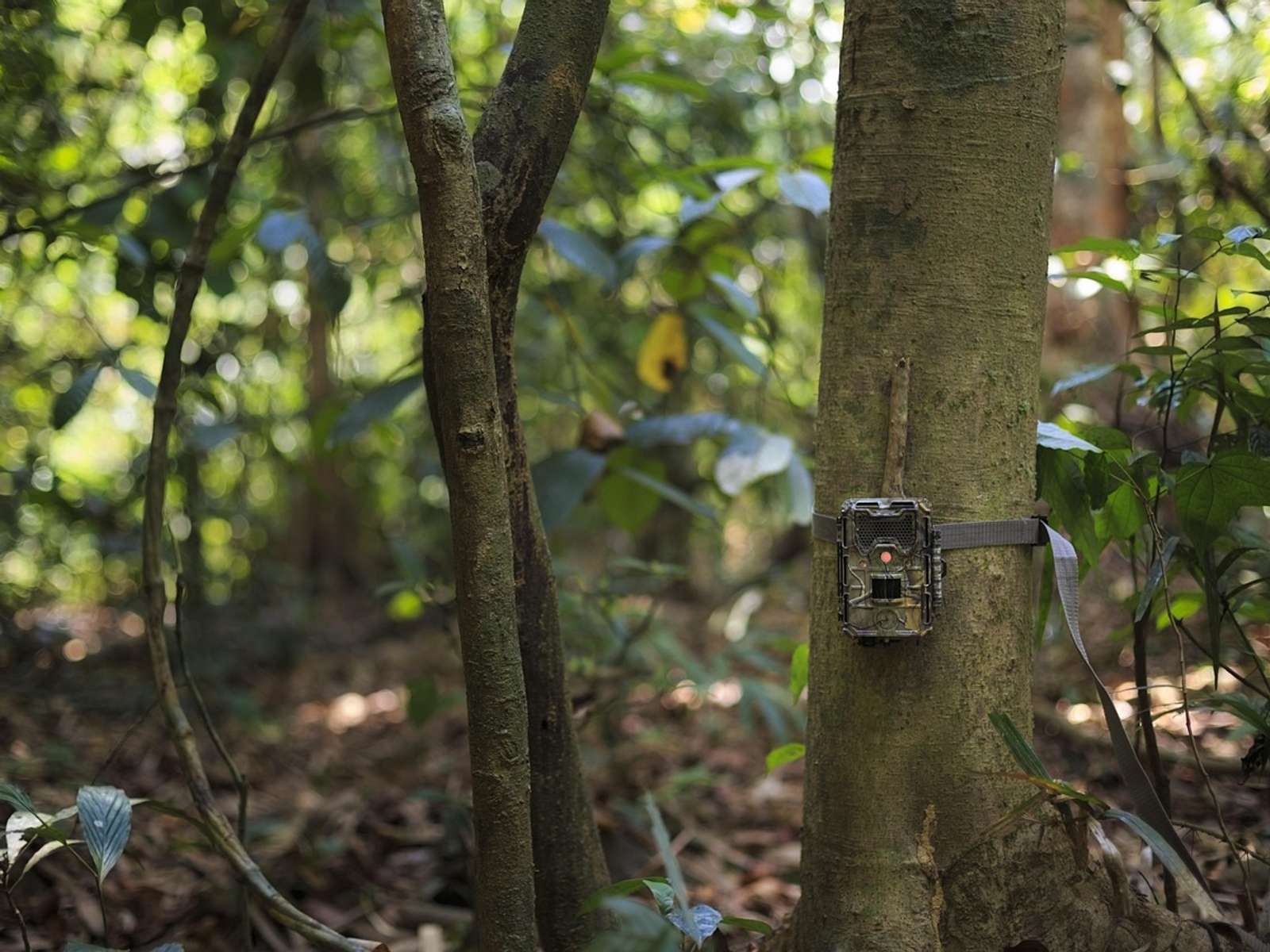
Rangers in the Warddeken Indigenous Protected Area used the open AI model MegaDetector to filter empty camera-trap photos, cutting the images they had to check from 925,088 to 172,290 and processing time from six months to two.
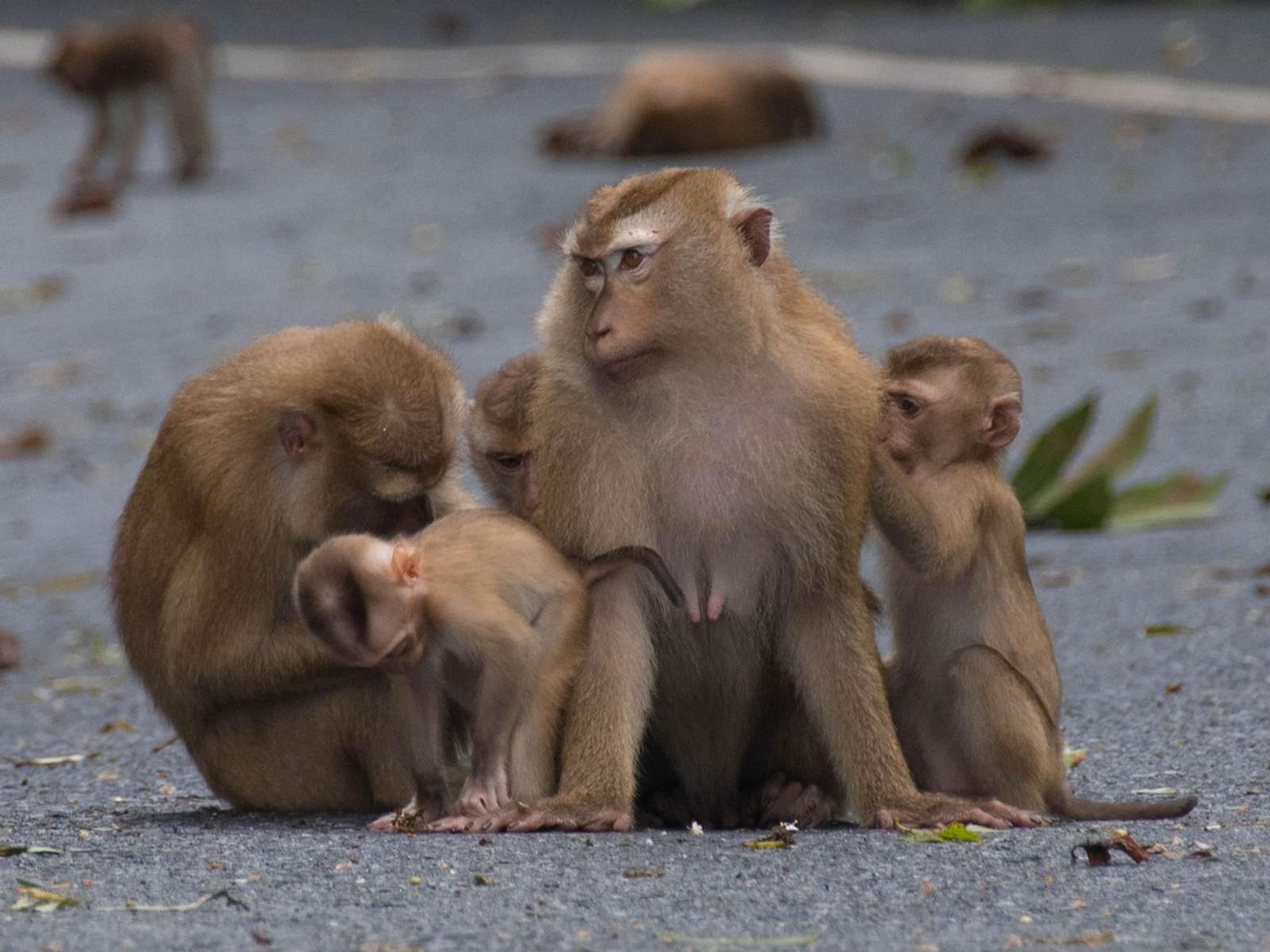
Phong Nha-Ke Bang National Park released 17 rescued animals from seven species, including a Sunda pangolin and three pygmy slow lorises, on 8 October. It was the park's fifth release of 2026, bringing the year's total to 220.
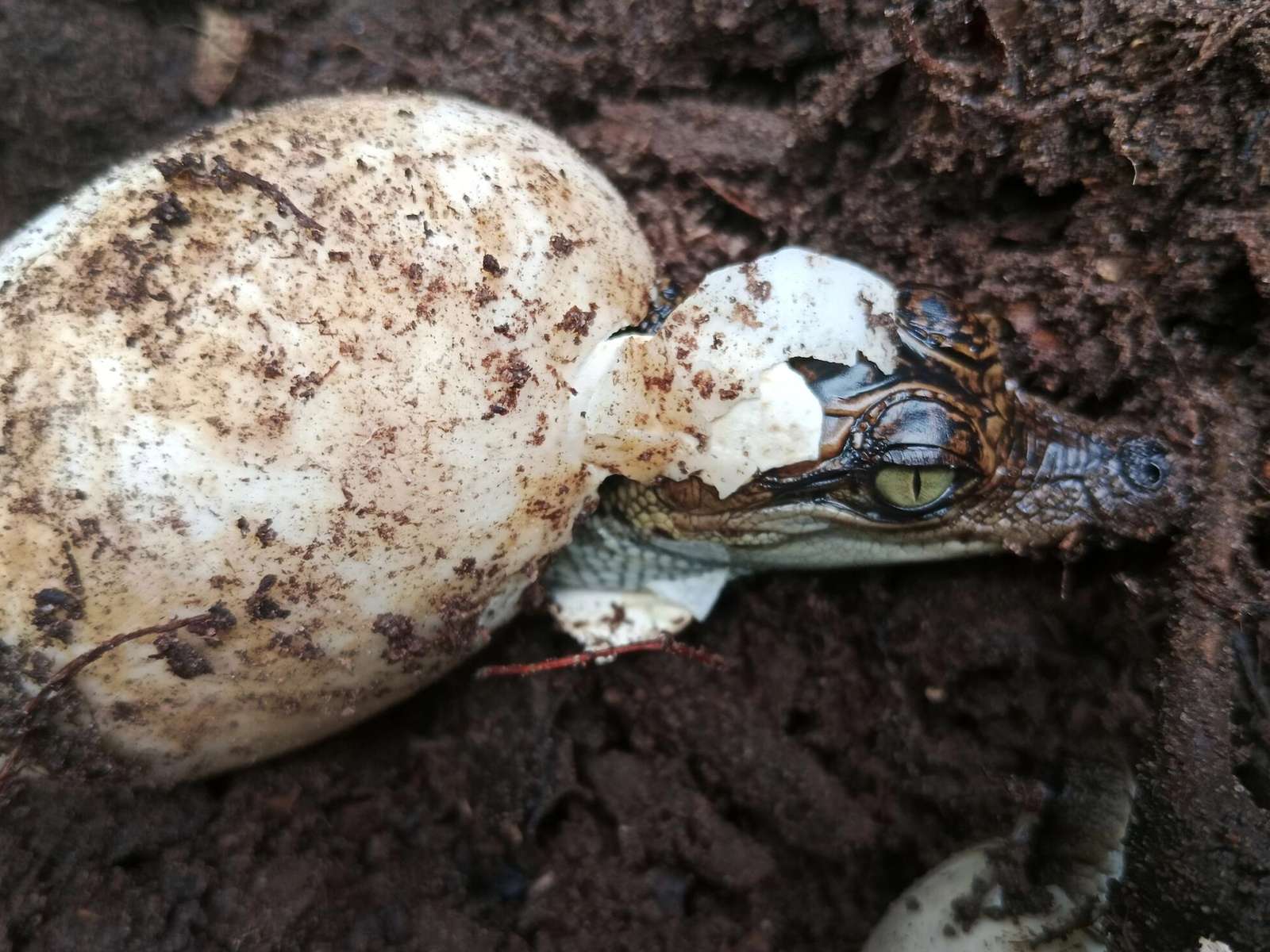
Cambodia has set aside 315 hectares of marsh in the Cardamom Mountains as its first genetic conservation area for an animal species. The site holds more than 40 wild Siamese crocodiles, the largest known wild group.
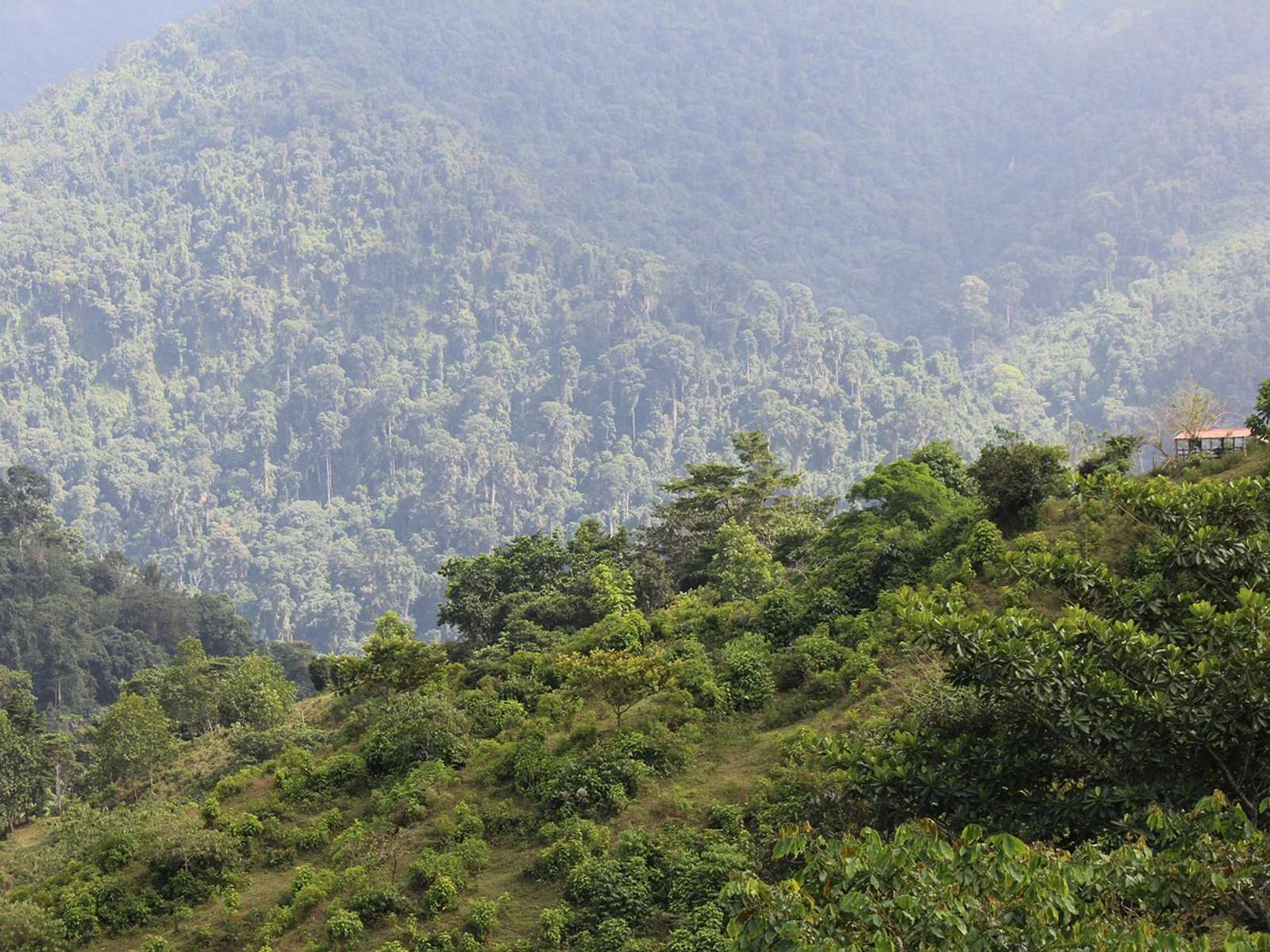
The HALO Trust will clear landmines from almost 18,000 hectares in Colombia's Meta region so two Indigenous communities can return to and guard their land. The three-year project costs about $1 million.
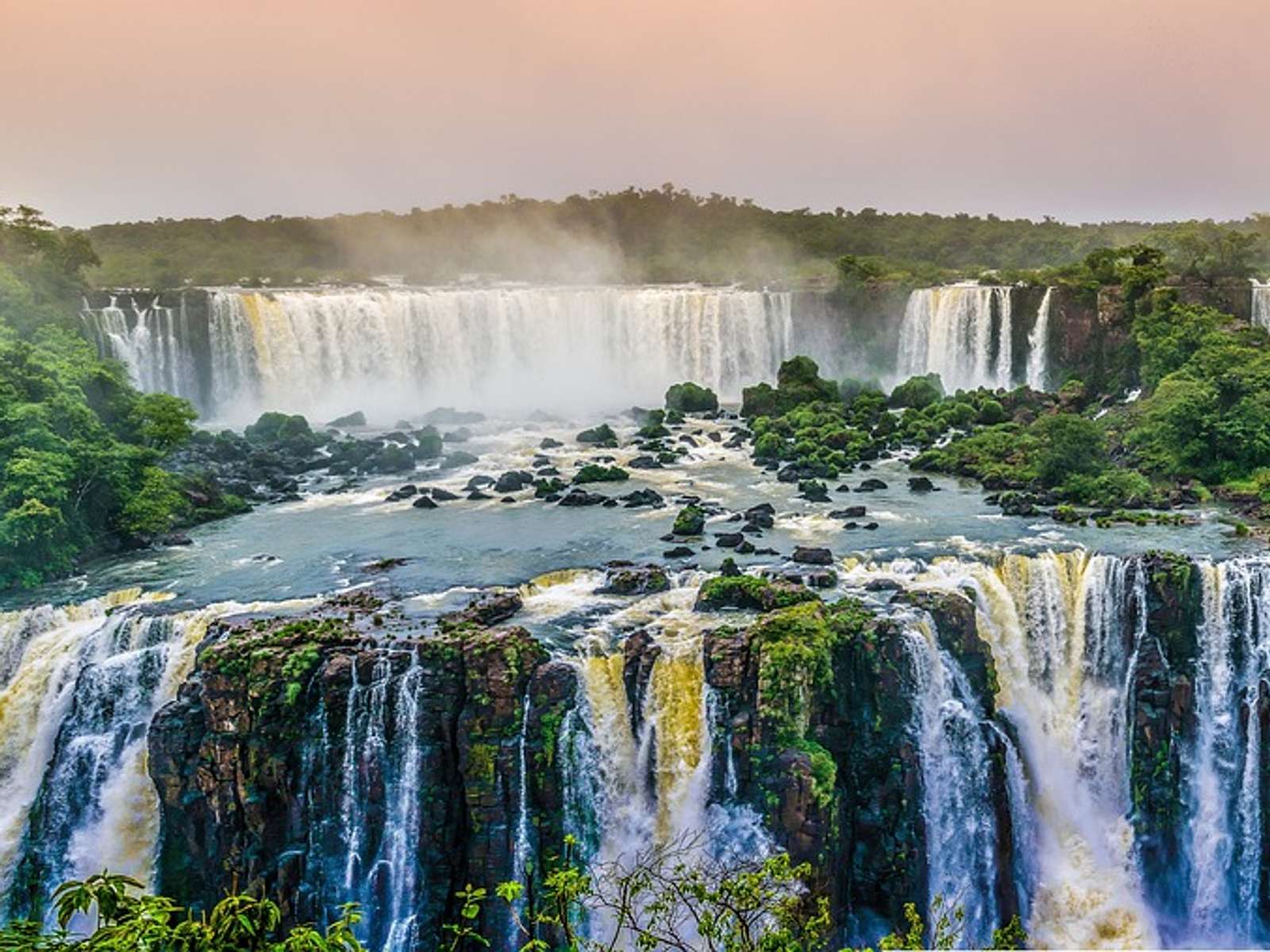
Ywy Ipuranguete, a $9 million project funded by the Global Biodiversity Framework Fund, supports Indigenous communities in managing 15 Indigenous lands covering about 6 million hectares across five Brazilian biomes.
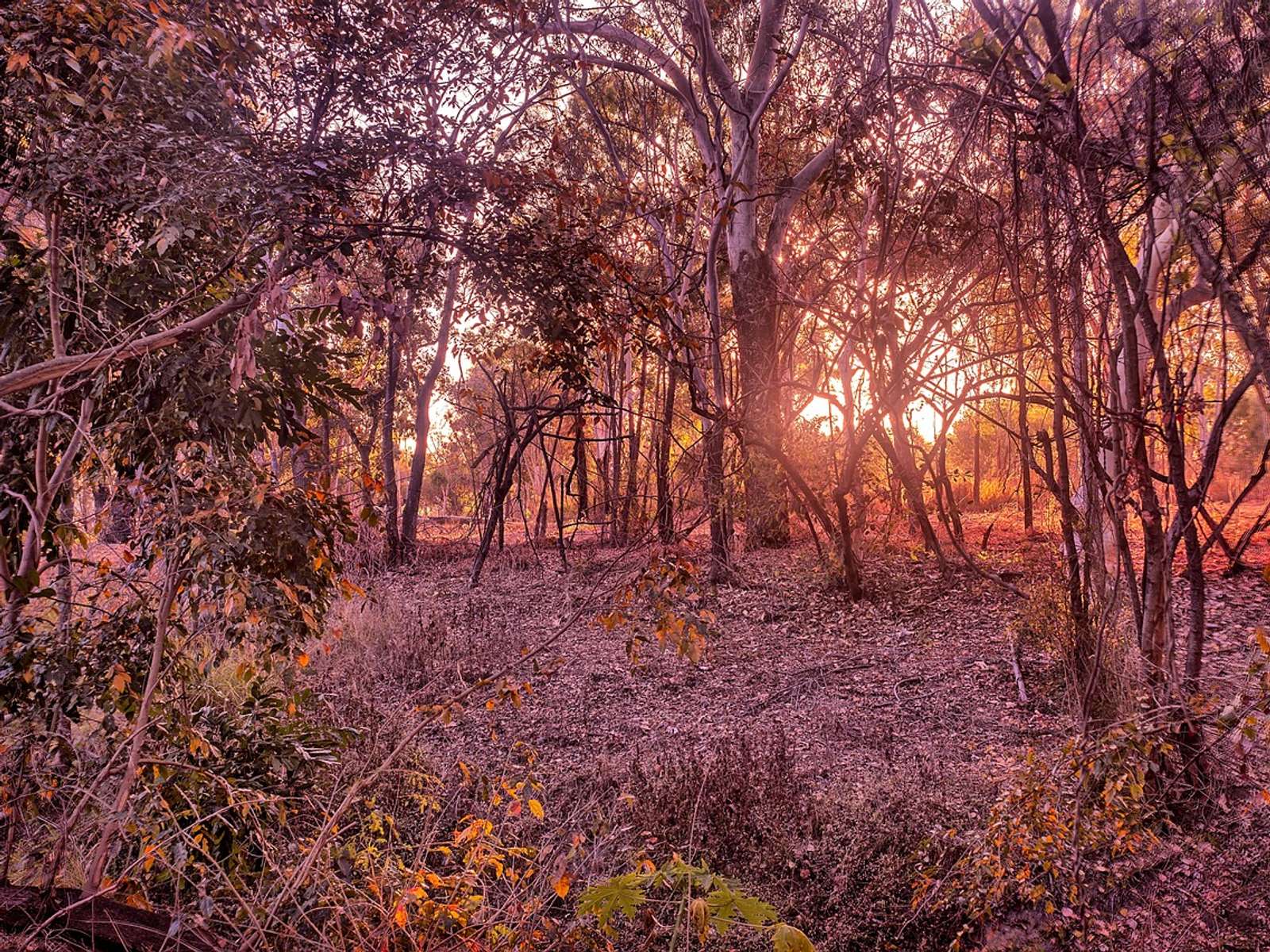
Victoria has formally established three new national parks, Mount Buangor, Pyrenees and Wombat–Lerderderg, along with new conservation and regional parks and nearly 30 reserves.
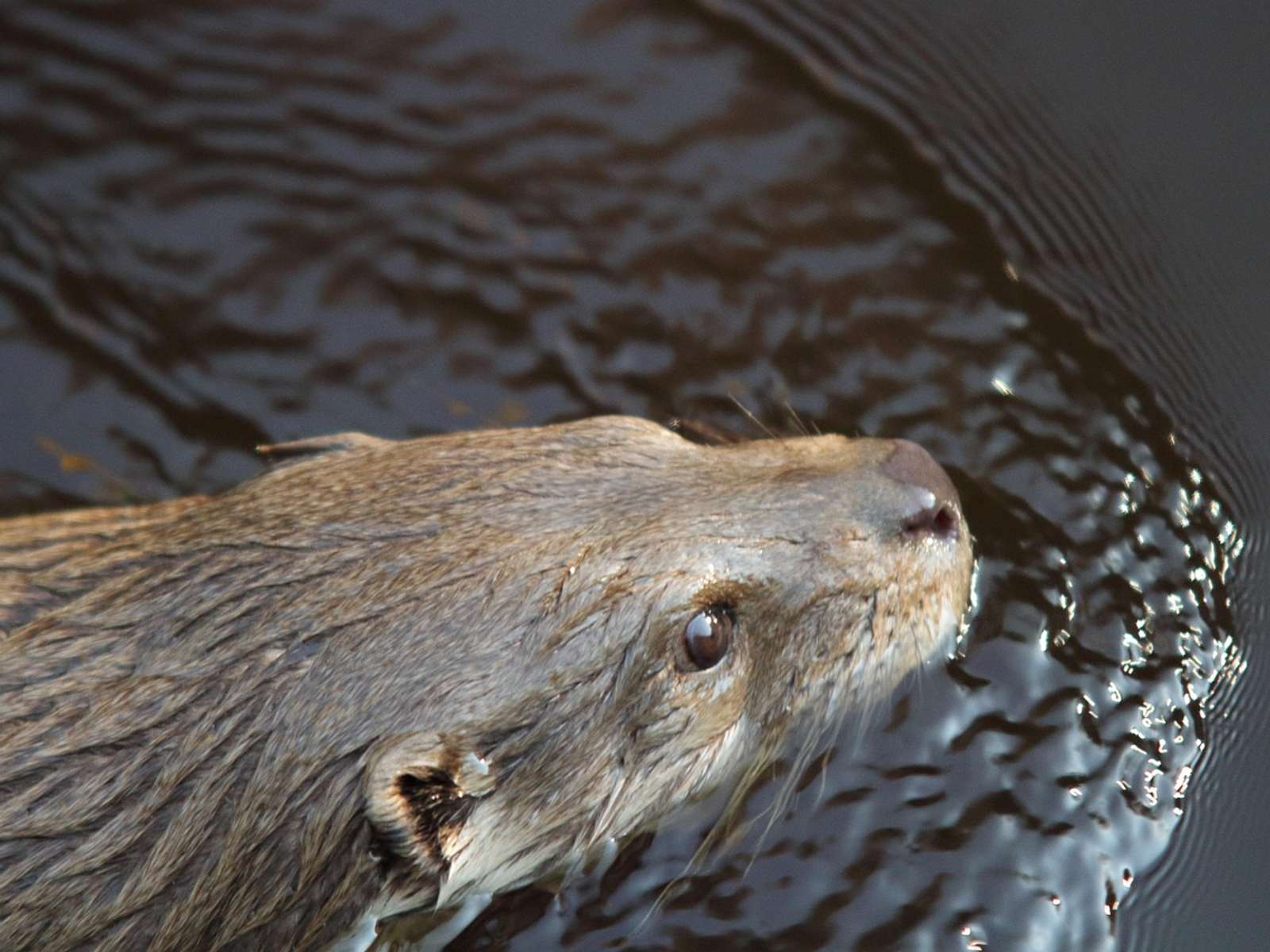
The new Agua Dulce Municipal Wildlife Reserve in Baures, Bolivia, protects nearly 715,000 acres of habitat for jaguars, Amazon river dolphins, giant otters and hundreds of bird species.
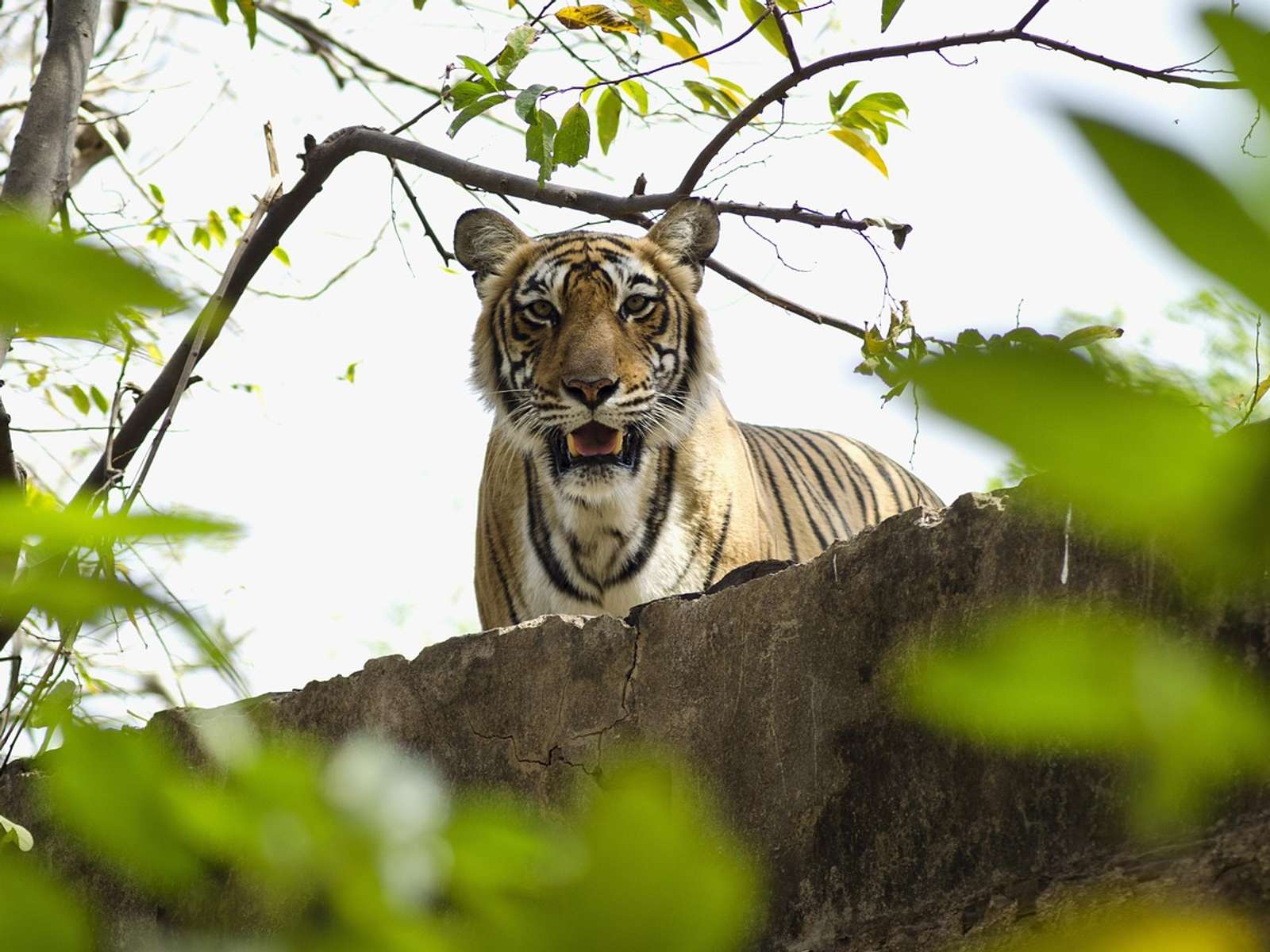
Tigress T138, about three years old, was flown from Bihar's Valmiki reserve and released into West Bengal's Buxa Tiger Reserve on 2 October, the first step in a phased plan to bring back a breeding tiger population.
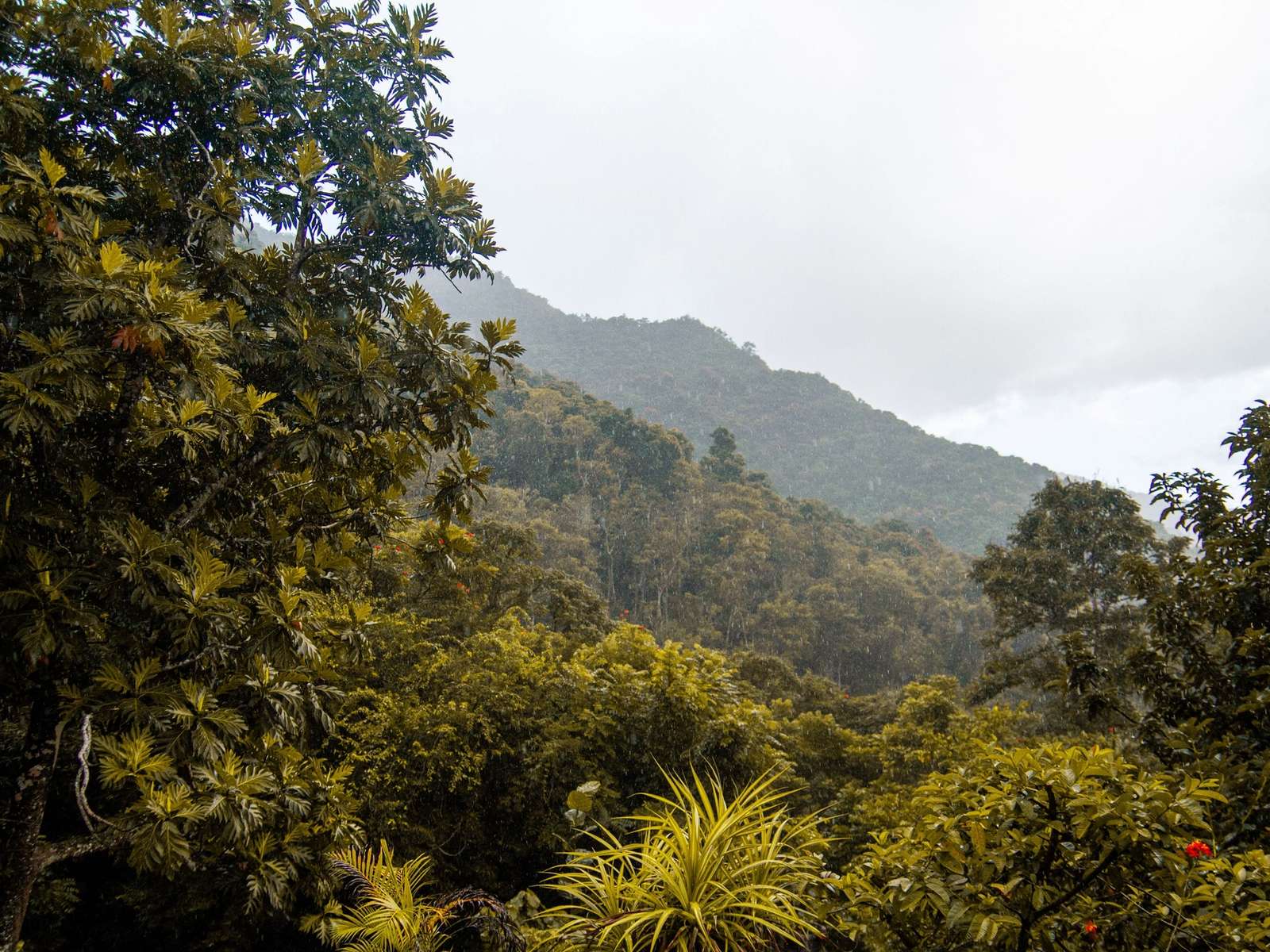
Laos has designated a 217,400-hectare national park in the Annamite Mountains, protecting habitat for the critically endangered saola and several other species found almost nowhere else on Earth.
About this topic
Governments have agreed that by 2030 at least 30% of the world's land, inland waters and coastal and marine areas should be effectively conserved, under Target 3 of the Kunming-Montreal Global Biodiversity Framework. By October 2026, protected areas covered 17.58% of land and inland waters and 9.82% of the ocean, according to Protected Planet, the global database run by UNEP-WCMC and IUCN. A Nature study published that month estimated that, counting areas recorded only in national data, conservation areas may already cover 26.81% of the land.
The stories here follow new protection on the ground. Laos created a 217,400-hectare national park in the Annamite Mountains for the saola, the world's rarest land mammal. Victoria in Australia established three new national parks covering more than 65,000 hectares, and Bolivia's Agua Dulce reserve protects nearly 715,000 acres for jaguars, river dolphins and giant otters. Cambodia set aside 315 hectares of marsh as its first conservation area for the Siamese crocodile.
A boundary on a map does not protect anything by itself. Where the source says who will manage an area, how many rangers patrol it and how it is funded, we report that, and we say when those details are still missing.
Each story links to the government or organization behind the designation.