Breakthroughs and discoveries that push human knowledge forward and improve life on Earth.
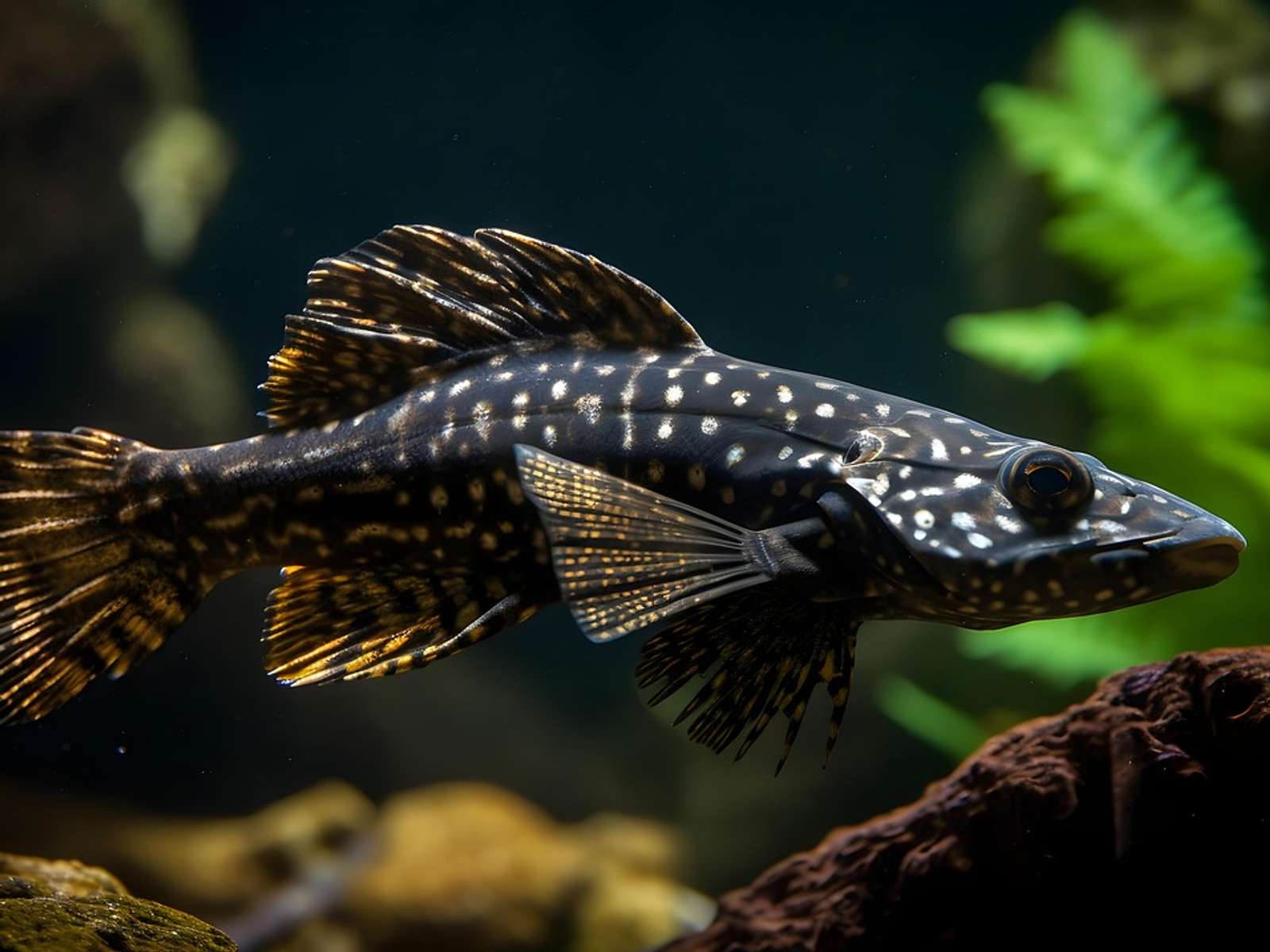
Scientists from Brazil's Museu Nacional and Museu Paraense Emílio Goeldi have described Peckoltia kahxi, a mottled armored catfish known from just two sites in the rapids of the Trombetas basin in Pará.
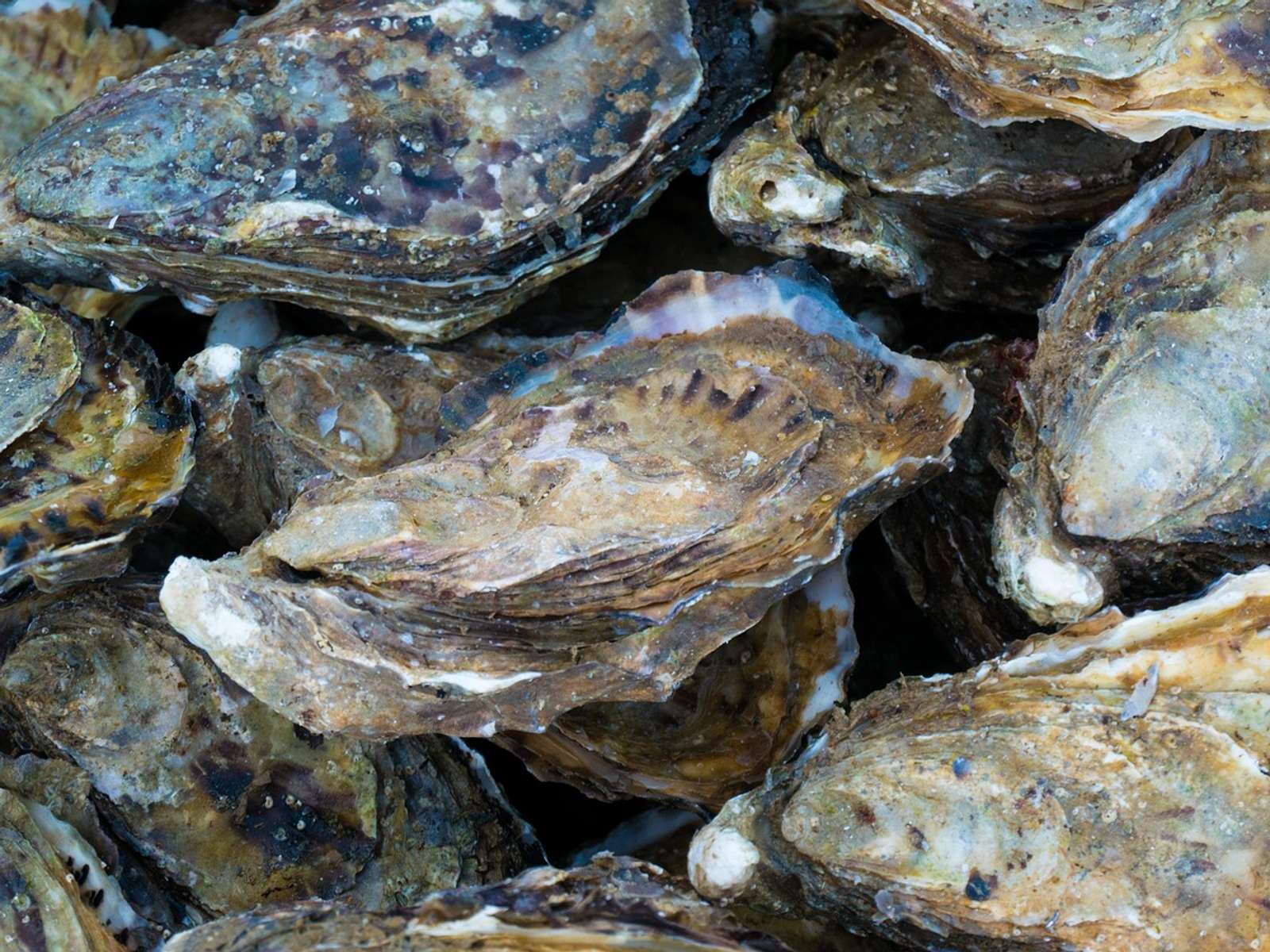
A study led from the University of São Paulo found that bivalves without eyes, such as the Pacific oyster, express up to nine light-sensing opsins in their tissues. The human retina uses five to form images.

Researchers from Utrecht University recorded 2,500 calls from Critically Endangered Rüppell's vultures at two Dutch zoos and found 16 call types. Chicks start calling inside the egg about two days before hatching.
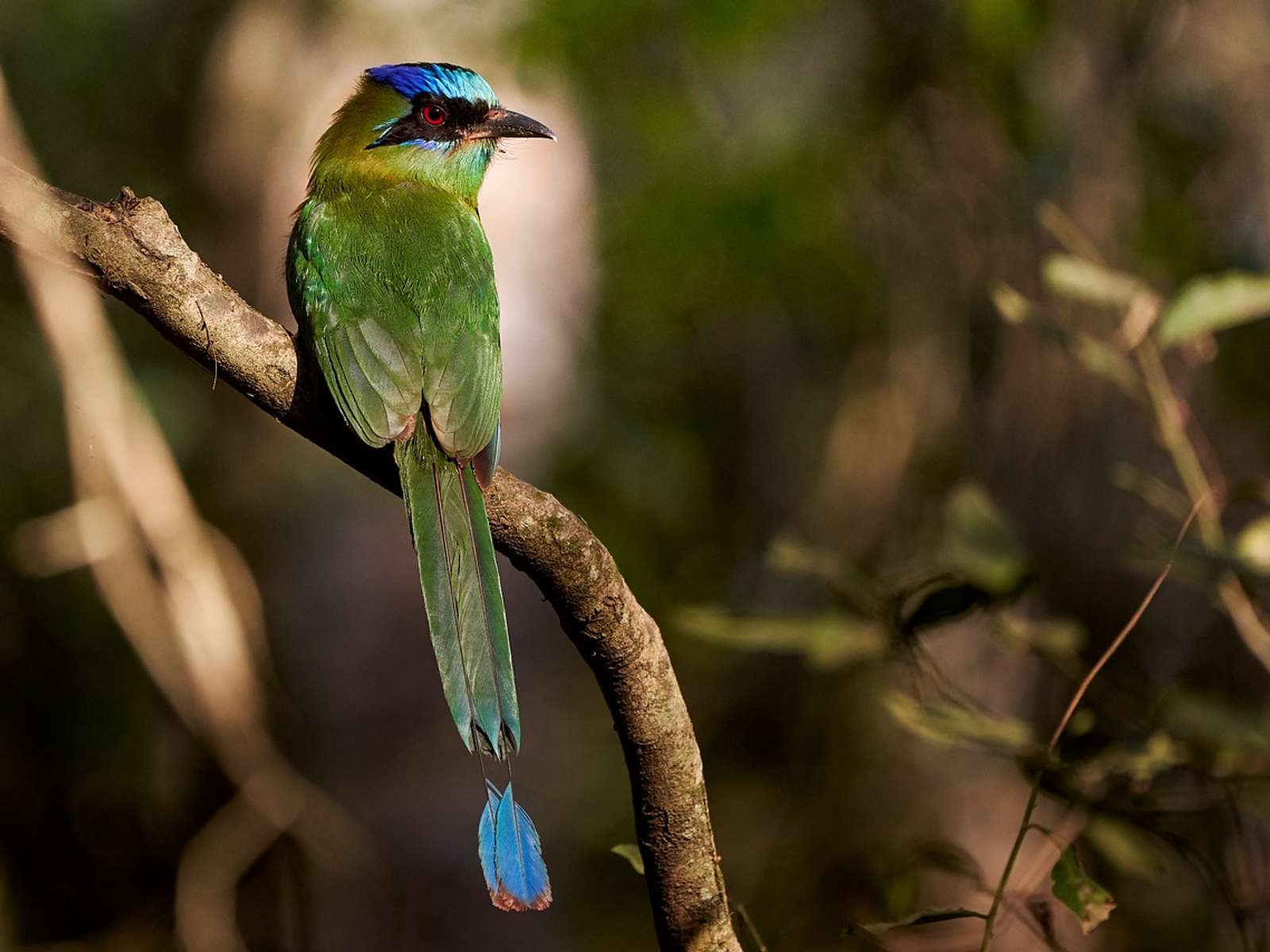
The American Ornithological Society has split the Guatemalan motmot from the russet-crowned motmot. Found only in the dry Motagua valley, it becomes Guatemala's first endemic bird species.

A Cornell-led review of nearly 400 studies in Current Biology finds birds move nitrogen and phosphorus between sea, lakes and land through their waste and bodies, feeding coral reefs and forests. Where seabird colonies vanish, reefs suffer.
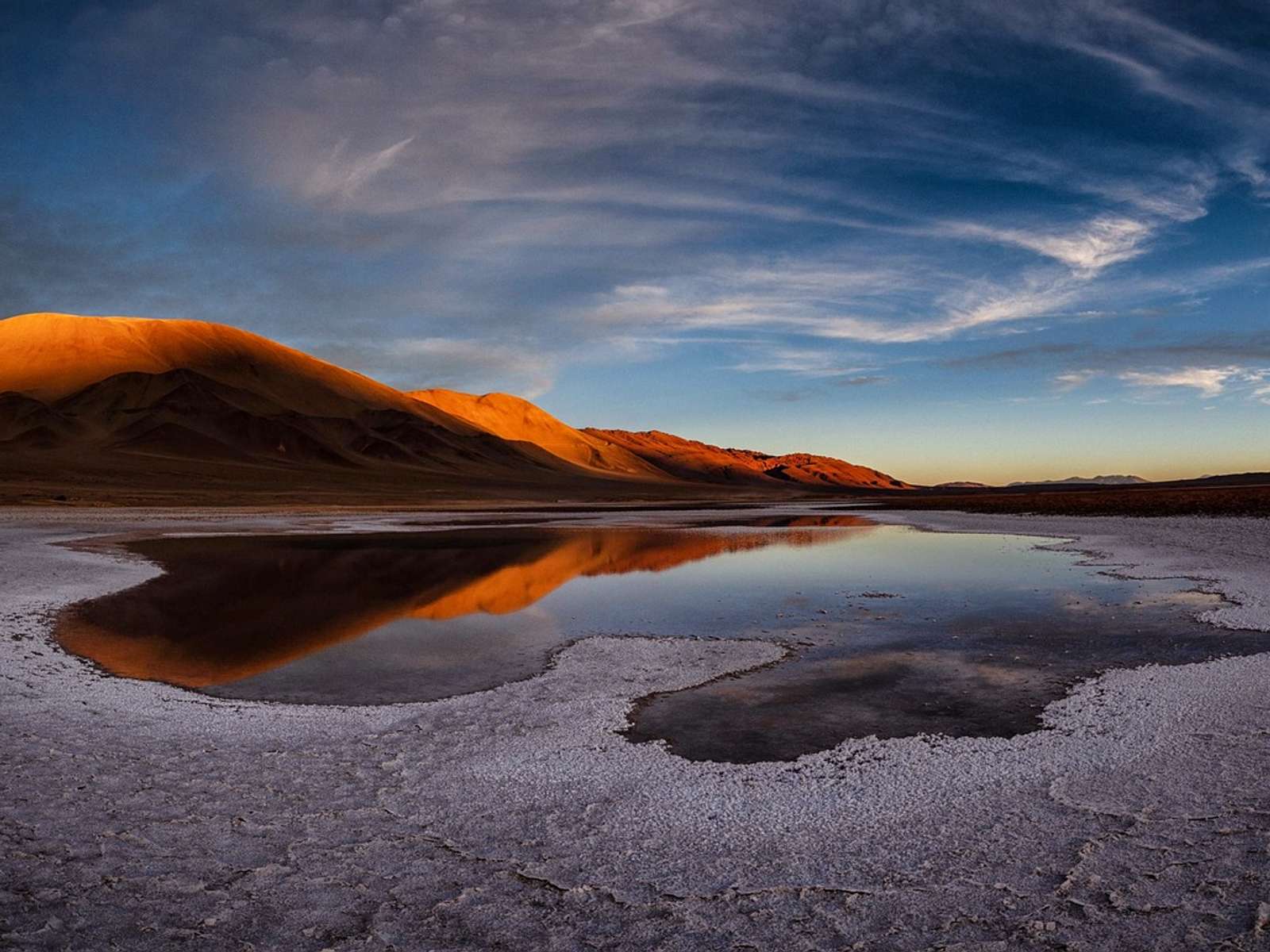
The Fred Young Submillimeter Telescope on Cerro Chajnantor in Chile is finished and preparing its first observations. Its Prime-Cam, with tens of thousands of detectors, is the largest submillimeter instrument ever built, Cornell says.
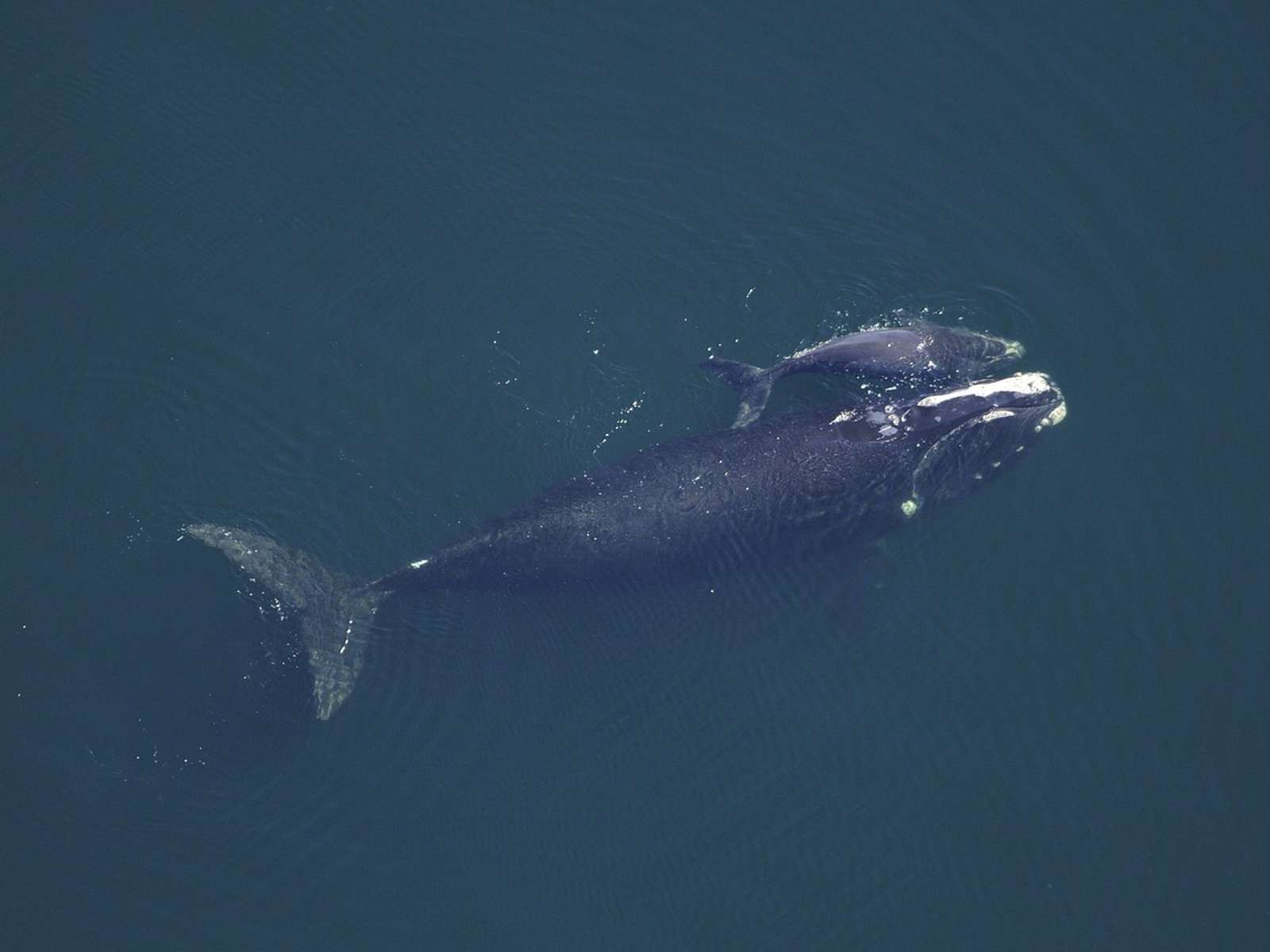
Satellite tracking of 21 southern right whales from New Zealand's Auckland Islands showed half swam straight west to feed south of Australia, while the rest took a month-longer L-shaped route. Both groups arrived at about the same time.
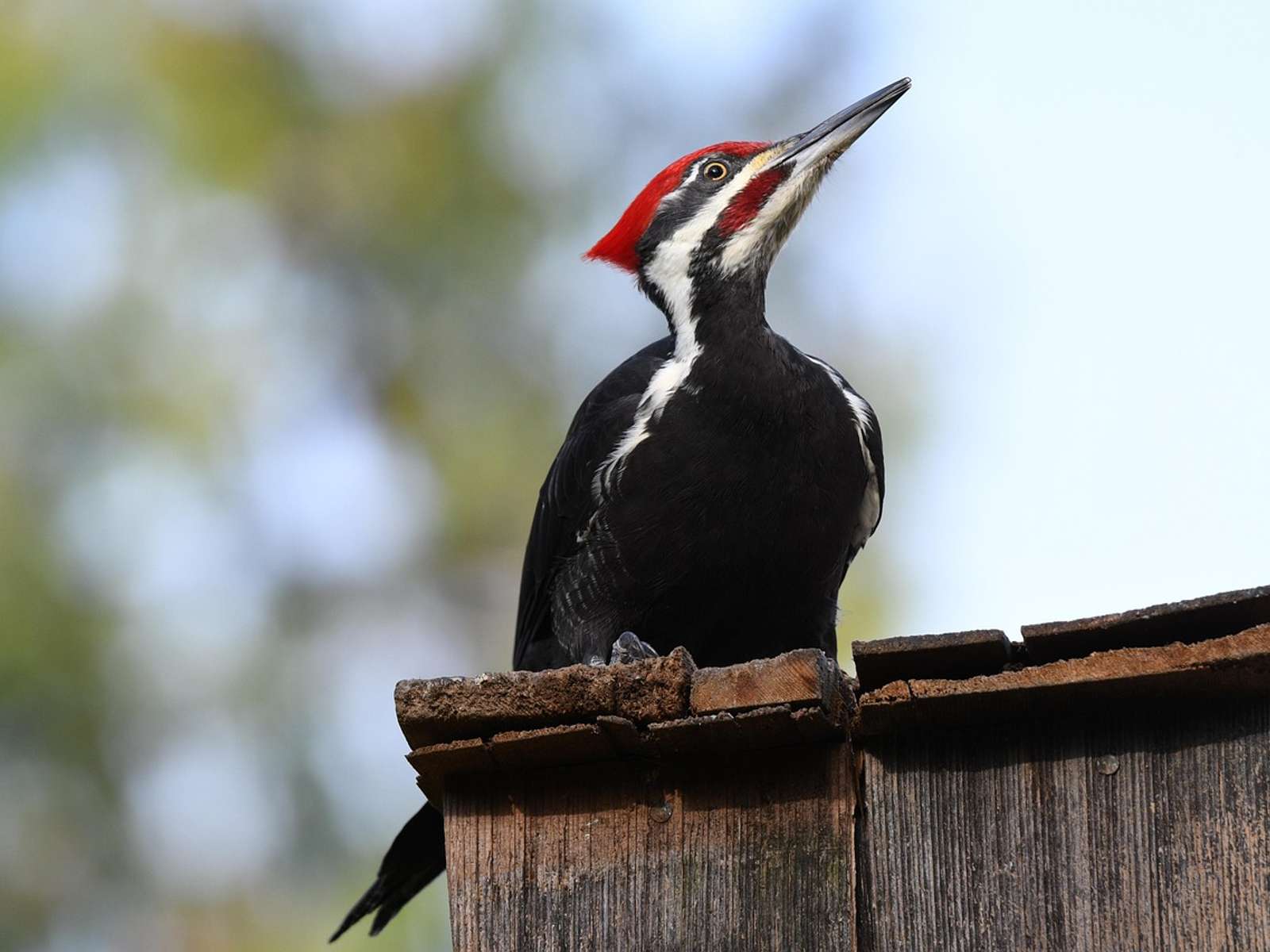
Researchers built an open 3D model of the imperial woodpecker, the largest woodpecker on record, unseen in the wild since 1956. It is based on a museum specimen photographed 288 times and the only film of the living bird, and anyone can download it.
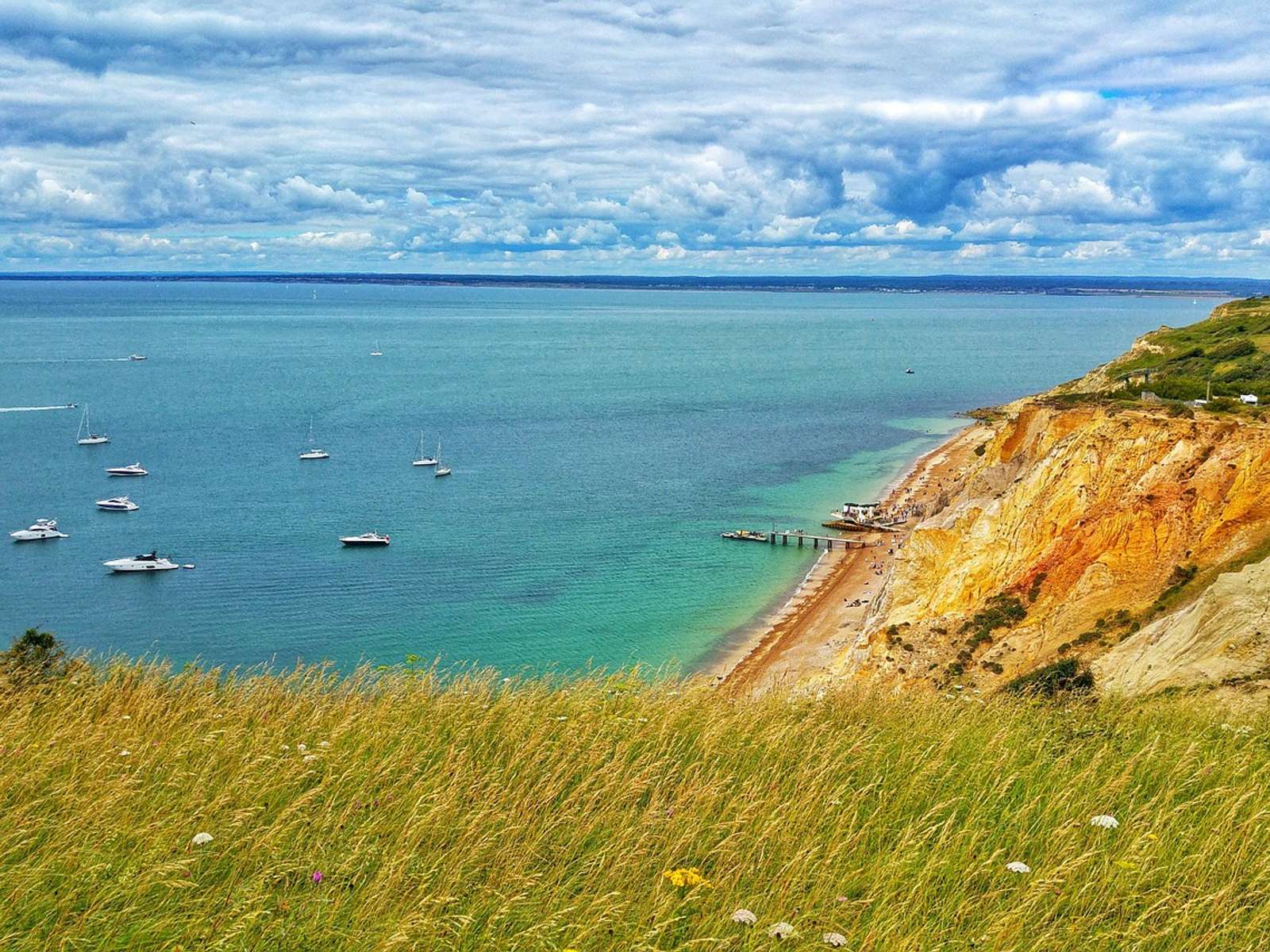
A fossil the Natural History Museum acquired in 1924 belongs to a new dinosaur, Invictibellatrix amberina, the first megaraptoran found in Europe. The 3-4 meter predator lived on the Isle of Wight about 120 million years ago.
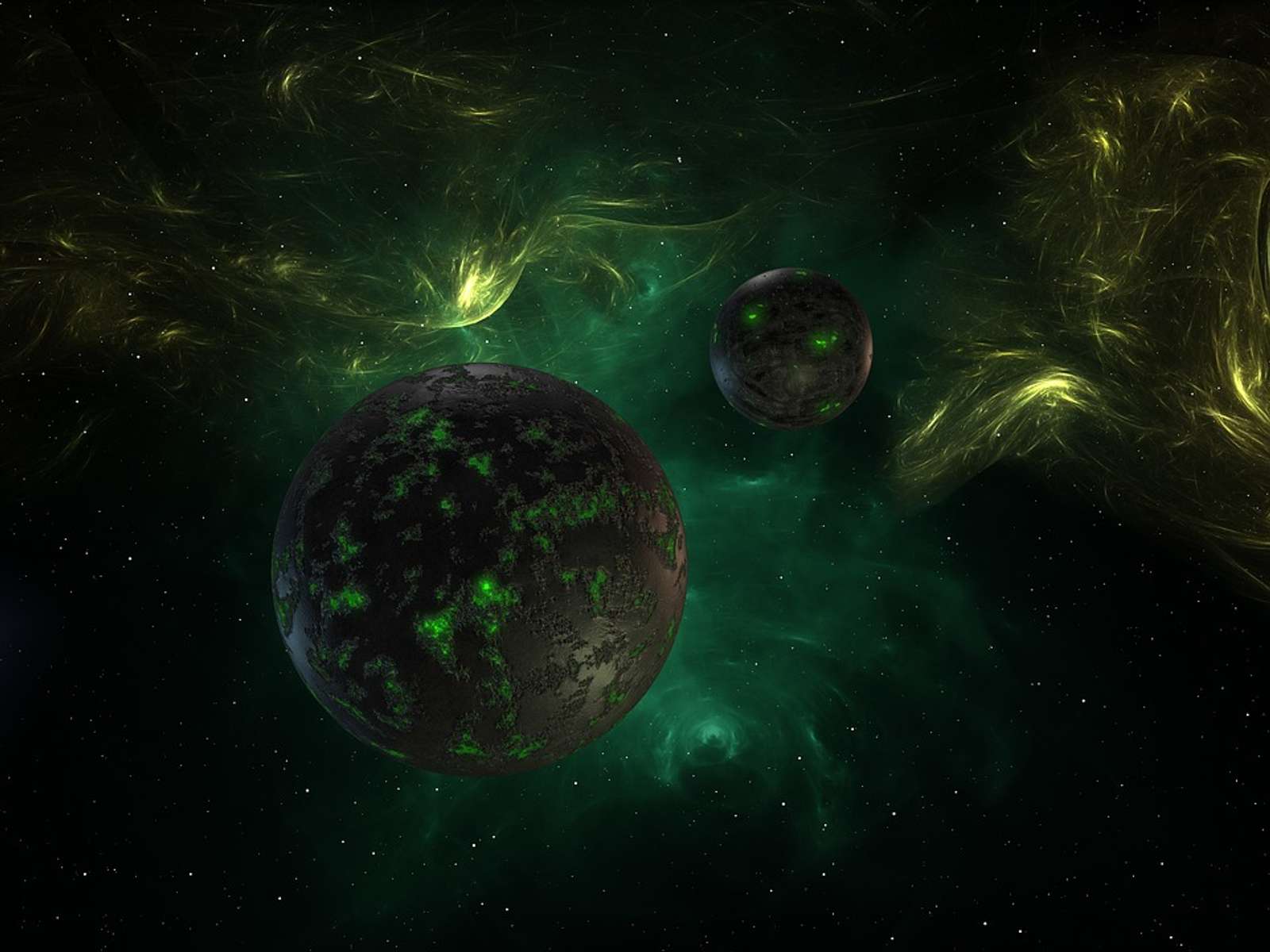
Astronomers led by Cornell used James Webb Space Telescope data to map the uneven outline of WASP-17b, a hot gas giant about 1,300 light-years away. Its hotter evening side bulges out more than its cooler morning side.
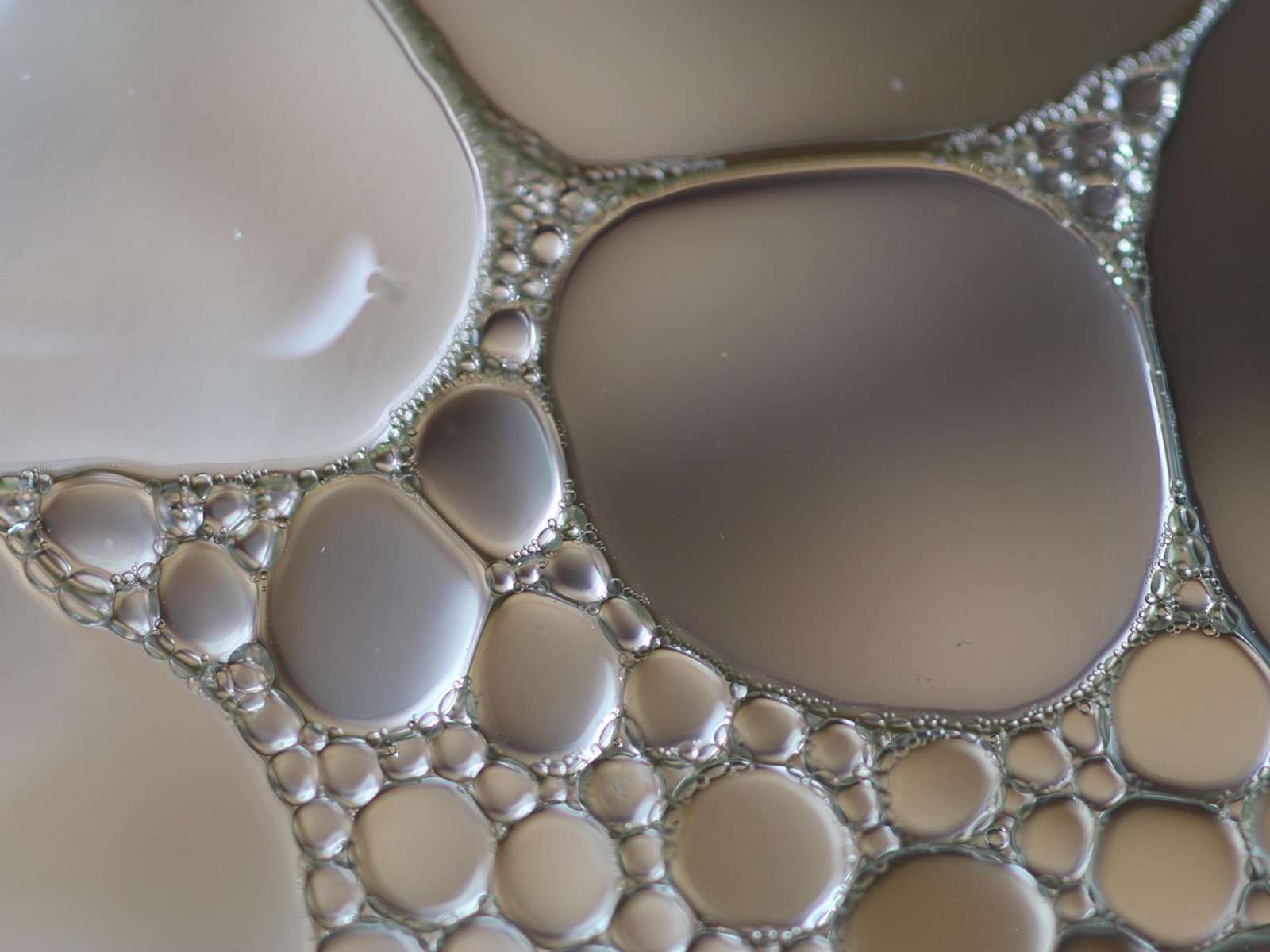
Synthetic RNA droplets that carry their own DNA template formed long-lived vacuoles, moved and stored cargo after a mutation rate of about 3%, a Heidelberg University team reported in Nature Chemical Engineering.
Researchers at the Indian Institute of Science combined quantum calculations and machine learning to map 9,389 reaction steps for turning CO₂ into methanol on copper. A smaller 152-step model had predicted the wrong main product.
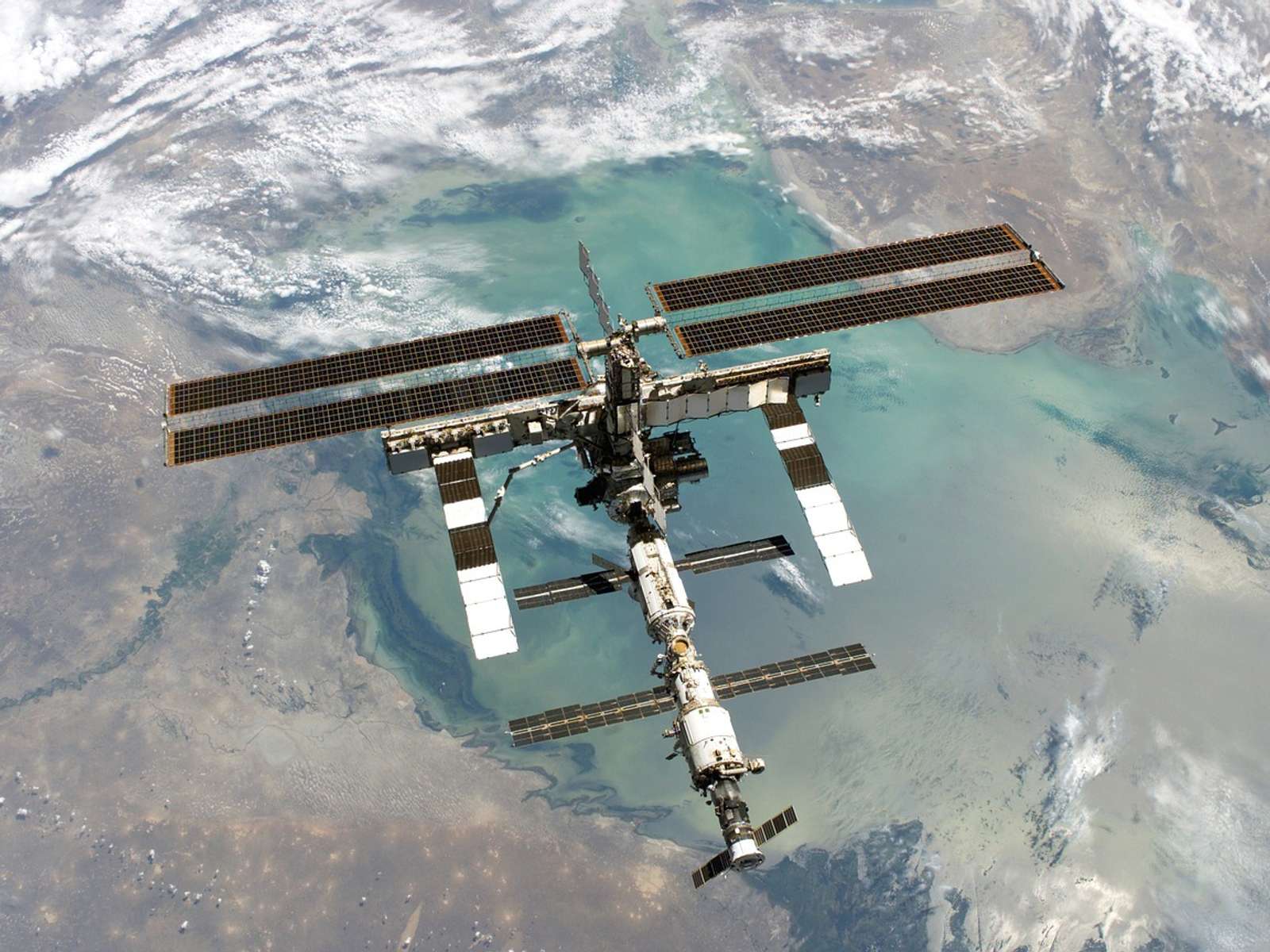
SCAMPI, a sealed aquarium of shrimp, algae and microbes designed by 51 students from Europe and the US, launched to the International Space Station on 13 October to show how a whole ecosystem copes with microgravity.

Students and staff at Curtin University's Perth, Singapore and Malaysia campuses sampled air, water and surfaces for environmental DNA and identified 572 species, from a small-clawed otter to an escaped pet iguana.
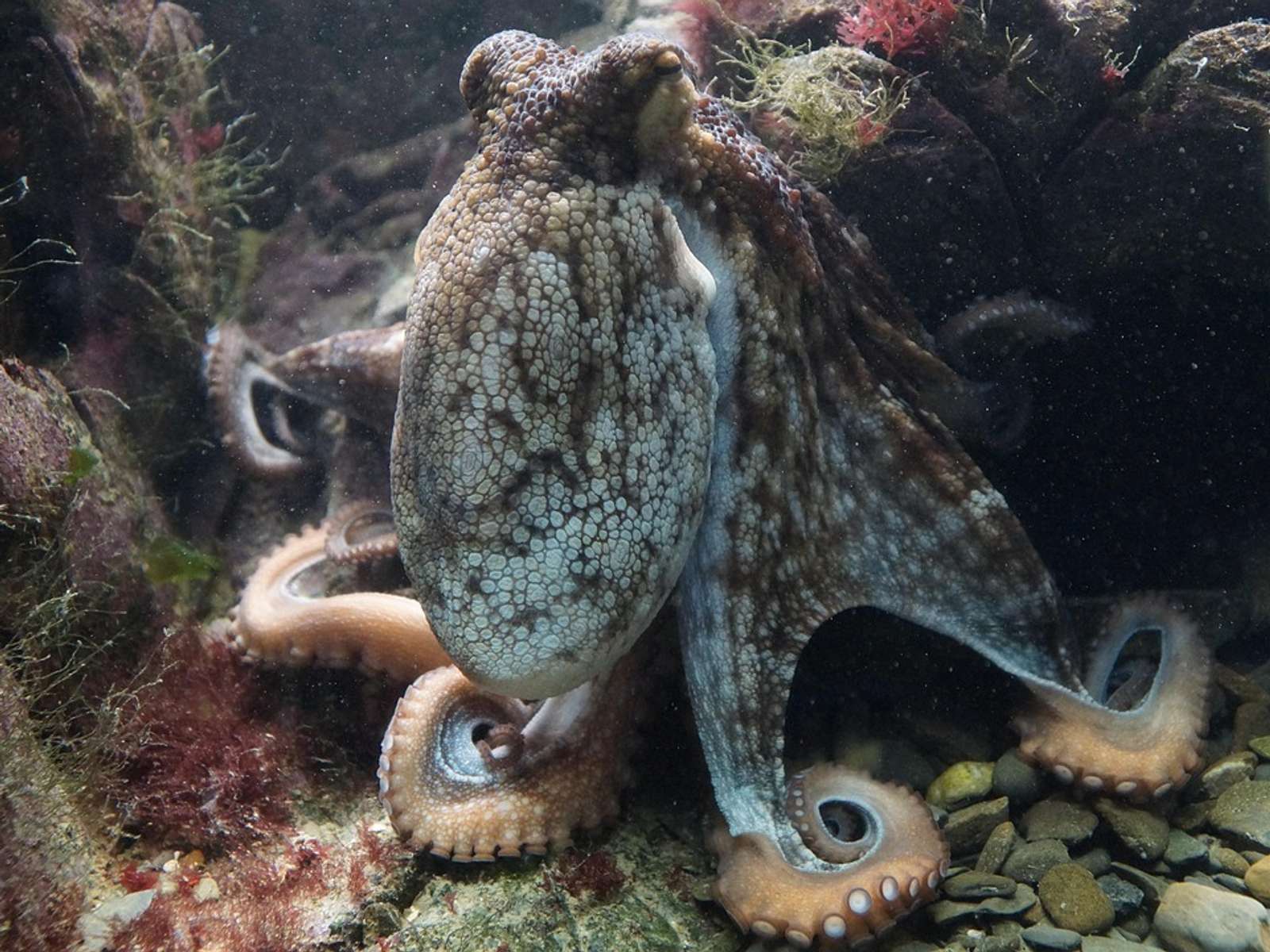
A University of Vienna team mapped how DNA is folded in octopus, squid and cuttlefish. An ancient genome reshuffle created new contacts between genes that may have helped their nervous systems evolve.
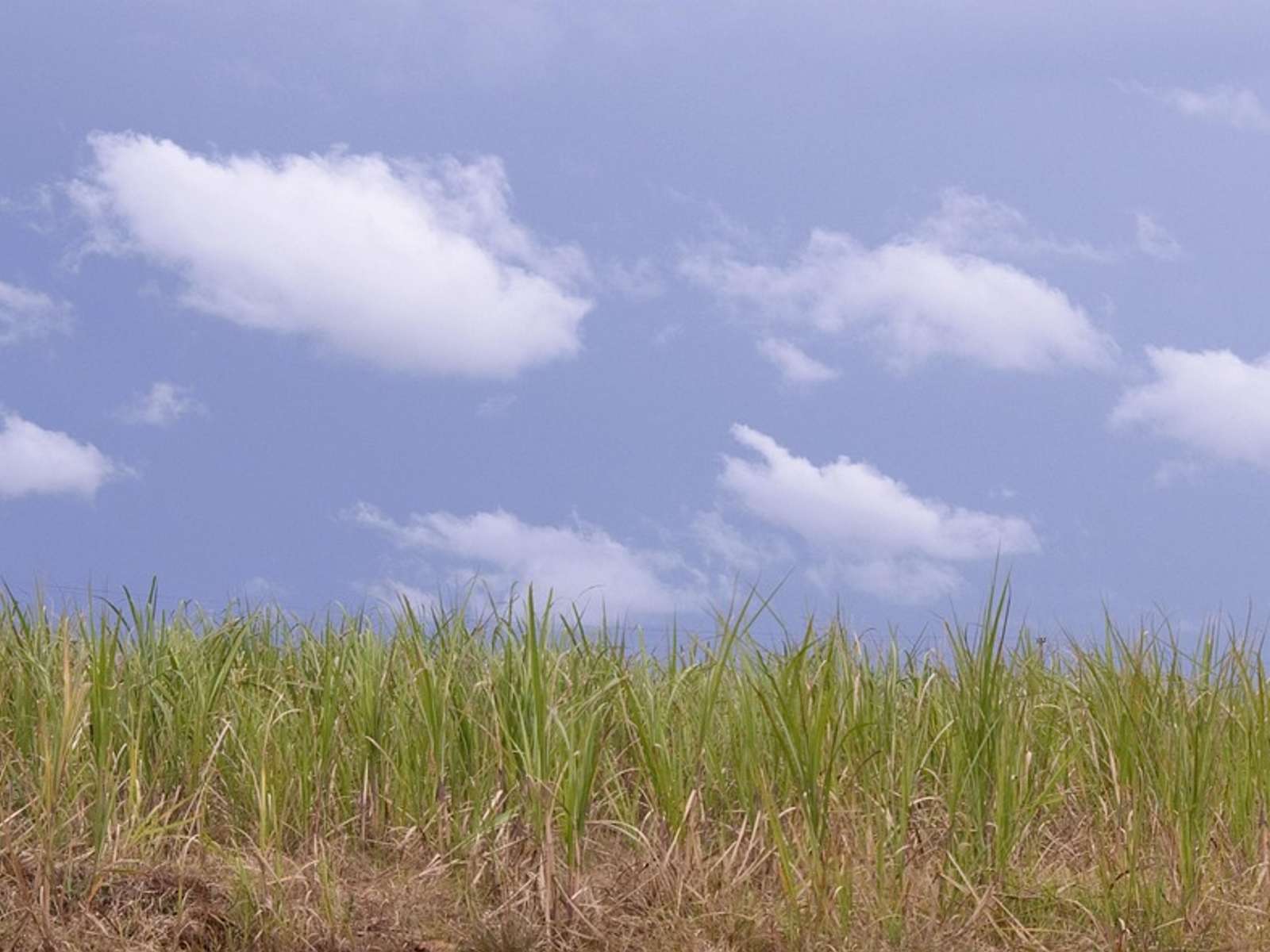
Researchers at the University of São Paulo found an enzyme in sugarcane roots that, added to a commercial enzyme mix, raised sugar release from cane waste by up to six times in the lab. The target is cheaper second-generation ethanol.
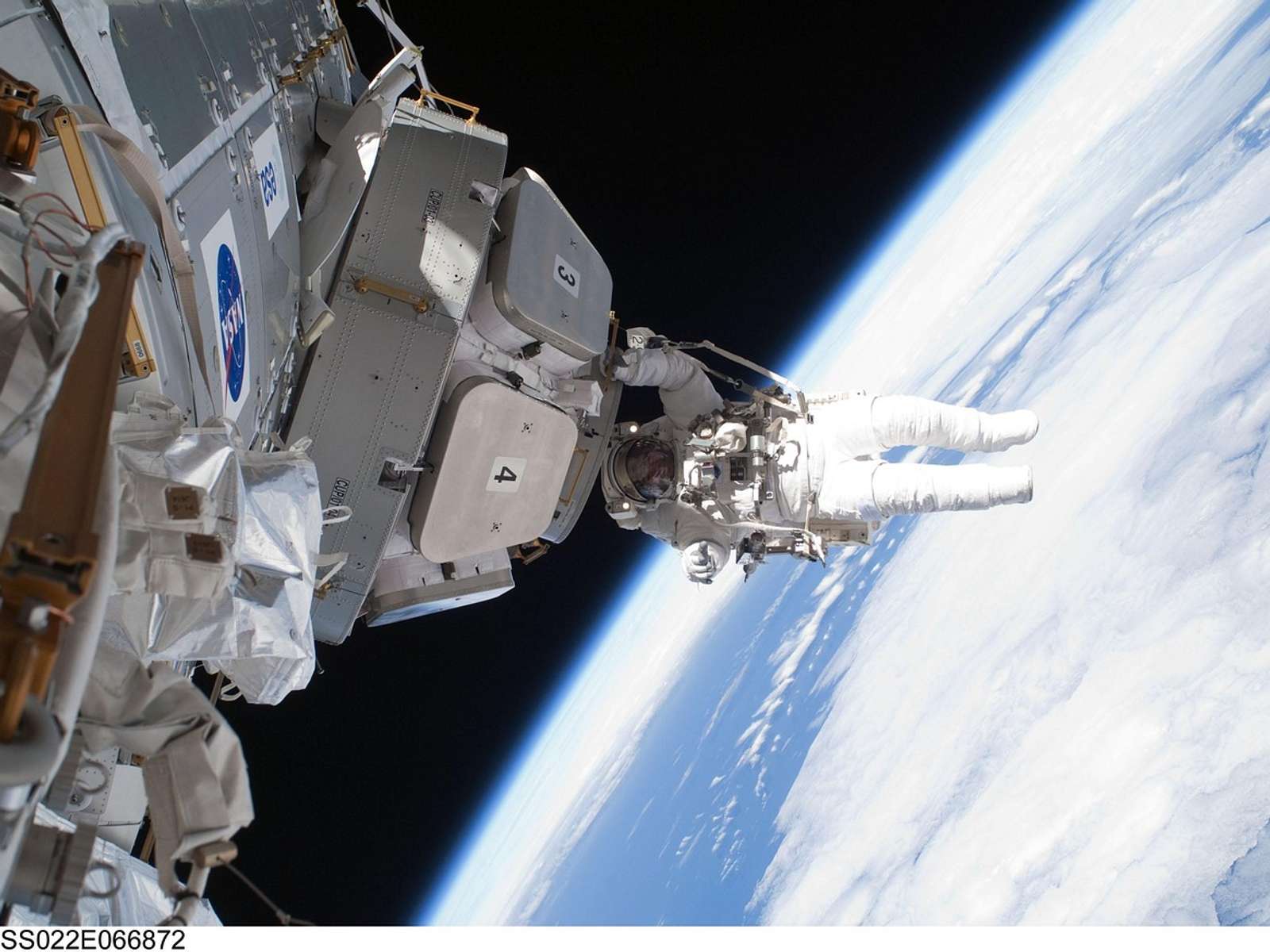
French ESA astronaut Sophie Adenot has returned from her first mission, εpsilon, after 237 days in space: the longest single spaceflight by a European astronaut, with three spacewalks and 35 European experiments.
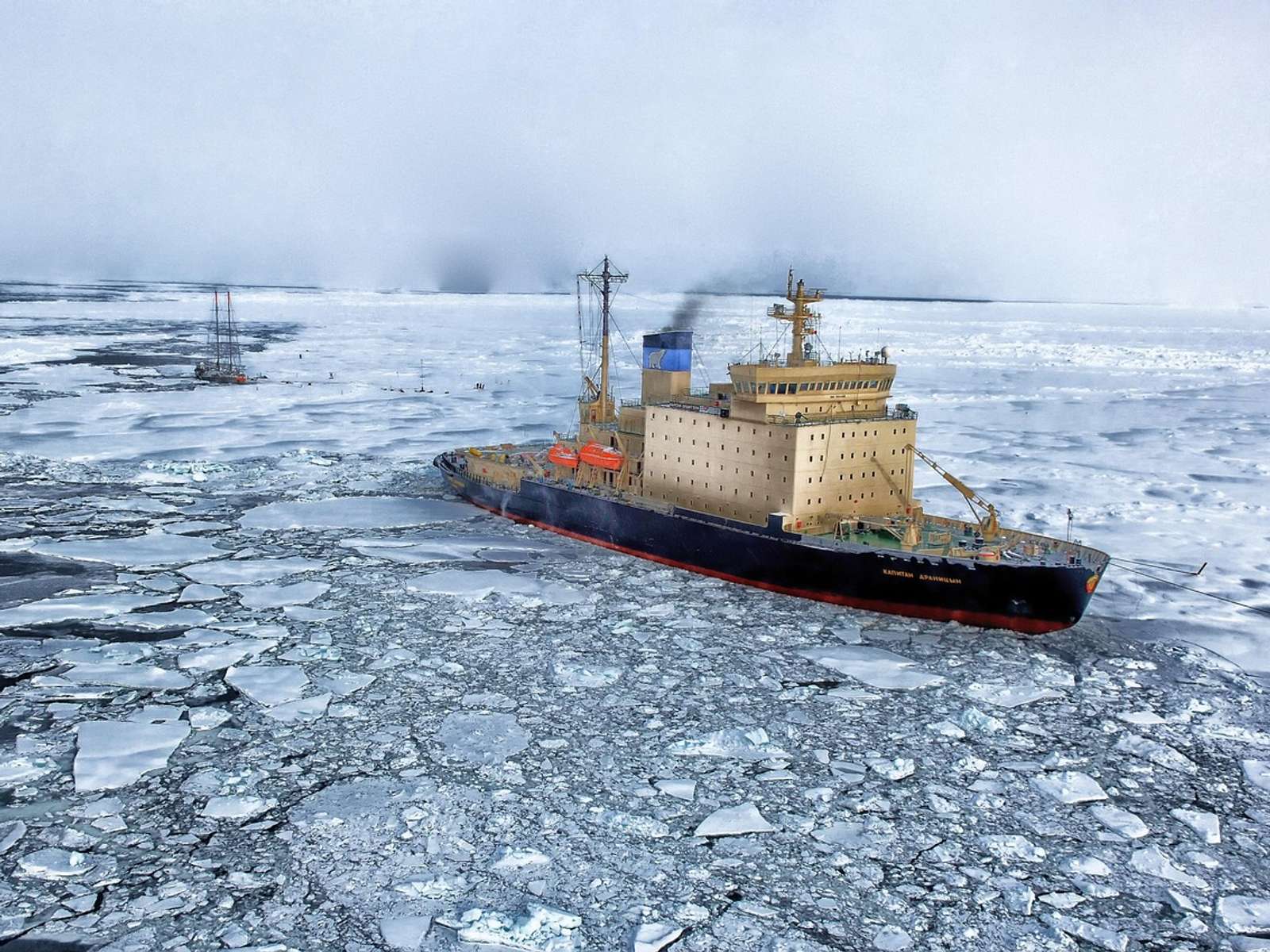
Researchers at NYU Abu Dhabi built a forecasting method that uses only the historical record of Arctic sea ice. It predicts ice extent up to nine months ahead about as well as far more complex models.
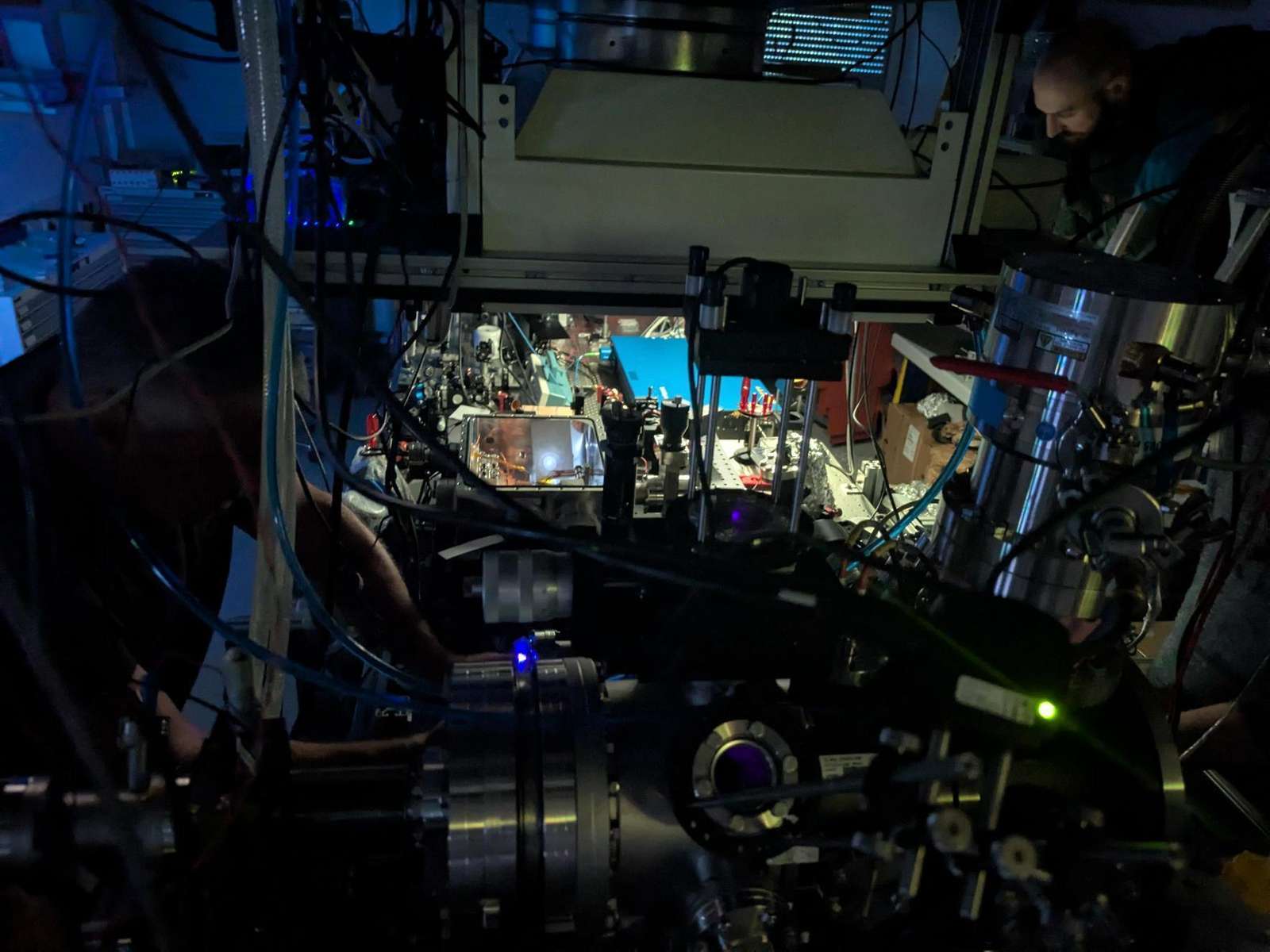
A team from TU Wien and Germany's PTB has built a thorium nuclear clock that stabilizes itself, with a precision equal to an error of about one second in 30 million years. It ran for more than a day on its own.
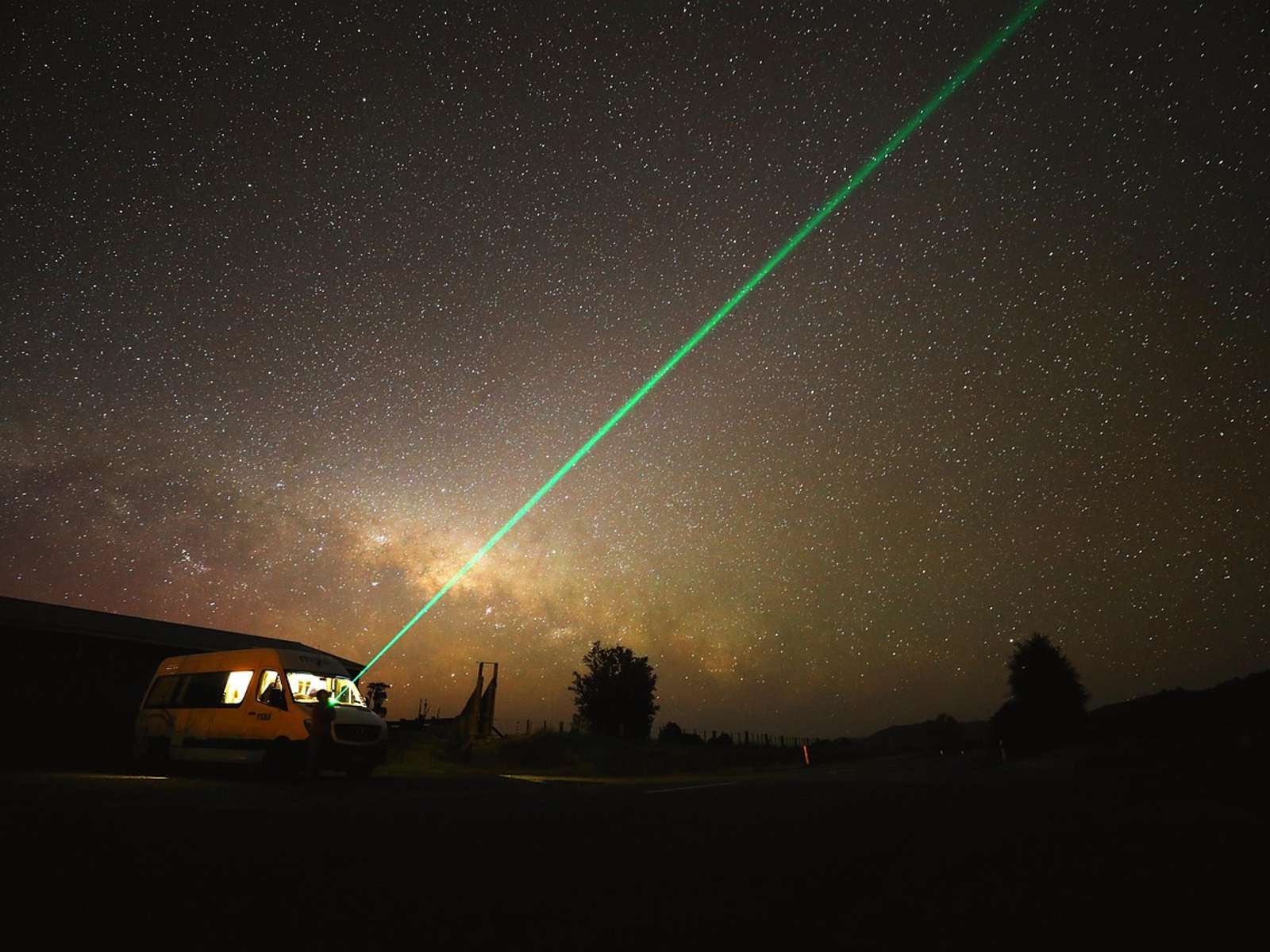
Using the James Webb Space Telescope, astronomers watched water clouds grow thicker and thinner on WISE 0855, the coldest known brown dwarf, the first direct confirmation of changing water clouds beyond the solar system.
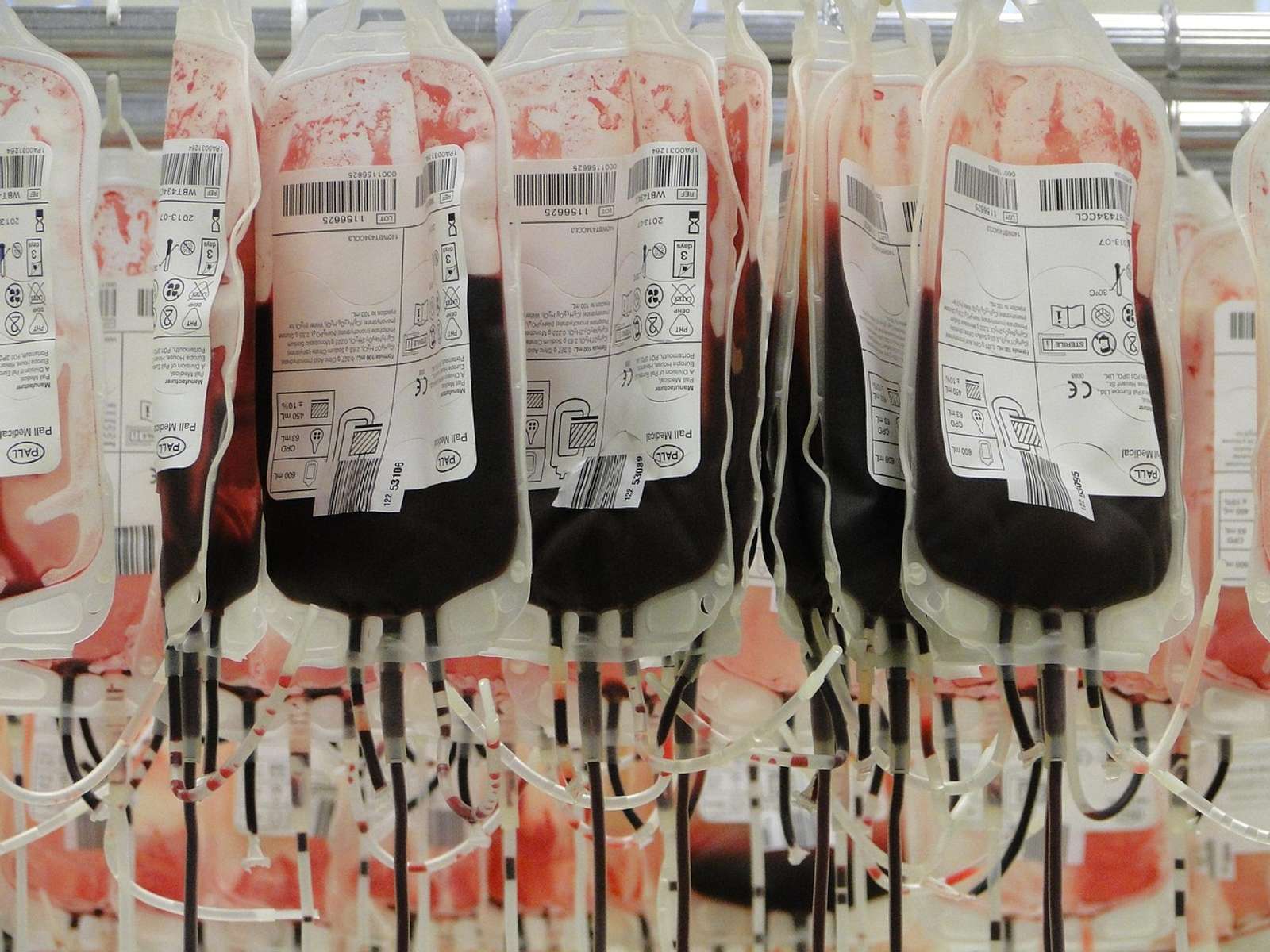
University of Bonn researchers converted blood cells directly into neural stem cells and found their epigenetic clocks reset, so cells from an 80-year-old ended up with a molecular age below 20.
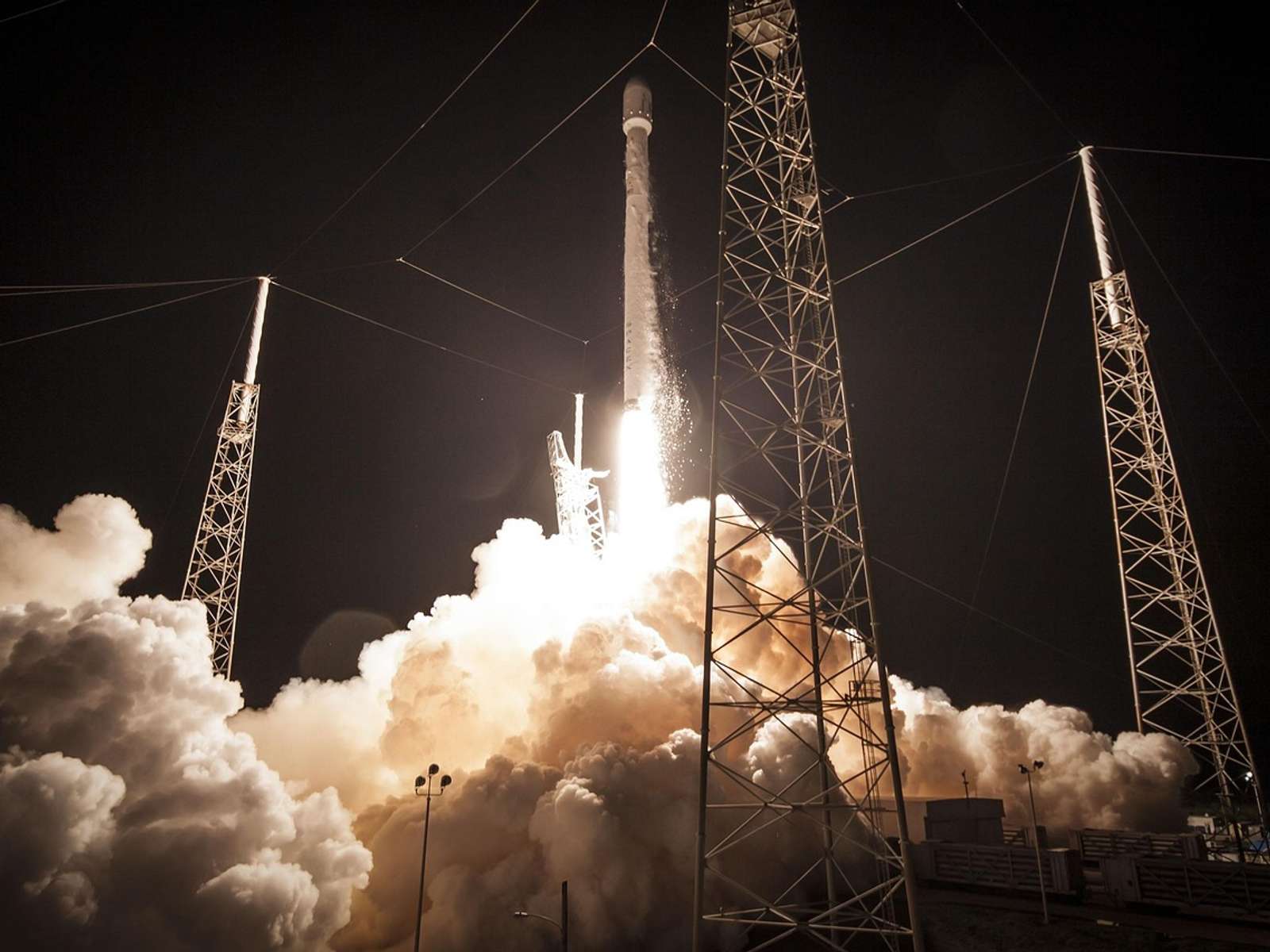
South Korea's Nuri rocket, built entirely with domestic technology, delivered all five of its main satellites and nine of ten small CubeSats to orbit on 7 October, its fourth success in a row.
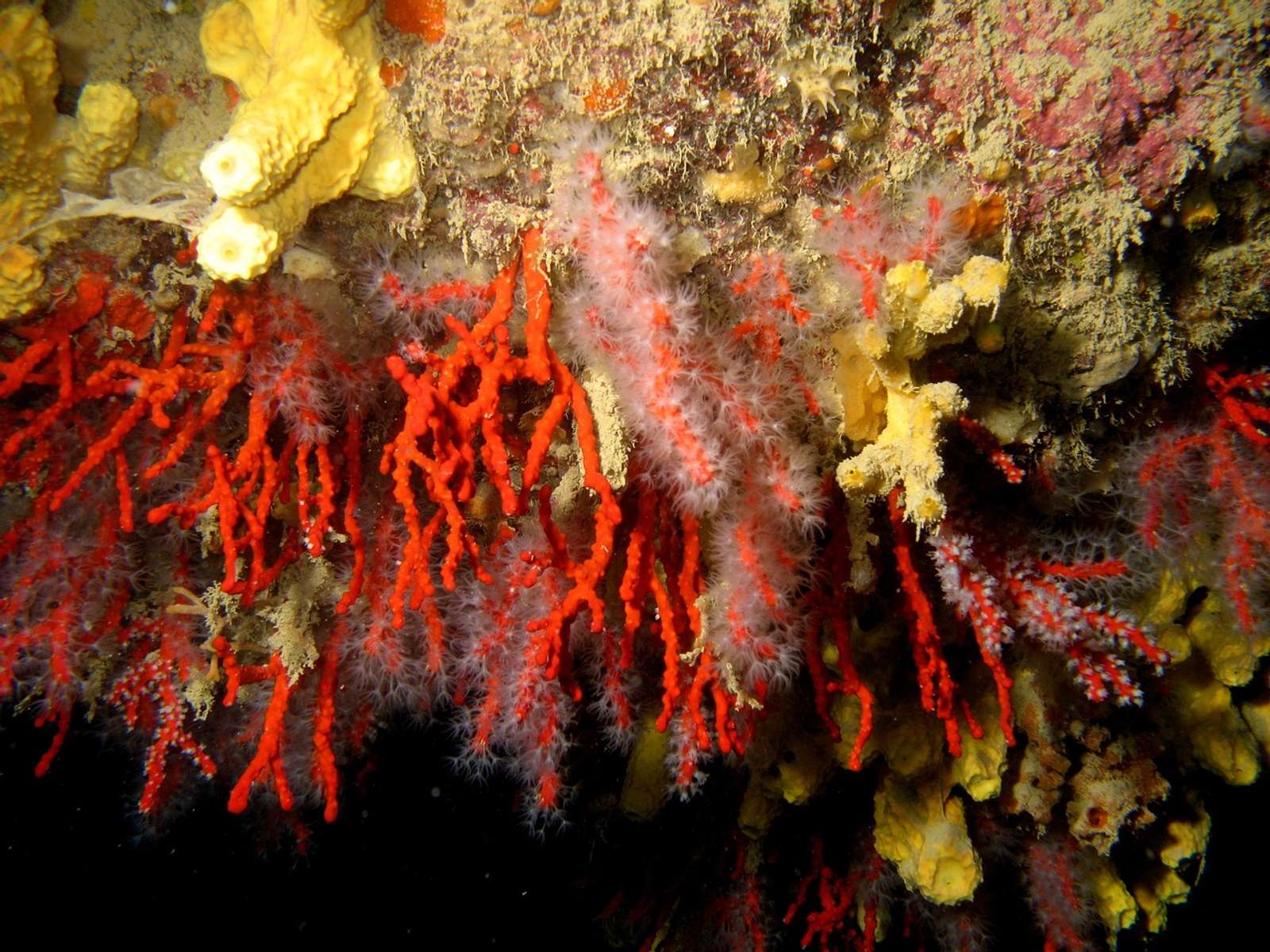
Scientists have described Laurinque elenya, a bright yellow deep-sea coral from seamounts off Costa Rica, and placed it in a new family, Laurinqueidae, named with an Elvish word from The Lord of the Rings.
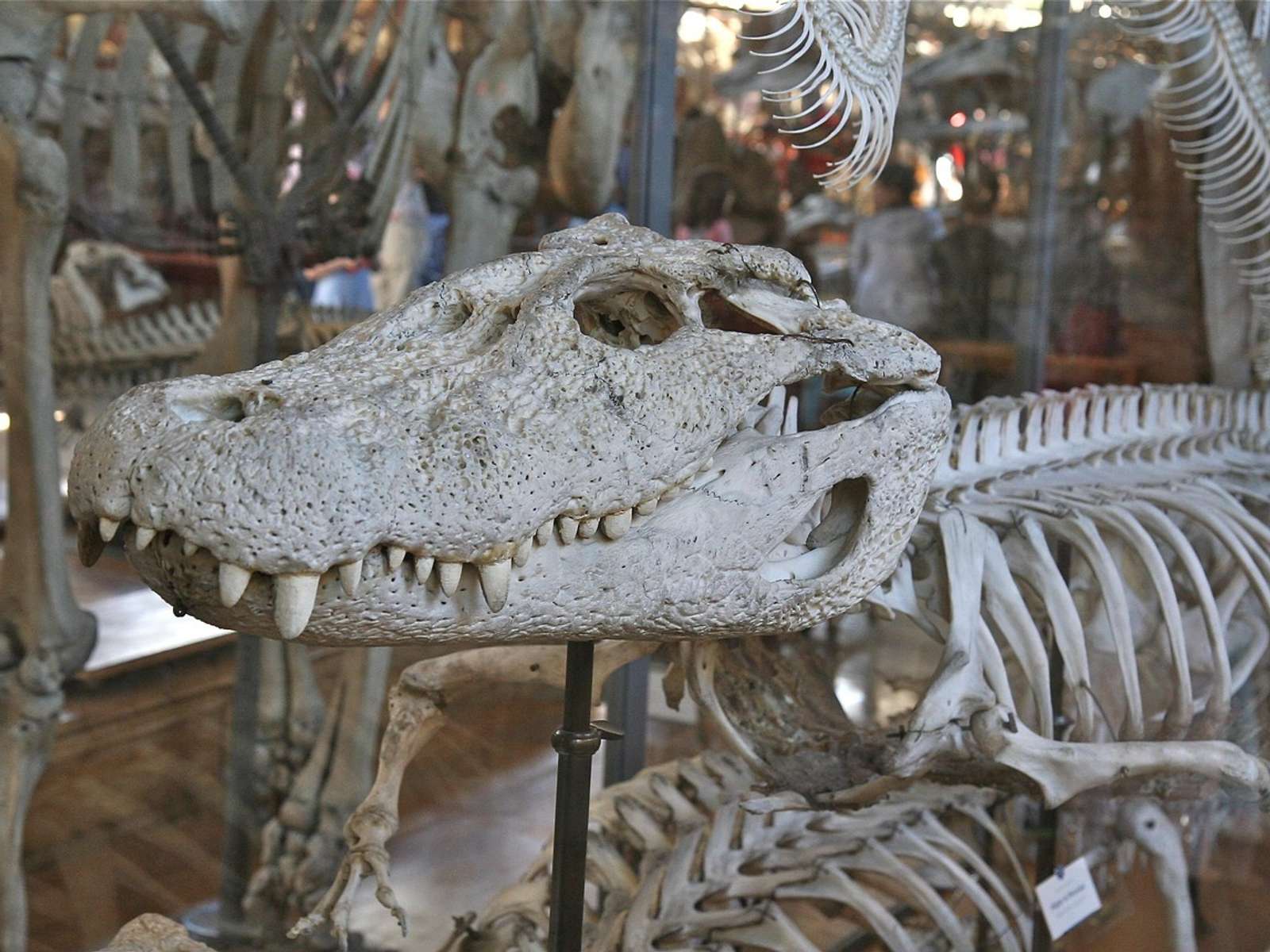
Fossils dug up in Egypt in the 1920s belong to a new gavial-like crocodile, Herugavialis cairensis, from the same rock formation as the Great Sphinx, a team led by UCL researchers reports.
About our science coverage
Science covers discoveries and new knowledge: new species, findings in space and astronomy, advances in physics, chemistry and biology, and research that explains how the natural world works. Much of it comes from peer-reviewed journals and the universities and research centers behind them.
We explain what was found, how researchers found it and what it does and does not show. We link to the institution or the paper, give the size and method of a study where it matters and avoid turning an early result into a promise. When a discovery is based on older material, such as fossils in a museum collection, we say so.