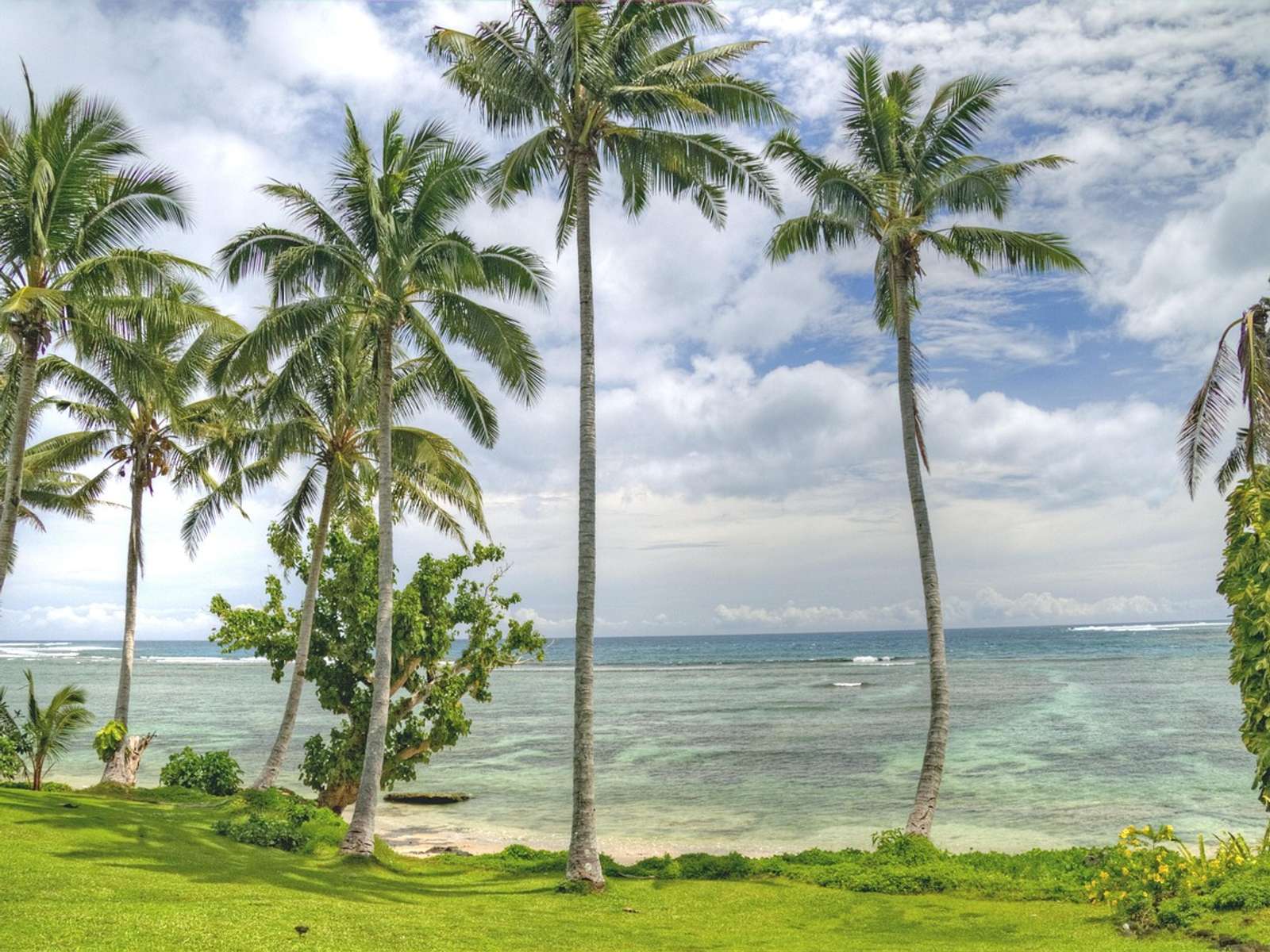
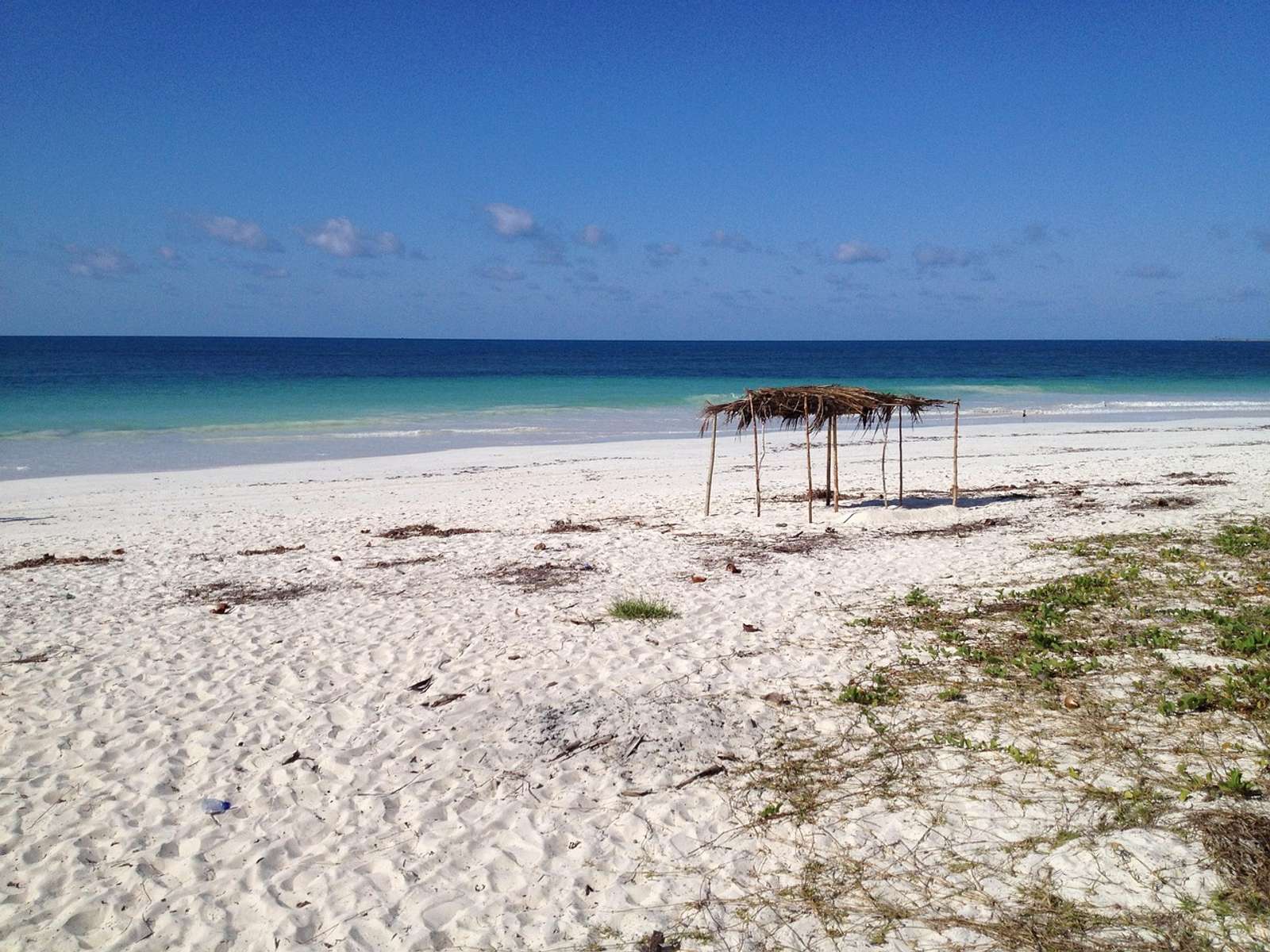
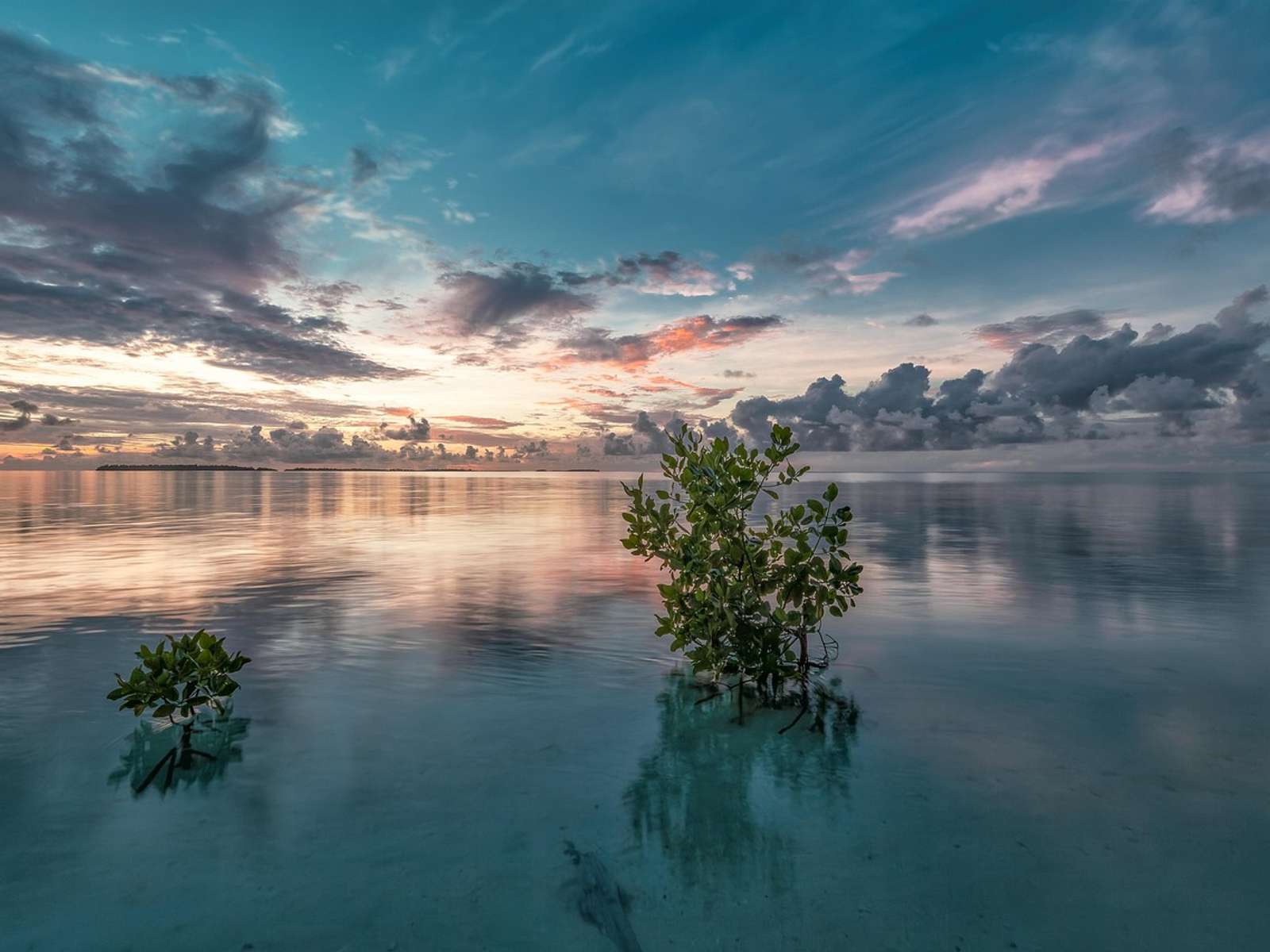
One year after Samoa's environment ministry and partners cleared invasive rats and feral pigs from Nu'utele Island, sea turtles are nesting there again after decades, native seedlings carpet the forest floor and rare ground-doves are breeding.
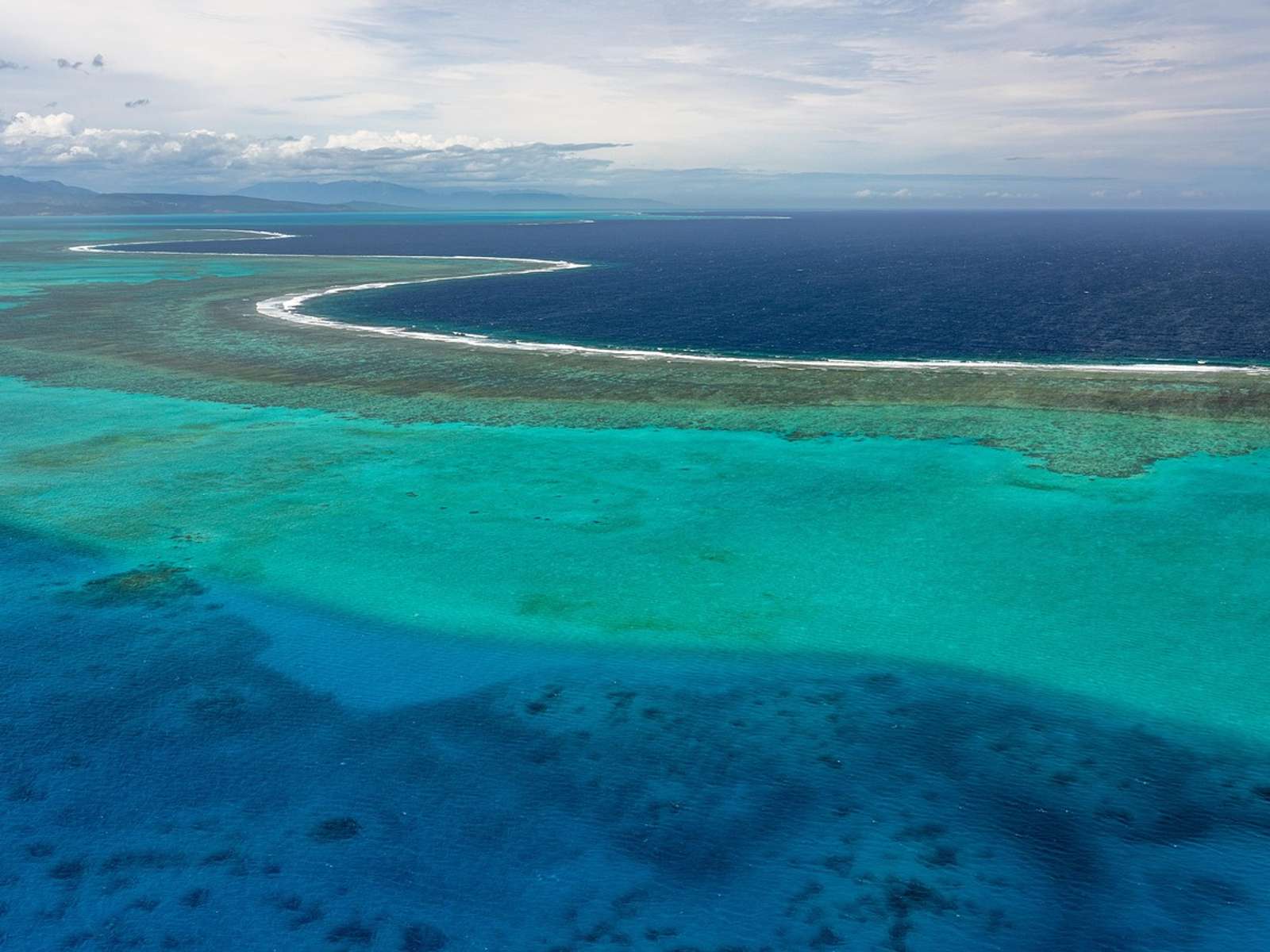
A Lancaster University-led study of 28 atoll islands found reefs around rat-free, seabird-rich islands grow 1.8 to 2.5 times faster, fast enough to keep pace with sea-level rise under 2°C of warming, the authors project.
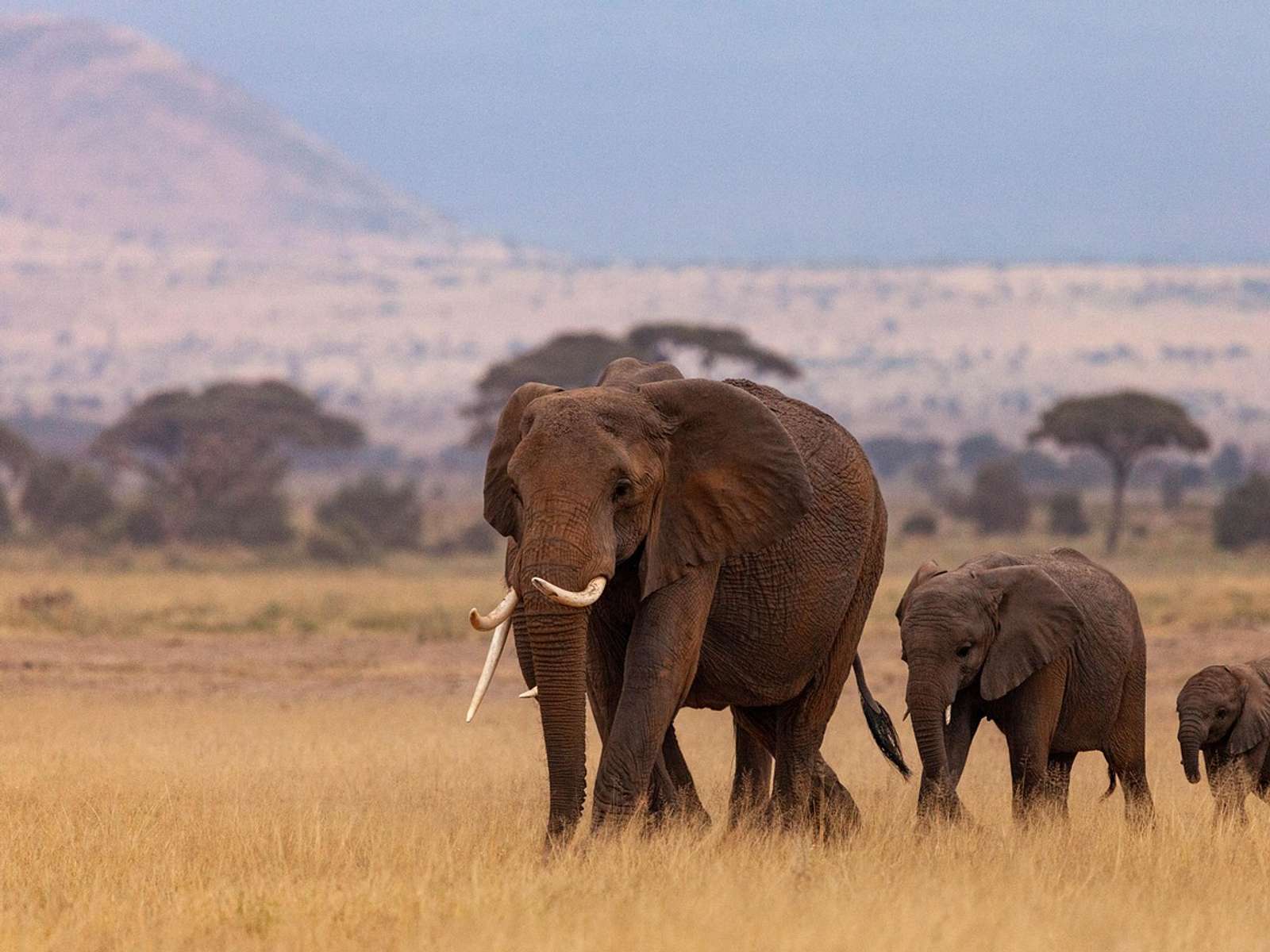
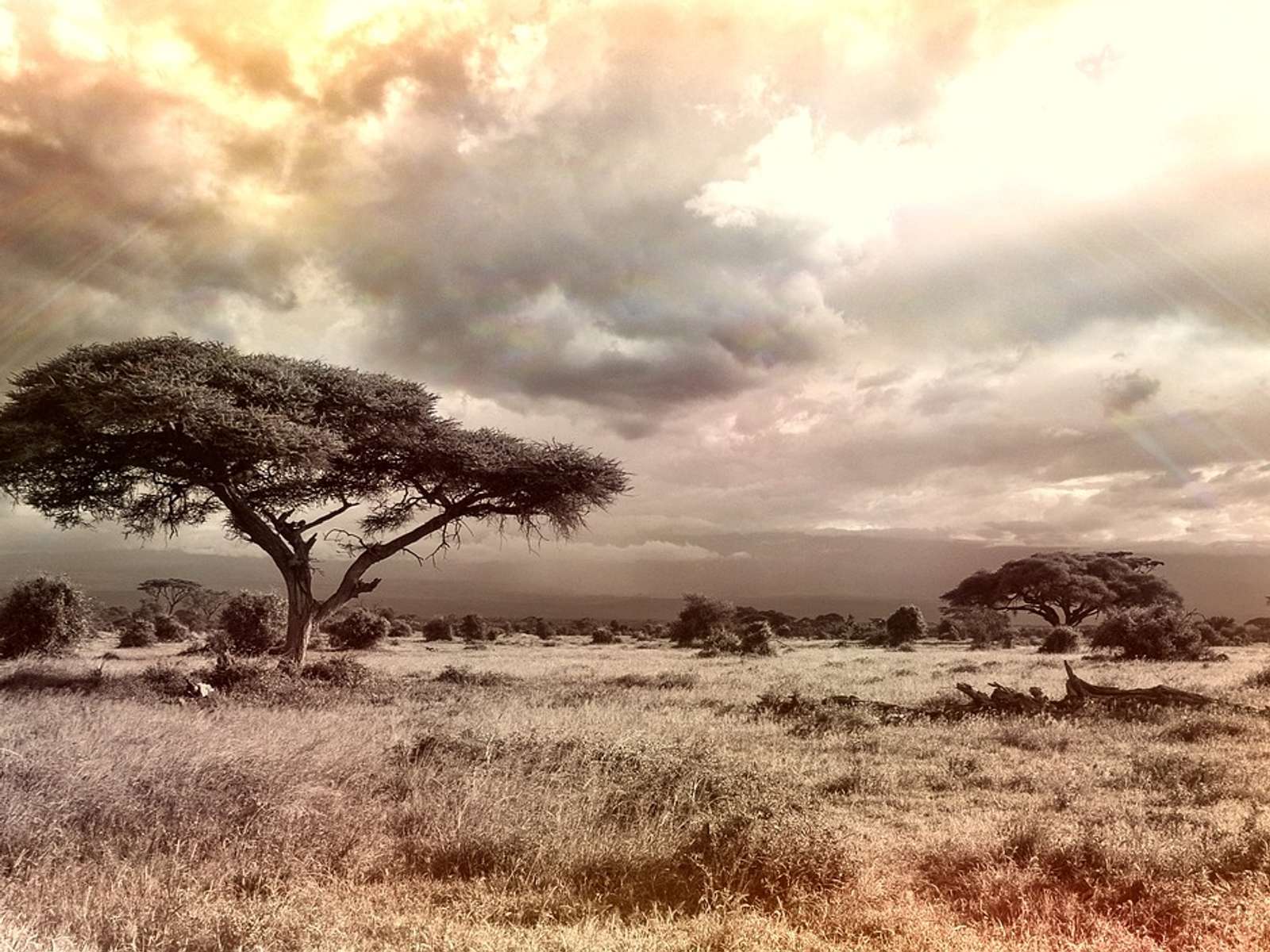
Kenya's government and The Nature Conservancy unveiled Thamani Asili, a $160 million Project Finance for Permanence covering about 17.3 million hectares over 10 years. About 1.6 million people are expected to benefit directly.
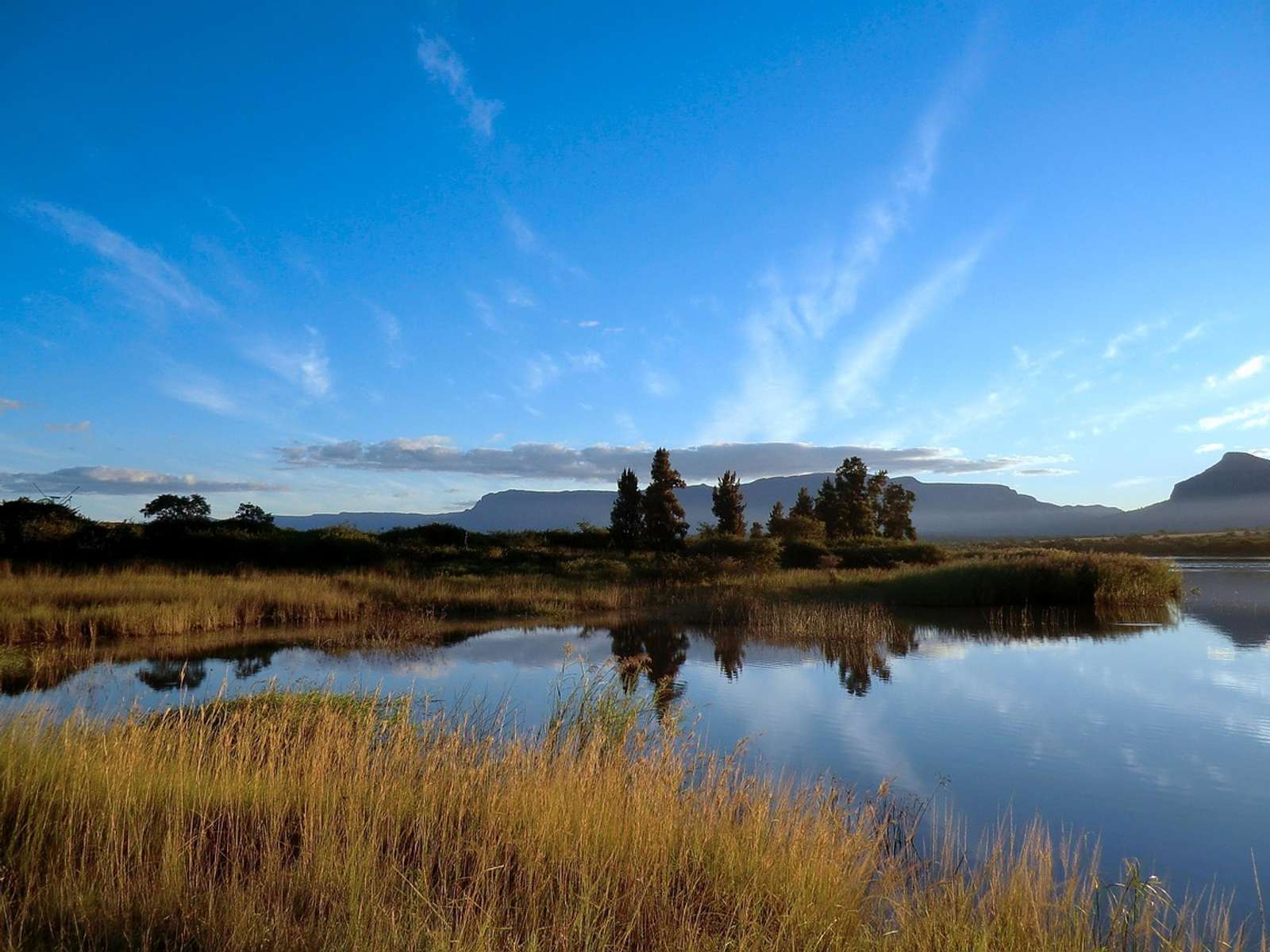
South Africa has declared the Grasslands National Park, 18 properties covering about 10,226 hectares between Nqanqarhu and Rhodes. It is the first national park created mainly through landowners signing on to protect their land.
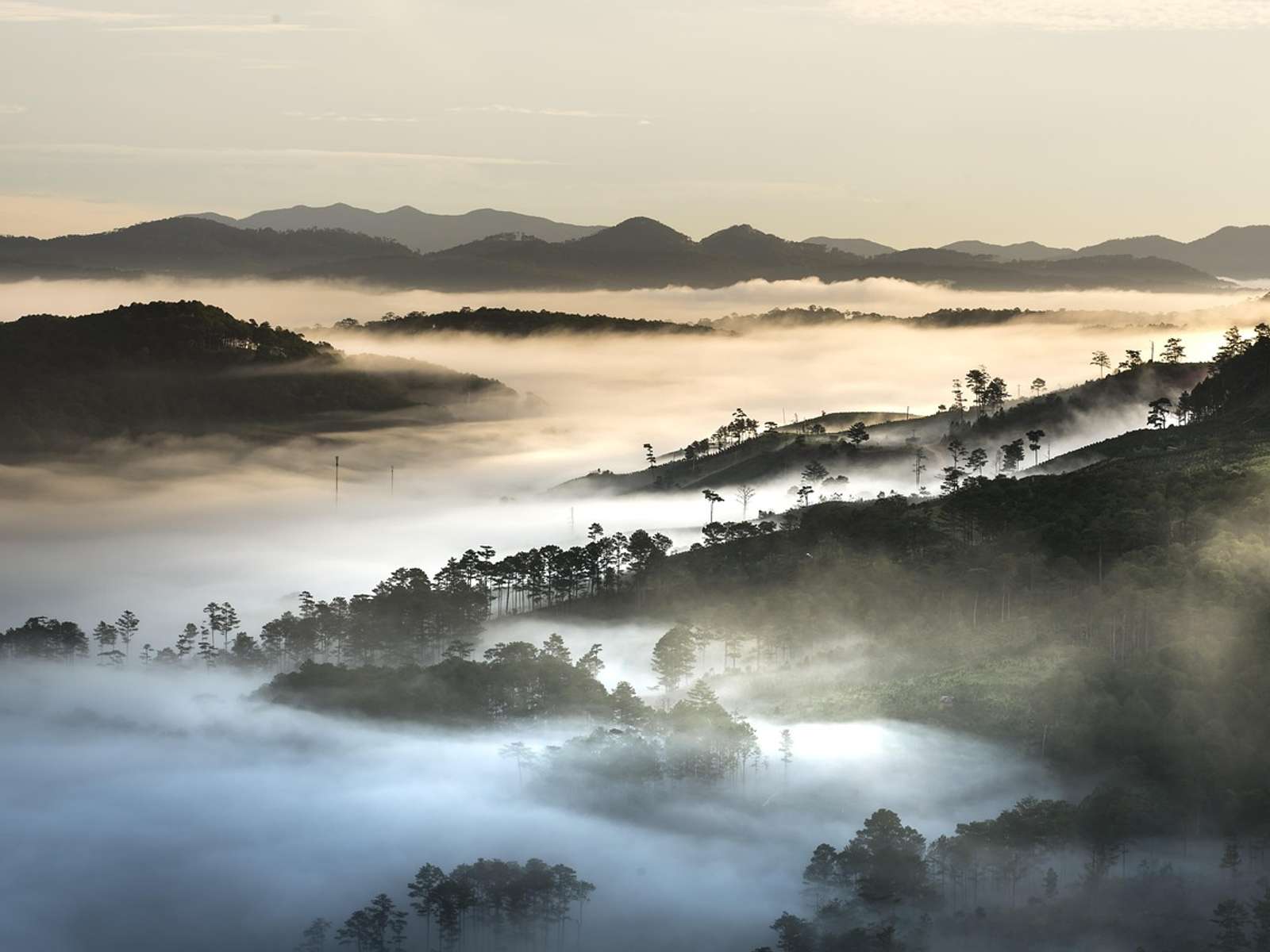
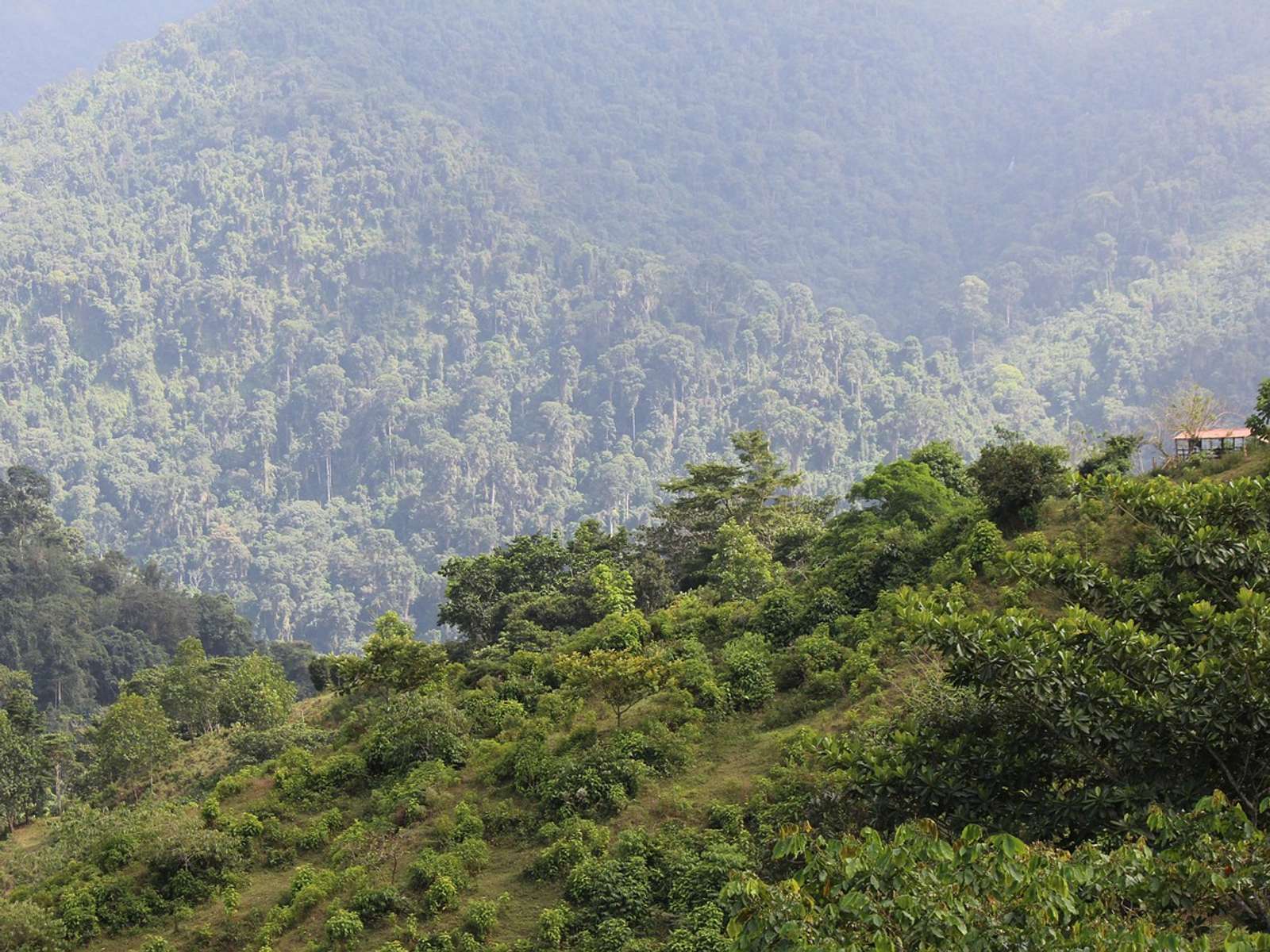
Lam Dong province has established the Ta Kou Nature Reserve, 8,408 hectares of mostly natural forest where surveys recorded about 287 animal species, including black-shanked douc langurs. A plan worth about $3 million runs to 2030.
Indonesia and UNDP launched the Sungai Lestari program in Bali to stop plastic reaching the sea. In Surabaya and Surakarta it has already removed 492 tonnes of waste from four rivers, paying groups only for verified results.
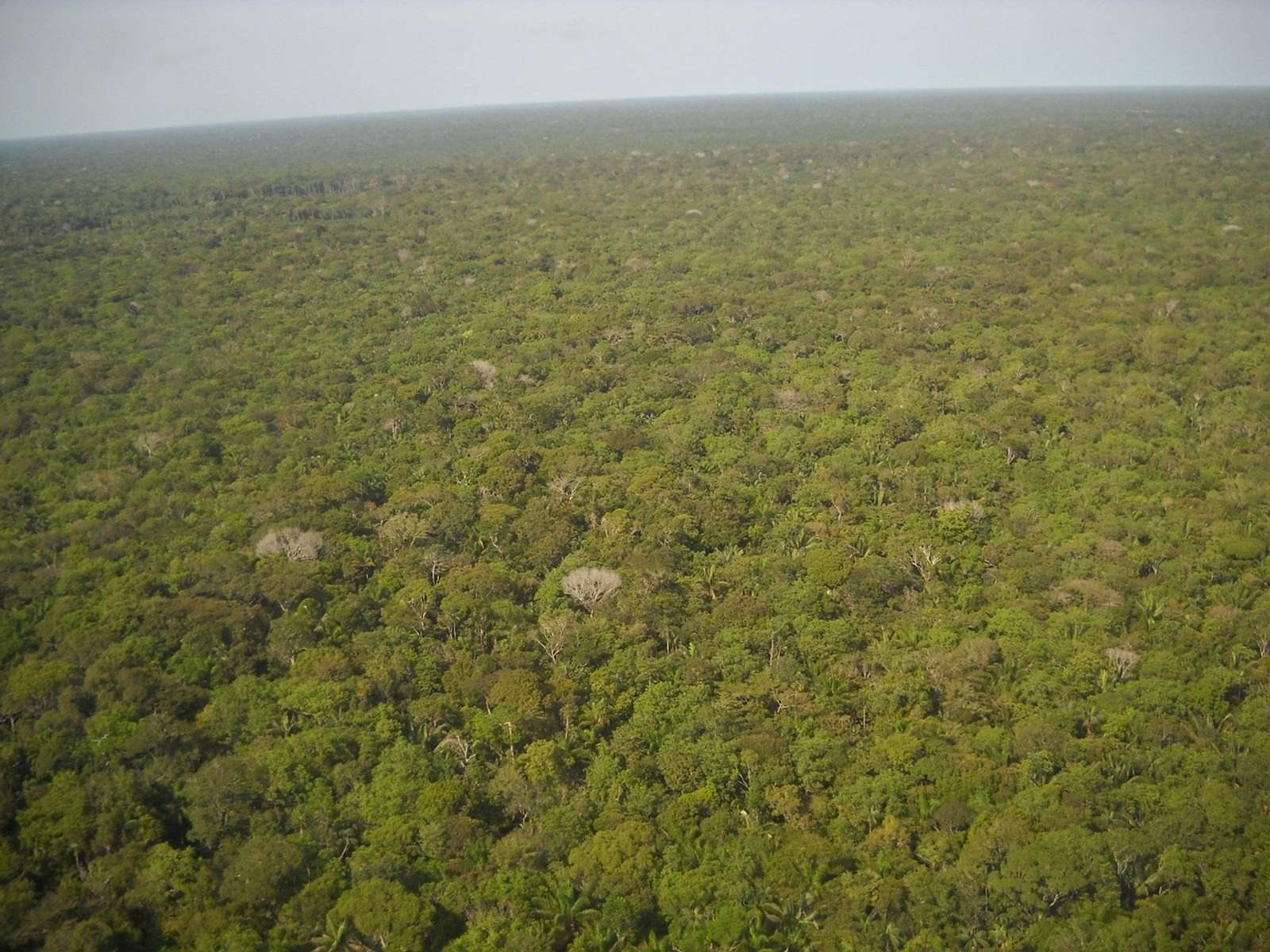
Satellite monitoring by Brazil's space institute INPE recorded 3,335 square kilometers of Amazon deforestation from August 2025 to July 2026, down 41.8% in a year and the lowest since 1988. Clearing in the Cerrado also hit a record low.
Official data put conservation areas at 18.5% of the world's land. A Nature study led from the University of Kent estimates the real figure at 26.81%, close to the 30% goal for 2030, but warns that the extra land fills few gaps in nature protection.
Scientists in Mozambique's Bazaruto Archipelago have described shallow reefs made of peat from coastal forests that drowned 300 to 5,000 years ago. With no living coral, they host seagrass, lobsters and 26 to 36 small fish species each.
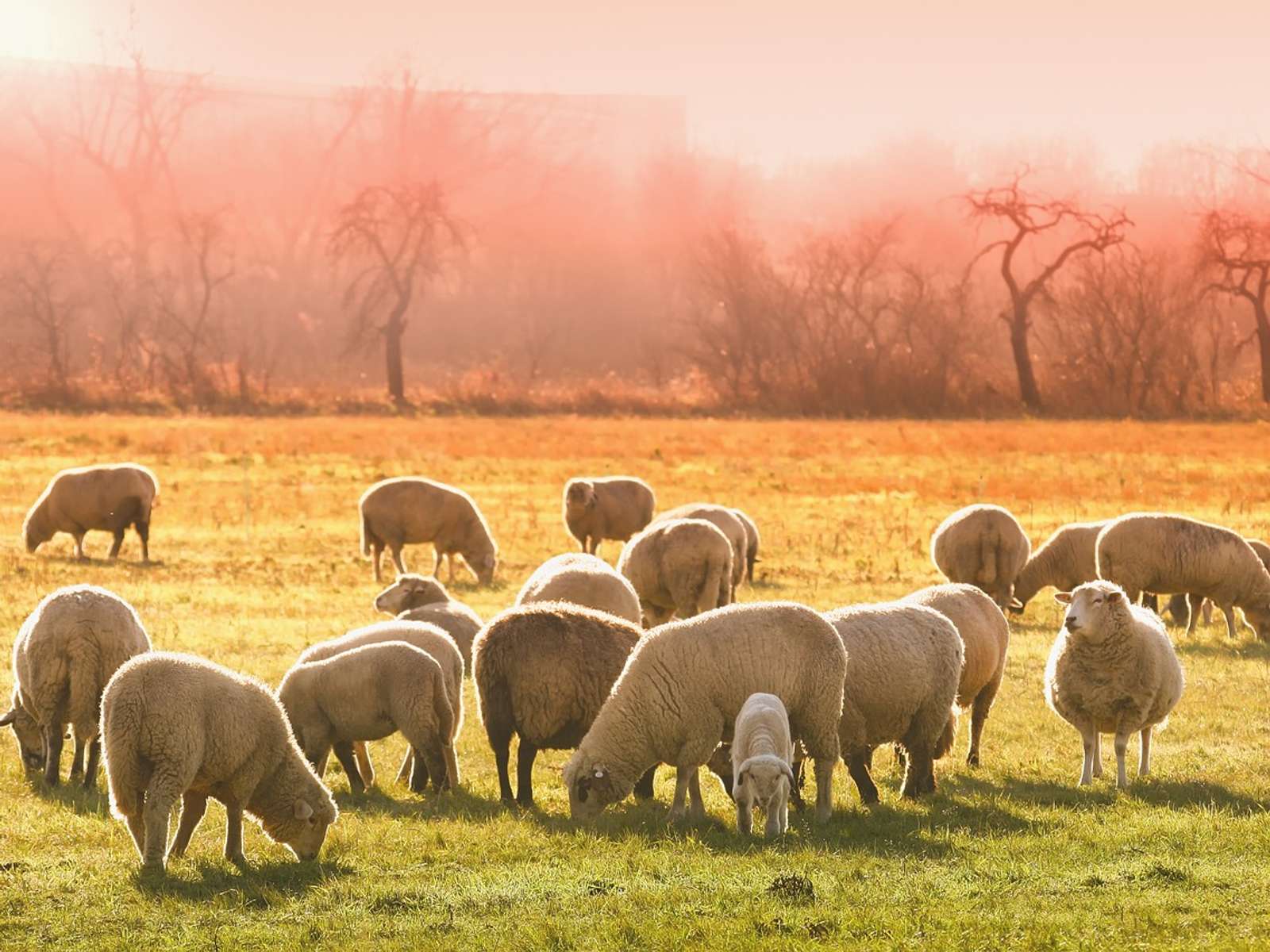
A three-year Cornell study found that light sheep grazing at a New York solar farm raised bee and lady beetle numbers by 38% compared with mowing, while a second study gives farmers a tool to plan flocks for solar sites.
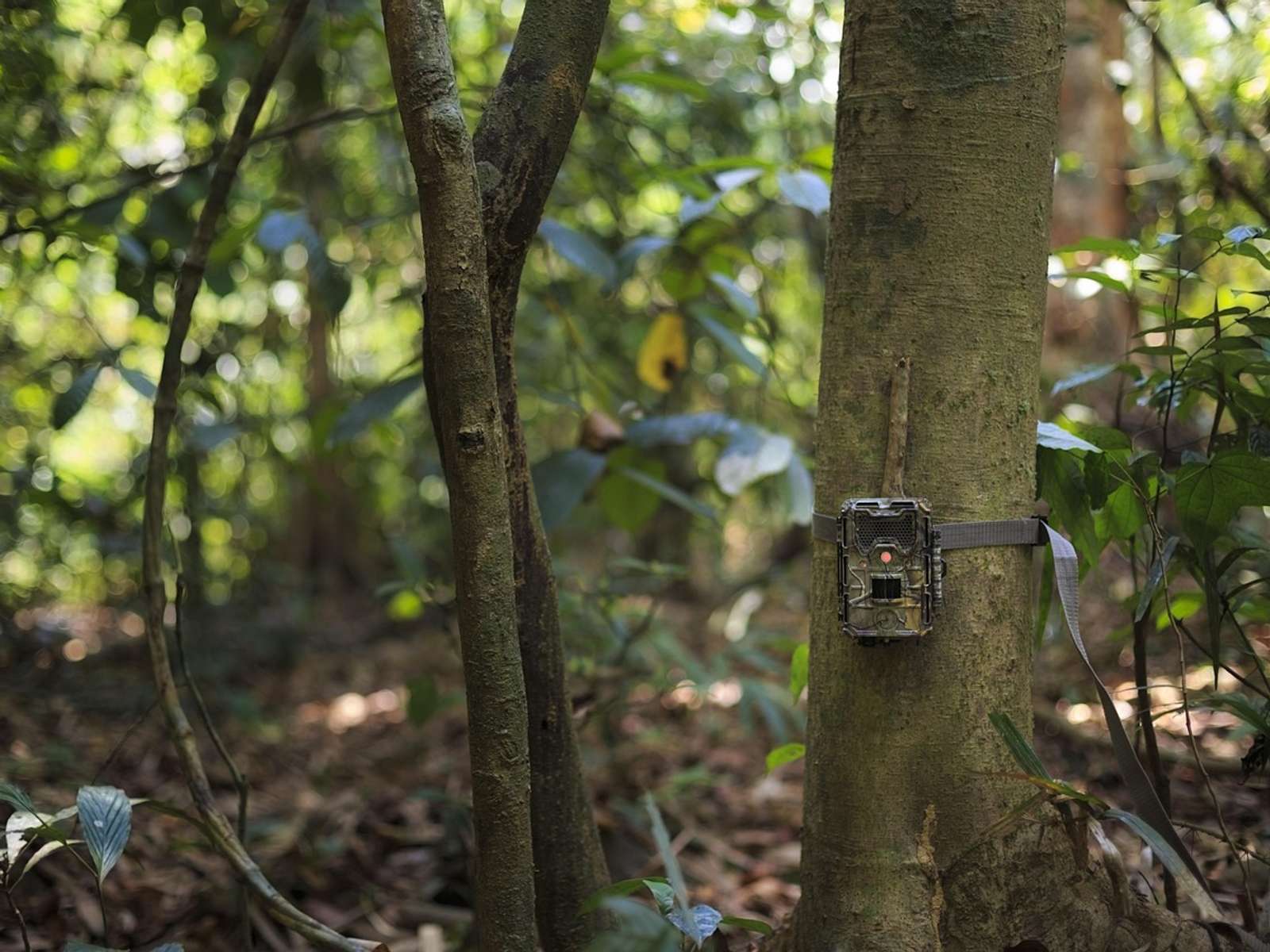
Rangers in the Warddeken Indigenous Protected Area used the open AI model MegaDetector to filter empty camera-trap photos, cutting the images they had to check from 925,088 to 172,290 and processing time from six months to two.
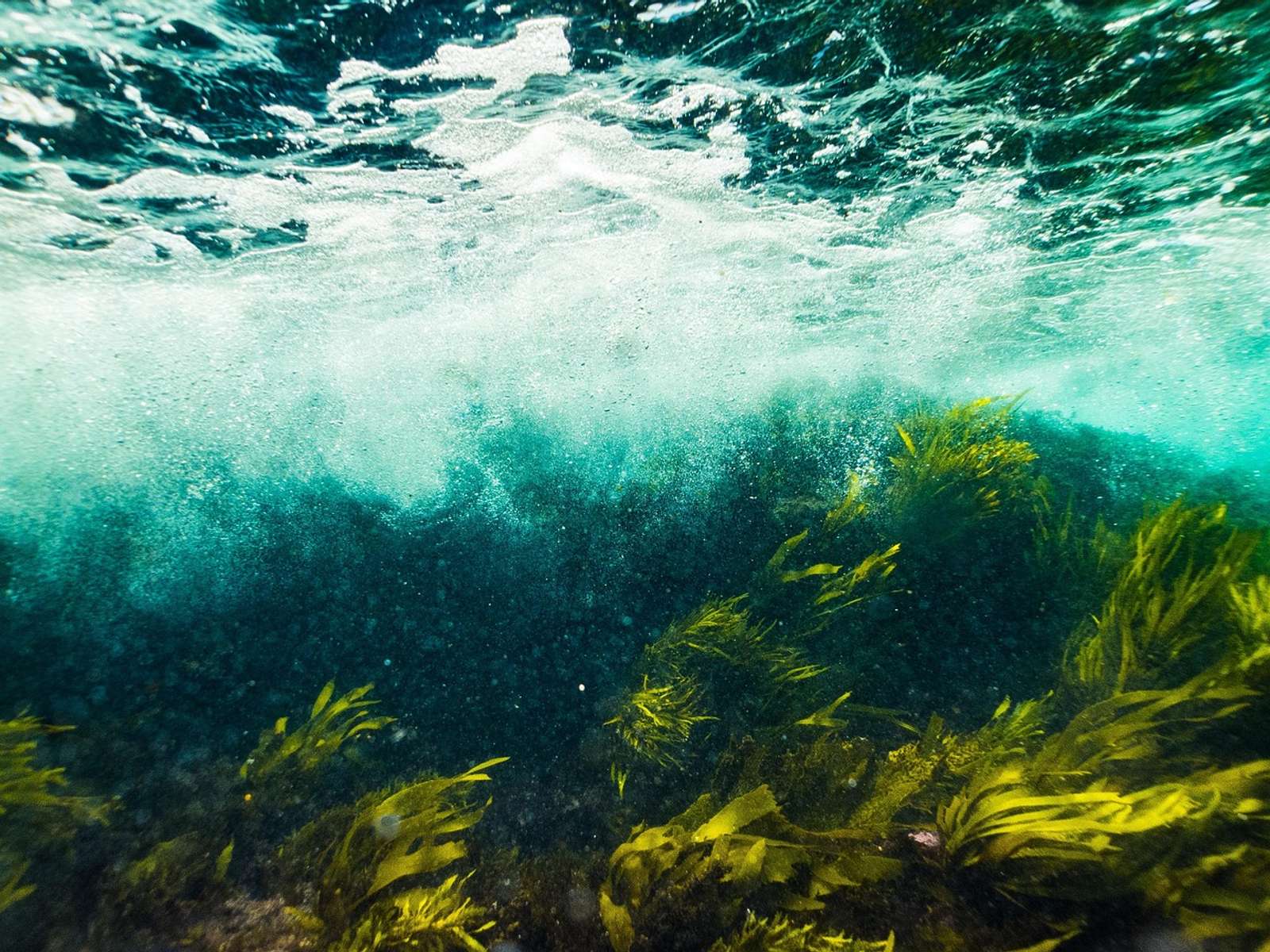
The Tla-o-qui-aht First Nation, Redd Fish Restoration Society and West Coast Kelp have restored about 4,200 square meters of kelp in Clayoquot Sound since early 2026, using floating nurseries out of reach of sea urchins.
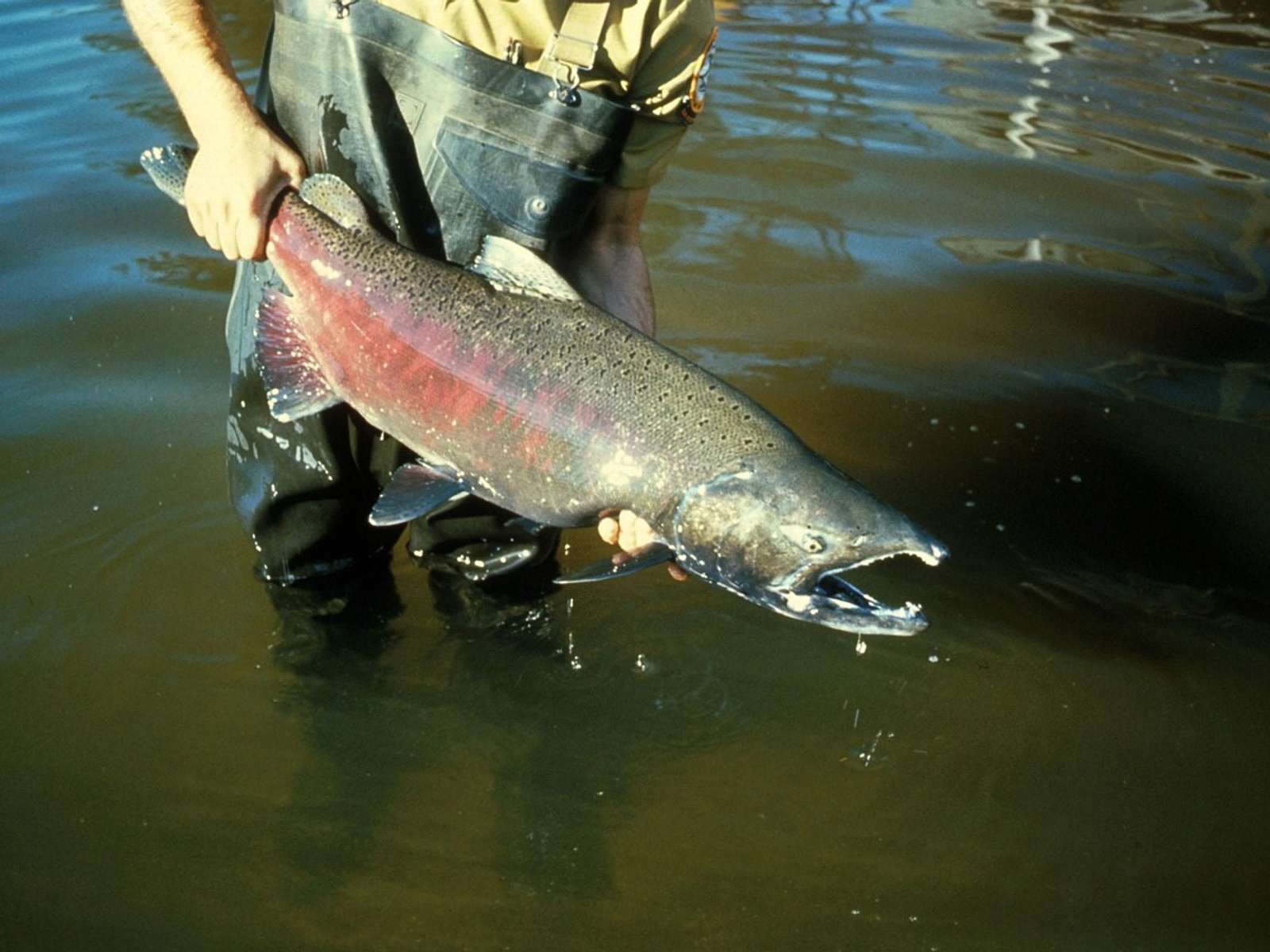
After four dams were removed from the Klamath River in 2024, sonar counted 7,742 Chinook swimming upstream that fall and 13,310 in 2025. The fish now reach 88% of their historical range above the old dams.
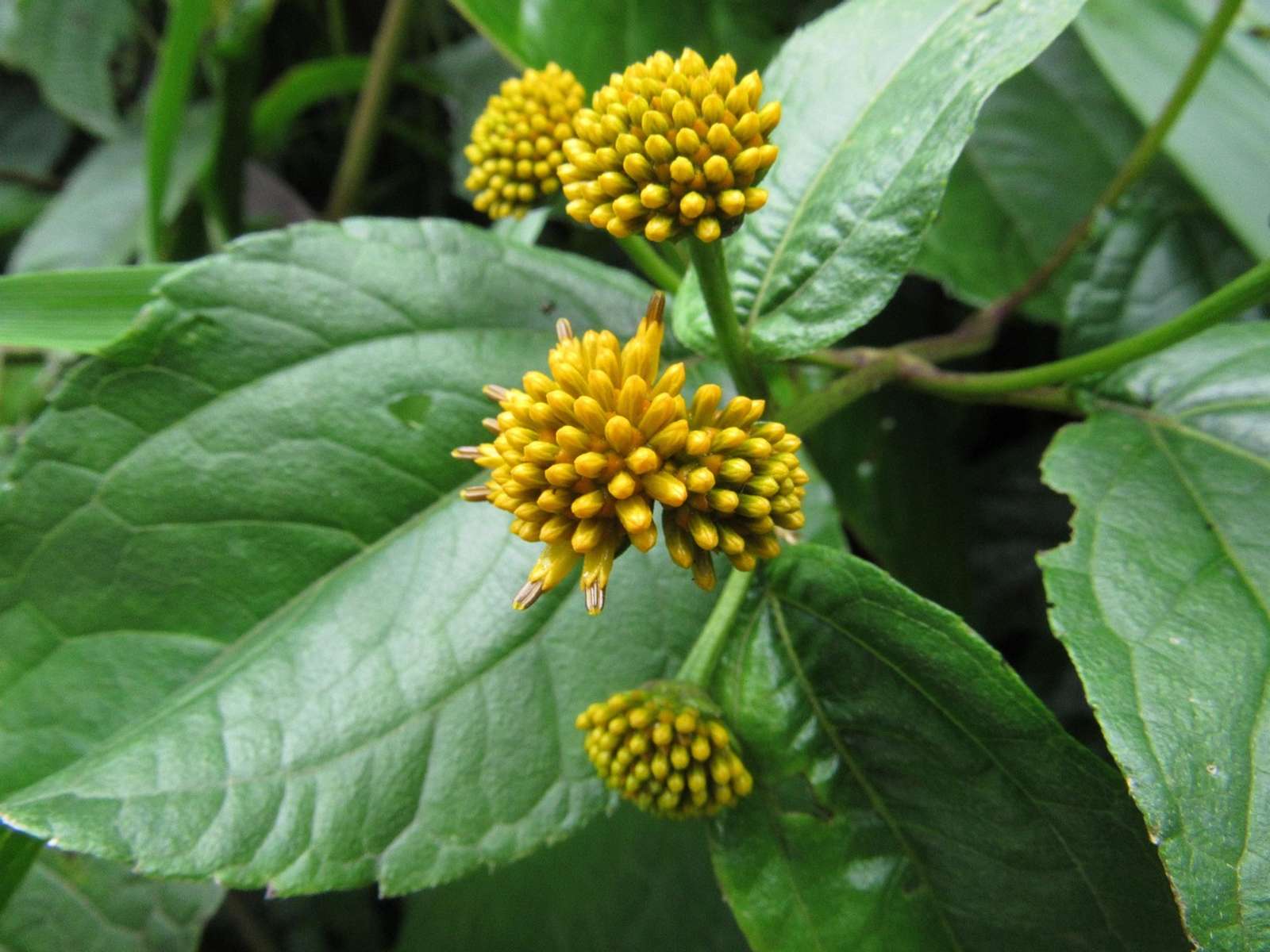
Botanists have described two new species of Monopyle, a relative of the African violet, from forest fragments on Ecuador's Centinela ridge. One grows nowhere else and is assessed as Endangered.
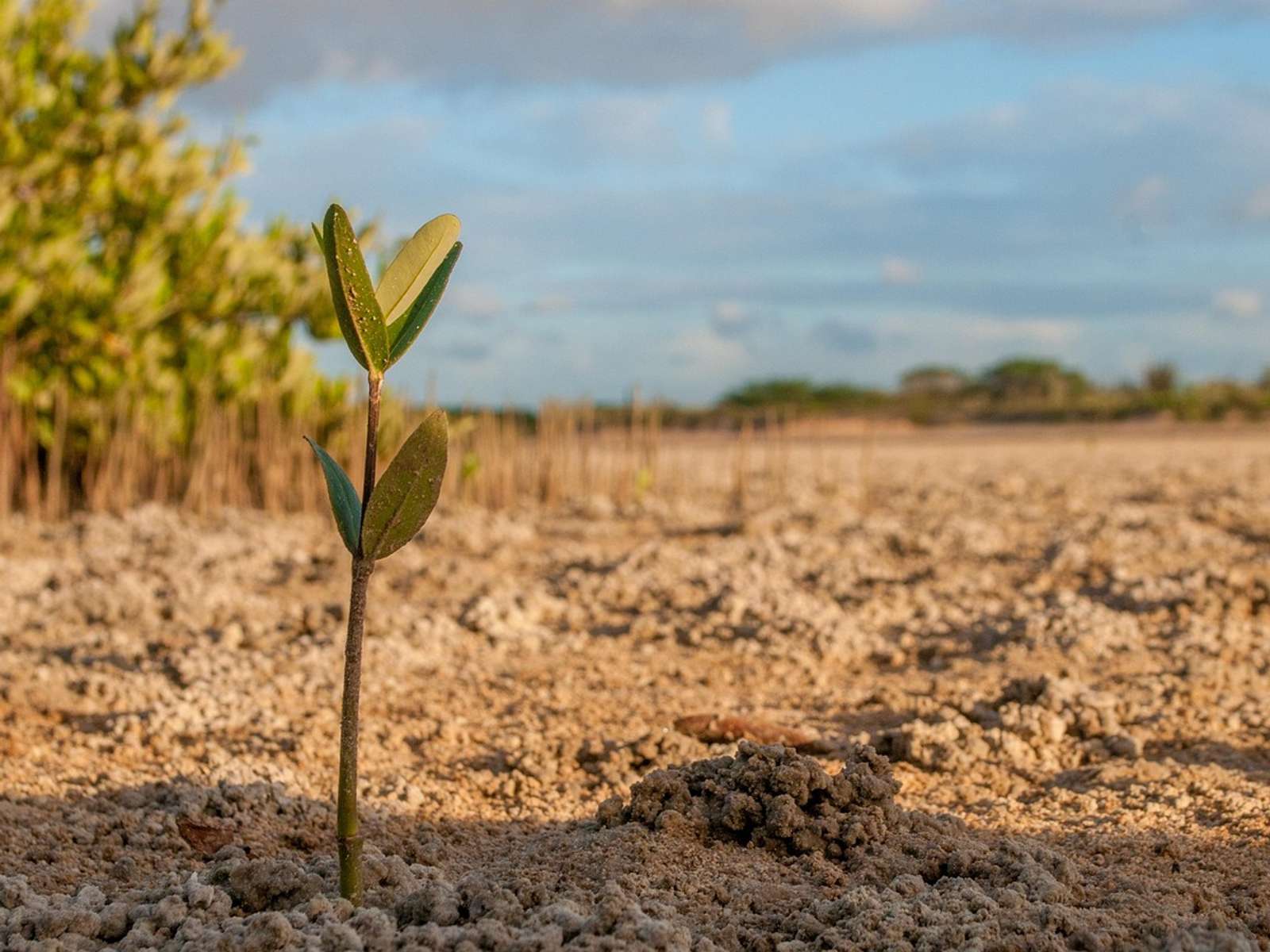
A youth-led network and local fishers have restored more than 15 hectares of degraded mangroves at Nyumba Sita in Kenya's Kwale County. They now aim for 200 hectares by 2030.
The HALO Trust will clear landmines from almost 18,000 hectares in Colombia's Meta region so two Indigenous communities can return to and guard their land. The three-year project costs about $1 million.
Australia's REnew Pacific program announced three solar projects for remote schools and communities in Fiji and Papua New Guinea that will give more than 75,000 people clean, reliable electricity.
Ywy Ipuranguete, a $9 million project funded by the Global Biodiversity Framework Fund, supports Indigenous communities in managing 15 Indigenous lands covering about 6 million hectares across five Brazilian biomes.
Victoria has formally established three new national parks, Mount Buangor, Pyrenees and Wombat–Lerderderg, along with new conservation and regional parks and nearly 30 reserves.
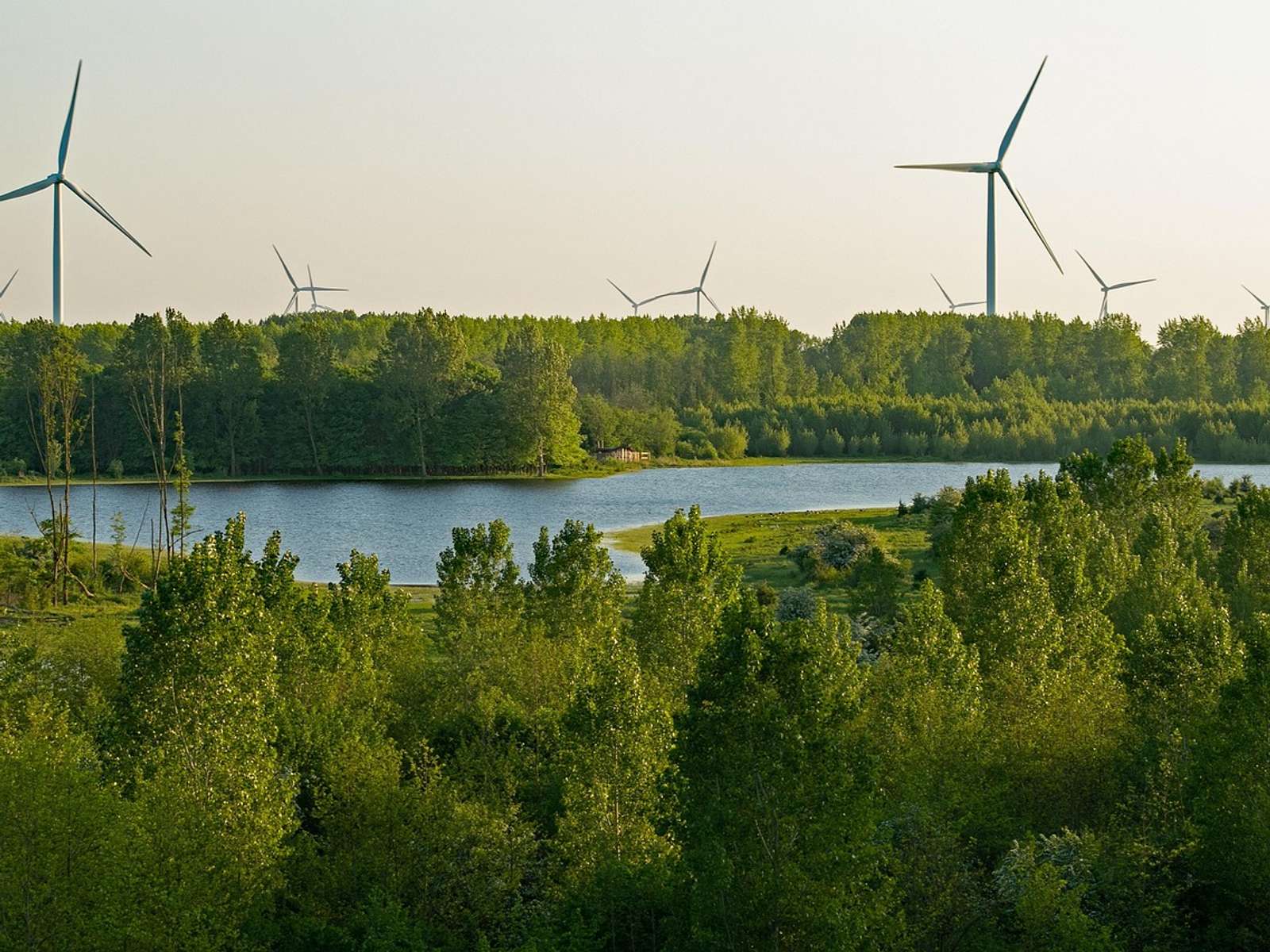
A 13-year experiment at the El Ruedo wind farm in Cádiz, Spain, found that painting one of three blades black reduced bird deaths at those turbines by 74% compared with unpainted turbines.
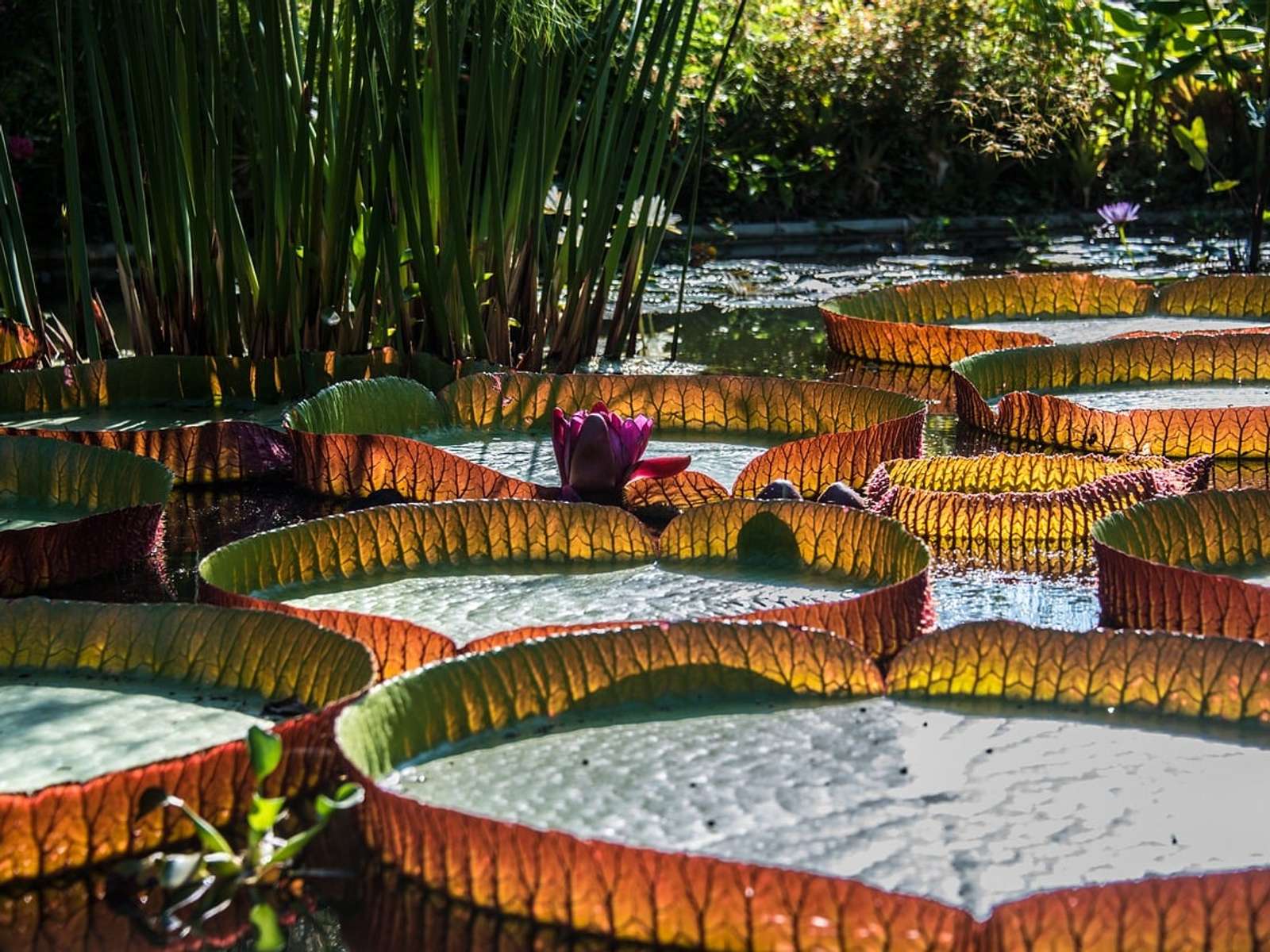
Kew horticulturist Carlos Magdalena spotted an unfamiliar giant waterlily in an Instagram photo from Colombia. Five years later it has been named Victoria colombiana, and only 30 to 50 plants are thought to survive.
Meeting in Dar es Salaam for the Nairobi Convention's 40th anniversary, ten countries adopted 15 decisions on plastic pollution, mangroves, seagrass, coral reefs and the blue economy.
Field studies in Hawaii led by Scripps Institution of Oceanography found that broadcasting healthy reef sounds increased coral settlement near the speaker and drew 4 to 14 times more fish larvae.
On Kenya's Pate Island, a community group collected 18.1 tonnes of plastic in eight months, earns money from the waste and is restoring one of the island's historic gates with recycled plastic.
About our environment coverage
The environment section covers progress on climate, nature and pollution: forests and land restored, reefs and coastlines protected, clean energy reaching people who had none, and laws and court rulings that change how land, water and air are treated. We follow international agreements as well as projects run by one community.
We report what has actually changed and what is still a plan. Hectares restored, megawatts installed and households connected are attributed to the organization that reported them, and we note when a target is years away. Where an environmental gain has limits, such as a ruling that applies to one state or a ban with a long transition period, we include them.