Playing the sounds of healthy reefs draws coral and fish larvae to damaged sites
Field studies in Hawaii led by Scripps Institution of Oceanography found that broadcasting healthy reef sounds increased coral settlement near the speaker and drew 4 to 14 times more fish larvae.
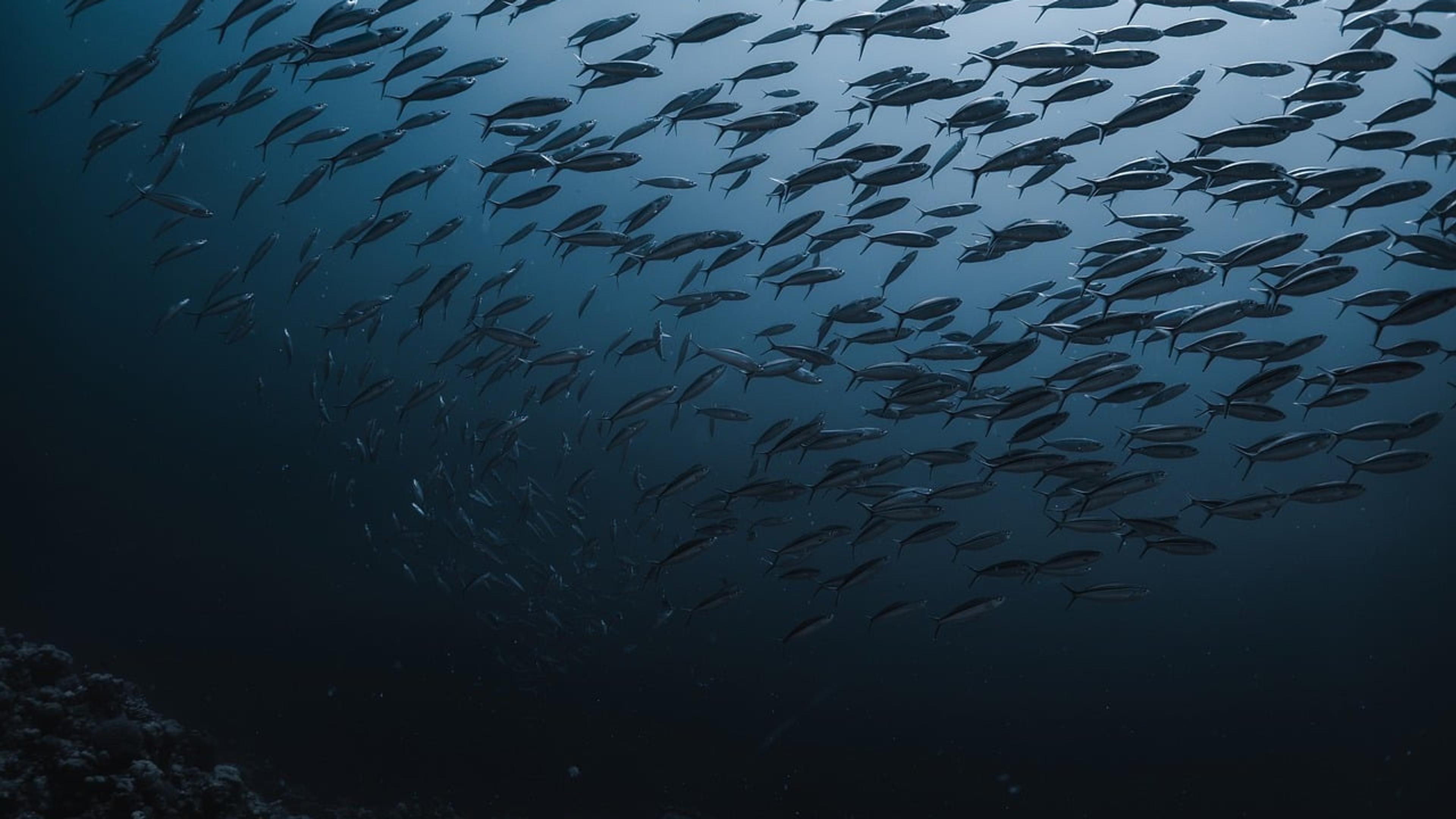
Broadcasting recordings of a healthy coral reef underwater helped attract both coral larvae and young fish to artificial reef structures in Hawaii, according to two studies led by Scripps Institution of Oceanography, UC San Diego said. They are the first field tests of sound on coral and fish larvae at the same time.
A speaker played reef sounds from sunset to sunrise
The team recorded a healthy reef off O'ahu over a lunar cycle, capturing fish calls and the snapping of shrimp. In Kāne'ohe Bay, they then played the recordings from an underwater speaker every night for two weeks, surrounded by 37 artificial structures placed 1 to 42 metres away.
Across three experiments in 2023 and 2024, structures closest to the speaker had the most coral larvae settle on them. Those coated with BRINK, a "reef ink" containing living bacteria developed at Scripps, did best of all.
“We have demonstrated in a single set of field studies that acoustic enrichment works in increasing the presence of both fish larvae and coral larvae on artificial reef structures.” — Aaron Thode, head of the Scripps Environmental Acoustics Lab
Up to 14 times more young fish
In a second study, autonomous cameras counted fish larvae at "fish hotel" structures. The site with reef sounds drew 4 to 14 times more fish larvae than a control site with a silent speaker, and the result held when the two speakers swapped places. Fish matter for recovery because some species graze the algae that would otherwise smother young corals.
A larger hybrid reef is planned off O'ahu
The work was part of a project funded by the US Defense Advanced Research Projects Agency. It plans to install a $22 million, 50-metre hybrid reef off O'ahu using the tested technologies, with corals likely to be planted in late 2026 or early 2027.
The studies cover one bay over two seasons, so how well sound works on larger, damaged reefs is still to be tested. Other approaches are being tried too, such as probiotics that helped corals survive a Red Sea heatwave.
Like what you're reading?
Related stories
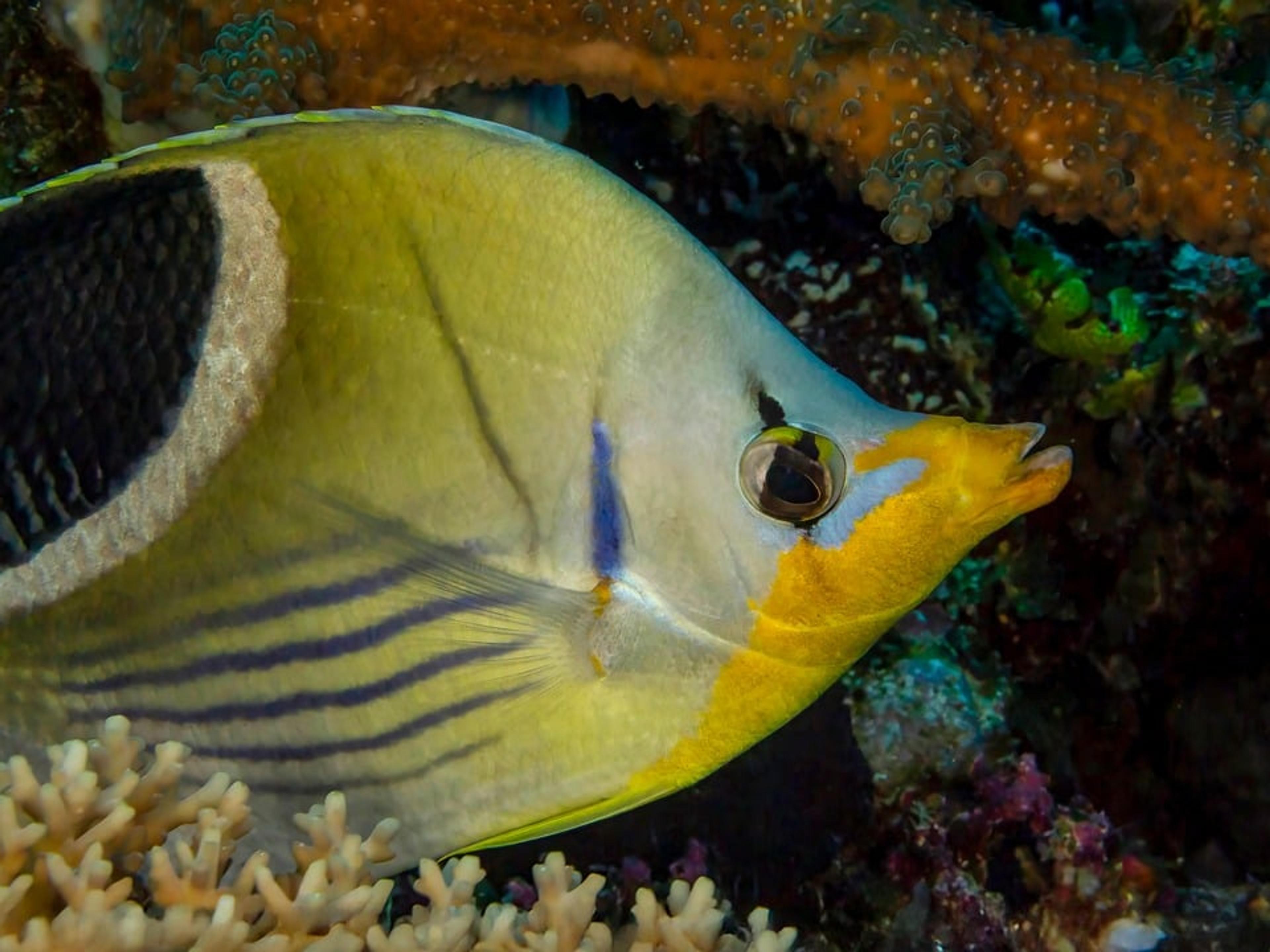
Fiji launches a national plan to protect its coral reefs, built on climate-resilience research
Fiji has launched a National Action Plan for Coral Reef Conservation, drawing on University of Queensland research that identified reefs less exposed to climate stress.
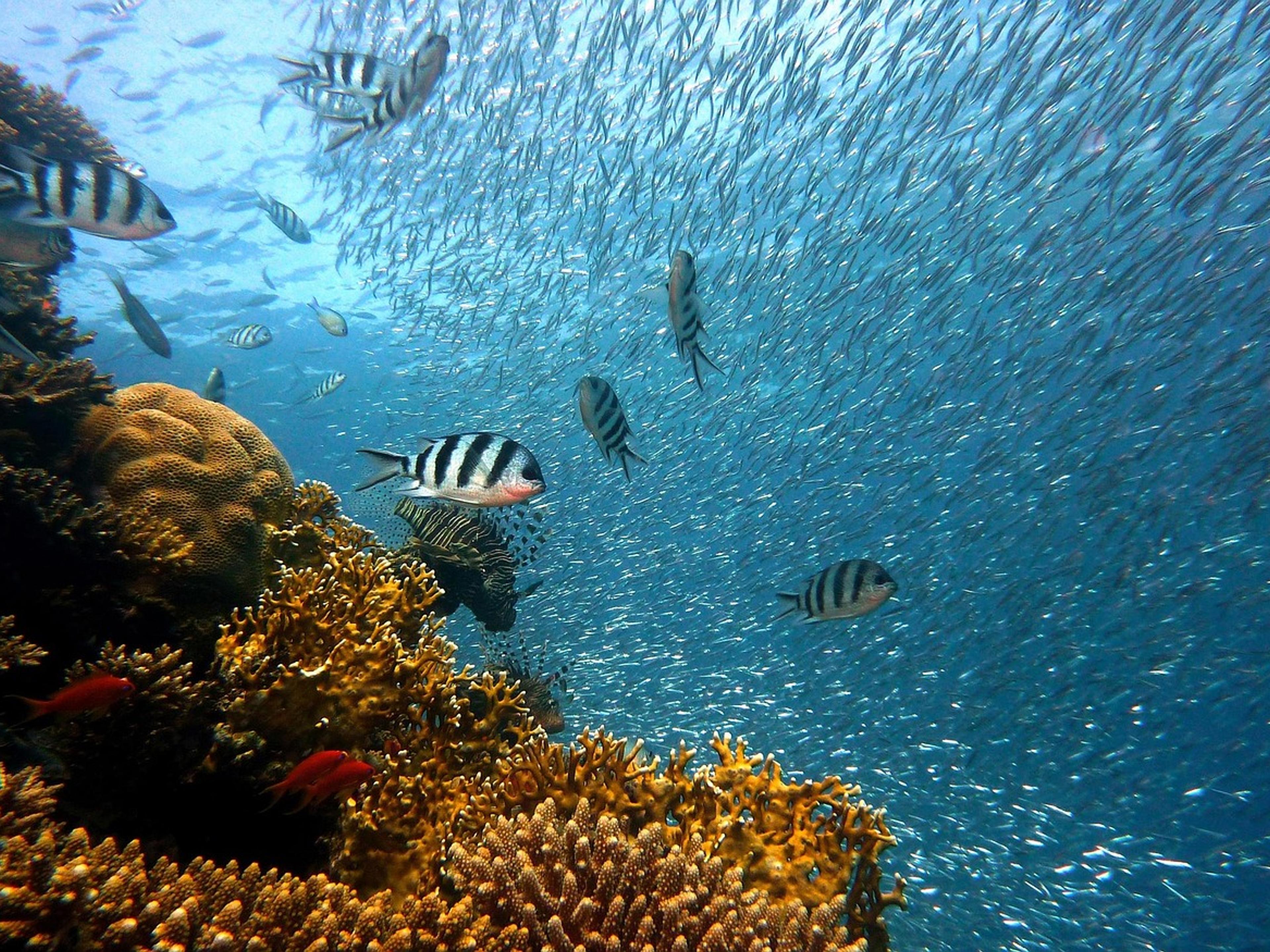
Probiotics Protected Corals From Bleaching During a Red Sea Heat Wave in a Field Test
On a Red Sea reef during a real marine heat wave, corals treated with a custom bacterial mix kept their color and photosynthetic health while untreated corals declined, researchers at KAUST report.
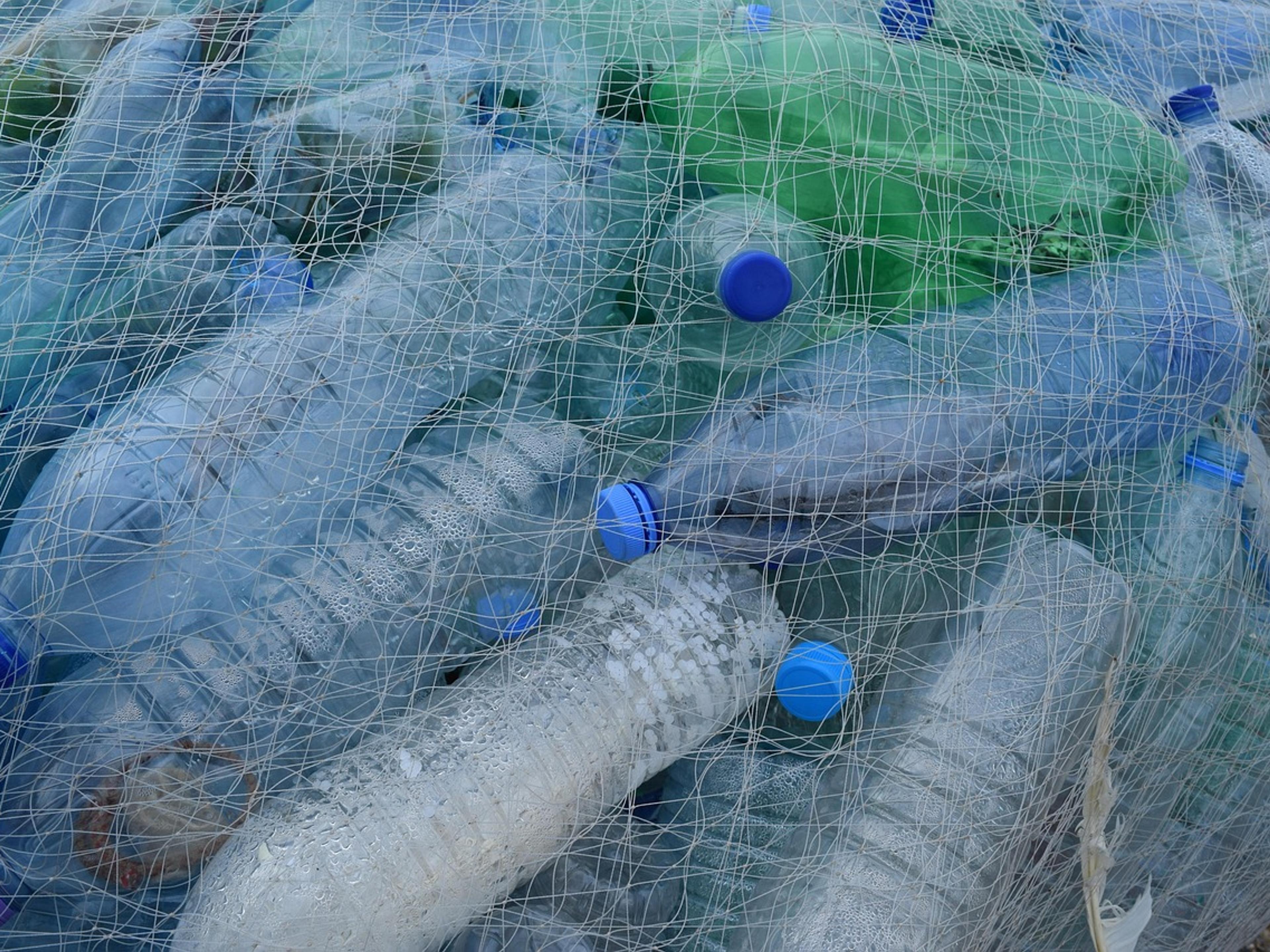
Kenyan island community turns plastic waste into income and a recycled heritage gate
On Kenya's Pate Island, a community group collected 18.1 tonnes of plastic in eight months, earns money from the waste and is restoring one of the island's historic gates with recycled plastic.