Probiotics Protected Corals From Bleaching During a Red Sea Heat Wave in a Field Test
On a Red Sea reef during a real marine heat wave, corals treated with a custom bacterial mix kept their color and photosynthetic health while untreated corals declined, researchers at KAUST report.
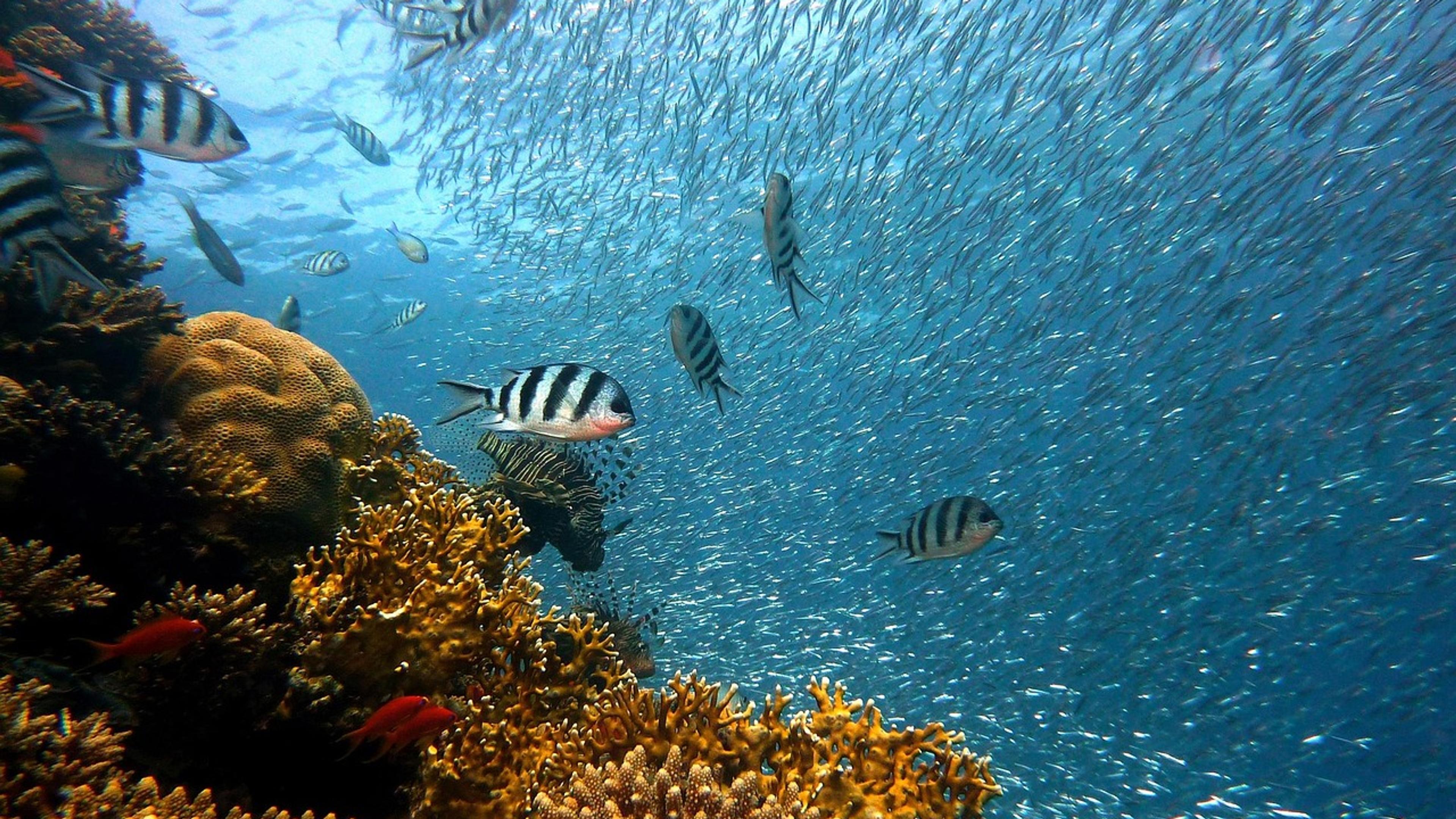
Corals given a custom mix of beneficial bacteria kept their color and photosynthetic health through a Red Sea heat wave, while untreated corals declined, researchers at Saudi Arabia's King Abdullah University of Science and Technology (KAUST) reported in the journal Cell Reports on September 3, according to Mongabay. The test ran on a real reef about 15 kilometers off the Saudi coast, not in a laboratory tank.
A bacterial mix taken from healthy corals
The team, led by microbial ecologist Raquel Peixoto, isolated bacteria from healthy corals of several species and combined them into probiotic mixes built around genera including Cobetia, Halomonas, Sutcliffiella and Pseudoalteromonas. Divers used syringes to release the treatments into the water around Acropora valida corals during eight visits over 15 days. Some corals instead received heat-killed versions of the bacteria, known as postbiotics.
Corals held their color as the water hit 32°C
Water temperatures during the experiment ran between 30.9°C and 32°C, about 1.2°C above the local summer average. The researchers tracked bleaching through coral color and the photosynthetic efficiency of the symbiotic algae that live inside the coral. Corals that received the live probiotics held both steady, while the placebo group showed significant decline, and one of the heat-killed treatments protected corals too, as Arab News reported.
“We were witnessing a marine heatwave and corals were paling in front of us.” — Raquel Peixoto, KAUST
Peixoto described the probiotic idea as “a yogurt-like treatment customized from corals to corals.” Erika Santoro, who led the field experiment, said postbiotics are especially interesting for scaling the approach because inactivated formulations could have a longer shelf life, easier transport and lower production costs.
Promising, but not a reef-wide fix yet
The study tested only one coral species, and other species will likely need their own bacterial mixes. Applying the treatment by hand is labor-intensive and hard to scale, and longer-term studies are needed to see whether treated corals keep growing and surviving after the heat passes. The team is now developing alginate beads that could release bacteria slowly. Peixoto was candid about the limits: “If ocean temperatures continue to rise, no intervention will make coral reefs indefinitely resistant to unlimited warming.”
Like what you're reading?