Protected seas, recovering reefs and rescued sea turtles: progress for ocean life, checked against the agencies and scientists doing the work.
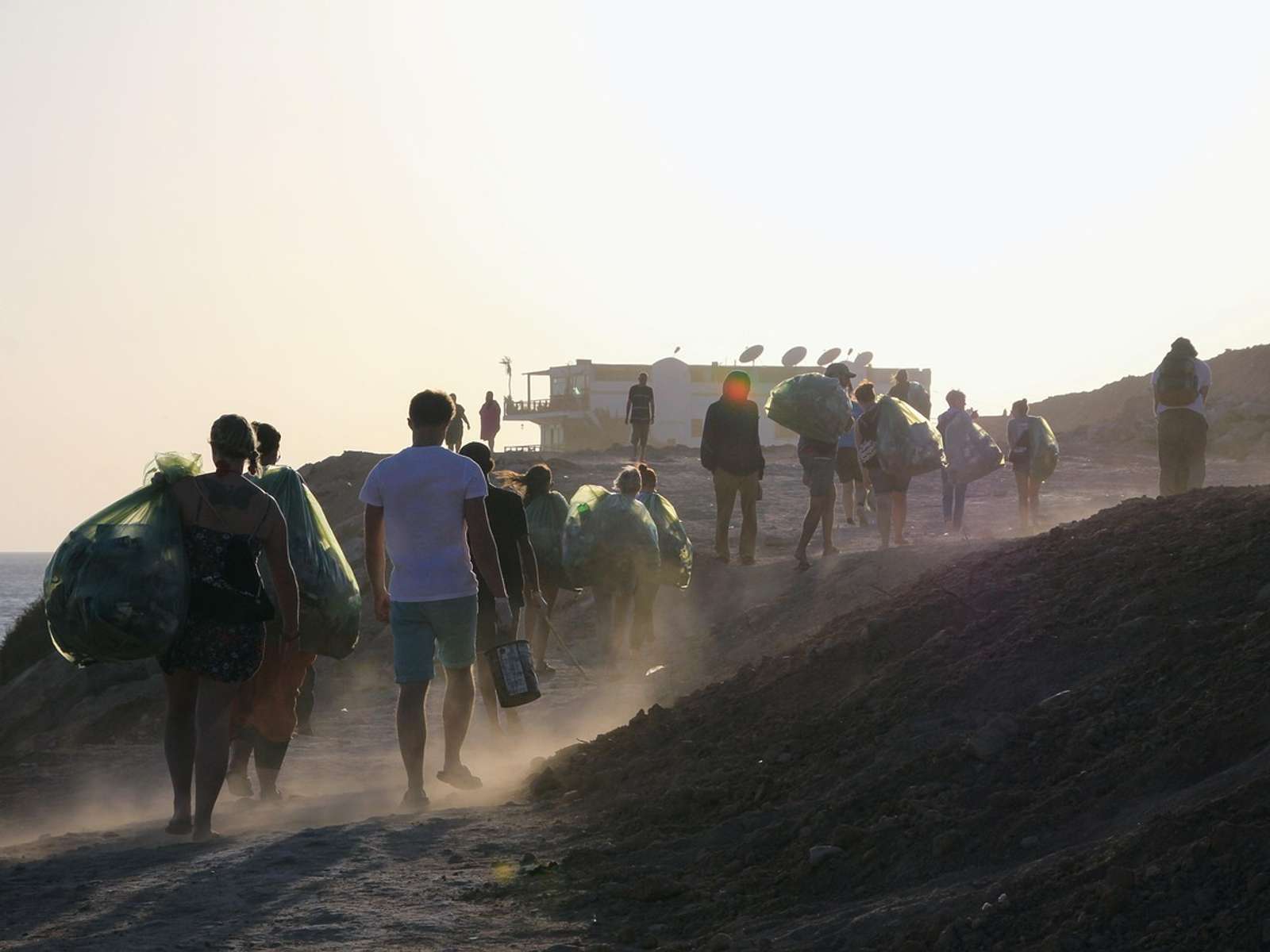
Zoë Prinsloo, who founded Save a Fishie in 2018, is the only South African among 200 young people named 2026 Diana Award recipients. Her organization has held more than 530 clean-up events and removed over 65 tonnes of litter.
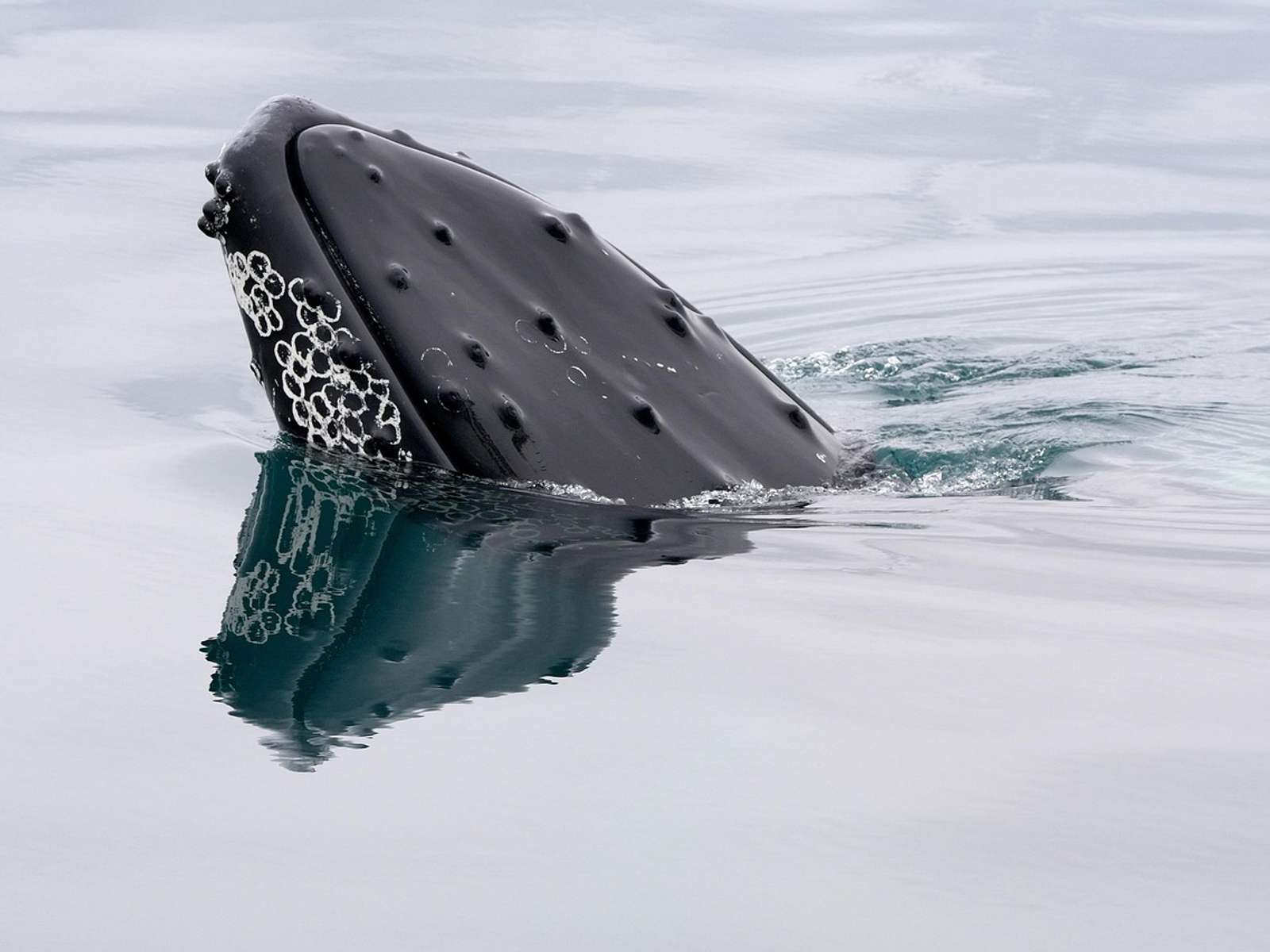
Researchers photographed a right whale mother and an unknown calf near Anticosti Island, Quebec, on 25 September. The New England Aquarium says it is likely the 24th calf of the 2025-2026 season, for a species of about 380 whales.
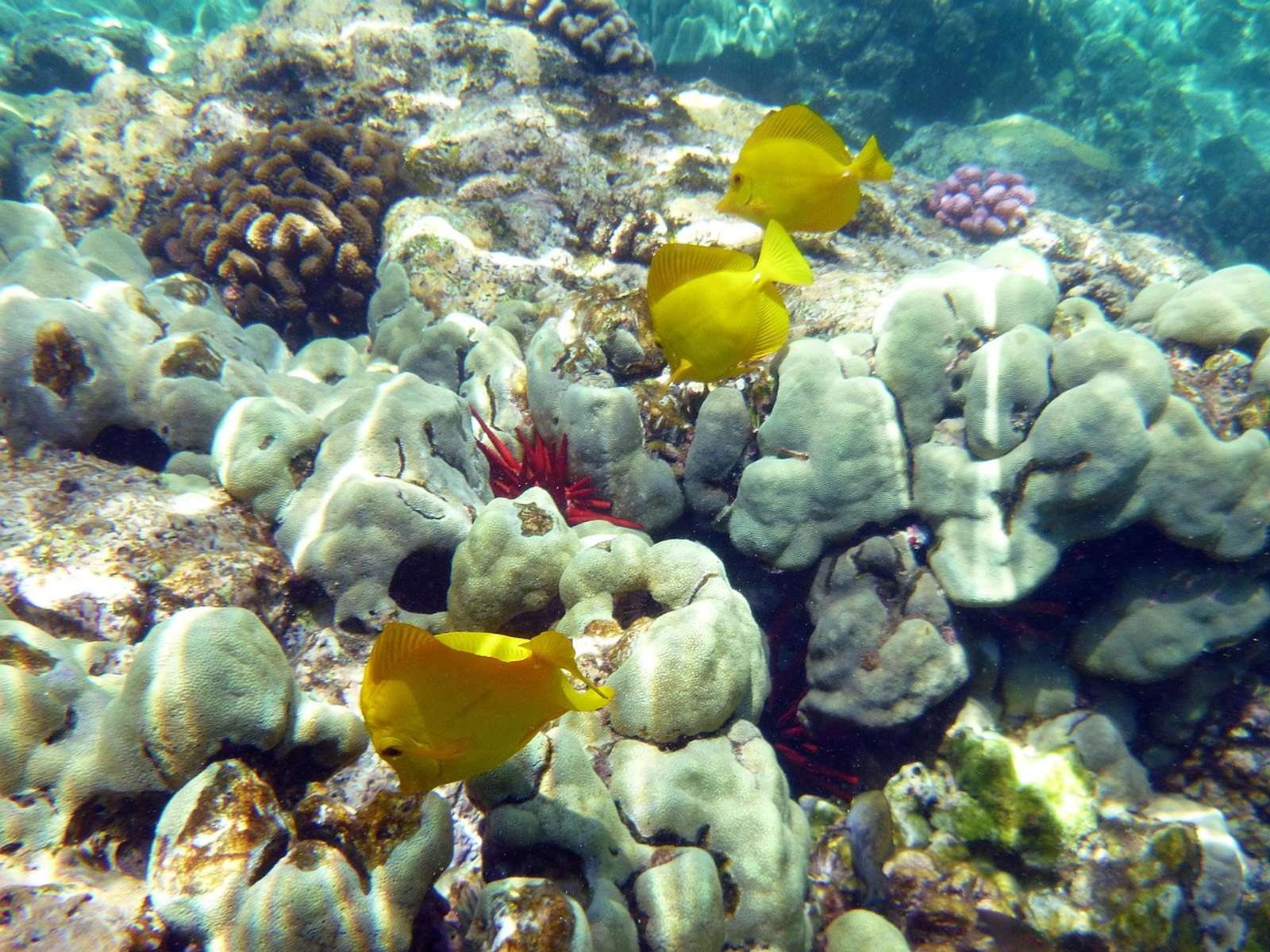
Eight of 60 concrete structures were in place off Kalaeloa Harbor on O'ahu by 20 October, part of a $27 million DARPA-funded hybrid reef meant to reduce wave energy and give corals a home, Mongabay reported. Installation should finish by January 2027.
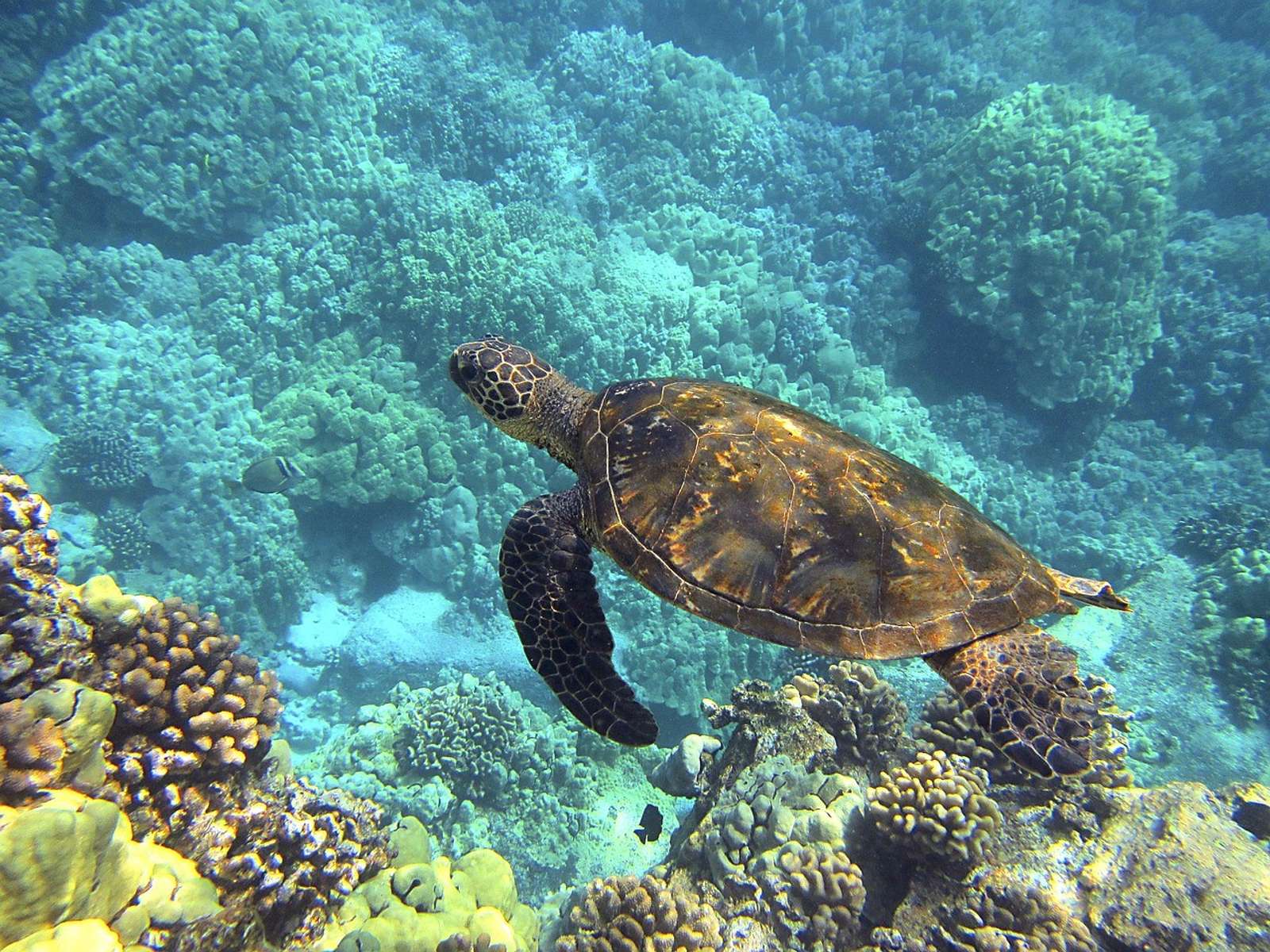
Satellite tags on 11 rehabilitated green turtles in New Zealand show where they go after release. One traveled nearly 3,000 km in four months along the North Island's west coast and back, the Department of Conservation said.
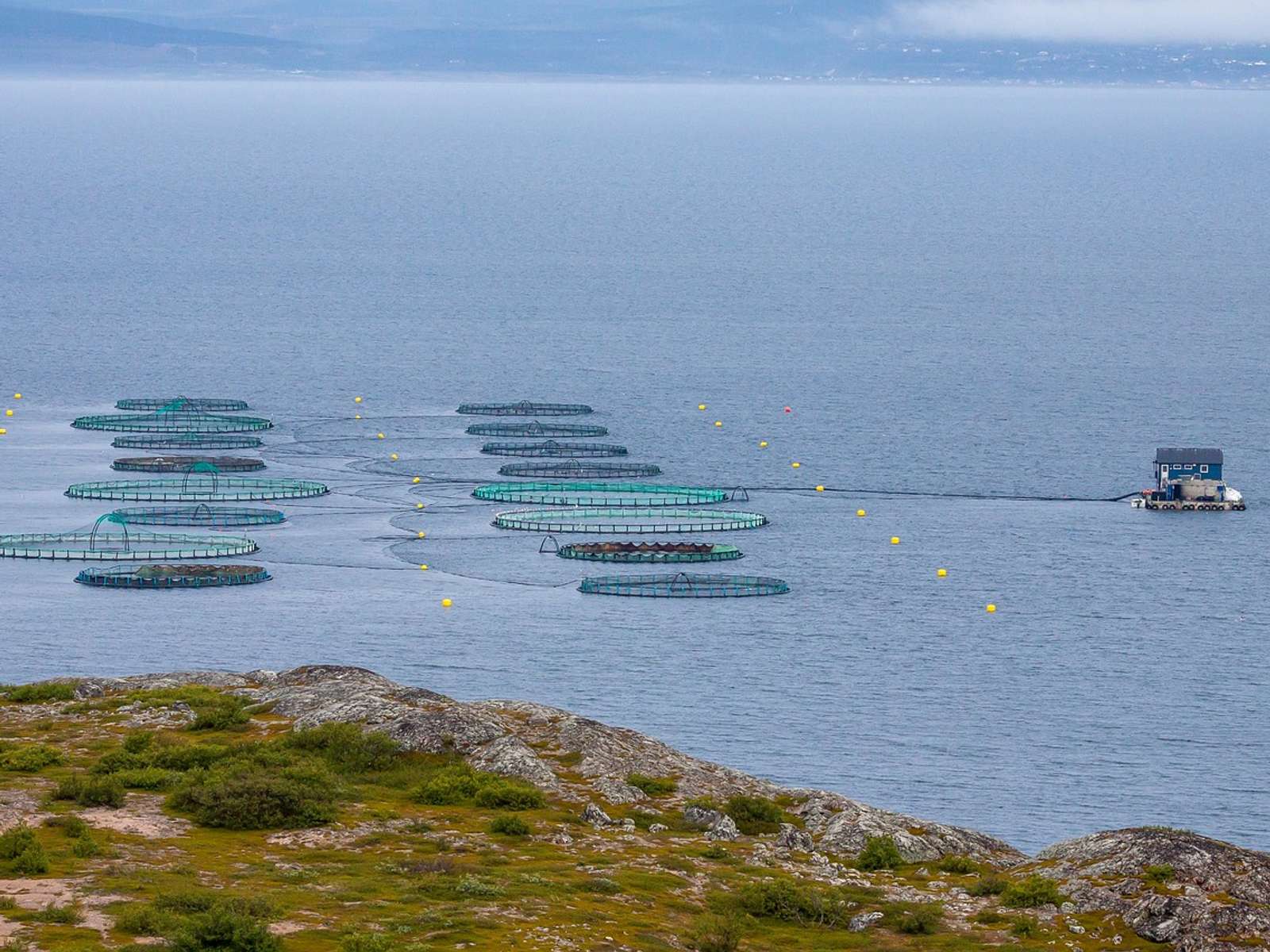
University of Queensland researchers are using methane and carbon dioxide from digested organic waste to grow protein-rich cells for fish feed, aiming to cut the use of wild-caught fish in aquaculture. The work is at lab stage, with pilot trials next.
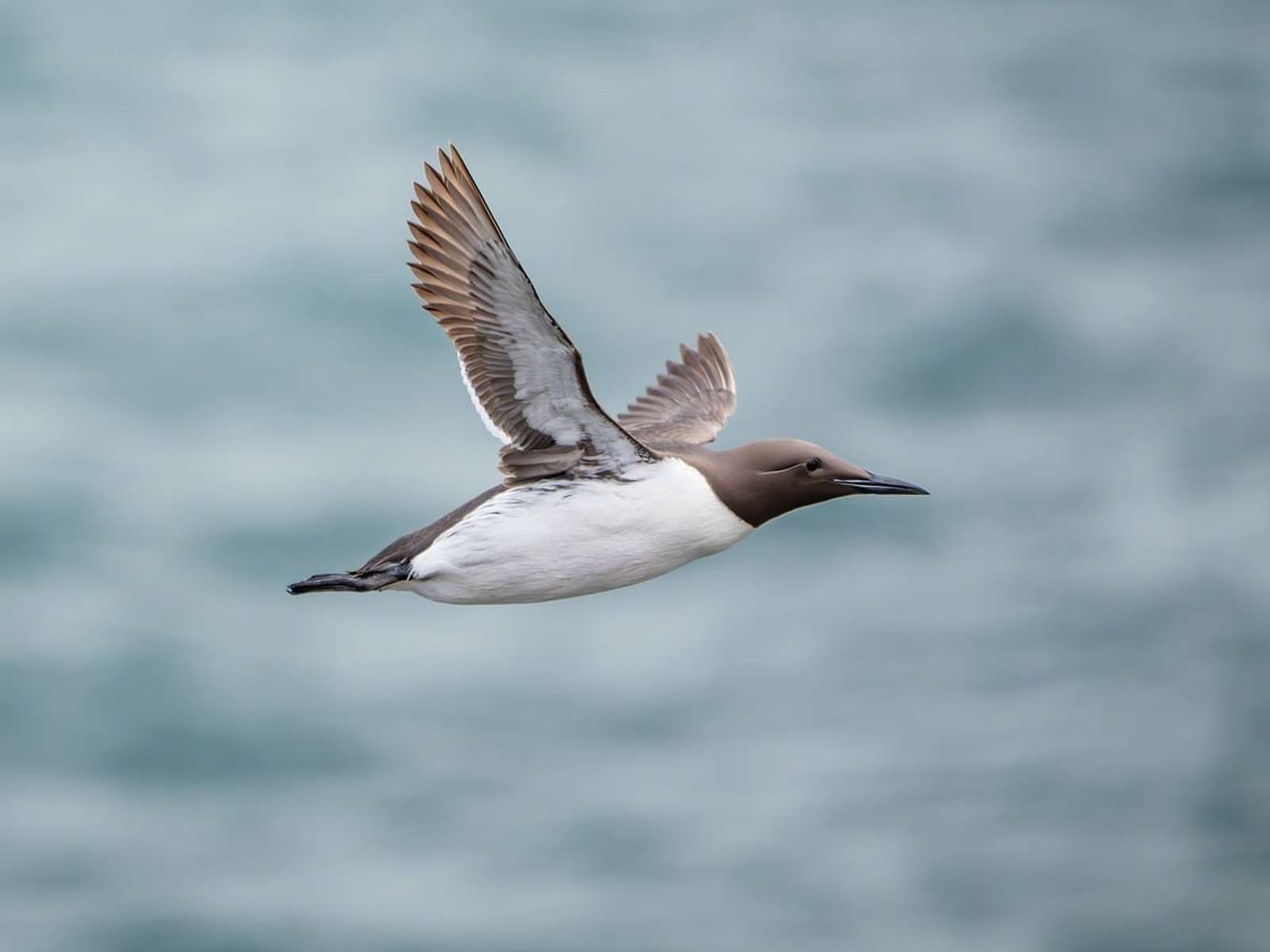
In a trial with 10 Cornish fishers, nets with bird-of-prey kites had 71% lower odds of catching guillemots and razorbills, and nets with spinning 'looming-eye' buoys 59% lower, a study in Conservation Letters found.
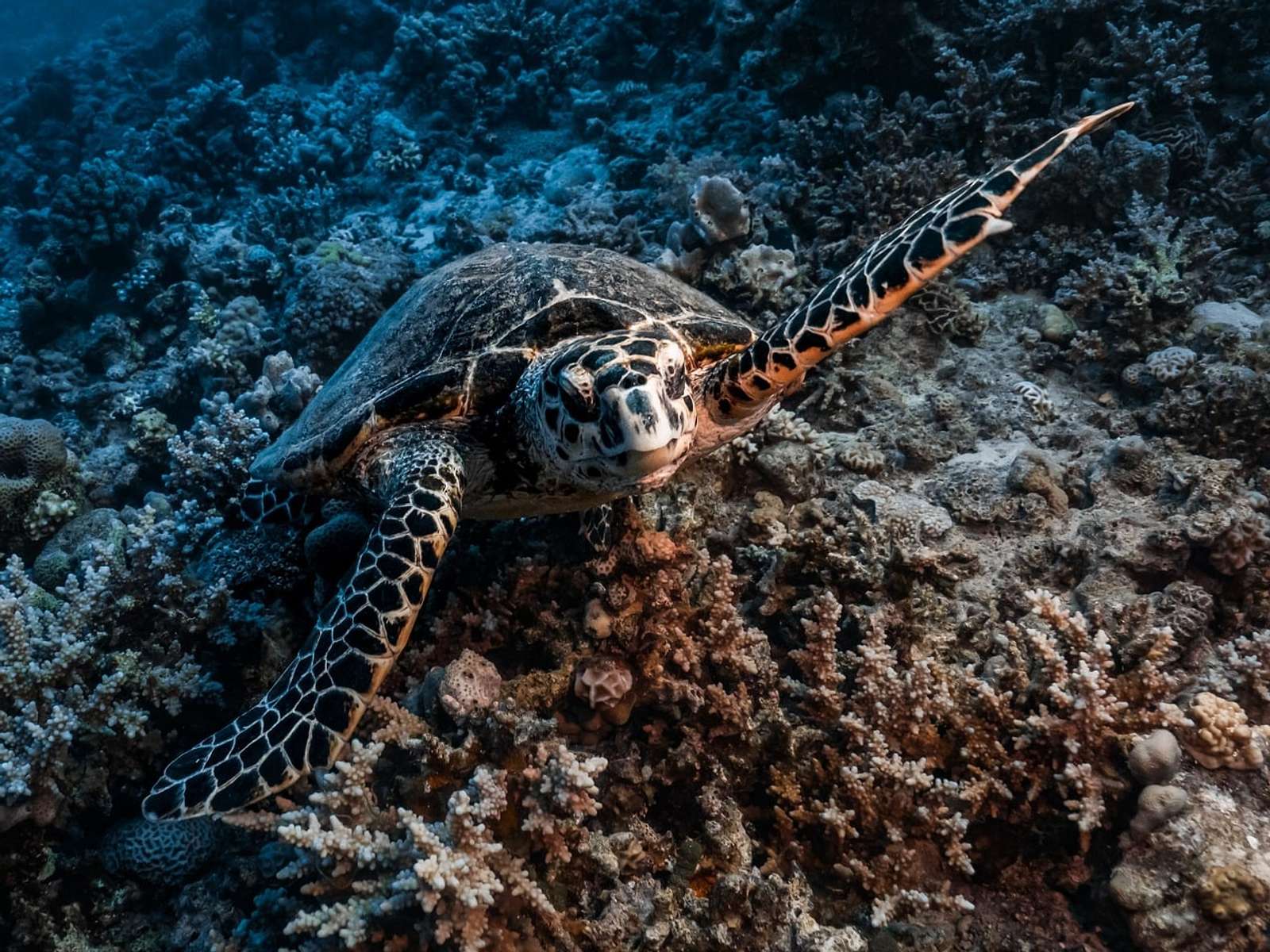
The National Aquarium Abu Dhabi and the Environment Agency – Abu Dhabi released 43 rehabilitated sea turtles at Saadiyat Beach: 28 green turtles and 15 hawksbills, among them 10 hatchlings. Their program has now released more than 1,800.
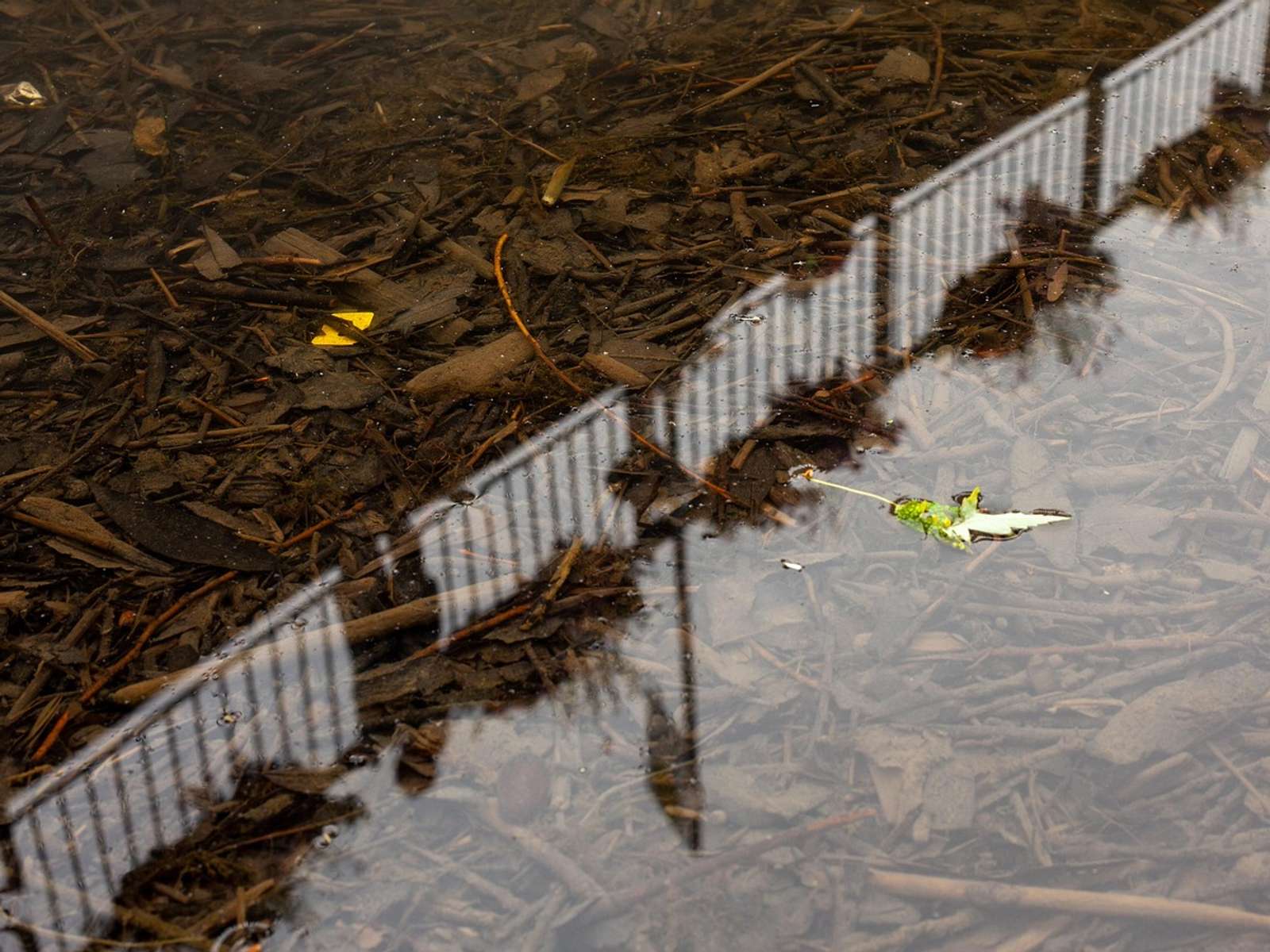
Indonesia and UNDP launched the Sungai Lestari program in Bali to stop plastic reaching the sea. In Surabaya and Surakarta it has already removed 492 tonnes of waste from four rivers, paying groups only for verified results.
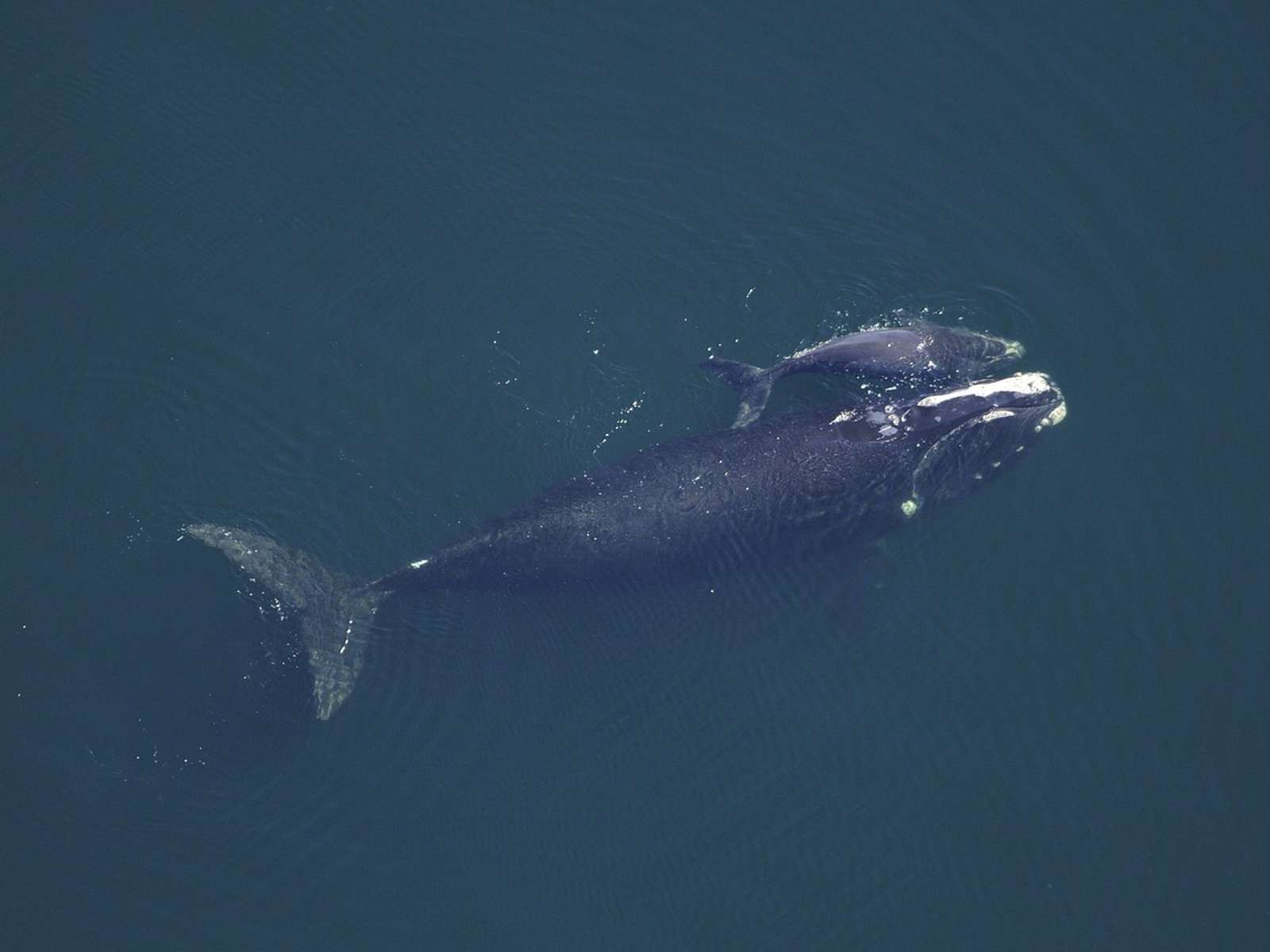
Satellite tracking of 21 southern right whales from New Zealand's Auckland Islands showed half swam straight west to feed south of Australia, while the rest took a month-longer L-shaped route. Both groups arrived at about the same time.
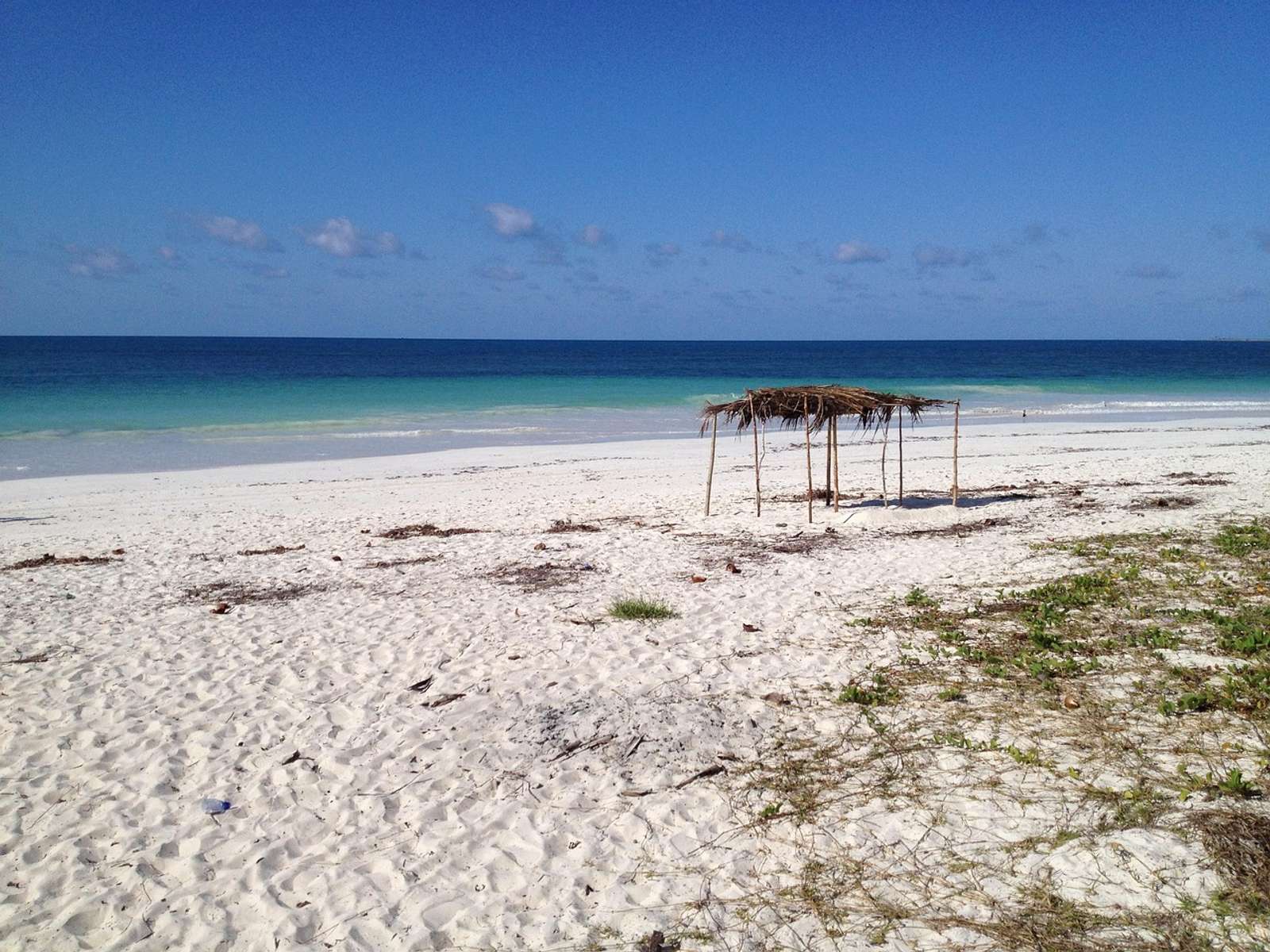
Scientists in Mozambique's Bazaruto Archipelago have described shallow reefs made of peat from coastal forests that drowned 300 to 5,000 years ago. With no living coral, they host seagrass, lobsters and 26 to 36 small fish species each.
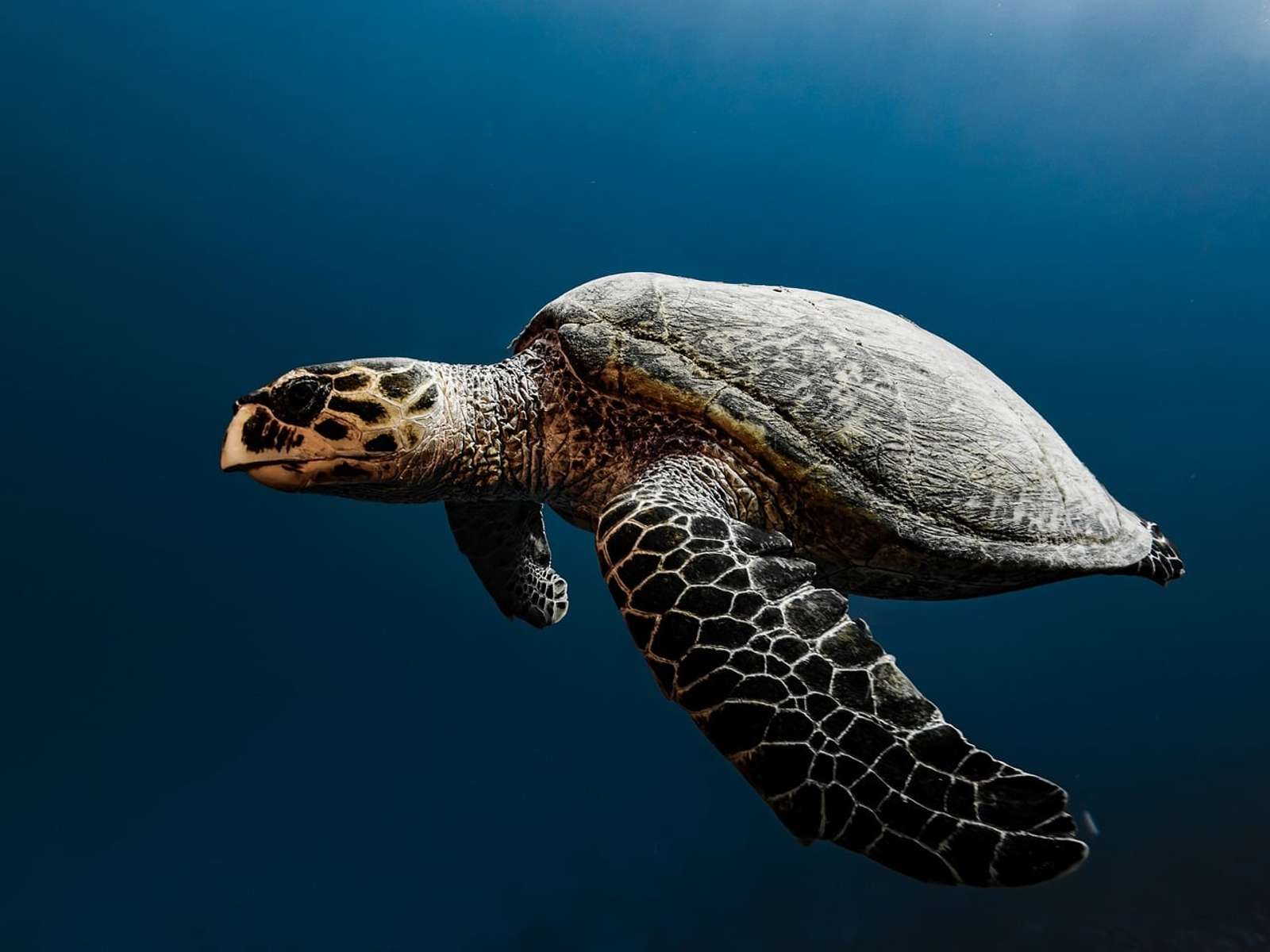
Habanero, an adult male loggerhead rescued in South Africa in February 2025, lost a front flipper to a bone infection. Scans now show him free of infection, and he is training at the Two Oceans Aquarium for his return to the sea.
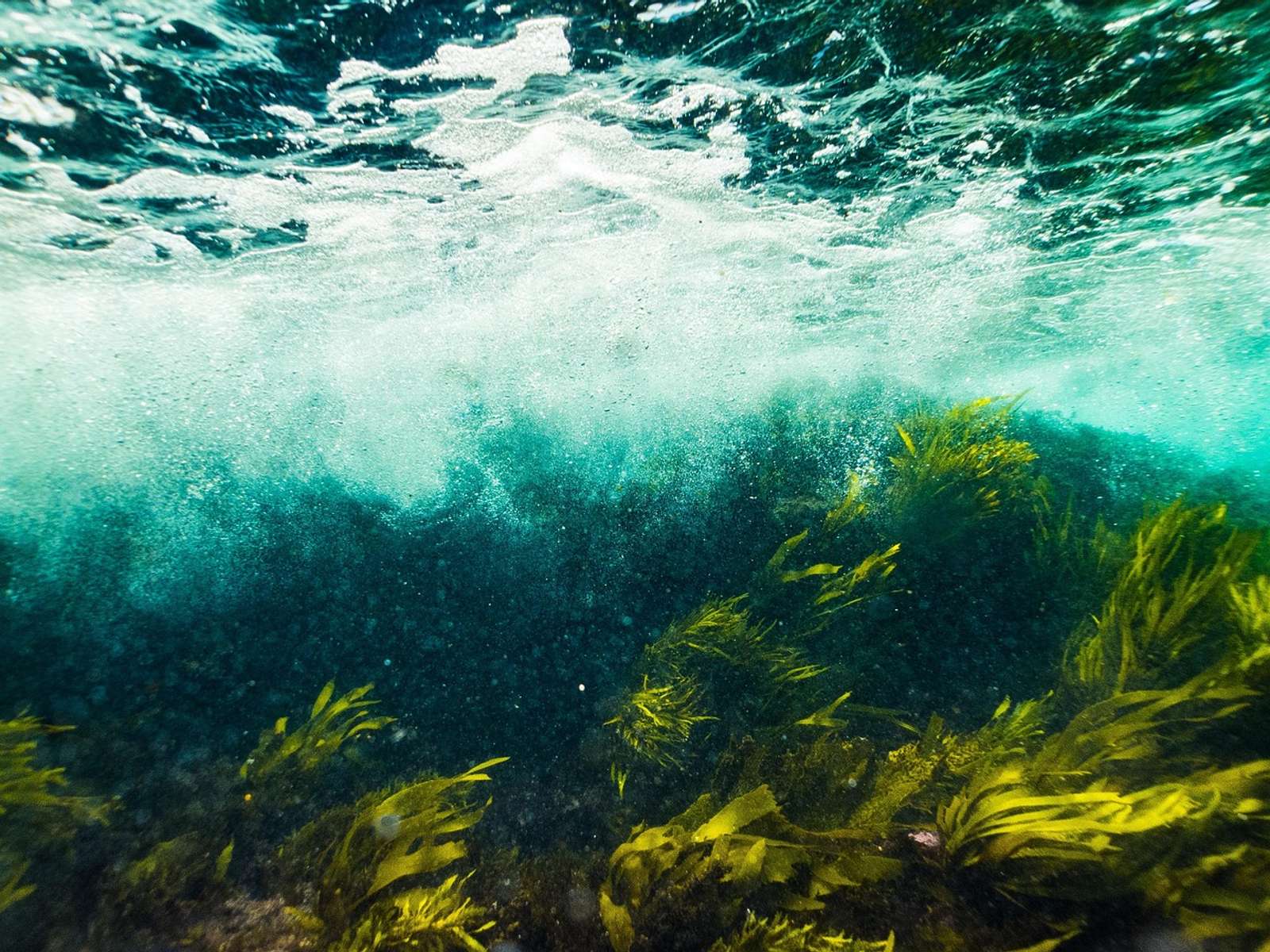
The Tla-o-qui-aht First Nation, Redd Fish Restoration Society and West Coast Kelp have restored about 4,200 square meters of kelp in Clayoquot Sound since early 2026, using floating nurseries out of reach of sea urchins.
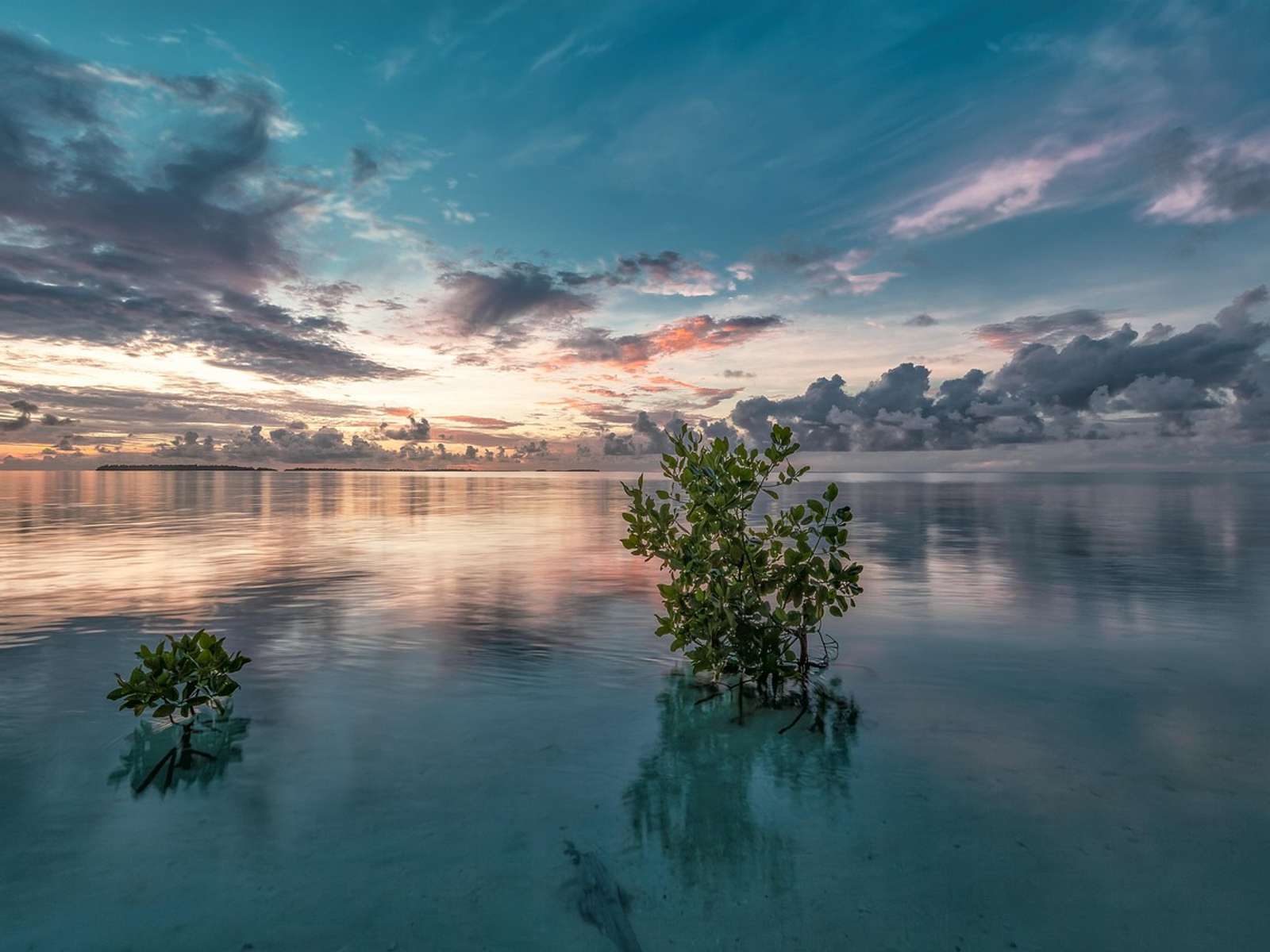
Meeting in Dar es Salaam for the Nairobi Convention's 40th anniversary, ten countries adopted 15 decisions on plastic pollution, mangroves, seagrass, coral reefs and the blue economy.
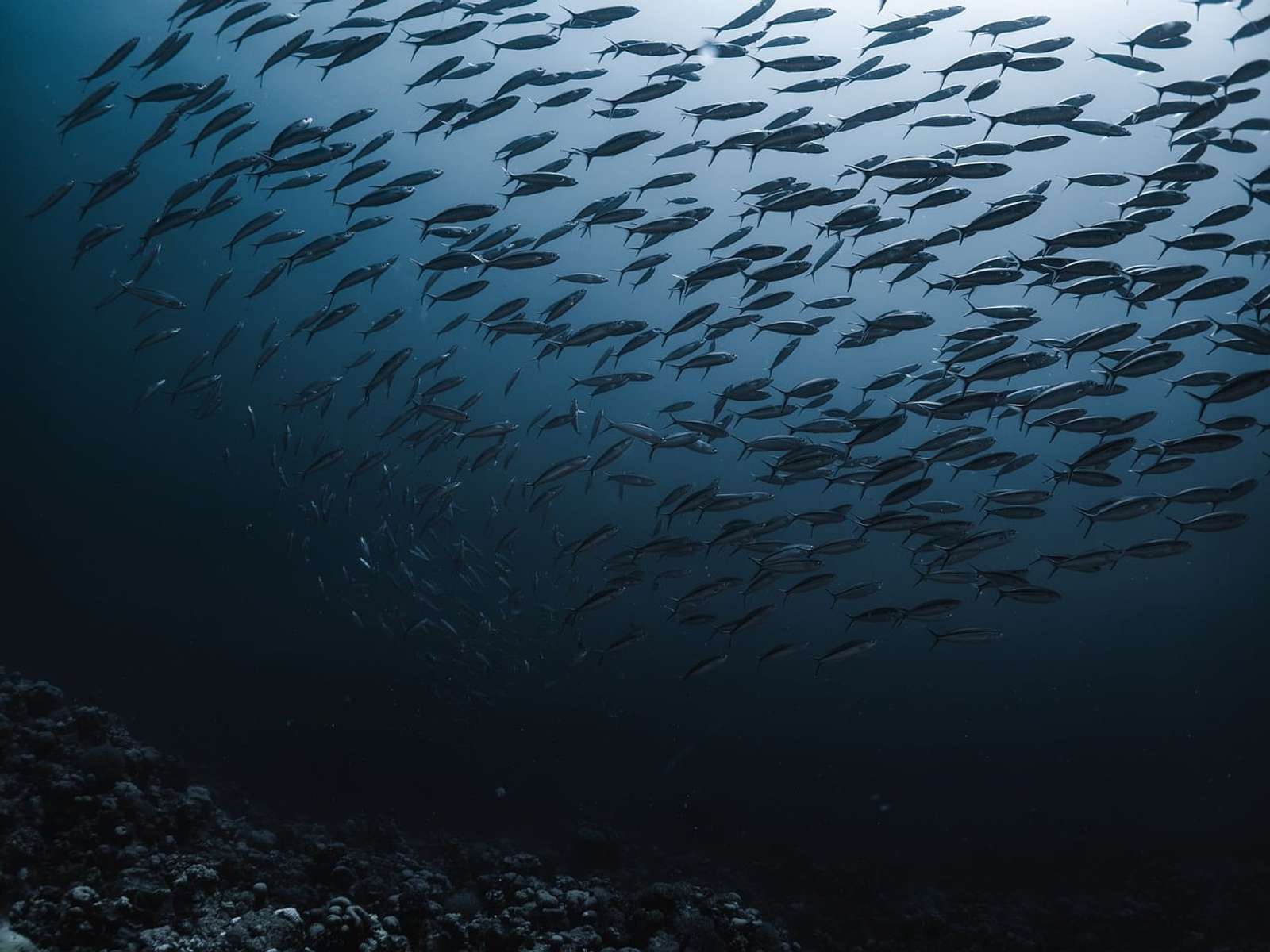
Field studies in Hawaii led by Scripps Institution of Oceanography found that broadcasting healthy reef sounds increased coral settlement near the speaker and drew 4 to 14 times more fish larvae.
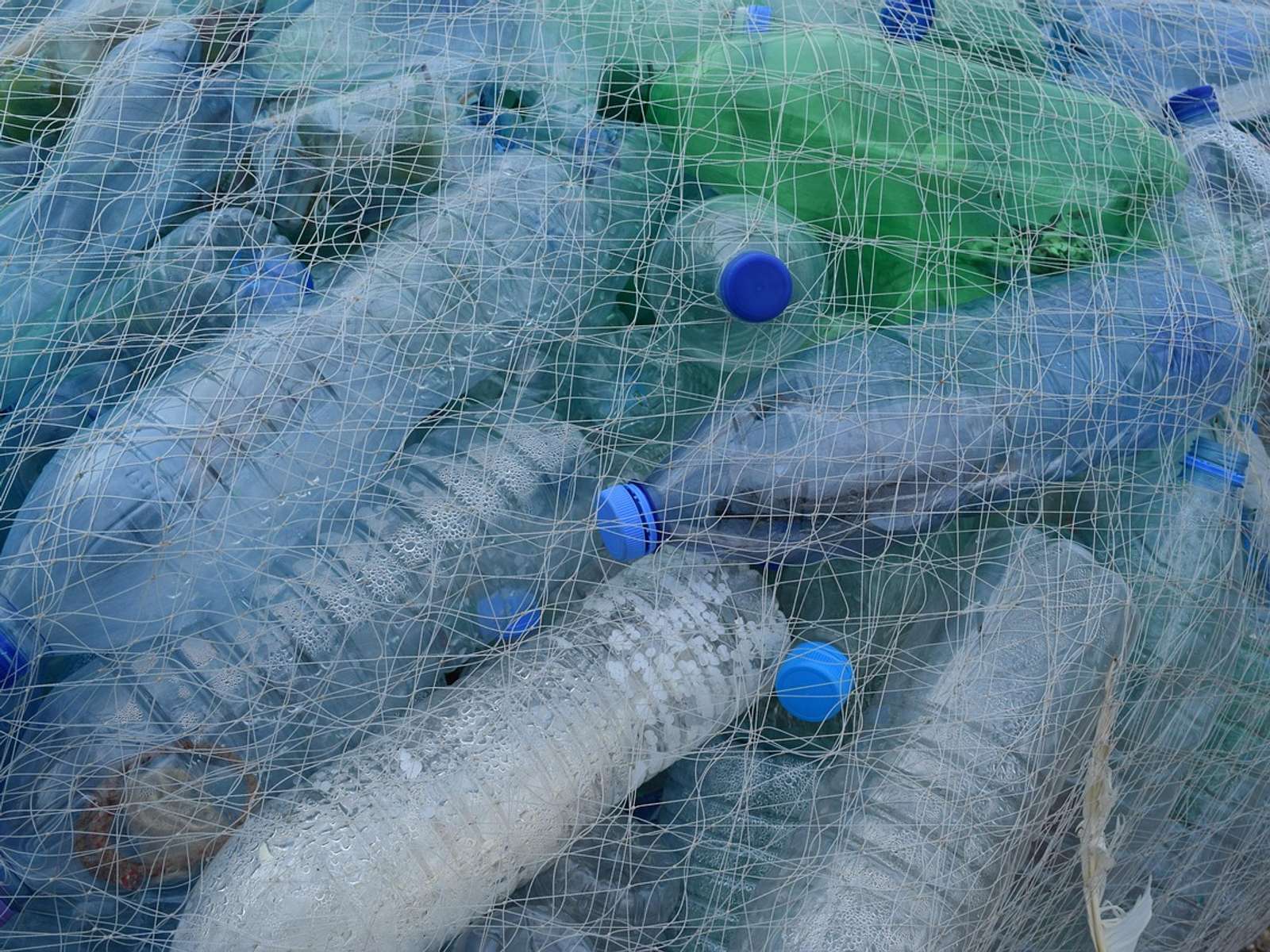
On Kenya's Pate Island, a community group collected 18.1 tonnes of plastic in eight months, earns money from the waste and is restoring one of the island's historic gates with recycled plastic.
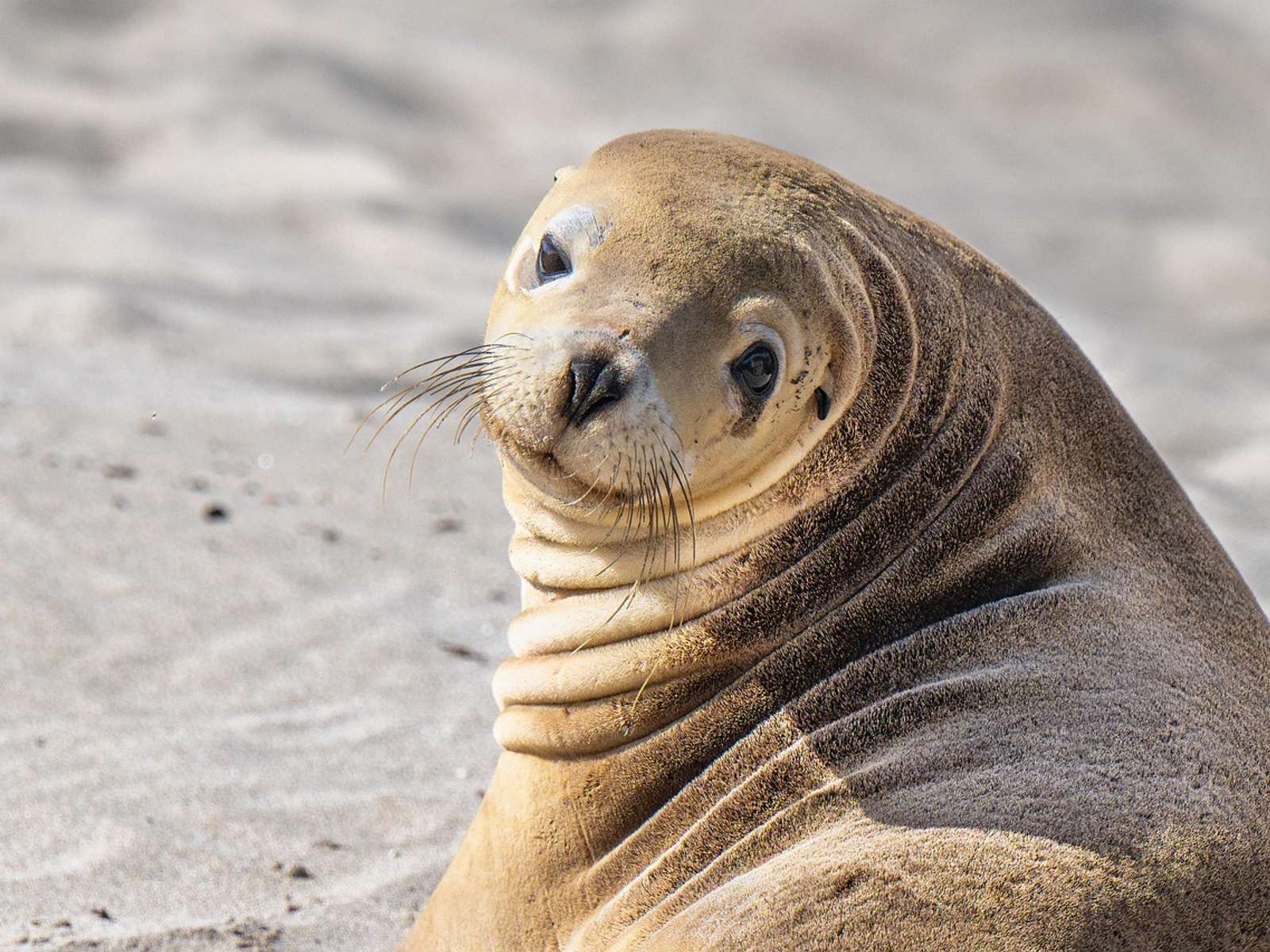
Researchers at Curtin University and Taronga trained sea lions and fur seals to press a paddle when they heard a tone, producing the first hearing baselines for the two Australian species.
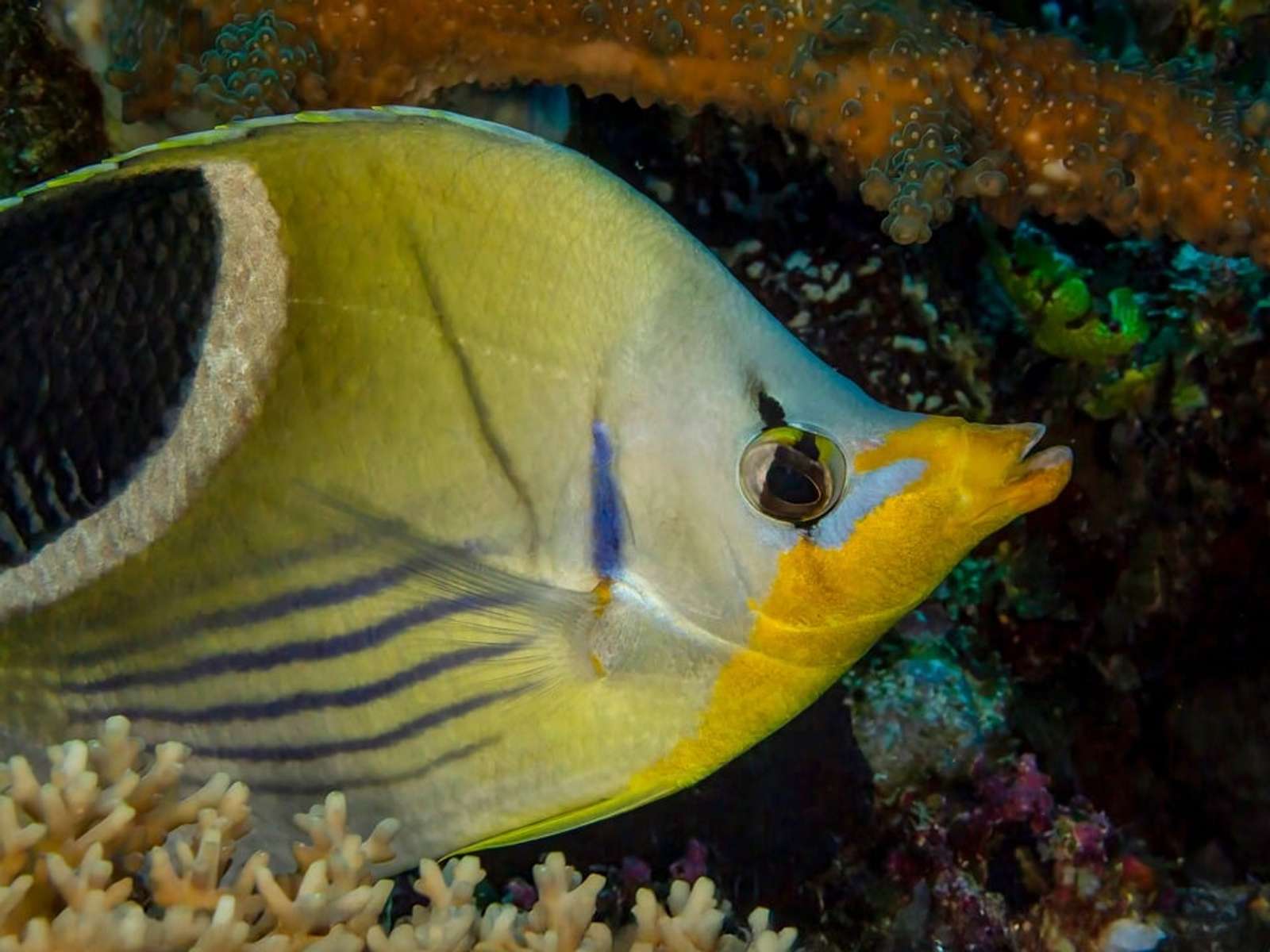
Fiji has launched a National Action Plan for Coral Reef Conservation, drawing on University of Queensland research that identified reefs less exposed to climate stress.
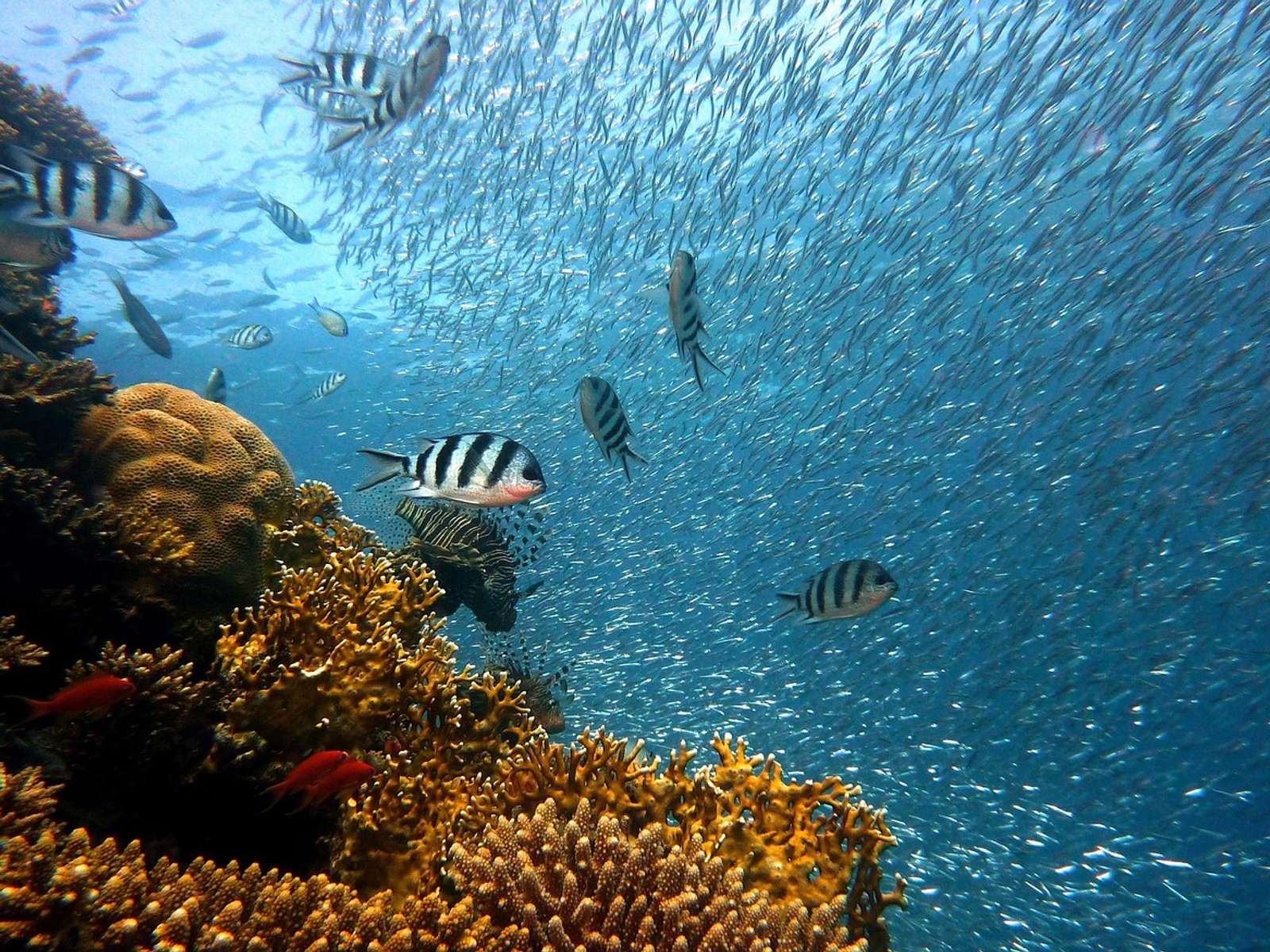
KAUST scientists treated pale corals on a Red Sea reef with coral-derived bacteria during a 2022 heat wave. Treated corals kept their photosynthetic efficiency while placebo corals declined, a Cell Reports study shows.
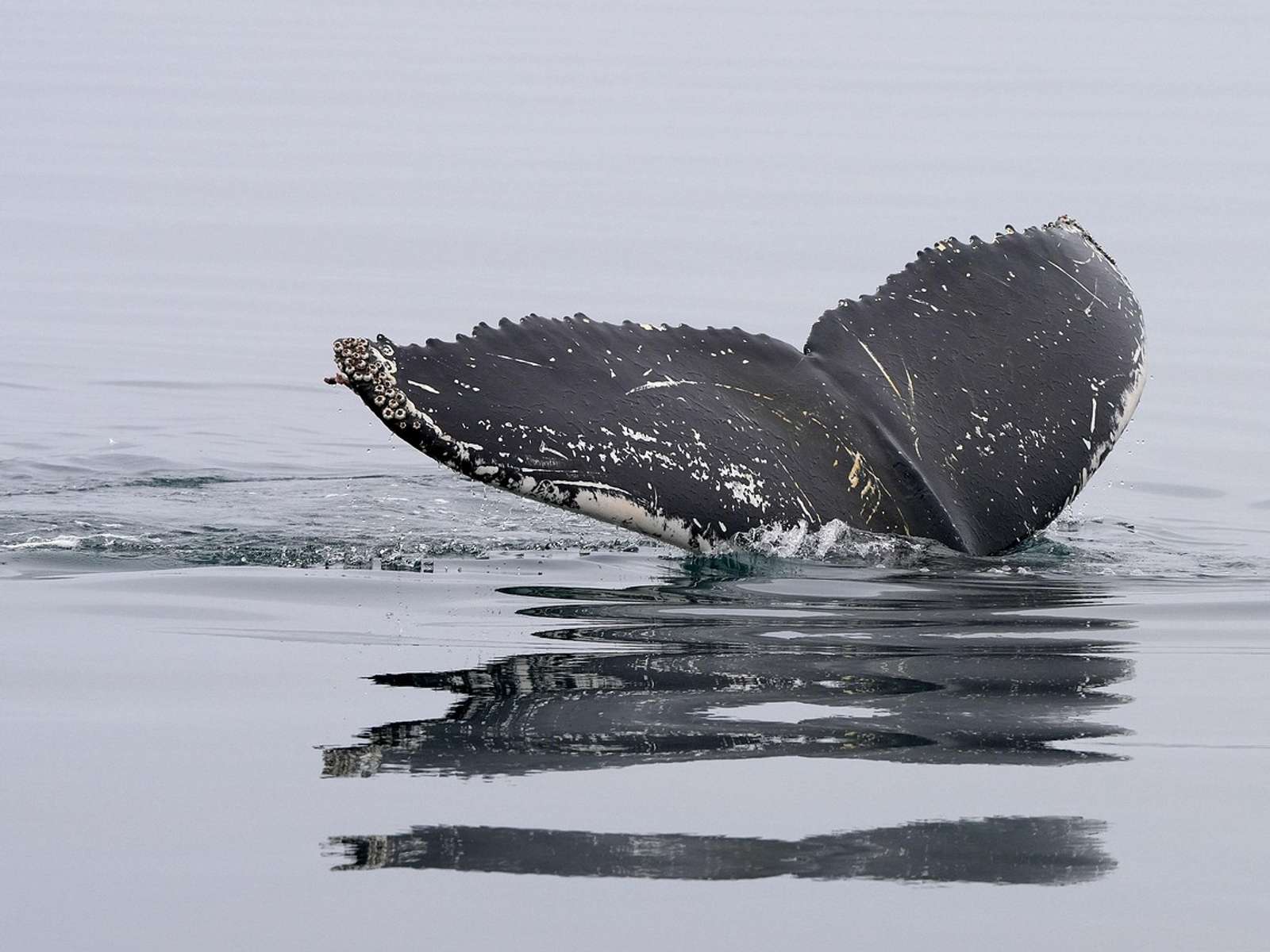
Mitochondrial DNA from 2,285 humpbacks shows the whales that live year-round off Oman split from other populations 43,000 to 113,000 years ago. A taxonomy committee still has to decide on the proposed subspecies.
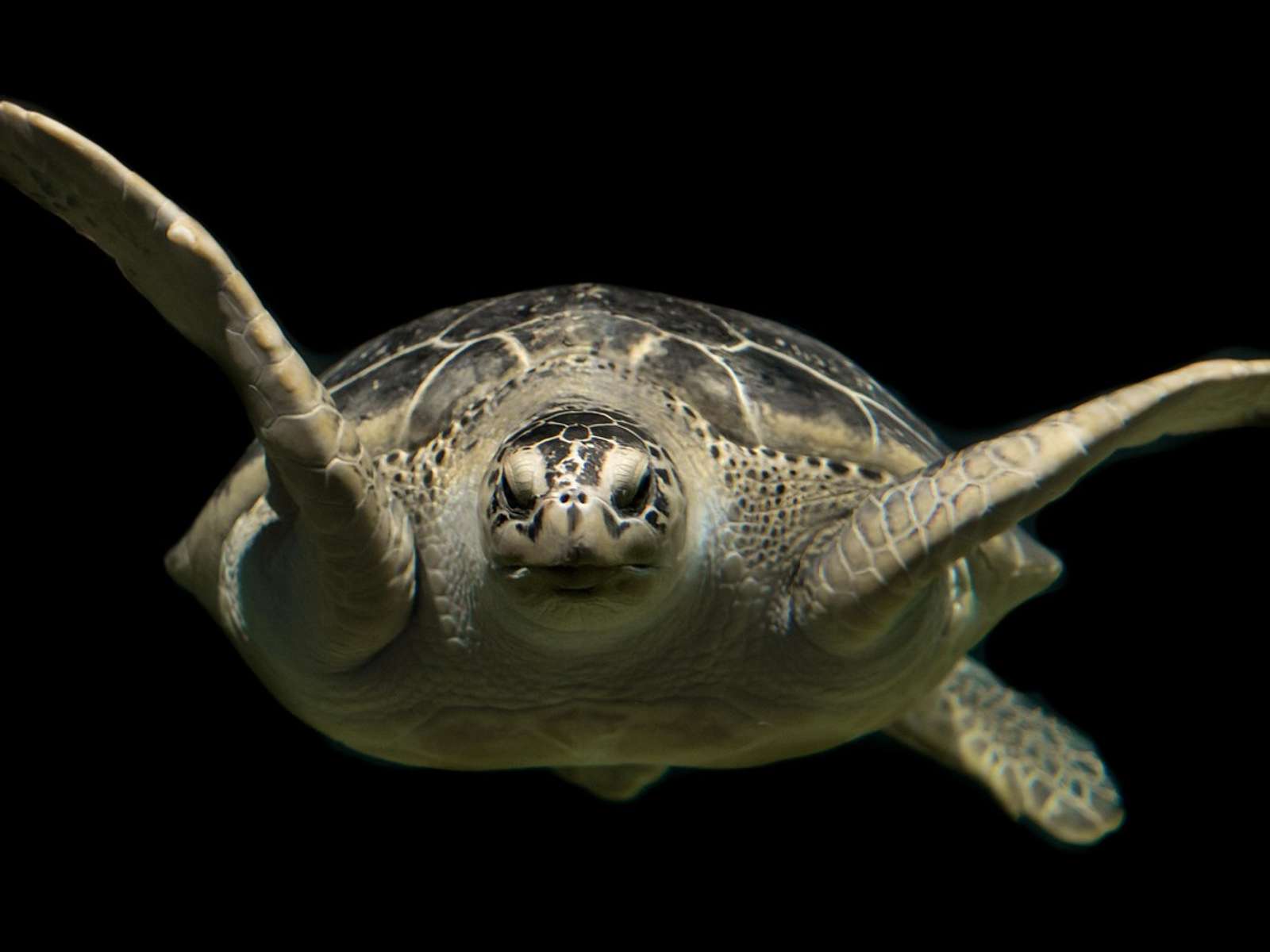
A fisherman in Vietnam's Ca Mau province found a green turtle of about 70 kg tangled in his net, cared for it overnight and called the border guards, who released it into the sea the next morning.
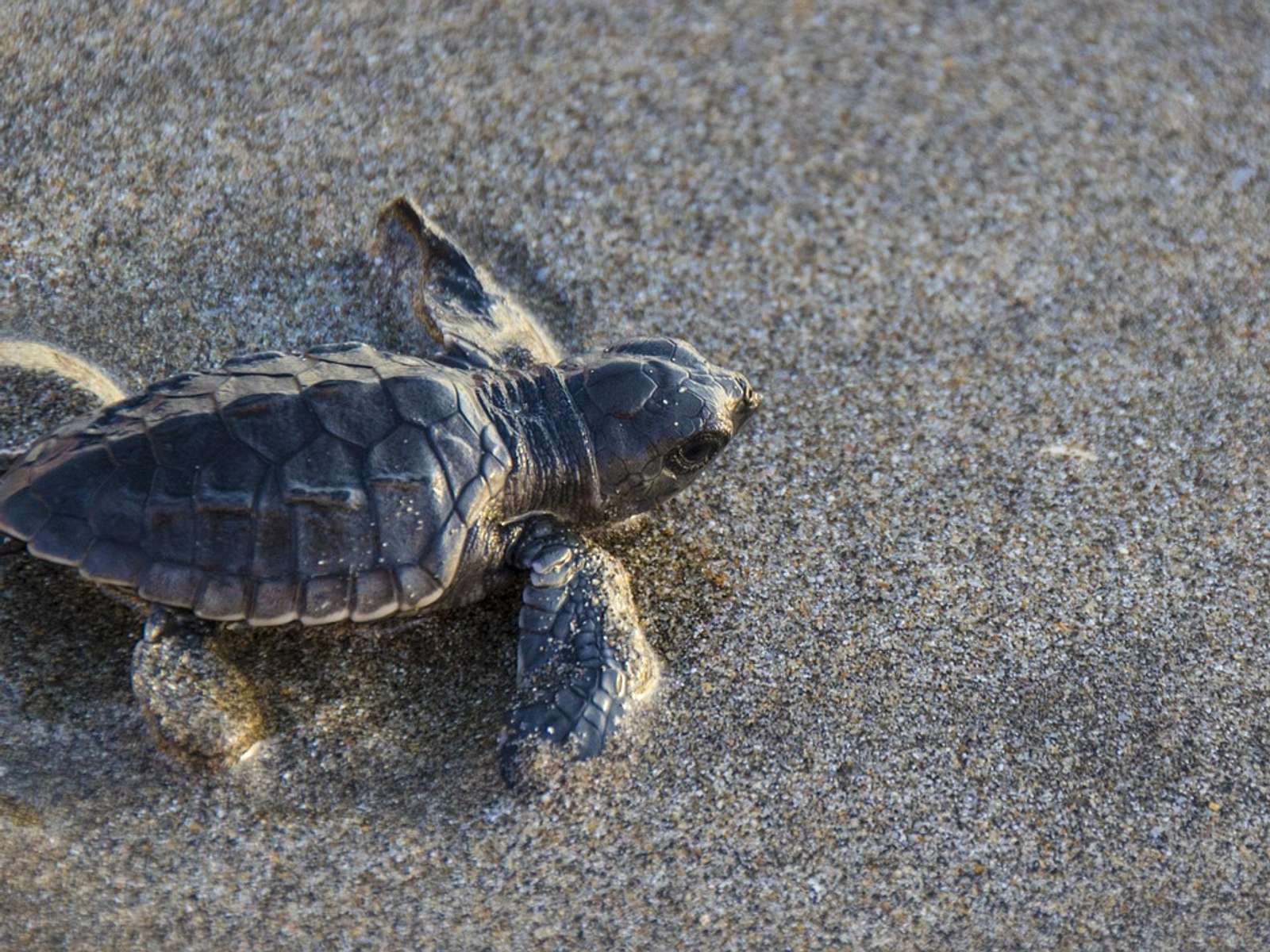
Two olive ridley sea turtles nested on Orange County beaches in September, a first for any sea turtle on the US West Coast. Their 204 eggs are now incubating at the Aquarium of the Pacific.
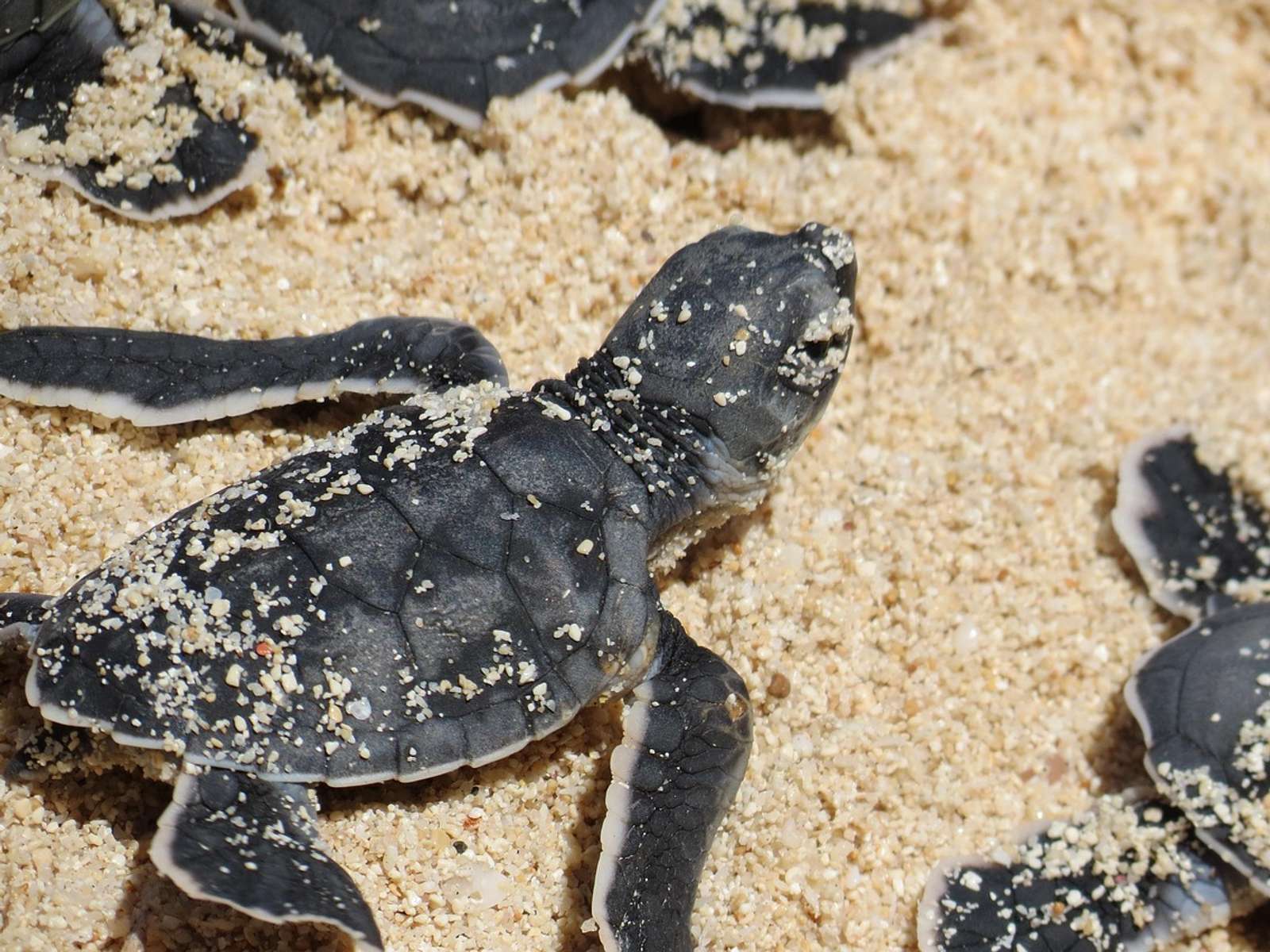
More than 22,000 baby sea turtles have been recorded from protected nesting areas in Playa del Carmen this season, as conservation teams monitor thousands of nests along the Mexican Caribbean coast.
About this topic
On April 1, 2026, the World Database on Protected and Conserved Areas, run by UNEP-WCMC and IUCN, passed a milestone: 10.01% of the ocean now lies within officially protected and conserved areas, up from 8.6% in 2024. Most of that is in national waters. On the high seas, which make up more than 60% of the ocean's surface, coverage is 1.66%.
That could start to change. The High Seas Treaty, the UN agreement on marine life beyond national jurisdiction, entered into force on January 17, 2026, with 81 countries having ratified it. It gives countries a legal route to create protected areas in international waters. Under the global target agreed in 2022 to conserve 30% of land and sea by 2030, protection at sea still needs to roughly triple, according to UNEP-WCMC.
The stories on this page follow that work from treaty rooms to beaches: ten Western Indian Ocean countries adopting 15 decisions to protect reefs, mangroves and seas, Fiji's national plan for its coral reefs, a Red Sea field test in which probiotics kept bleaching corals healthier during a heat wave, and the first sea turtle nests ever recorded on the US West Coast.
We take the figures from the agency, park authority or research team that collected them, and we name it in the story. A new protected area or national plan is a commitment on paper, so we say when enforcement or funding is still to come, and we report the scale of every lab or field result.