A rescued green turtle swam nearly 3,000 km in four months, satellite tags in New Zealand show
Satellite tags on 11 rehabilitated green turtles in New Zealand show where they go after release. One traveled nearly 3,000 km in four months along the North Island's west coast and back, the Department of Conservation said.
By Diego Callegari, Editor
· New Zealand · 2 min read
Source: New Zealand Department of Conservation (DOC) ↗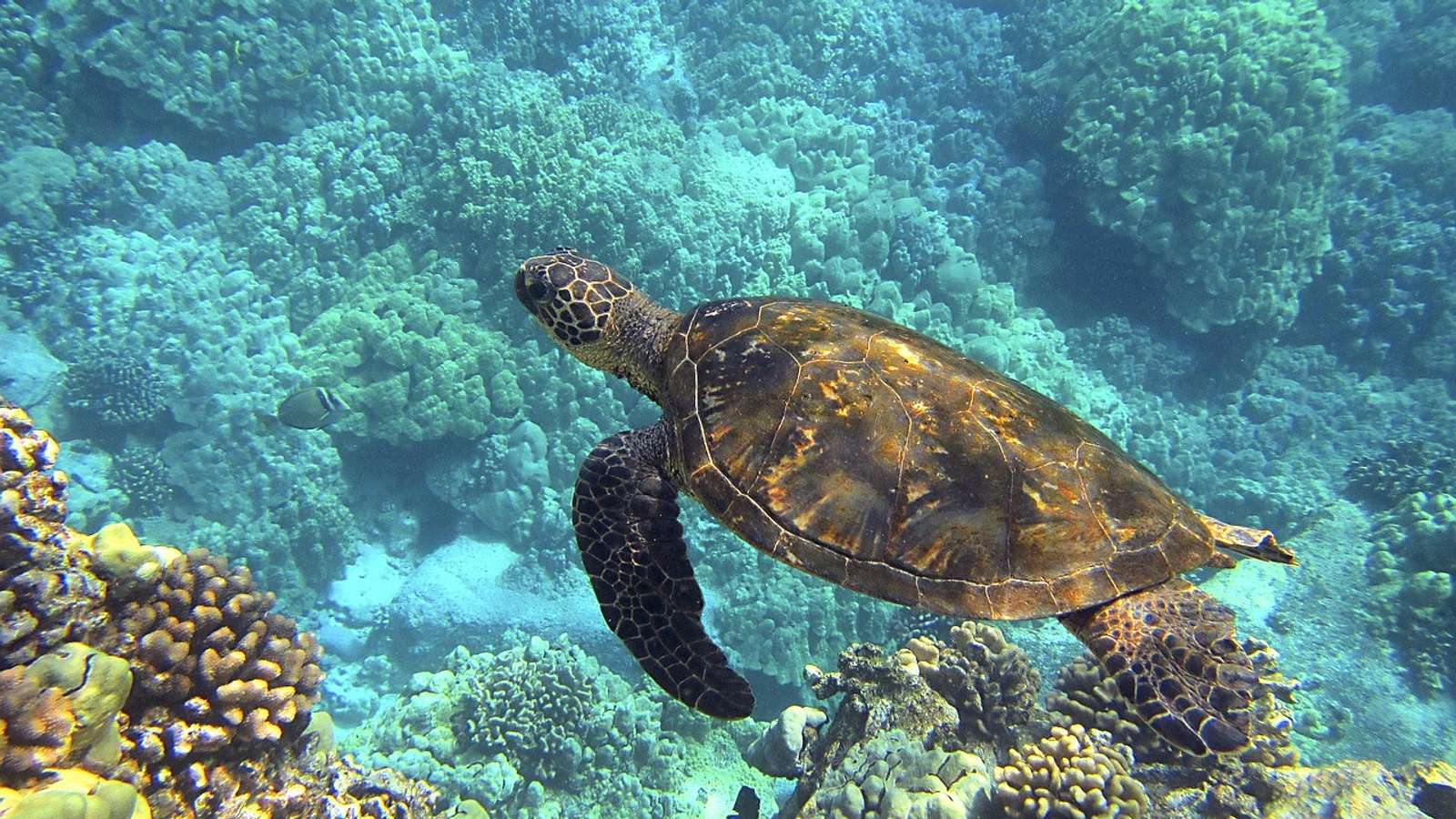
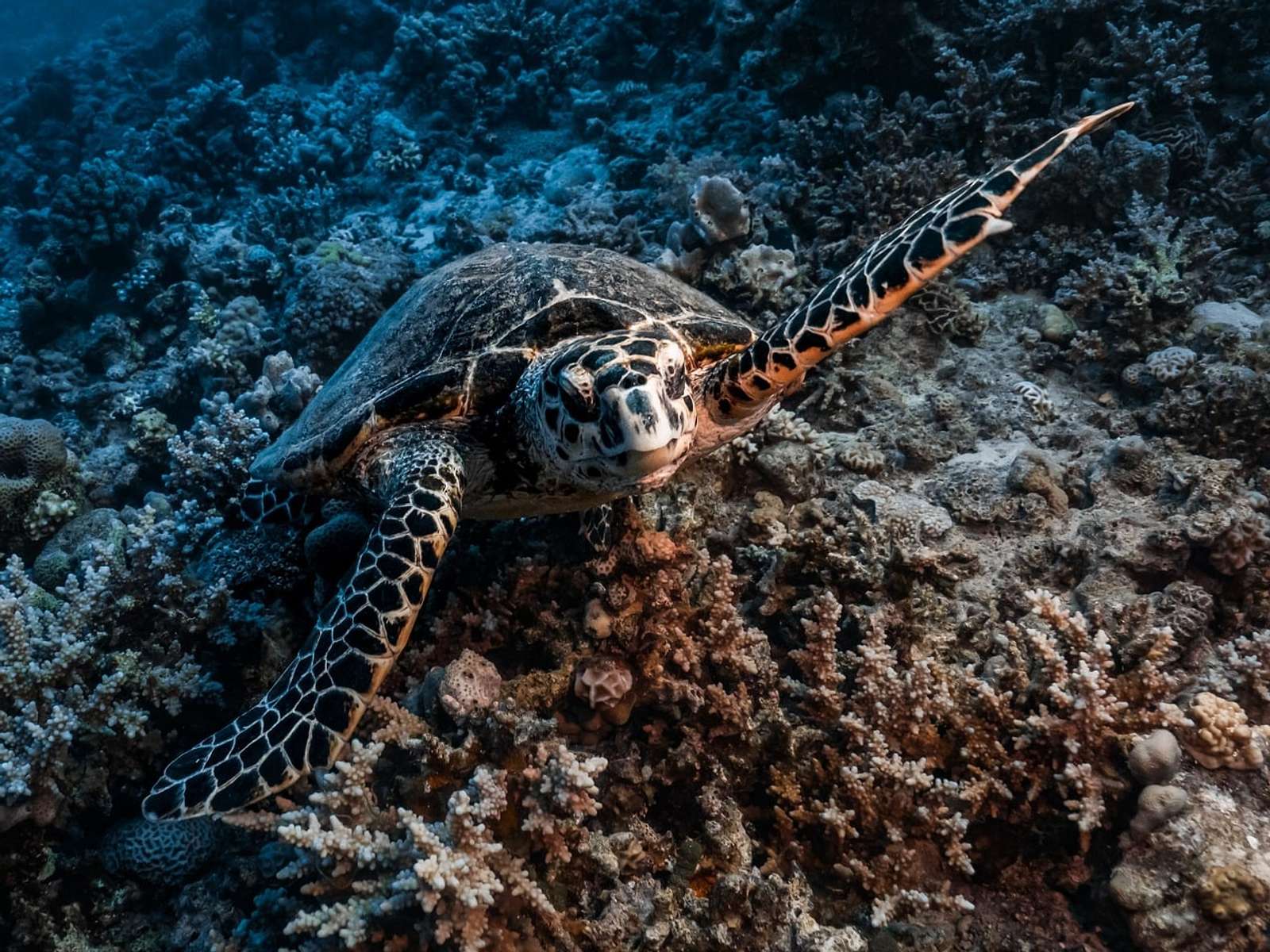
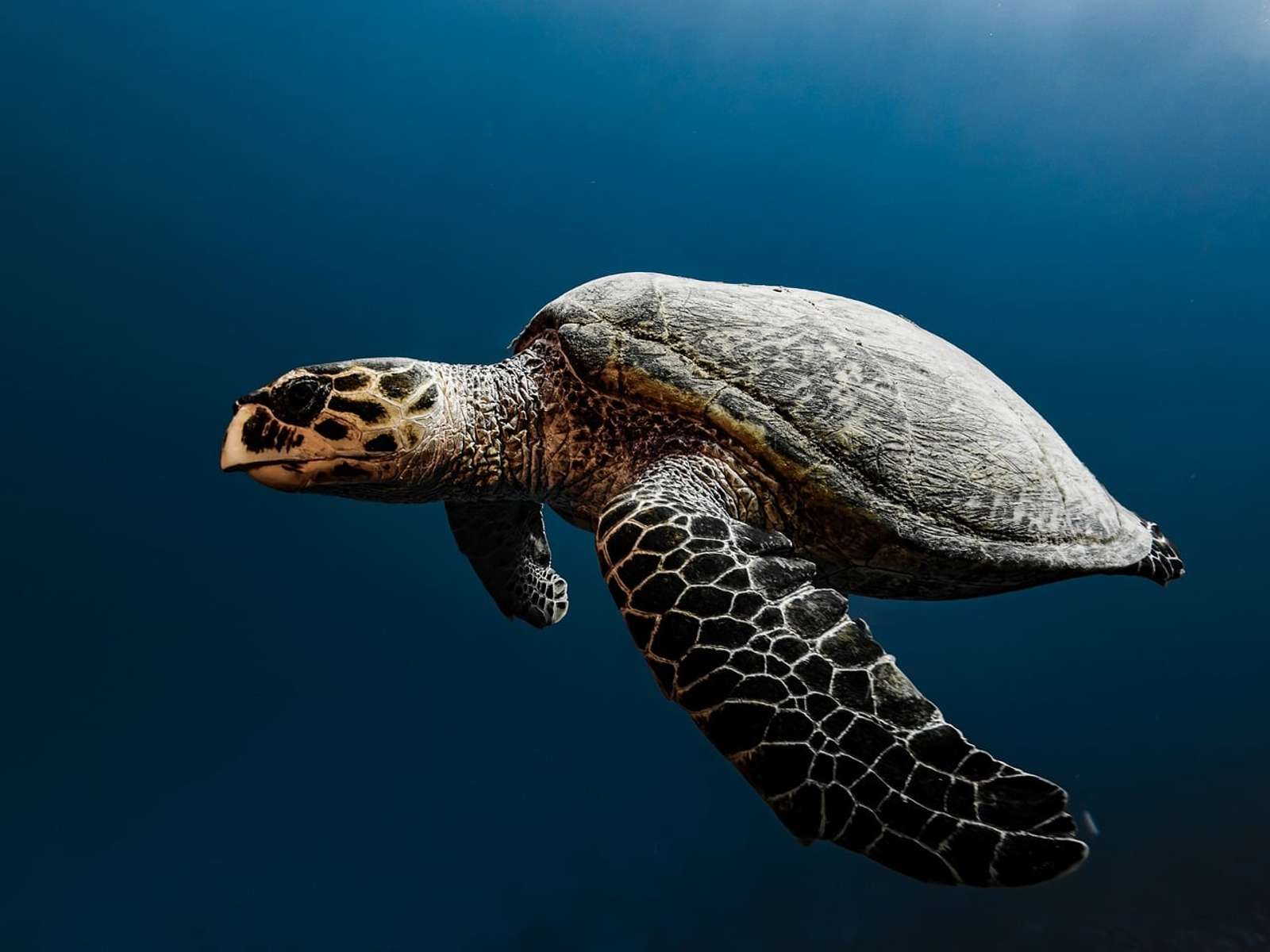
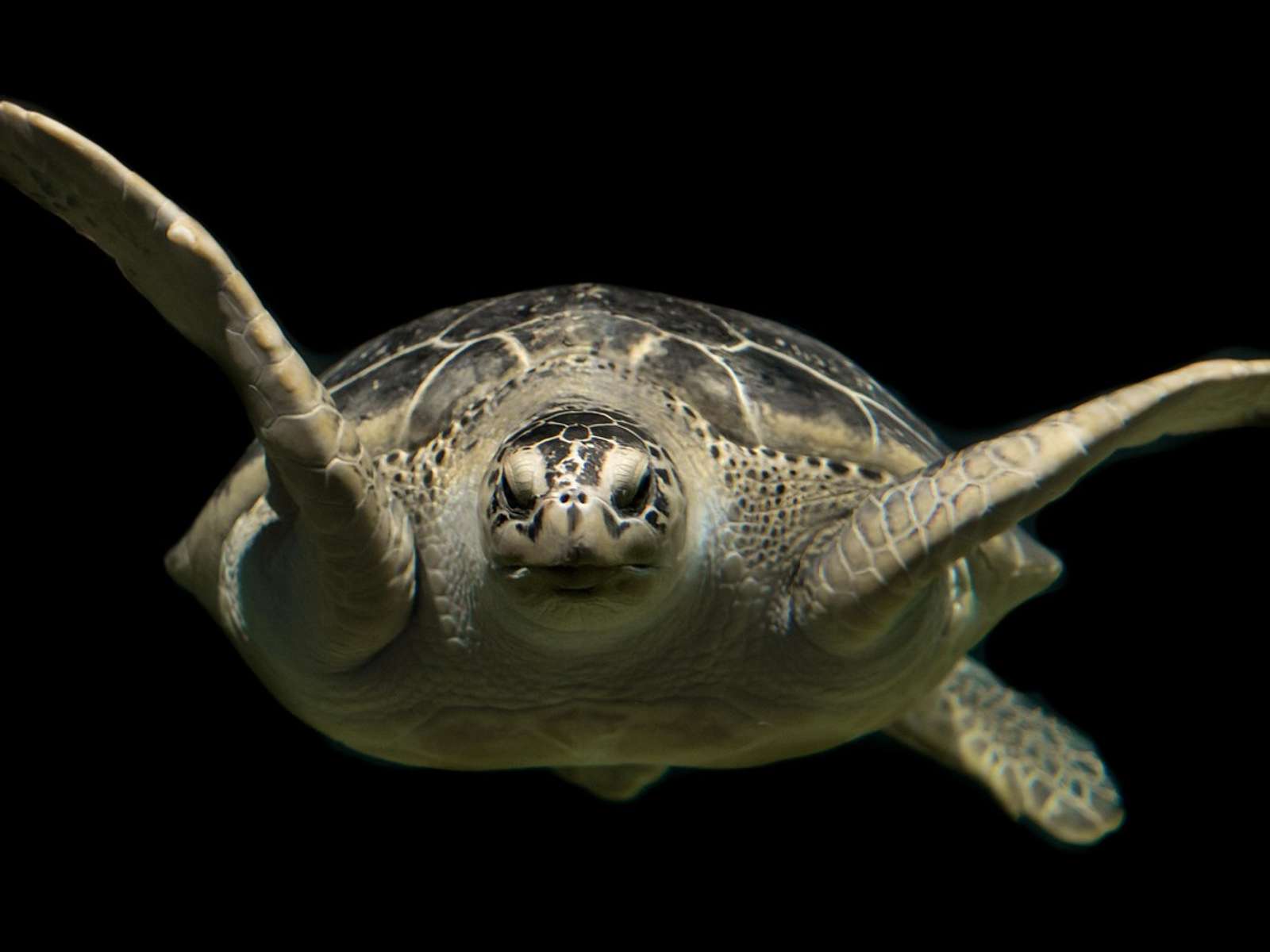
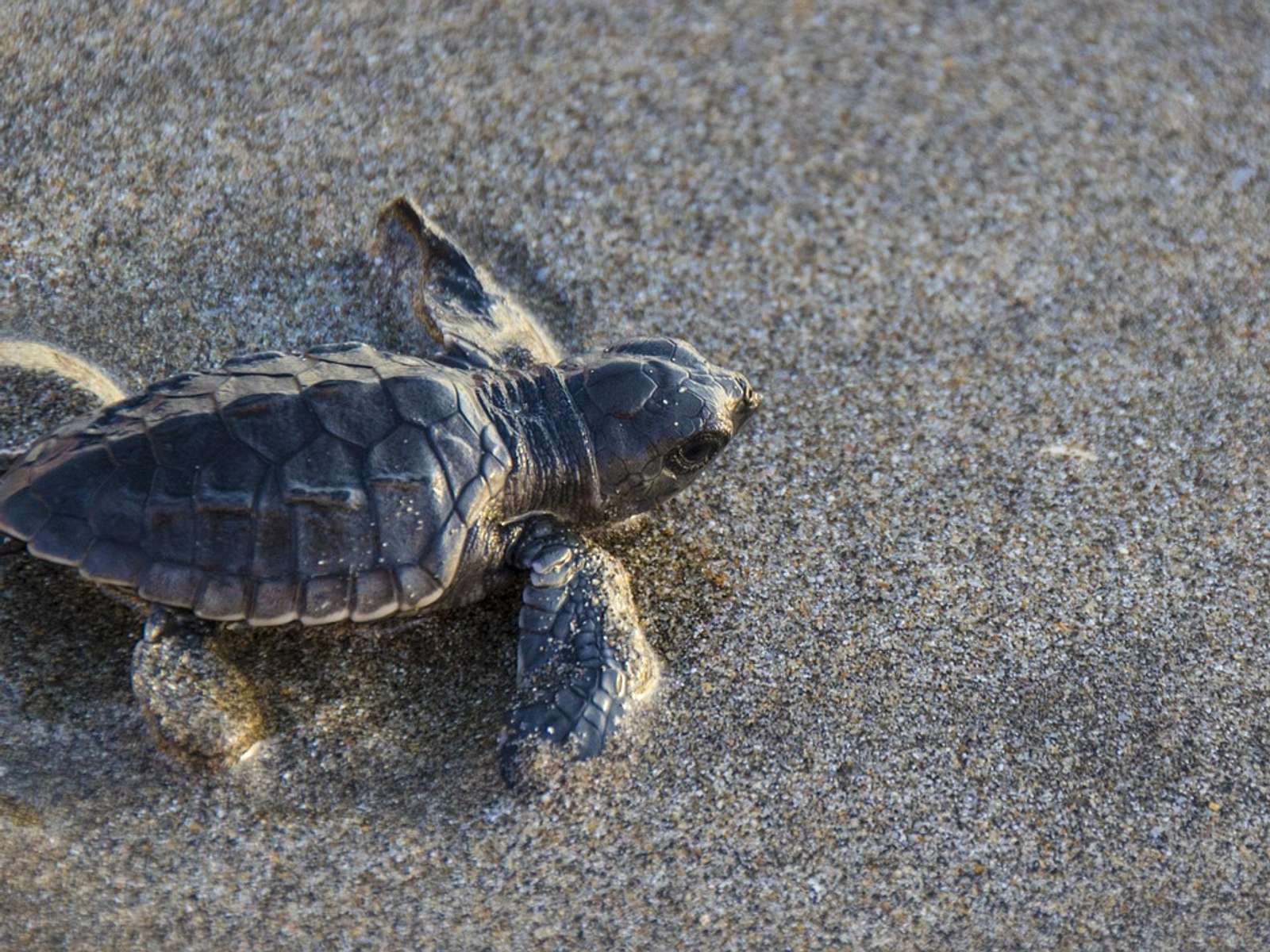
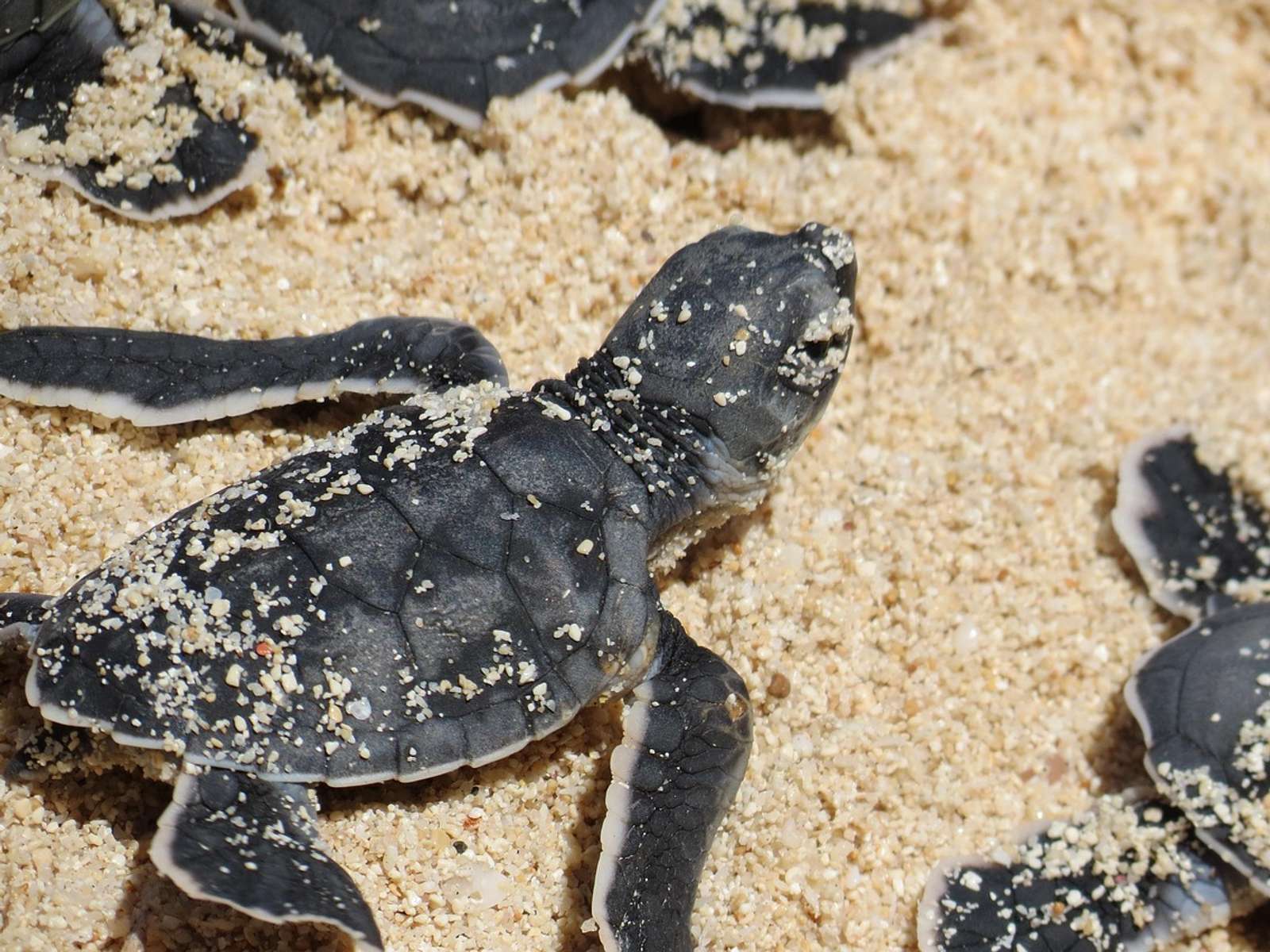
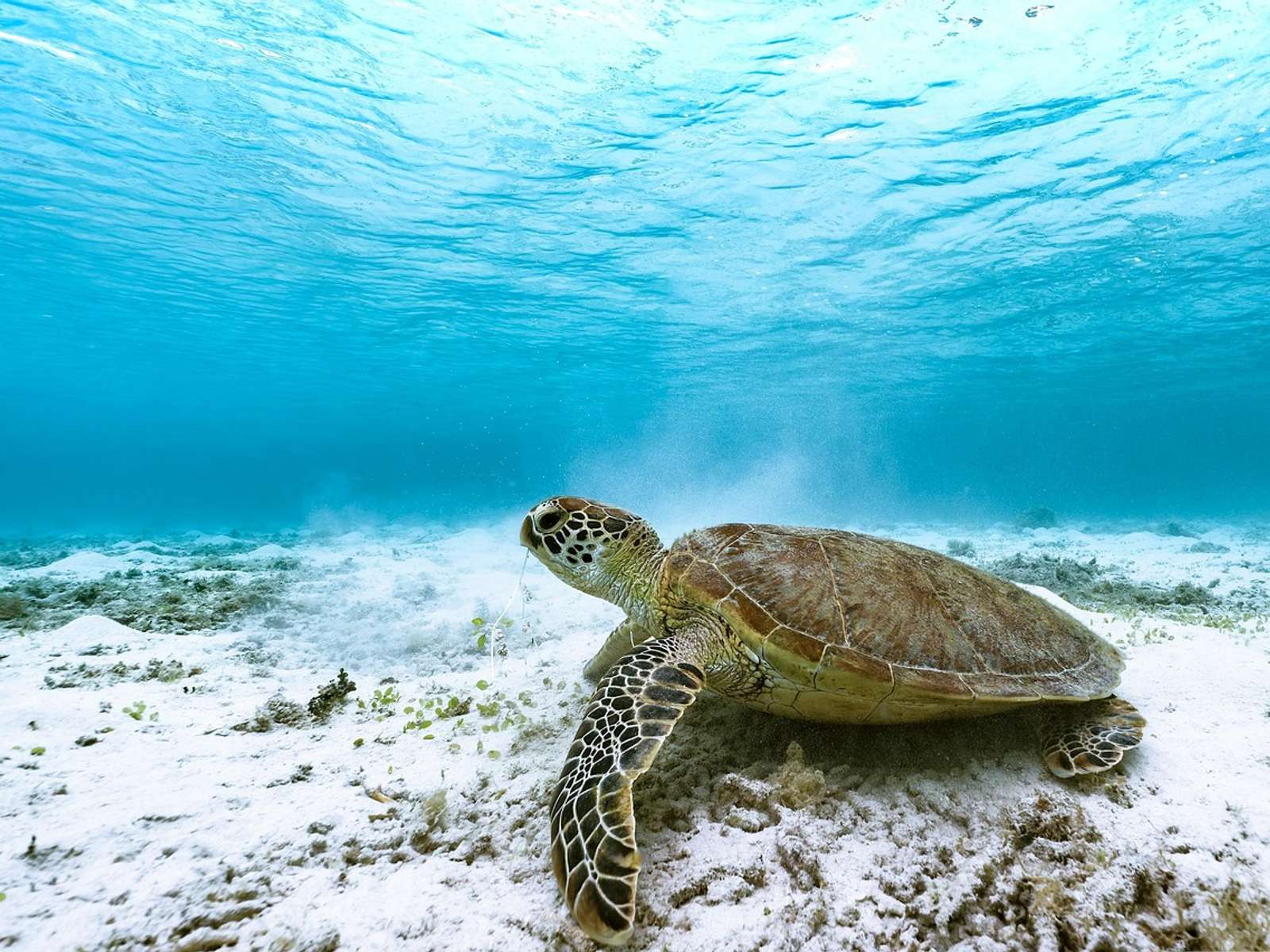
A green sea turtle released after rehabilitation in New Zealand swam nearly 3,000 km in four months, one of several journeys revealed by satellite tags, the Department of Conservation (DOC) said on 29 October. The turtle, nicknamed “3K,” traveled along the North Island's west coast from Rangaunu Harbour in Northland to Wellington and back, pausing for a month in Auckland's Manukau Harbour on the way north.
Eleven turtles tracked by satellite
Since 2025, 11 rehabilitated turtles have been fitted with satellite tags and tracked daily for six to 12 months using a constellation of 25 satellites. The project, called Team Turtle, is run by DOC, Auckland Zoo, SEA LIFE Kelly Tarlton's Aquarium and iwi, the Māori tribal groups. Another turtle, released at Taupō Bay in Northland, swam down the east coast to the Coromandel and then returned north to settle in Rangaunu Harbour.
The tags have pointed to hotspots: Rangaunu Bay and Harbour, Pārengarenga Harbour, Murimotu, Whāngarei Harbour, the Bay of Islands and the Manukau Harbour. Turtles that spent most of their time in Rangaunu were mostly found over seagrass and harbor channels.
“We've known very little about whether individual turtles stay around for long periods.” — Dr. Karen Middlemiss, DOC marine senior science adviser and project lead
Why turtles end up in rehab
Green turtles do not breed in New Zealand, but juveniles and young adults are regularly seen in the warmer waters of the North Island. Elsewhere they can travel hundreds to thousands of miles between feeding grounds and nesting beaches, and adults feed mainly on seagrass and algae, according to NOAA Fisheries, the US ocean agency. Green turtles are the largest hard-shelled sea turtles, females mature at about 25 to 35 years, and the species is protected internationally under CITES Appendix I. Five turtle species are seen in New Zealand waters, green and leatherback turtles most often.
Auckland Zoo sees most sick turtles between August and December, and has admitted eight since June. Injuries include fishhooks, entanglement in fishing line and boat strikes, while illnesses such as pneumonia and intestinal infections are suspected to follow reduced access to food or a degraded marine environment. “The good news is more than two-thirds of the green sea turtles we admit go on to make a full recovery,” said Dr. James Chatterton, the zoo's veterinary services manager.
From tracking data to protection
The team plans to tag more turtles, bringing the total monitored to 20, and to work with regional councils so turtles are included in coastal management plans. “The next step is to turn this information into conservation action,” Middlemiss said. DOC asks boaters to slow down in known turtle habitat, keep a lookout and fit propeller guards. “These taonga of the moana remind us of our deep connection to the natural world,” said Nina Raharuhi, a cultural monitor for the hapū Ngāti Kahu. In South Africa, a loggerhead named Habanero was trained for release after losing a flipper.
Sources
- New Zealand Department of Conservation (DOC) · dxcprod.doc.govt.nz
- fisheries.noaa.gov
How we choose and verify sources: editorial policy.