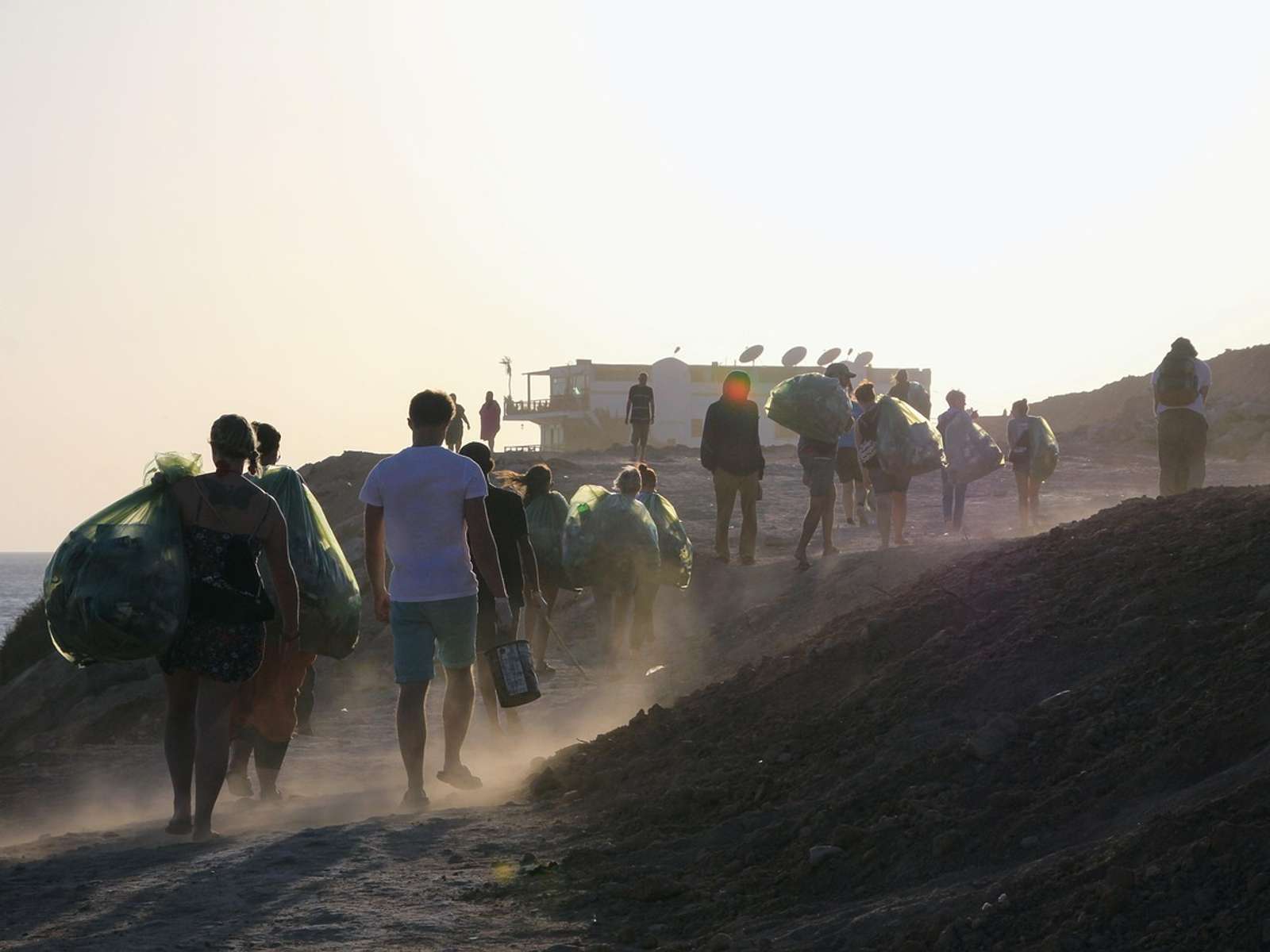
Zoë Prinsloo, who founded Save a Fishie in 2018, is the only South African among 200 young people named 2026 Diana Award recipients. Her organization has held more than 530 clean-up events and removed over 65 tonnes of litter.
Women with severe early-onset preeclampsia had far more extracellular vesicles in their blood, and lowering the levels in lab tests reversed blood vessel dysfunction, Wright State researchers report in Hypertension. It is lab work, not a treatment.
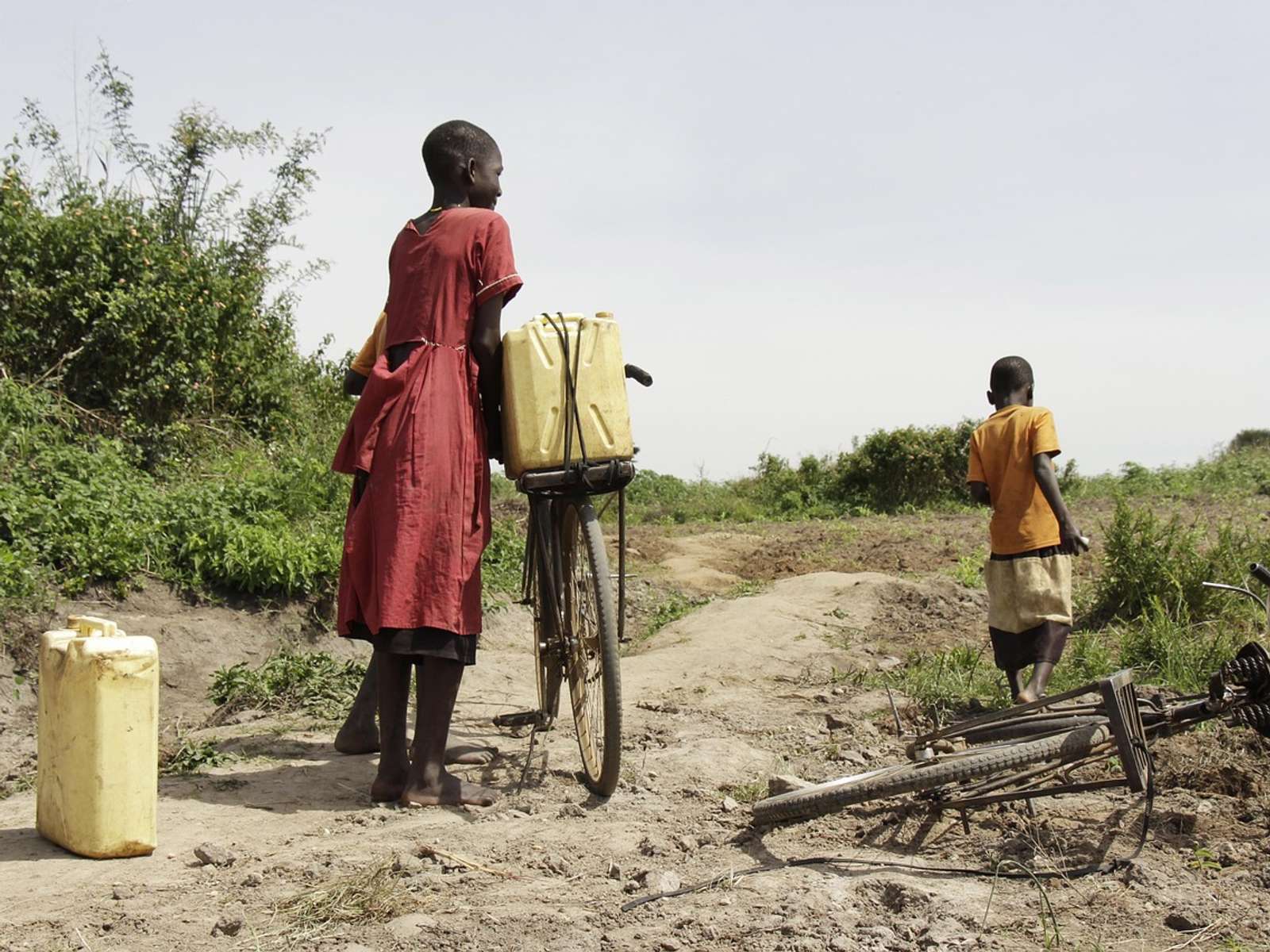
Austria is giving EUR 3.5 million, and UNICEF EUR 390,000, for a three-year water and sanitation program in Uganda's Yumbe and Madi-Okollo districts, home to the Bidibidi and Rhino Camp refugee settlements. More than 72,000 people should benefit.
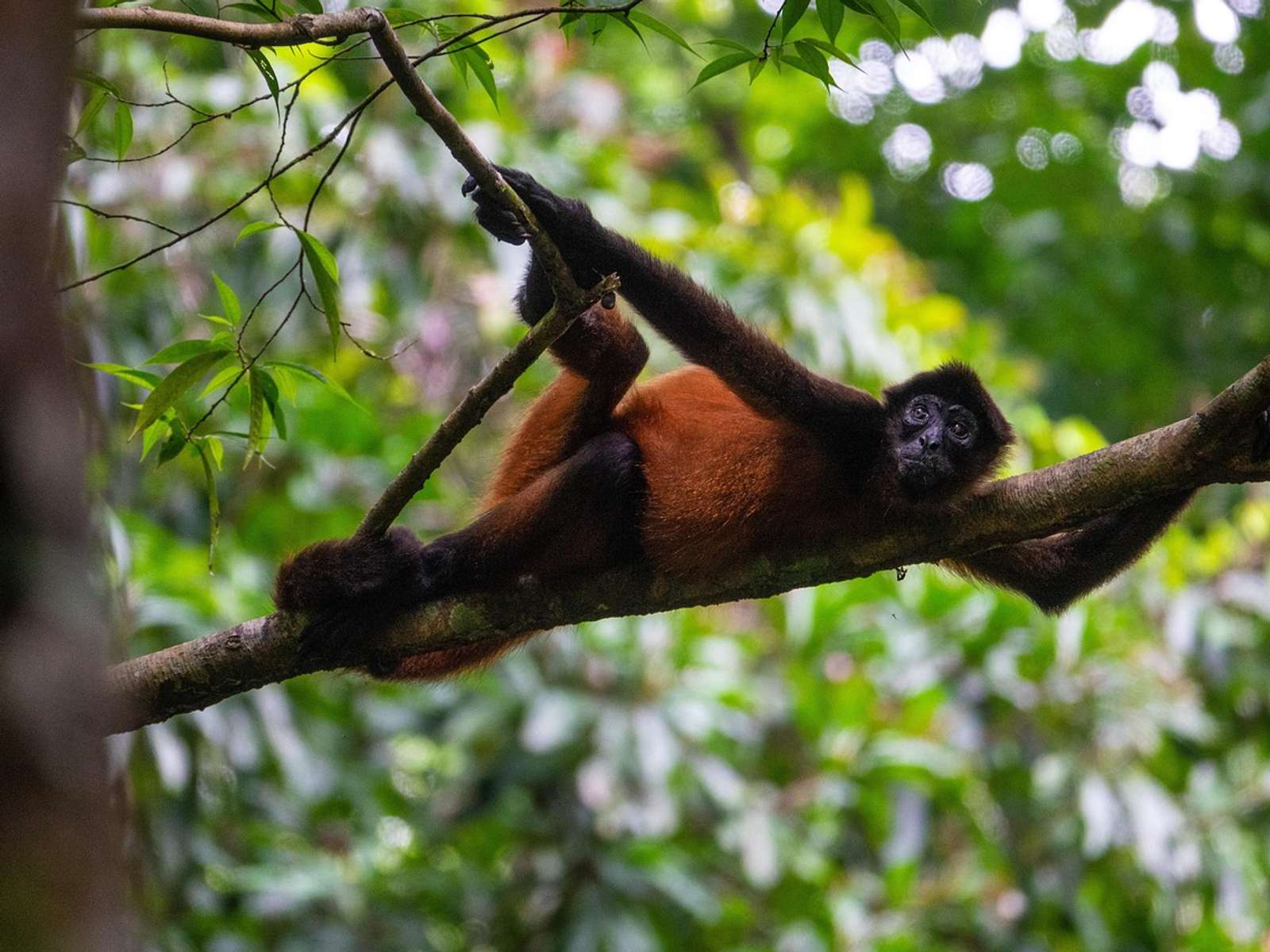
A University of Salford-led team has described Alouatta iroi and Alouatta matogrossensis in Communications Biology, the first new howler monkeys named in 84 years. Southern Amazonia, home to one of them, is among the fastest-deforesting regions on Earth.
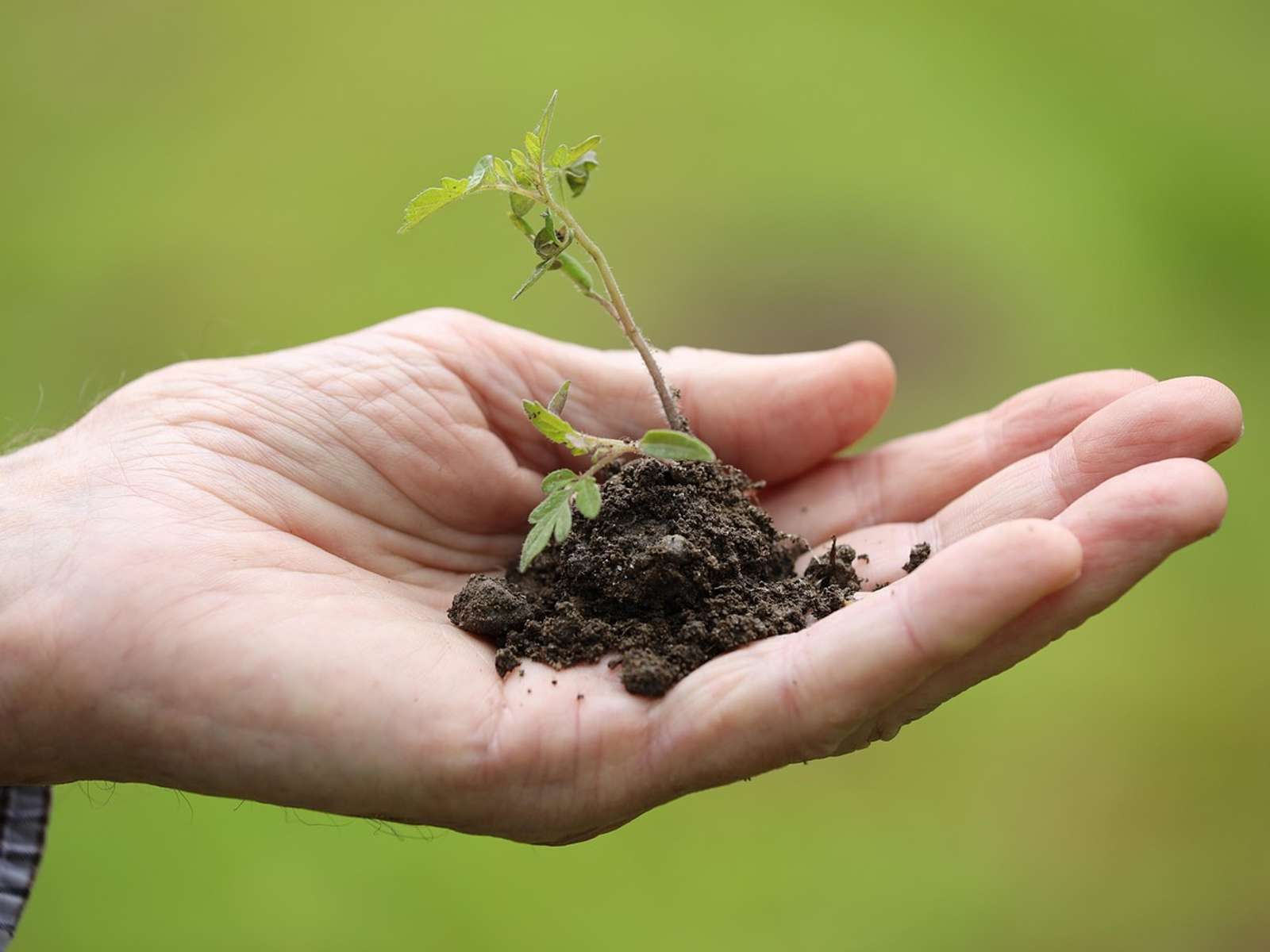
Eighteen pilot schools in Turkmenistan received the country's first Green School certificates, six at Level II and 12 at Level I, UNICEF said on 5 November. Students lead eco-clubs, clean-up days and tree planting under the program.
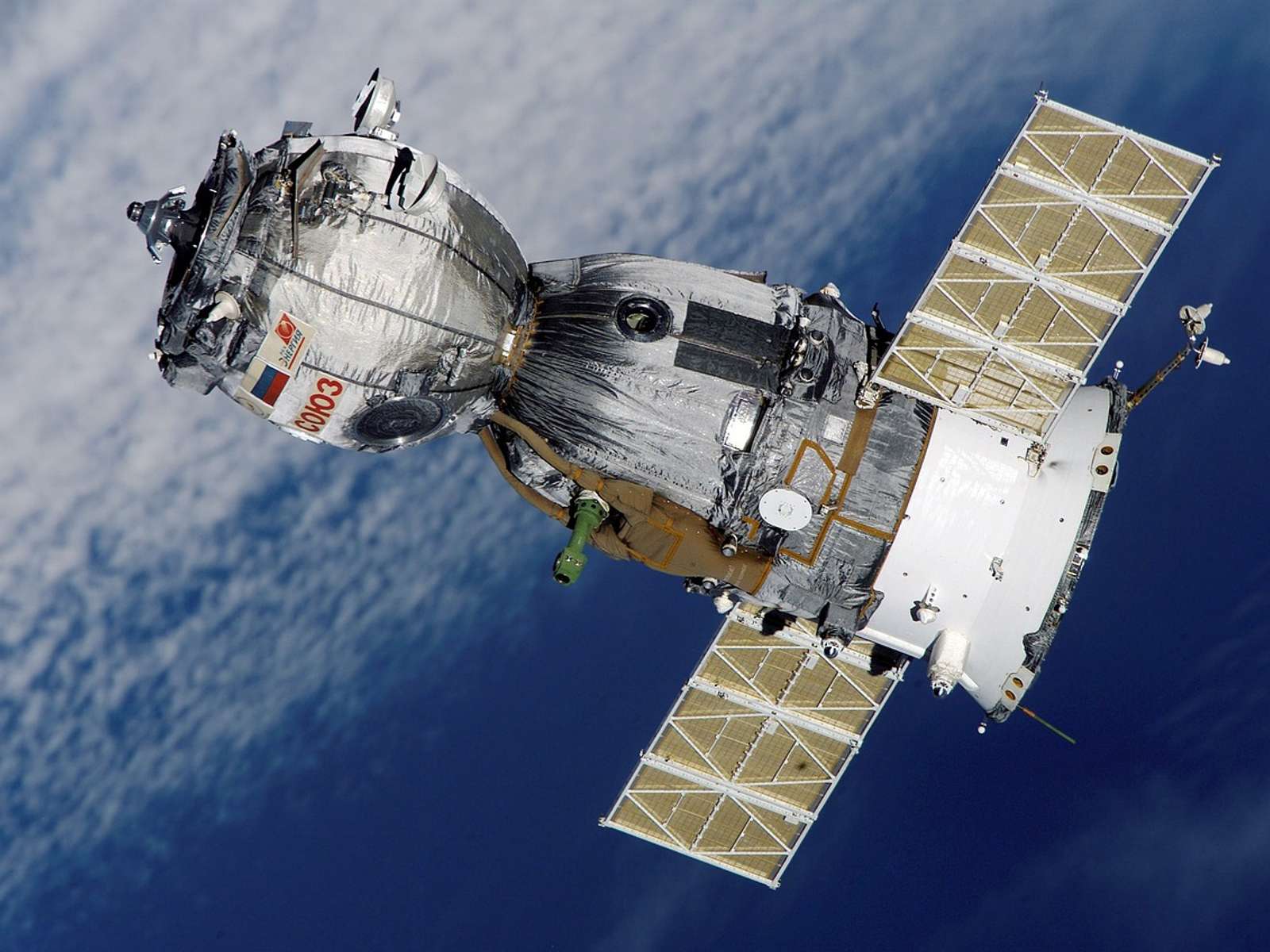
A robot arm on Caltech's ASTRA payload assembled one truss bay in low-Earth orbit on its own. Team leader Sergio Pellegrino called it the first structure built autonomously in space. The full 11-bay design was not finished.
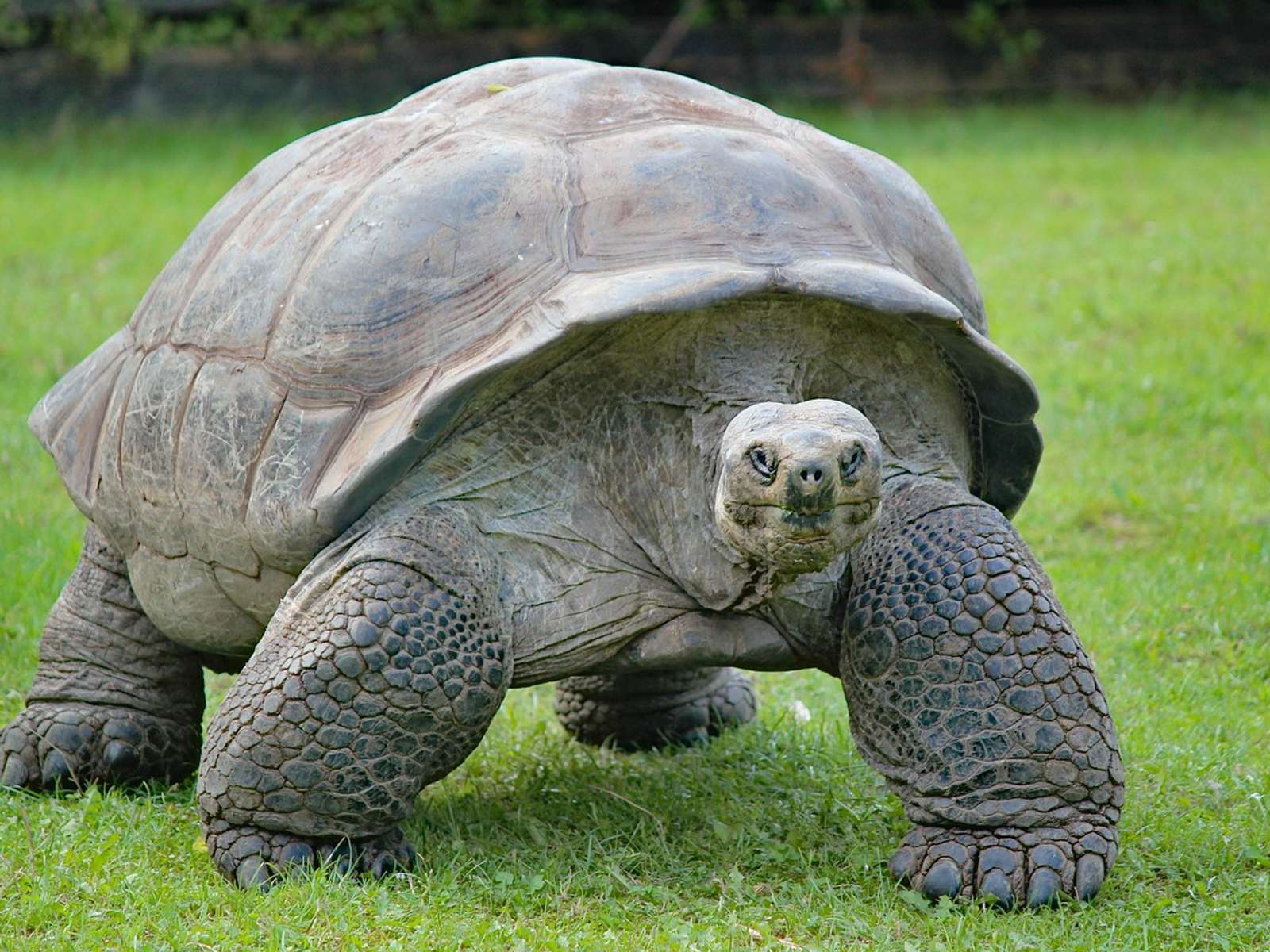
Eleven of 16 eggs from a giant tortoise nest hatched in a controlled hatchery on Cousin Island over the weekend of 31 October, Nature Seychelles said. Of more than 15 wild nests monitored in recent years, only one hatched successfully.
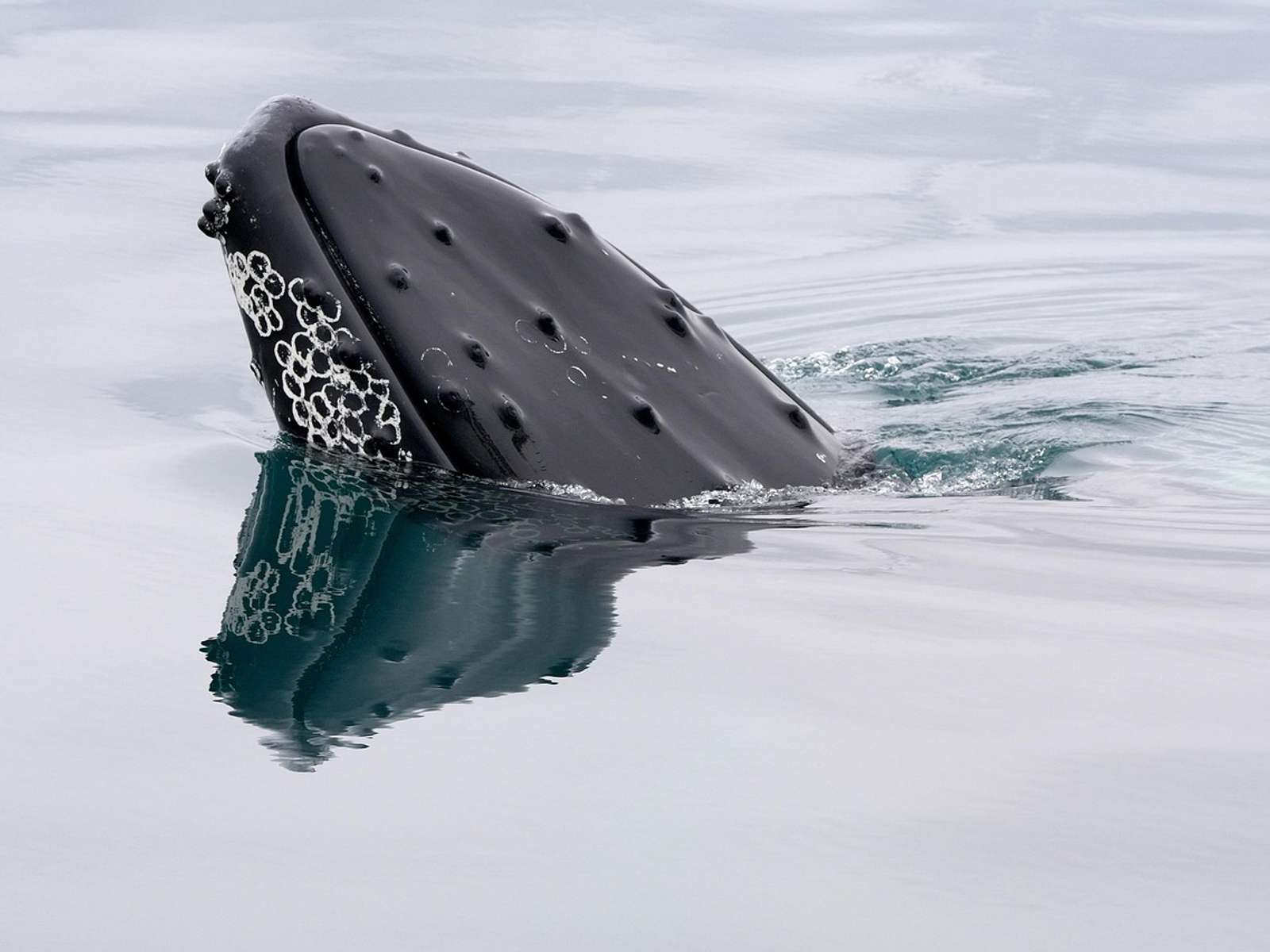
Researchers photographed a right whale mother and an unknown calf near Anticosti Island, Quebec, on 25 September. The New England Aquarium says it is likely the 24th calf of the 2025-2026 season, for a species of about 380 whales.
ARPA-H will fund an MIT-led team with up to $38 million over four years to develop PYTHIA, a noninvasive patch powered by body heat that would track biomarkers of sepsis and heart failure. No device has been built or tested yet.
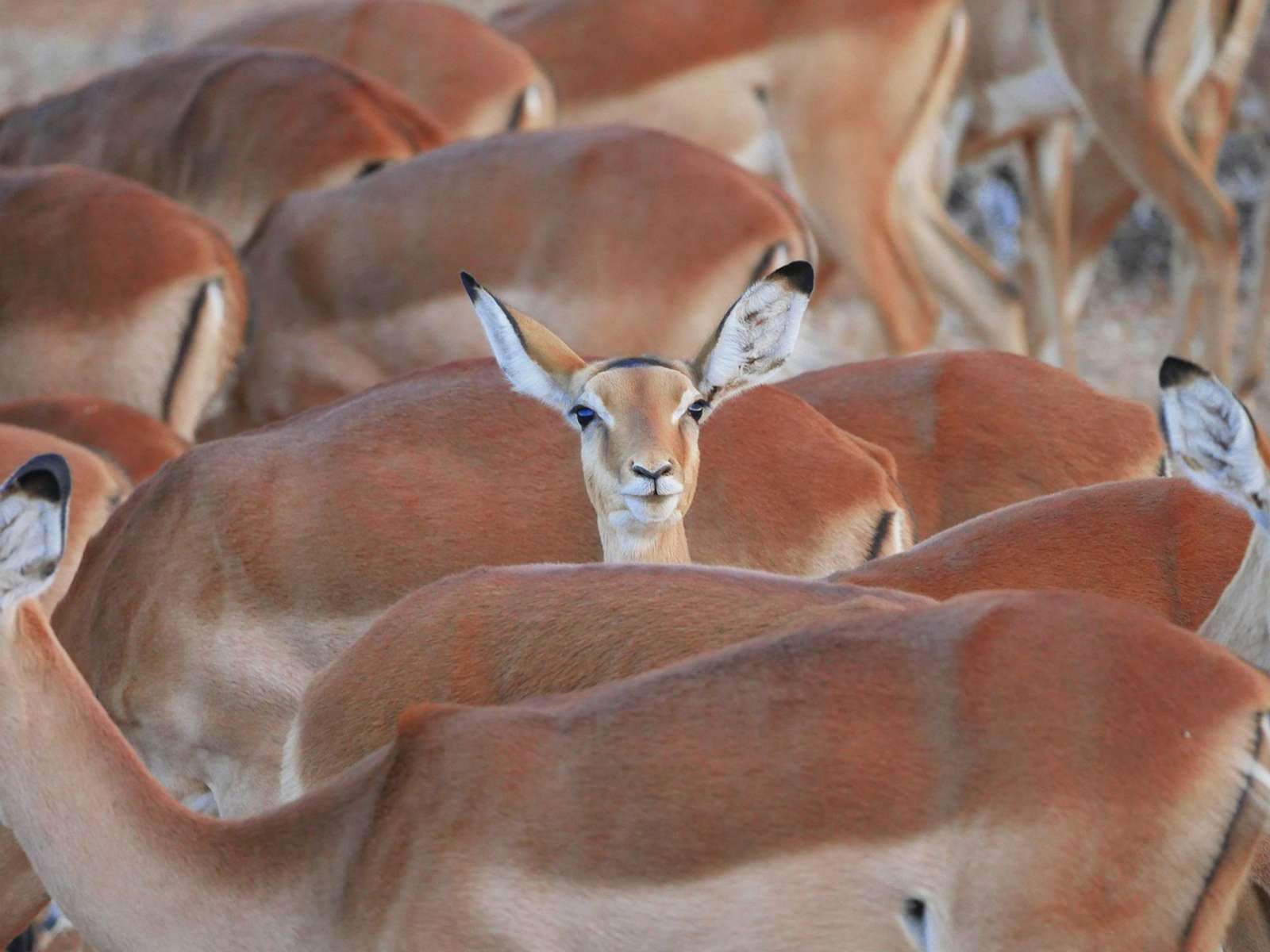
African Parks has fitted 262 antelopes with GPS collars since 2023, producing a map of the Great Nile Migration Landscape, where around 6 million animals move. One tiang covered 11,573 km in just over three years, Mongabay reported.
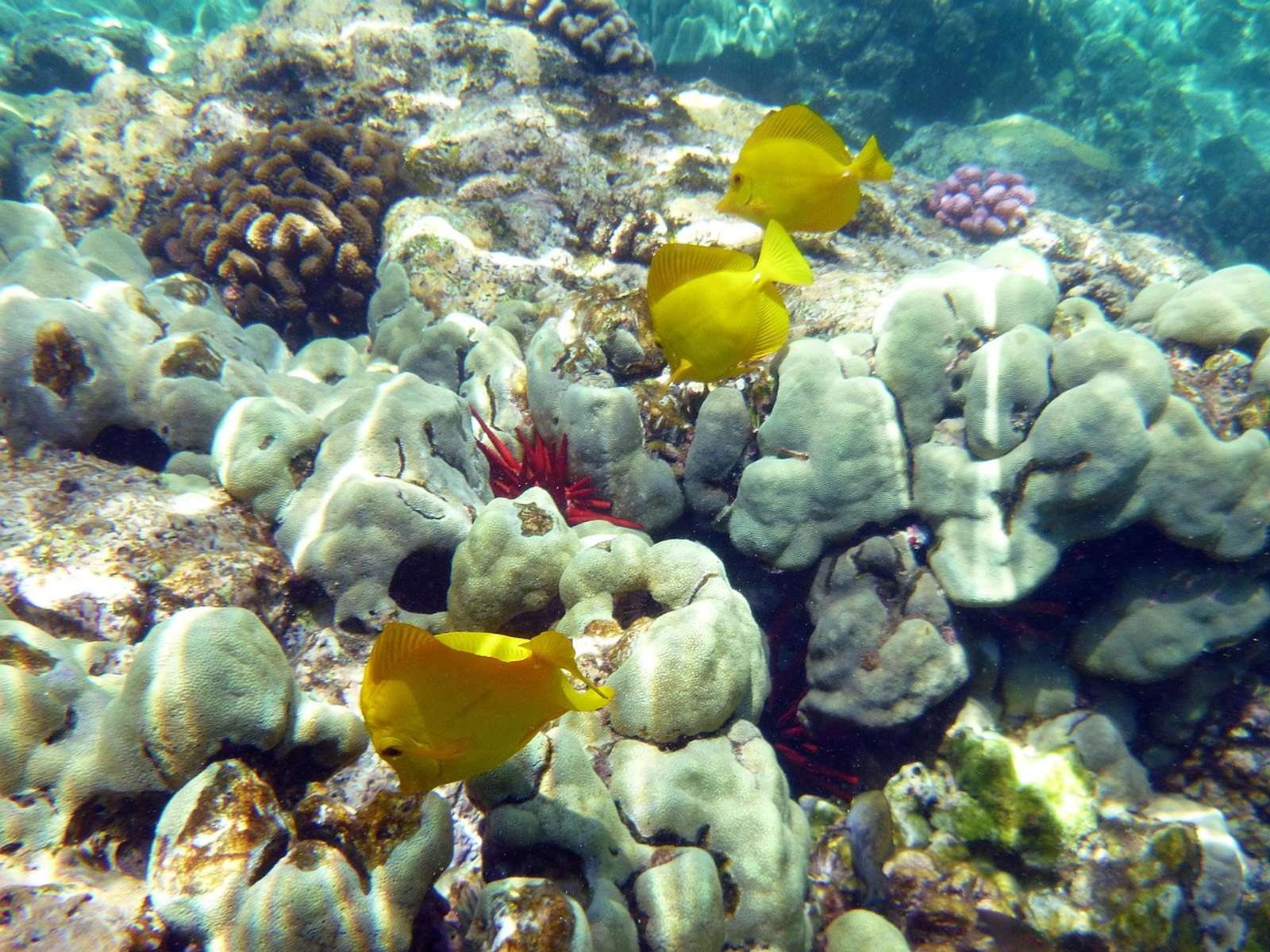
Eight of 60 concrete structures were in place off Kalaeloa Harbor on O'ahu by 20 October, part of a $27 million DARPA-funded hybrid reef meant to reduce wave energy and give corals a home, Mongabay reported. Installation should finish by January 2027.
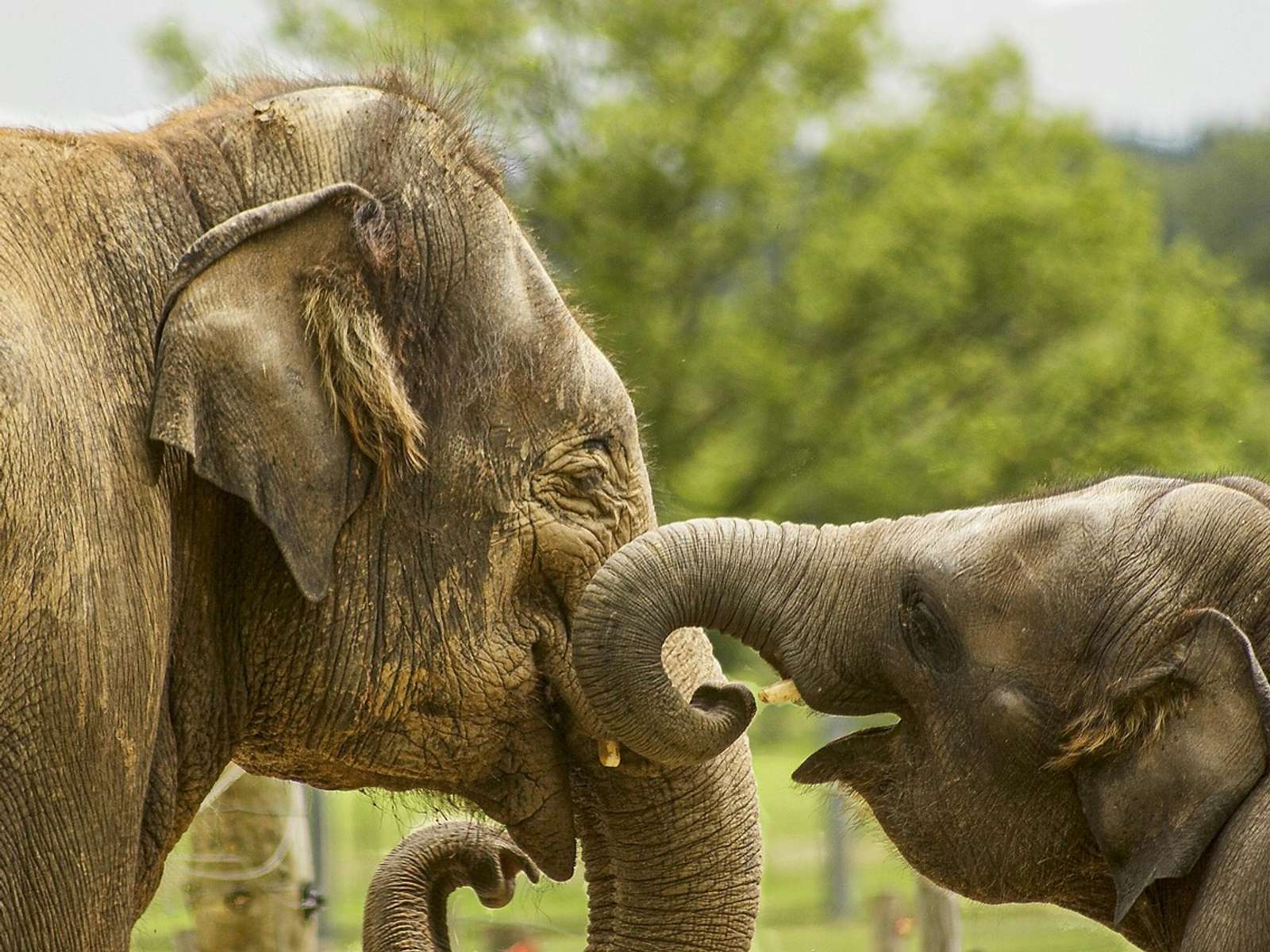
Rescued in 2012 with a ravaged leg and a dislocated hip, the orphan elephant Murera gave birth to a second daughter on 29 October in Kenya's Kibwezi Forest, the Sheldrick Wildlife Trust said. The calf is named Mwezi, Swahili for moon.
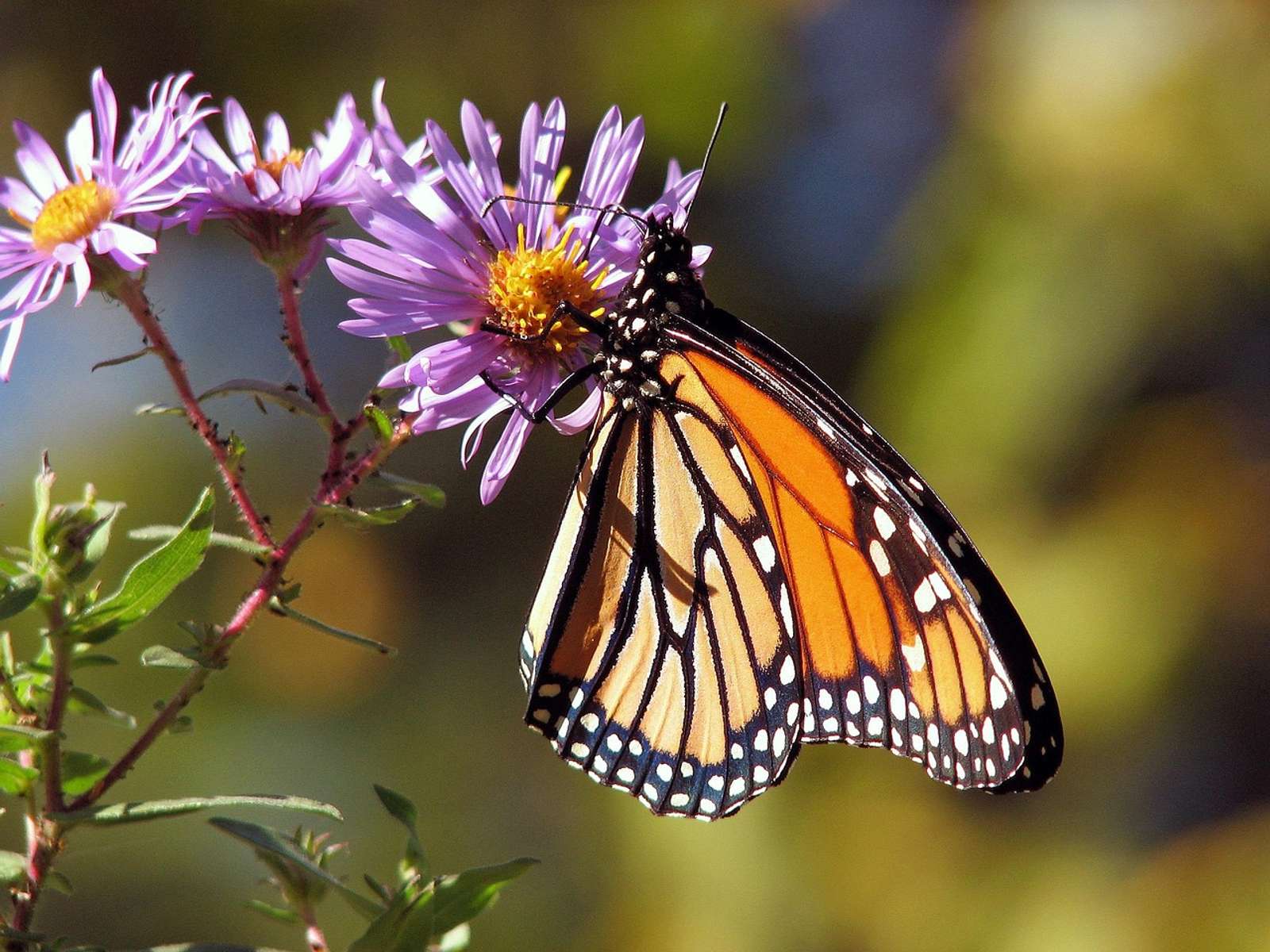
After DNA-barcoding more than 1 million specimens, researchers led by the Natural History Museum of Los Angeles County estimate California has over 60,000 insect species, about one-third undescribed. Nearly every site had its own distinct insect community.
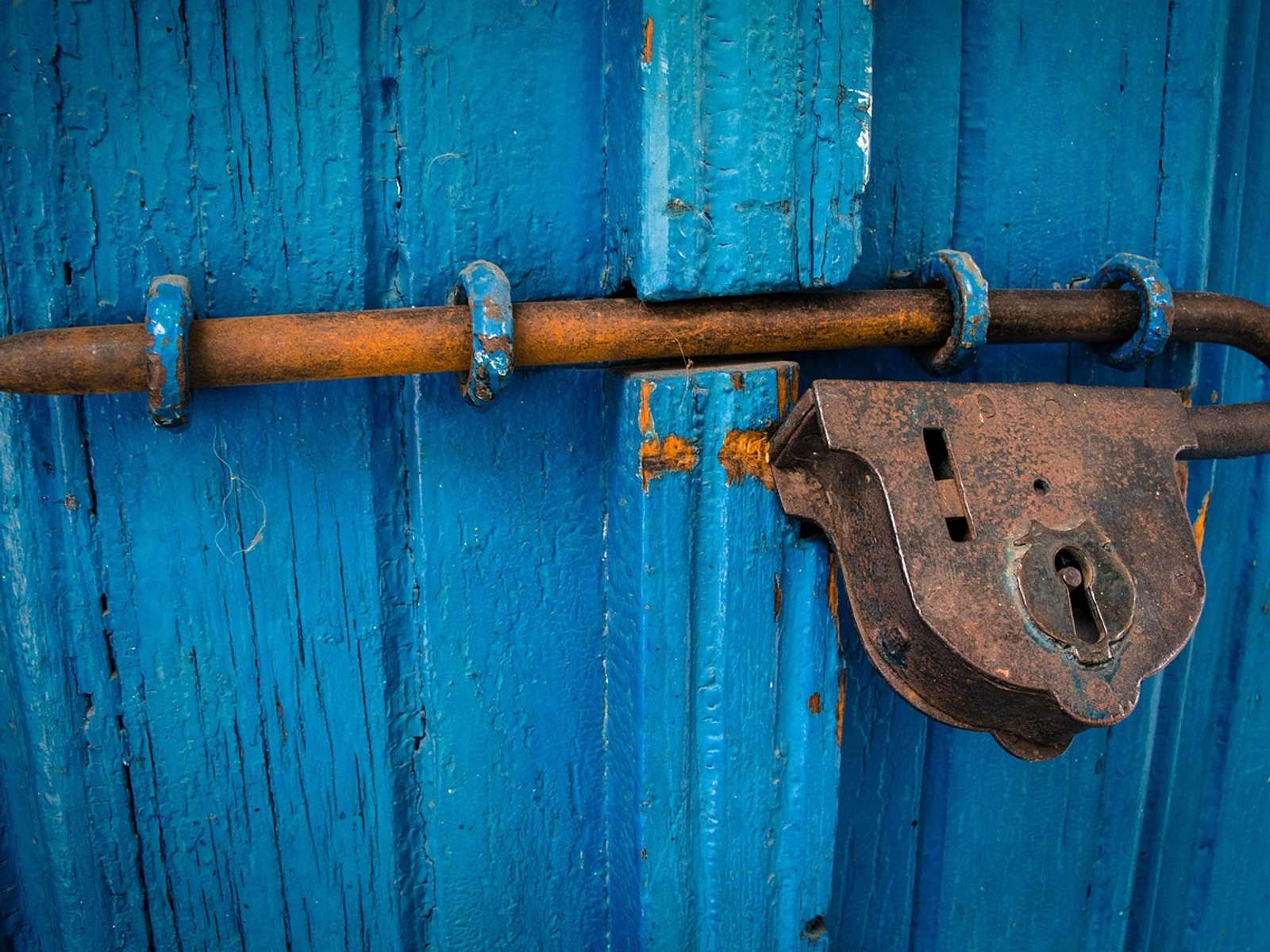
Micro-CT scans revealed the code ANCE on a brass combination lock from the Ann Francis, wrecked off Margam Beach in 1583. Amgueddfa Cymru and Cardiff University worked together on the lock, which had defeated everyone who tried to open it.
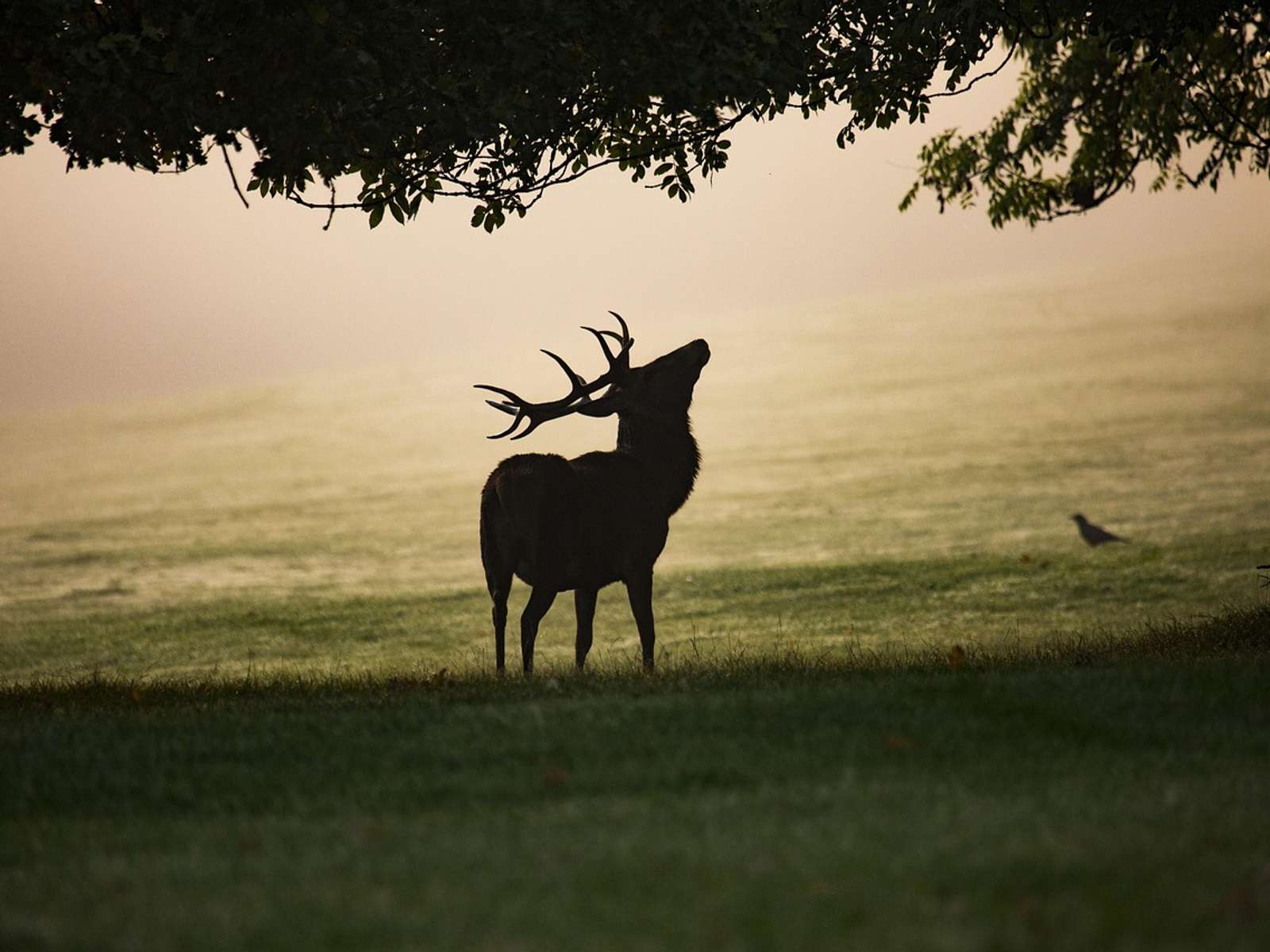
Richard Bischof of the Norwegian University of Life Sciences built bait-lured units that fit a GPS collar on an animal without catching it. The proof of concept worked on red deer and red foxes. Its effects on behavior have not been tested yet.
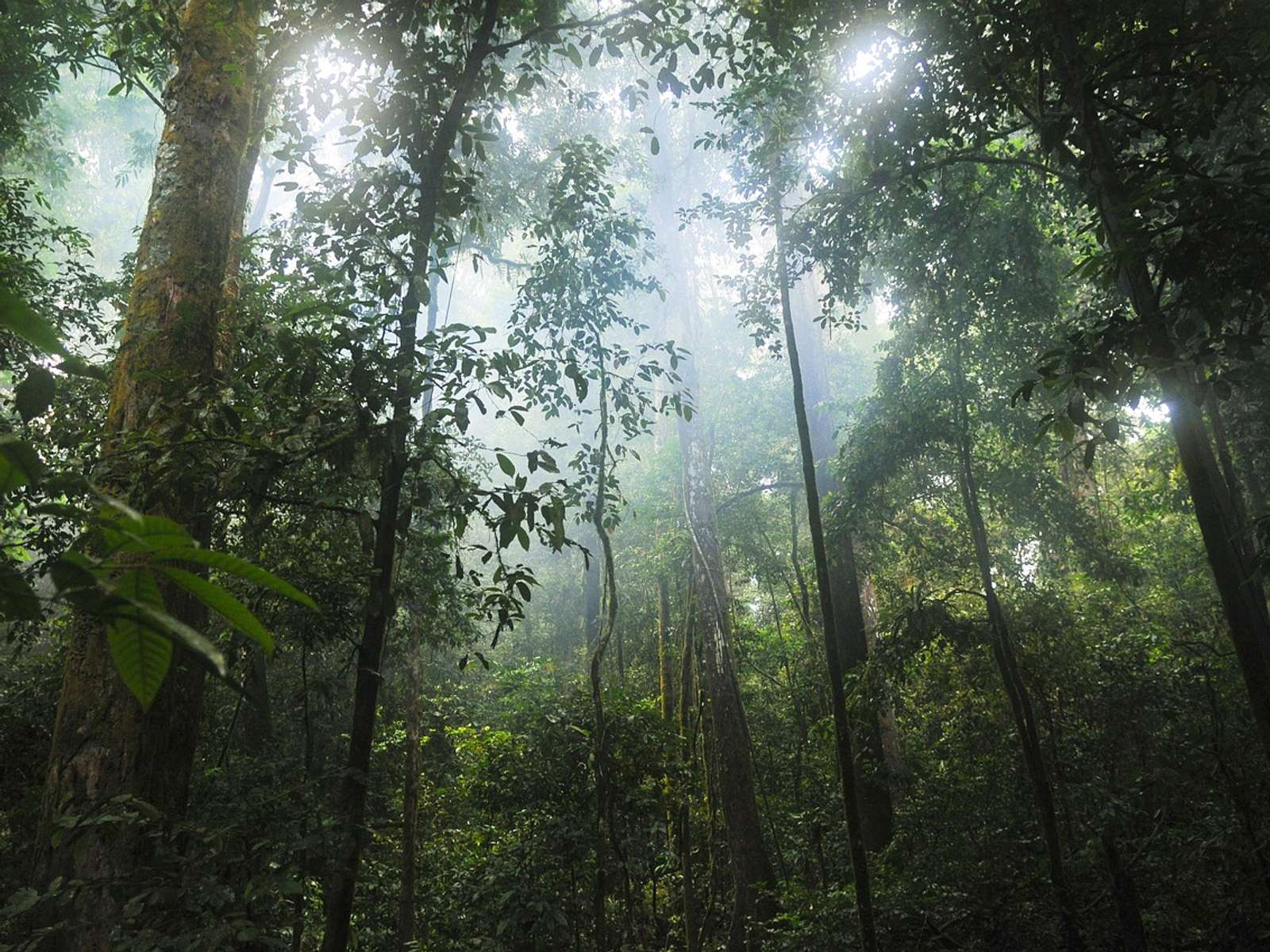
A field team photographed the Ghana cuckooshrike in Taï National Park in June 2026, the first verified record of the West African bird since 2013. The species is on the Search for Lost Birds list, and its forest habitat is fragmented.
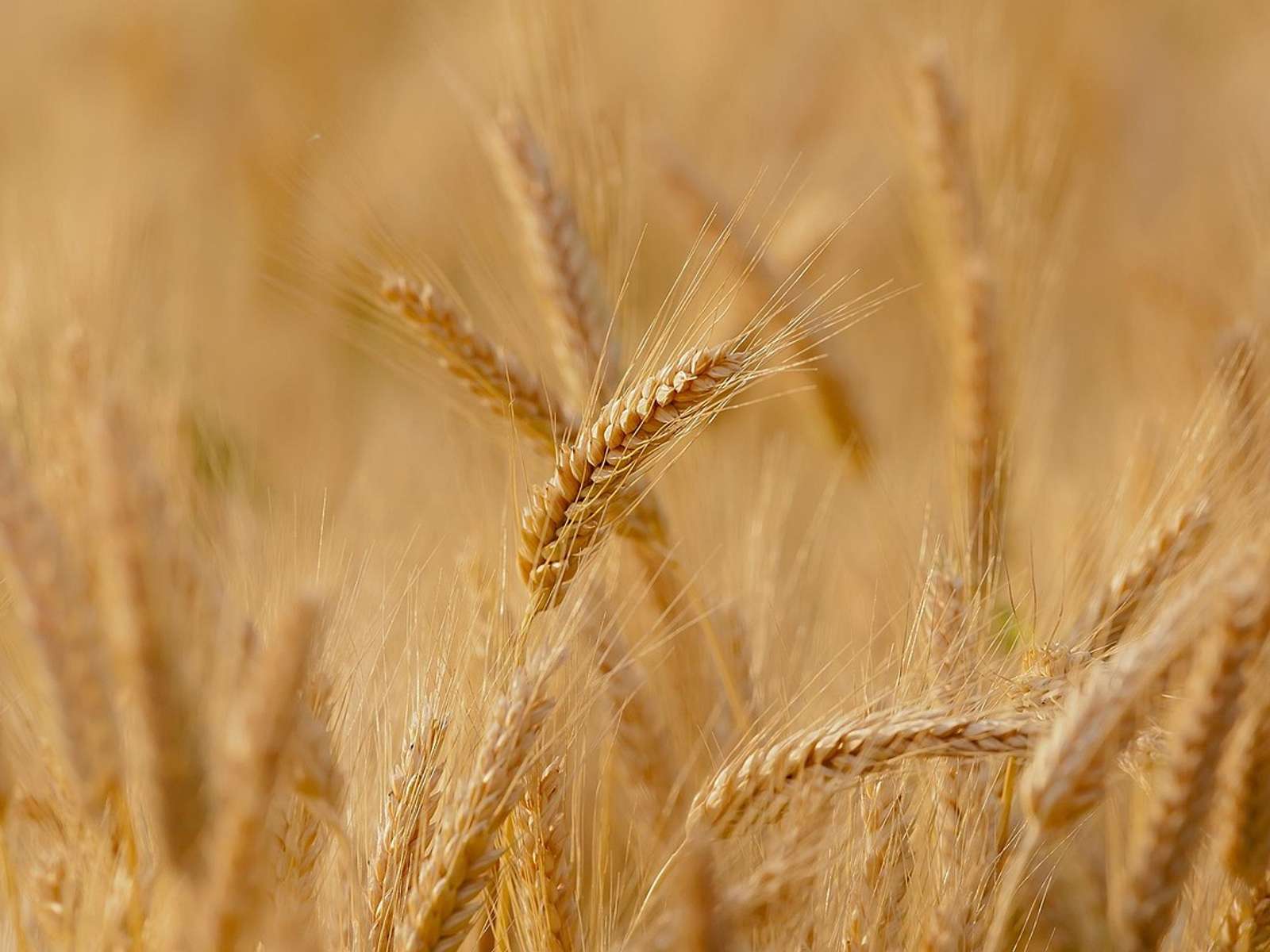
University of Queensland researchers used a robot called the RootBot and drones to track how 36 wheat varieties take up soil water at Gatton. Varieties differed in how much water they used, when, and from what depth, which could help breed drought-tolerant crops.
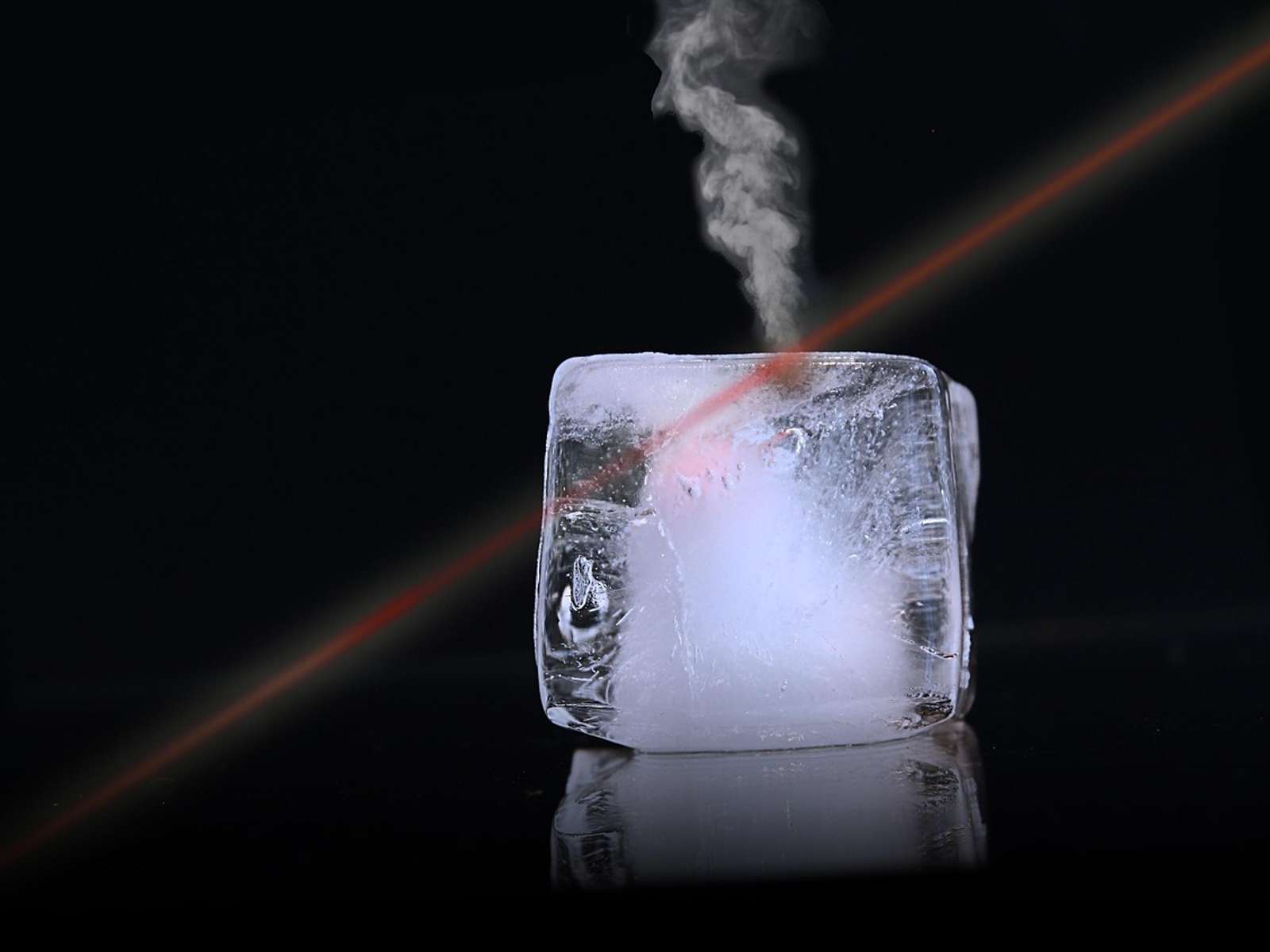
Stanford engineers and colleagues built a photonic chip that takes in mixed, partially coherent light from two or three lasers and sorts it into separate, independent beams. The method could help microscopes and telescopes tell overlapping light sources apart.
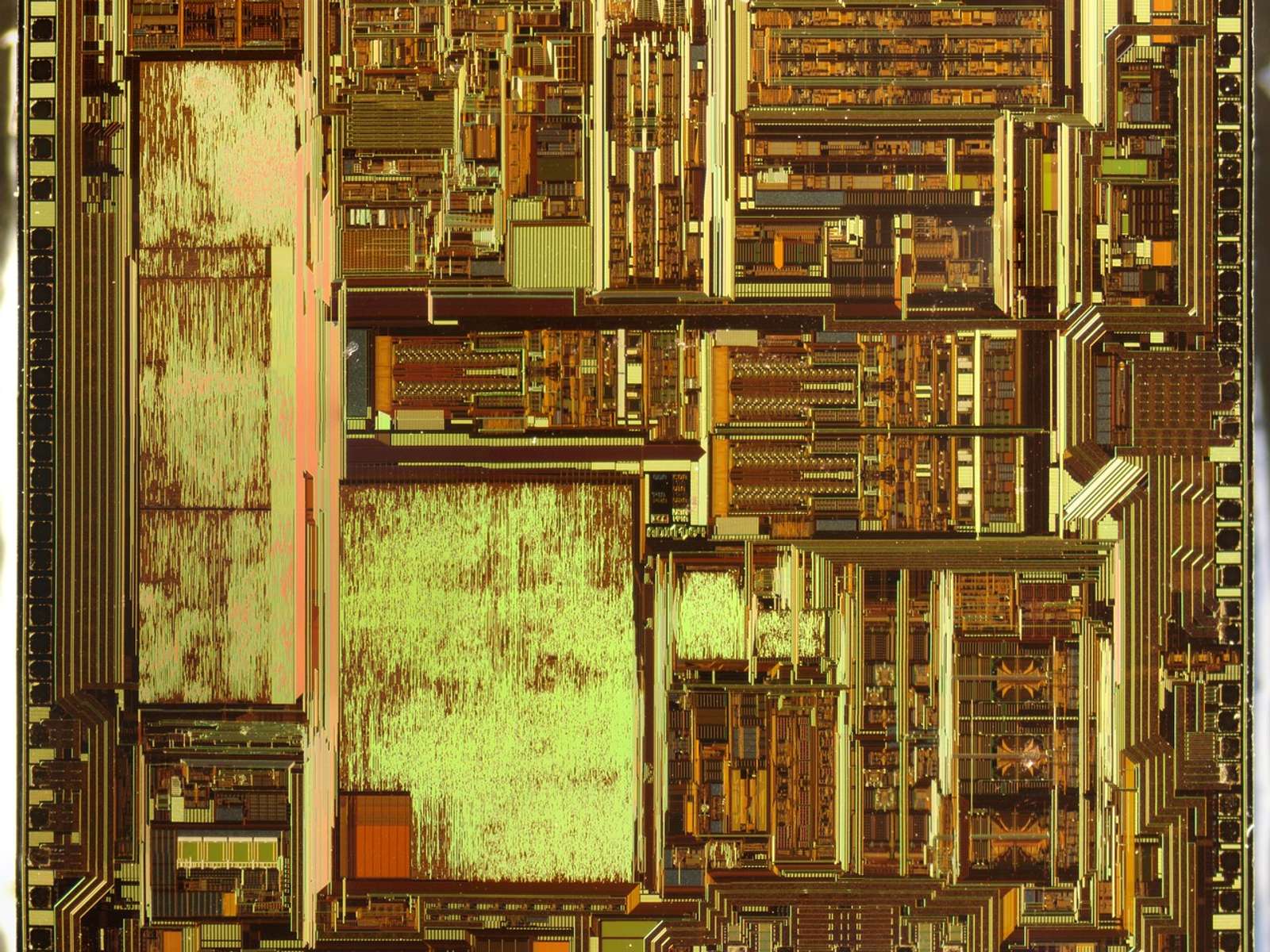
Cornell engineers made a semiconductor from silicon-doped aluminum gallium oxide with a bandgap above 7 electron volts, past the previous record of about 6 eV, and built a first diode and transistor from it, they report in Nature.
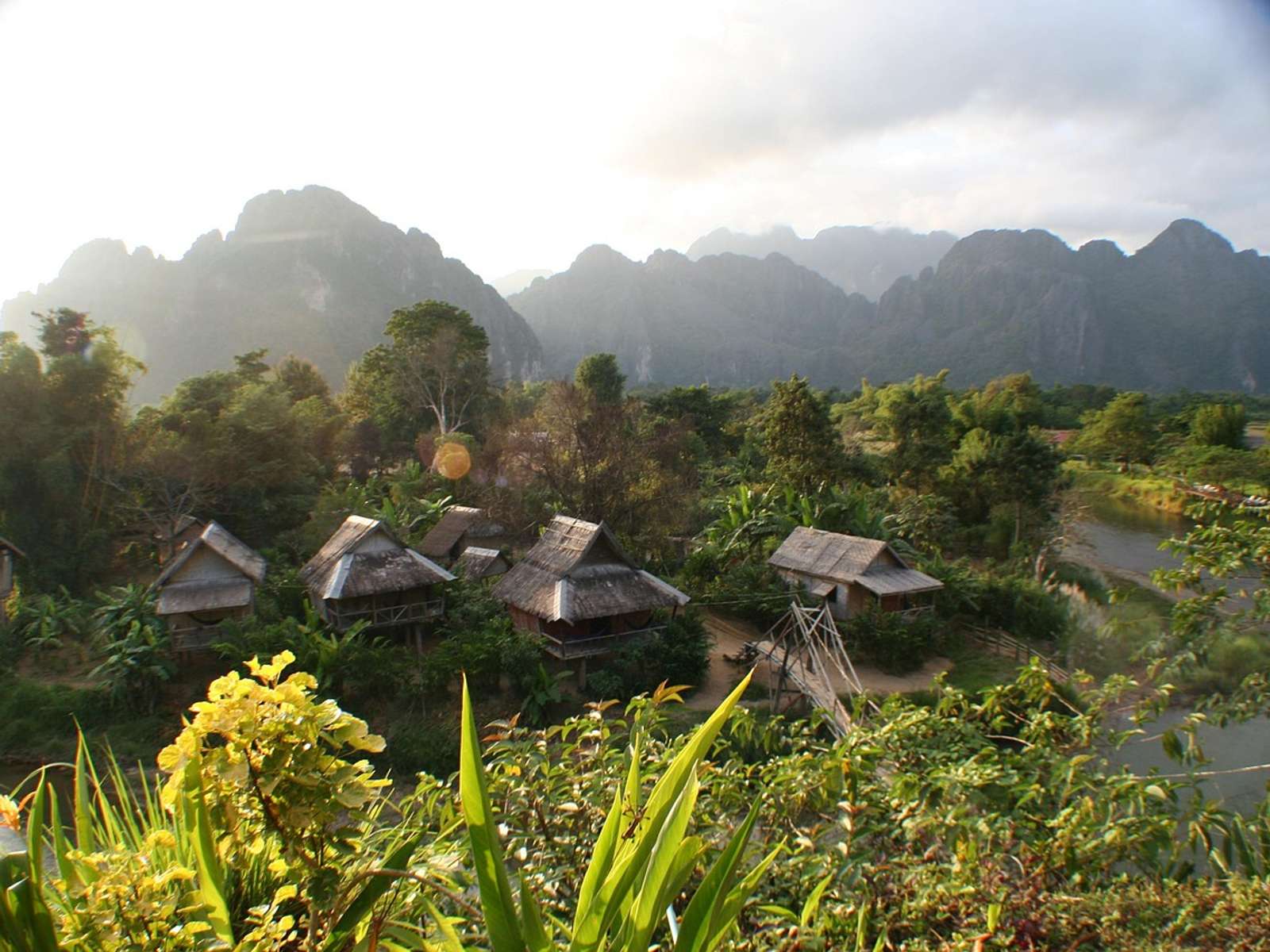
The UK and UNICEF handed 3,500 cartons of ready-to-use therapeutic food to Laos' Ministry of Health in Savannakhet on 2 November, enough to treat about 3,500 children under 5 with severe acute malnutrition in three southern provinces.
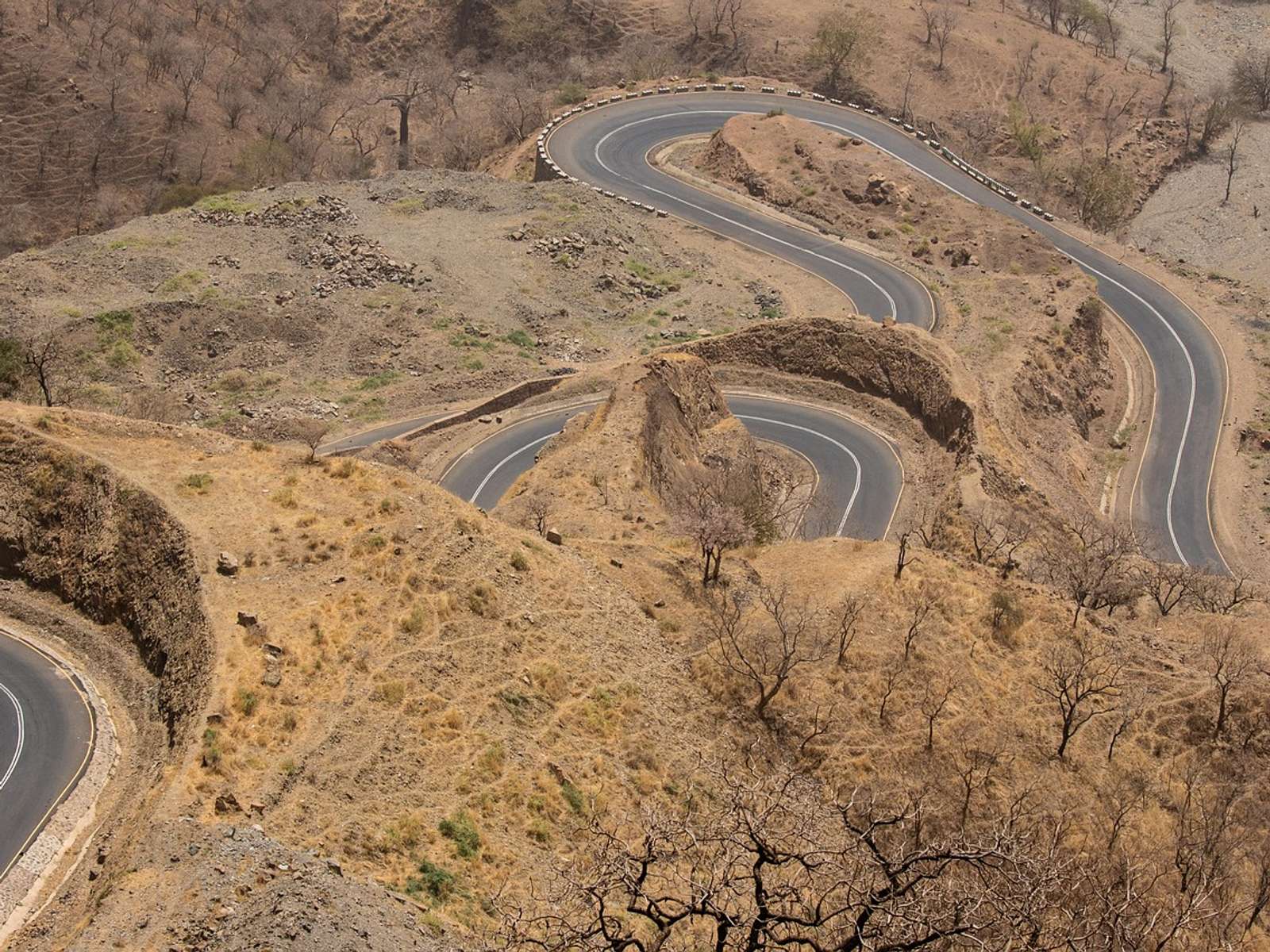
A WeForest project with local communities has restored more than 23,000 hectares of degraded land in Ethiopia's Desa'a forest in Tigray. UNEP named it a World Restoration Flagship on 29 October, Mongabay reported.
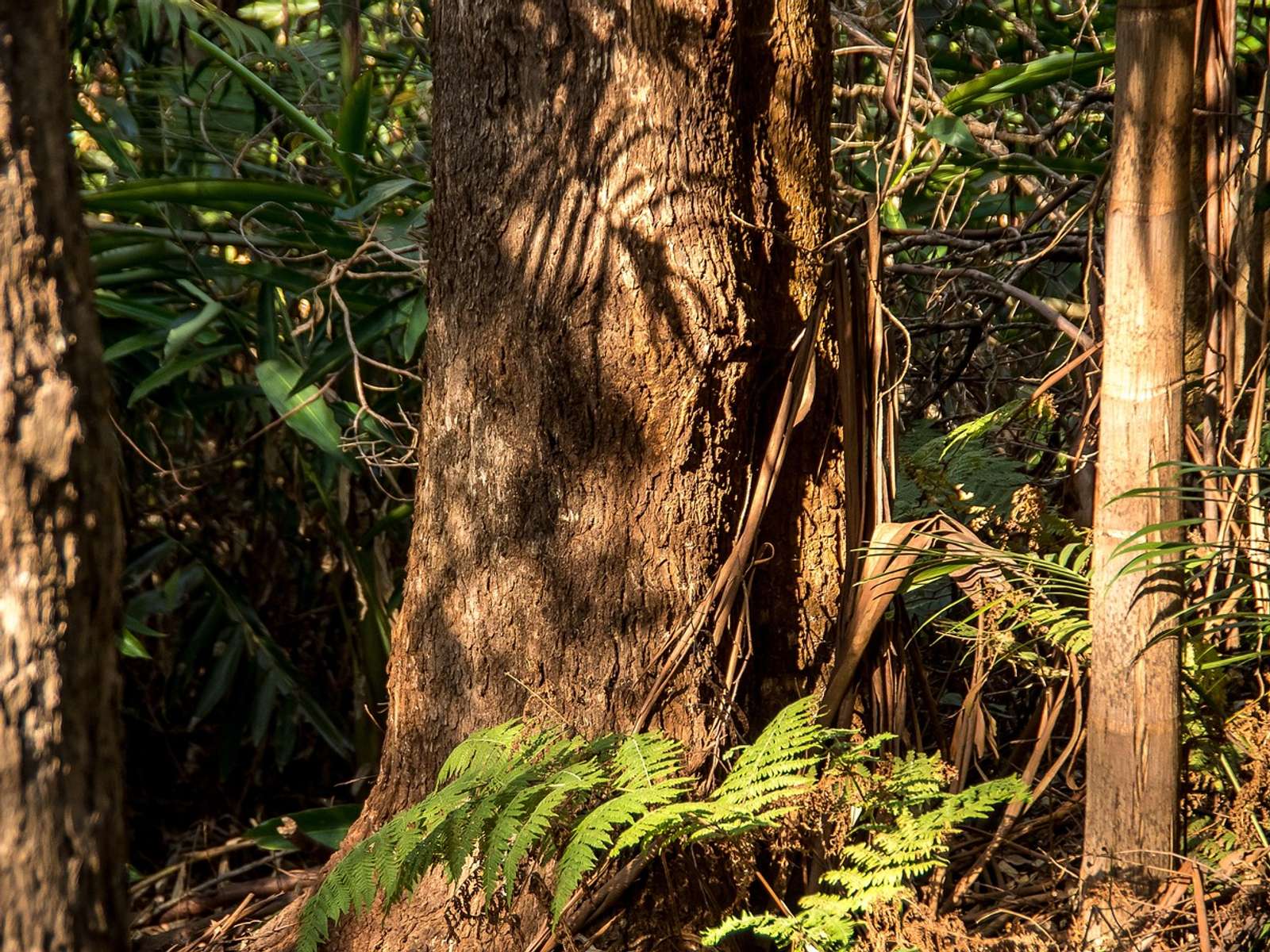
Teacher Nick Lambert found about 50 Bonville leafless orchids in rainforest near Boambee, New South Wales, about 5 km from the only other known site. The critically endangered orchid has no leaves and shows above ground for one to two weeks a year.
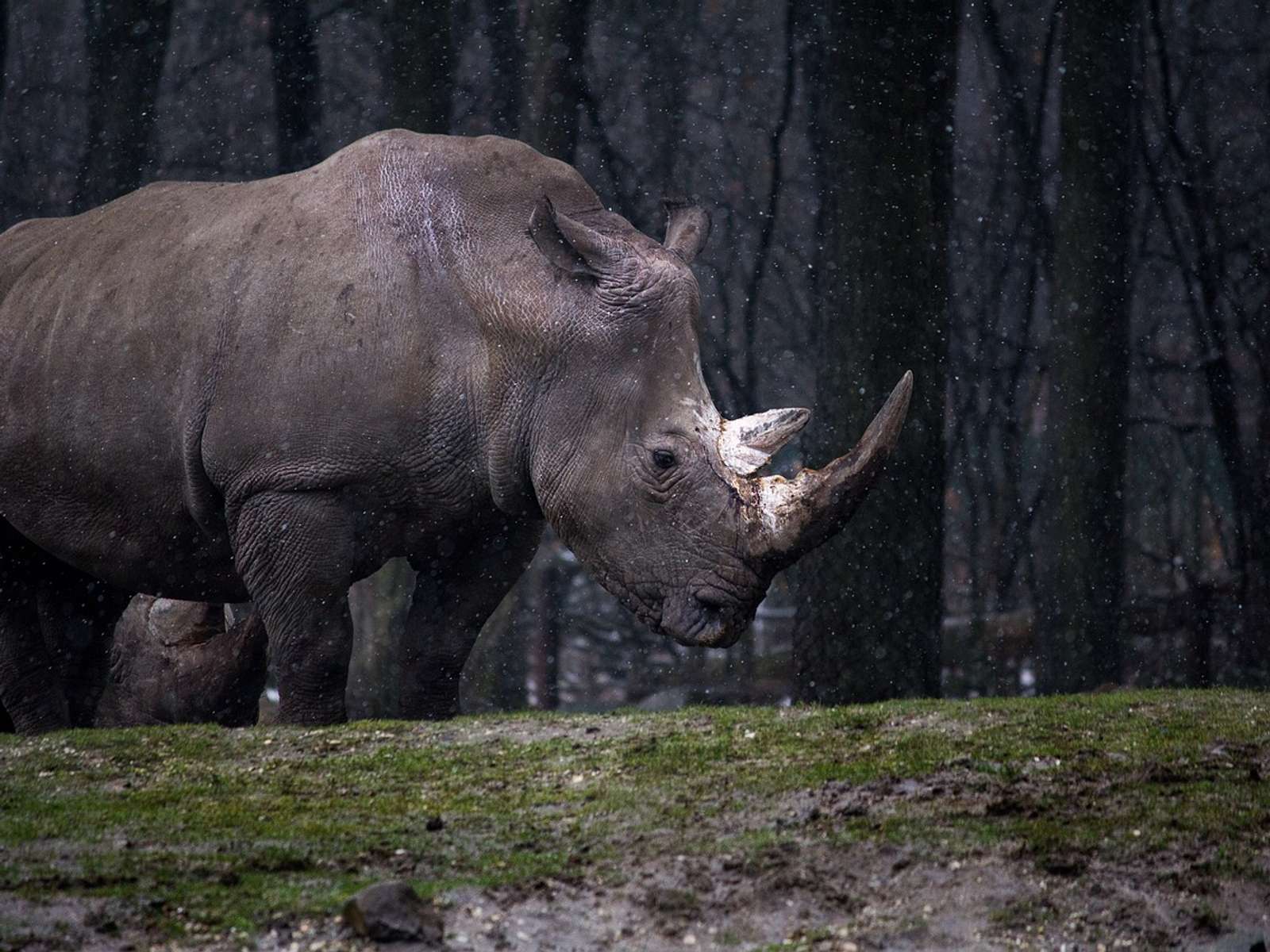
A camera trap in Indonesia's Ujung Kulon National Park recorded a Javan rhino calf about 1 to 2 months old on 10 October. It is the fifth calf of the female Desy, the Ministry of Forestry said. Fewer than 100 Javan rhinos are left.
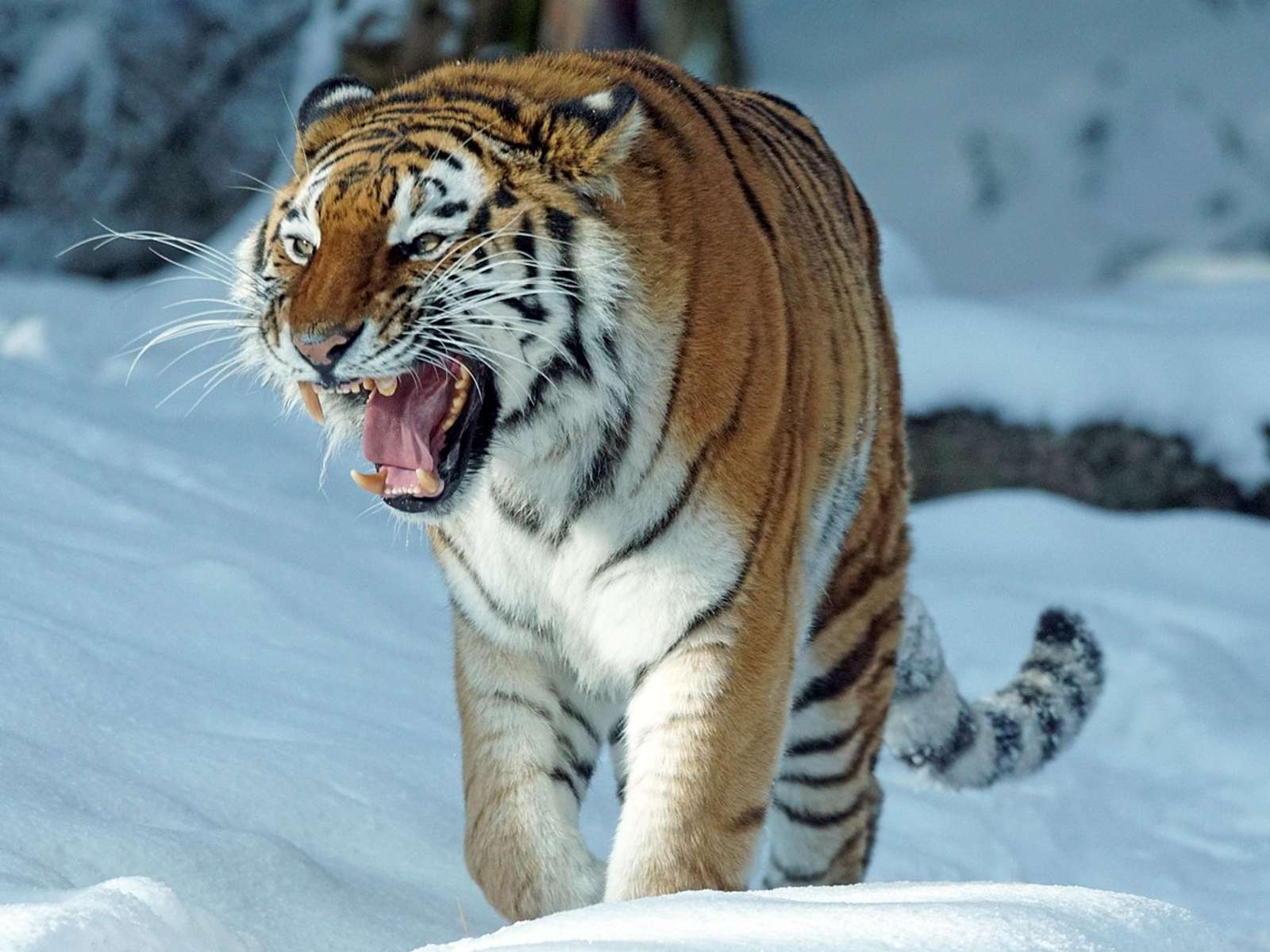
A male Amur tiger named Amur was released into the Ile-Balkhash State Nature Reserve on 31 October, Kazakhstan's ecology ministry said. He follows the tigress Ümit, released in July, in a program to bring tigers back more than 70 years after they disappeared.
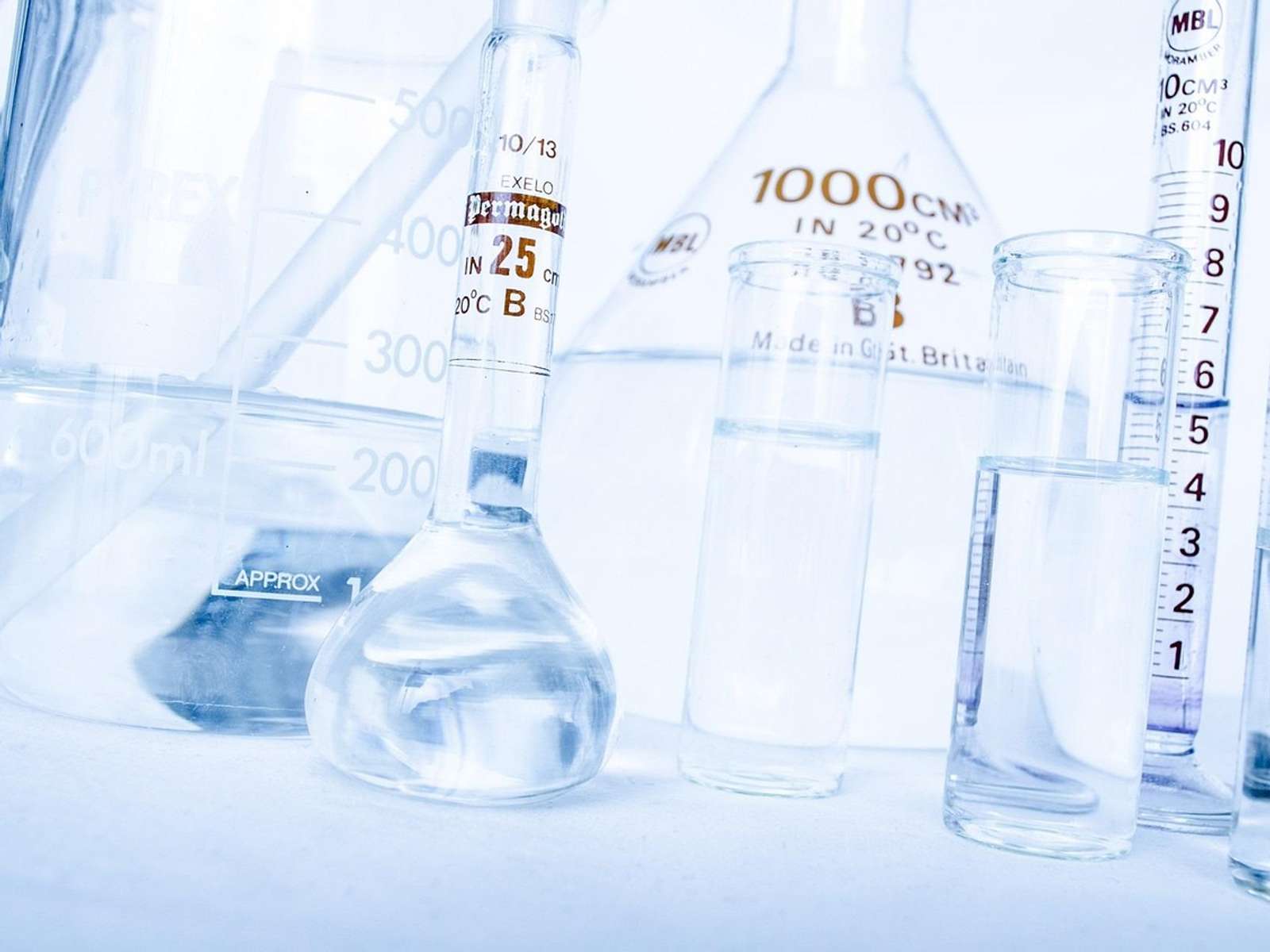
University of Queensland researchers added self-rotating ammonium ions to a membrane's nanochannels. Water flowed about 44% faster, ethanol transport fell by 90%, and separation accuracy improved tenfold, they report in Science.
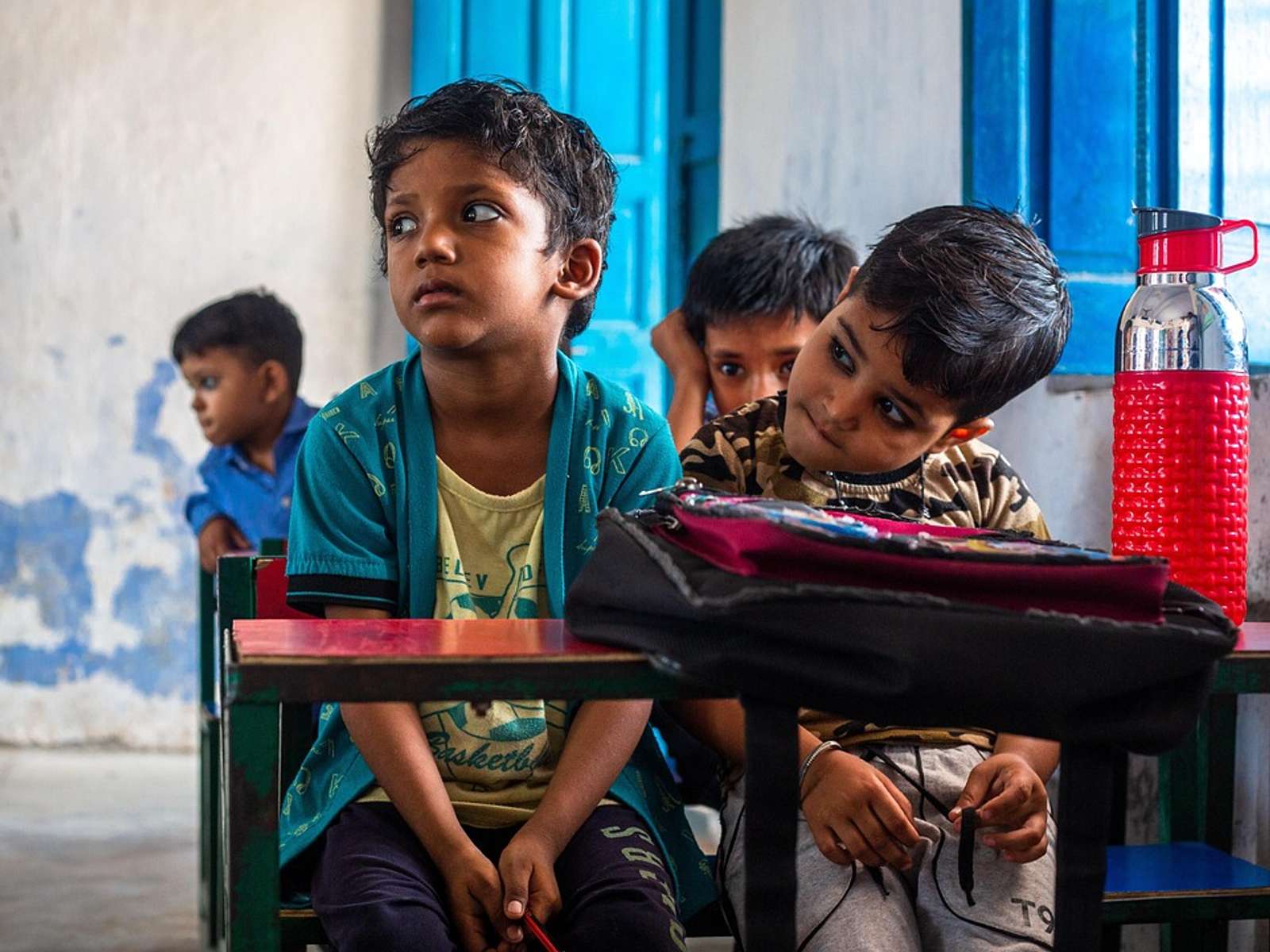
In Nuwakot, Dhading and Chitwan, 110 school health nurses, clinical nurses and teachers completed a two-day WHO-supported training to recognize and support distressed children after the Bhotekoshi floods.
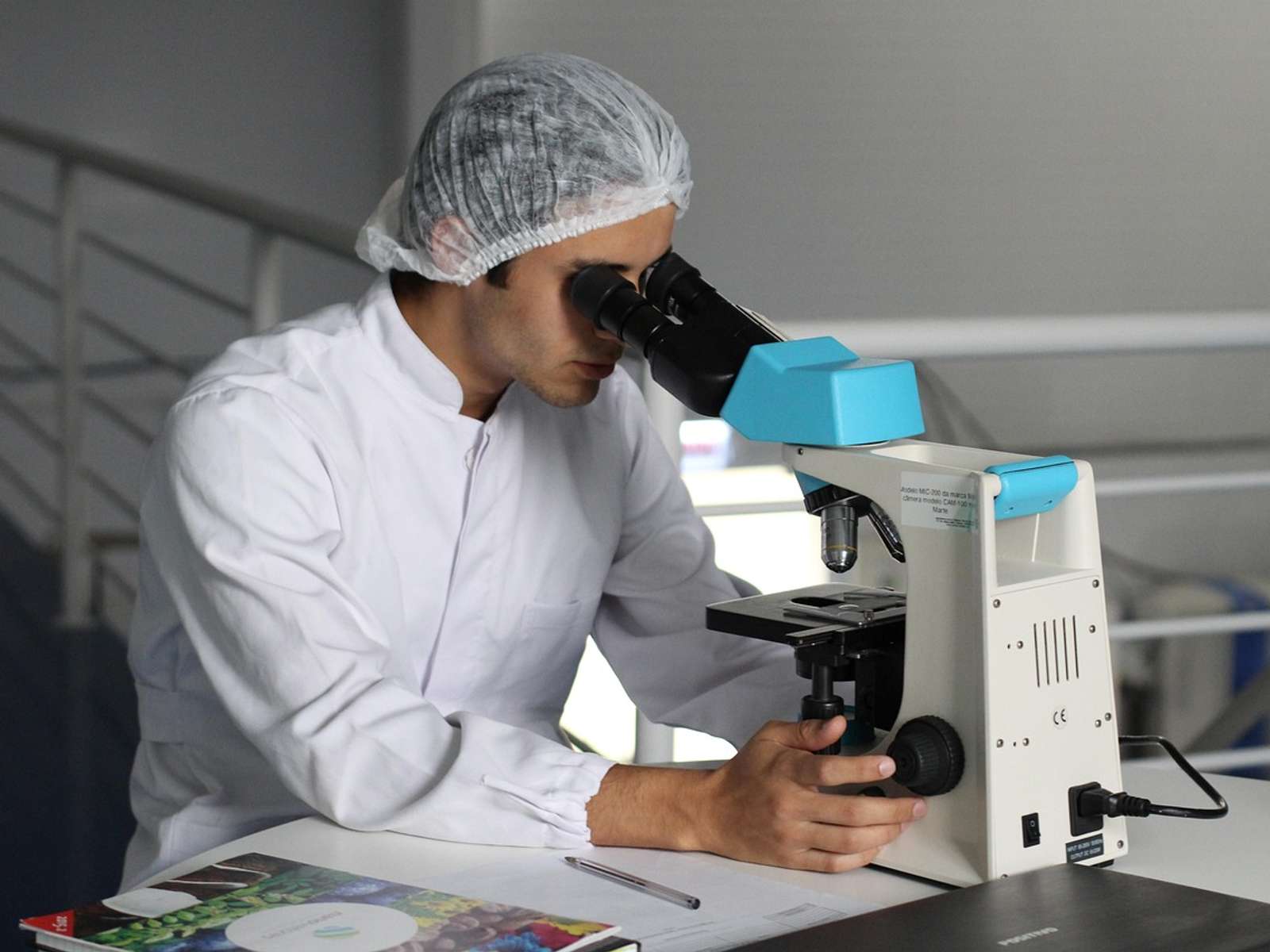
Weill Cornell researchers found that many cancer cells that lost the TNKS1 gene depend on its twin, TNKS2. A compound that blocks TNKS2 slowed those cells in lab dishes without affecting cells with normal TNKS1.
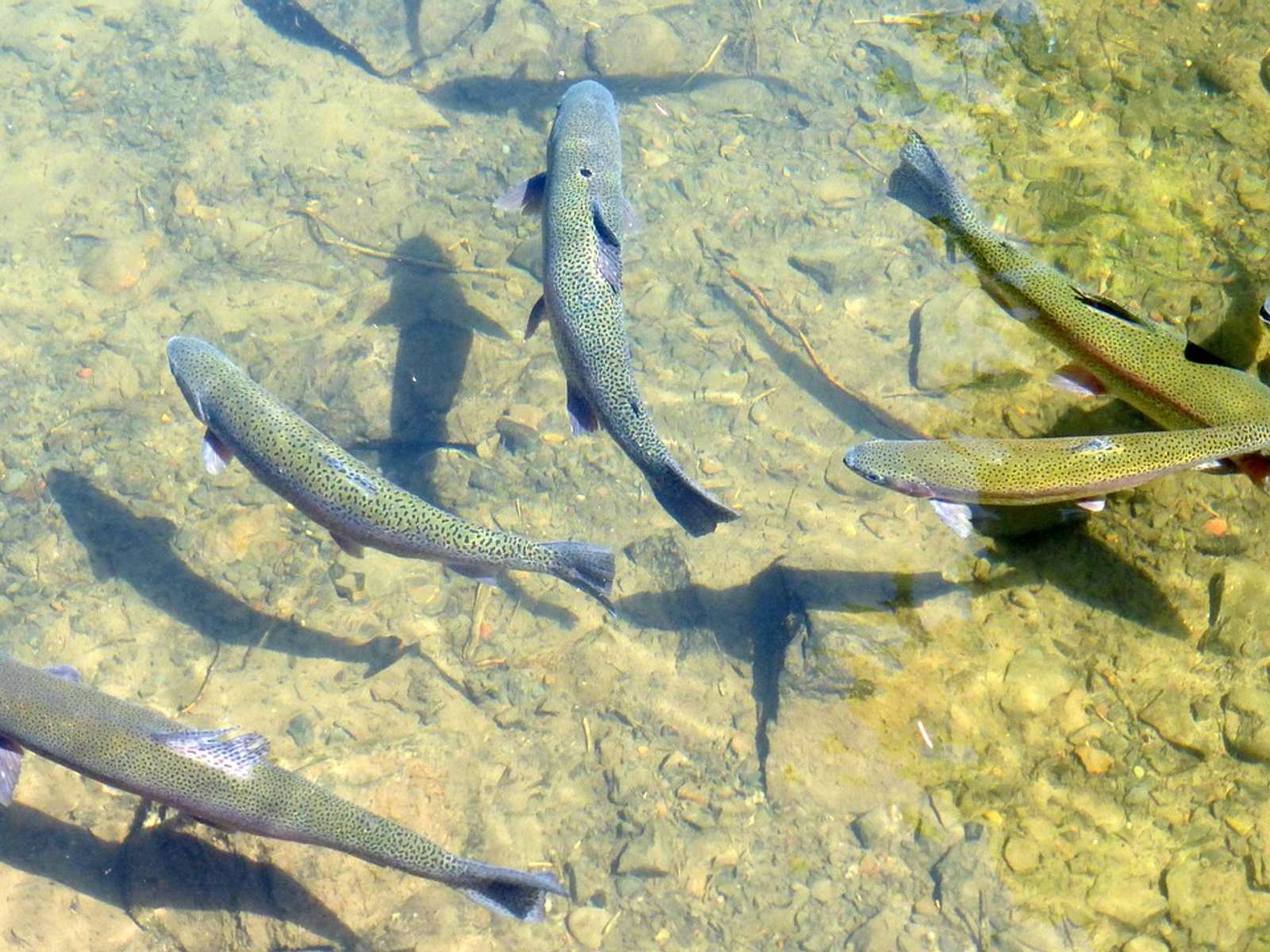
MIT and USDA researchers built food-grade silk microneedles coated in shellac that stick to fish skin underwater, release vaccines and then dissolve. In rainbow trout they worked on fish as small as 1 to 2 grams.
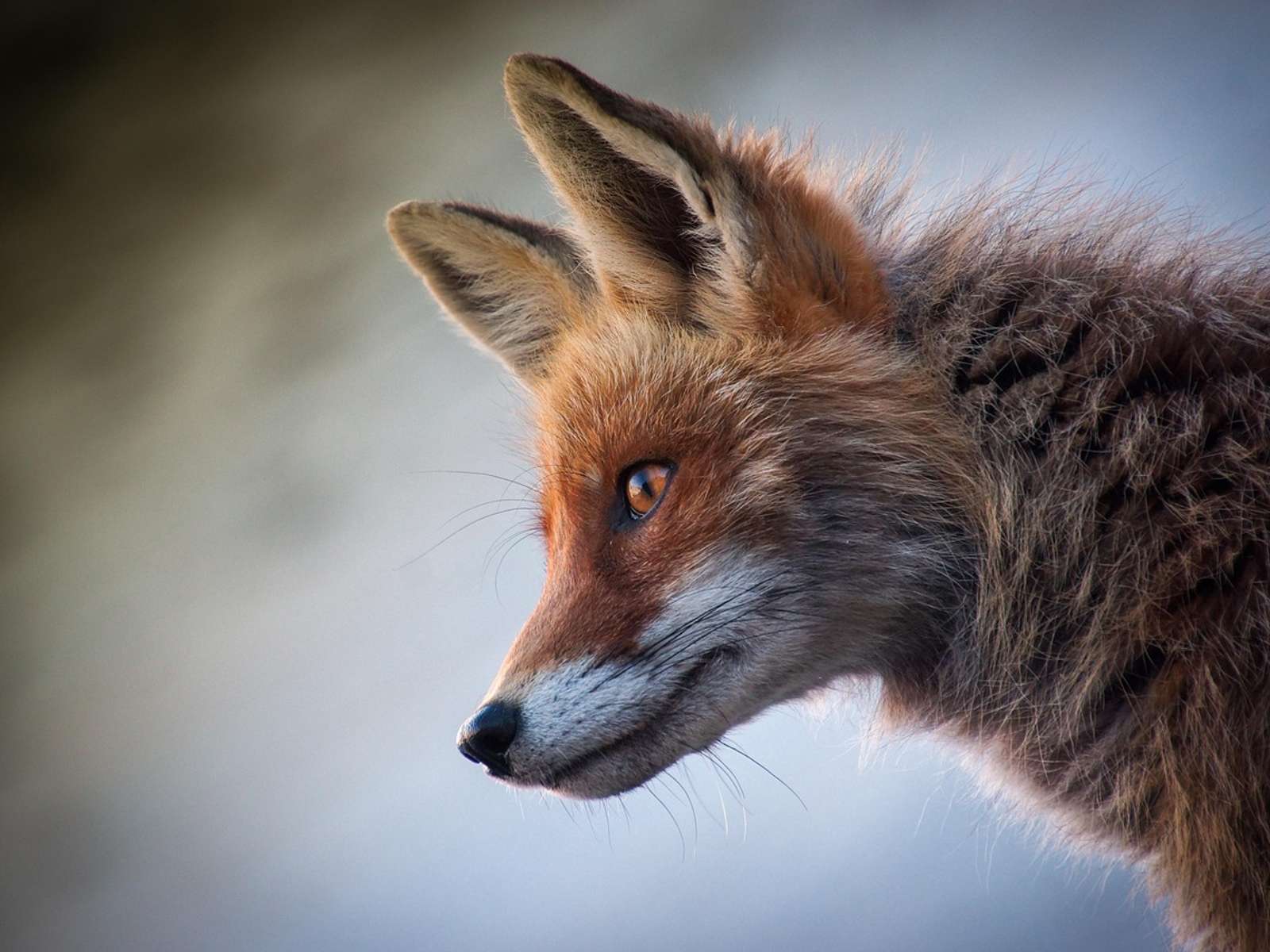
In tame silver foxes from a decades-long Russian breeding experiment, Cornell researchers found fewer estrogen receptor alpha neurons, part of the aggression circuit in mice, in the ventromedial hypothalamus.
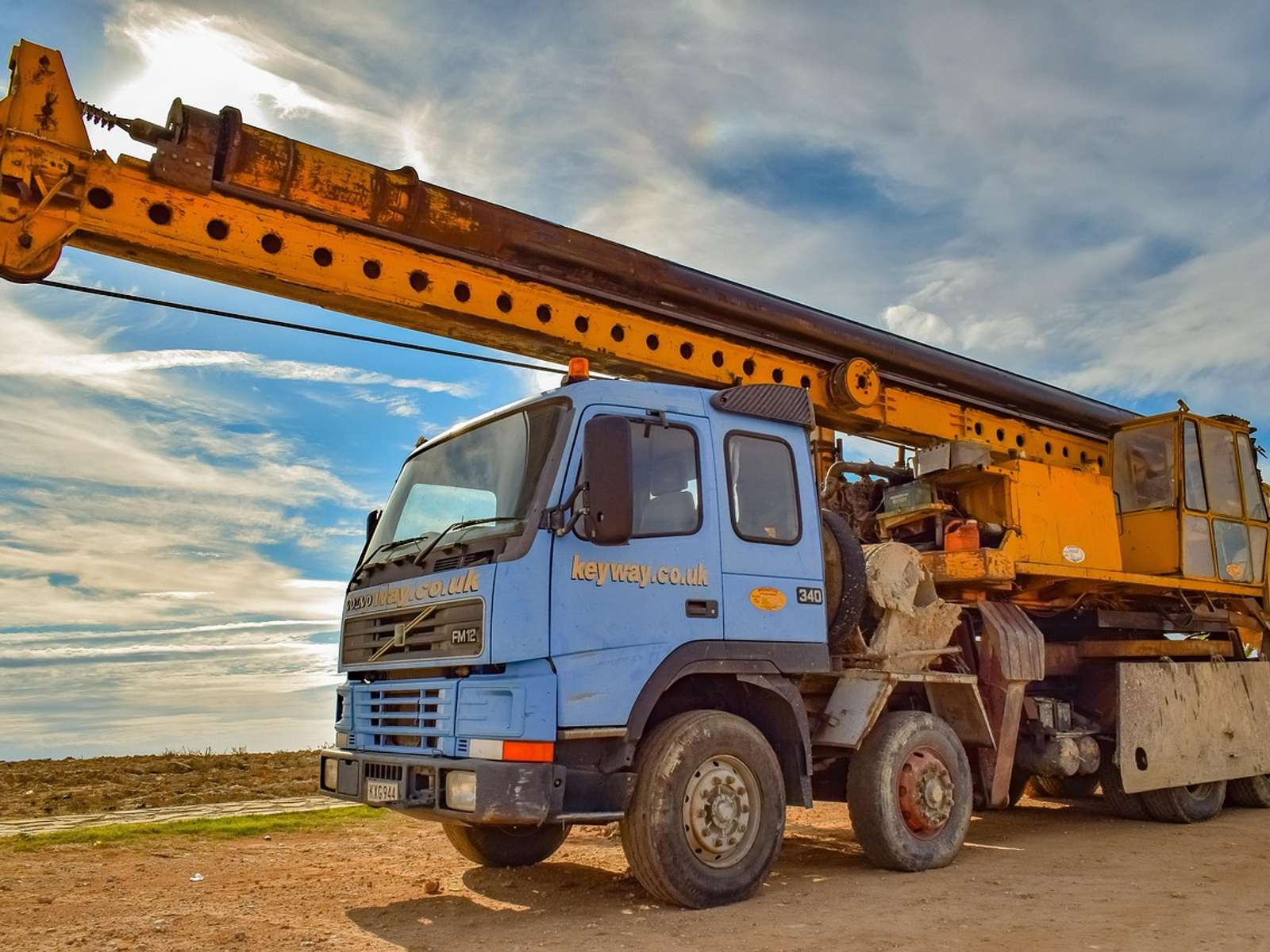
A UNDP groundwater project in Ethiopia's Somali Region drilled 11 high-yield boreholes in 2026, and four water systems now supply 41,112 people, seven schools, three health facilities and 76,618 livestock.
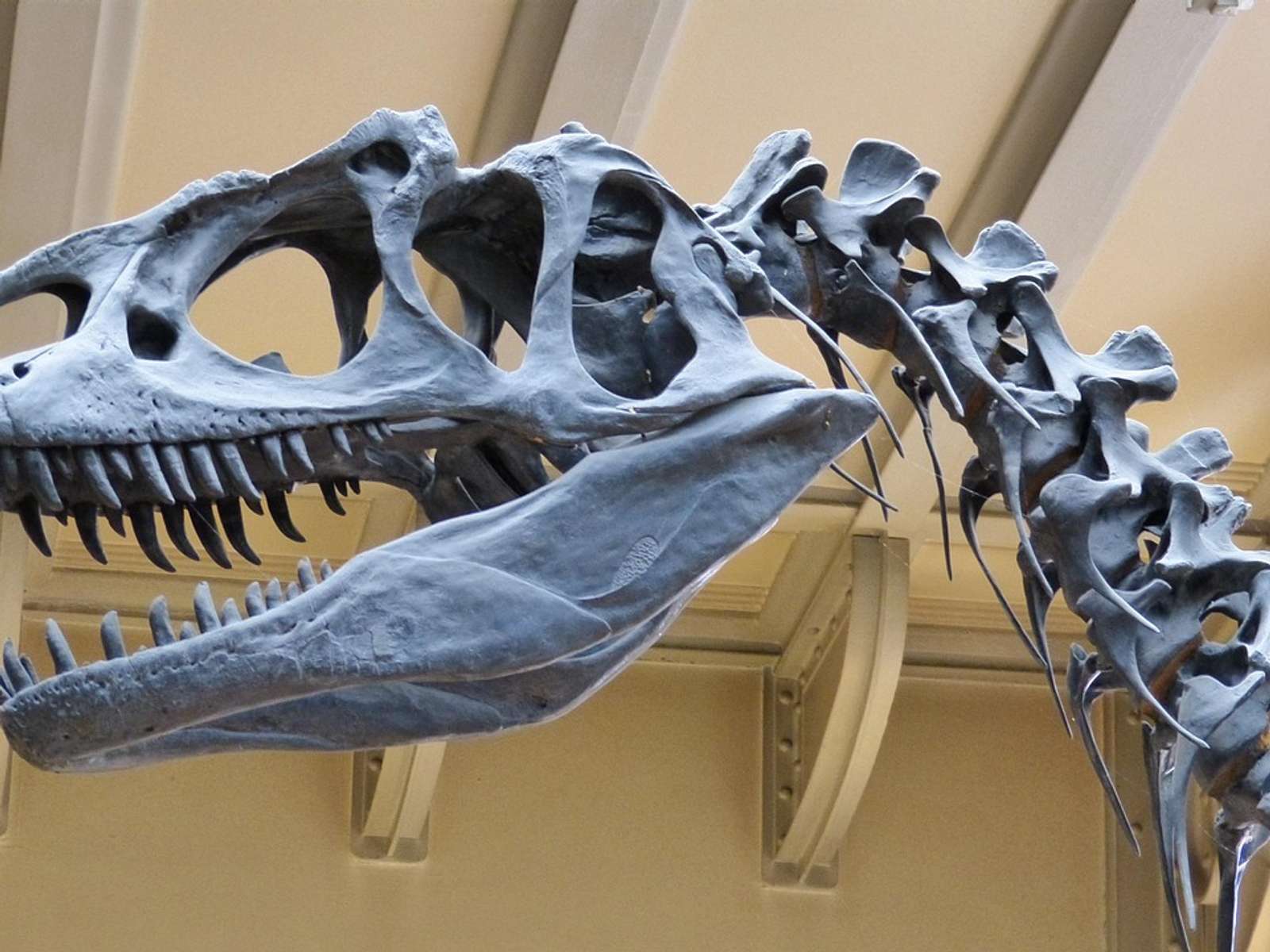
A Curtin University-led team found heme, part of hemoglobin, inside tiny structures in the leg bones of Aratasaurus, a feathered dinosaur from Brazil, and interprets them as mineralized red blood cells. Some experts remain unconvinced.
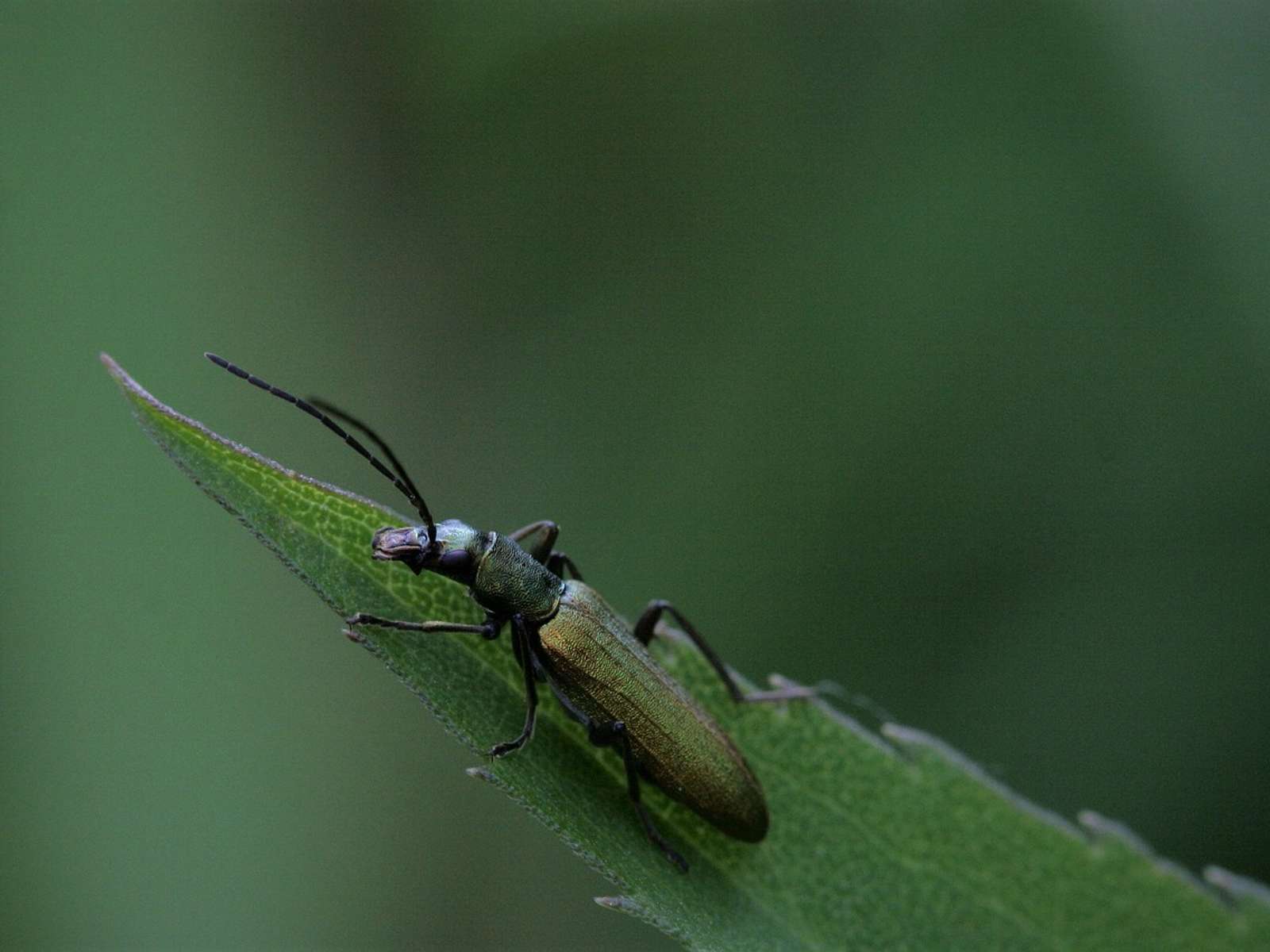
Surveyors found larvae of the short-necked oil beetle at Castlemartin Range in Pembrokeshire, its only site in Wales, after surveys in 2022 and 2025 found only dead adults, Natural Resources Wales said.
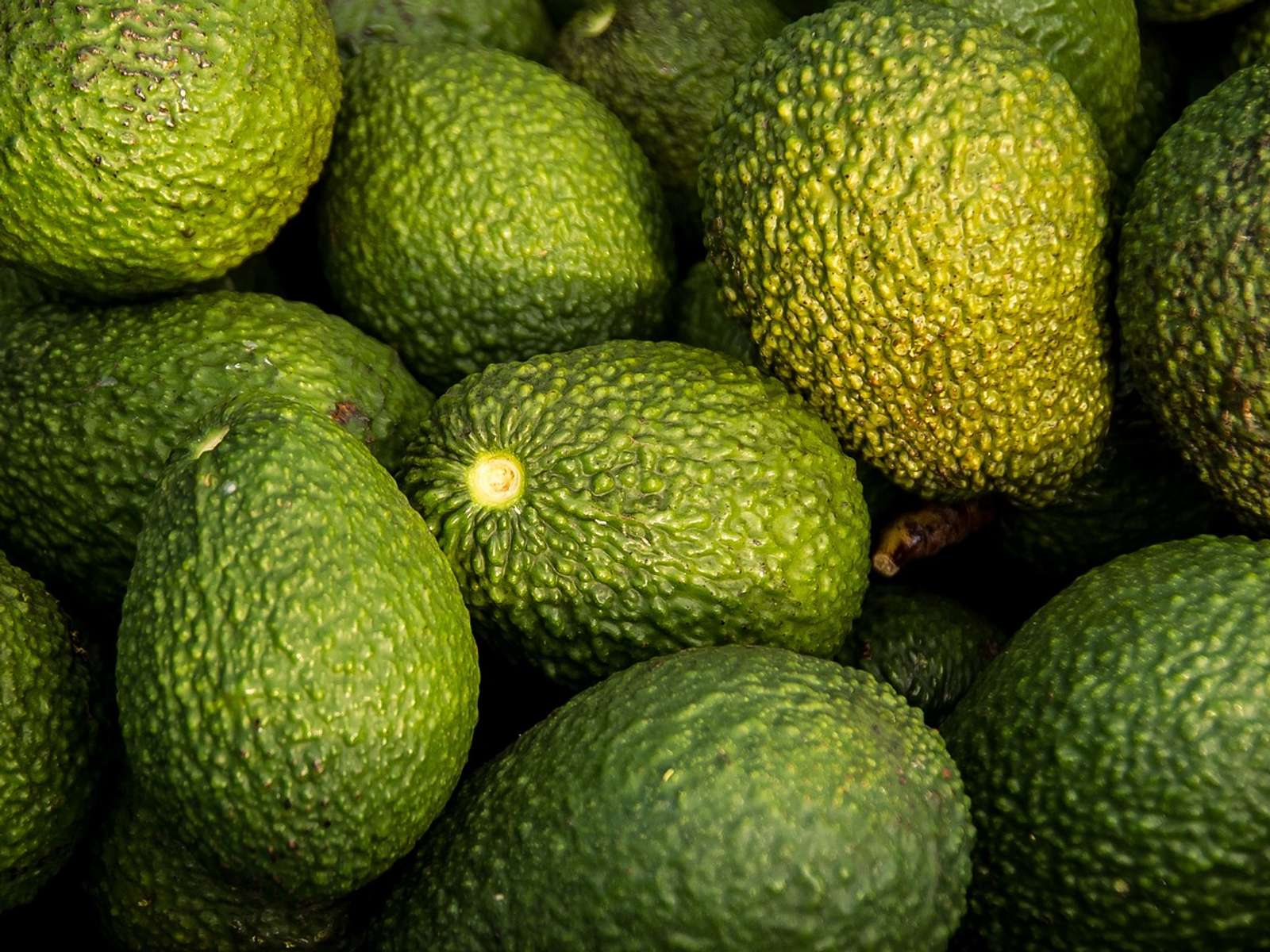
University of Maryland researchers used robots and machine learning to design a biodegradable, bio-based food wrap. Avocados in it stayed fresh for seven days at room temperature, and cucumbers spoiled less than in plastic wrap.
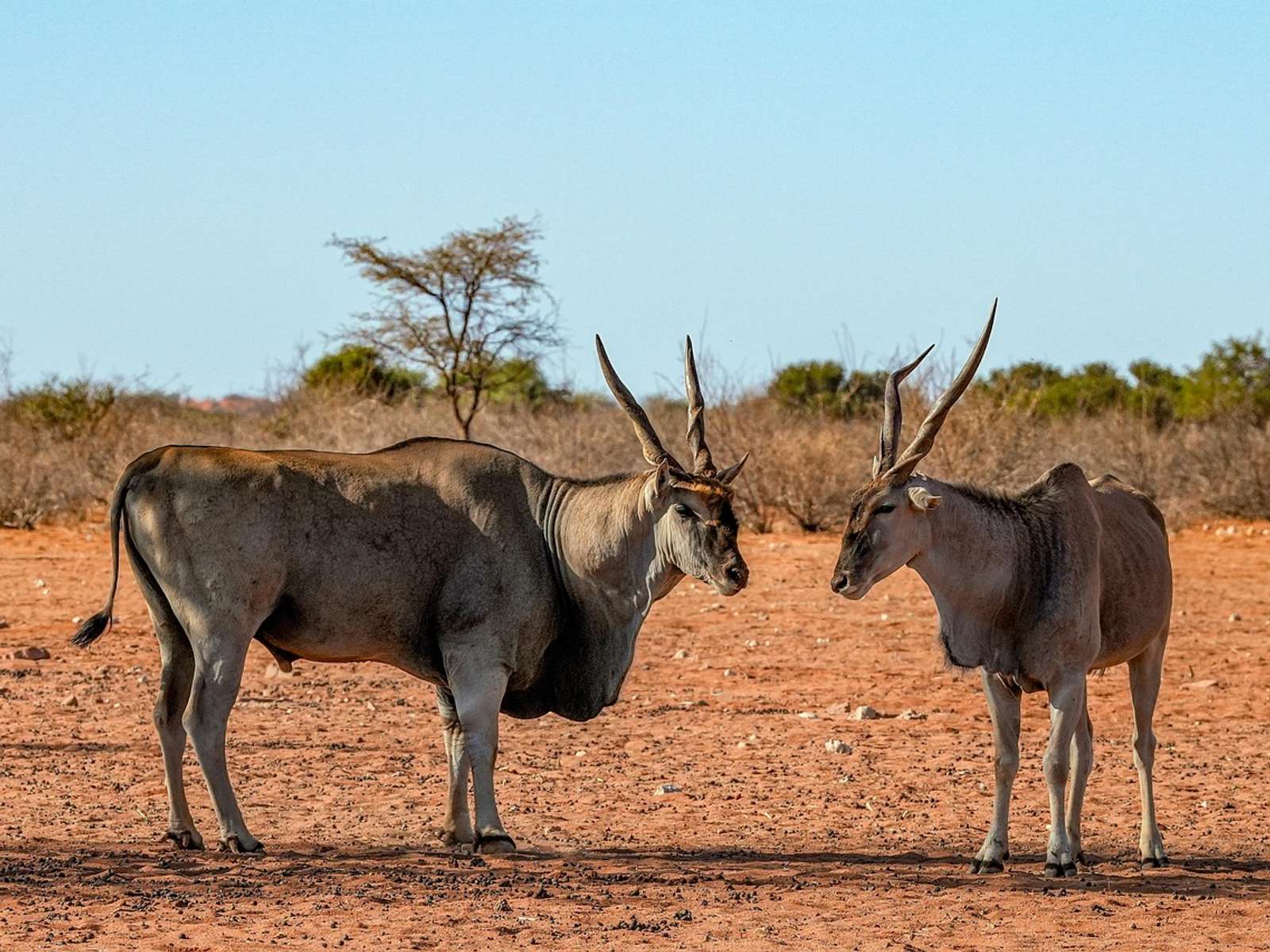
Botswana's government has approved a four-phase roadmap that could let Indigenous San communities return to the Central Kalahari Game Reserve with legally recognized rights, Mongabay reports. Key questions remain open.
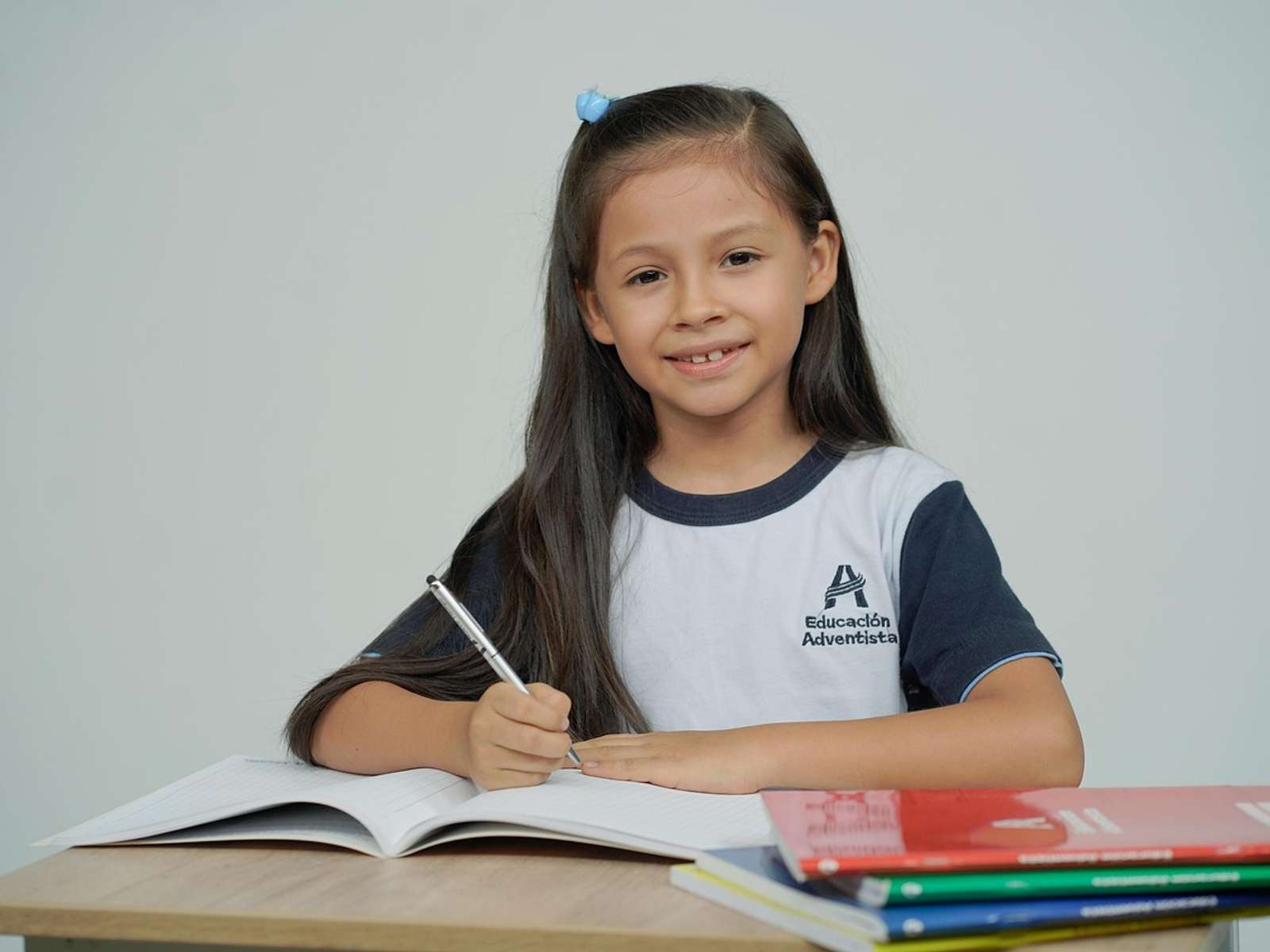
Hiba, 14, was out of school for five years because of insecurity and war in Sudan. Now she studies at an accelerated learning centre in Goz El Salam camp in Kosti, run by UNICEF with the White Nile State education ministry.

Five years after launch, NASA's Lucy has reached the swarm of Trojan asteroids that leads Jupiter around the Sun, the first spacecraft to enter the region. Its first asteroid flyby, of Eurybates, is set for 11 August 2027.
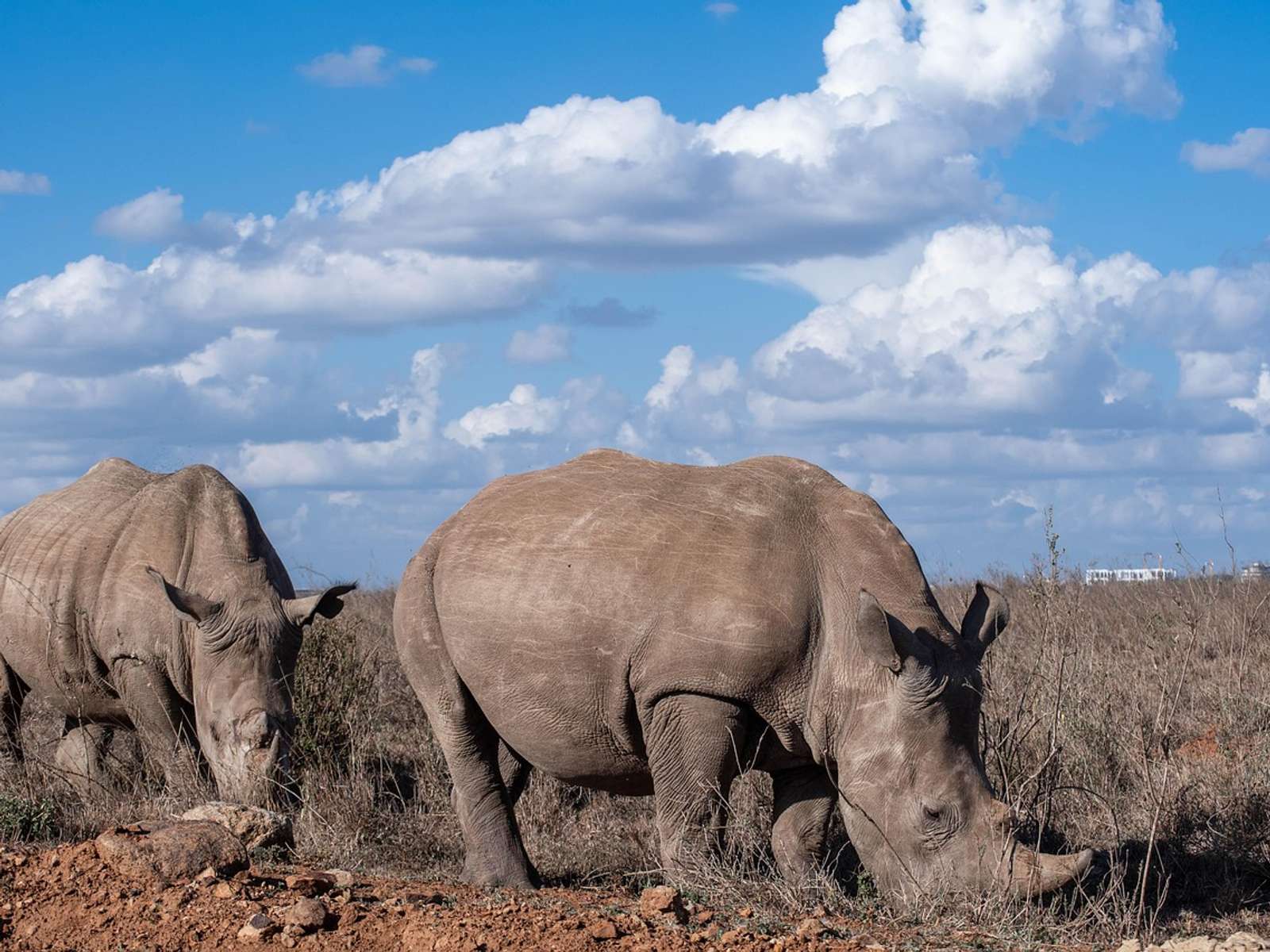
The final fence of the expanded Tsavo West Rhino Sanctuary came down in September, opening about 3,200 square kilometers to black rhinos, roughly 30 times more space, the Kenya Rhino Range Expansion initiative and San Diego Zoo Wildlife Alliance said.

A wool spinning enterprise started by Bin Maya Gurung in Naya Padampur, outside Chitwan National Park, now supports about 600 women locally and 300 elsewhere in Nepal, giving families income that doesn't depend on the forest, Mongabay reports.
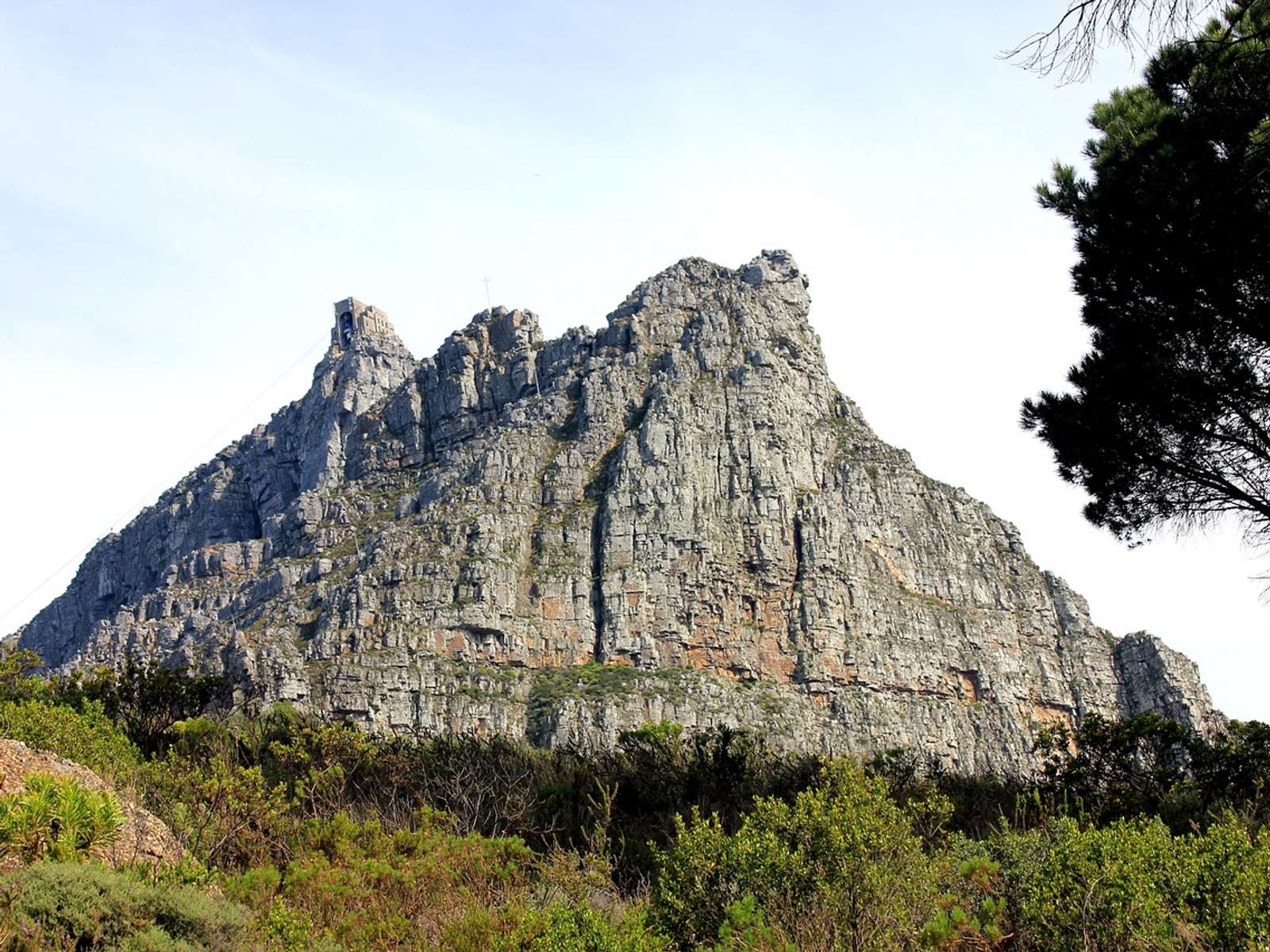
Between 23 and 25 October, 23 volunteers flown into the Boosmansbos Wilderness Area cut 5,334 invasive pines across 904 hectares, in a HeliHack operation with CapeNature ahead of a fire season forecast to be risky.
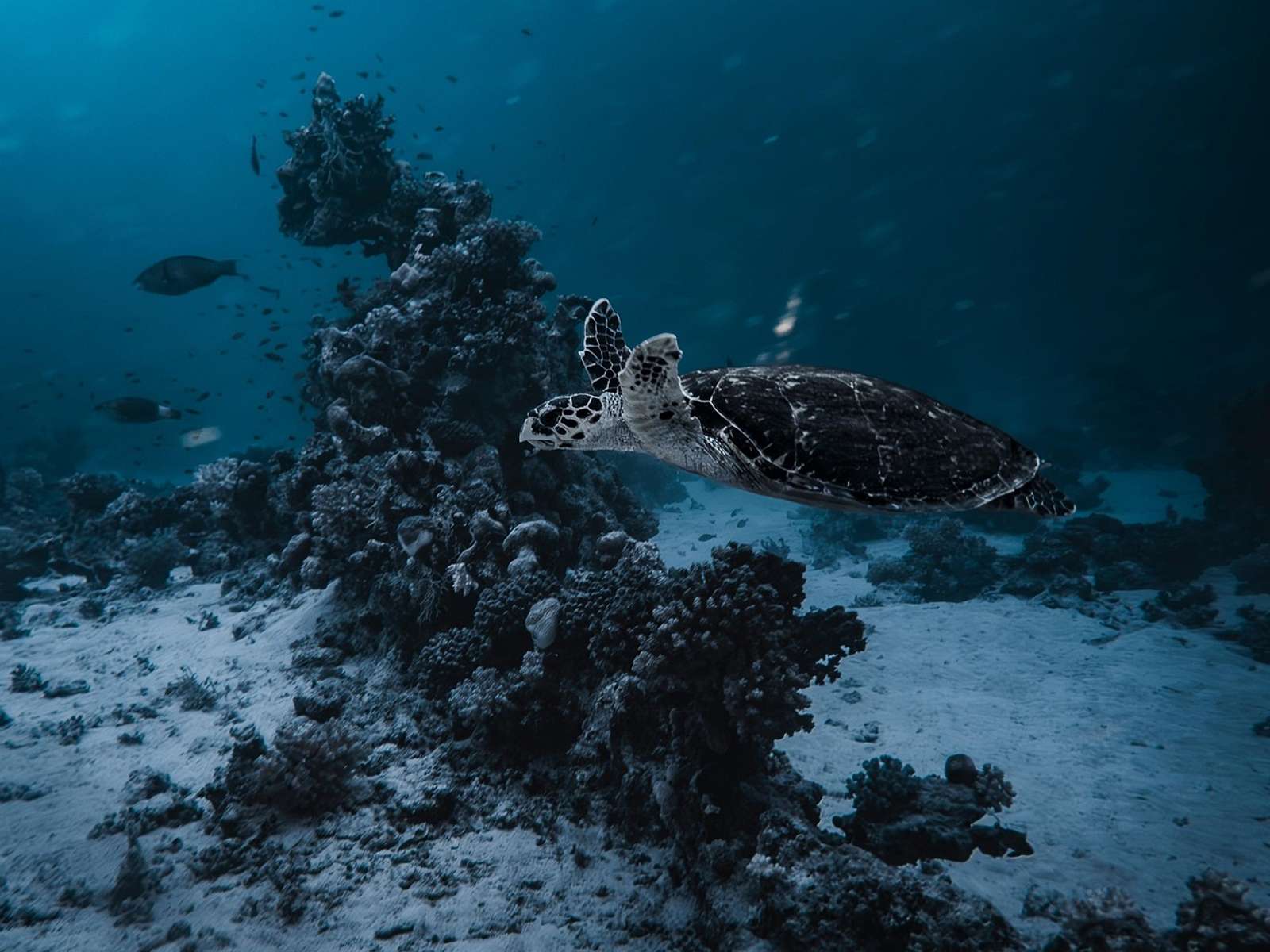
A cold-stunned Kemp's ridley sea turtle with a hypoxic brain injury improved after hyperbaric oxygen sessions and was released on Cape Cod, the New England Aquarium says, the first documented success of its kind.
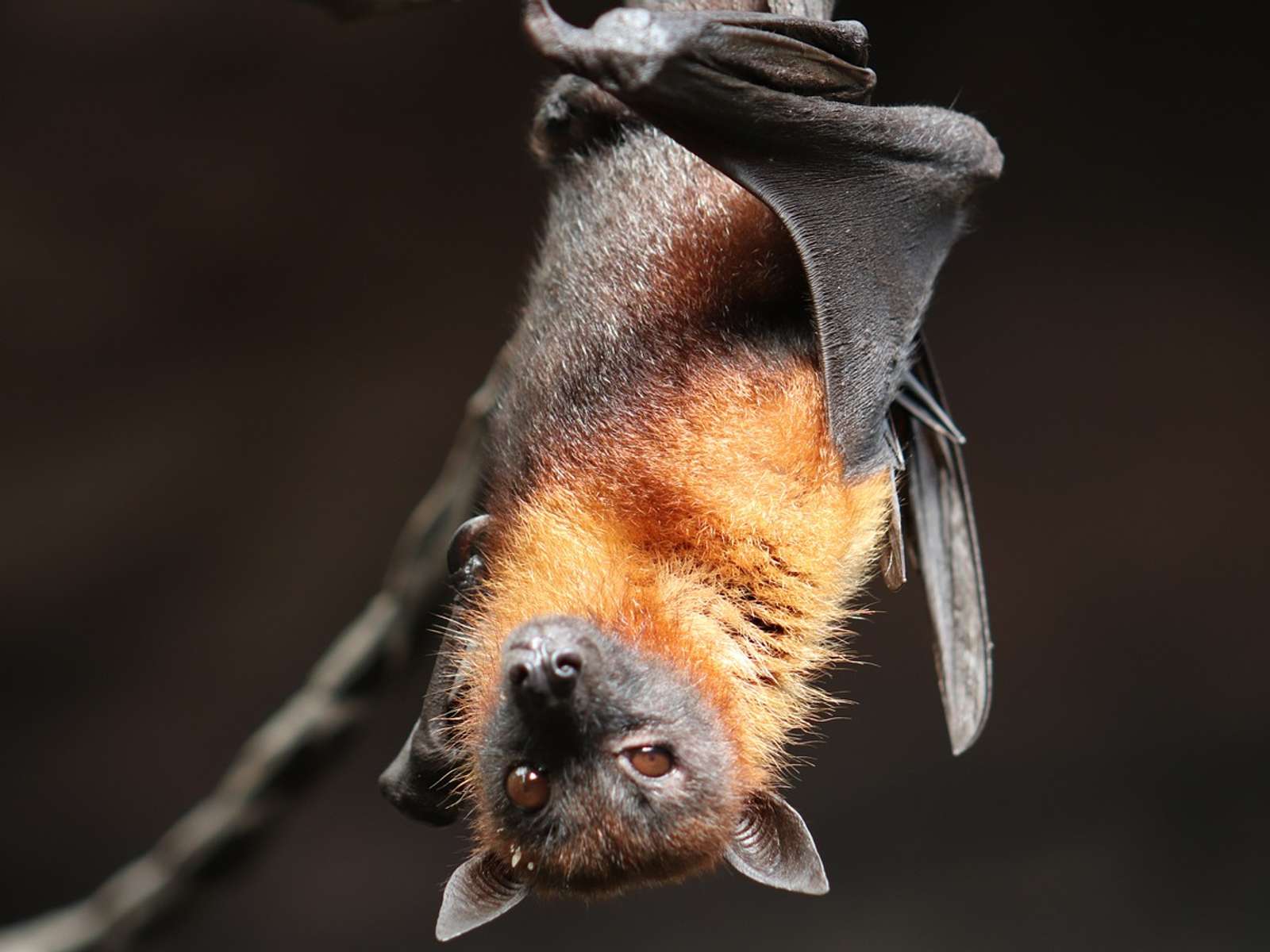
An Australian Wildlife Conservancy ecologist recorded the call of the Arnhem sheath-tailed bat at Pungalina-Seven Emu Wildlife Sanctuary, more than 650 km east of its last known location. The species was first found in 1979.
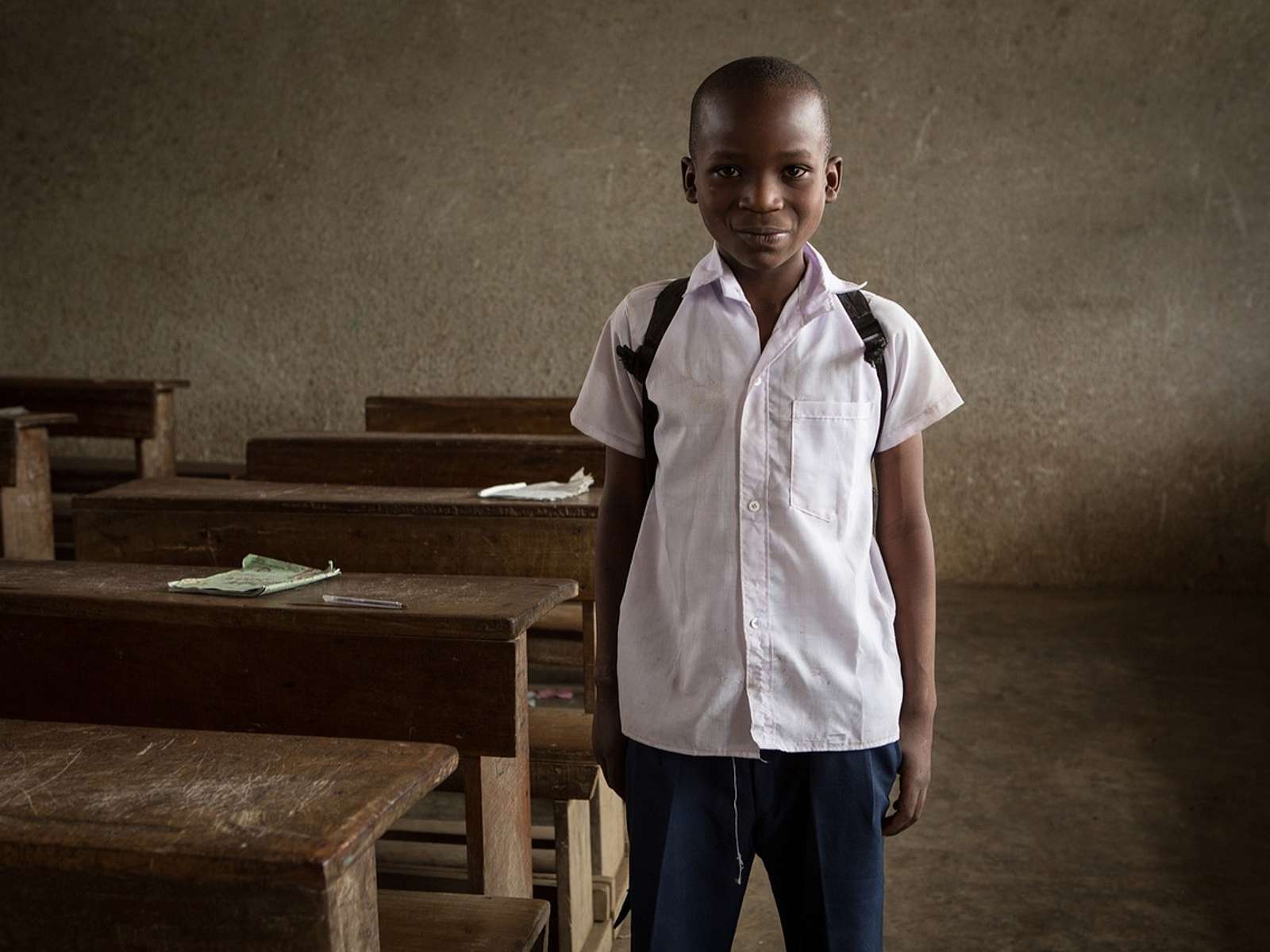
Construction has begun on 14 public preschools in Timor-Leste's Bobonaro and Baucau municipalities, backed by South Korea through KOICA and UNICEF. Only 29% of young children attend preschool; the government aims for 60% by 2028.
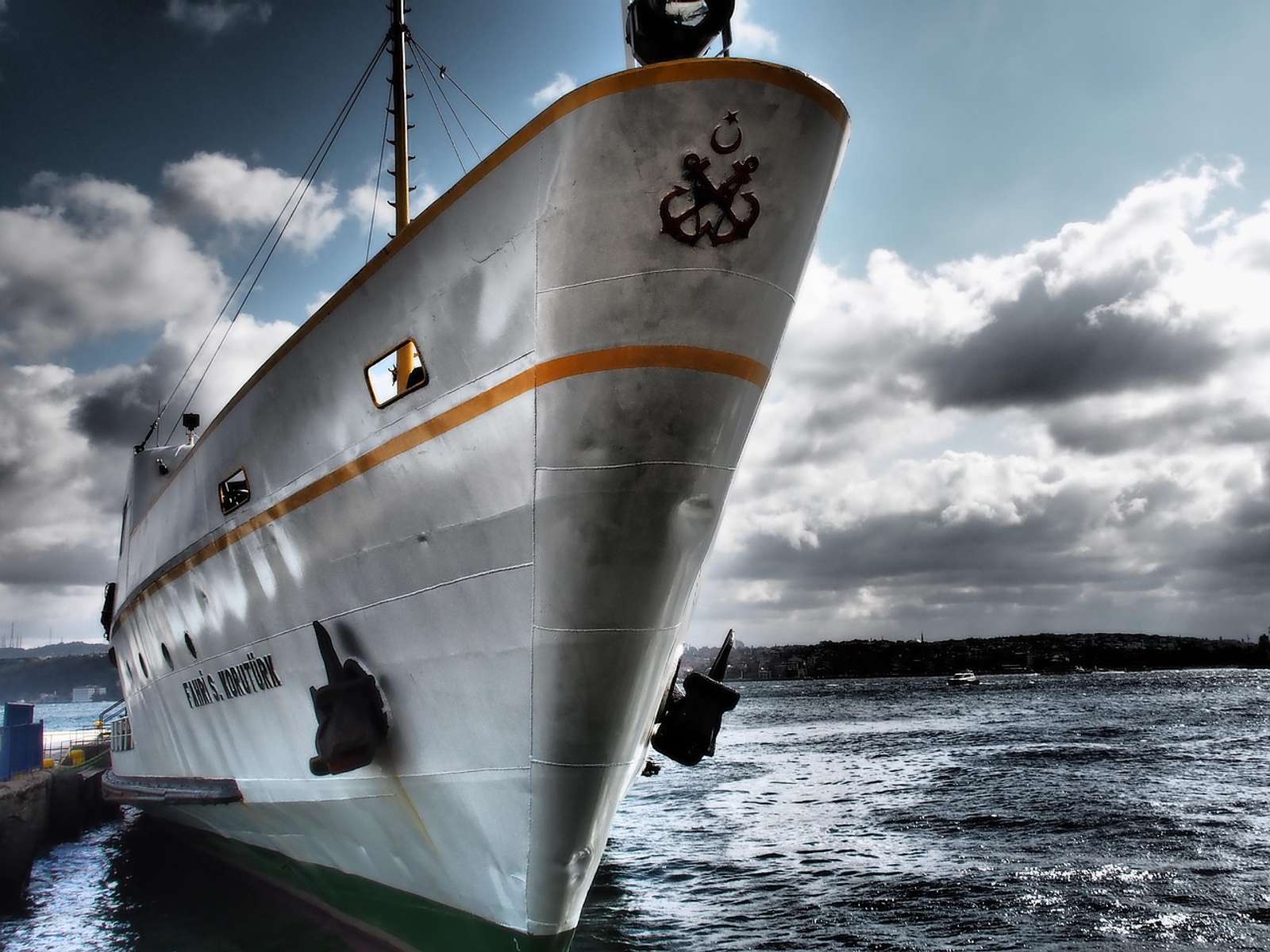
China Zorrilla, a 130-meter ferry built by Incat for Buquebus, has entered service between Buenos Aires and Colonia, Uruguay. It carries up to 2,100 passengers and 225 vehicles on more than 40 MWh of batteries.
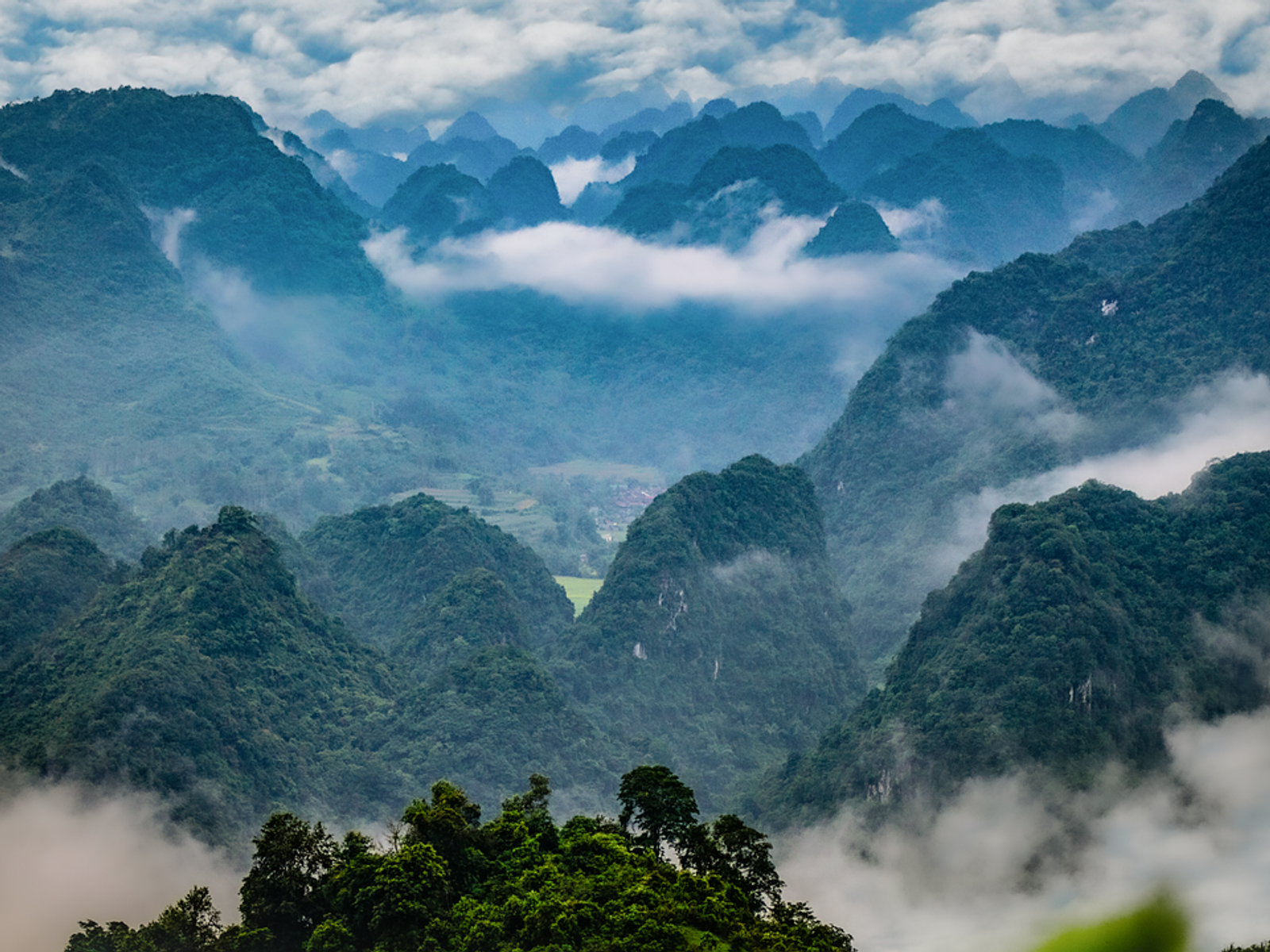
A UN report finds 252 million hectares across 149 countries are under restoration, creating more than one million green jobs. But freshwater and marine ecosystems lag, and annual restoration finance must more than quadruple by 2030.

IBM connected two Nighthawk quantum processors with four 'l-couplers', 80 cm cables inside the same refrigerator, and moved quantum states between chips at an average fidelity of 99%, a step toward modular quantum computers.
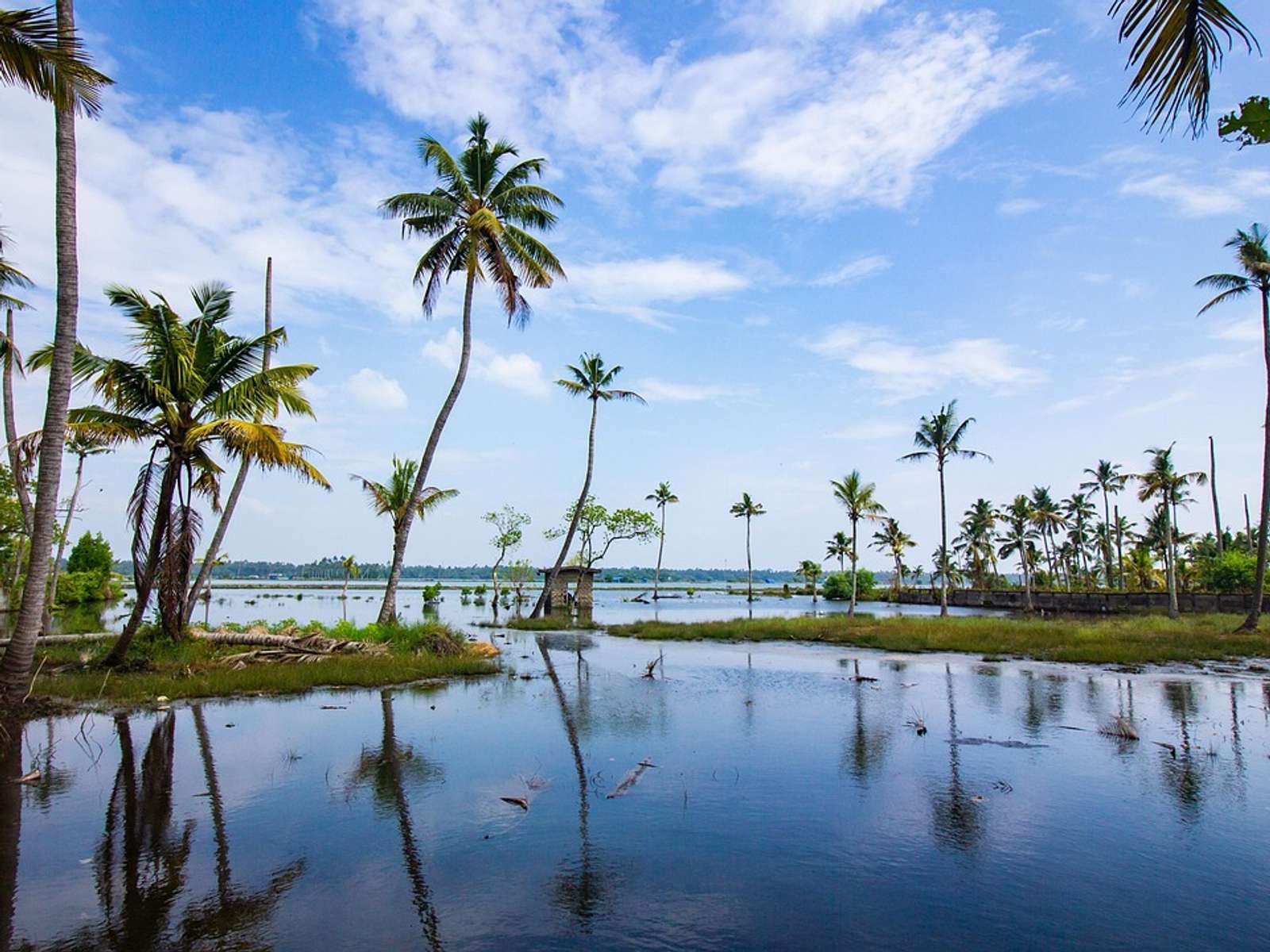
Volunteers with Pune River Revival record trees along the Mula and Mutha rivers on iNaturalist. Their maps helped in disputes over tree felling and a riverfront project, Mongabay reports.
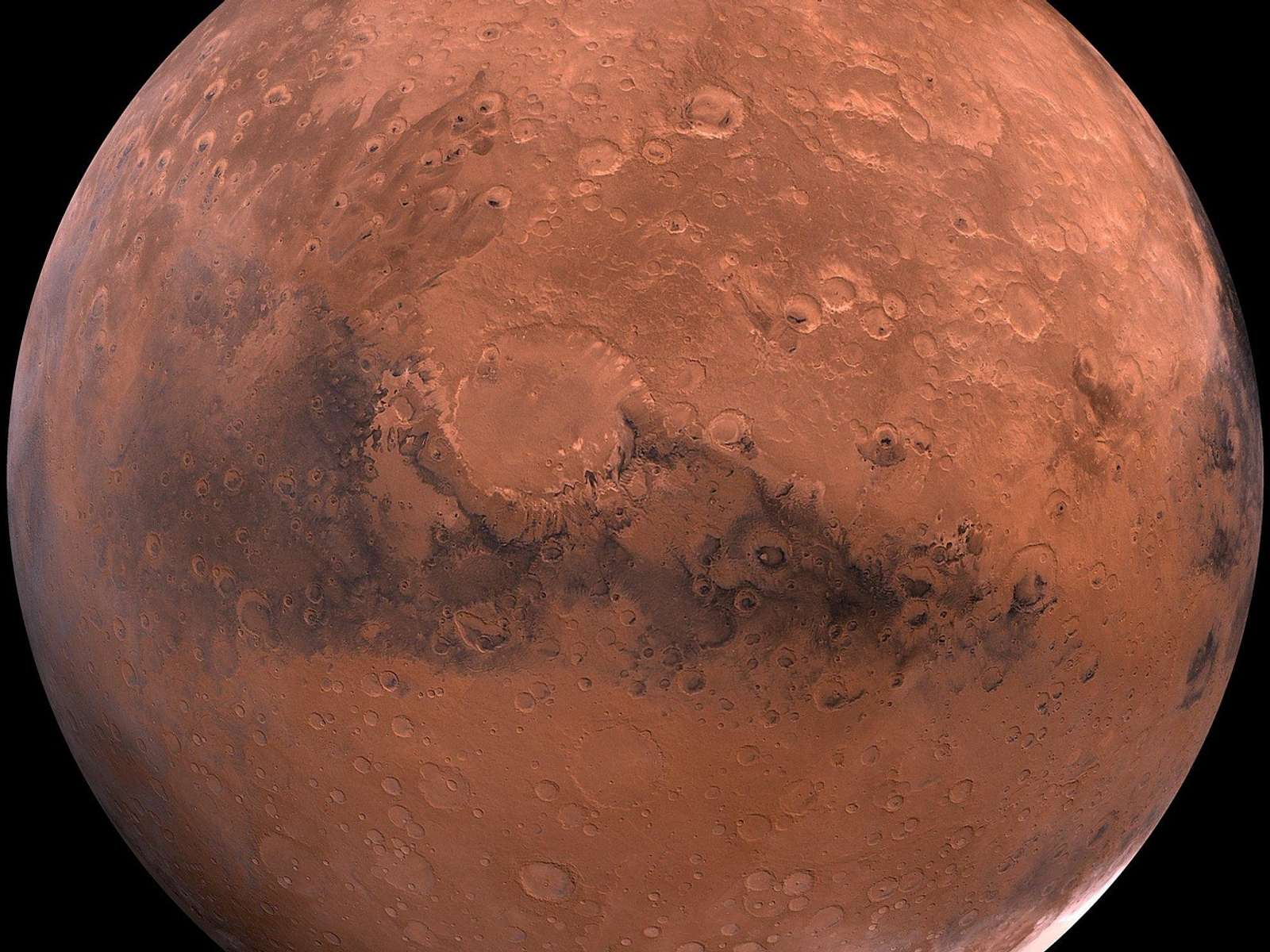
Teghaza 001, an 800-gram Martian meteorite found in the Sahara in 2022, formed more than 4.1 billion years ago and may come from a part of the Martian crust never sampled before, a NASA-funded study found.

Researchers at Marburg University found plant compounds linked to aloe in a mummified head from the 8th century BCE, the first molecular identification of aloe in ancient Egyptian embalming materials, published in PNAS.
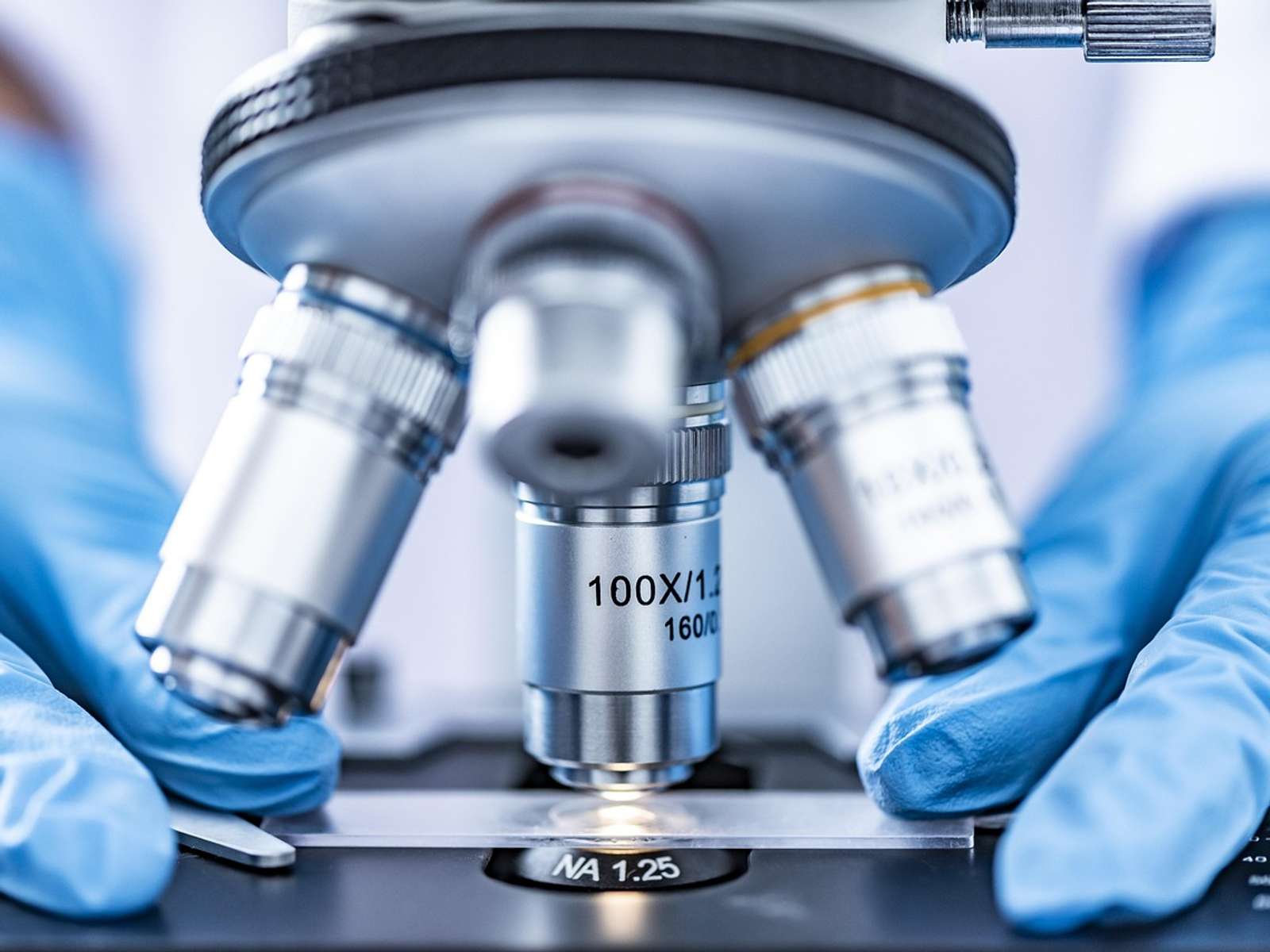
A woman in her 50s became the first patient to receive Amchepry, Japan's conditionally approved iPS-cell therapy for Parkinson's disease, at Kyoto University Hospital. Sumitomo Pharma says she is recovering well and has returned to work.
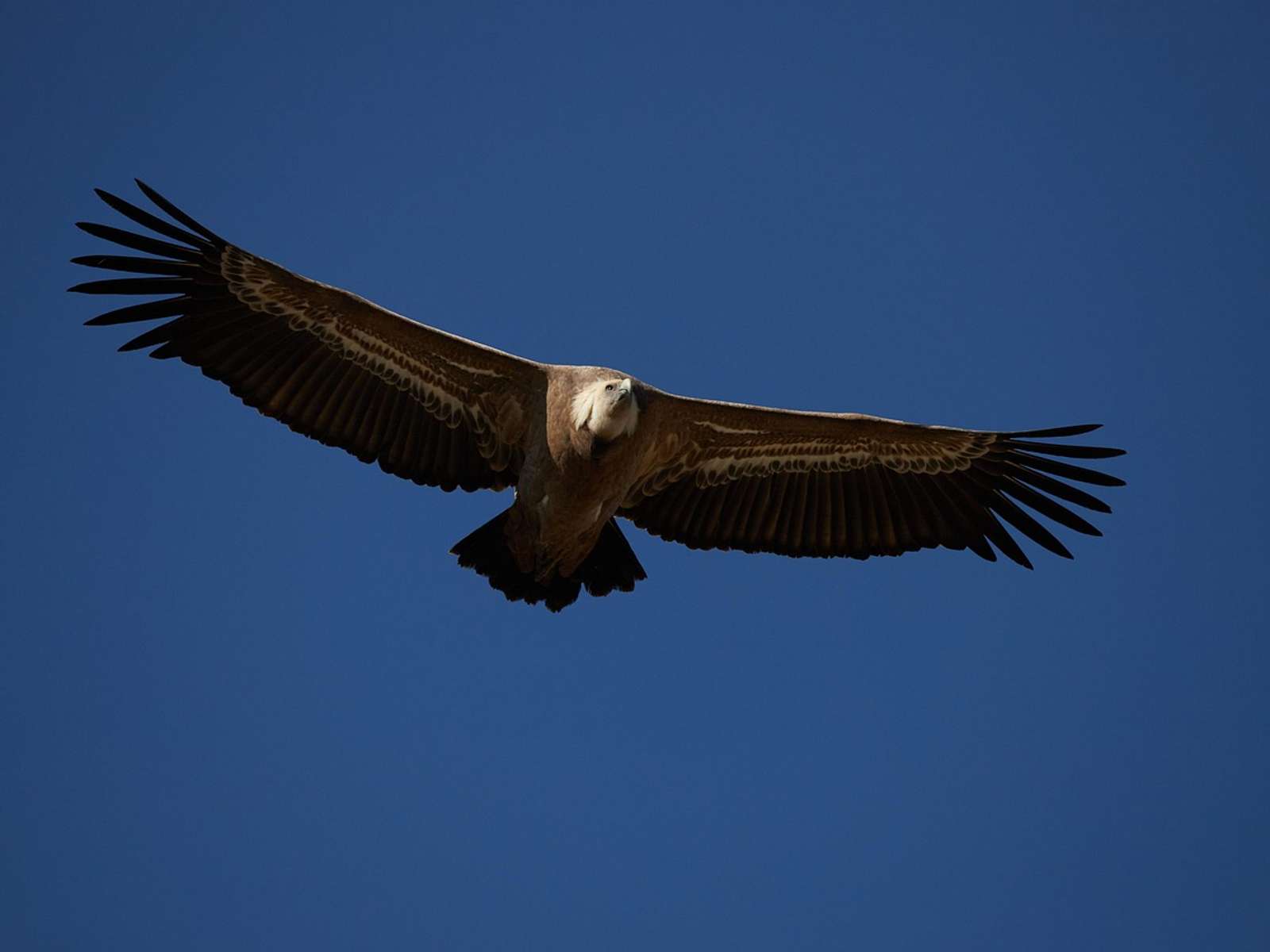
Portugal recorded 127 to 131 breeding pairs of cinereous vultures in 2026, up from 119 to 126, and found a new colony at Monfortinho, the Vulture Conservation Foundation said. The species stopped breeding in Portugal in the 1970s.

In the RESET for Remission trial in Canada and the UK, 54% of adults aged 18 to 45 with type 2 diabetes reached remission after a low-calorie diet and supervised exercise, against 4% with usual care.
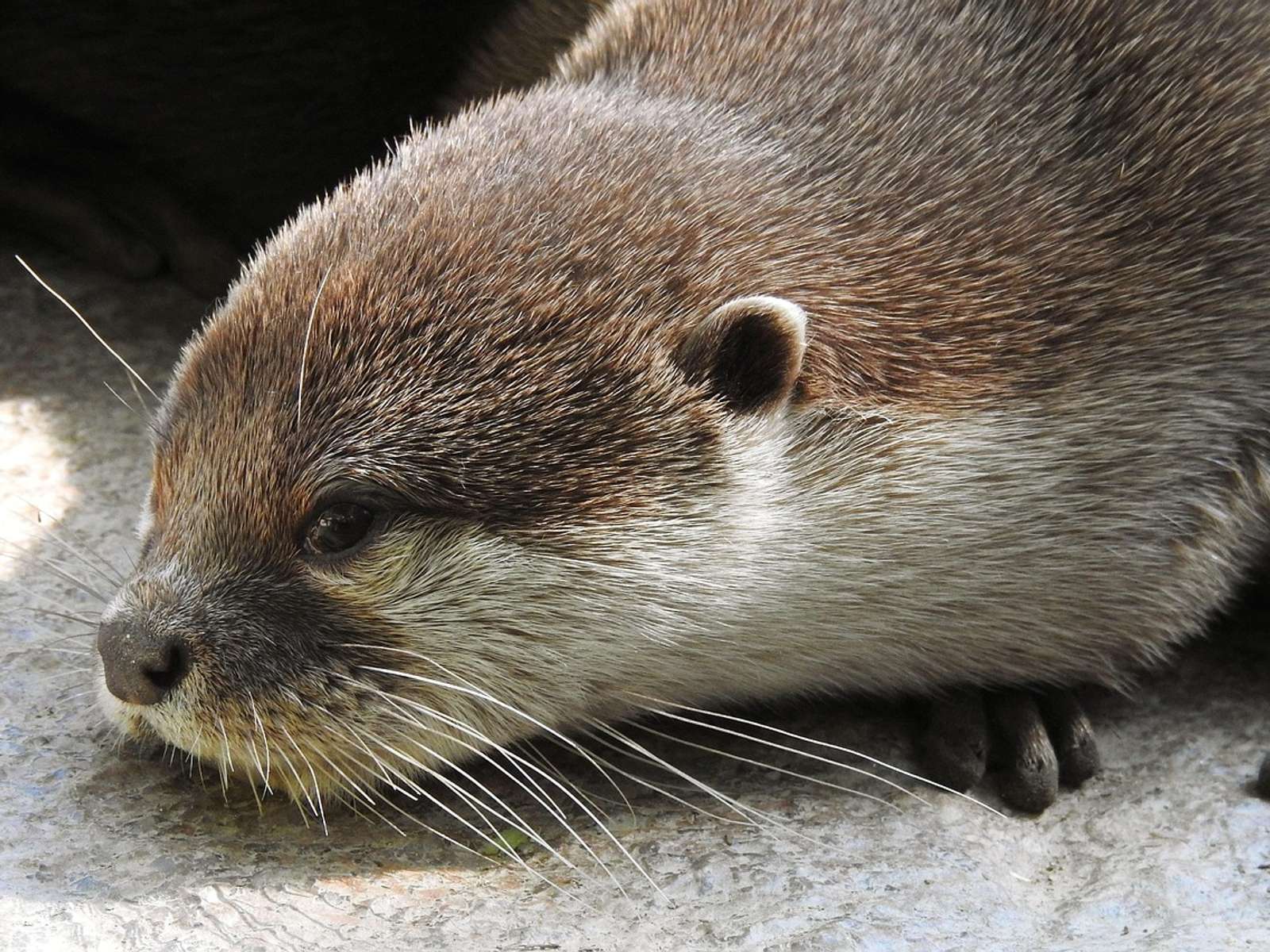
Five Asian small-clawed otter pups, four males and a female, were born on 19 October at the North Carolina Aquarium at Fort Fisher to Milli and Binx. Their older siblings help bring food and build the nest.
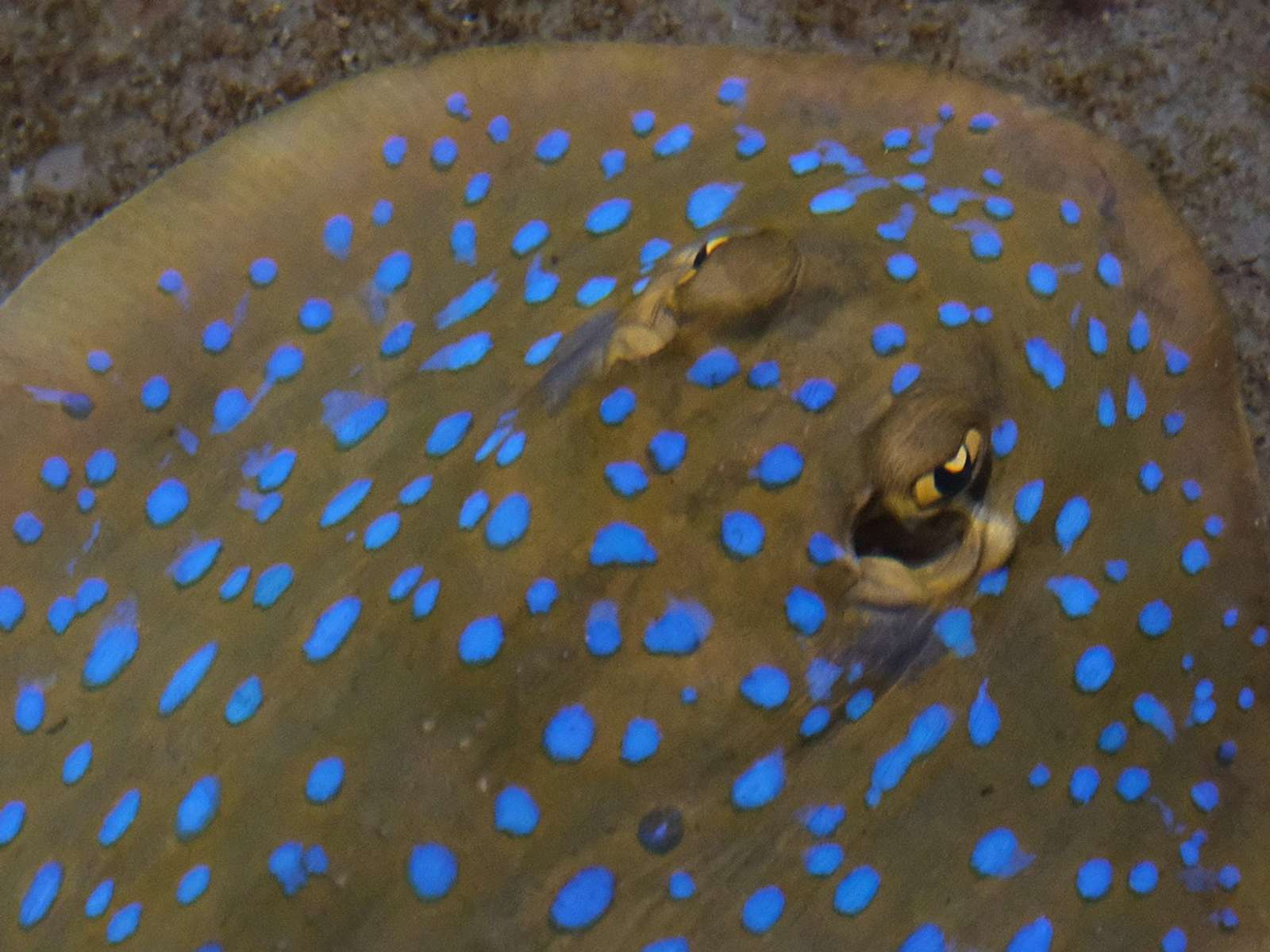
Scientists from the Zoological Survey of India described Tetronarce ramanamurthyi, the Arabian black electric ray, from nine deep-sea specimens off India's southwest coast, the first confirmed record of the genus in the northern Indian Ocean.
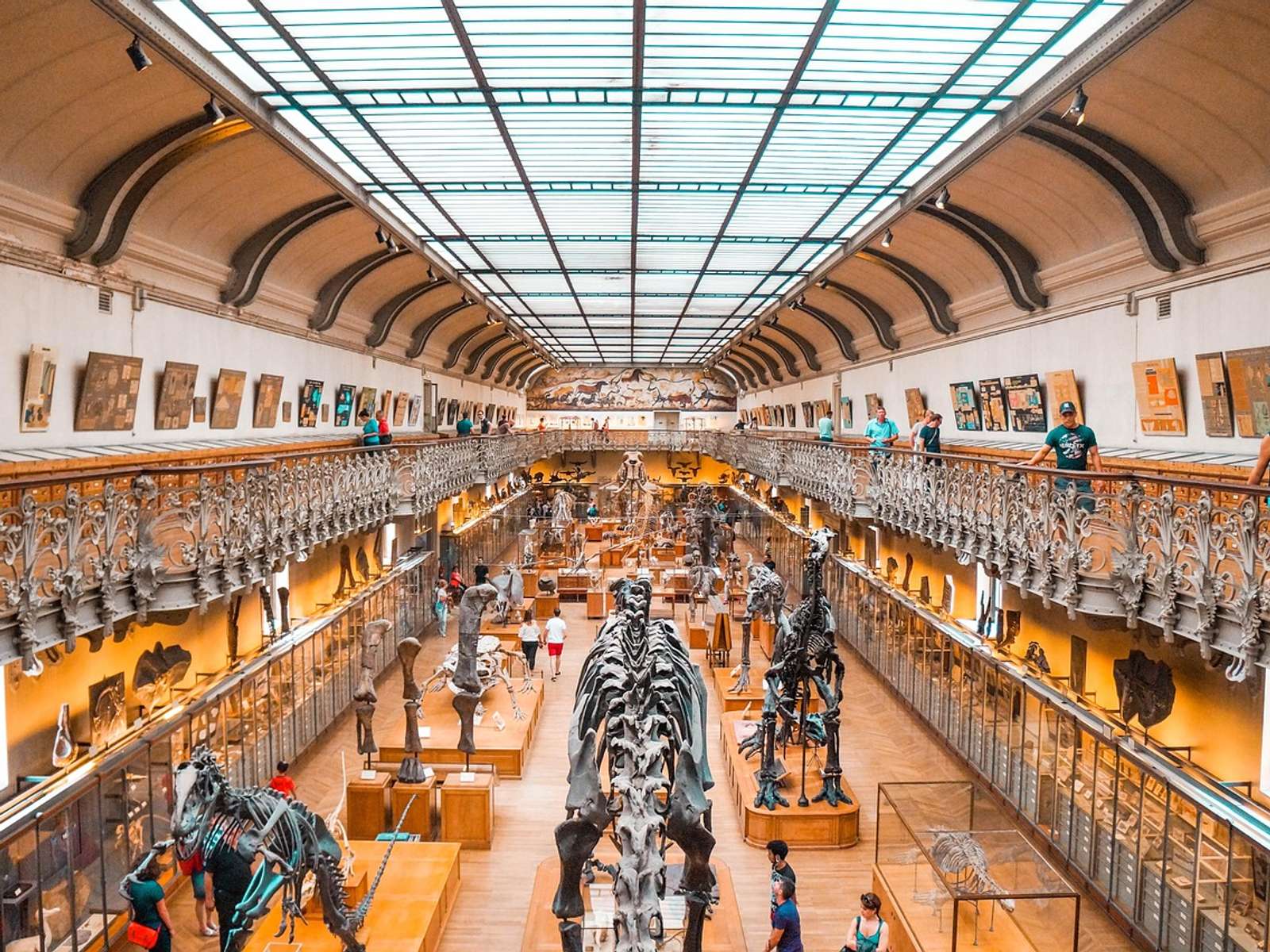
Infernogallus jamesi, a toothless, feathered dinosaur from the Hell Creek Formation, had jaw muscles arranged like those of fruit-eating parrots, researchers from the Royal Ontario Museum and Stony Brook University report in Nature Communications.
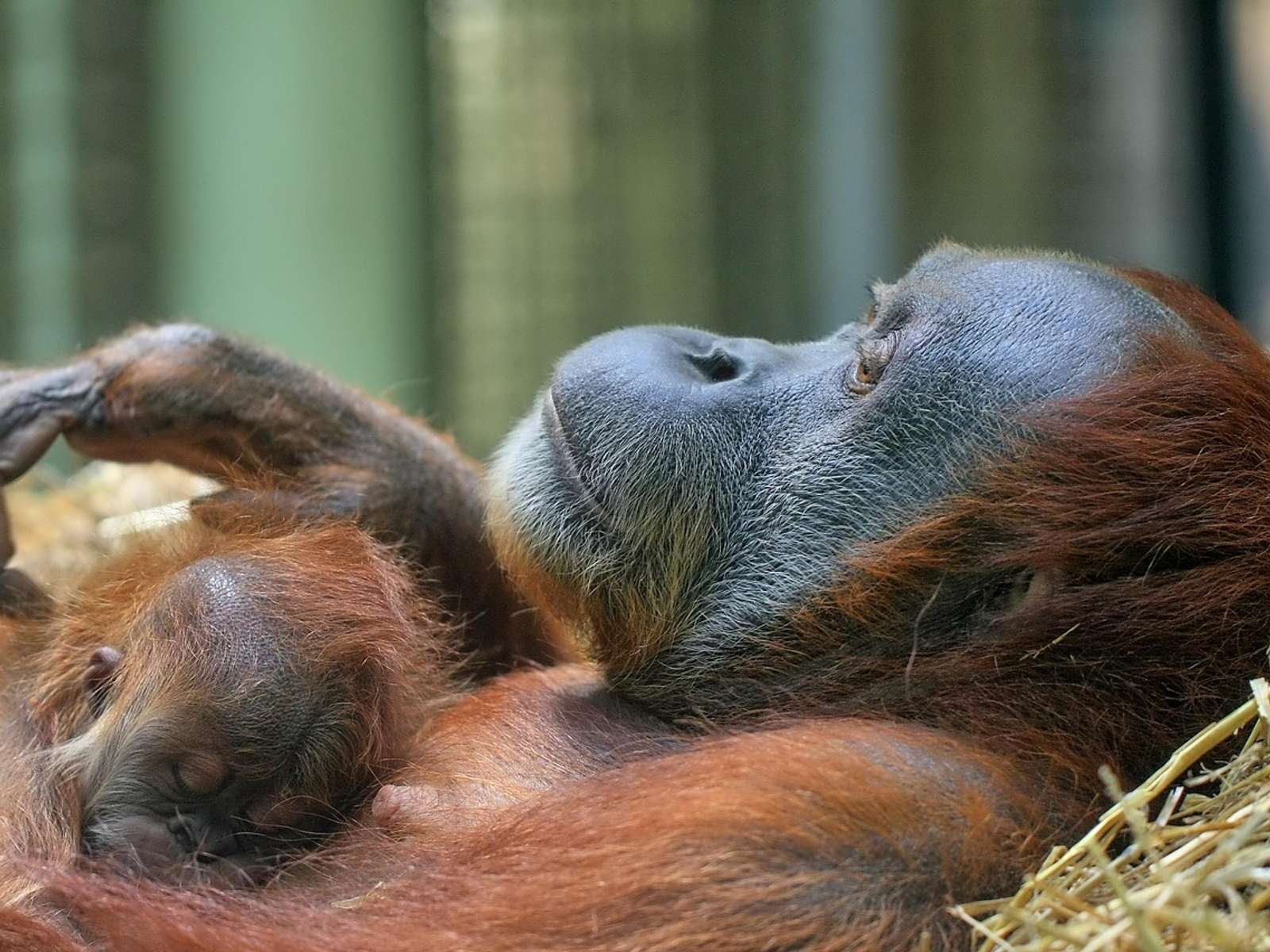
Nine orangutans, including four mothers with their young, were released into the Batu Nyambu protected forest in West Kalimantan after being rescued from wildfires in August and September and rehabilitated by YIARI.
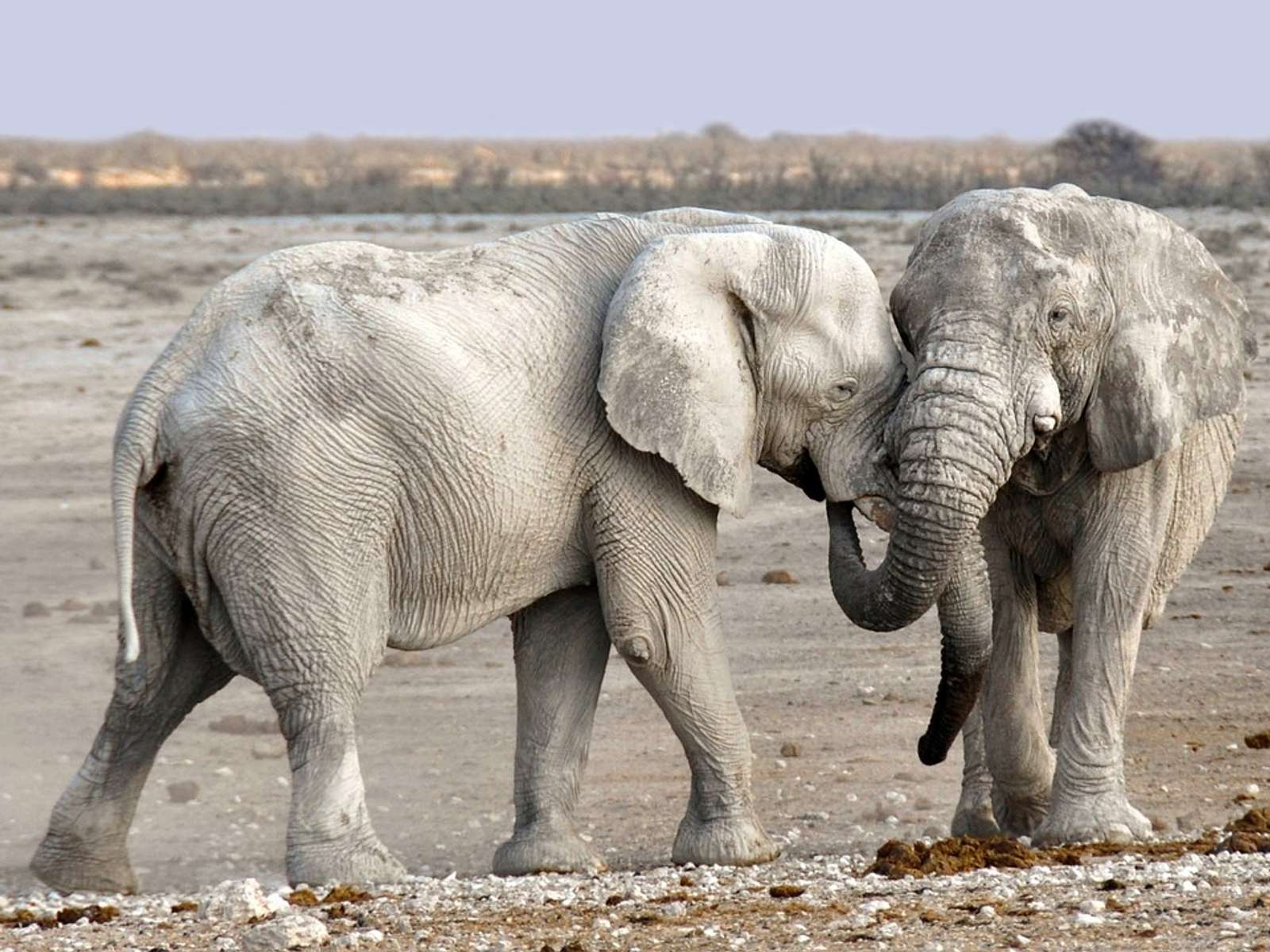
Traditional leaders from Kenya, Zambia, Malawi, Zimbabwe, Namibia, Botswana, Benin and Ghana signed the Lusaka Declaration, asking for a formal role in conservation decisions and committing to wildlife corridors and community-led conflict prevention.

NASA released Hubble and Webb images of the Cat's Head, a dusty filament in the Carina Nebula about 7,500 light-years away that looks like a cat seen from behind. Its glowing 'eye' may be a young star still wrapped in dust.
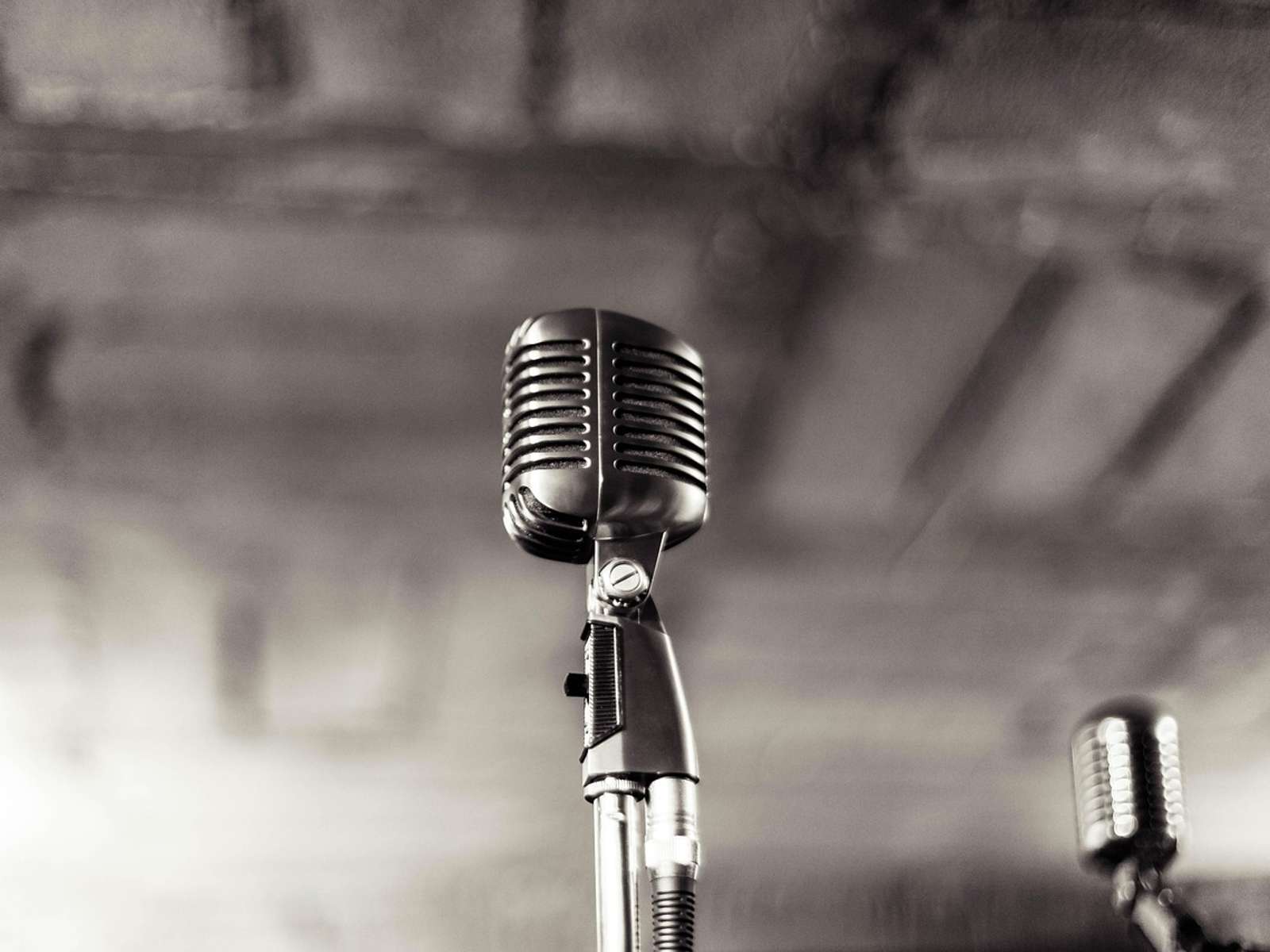
A Cambridge linguist has identified recordings made in 1935 by Lorenzo Dow Turner as the earliest extended audio of Louisiana Creole, including the only recordings of the New Orleans variety. Only a few thousand native speakers remain today.
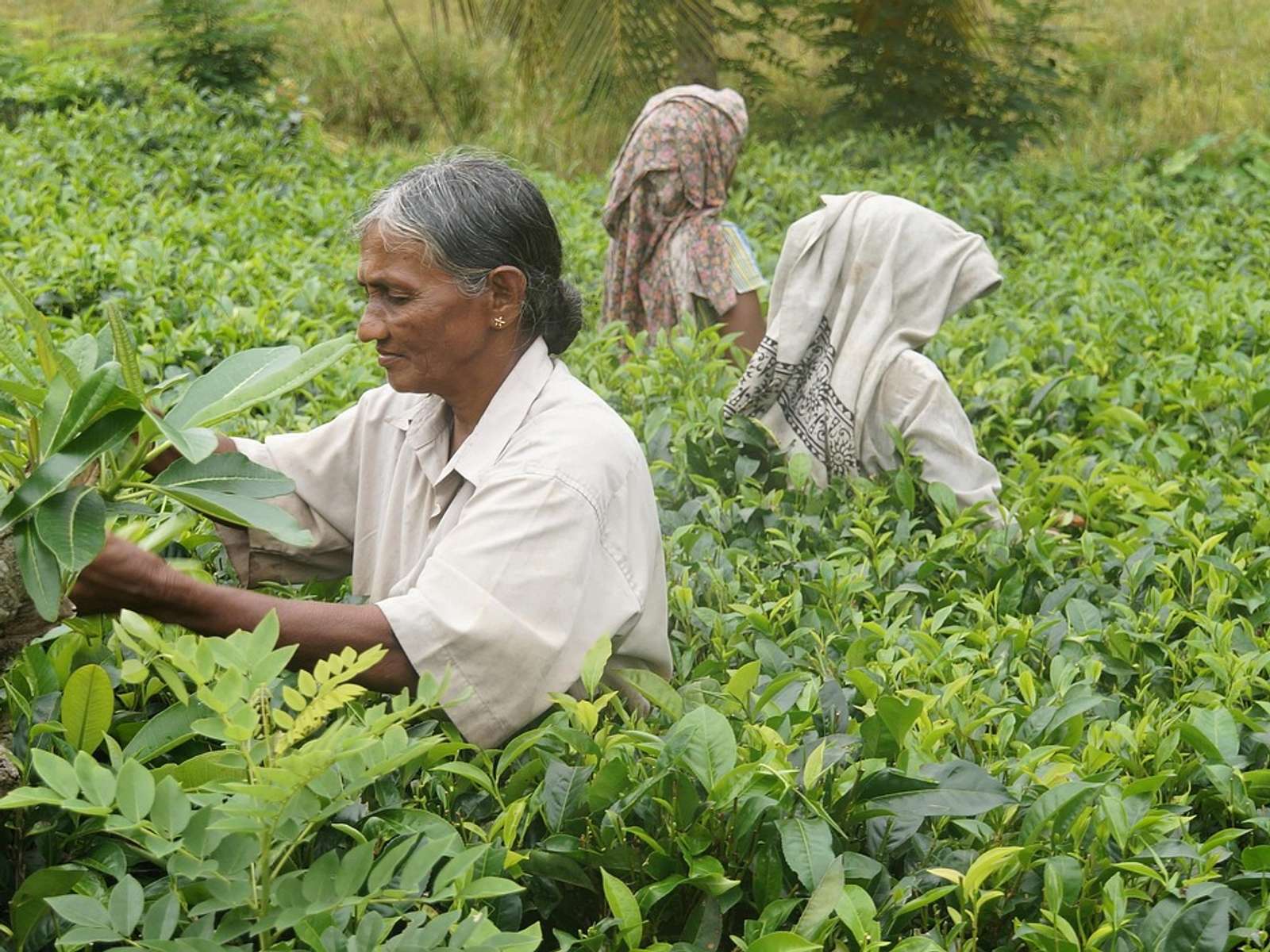
Sri Lanka, the World Bank Group and IFAD launched the AgriConnect joint plan, aiming to help 900,000 farmers reach better markets by 2030 with $550 million from the World Bank Group, $115 million from IFAD and up to $170 million in private capital.
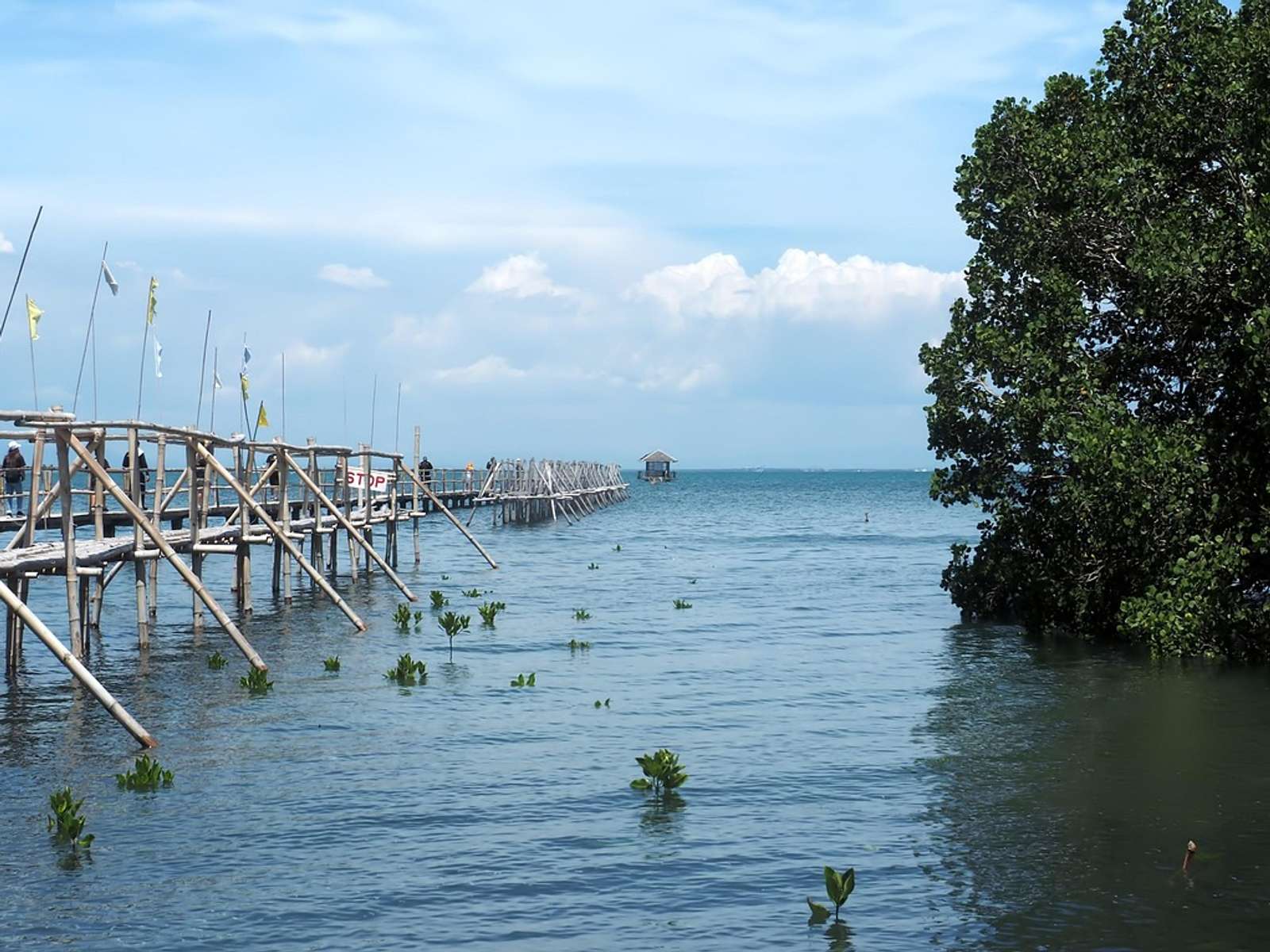
Pamarawan, a village on Manila Bay, has not flooded for almost two years since bamboo cribs, oyster-shell breakwaters in coconut husk nets and sediment traps went in, residents told Mongabay. It is the Philippines' first nature-based coastal protection pilot.
