After Nepal's floods, 110 school nurses and teachers learn to support children's mental health
In Nuwakot, Dhading and Chitwan, 110 school health nurses, clinical nurses and teachers completed a two-day WHO-supported training to recognize and support distressed children after the Bhotekoshi floods.
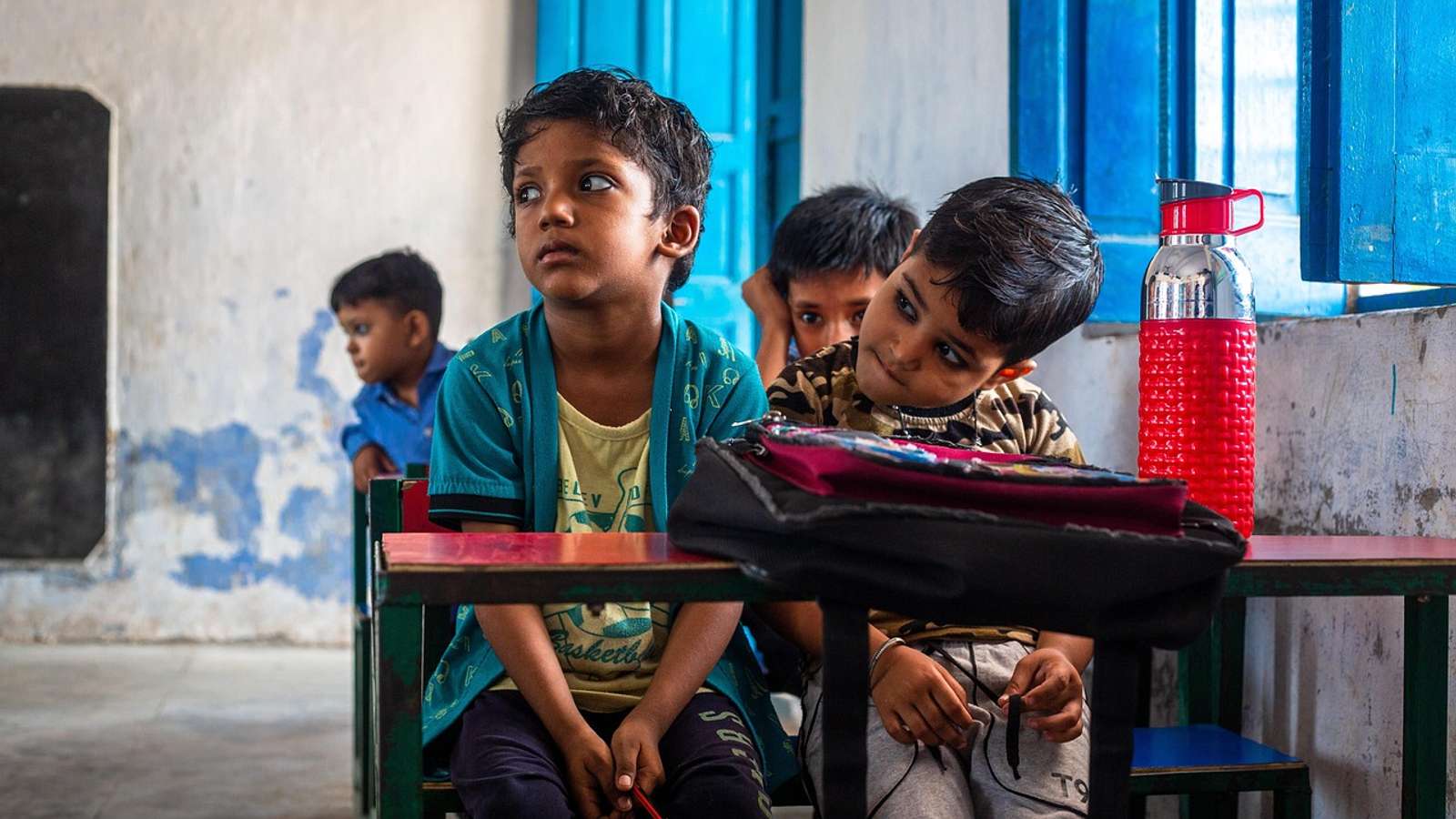
After floods swept through communities along Nepal's Bhotekoshi river, 110 school health nurses, clinical nurses and teachers have been trained to recognize and support children in distress, the World Health Organization (WHO) in Nepal said on 2 November. The two-day orientations were held in Nuwakot, Dhading and Chitwan, with sessions planned for Rasuwa.
Floods that reached the classroom
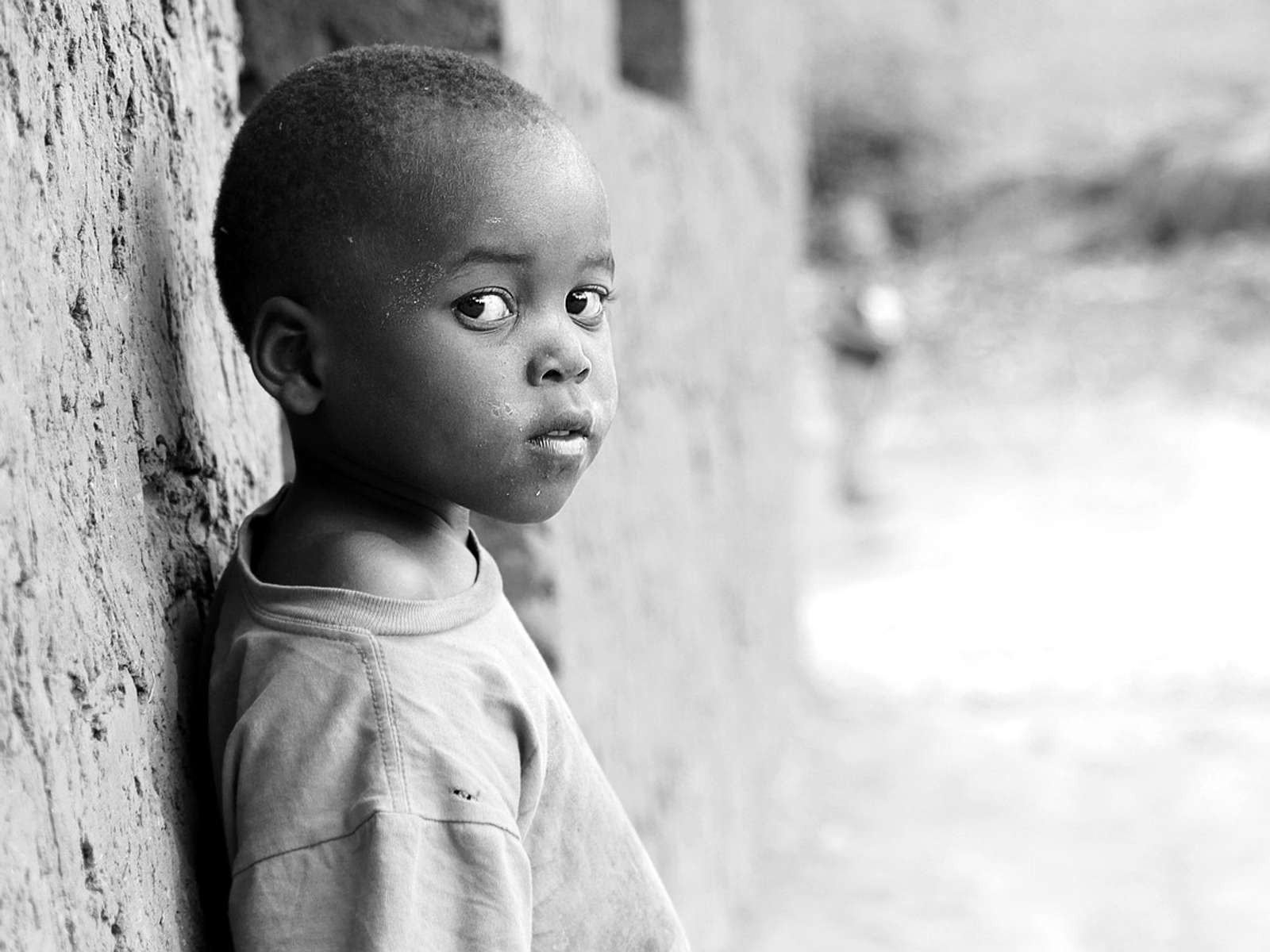
The Bhotekoshi floods included one on 26 August 2026. In Dhading, 45 students at Janakalyan Secondary School were directly affected, even though the school building itself suffered no damage. For children, the aftermath can mean fear, grief and disrupted routines.
“Children and adolescents are more vulnerable during disasters.” — Sagoon KC, nurse and counsellor, Unity in Health
Spotting distress, giving first support
The training covered how to recognize emotional distress in children and adolescents, how to give basic psychosocial support and when to refer children to specialized services. Participants also learned activities and breathing exercises they can use with students, and a session focused on care for the caregivers themselves. “While helping the children, we often forget about ourselves,” said Rekha Adhikary, school health nurse at Janakalyan Secondary School.
“I feel like I can help them,” said Kabina Thapaliya, school health nurse at Niranjana Secondary School.
Three months of supervision
After the training, participants are supervised by experts for three months as they apply their skills in schools. The program is funded by EU Civil Protection and Humanitarian Aid and coordinated with Nepal's health authorities at national, provincial and district level; WHO provides technical support and the organization Unity in Health runs activities on the ground. WHO did not say how many children the trained staff are expected to reach. More health stories are collected under child health.
Not medical advice. This article reports on research and health programs for general information. Results from early studies often change in larger trials. Talk to a doctor before making decisions about your own health or treatment.
Sources
- World Health Organization (WHO Nepal) · who.int
How we choose and verify sources: editorial policy.