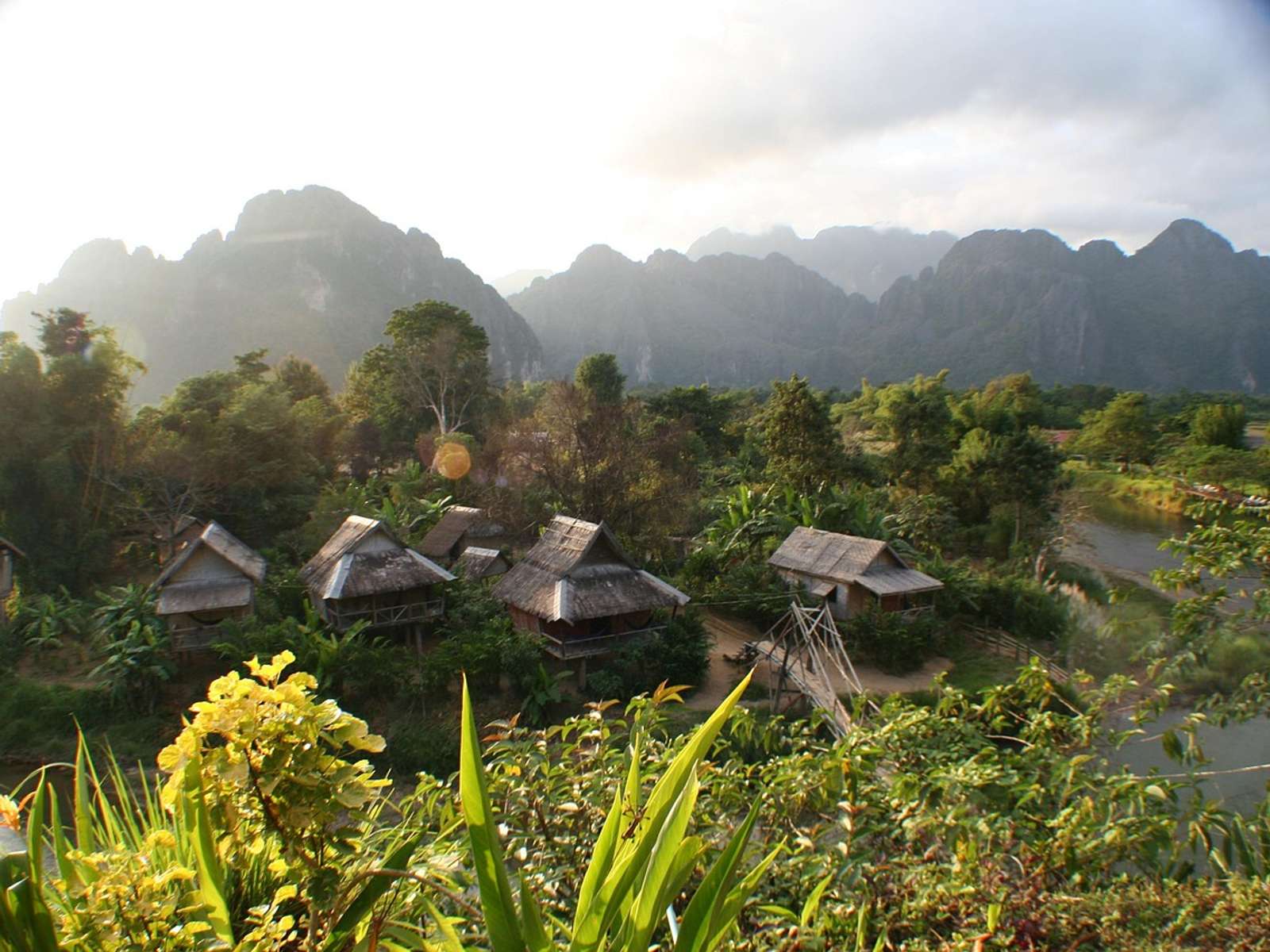
The UK and UNICEF handed 3,500 cartons of ready-to-use therapeutic food to Laos' Ministry of Health in Savannakhet on 2 November, enough to treat about 3,500 children under 5 with severe acute malnutrition in three southern provinces.
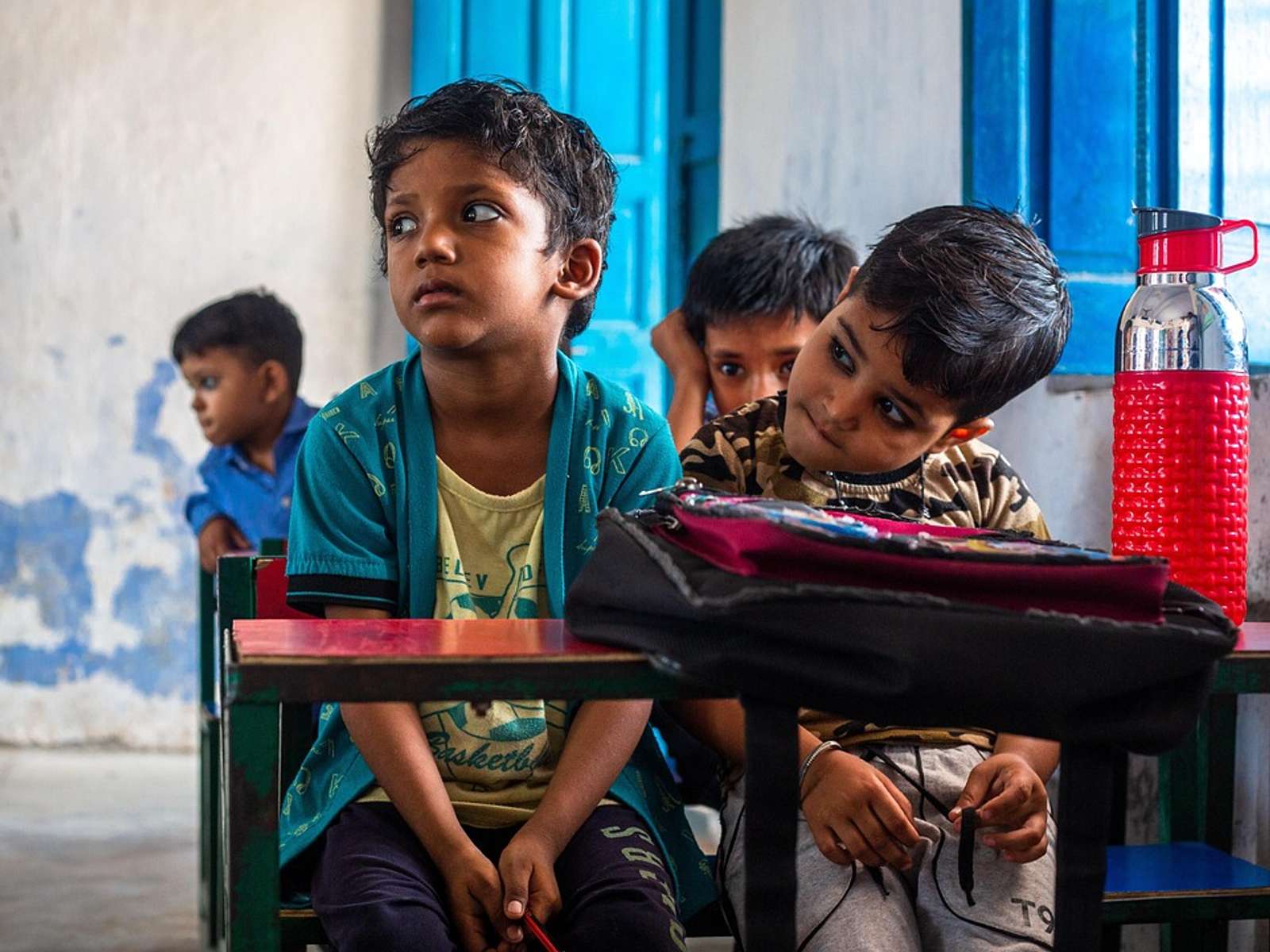
In Nuwakot, Dhading and Chitwan, 110 school health nurses, clinical nurses and teachers completed a two-day WHO-supported training to recognize and support distressed children after the Bhotekoshi floods.
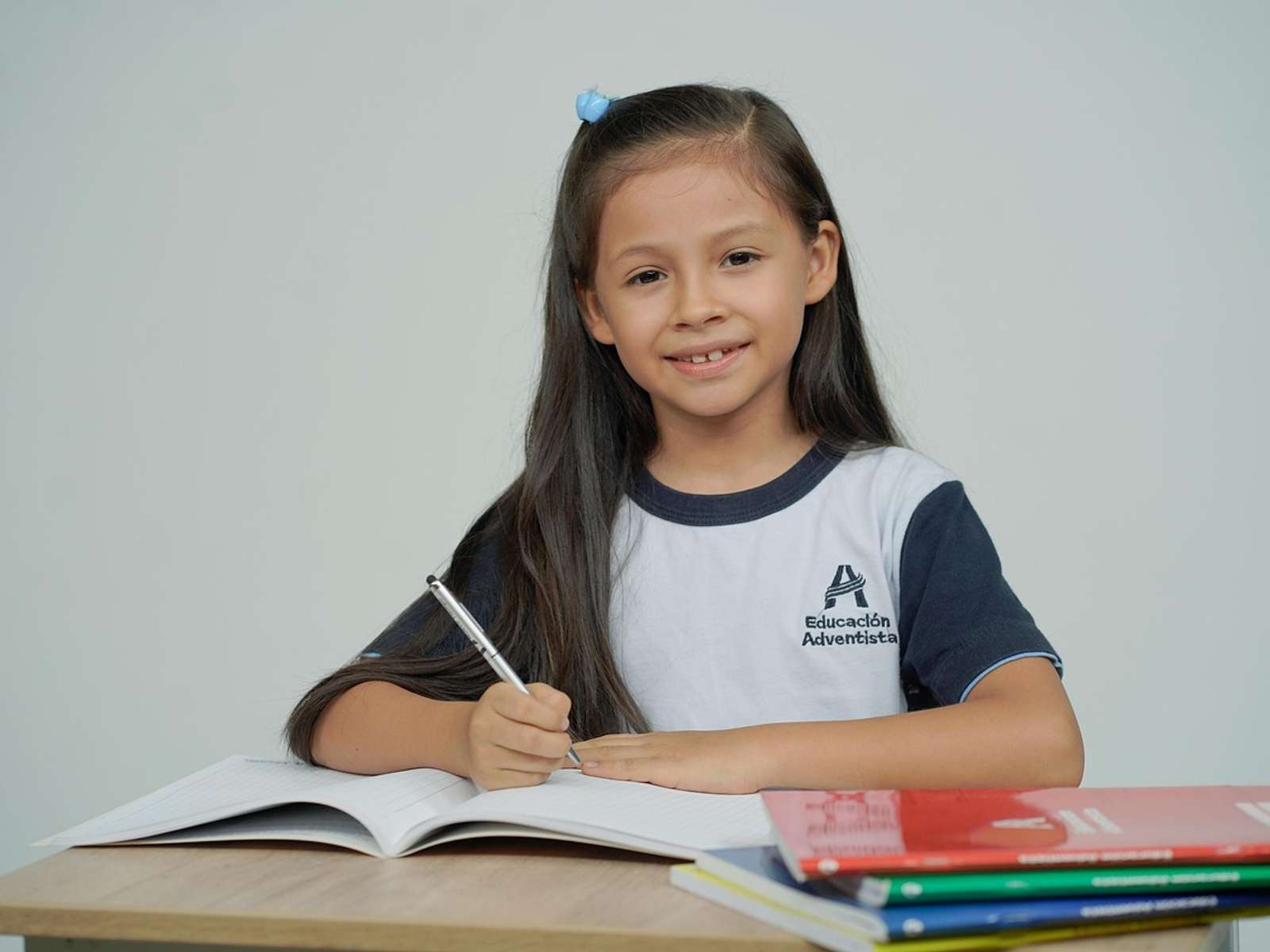
Hiba, 14, was out of school for five years because of insecurity and war in Sudan. Now she studies at an accelerated learning centre in Goz El Salam camp in Kosti, run by UNICEF with the White Nile State education ministry.
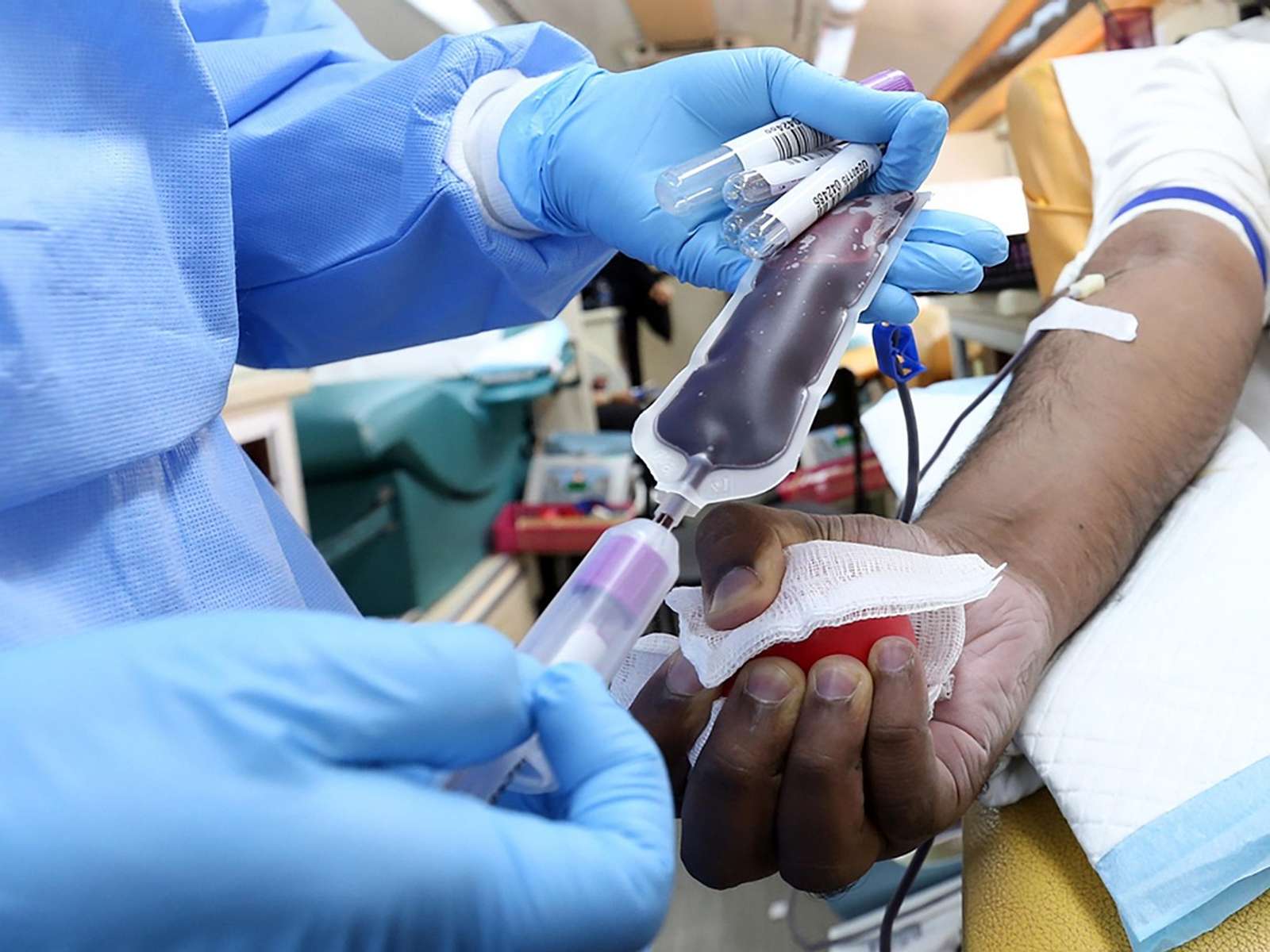
A report in the journal Transfusion describes how Ukraine met a roughly 40% rise in demand for blood products during the war without importing them, through mobile donation centers, an online donor platform and a central command.

Malyn Lyceum No. 2 in Ukraine's Zhytomyr region, damaged by a blast wave during Russian attacks in 2022, reopened after a renovation of almost €2 million with a new roof, insulation, heating and safety systems for up to 600 pupils.
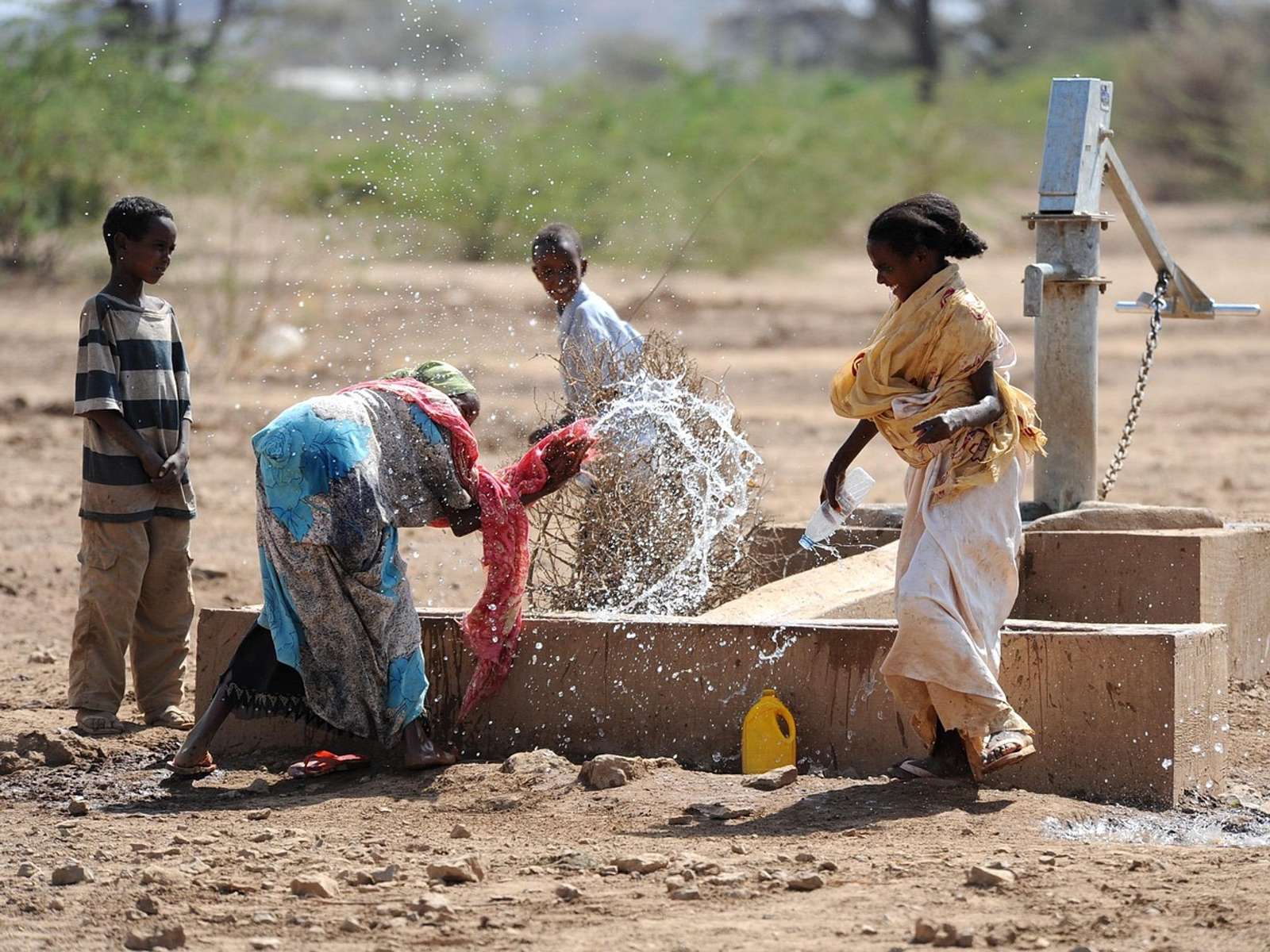
After a cholera outbreak with 720 suspected cases and 46 deaths, UNICEF and Oxfam set up river-water treatment systems in villages along the Oubangui in the Central African Republic, aiming to give 15,000 people safe water.

In Tawila, North Darfur, a solar-powered water yard built by UNICEF now gives about 10,000 displaced people at least 15 liters of safe water a day each, from 36 taps. Mothers like Hayat no longer queue for water trucks before sunrise.
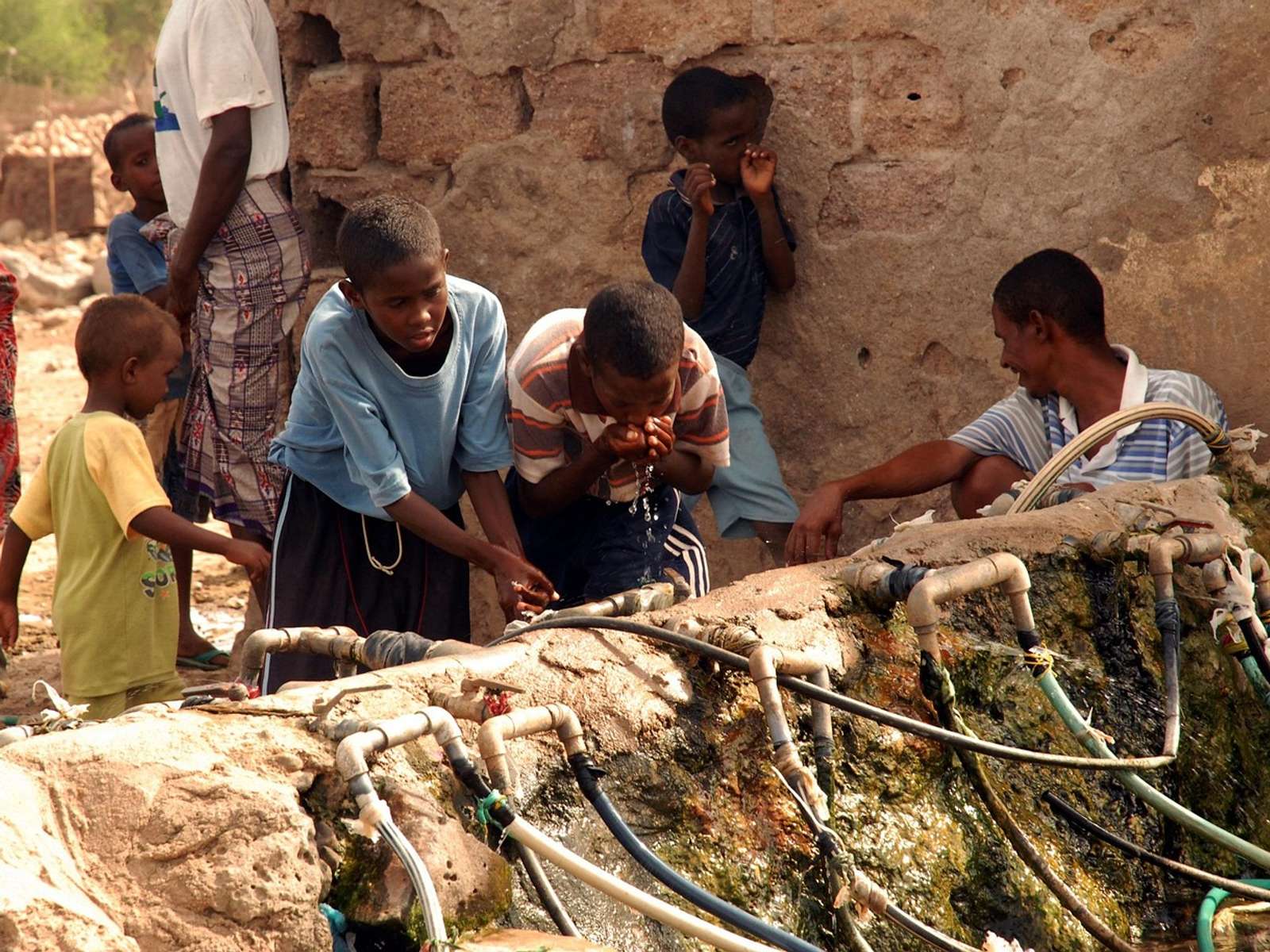
In Berehale, a town in Ethiopia's Afar region, 900 families now have water connected to their homes through a solar-pumped network for refugees and host communities, supported by UNICEF under the Dutch-funded PROSPECTS partnership.
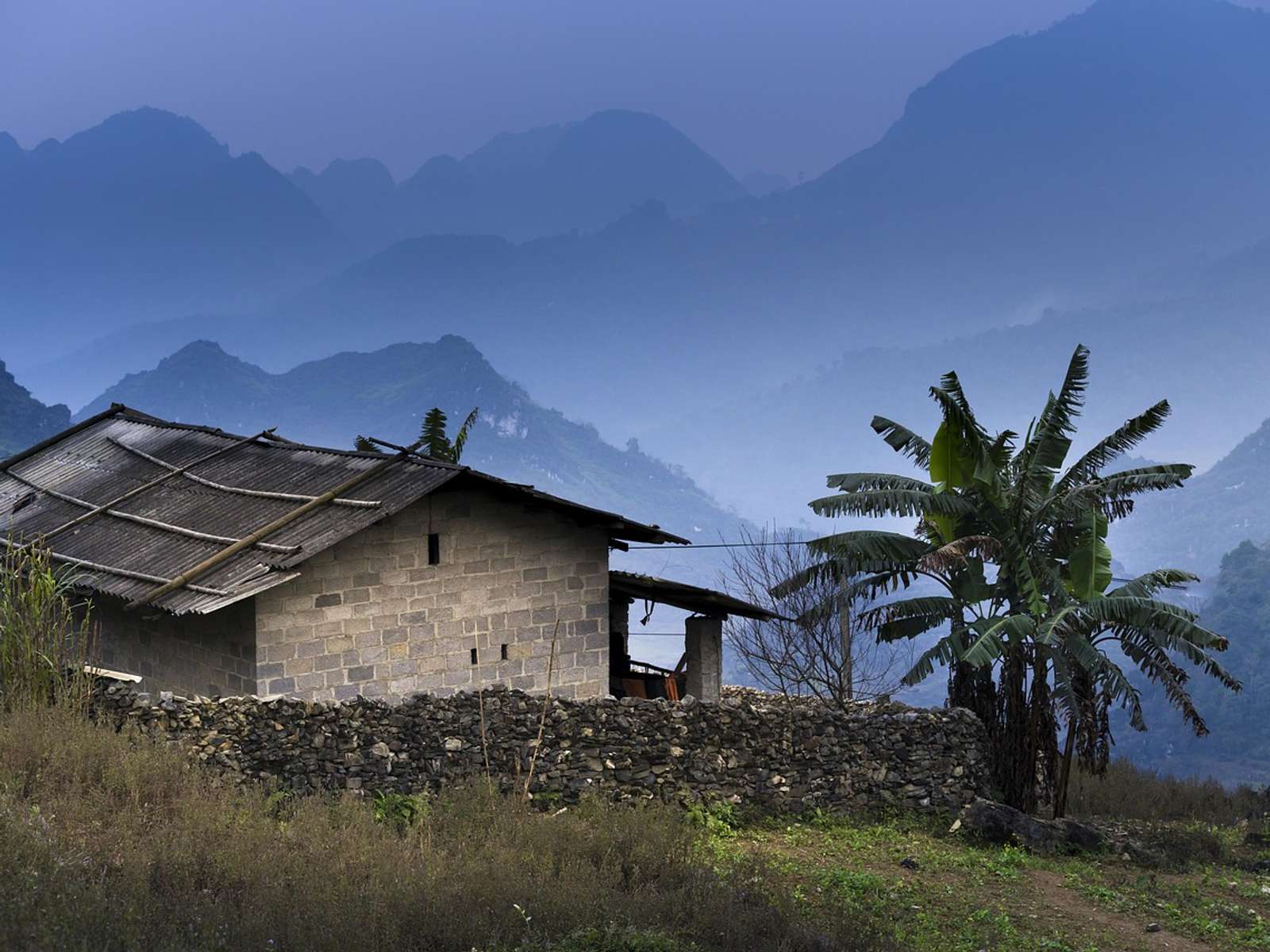
An Australia-funded UNDP recovery project in Thái Nguyên province has built 20 flood-resilient homes, repaired 100 more and given cash aid to 1,340 households after the 2025 typhoons Bualoi and Matmo.
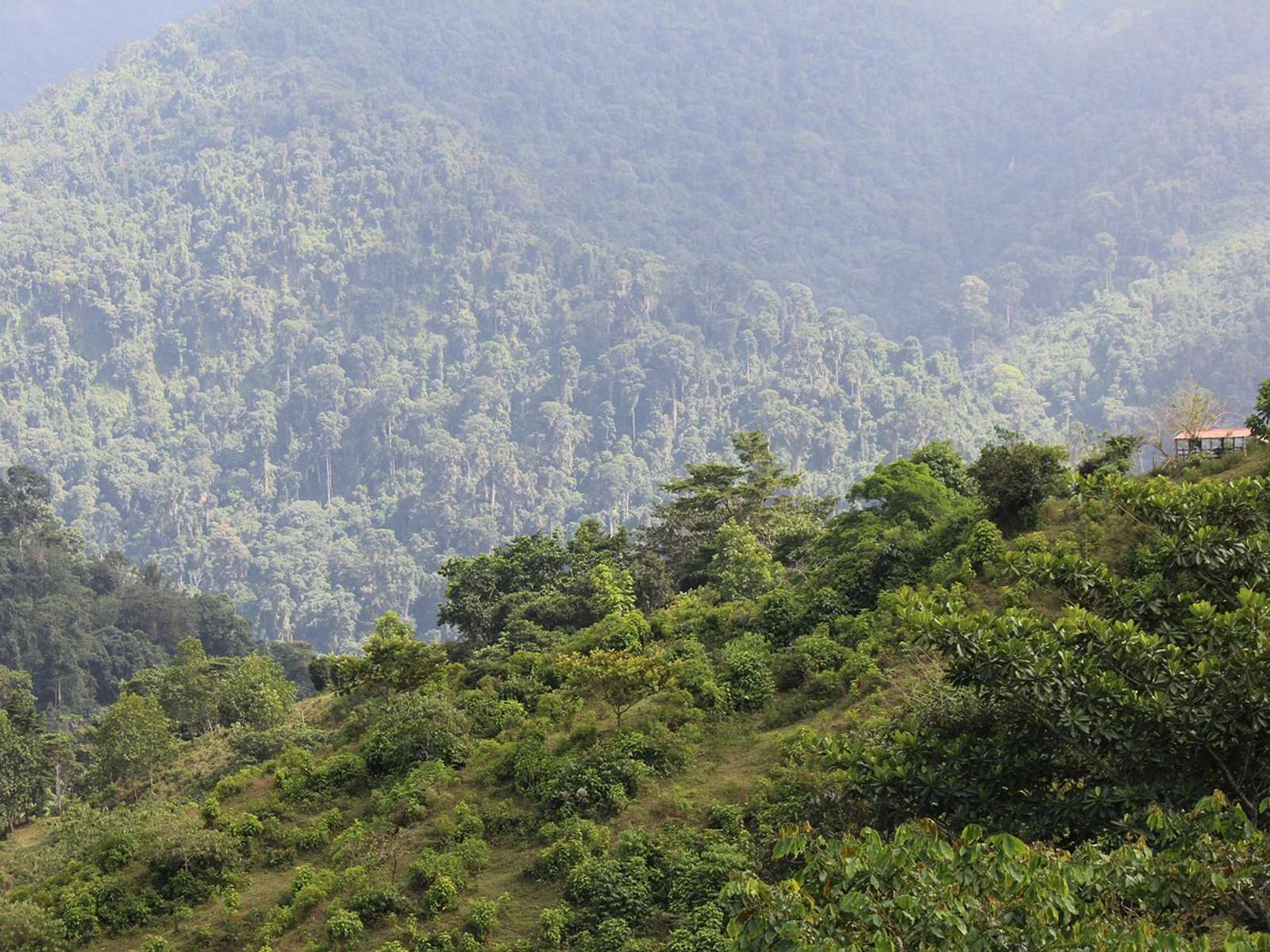
The HALO Trust will clear landmines from almost 18,000 hectares in Colombia's Meta region so two Indigenous communities can return to and guard their land. The three-year project costs about $1 million.
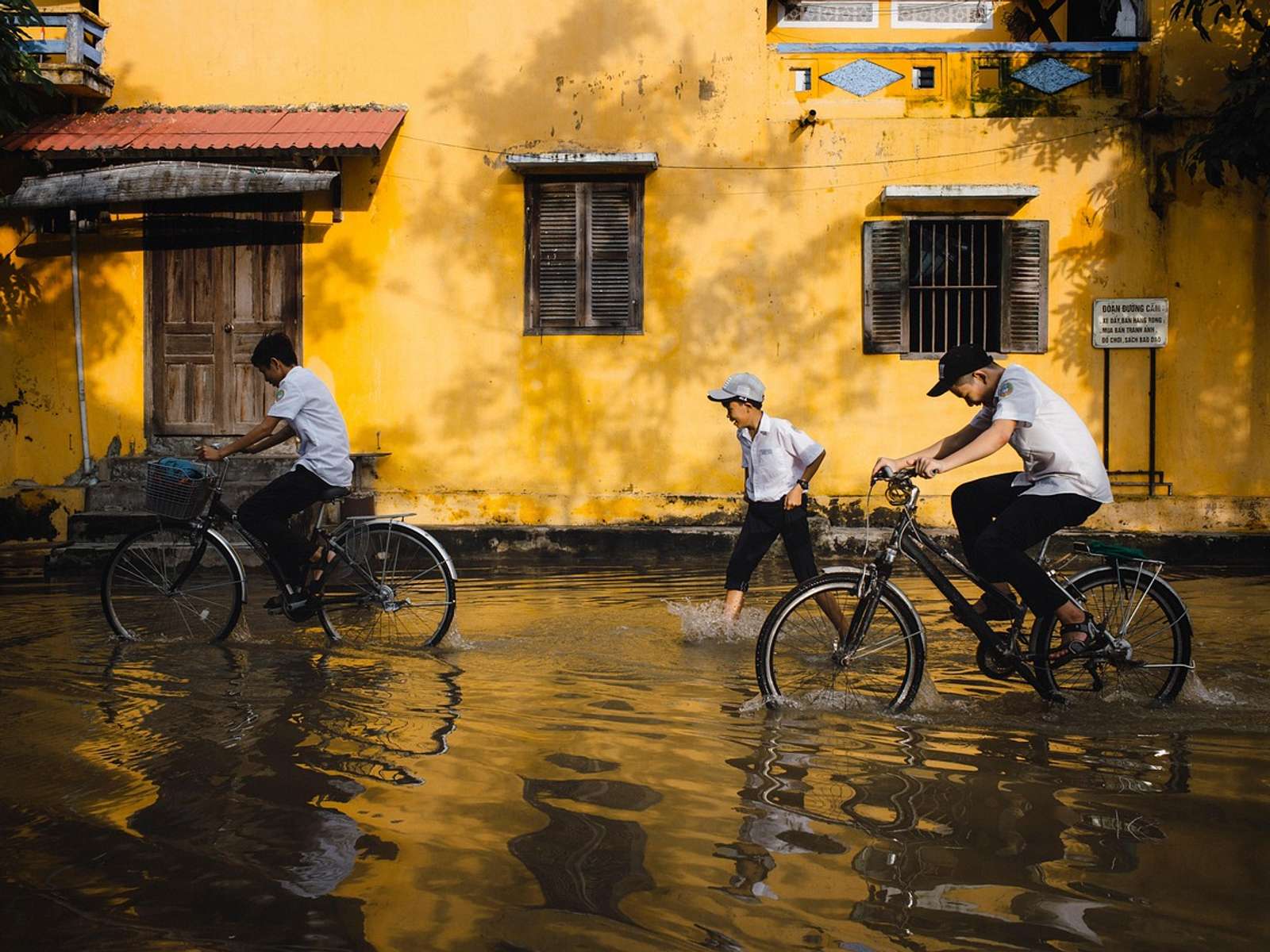
Nine schoolchildren who were stranded for two days by devastating flash floods in Nepal have safely found their families again with support from emergency responders.