Entomologist Christopher Heckscher of Delaware State University found the similar firefly, Pyractomena similis, in Brandywine Creek State Park, the first documented record since 1983. A new review lists 28 lost firefly species in the US and Canada.
A UK-wide study of more than 200 children found that the leukemia left after the first cycle of blinatumomab is the strongest predictor of relapse. The new BlinPredict tool has already shaped UK treatment guidelines.
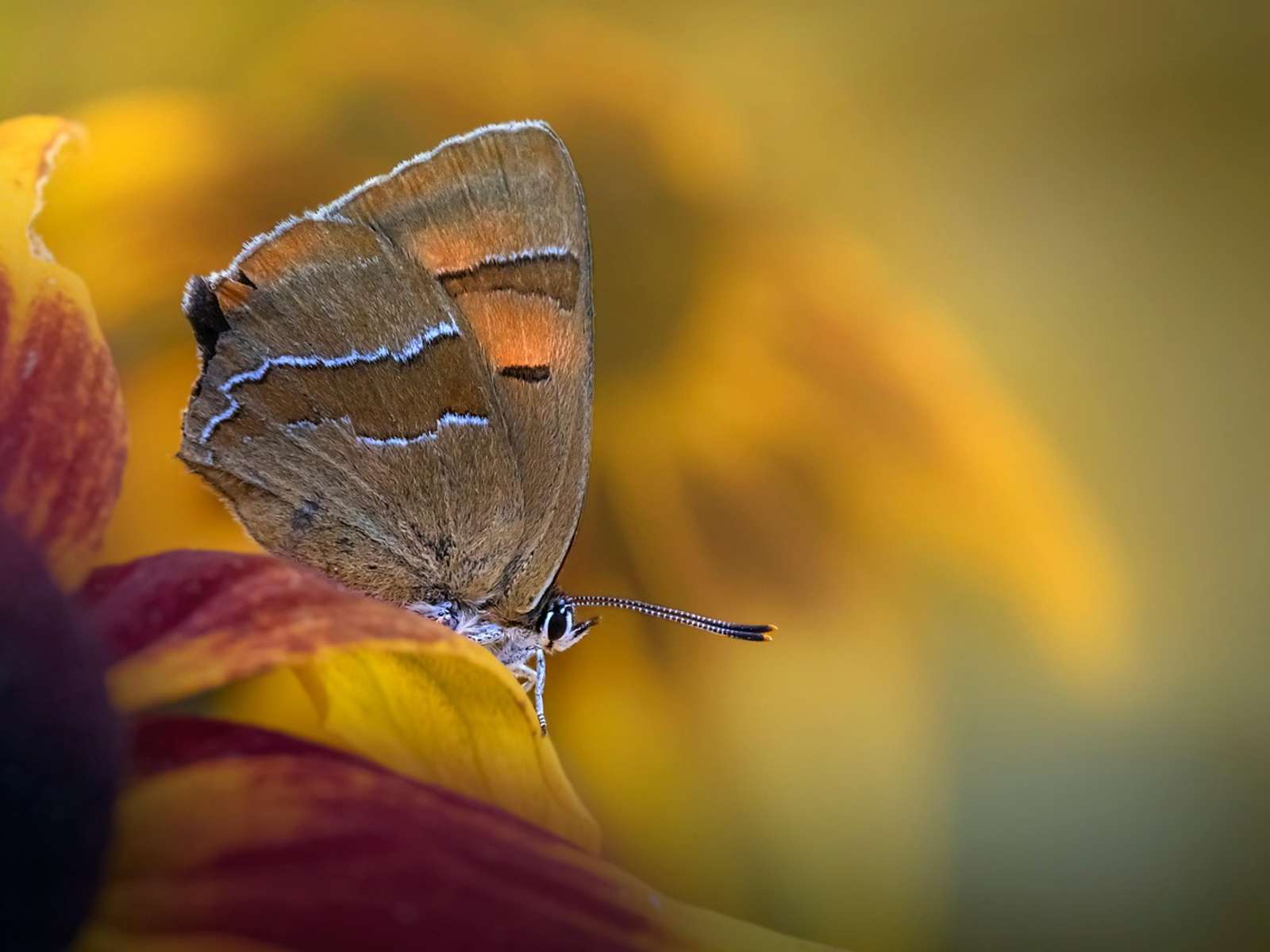
The University of Guelph leads a $2.4 million national project to recover the mottled duskywing, the frosted elfin, missing from Canada since the 1990s, and the curiously isolated hairstreak, known from one site in Alberta.
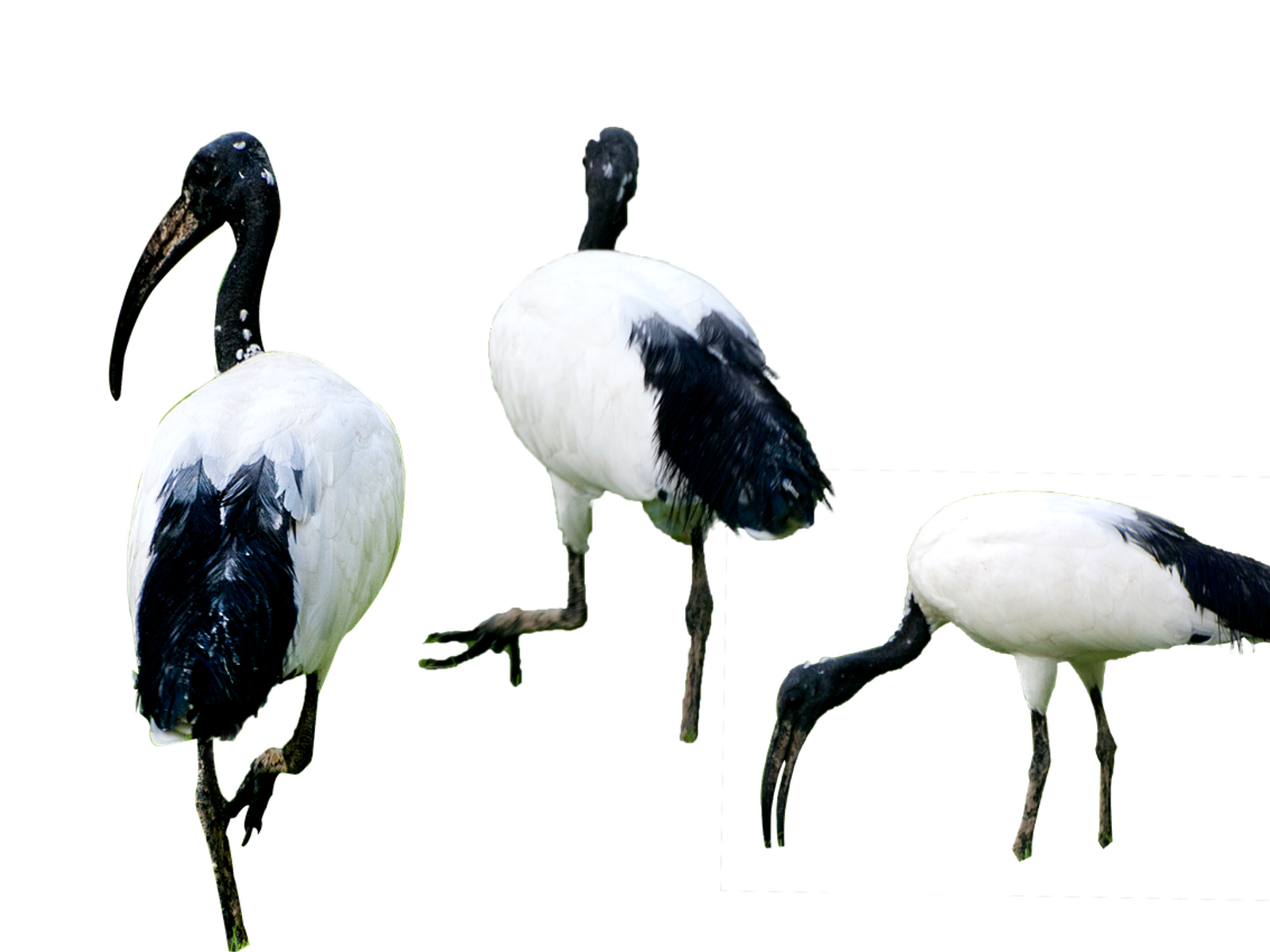
For the first time, all three breeding pairs of endangered Madagascar sacred ibises at Houston Zoo raised their own chicks. The four chicks outnumber all those produced in previous years combined by the AZA population.
Your weekly dose of good news
The 5 biggest positive stories of the week, straight to your inbox. Free, no noise.
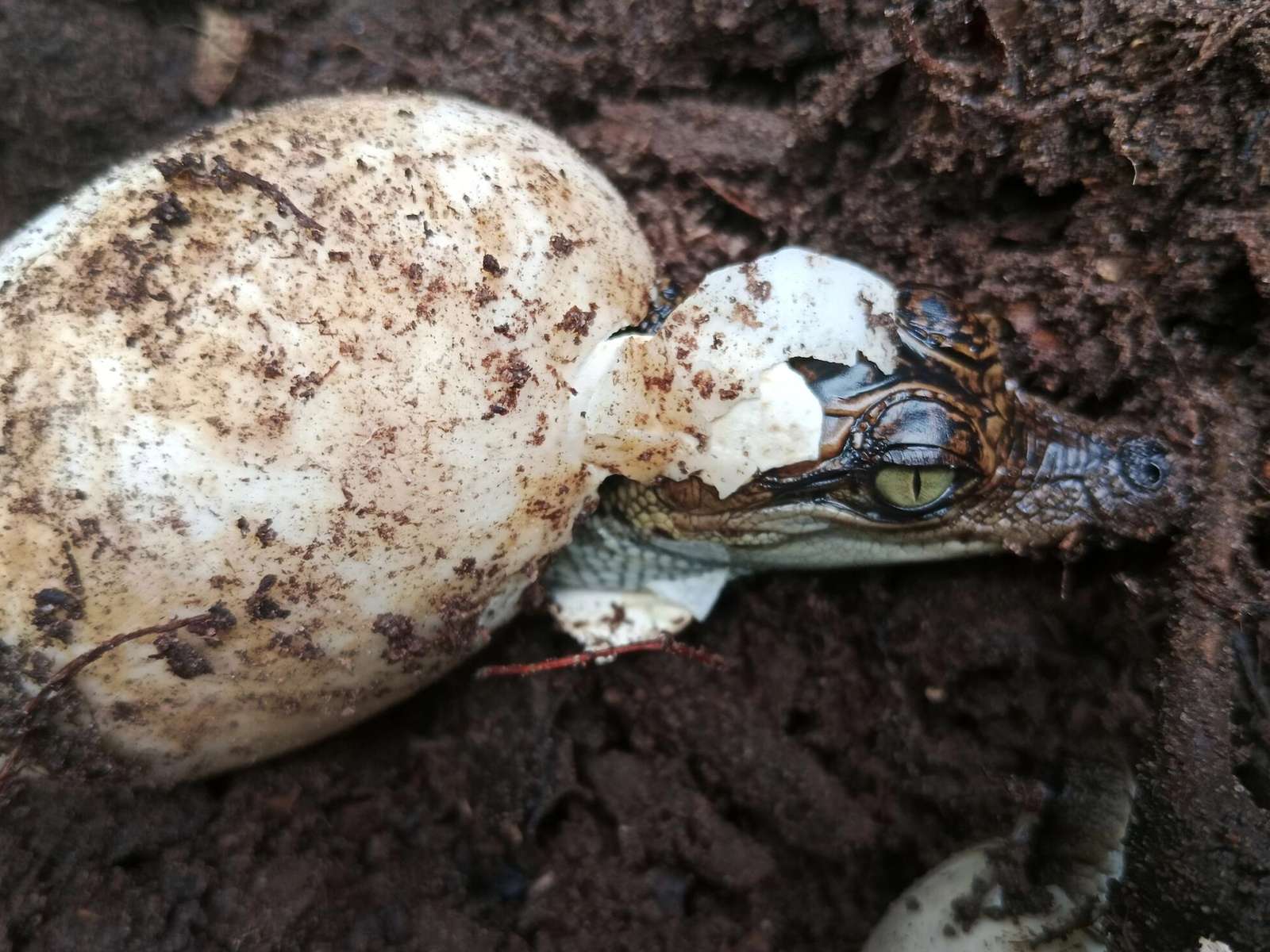
Cambodia has set aside 315 hectares of marsh in the Cardamom Mountains as its first genetic conservation area for an animal species. The site holds more than 40 wild Siamese crocodiles, the largest known wild group.
In a 60-patient phase 1b trial led by MD Anderson, firmonertinib shrank tumors in 68% of previously untreated patients with EGFR PACC-mutated lung cancer at the higher dose, with a median of 16 months before the disease worsened.
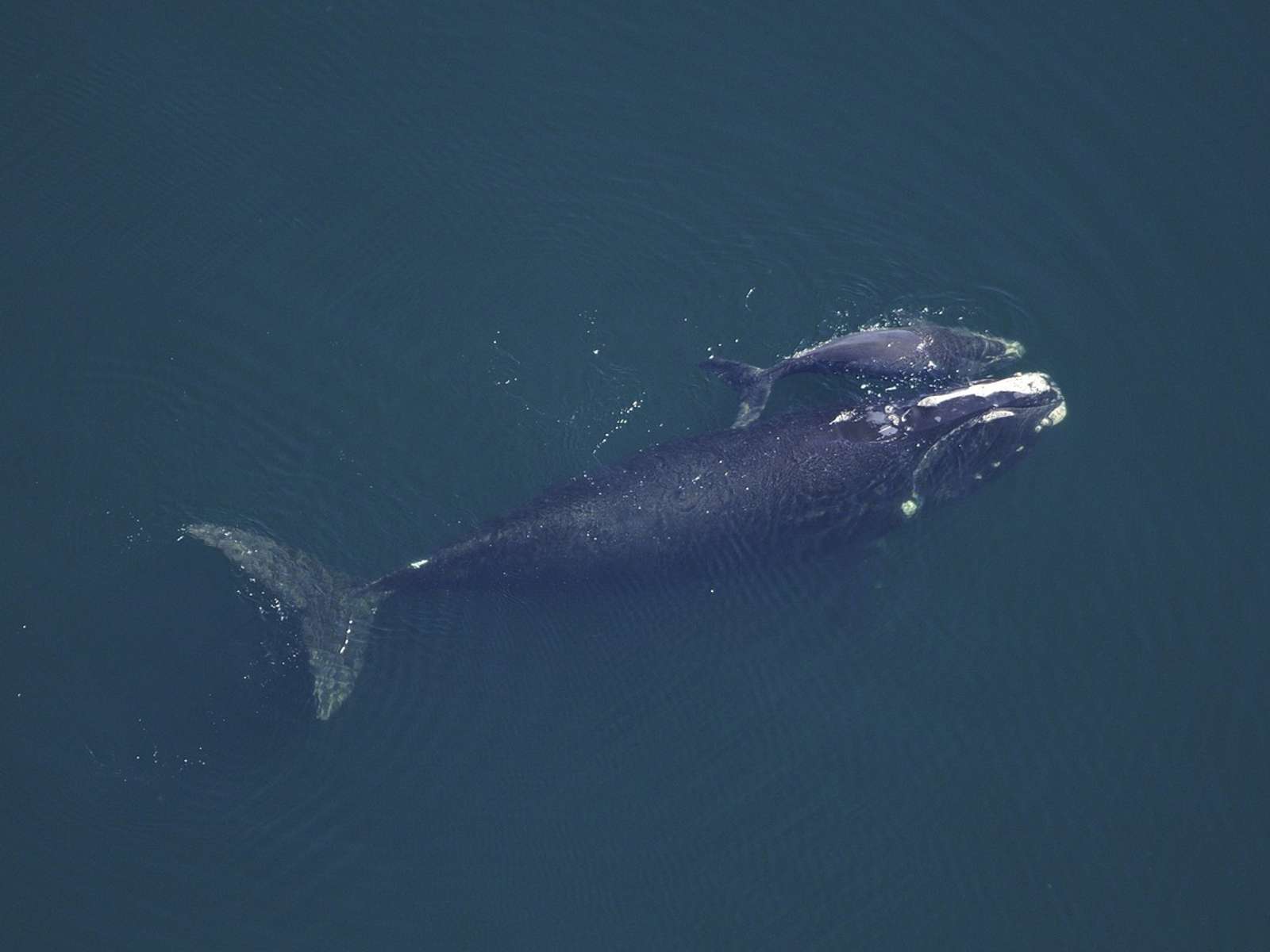
Satellite tracking of 21 southern right whales from New Zealand's Auckland Islands showed half swam straight west to feed south of Australia, while the rest took a month-longer L-shaped route. Both groups arrived at about the same time.
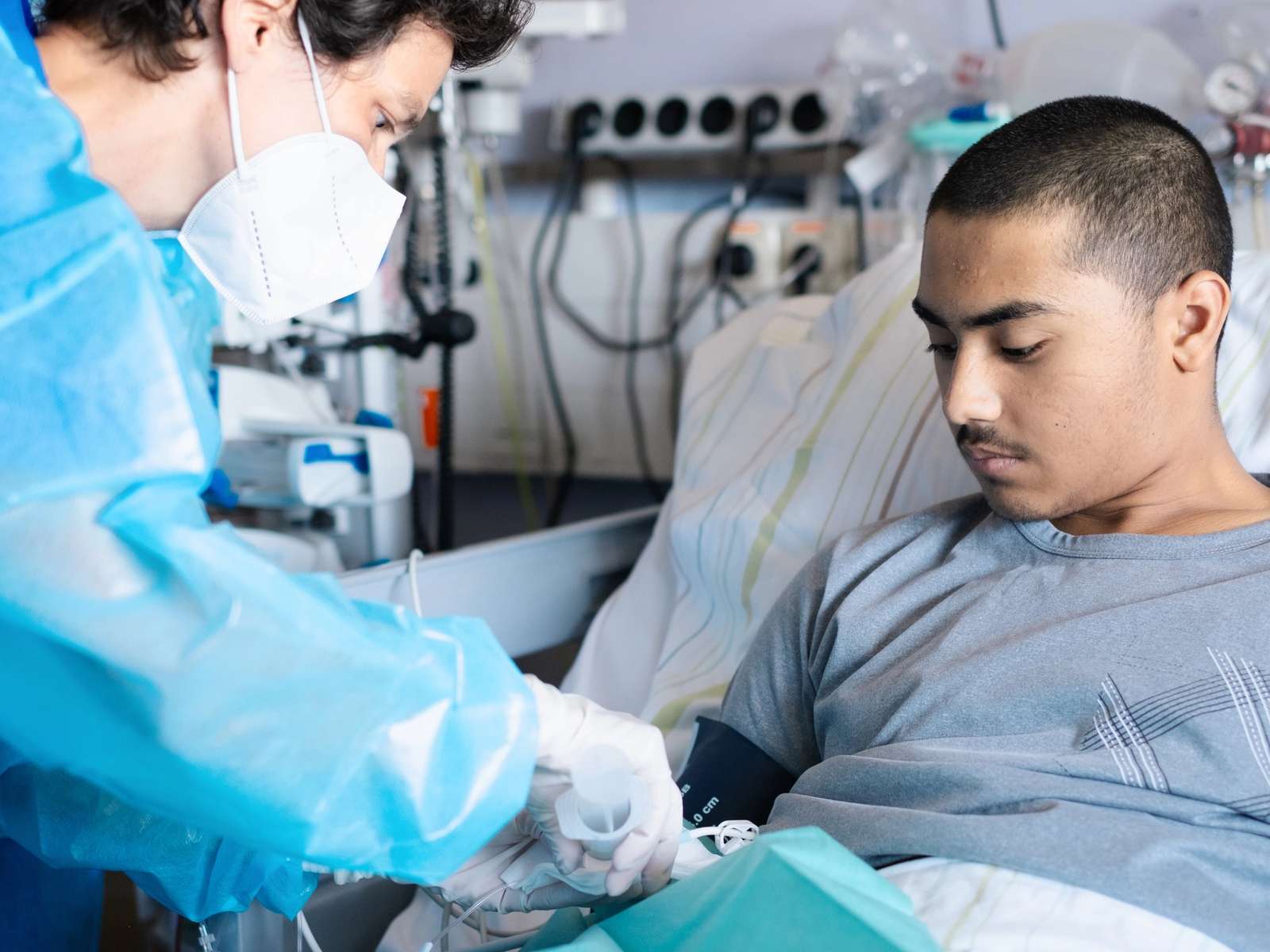
Charité in Berlin has given Germany's first routine CRISPR-based treatment to a 19-year-old with beta-thalassemia. Four months later his hemoglobin is normal and he no longer needs transfusions.
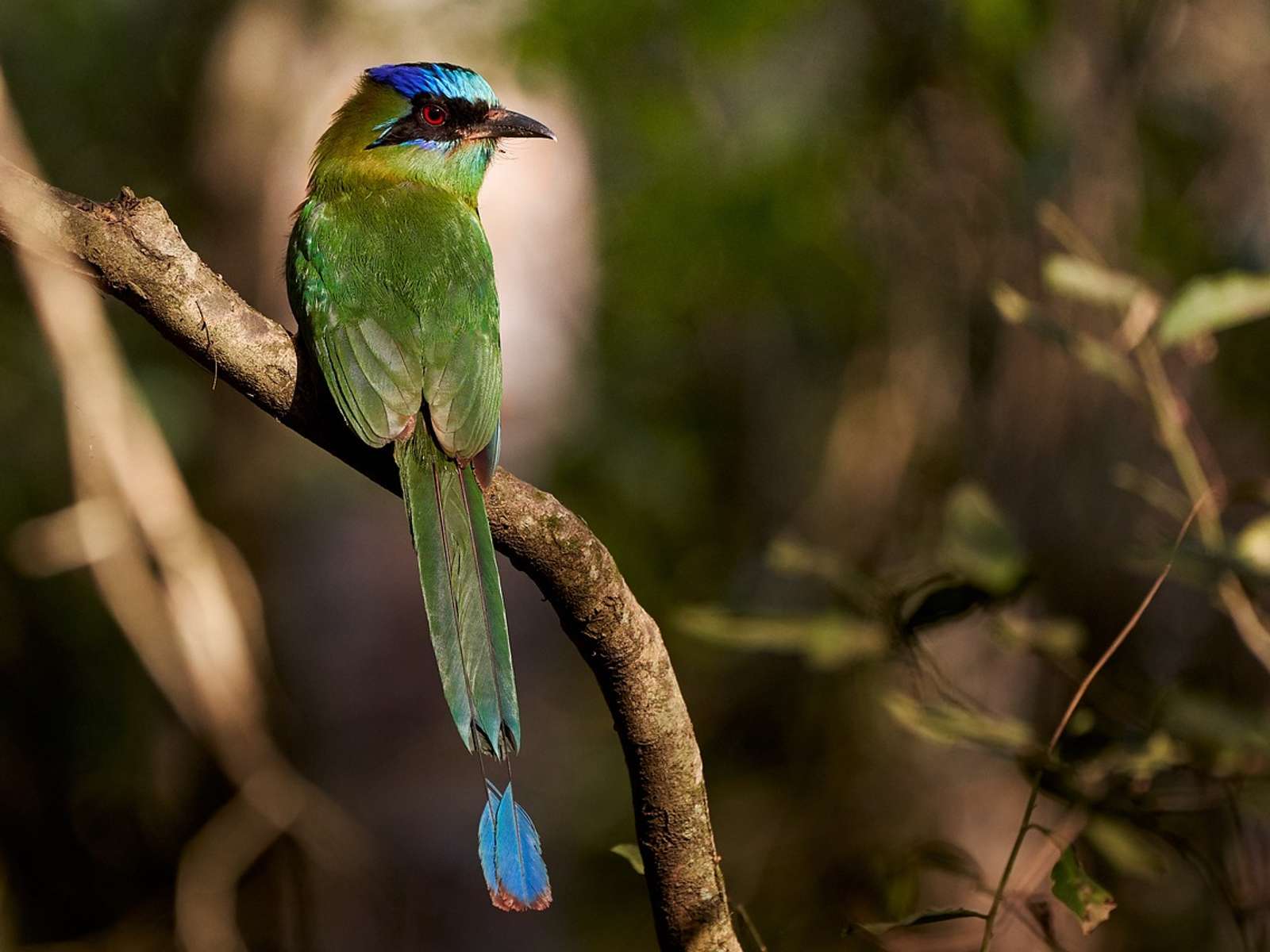
The American Ornithological Society has split the Guatemalan motmot from the russet-crowned motmot. Found only in the dry Motagua valley, it becomes Guatemala's first endemic bird species.
Two juvenile male kākāpō have joined a mainland habitat trial at Sanctuary Mountain Maungatautari, and 122 Mahoenui giant wētā were released there. The kākāpō population reached 325 after a record breeding season.
Entomologist Christopher Heckscher of Delaware State University found the similar firefly, Pyractomena similis, in Brandywine Creek State Park, the first documented record since 1983. A new review lists 28 lost firefly species in the US and Canada.
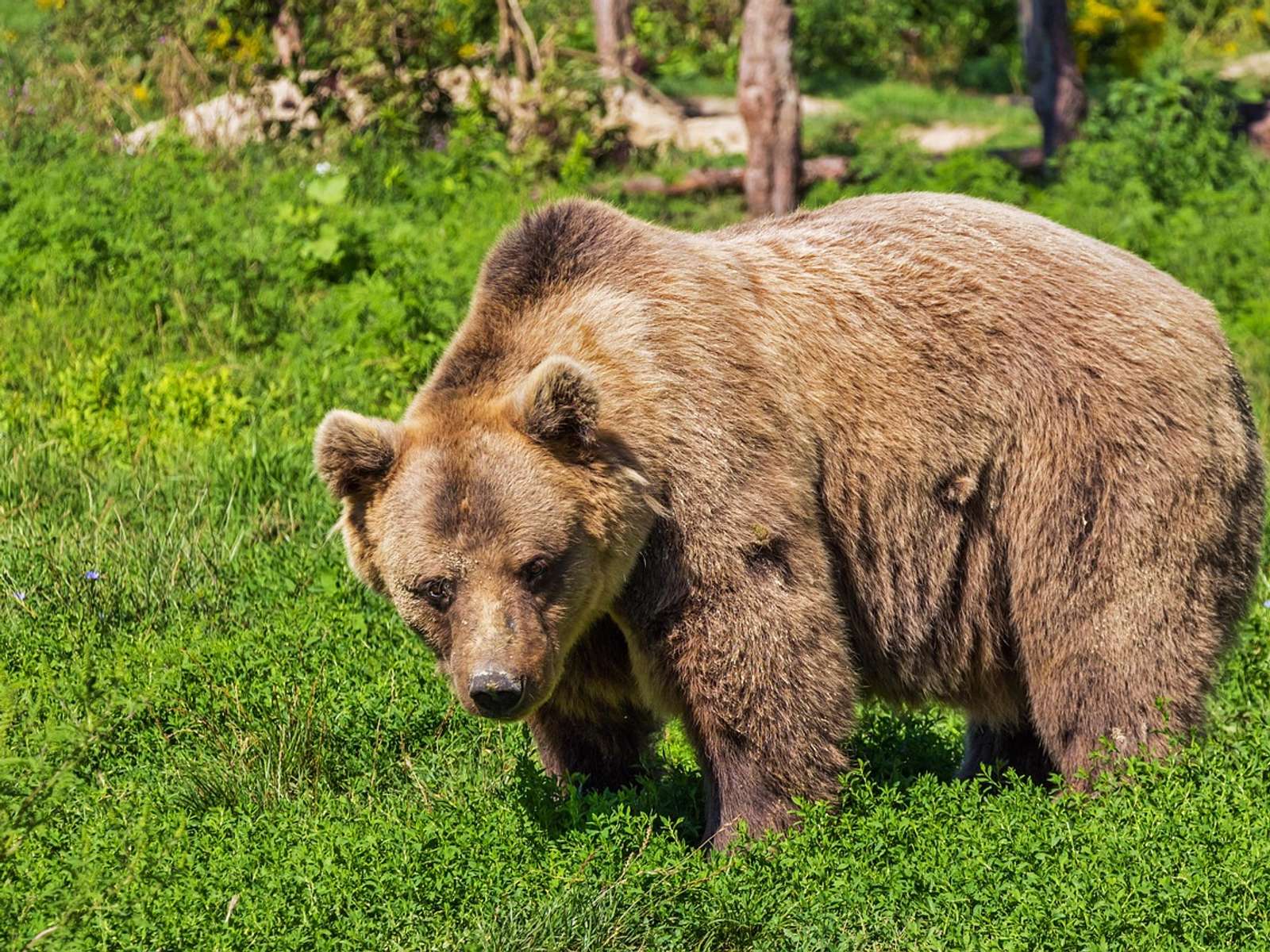
Bu, a former circus bear, and Tyapa, from a petting zoo, have reached Wild Ireland in Donegal after a five-year rescue across war, sanctions and flight disruptions. They are now the only living brown bears in Ireland.
The University of Guelph leads a $2.4 million national project to recover the mottled duskywing, the frosted elfin, missing from Canada since the 1990s, and the curiously isolated hairstreak, known from one site in Alberta.
In southern Zimbabwe, a UNDP and Green Climate Fund project has reached 229,414 women directly. Earth augers and threshers cut their farm workload by a reported 76%, and women now hold about half the seats on irrigation committees.
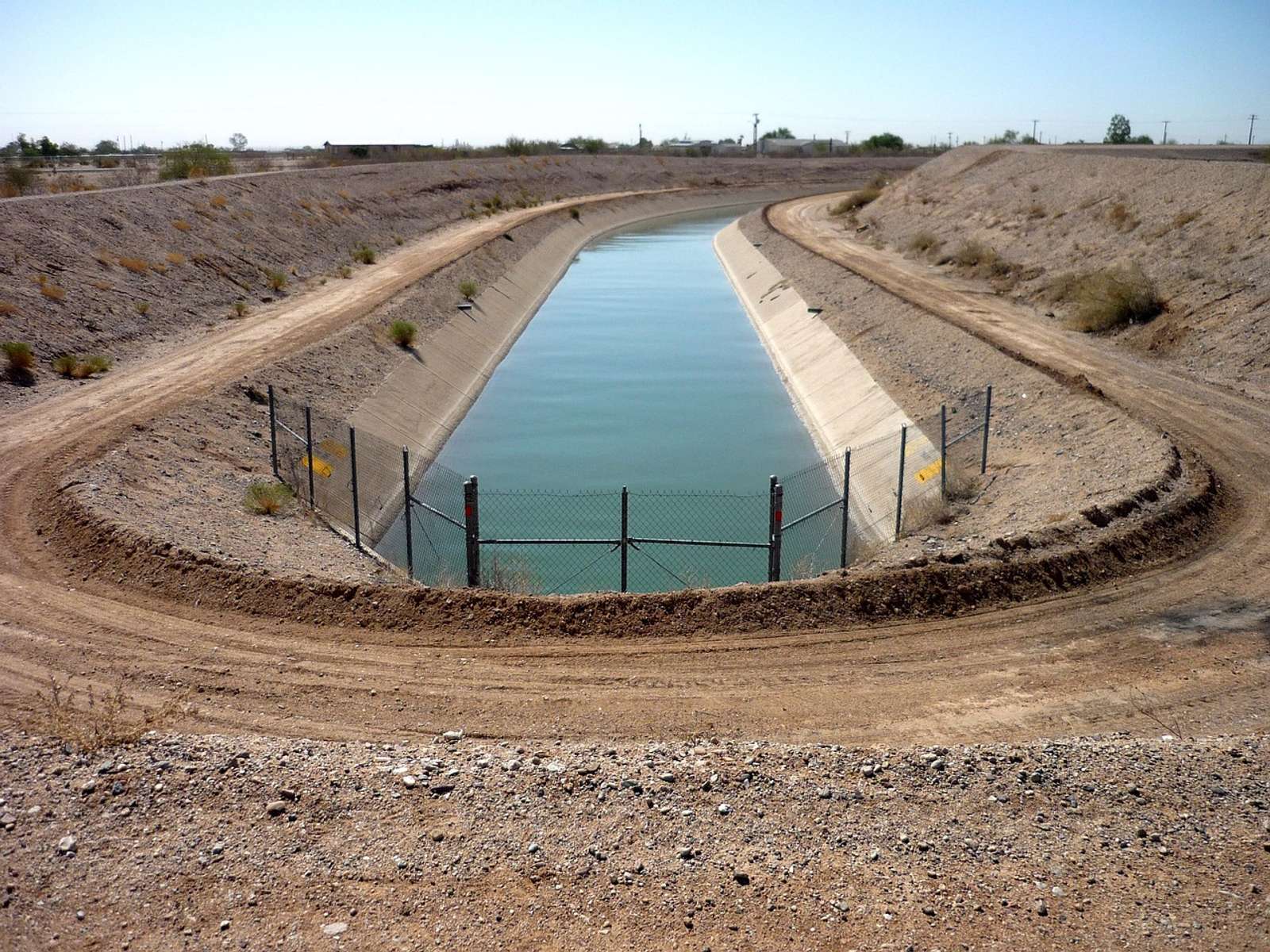
In Kyrgyzstan's Ferghana Valley, a UNDP project led by women has restored more than 22 km of irrigation and installed 204 drip systems, benefiting 3,980 people where 77% of residents had faced conflicts over water.
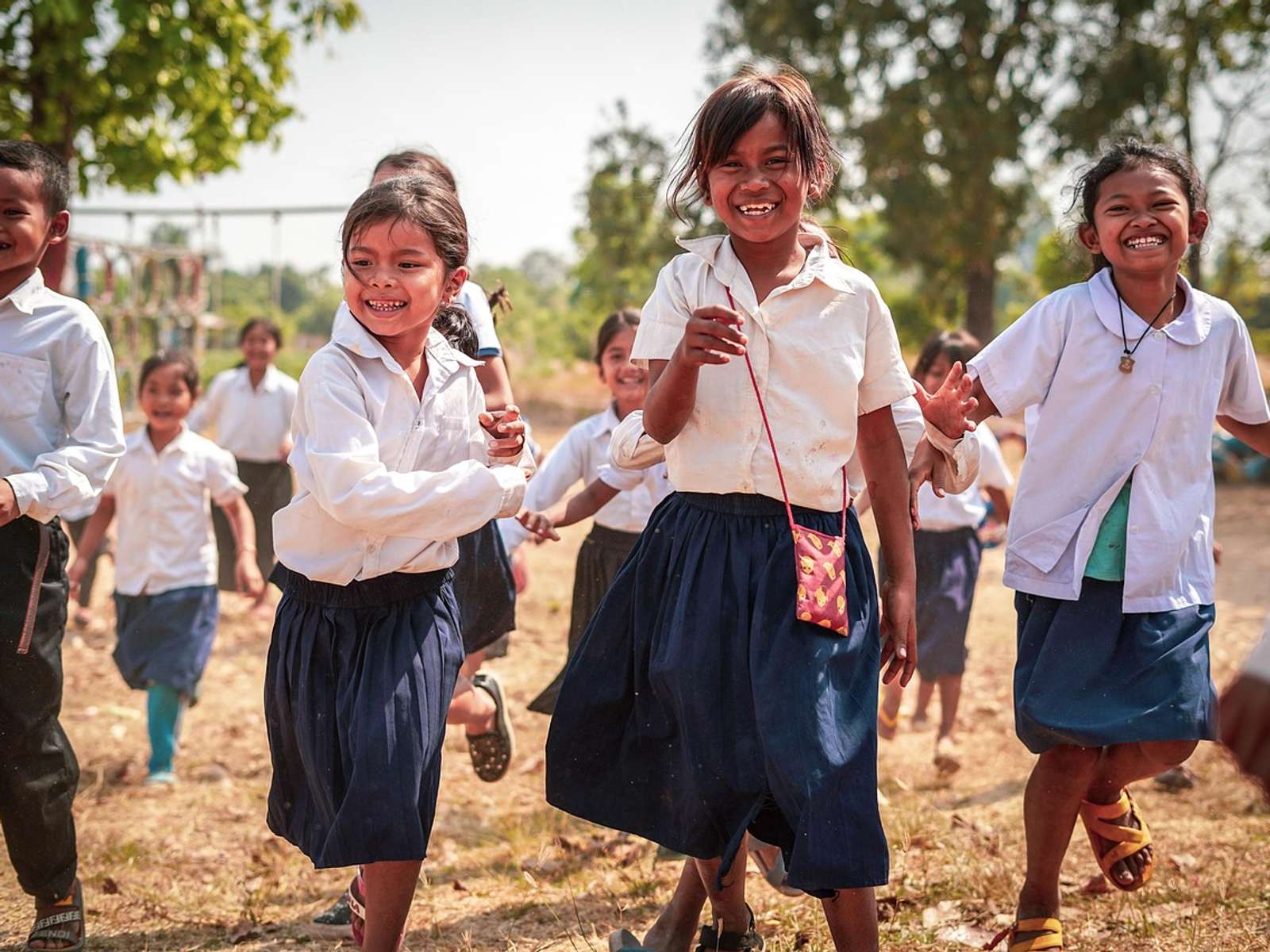
In Prey Veng, five 16-year-old volunteers have taught about 1,300 primary schoolchildren about healthy food and persuaded snack vendors to drop banned products, through a UNICEF-backed youth program that has reached 50,000 students.
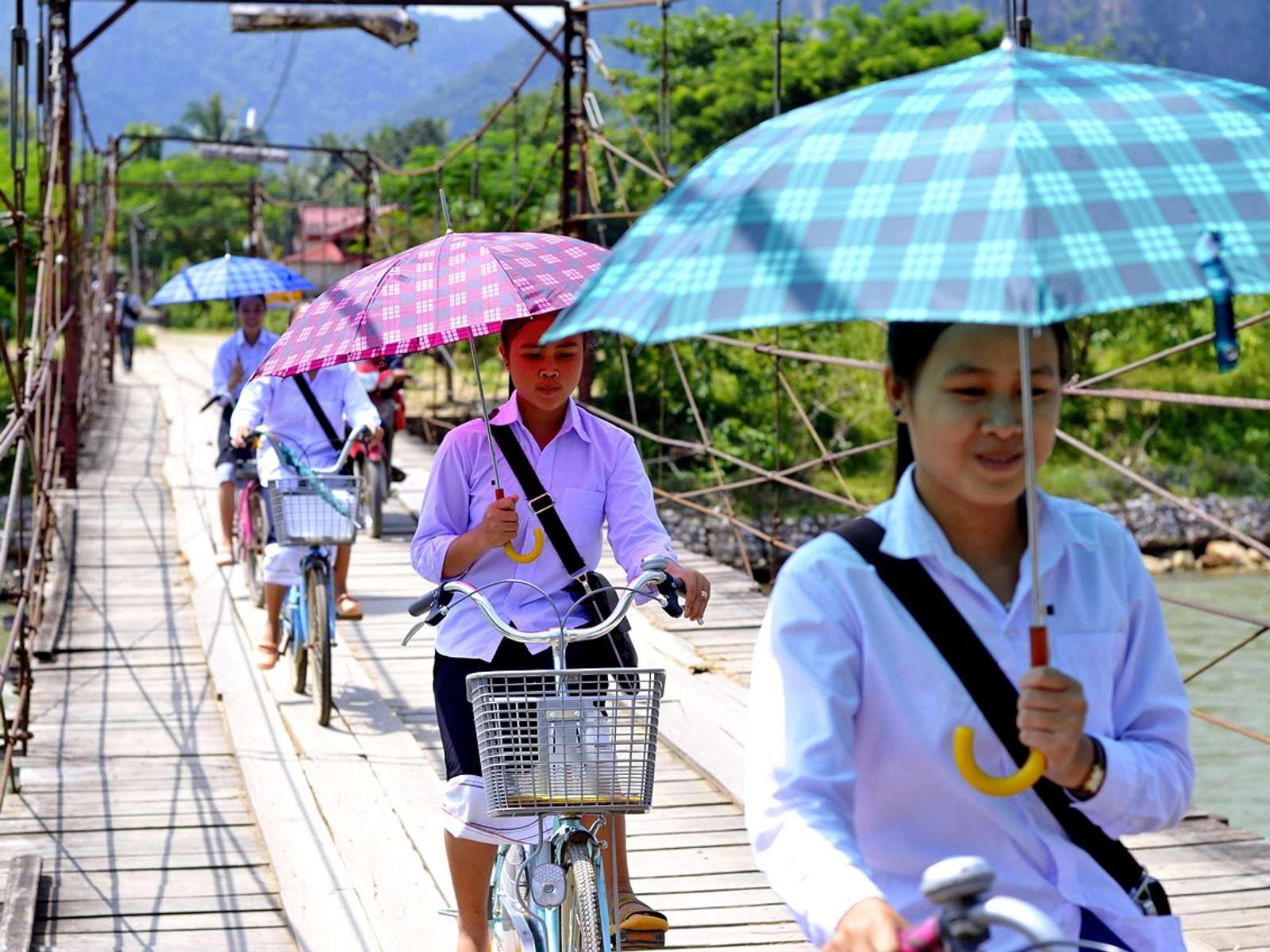
Project Sinxay, run by the Lao Youth Union with UNICEF, has now reached more than 7,000 young people in seven provinces, up from just over 1,000 a year ago. Its youth-led projects range from rice-straw products to campaigns against child marriage.
Between January and October 2026, more than one million people in Niger gained electricity through the World Bank-backed Haské project, in a country where about 23% of people had power in 2024. The target is 2.5 million by 2027.
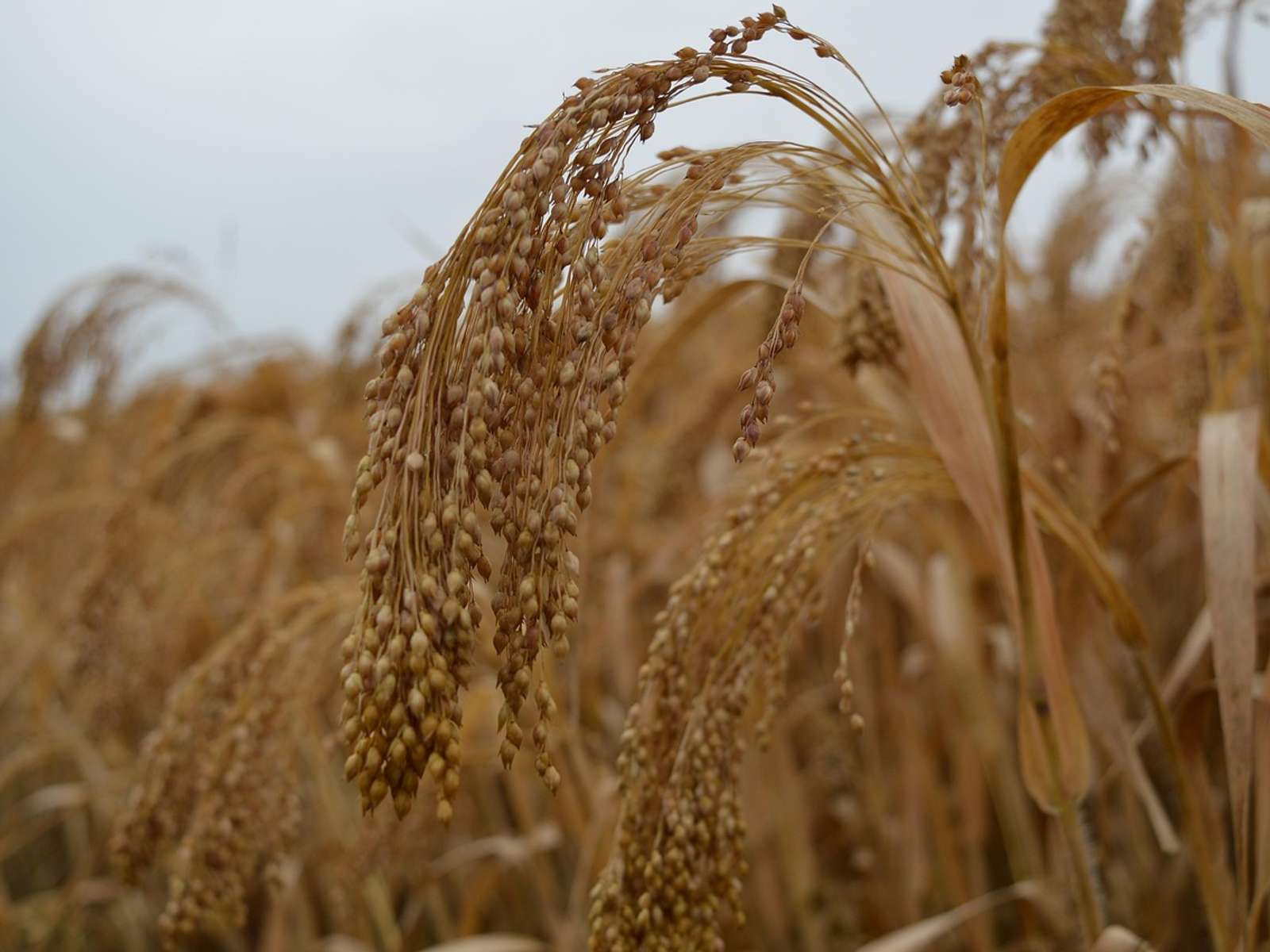
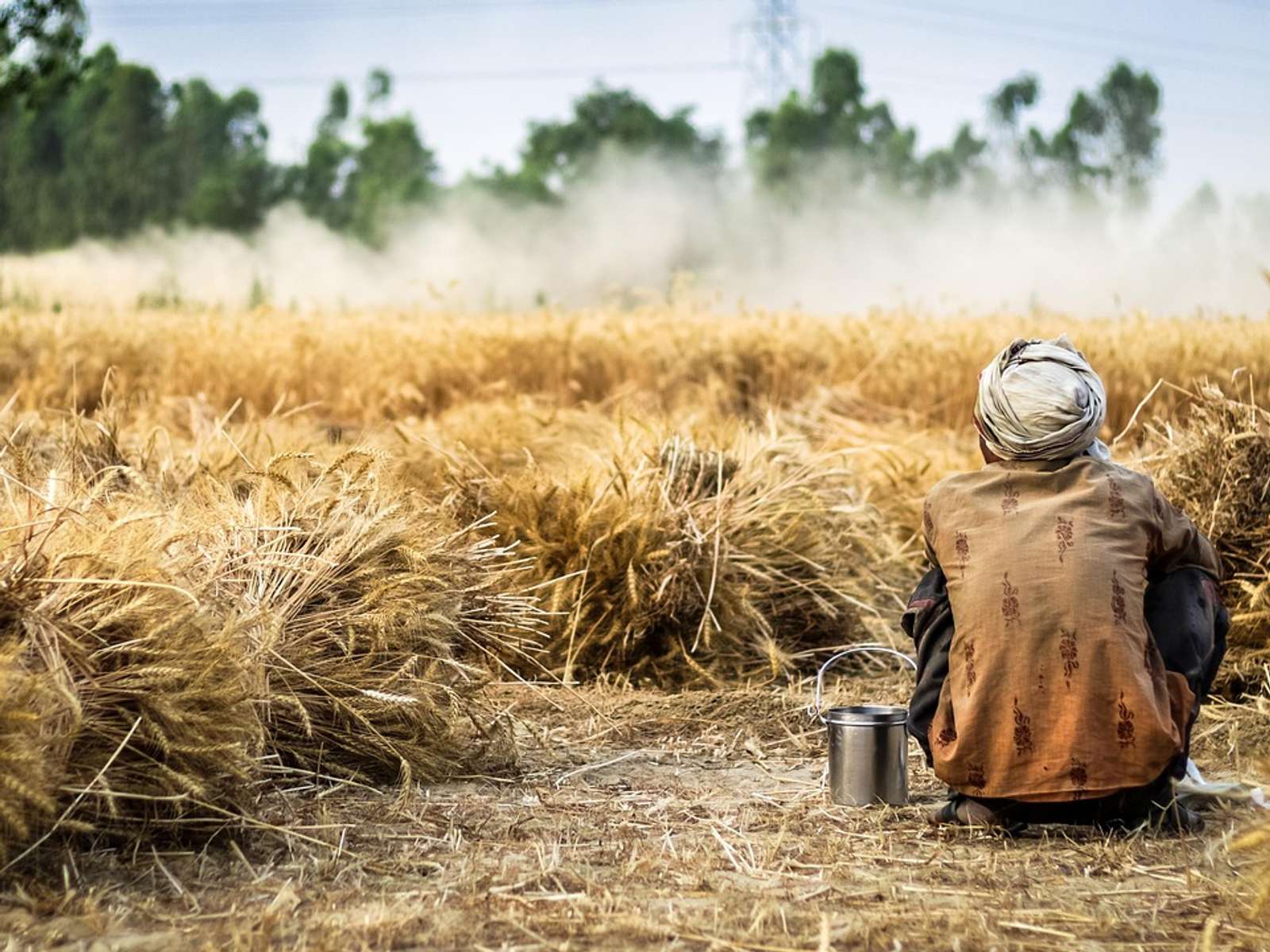
In Syalbada, Jumla, an all-women farmers' group of 27 has started growing proso millet, or Chino, together on about three hectares, with seeds, a thresher and market links from a UNDP project. Nearby, a cooperative now buys such crops at Rs. 100 per kg.
On the edge of Huai Kha Khaeng Wildlife Sanctuary in western Thailand, a women-led herbal network has grown from 21 to 88 households in about six years, earning more from less land and easing pressure on the forest, UNDP said.
A new €10 million agreement between the EU, UNDP and FAO will spend 42 months helping Yemeni farmers, food businesses and local institutions build climate-resilient value chains and lasting jobs.
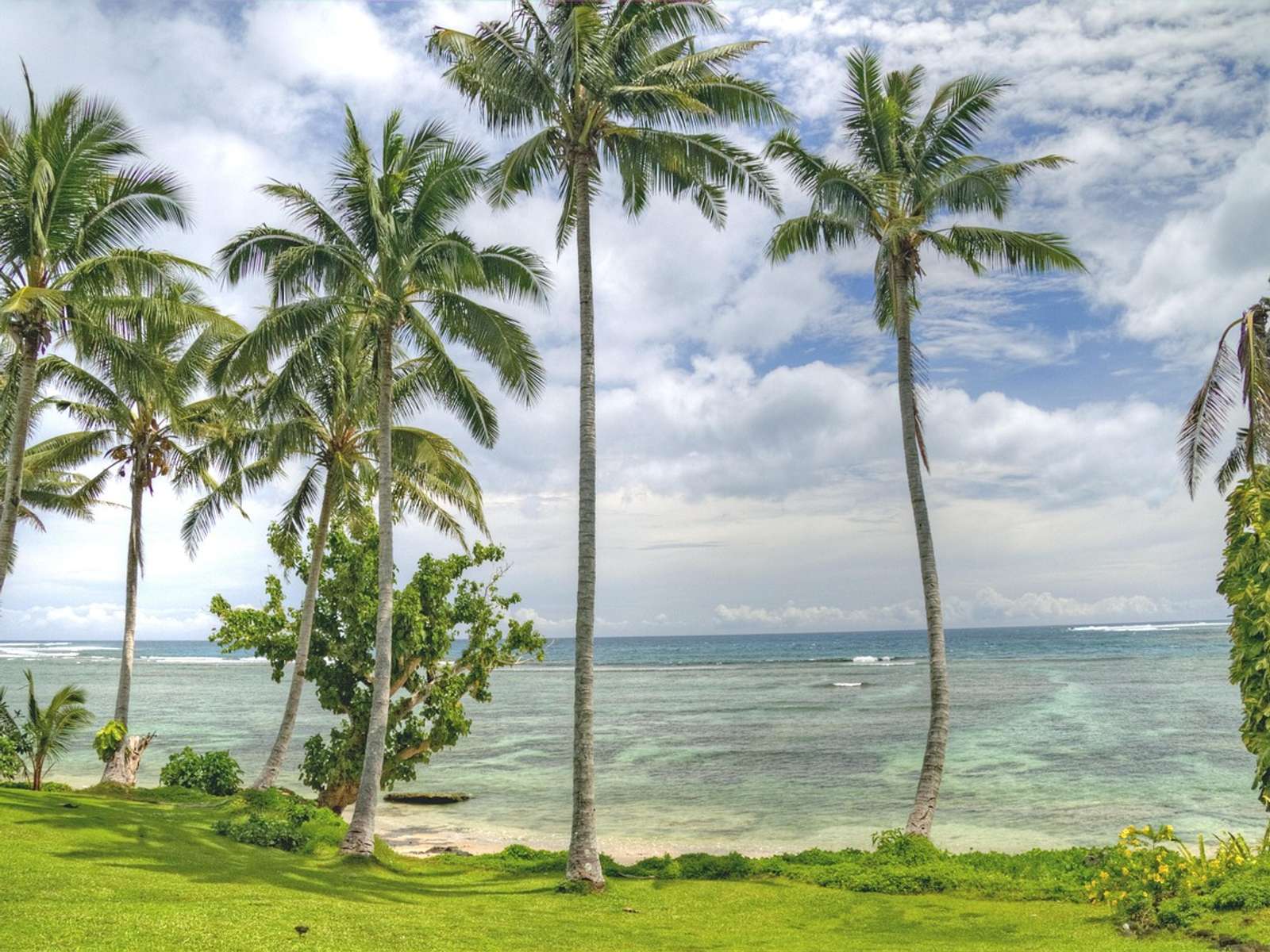
One year after Samoa's environment ministry and partners cleared invasive rats and feral pigs from Nu'utele Island, sea turtles are nesting there again after decades, native seedlings carpet the forest floor and rare ground-doves are breeding.
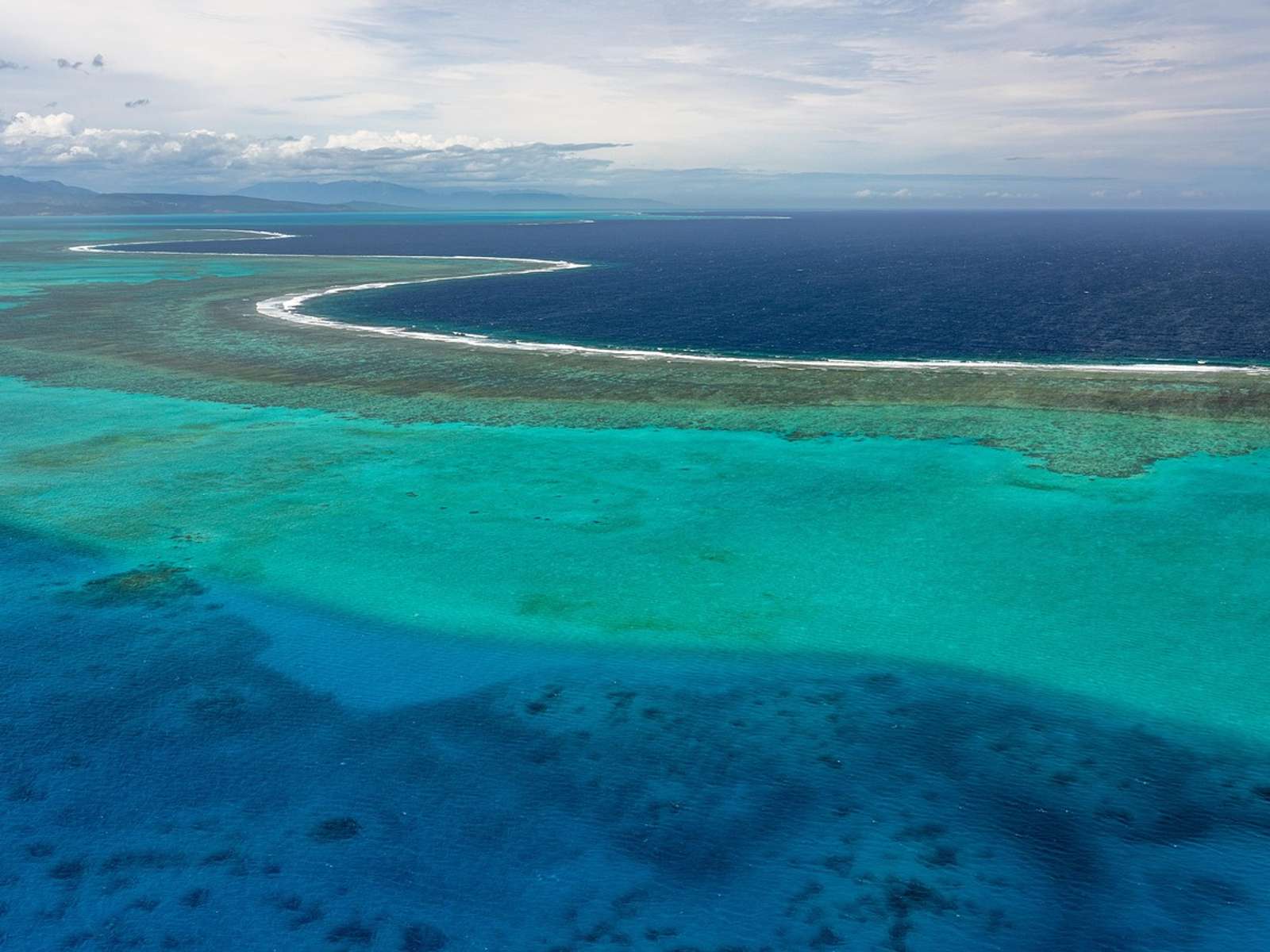
A Lancaster University-led study of 28 atoll islands found reefs around rat-free, seabird-rich islands grow 1.8 to 2.5 times faster, fast enough to keep pace with sea-level rise under 2°C of warming, the authors project.
Kenya's government and The Nature Conservancy unveiled Thamani Asili, a $160 million Project Finance for Permanence covering about 17.3 million hectares over 10 years. About 1.6 million people are expected to benefit directly.
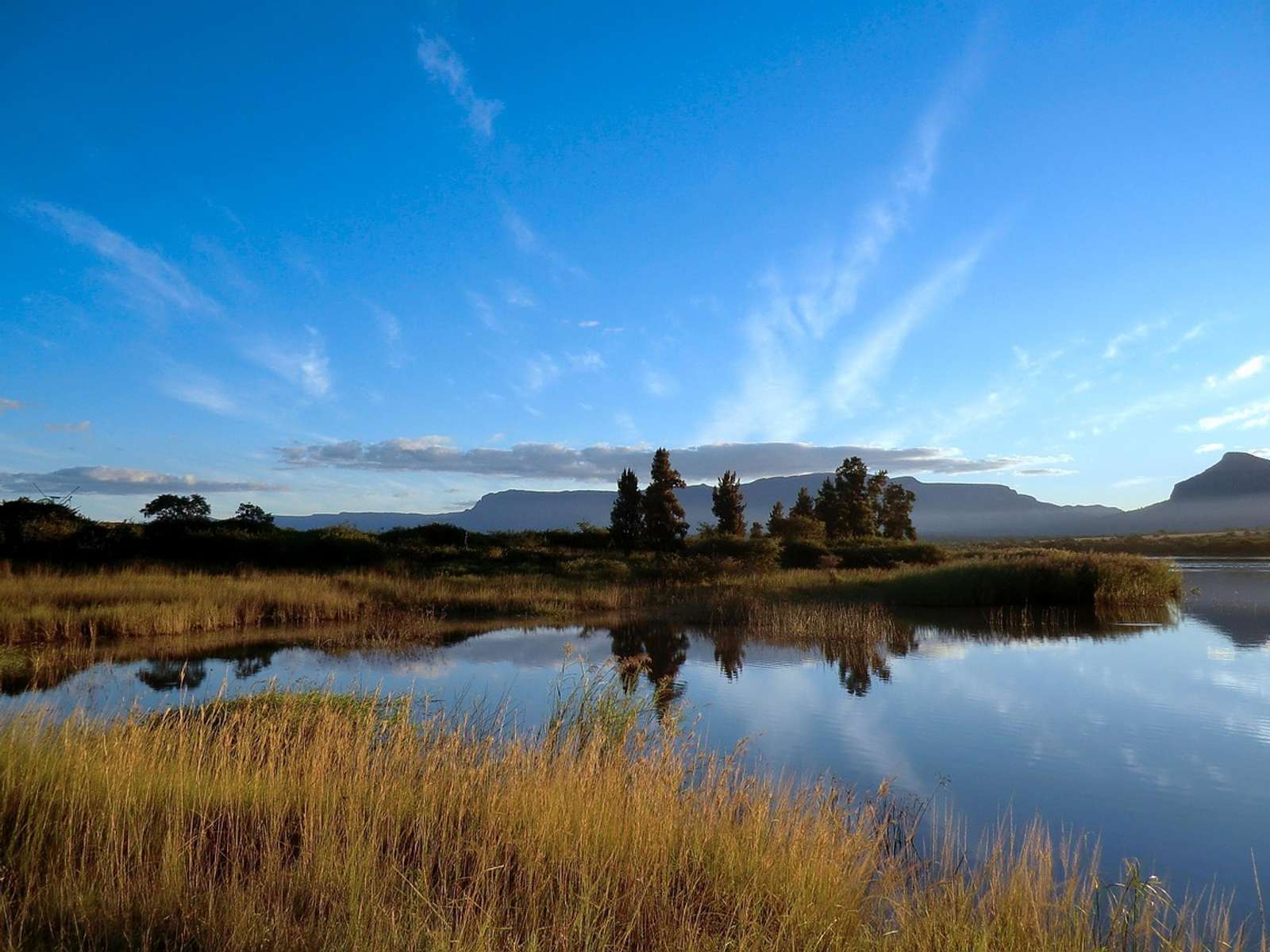
South Africa has declared the Grasslands National Park, 18 properties covering about 10,226 hectares between Nqanqarhu and Rhodes. It is the first national park created mainly through landowners signing on to protect their land.
Gavi and UNICEF have secured a price of €5.50 a dose for the RTS,S malaria vaccine, about 40% lower, saving roughly US$50 million in 2027 to 2029. That could fund the full course for up to one million more children.
In the SEVUSMAART trial in Kenya and Zambia, sevuparin given with artesunate was safe and well tolerated in 23 children with severe malaria, and researchers found the dose to test next. Efficacy trials across Africa come next.
A UK-wide study of more than 200 children found that the leukemia left after the first cycle of blinatumomab is the strongest predictor of relapse. The new BlinPredict tool has already shaped UK treatment guidelines.
UC Davis Health has finished imaging the last of 10 patients in the first human study of a catheter that combines two optical techniques to show the makeup of plaque in heart arteries. Results have not yet been reported.
With funding from the Republic of Korea, UNICEF has built 19 boreholes, solar-powered pumps, reservoirs and pipe networks in climate-vulnerable communities including Ghor province, reaching over 39,000 children and their families.
A partnership between UNICEF, Airtel Africa and Nigeria's government has connected nearly 2,000 schools and made learning platforms free of data charges, reaching about 1 million students and more than 20,000 teachers.
In Cambodia's Ratanakiri province, Indigenous students are learning to install and maintain solar systems through UNICEF's Youth Solar (YOSO) program. About 2,600 students in Ratanakiri and Preah Vihear are expected to take part in 2026.
In Mwinilunga, Zambia, girls who became pregnant are back at school under the country's re-entry policy, with support from a UNICEF and EU program. One wants to join the police, another to study physiotherapy.
The University of Queensland's BASE mRNA Facility will build quality-control technology for ARPA-H's GIVE program, which aims to let US hospitals produce personalized RNA medicines on demand. UQ's share is up to $57 million.
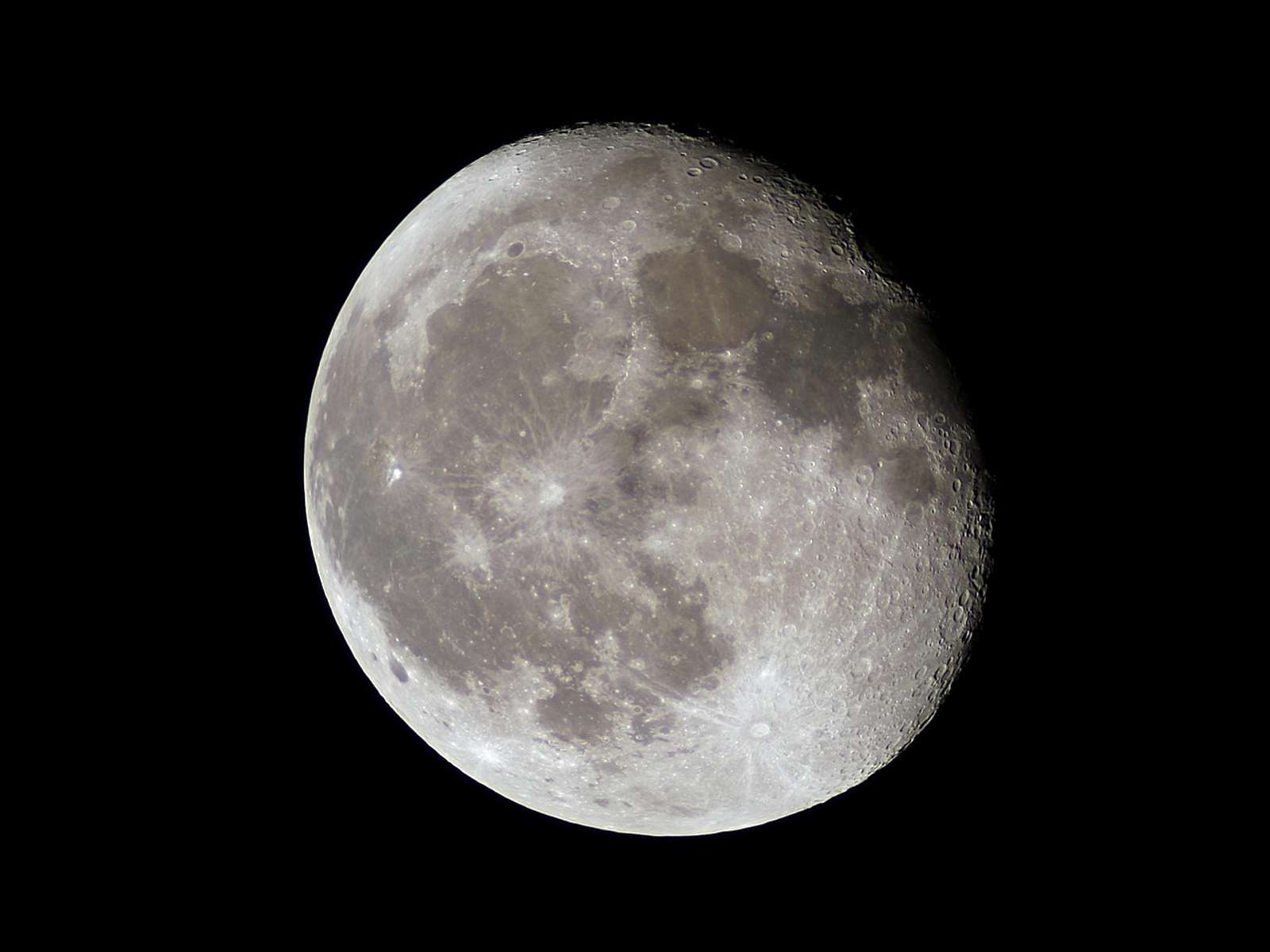
MIT's CERBERUZ team won NASA's LunaRecycle Challenge with a machine that grinds mixed plastics and aerospace foam into powder and molds it into new parts, with no water or chemicals. The team won $925,000 over the competition.
MIT and Boston Children's Hospital researchers built E(3)-Pose, a model that uses the left-right symmetry of the fetal head to track its position during MRI, so scans can adjust on the fly instead of leaving gaps.
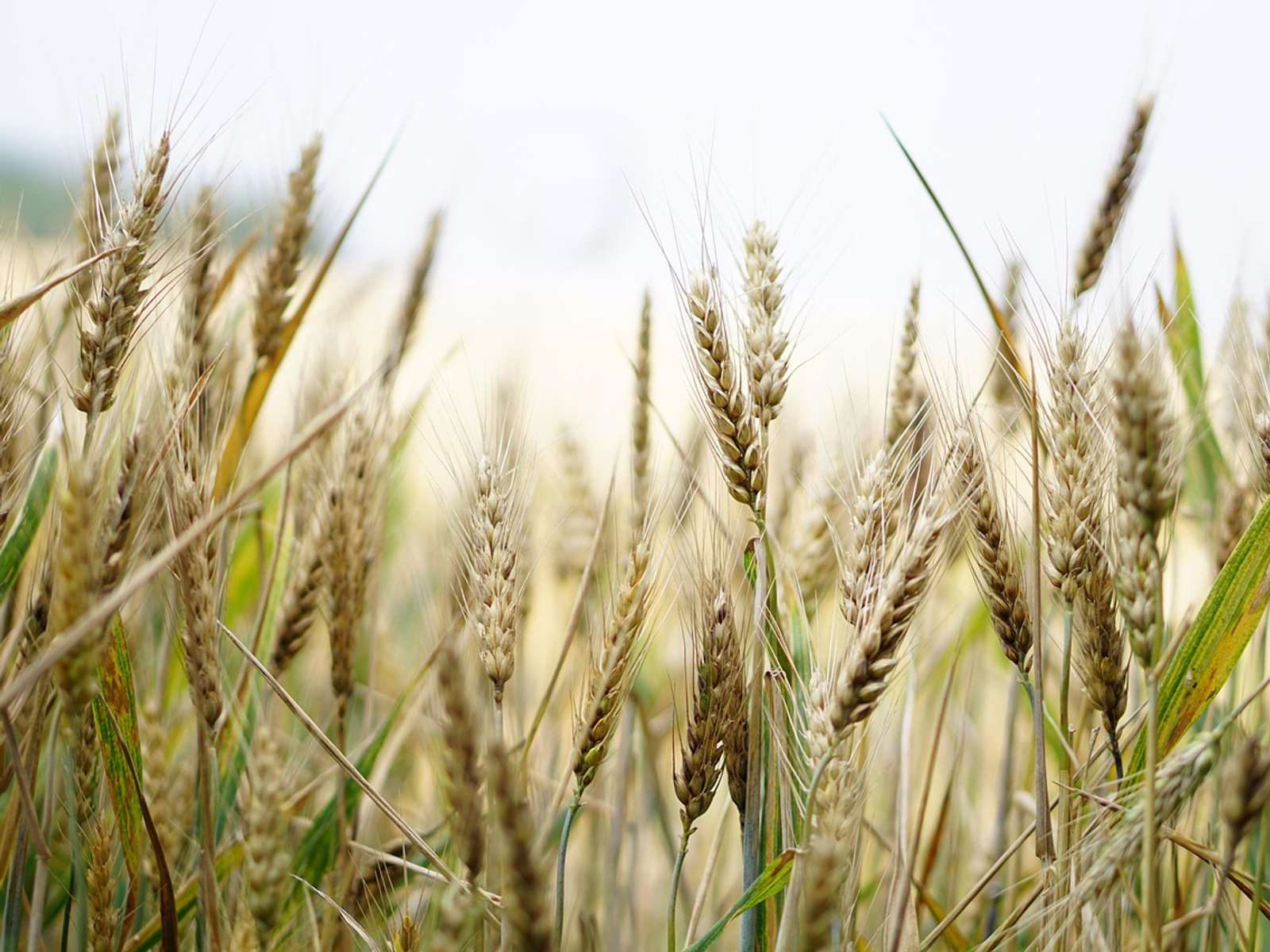
Scientists at Tanzania's TARI-Selian have been trained to use a low-cost LAMP test from the John Innes Centre that confirms wheat blast in 30 to 60 minutes. The disease, which can wipe out whole fields, is already in neighboring Zambia.
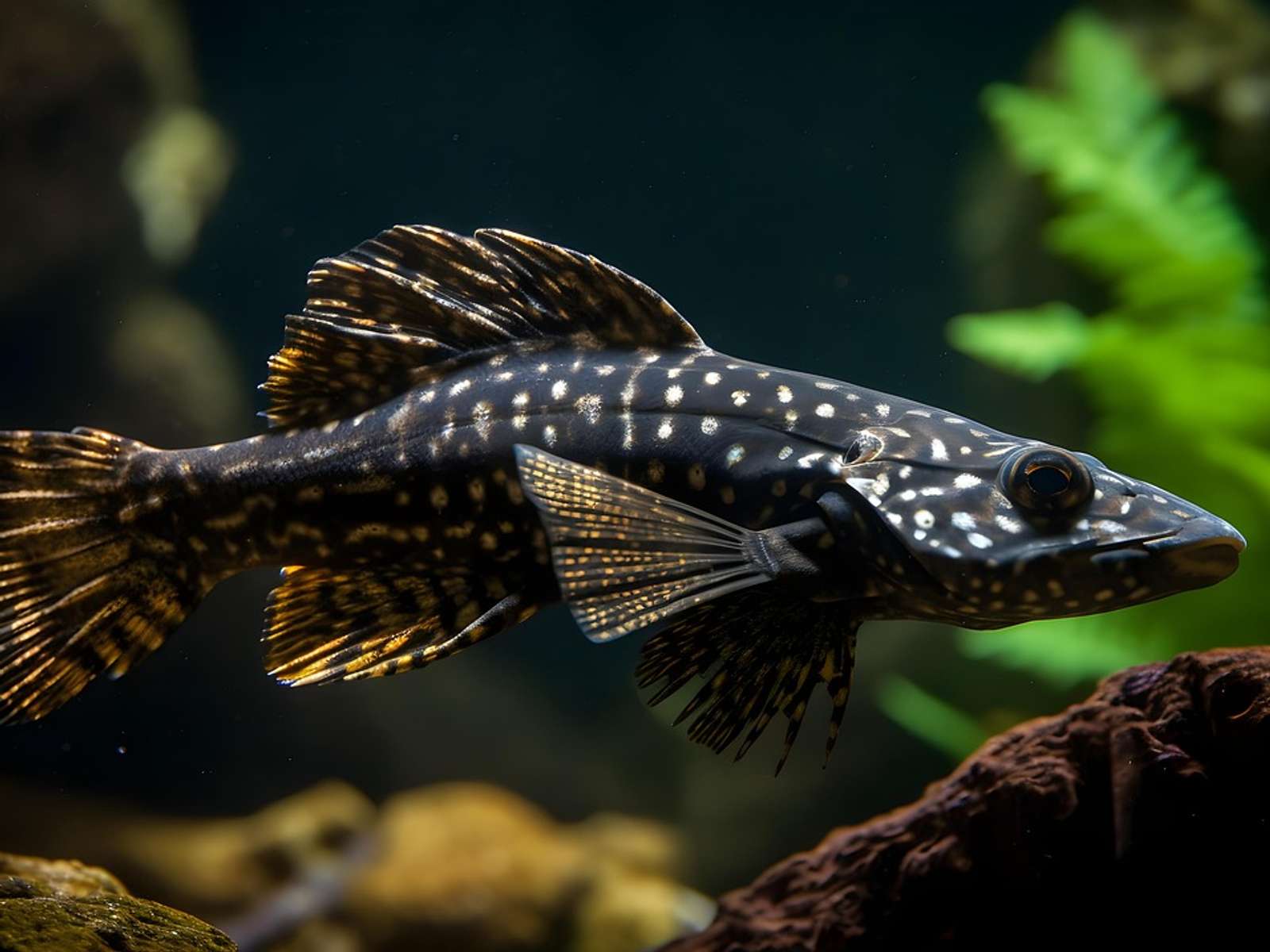
Scientists from Brazil's Museu Nacional and Museu Paraense Emílio Goeldi have described Peckoltia kahxi, a mottled armored catfish known from just two sites in the rapids of the Trombetas basin in Pará.
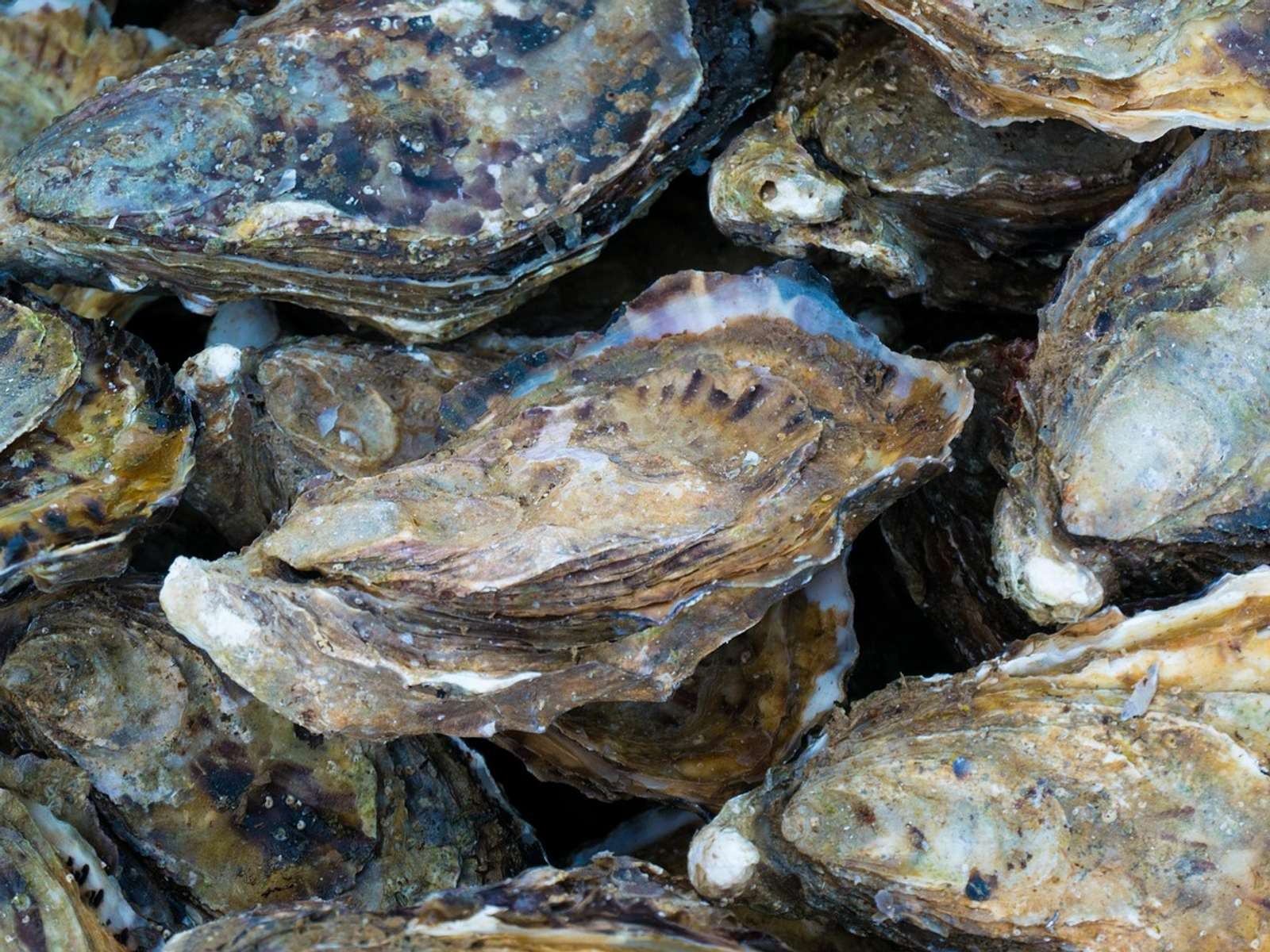
A study led from the University of São Paulo found that bivalves without eyes, such as the Pacific oyster, express up to nine light-sensing opsins in their tissues. The human retina uses five to form images.
Researchers from Utrecht University recorded 2,500 calls from Critically Endangered Rüppell's vultures at two Dutch zoos and found 16 call types. Chicks start calling inside the egg about two days before hatching.
The American Ornithological Society has split the Guatemalan motmot from the russet-crowned motmot. Found only in the dry Motagua valley, it becomes Guatemala's first endemic bird species.