Young mothers in Zambia's North-Western Province are back in class with a policy that lets them return
In Mwinilunga, Zambia, girls who became pregnant are back at school under the country's re-entry policy, with support from a UNICEF and EU program. One wants to join the police, another to study physiotherapy.

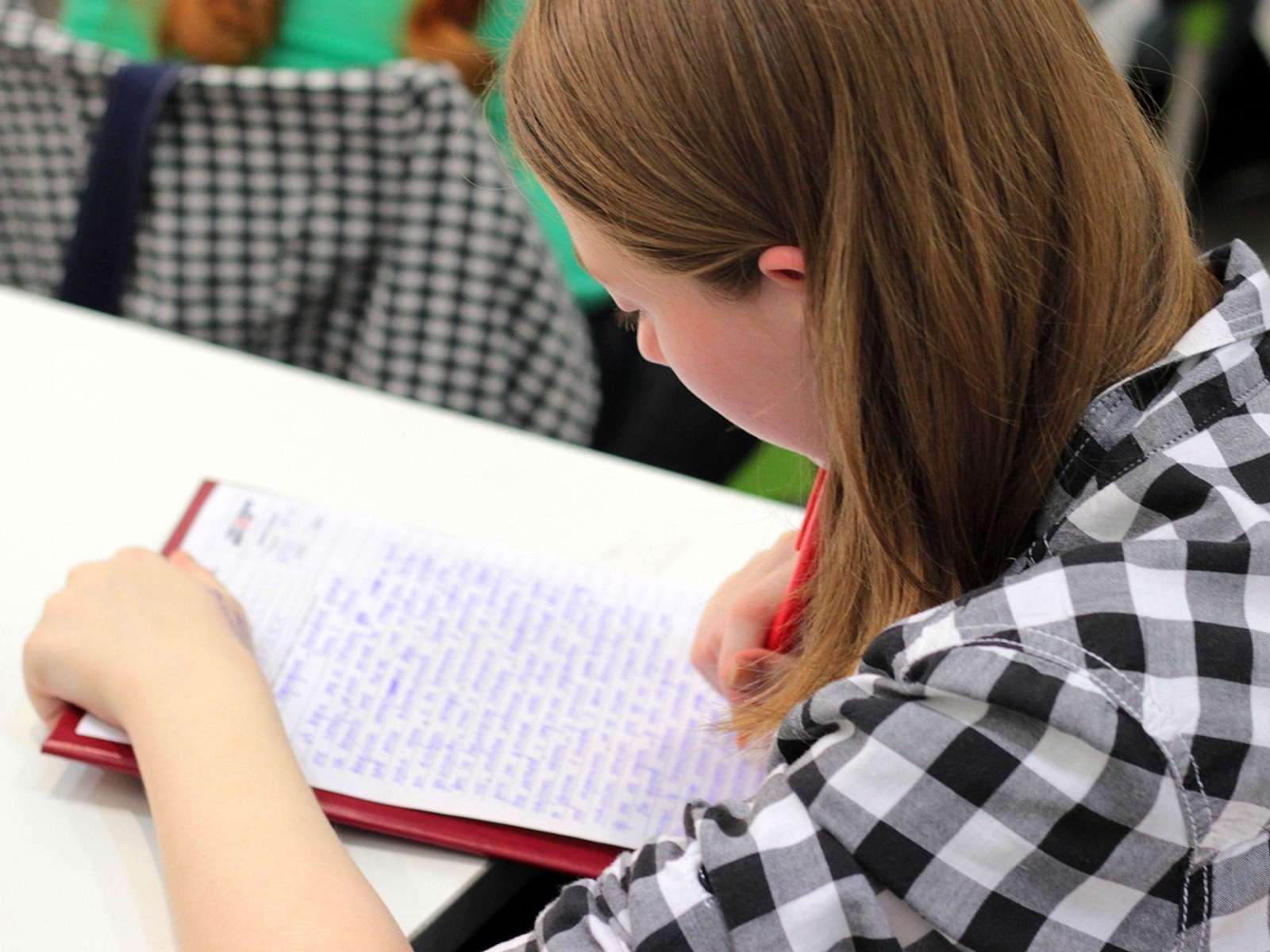
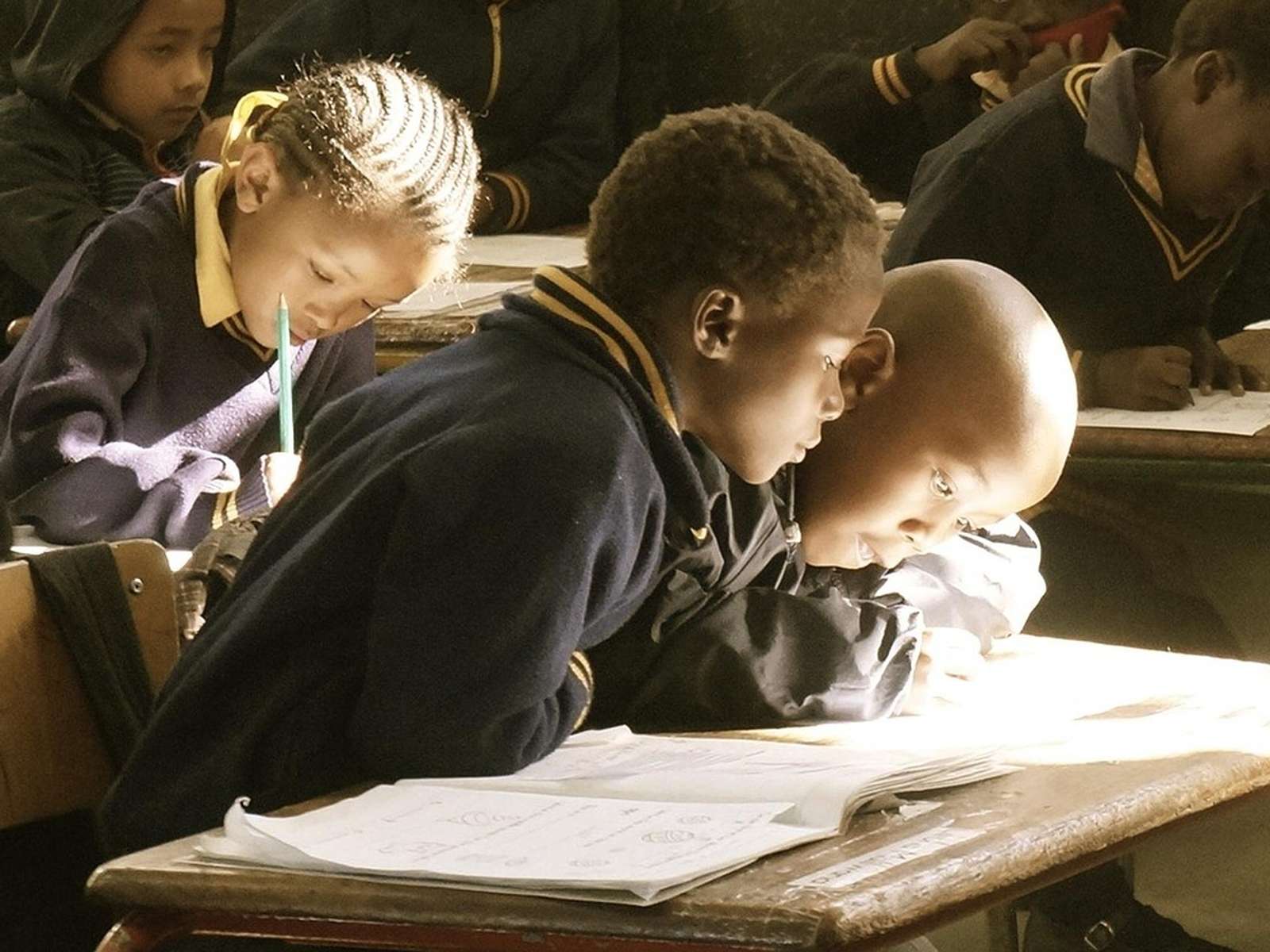
In Mwinilunga, in Zambia's North-Western Province, girls who became mothers are back in school, using a government policy that lets pregnant girls stay in class as long as they can and return after giving birth, UNICEF Zambia reported on 15 October. UNICEF visited five of them in September; their names have been changed for privacy.
A police officer, a physiotherapist and a journalist
Hellen failed grade 9 in 2020, became pregnant in 2021 and had a son in 2022. Now back in school, she wants to join the Zambia Police Service “so that I can help people,” she said. Beauty, in grade 12, plans to study physiotherapy and support her 8-month-old son. Mary, in grade 10, loves mathematics while her mother looks after her six-month-old baby.
Joy, 17, kept attending school during her pregnancy and went back almost immediately after giving birth, with her mother's help. Luwi, also 17 and in grade 12, wants to study journalism.
“Education can change your future, so make the most of every opportunity you are given.” — Luwi, 17, grade 12 student in Mwinilunga
A policy from 1997, and the help that makes it work
Zambia introduced its re-entry policy in 1997, replacing the old practice of excluding pregnant girls, according to an evaluation of the policy. In practice, returning depends on support at home and in school. The girls in Mwinilunga are reached by a UNICEF program on child marriage and teenage pregnancy, run with the partner MedRap in five districts, Kabompo, Mufumbwe, Mushindamo, Mwinilunga and Zambezi, and funded by the European Union's Equal Chances for Human Development program.
Florida Muyambango, the district guidance and counseling coordinator, said the policy has brought more good than harm and that the girls are learning well.
Similar programs are helping girls elsewhere in Africa. In Uganda, Amina, a mother at 13, is back in school and aiming to become a nurse.
No numbers yet on how many returned
UNICEF's story does not say how many young mothers in the five districts have returned to school or how many finish. It notes that cases of child marriage reported to the police's Victim Support Unit have risen, a sign that the underlying problem has not gone away even as more girls get a second chance.
The need is large. Twenty-eight percent of women aged 15 to 19 in Zambia have ever been pregnant, according to the Zambia Demographic and Health Survey 2024 key indicators report. Fertility in that age group stands at 118 births per 1,000 women a year, the survey found.
Sources
- UNICEF Zambia · unicef.org
- gov.uk
- dhsprogram.com
How we choose and verify sources: editorial policy.