Positive economic progress — falling poverty rates, growing opportunity, and policies improving lives at scale.
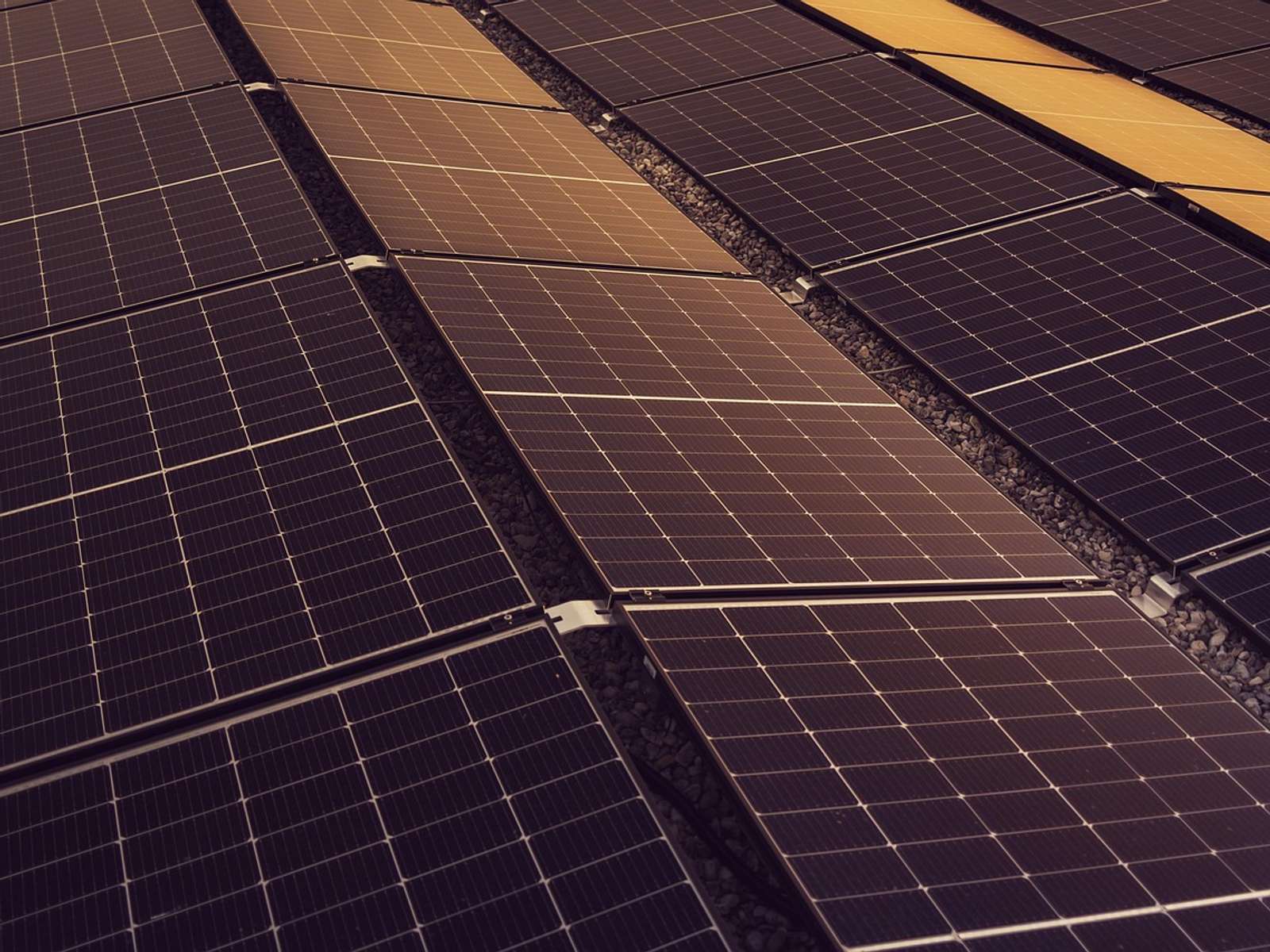
Between January and October 2026, more than one million people in Niger gained electricity through the World Bank-backed Haské project, in a country where about 23% of people had power in 2024. The target is 2.5 million by 2027.
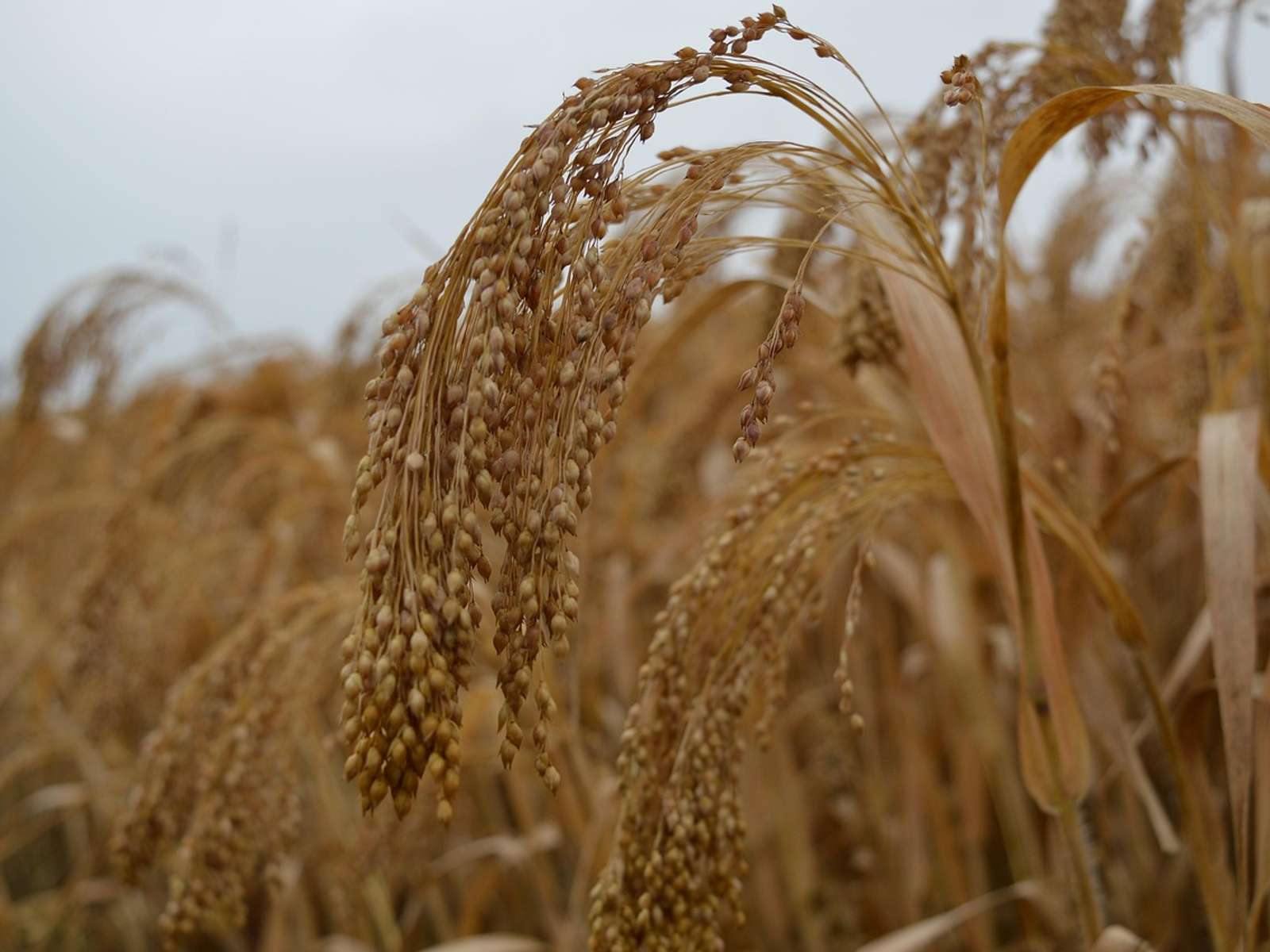
In Syalbada, Jumla, an all-women farmers' group of 27 has started growing proso millet, or Chino, together on about three hectares, with seeds, a thresher and market links from a UNDP project. Nearby, a cooperative now buys such crops at Rs. 100 per kg.

On the edge of Huai Kha Khaeng Wildlife Sanctuary in western Thailand, a women-led herbal network has grown from 21 to 88 households in about six years, earning more from less land and easing pressure on the forest, UNDP said.
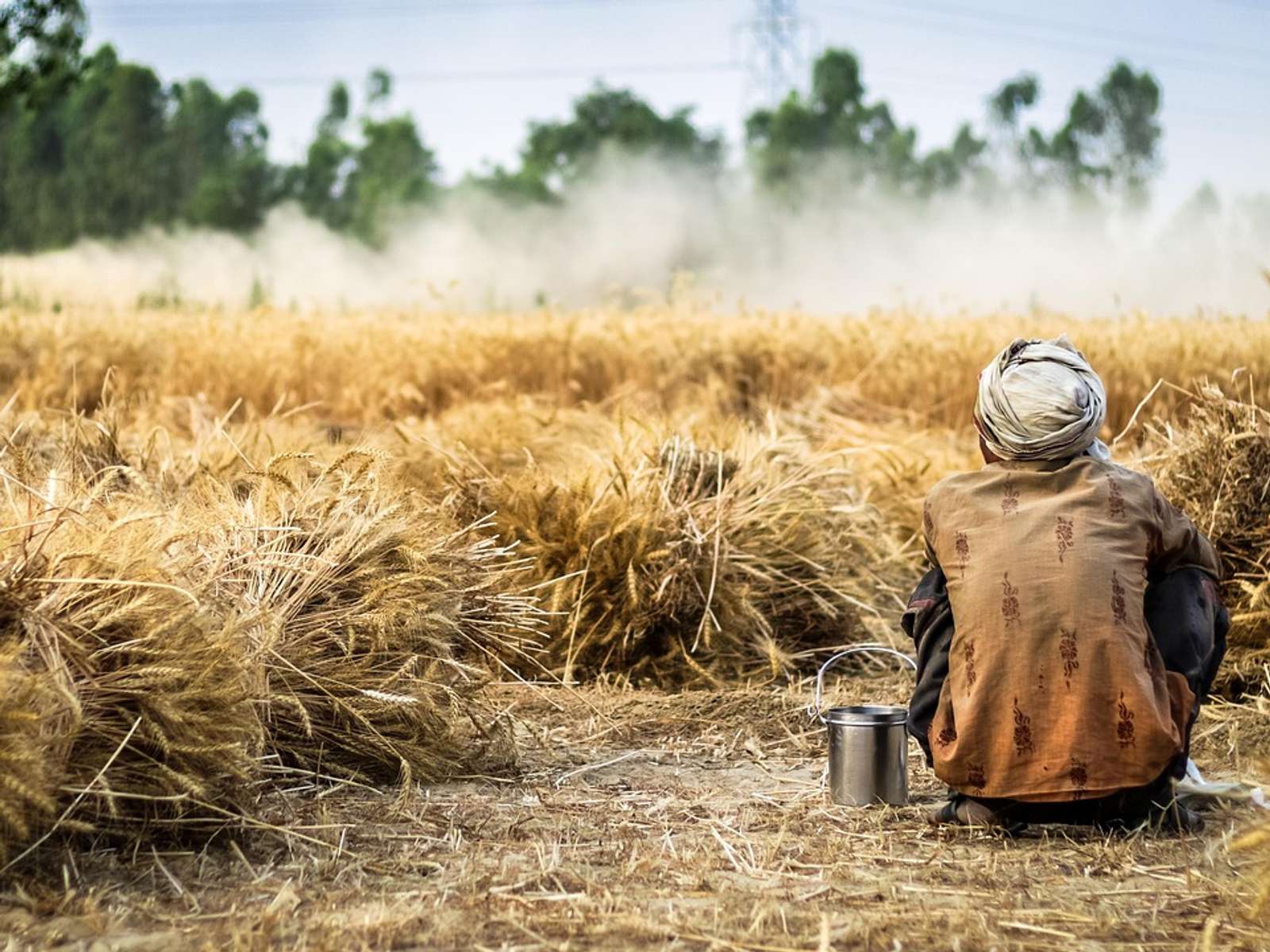
A new €10 million agreement between the EU, UNDP and FAO will spend 42 months helping Yemeni farmers, food businesses and local institutions build climate-resilient value chains and lasting jobs.
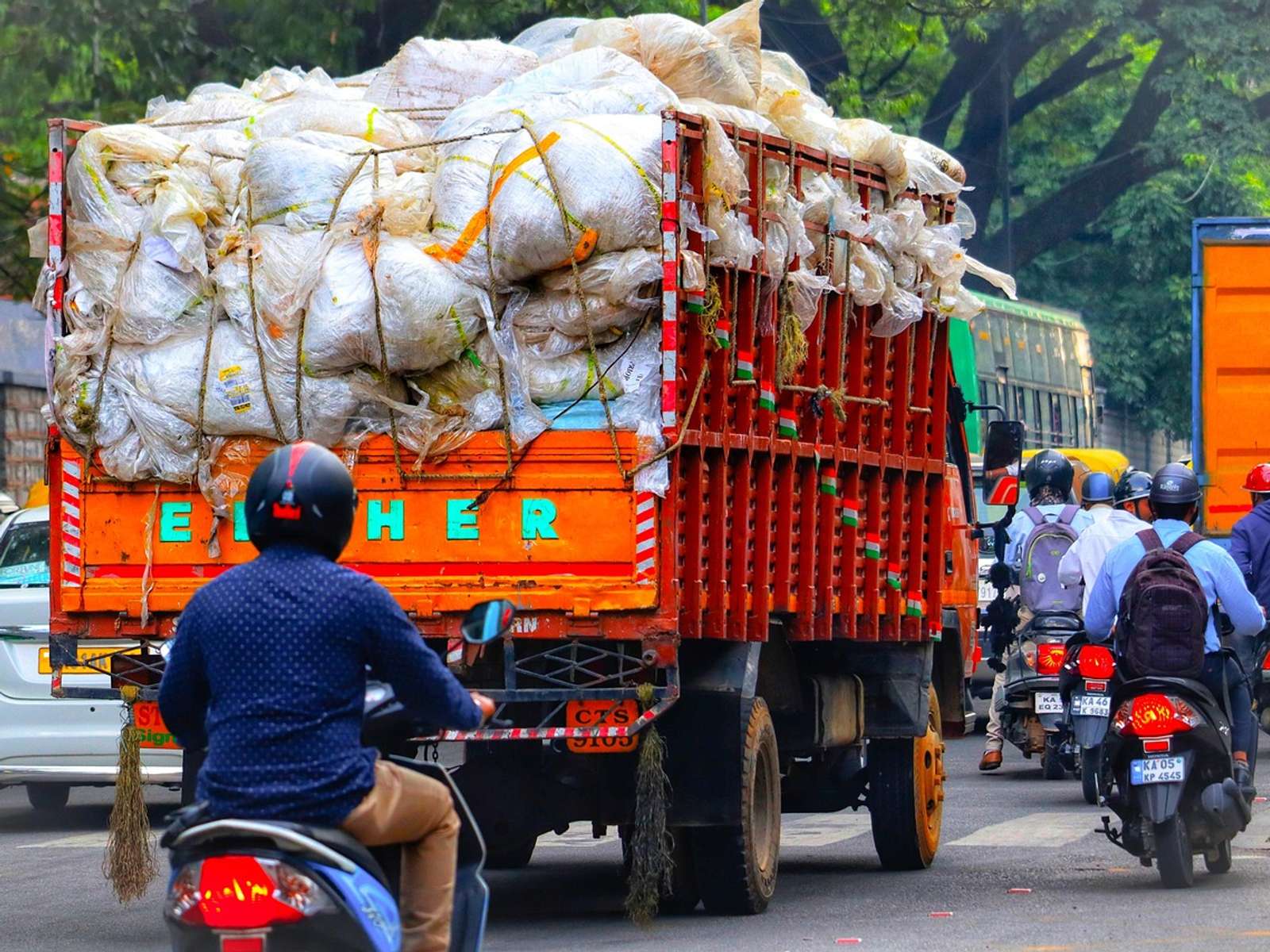
Mekala Nancharamma, a former waste picker in Guntur, India, now earns about ₹18,000 a month instead of ₹8,000 after a government scheme helped her group buy a tractor-mounted drain cleaner.
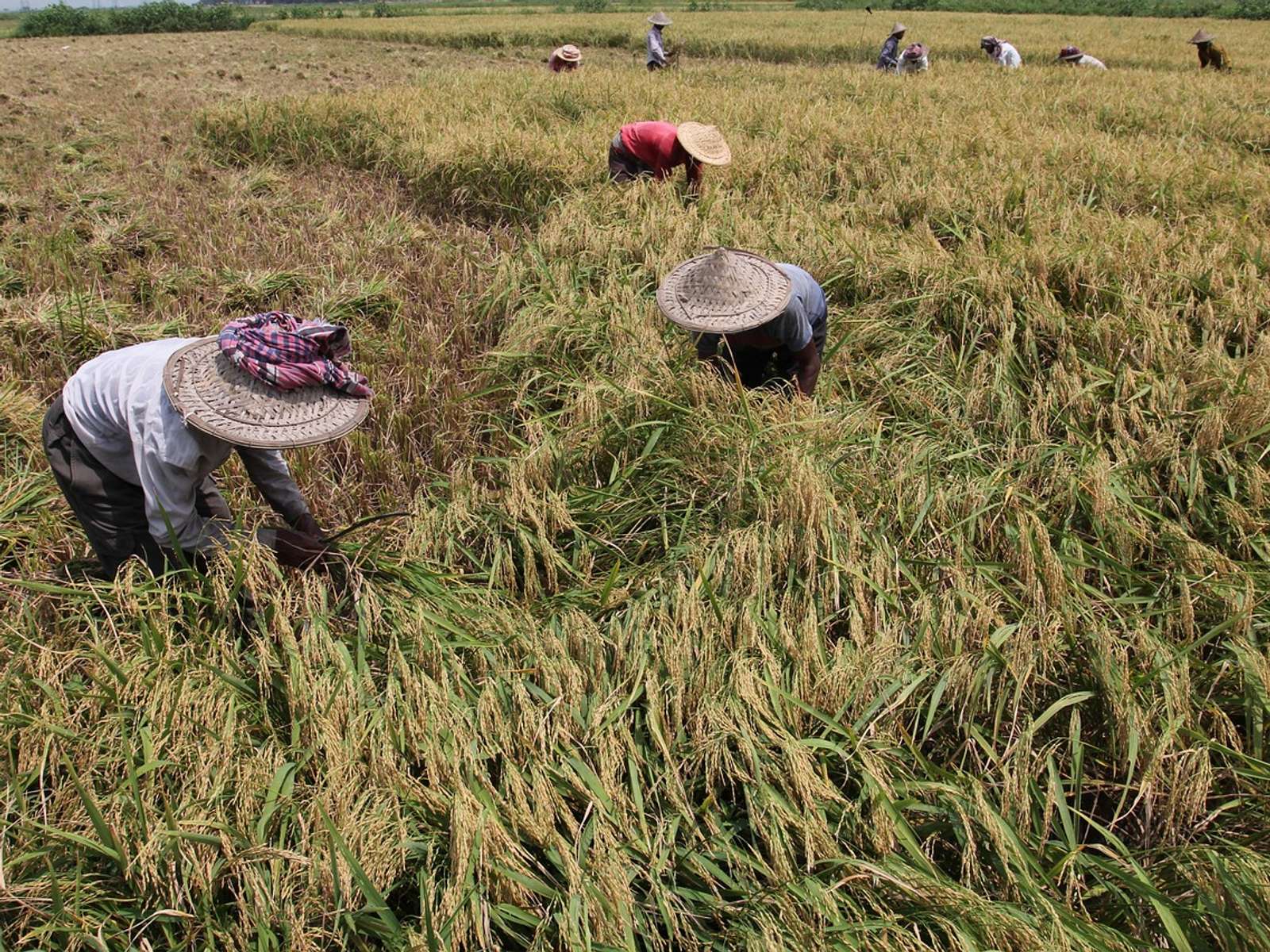
Two six-year projects backed by IFAD, Bangladesh and Denmark aim to reach 2.5 million rural people in flood- and drought-prone regions with raised shelters, flash-flood warnings, better roads, loans and training.

A new UNDP and Generali Central challenge will give up to three insurance solutions grants of up to $40,000 each to help protect India's more than 73 million small businesses from climate, health and financial shocks.
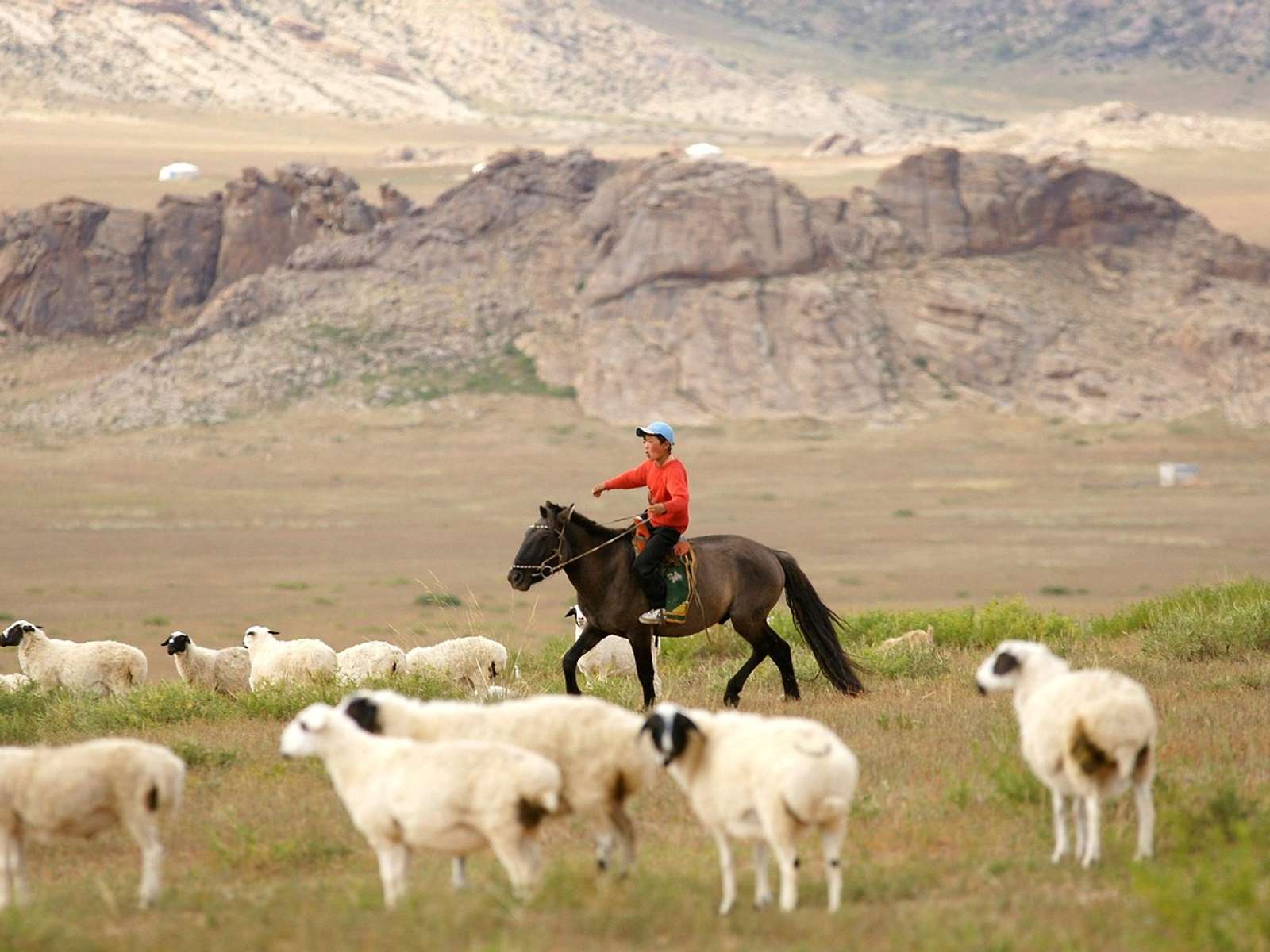
A $2 million Adaptation Fund project managed by IFAD will help at least 4,000 herding families in Mongolia's Bayankhongor and Dundgobi provinces cope with severe winters and droughts through water points, early warnings and processing centers.
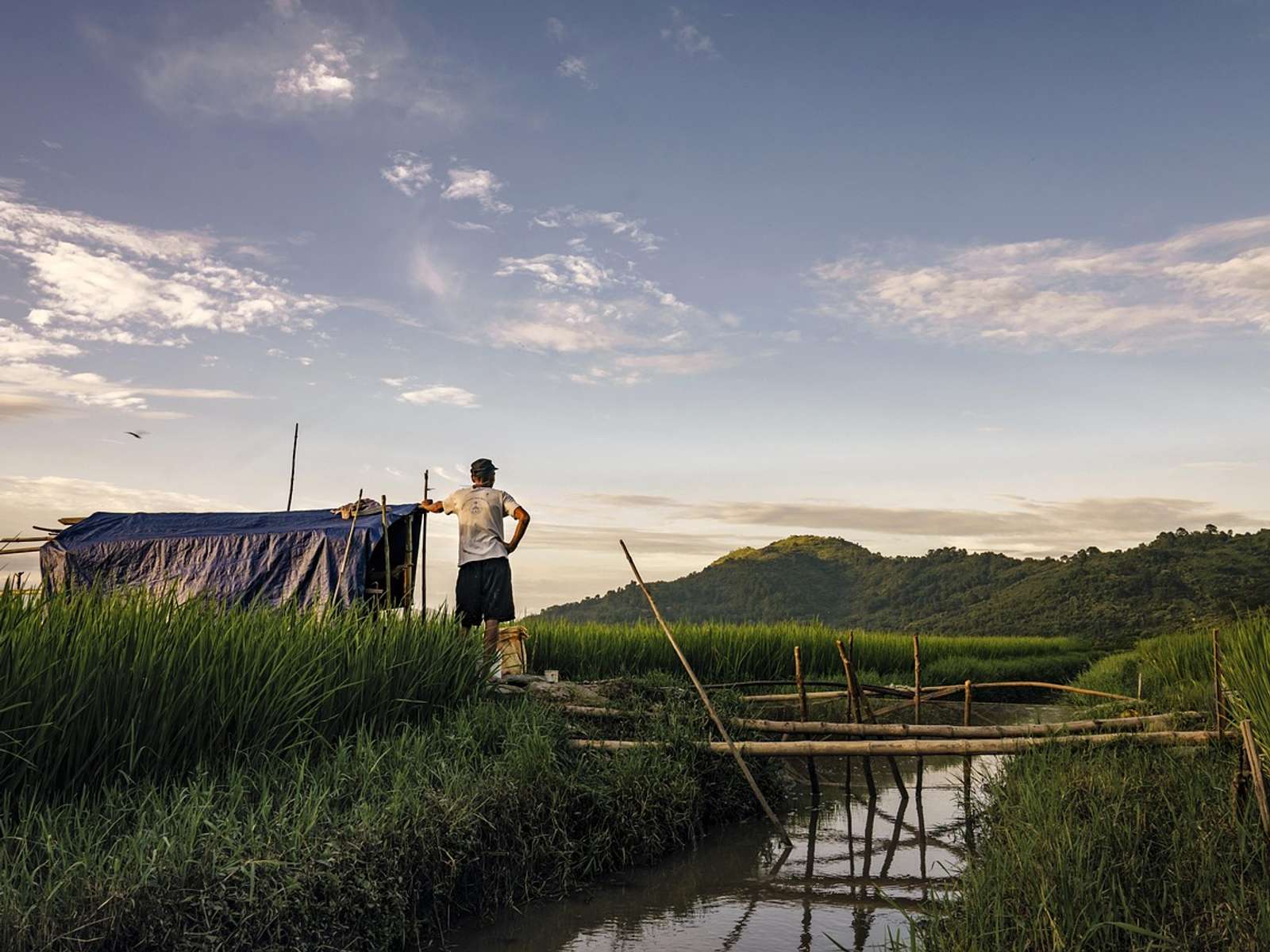
A $1.4 million Japanese grant, run by the FAO with Laos's agriculture ministry, has finished 31 small irrigation schemes and 17 road improvements in Luang Prabang and Oudomxay, and 1,150 households earned wages building them.
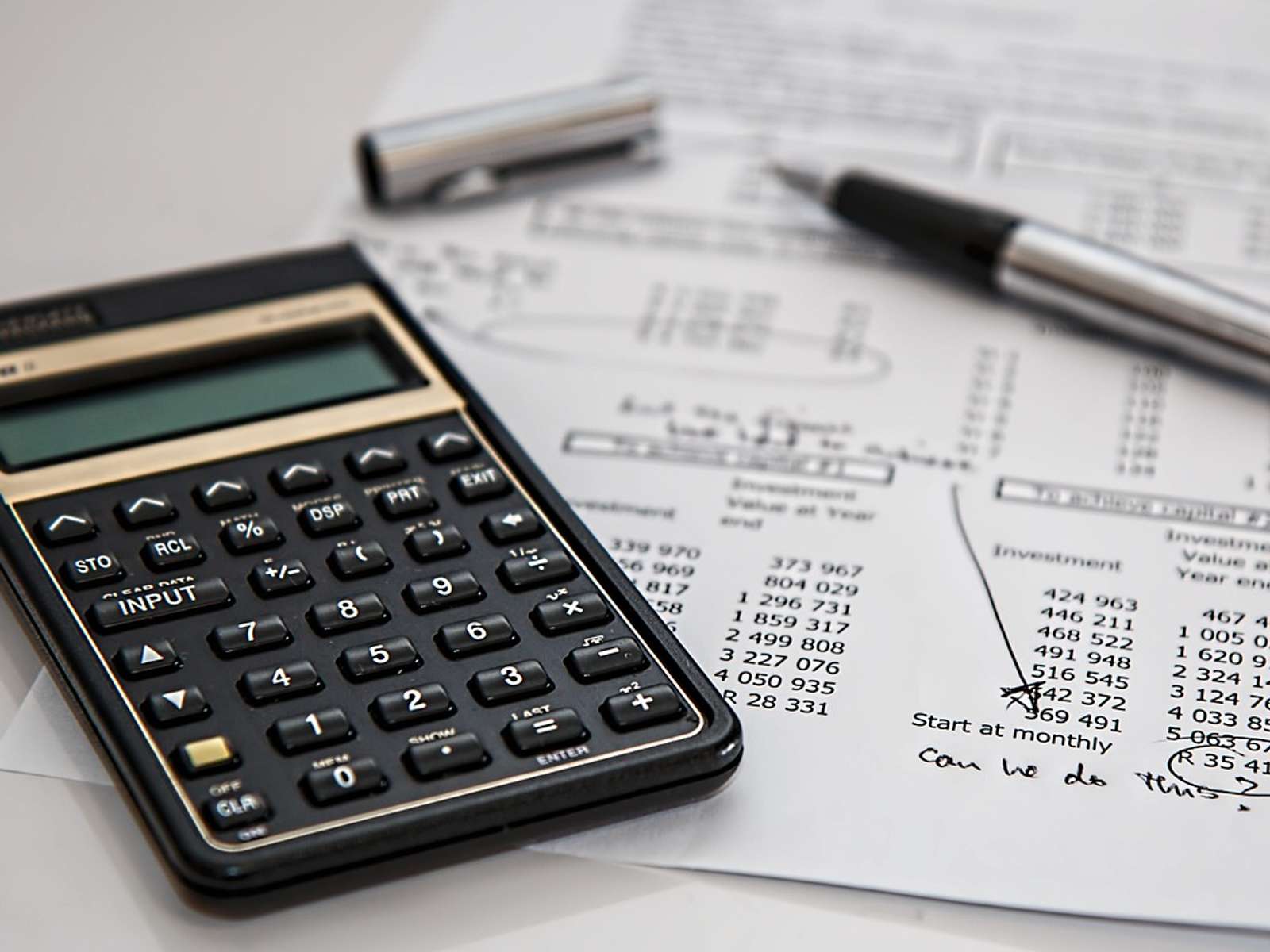
Kentucky's $2.5 million investment in Undue Medical Debt has already wiped out $103 million owed by 46,000 residents, and the program aims to reach more than 130,000 people and $250 million. No application is needed.
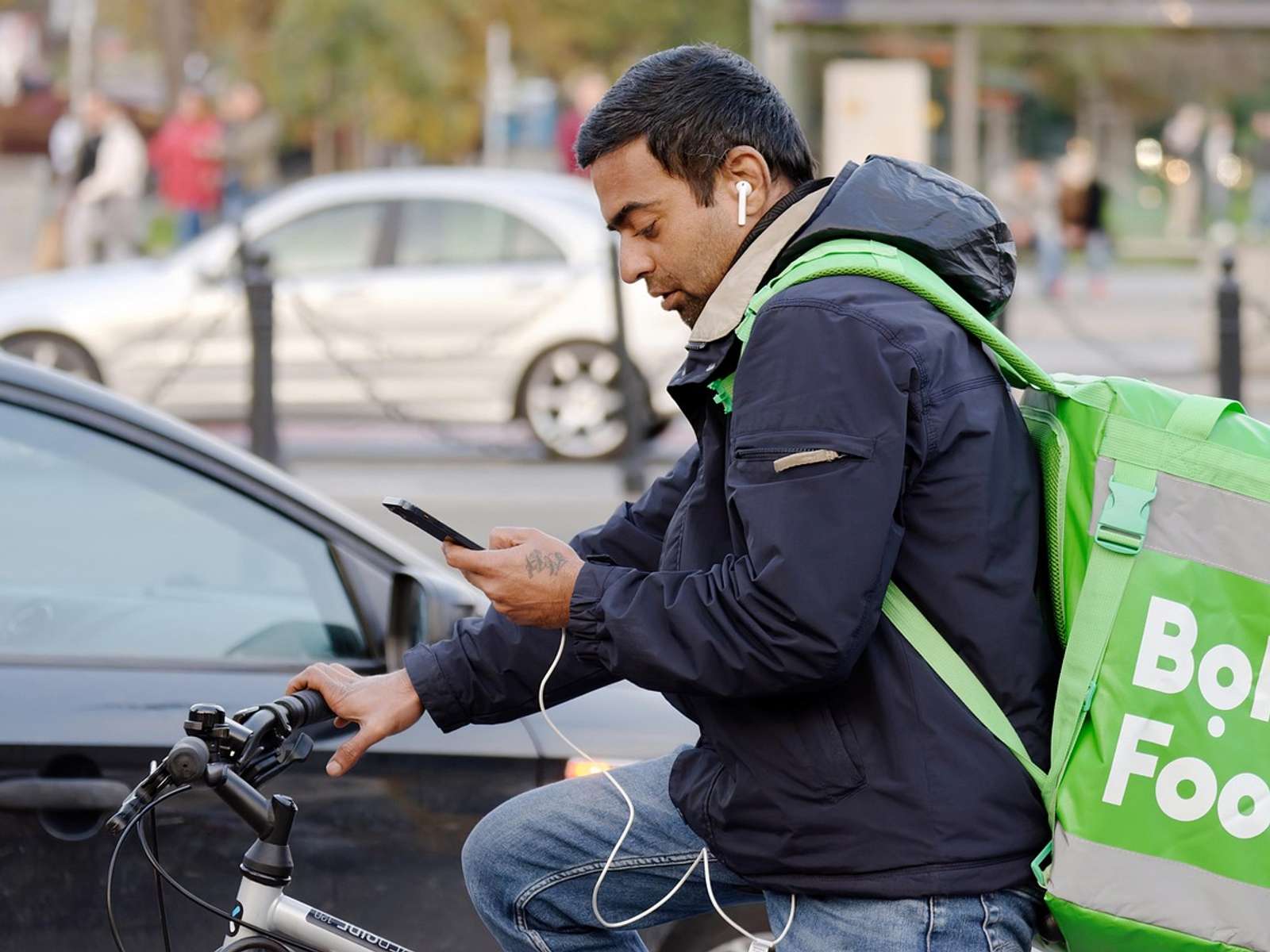
New York City reached a $131.5 million settlement with DoorDash over unpaid, late and underpaid wages. More than $115 million goes to workers, who do not need to file a claim, and DoorDash will be monitored for three years.
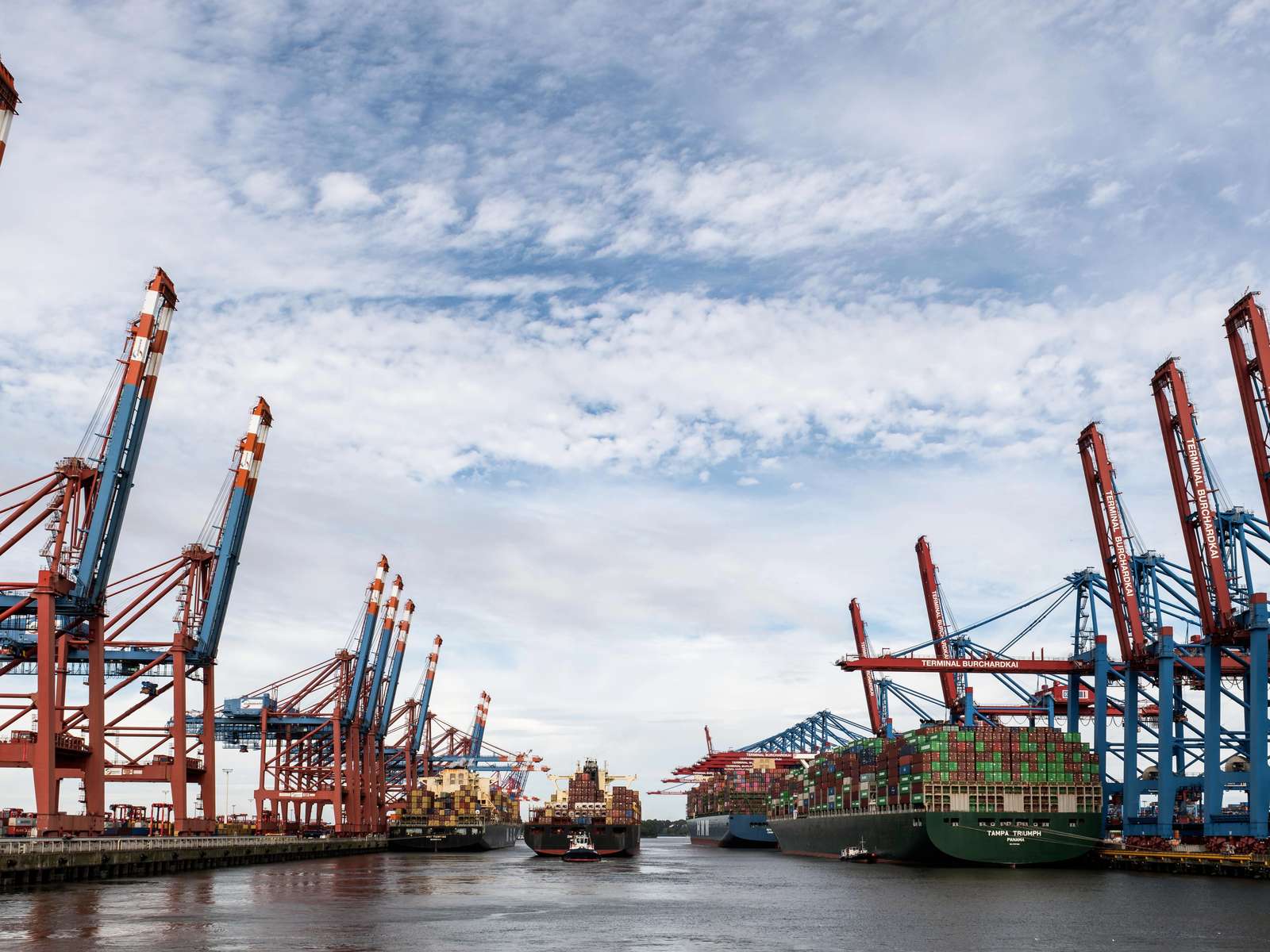
Fueled by AI-driven demand for memory chips, South Korea posted its 15th consecutive month of export growth in August, with shipments up 68.7% to a record $98.25 billion.
About our economy coverage
Our economy coverage follows money that measurably changes lives: medical debt erased, incomes rising for workers who had little, development funding reaching farmers and small businesses, and policies that move people out of poverty. We cover both large programs from institutions such as the World Bank, IFAD and UNDP and individual stories that show what that support means for one household.
We separate pledges from results. A funding announcement is reported as a commitment, with who pays, how much and who it is meant to reach; an outcome is reported once there is data. Figures are given in their original currency, with context on what they compare to.