DoorDash will pay $131.5 million to more than 260,000 underpaid New York delivery workers
New York City reached a $131.5 million settlement with DoorDash over unpaid, late and underpaid wages. More than $115 million goes to workers, who do not need to file a claim, and DoorDash will be monitored for three years.
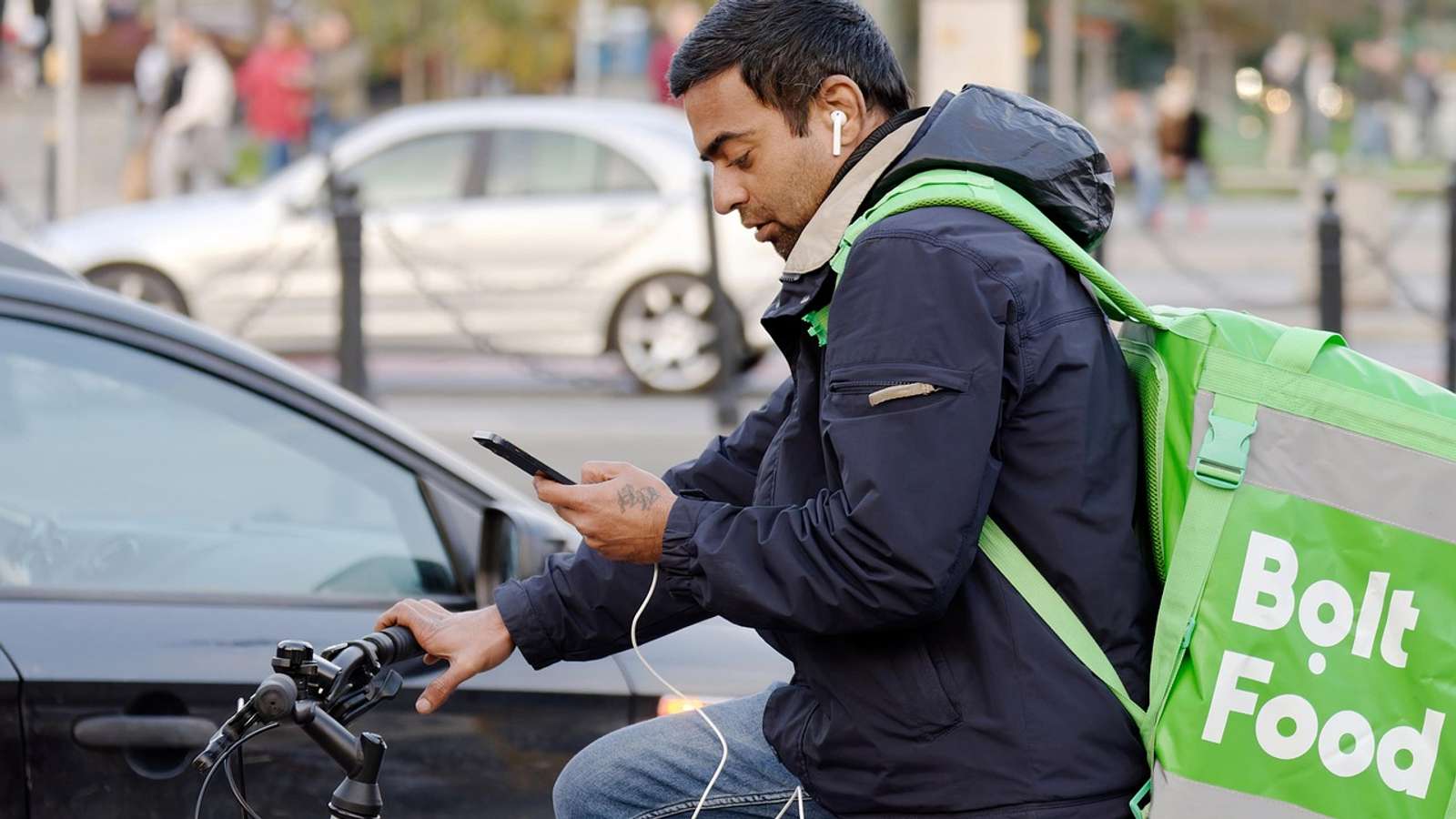
DoorDash will pay $131.5 million to settle a New York City investigation into how it paid its delivery workers, the Mayor's Office announced on 22 September. More than $115 million goes directly to over 260,000 workers who were paid too little, paid late or not paid at all. The city calls it the largest worker settlement in its history and the largest involving food delivery workers in the United States.
The remaining $16 million-plus covers civil penalties and costs. The case was brought by the city's Department of Consumer and Worker Protection (DCWP).
Complaints from a few dozen couriers grew into a citywide case
The investigation started after dozens of workers told DCWP that DoorDash had not paid them, or had paid them late, for deliveries they had already made. The advocacy group Workers Justice Project helped many of them file complaints. DCWP then widened the inquiry and obtained terabytes of the company's data, from which its new Research and Analytics Division identified more than 152 million payment transactions and 110 million working hours tied to the case.
The agency found two kinds of violations. Thousands of workers were never paid or were paid late. And although DoorDash raised hourly pay to the city's Minimum Pay Rate in December 2023, it left several categories of trip time and on-call time out when it calculated how many hours counted. That rate, adjusted each year for inflation, now stands at $22.13 an hour before tips.
According to Reuters, reporting via Insurance Journal, more than $83 million of the settlement resolves the dispute over pay for time workers spent logged in and on call between deliveries, and $12.3 million covers missed or late payments. The civil penalty is $16.7 million.
A worker owed $1,000 and never paid gets $3,000
Workers who were not paid on time will receive compensation the city puts at about 200% of the amount they were shorted. The city gives two examples: a worker owed $1,000 who received nothing will get $3,000, and a worker paid $1,000 later than the law allows will get $2,000. Money for minimum-pay violations will be shared out in proportion to each worker's trip time.
Nobody needs to file a claim or send evidence. DCWP says it identified everyone who is owed money from DoorDash's own records. In late October the settlement administrator will email each worker underpaid between 22 April 2022 and 28 June 2026, at the last address they used with DoorDash, stating the amount owed. Workers can choose an electronic payment or a mailed check.
“When a worker earns a wage, they deserve to be paid that wage — not tomorrow, not after a lawsuit, but on time and in full.” — Zohran Kwame Mamdani, Mayor of New York City
A second, smaller round of payments is planned for early 2027, because DoorDash is still correcting parts of the time calculation that caused further underpayments. The city says this may affect workers using DashLink.
DoorDash admits mistakes but defends its pay method
"Simply put, we screwed up," DoorDash said in a statement quoted by Reuters. The company said its mistakes meant some couriers were underpaid or paid late, and that "while these mistakes weren't intentional, that doesn't make them okay." It blamed deliveries that crossed city boundaries, orders with several pickups or drop-offs, canceled or partly completed orders, software bugs and incomplete bank details, and said the technical problems have been fixed.
The settlement also sets up three years of monitoring. DoorDash must send DCWP detailed data every month, change its software so it cannot offer a job unless the worker's time is being counted, stop paying a lower rate on some legs of "batched" trips, and appoint an internal compliance monitor who certifies compliance every year. Workers Justice Project and the Workers' Algorithm Observatory, a research group, are building a tool that lets couriers share their own trip and pay data with the city. DoorDash may not penalize workers for using it. Debt relief is reaching people in other states as well: in Kentucky, $103 million in medical debt has been erased for 46,000 people.
"Opaque algorithms will not have the final word when it comes to how much they are paid," DCWP Commissioner Samuel A.A. Levine said. Workers with questions can contact the settlement administrator through the city's page at nyc.gov/doordash.
Sources
- NYC Mayor's Office · nyc.gov
- insurancejournal.com
How we choose and verify sources: editorial policy.