Countries agree to negotiate the first global treaty against wildlife, timber, mineral and waste trafficking
At the UN organized crime convention's conference in Vienna, governments agreed to start negotiating a new protocol on environmental crime, covering wildlife and timber trafficking, illegal mining and waste trafficking. A draft is due in 2028.

Governments have agreed to start negotiating the first international agreement against environmental crime, the Wildlife Conservation Society (WCS) said on 23 October. The decision was taken in Vienna at the 13th Conference of the Parties to the UN Convention against Transnational Organized Crime (UNTOC), which adopted a resolution to begin talks on an additional protocol.
Treating environmental crime like arms trafficking
UNTOC, also called the Palermo Convention, already has protocols on human trafficking, migrant smuggling and firearms. A new protocol would put environmental crimes in the same framework, so that countries treat them as serious organized crime and cooperate on investigations and prosecutions across borders.
The agreement would cover trafficking in wild animals and plants, including timber and timber products, illegal mining and trafficking in minerals and precious metals, and waste trafficking. Brazil, France and Peru led the effort to bring governments together, according to WCS.
“This is a landmark moment in the global fight against environmental crime.” — Alice Pasqualato, Global Policy Specialist, Environmental Crime, Wildlife Conservation Society
A trade that touches 4,000 species
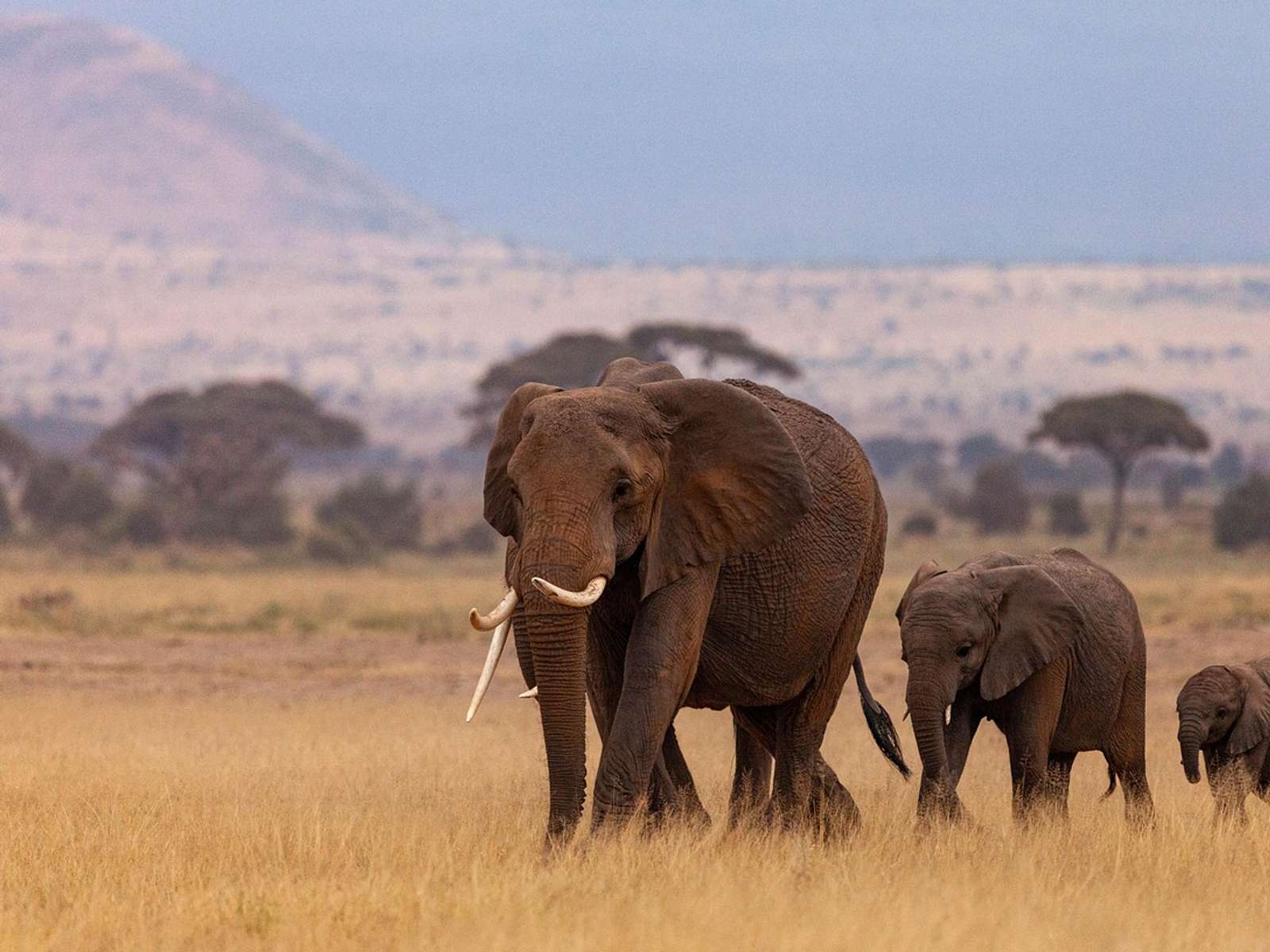
Wildlife trafficking alone is vast. Seizure records from 2015 to 2021 point to illegal trade in 162 countries and territories, affecting around 4,000 plant and animal species, about 3,250 of them protected under CITES, according to the UN Office on Drugs and Crime's World Wildlife Crime Report 2024. CITES regulates legal trade in species; it does not make trafficking an organized-crime offense. Our explainer on CITES sets out what that treaty does.
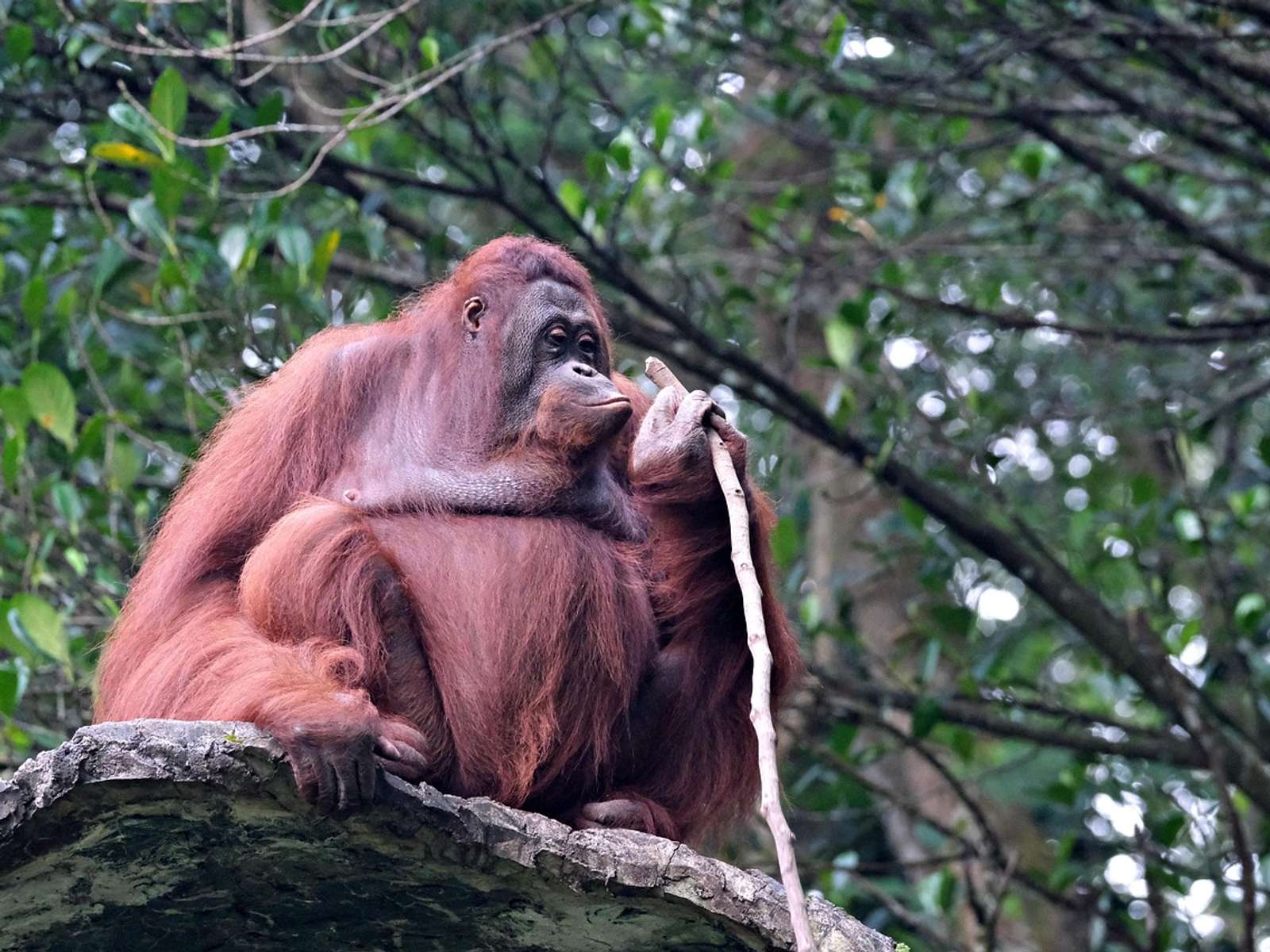
Many of our rescue stories begin with trafficking, such as the Sumatran orangutan seized near Mumbai and returned to Indonesia this month.
Two years of talks ahead
Negotiations are expected to take about two years, with a draft brought back to governments at the 14th Conference of the Parties in 2028. Pasqualato said the next step is making sure the agreement is strong and practical. Even then, a protocol only takes effect for countries that ratify it.
Sources
- Wildlife Conservation Society · programs.wcs.org
- unodc.org
How we choose and verify sources: editorial policy.