Medical breakthroughs, mental health wins, and progress toward healthier lives worldwide.
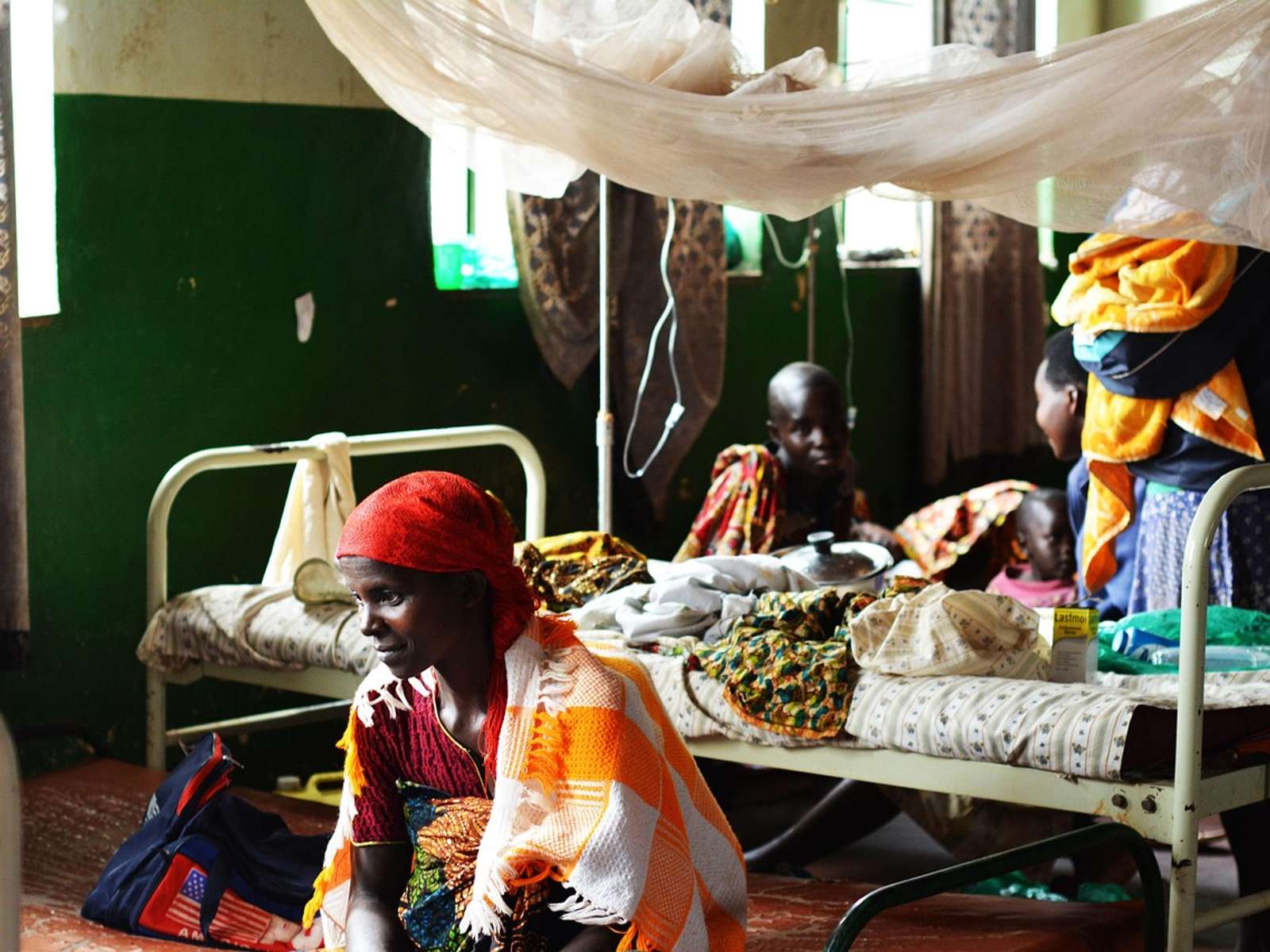
In the SEVUSMAART trial in Kenya and Zambia, sevuparin given with artesunate was safe and well tolerated in 23 children with severe malaria, and researchers found the dose to test next. Efficacy trials across Africa come next.
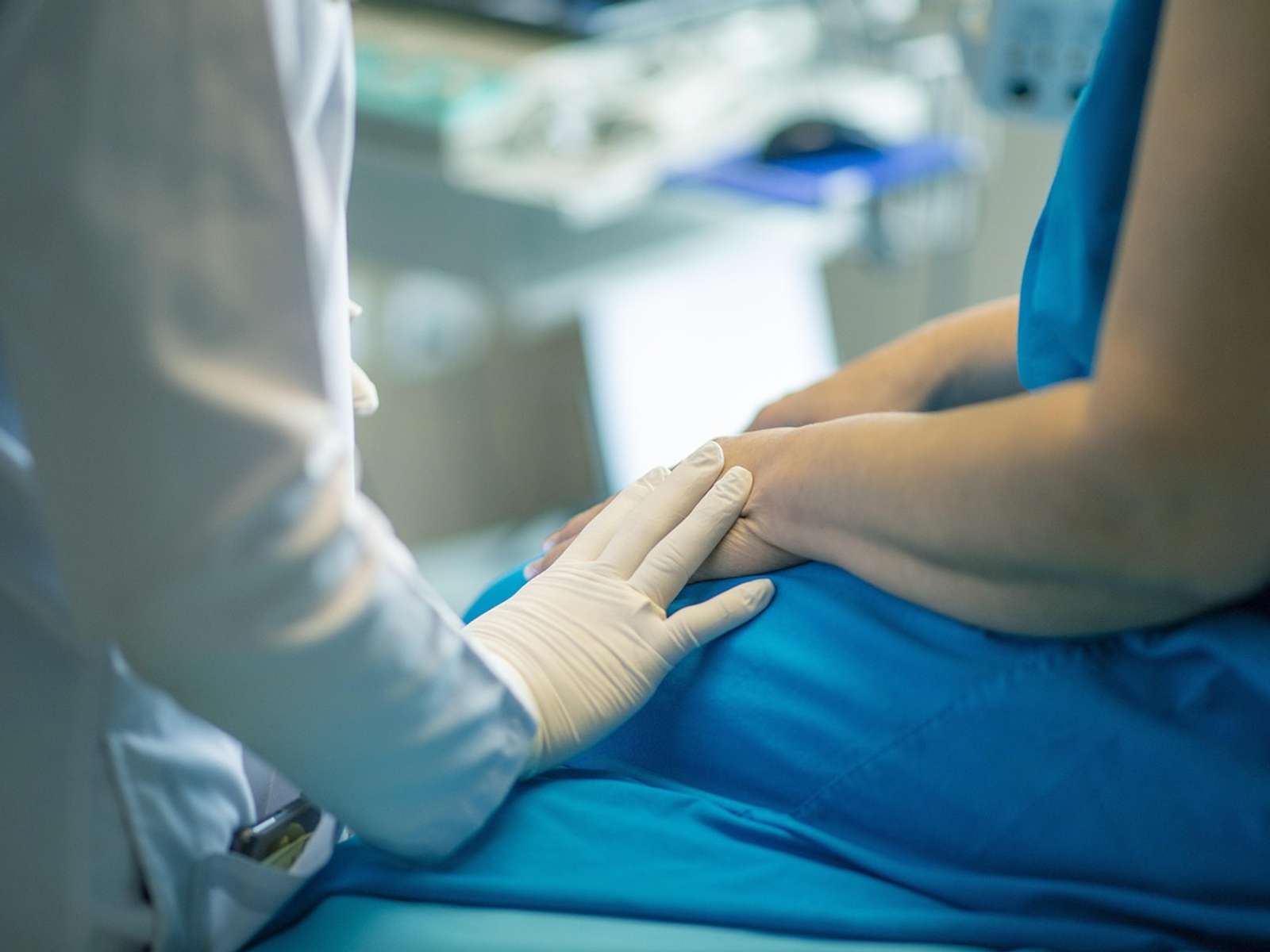
A UK-wide study of more than 200 children found that the leukemia left after the first cycle of blinatumomab is the strongest predictor of relapse. The new BlinPredict tool has already shaped UK treatment guidelines.
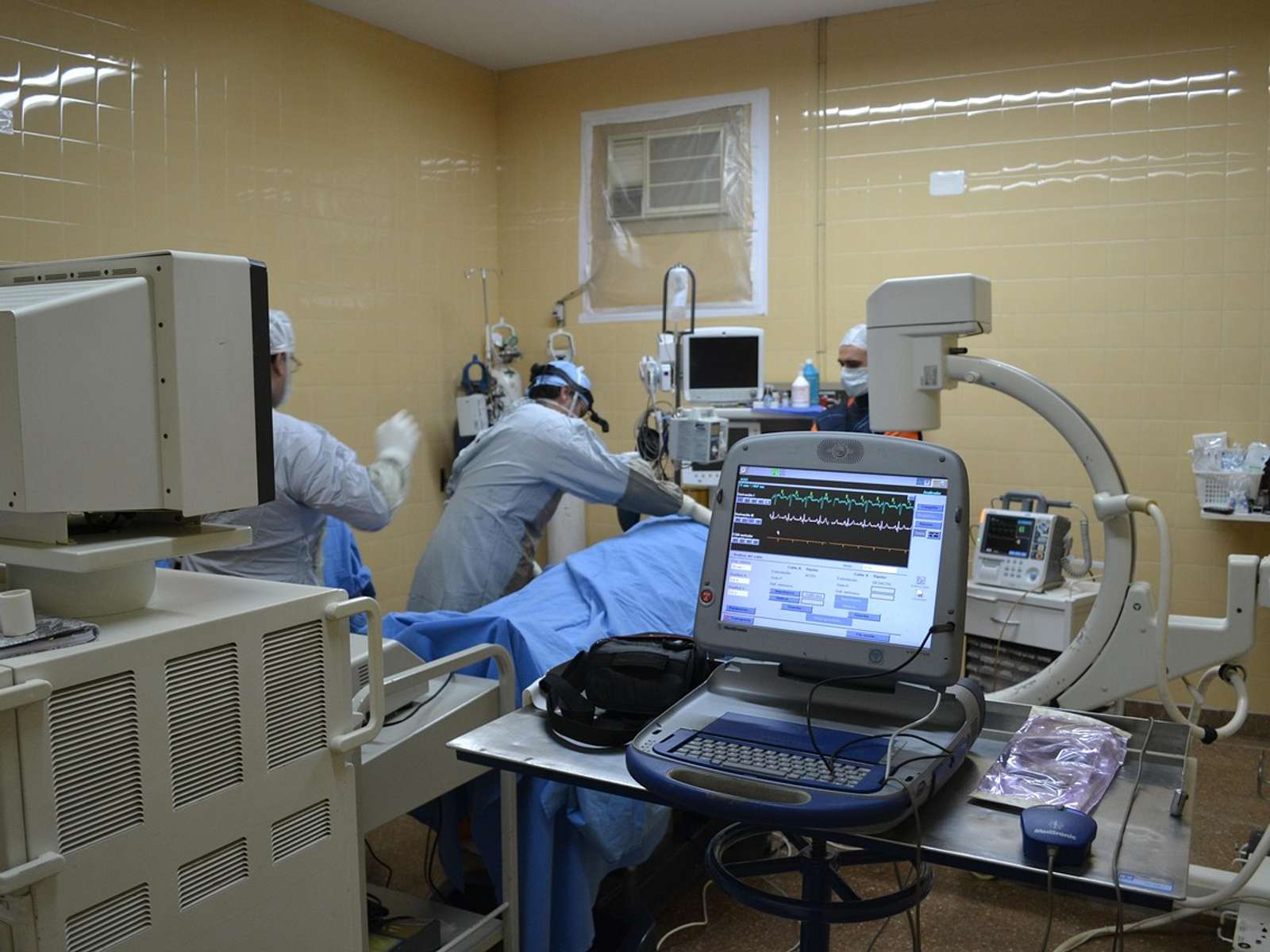
UC Davis Health has finished imaging the last of 10 patients in the first human study of a catheter that combines two optical techniques to show the makeup of plaque in heart arteries. Results have not yet been reported.
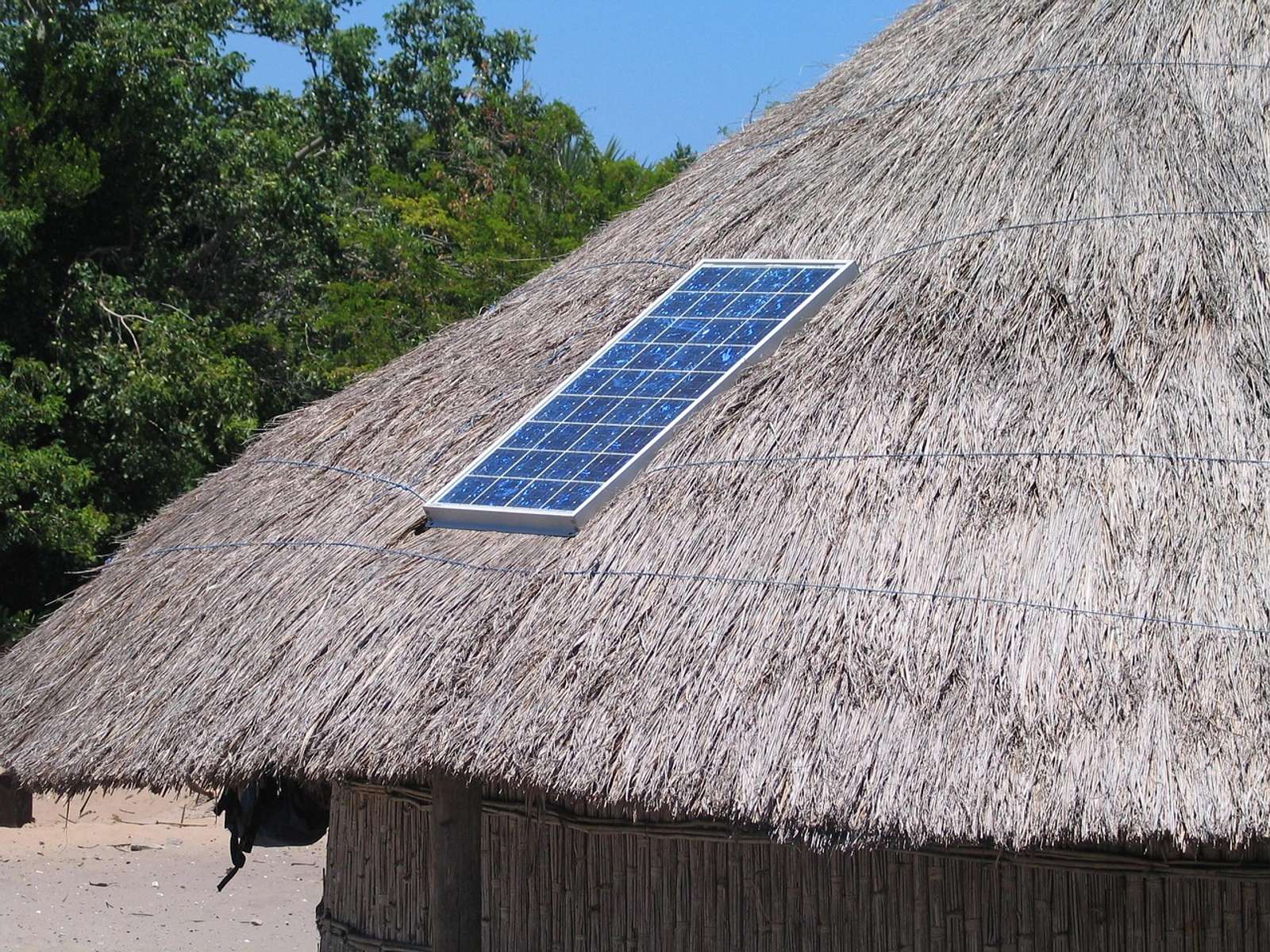
A solar system handed over by UNICEF with KOICA funding now powers the health center, a school and the community center in Vila Maumeta on Atauro, serving 2,155 residents. Vaccine fridges and emergency care no longer stop at midnight.
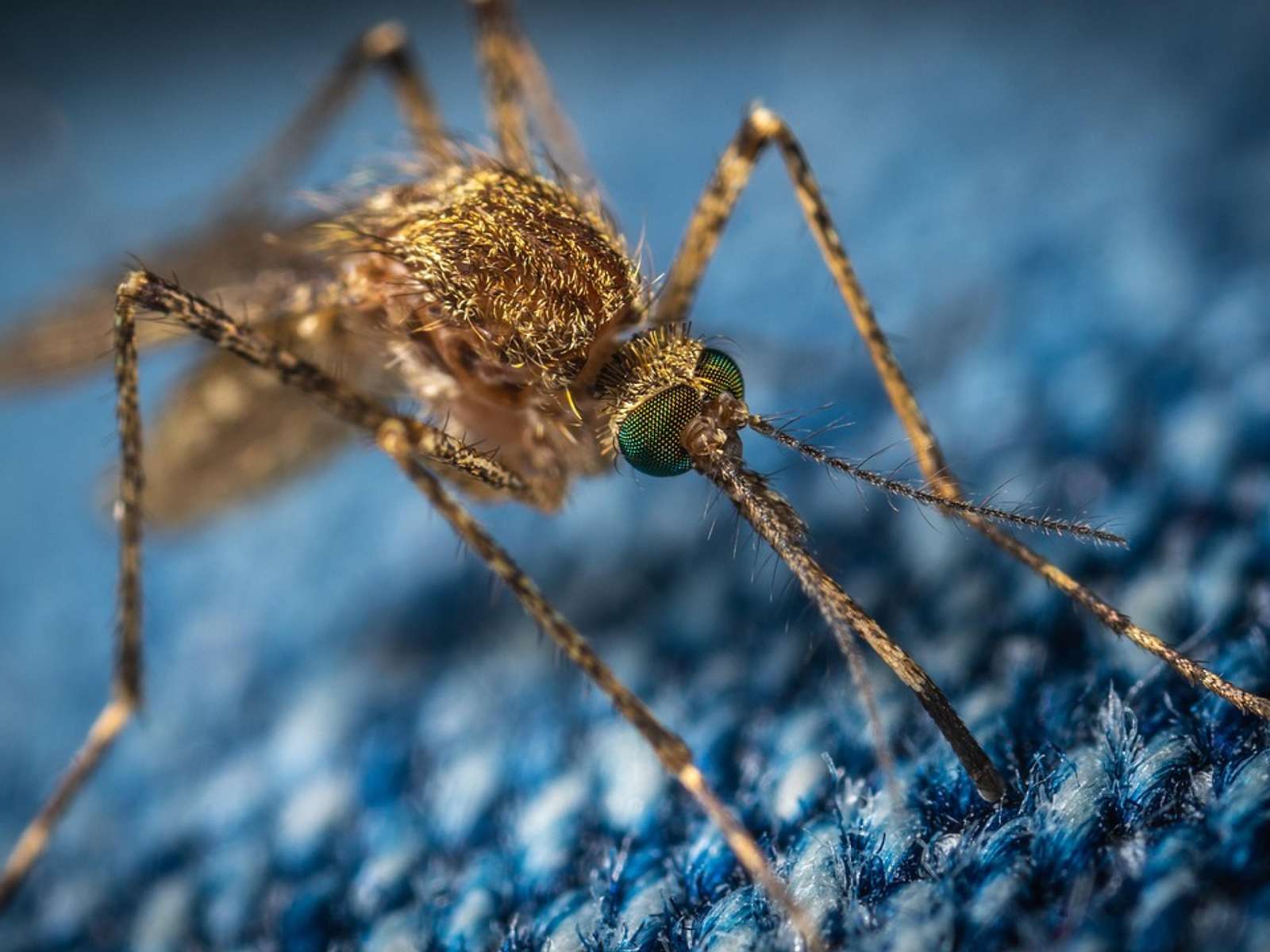
Brazil's health regulator Anvisa has approved a phase 1 trial of Vivaxin, a vaccine against Plasmodium vivax malaria developed by USP and UFMG. Recruitment of 48 healthy adults is due to start in January 2027.
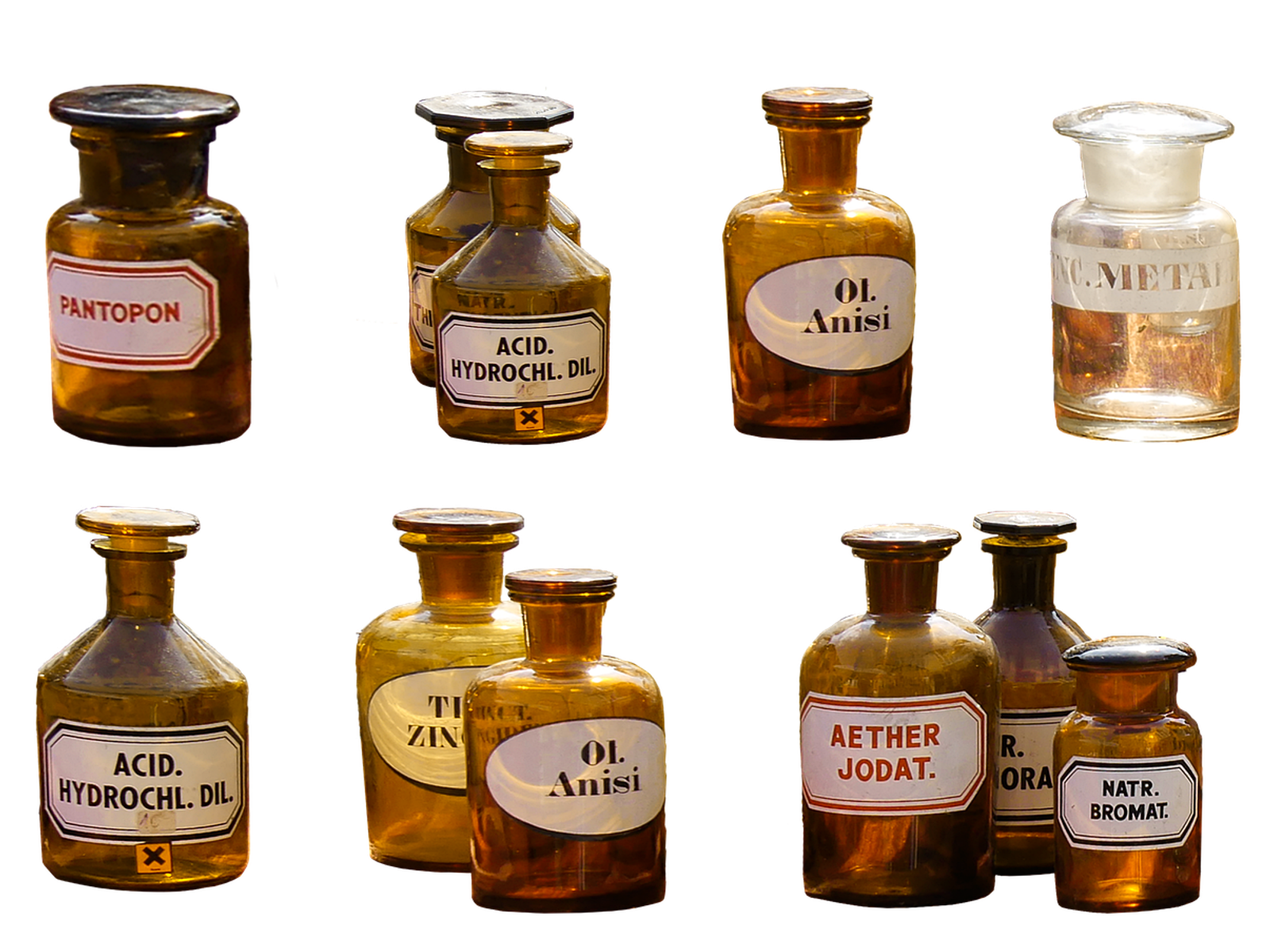
UNICEF has handed 75,000 vials of medicine to health authorities in Khyber Pakhtunkhwa, where more than 10,500 leishmaniasis cases have been reported this year, over 4,400 of them in children under 16.
In a 60-patient phase 1b trial led by MD Anderson, firmonertinib shrank tumors in 68% of previously untreated patients with EGFR PACC-mutated lung cancer at the higher dose, with a median of 16 months before the disease worsened.
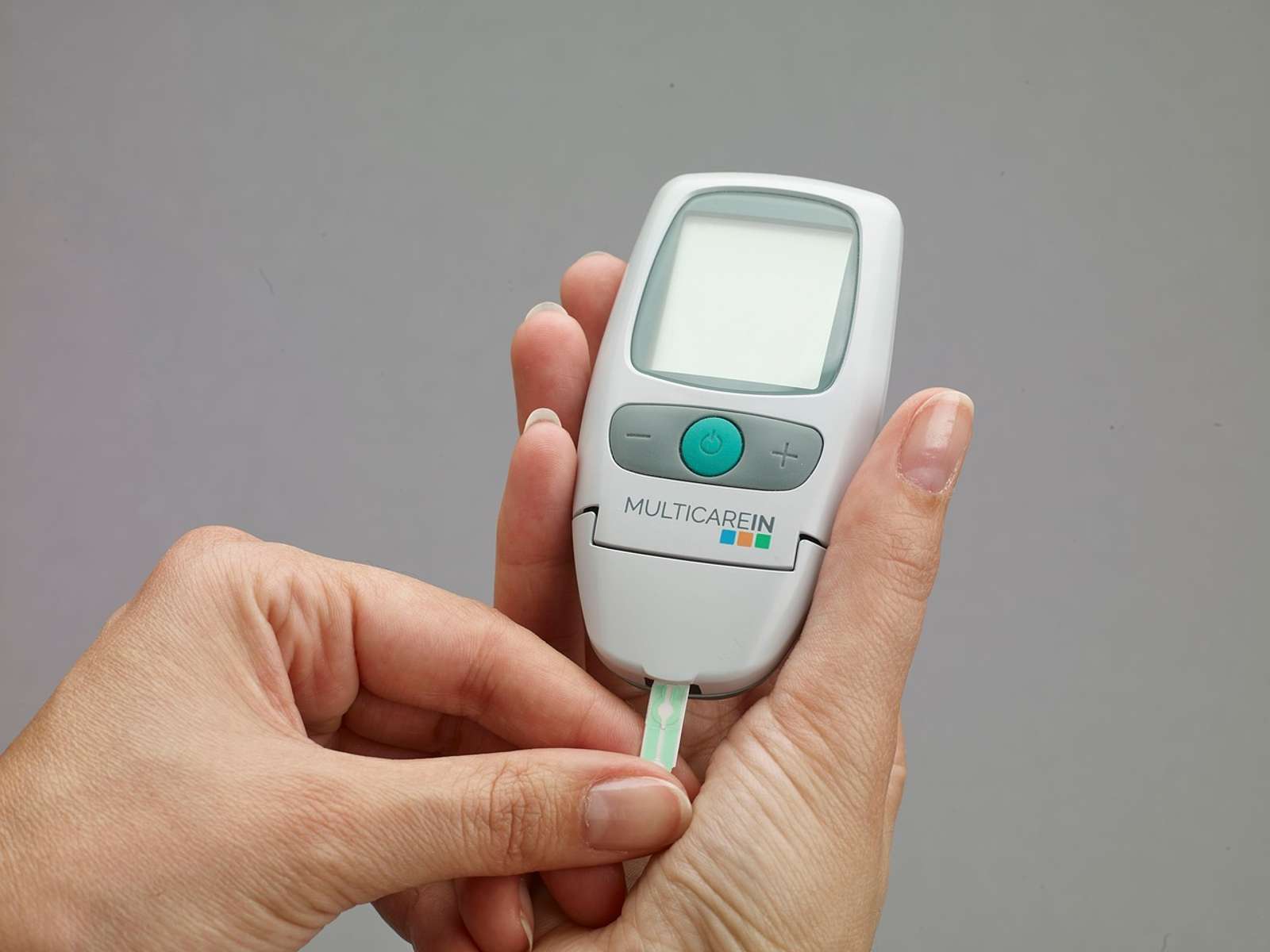
In a 26-week trial of 283 adults with type 2 diabetes who don't use insulin, those given continuous glucose monitors spent about five more hours a day in their target range and lowered their A1c by 0.9 points more than with routine care.
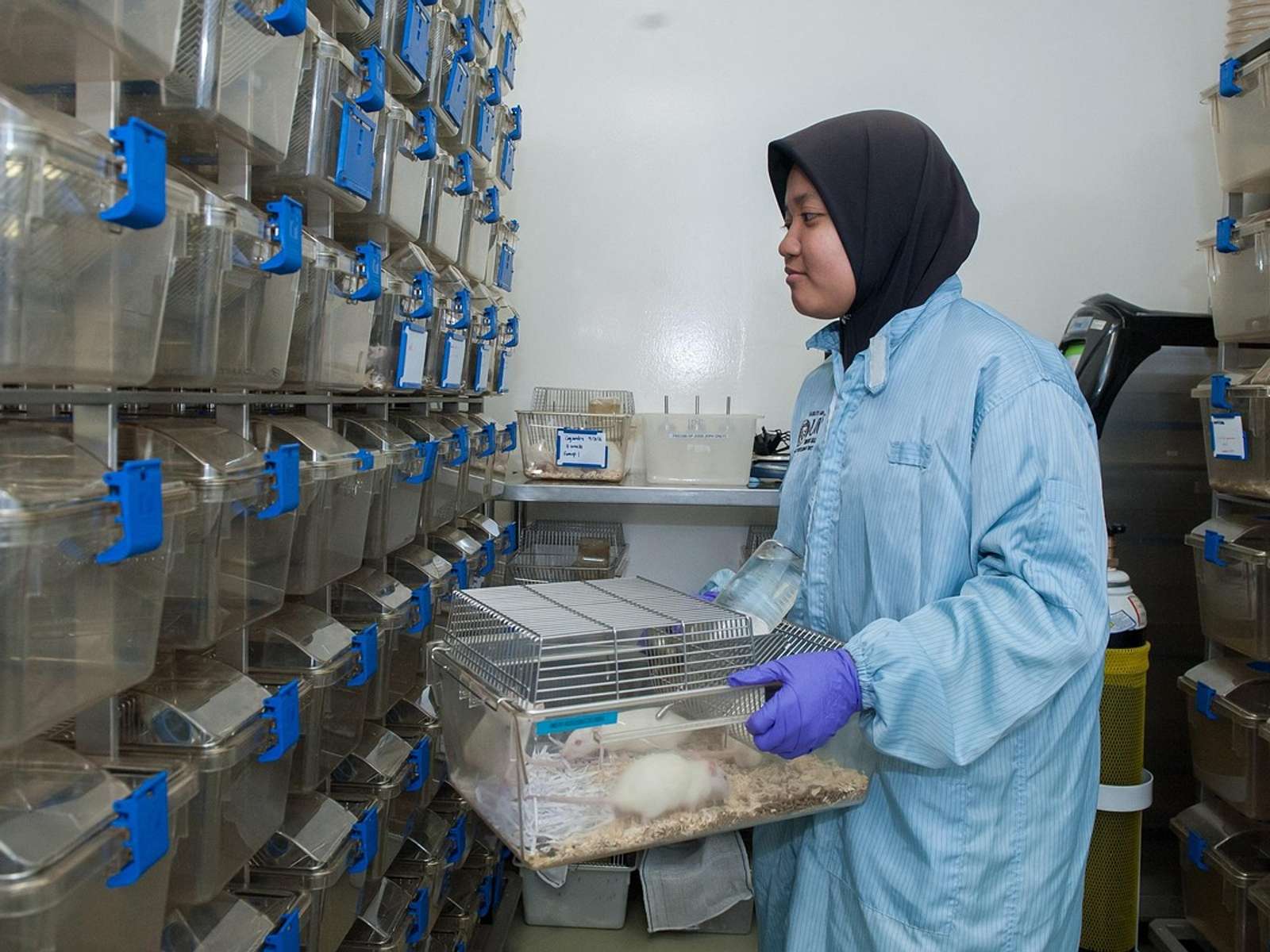
University of Cincinnati researchers used a viral gene therapy to remove the cells that make cerebrospinal fluid in mice with hydrocephalus. Treated animals had much less fluid in their brain tissue. The work is early-stage animal research.
Solar systems installed at 296 health facilities in Zambia now power maternity wards, labs and 200 vaccine fridges for about 1.5 million people, UNICEF said. At one rural health post, nurses no longer deliver babies by phone light.
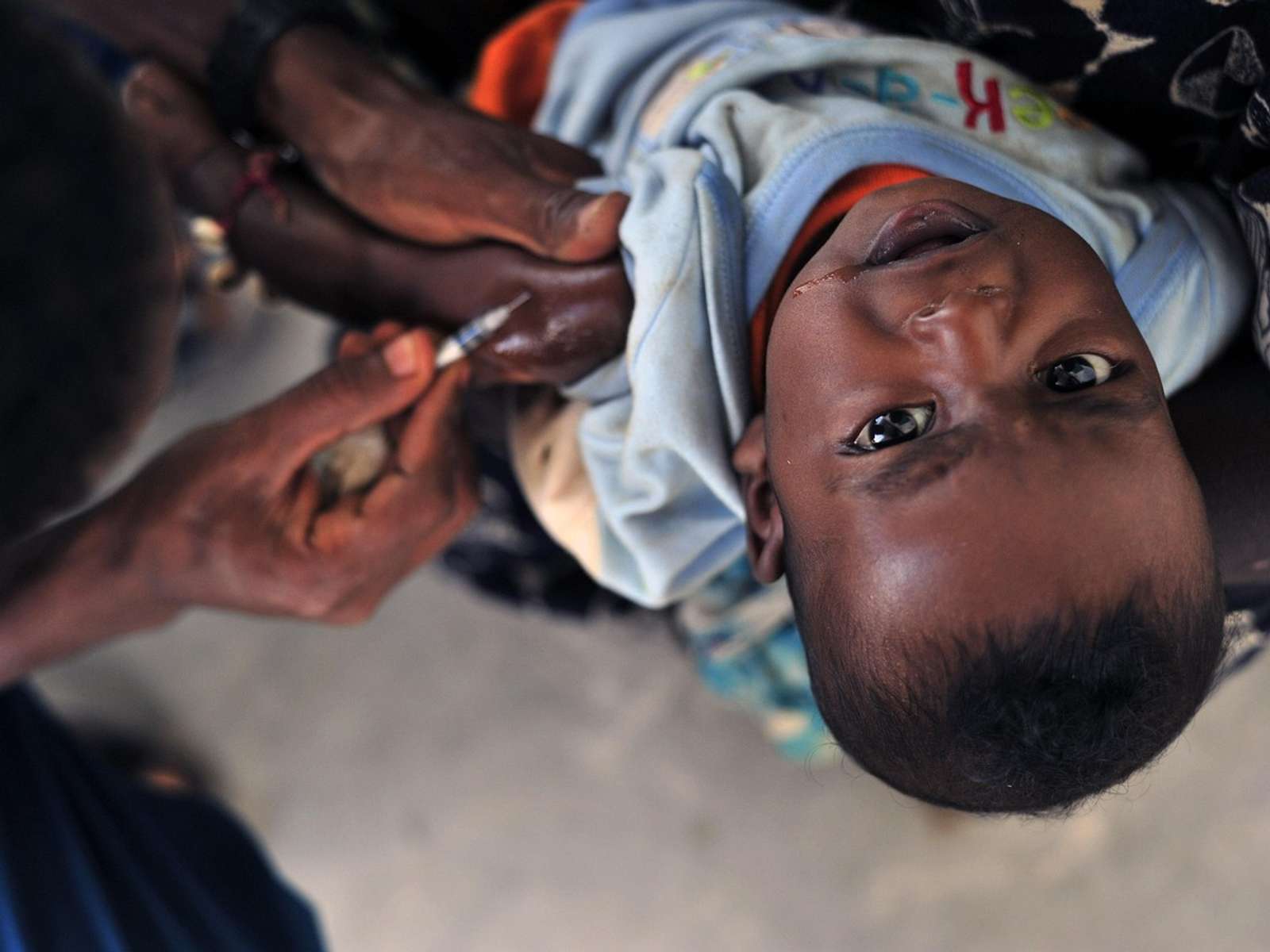
WHO's European experts have validated Albania and Armenia as having reached the region's hepatitis B control targets. Surveys found no infections among children aged 6 to 8 after more than 20 years of vaccination.
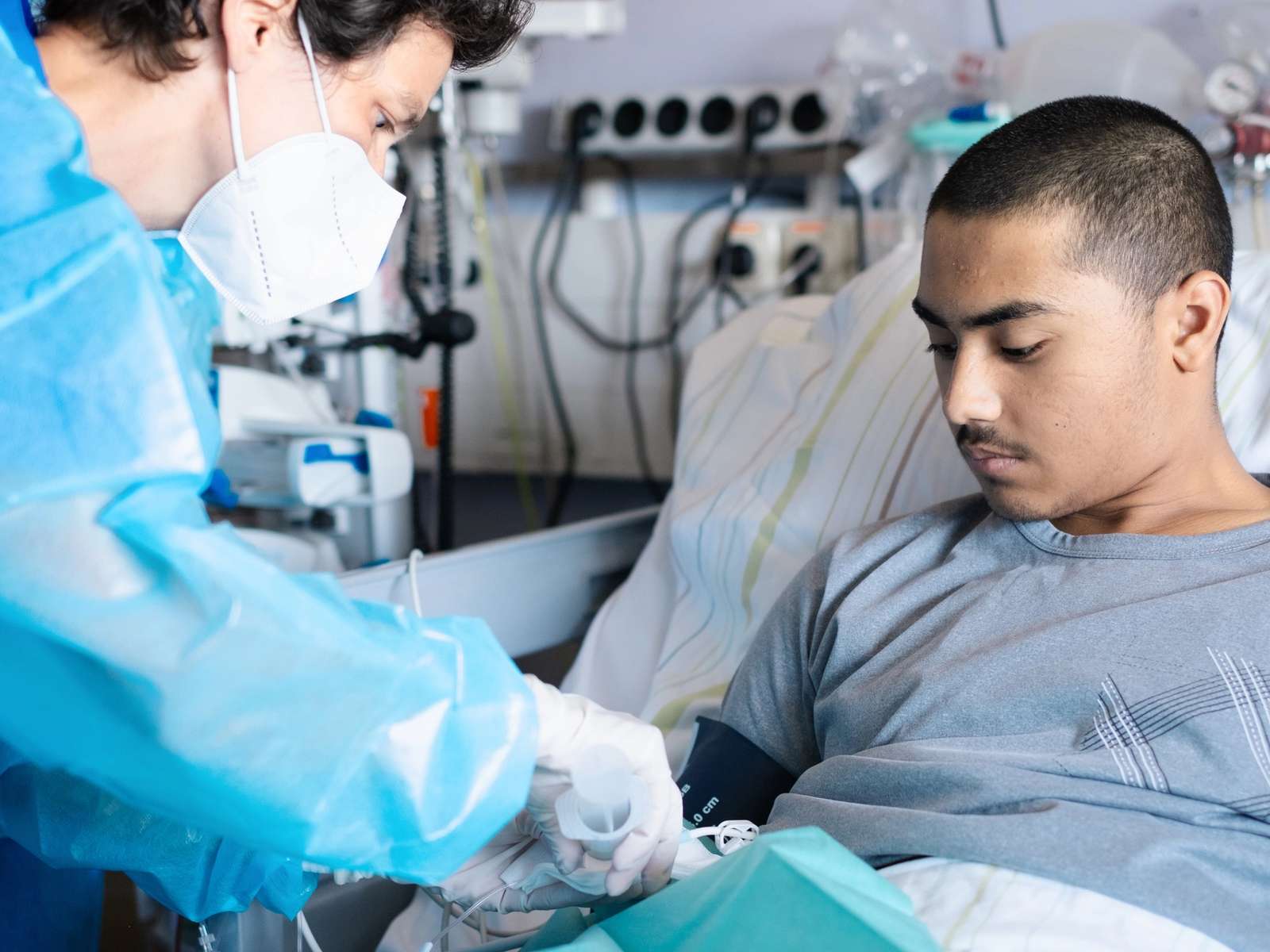
Charité in Berlin has given Germany's first routine CRISPR-based treatment to a 19-year-old with beta-thalassemia. Four months later his hemoglobin is normal and he no longer needs transfusions.
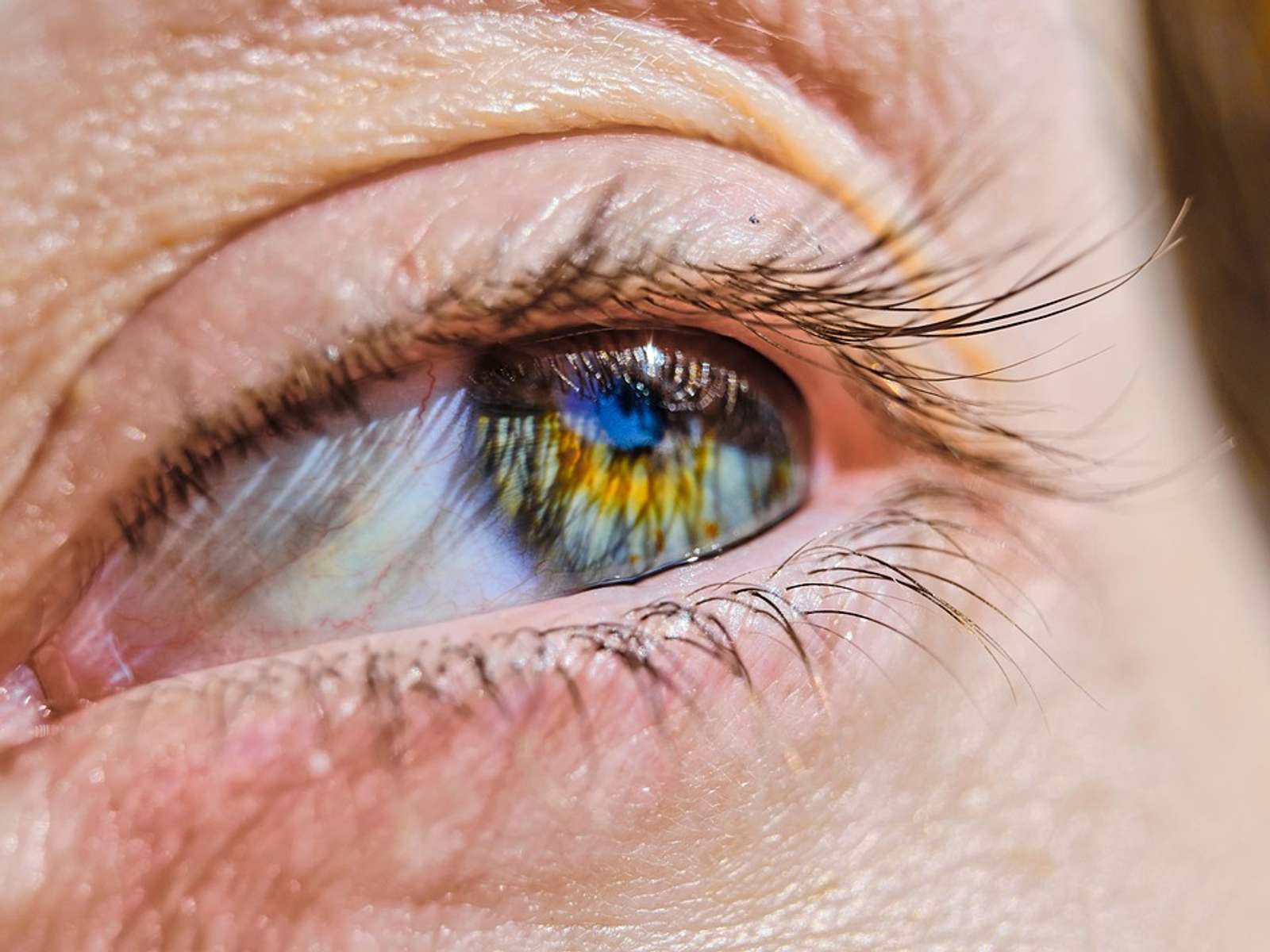
In the first group of blind patients treated with optogenetic therapy, the treatment was safe in all 10 and six gained clinically meaningful light sensitivity. It did not restore normal sight.
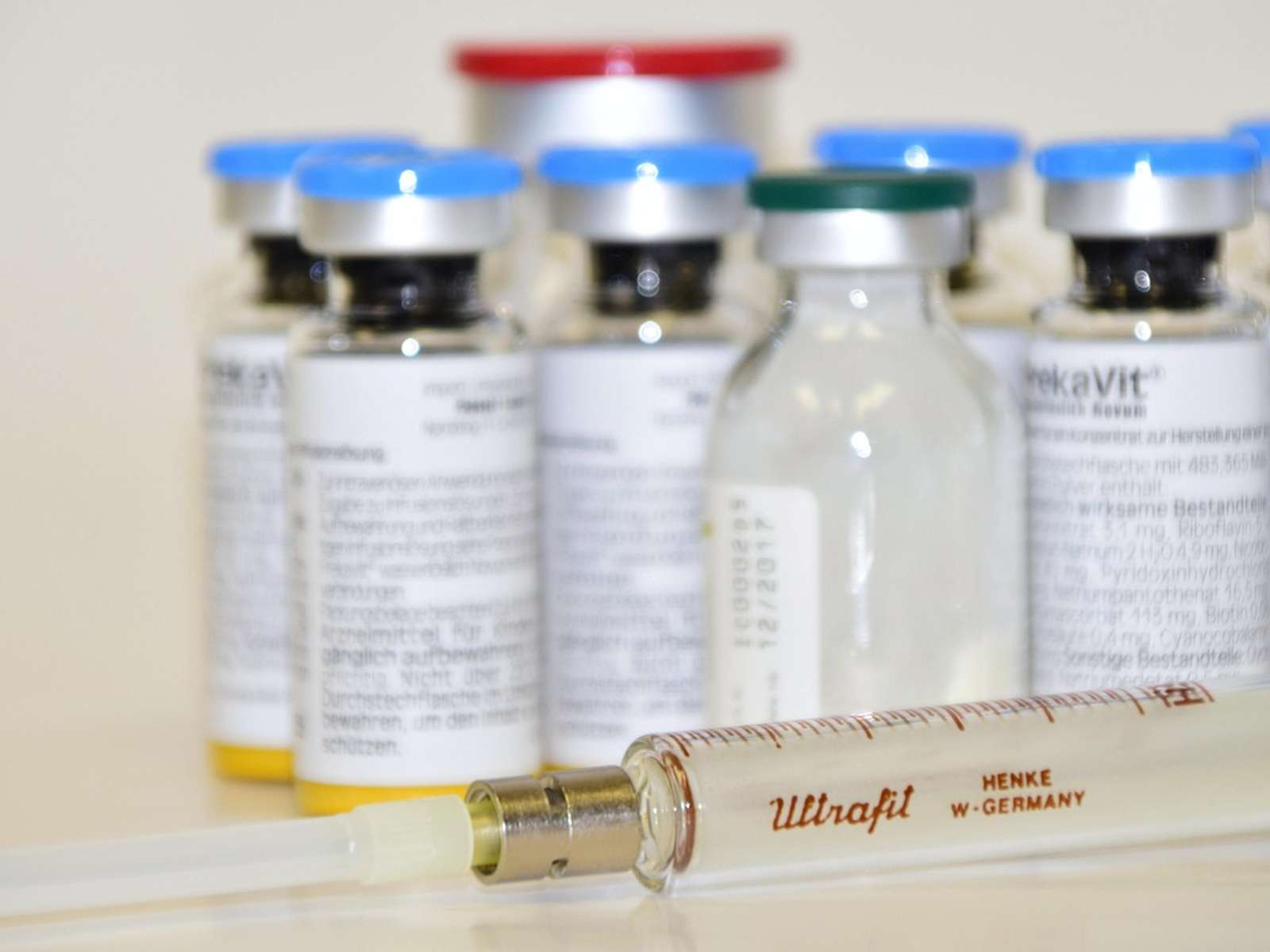
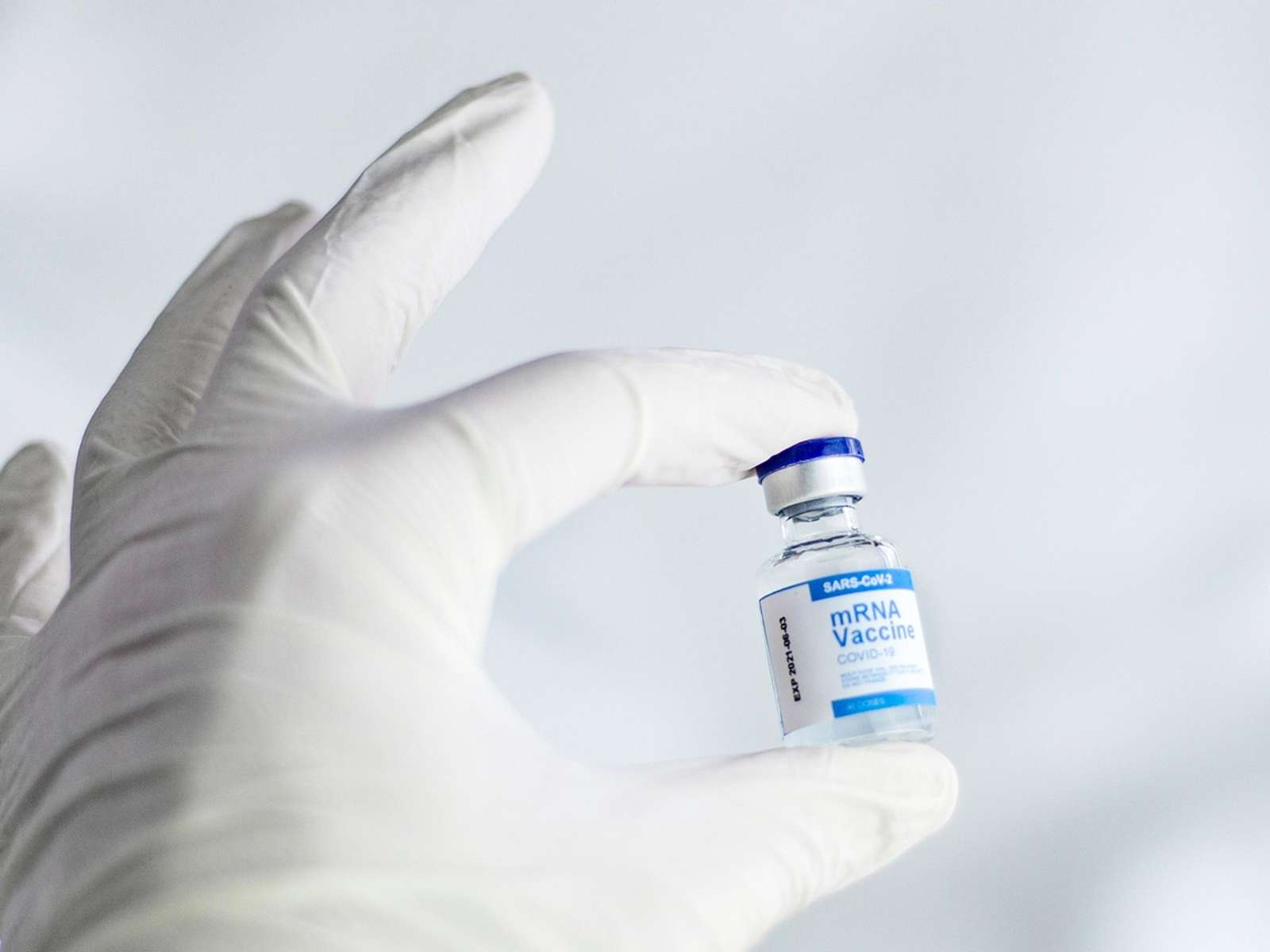
An AI-guided recipe kept mRNA vaccine particles stable for up to a year at room temperature and two months near body heat. The results so far come from cell and mouse studies.
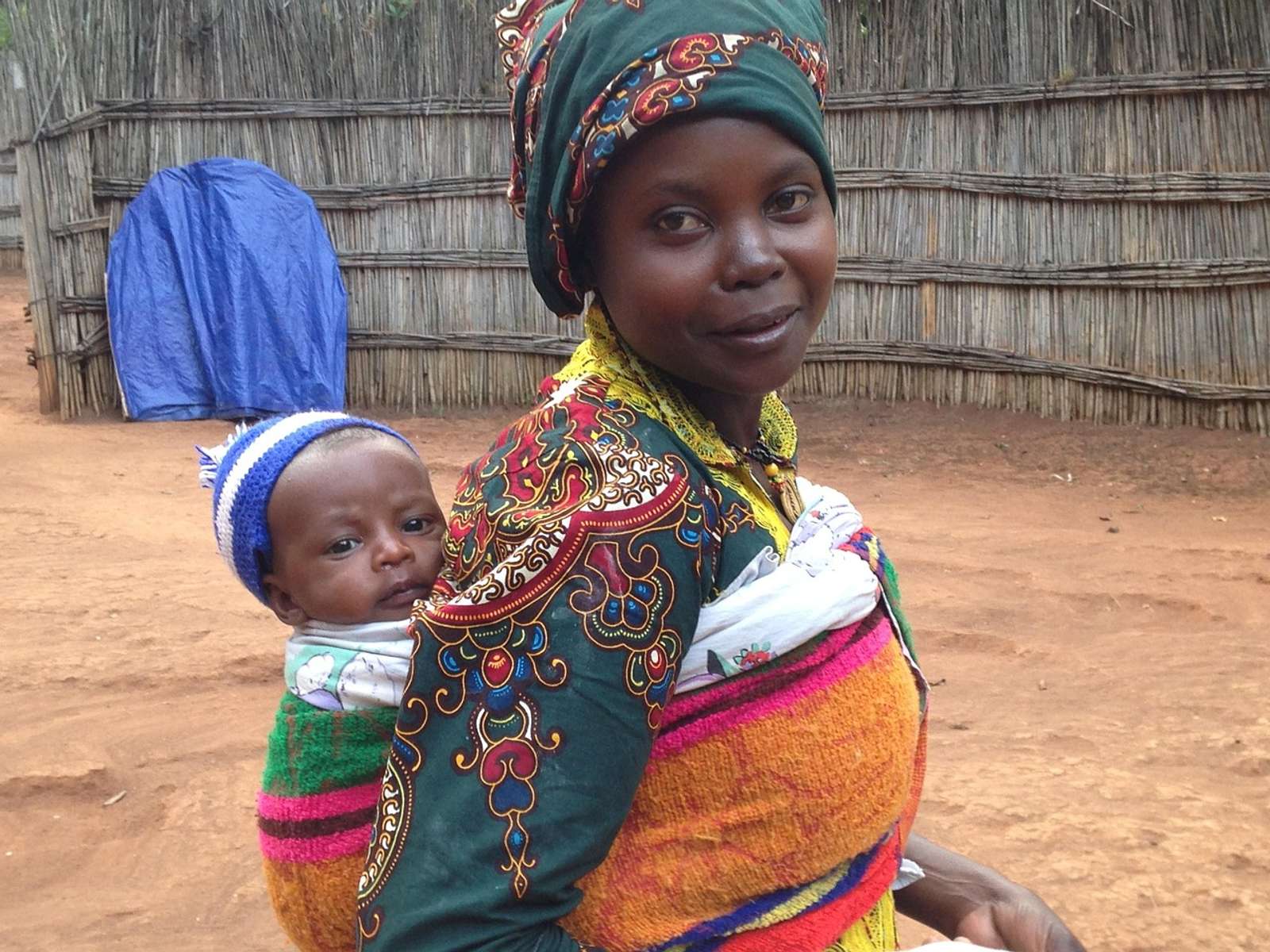
In Jowhar, Somalia, community health worker Nafiso Ibrahim Ali visits homes every day to screen children for malnutrition and refer those who need it to treatment, UNICEF reports.
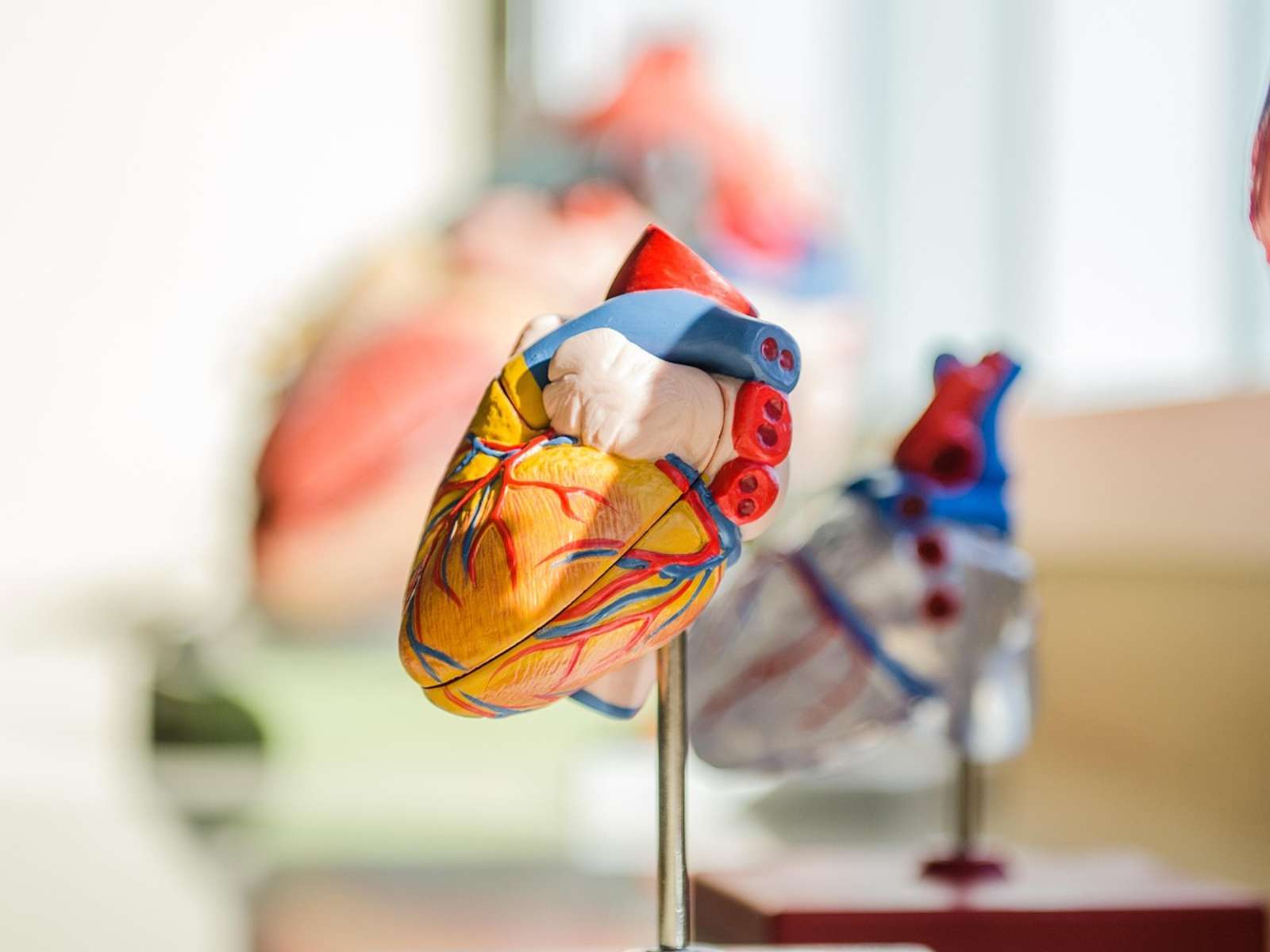
A University of South Florida lab is using umbilical cord cells and tissue-like materials to build heart valves the body could rebuild over time, so a child born with a heart defect might need one valve surgery instead of several. The work is still preclinical.

Lao health and agriculture ministries marked World Rabies Day in Vientiane with free pet vaccinations and a renewed goal of ending human deaths from dog-transmitted rabies by 2030.
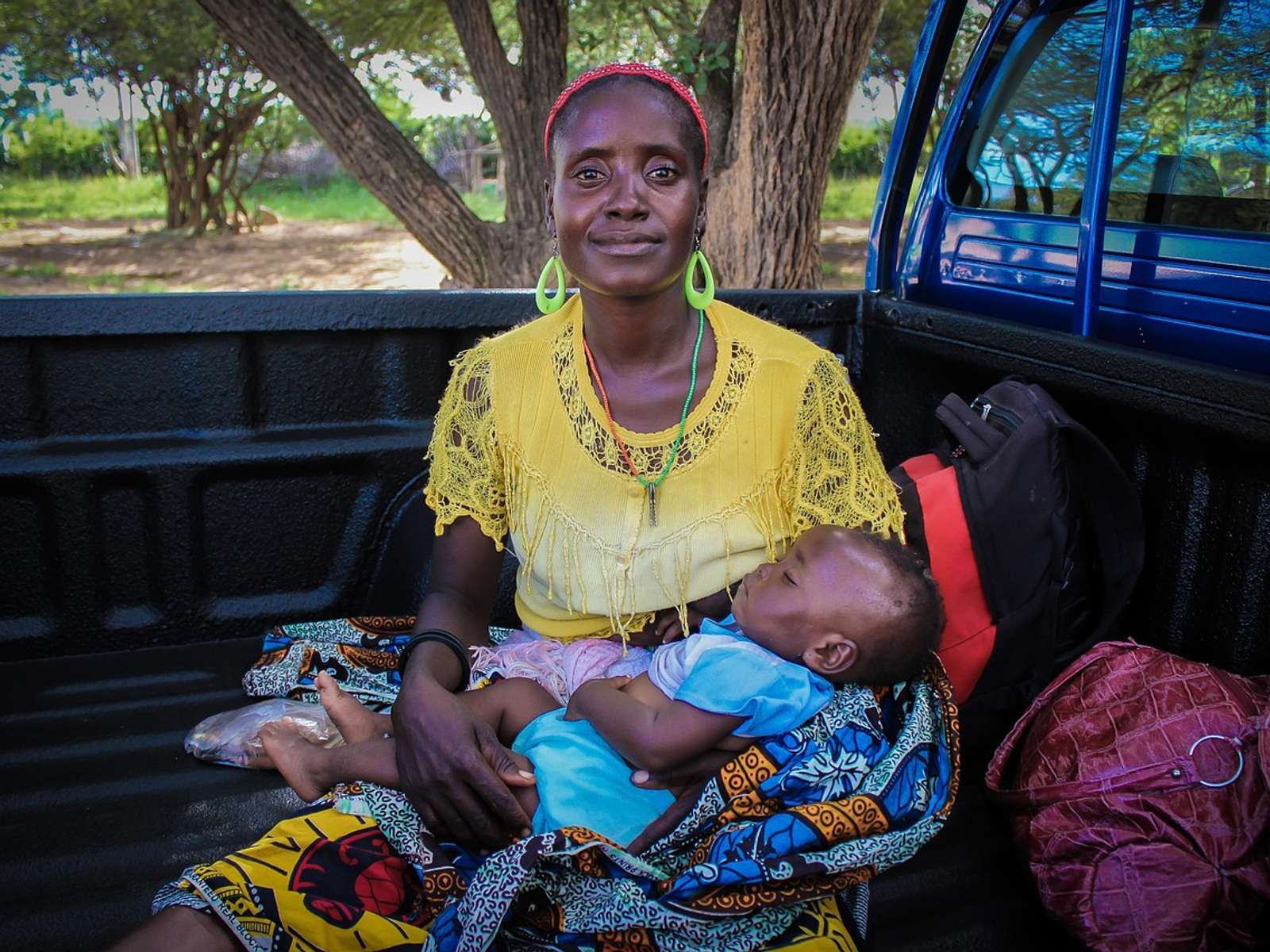
An evaluation in Mozambique's cyclone-hit Sofala province found that bringing nutrition, sanitation and behavior-change programs to the same communities was linked to a 6.7% relative drop in severe stunting.
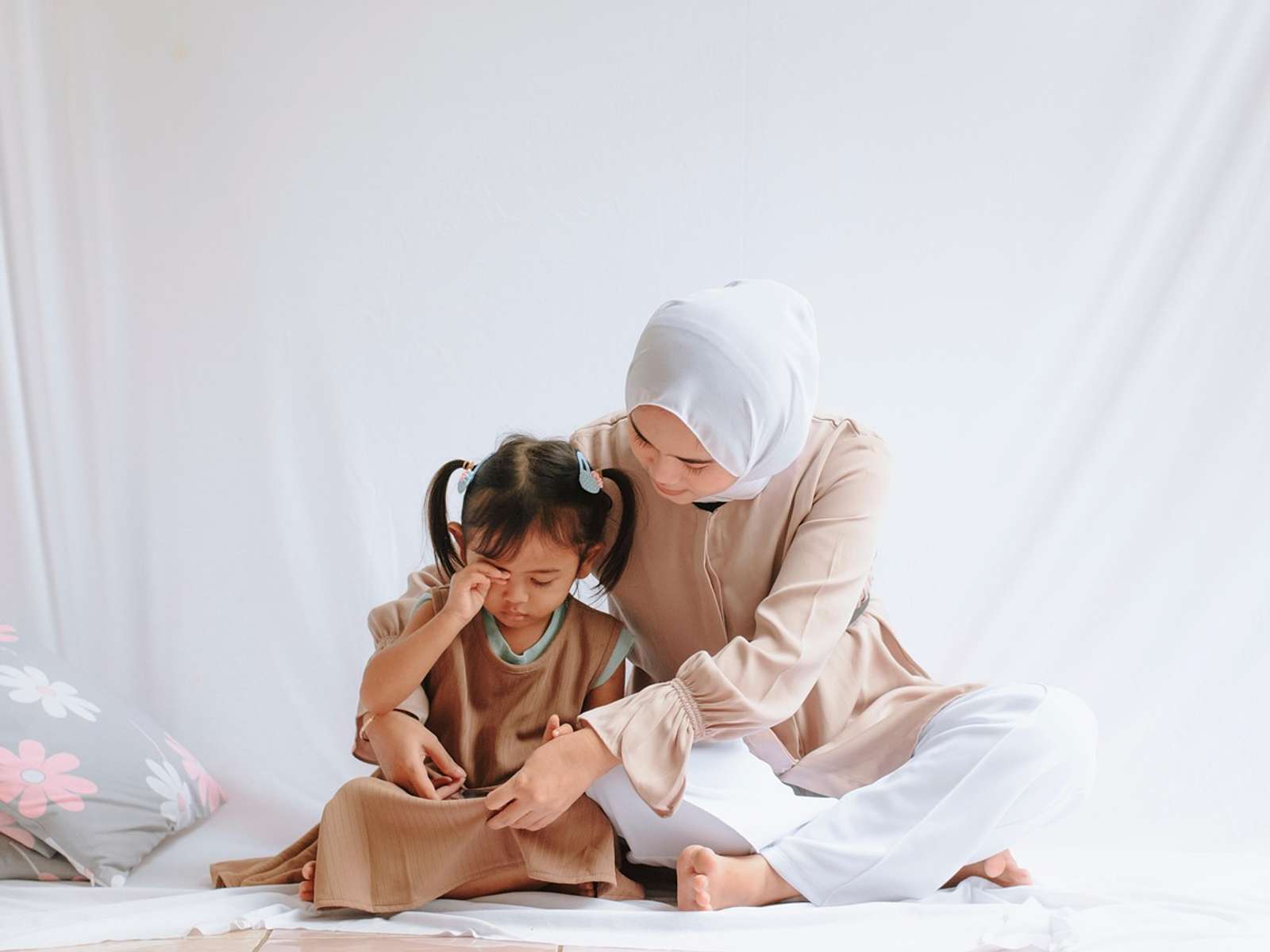
A two-year-old girl in South Papua, Indonesia, gained 2 kilograms and is walking and playing again after outpatient treatment for severe wasting with ready-to-use therapeutic food.
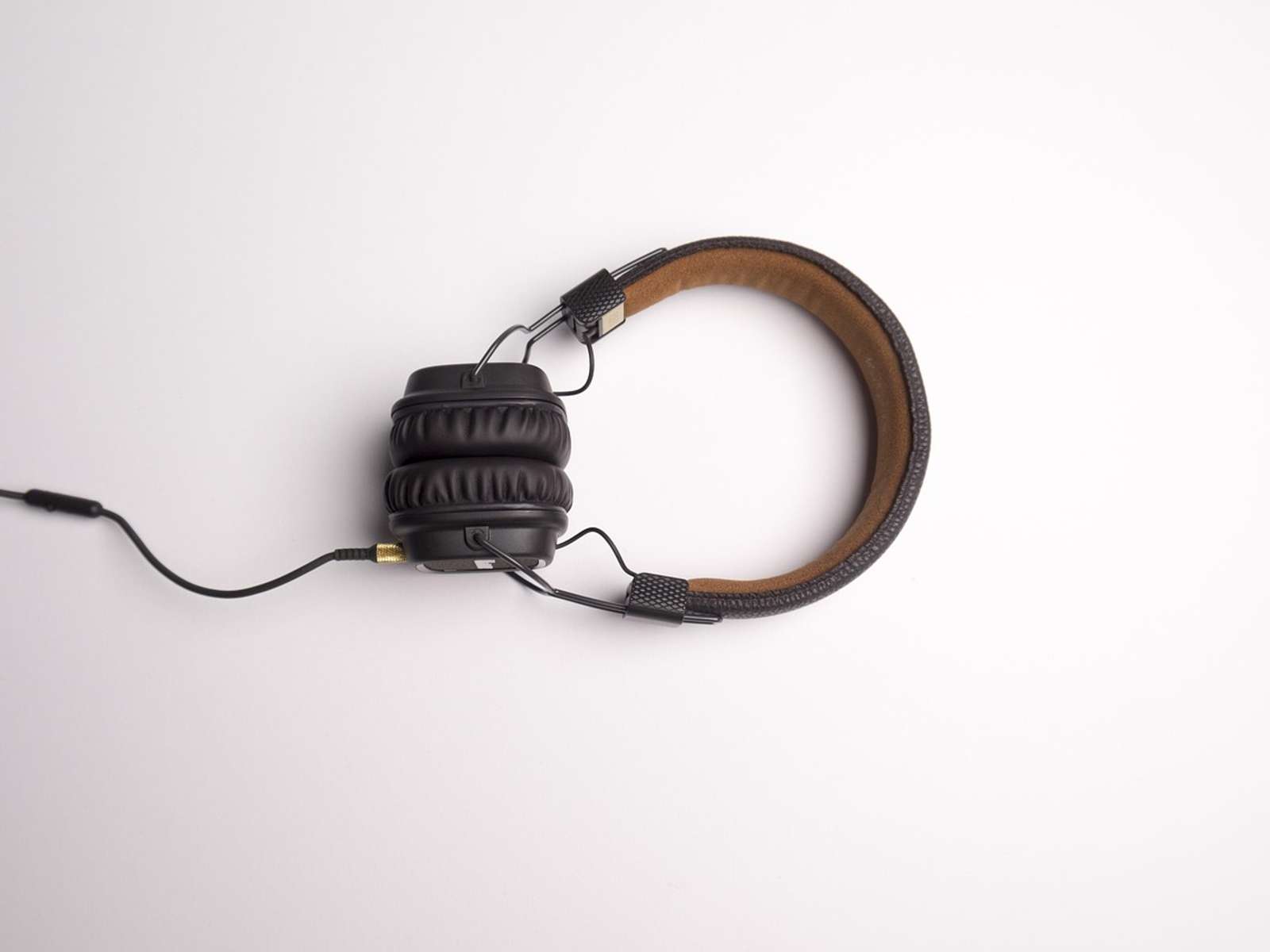
In a study of 204 patients having a cannula inserted before an MRI scan in Zurich, those who listened to their own favorite music reported the biggest reduction in pain.
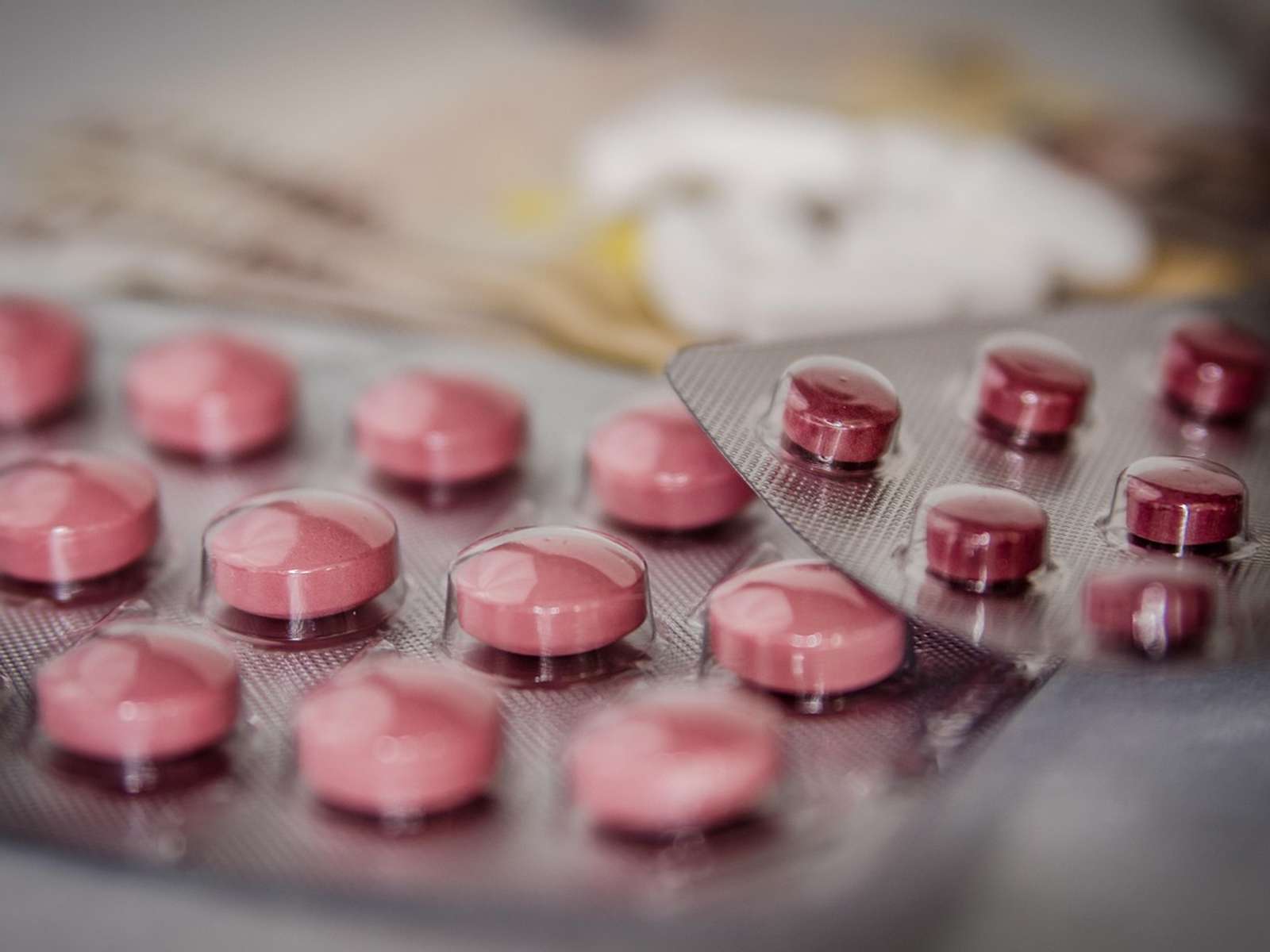
In England's I-WOTCH trial, 29% of chronic pain patients who joined a nurse-led support program had stopped strong opioids after a year, against 7% on usual care. A new economic analysis says the program costs more up front but may still be good value for the NHS.
Cerevance's experimental drug solengepras reduced the daily time people with Parkinson's spend with poorly controlled symptoms in a 341-person phase 3 trial, without adding troublesome involuntary movements.
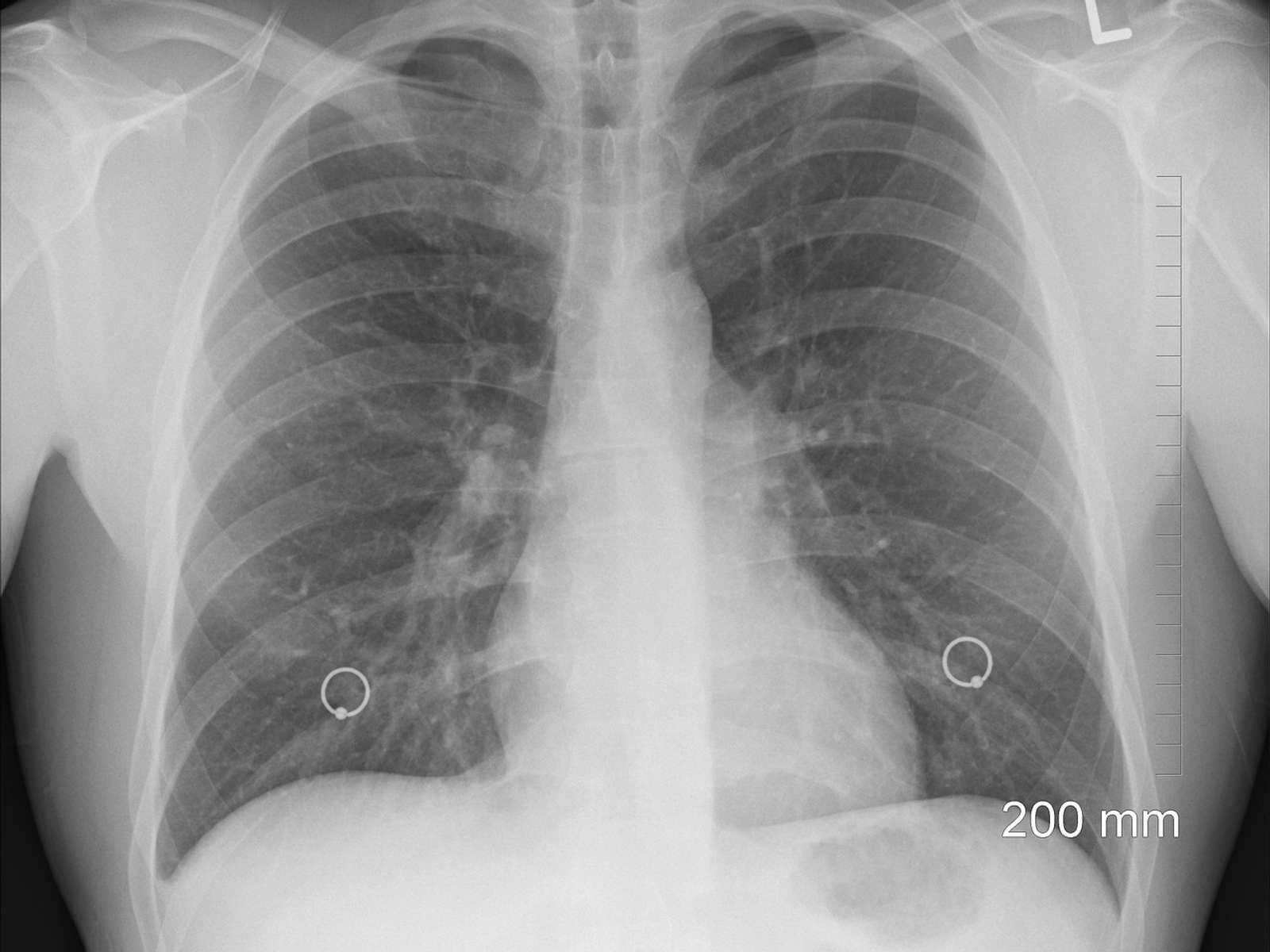
UCL researchers found that suppressive immune cells build up months or years before lung cancer forms, tracked them with prototype blood tests and halved tumor formation in mice with a drug.
Doctors in Edinburgh have transplanted testicular tissue frozen before a 19-year-old's chemotherapy back into his body, the UK's first such procedure and only the second reported worldwide.
About our health coverage
Health covers medical and public health progress: new treatments and trial results, faster diagnosis, vaccination and nutrition programs, and care reaching people who could not get it before. We follow research from universities and hospitals as well as the work of health workers in the field.
The stage of a study matters, so we always state it: a lab or animal study, an early human trial, a large trial or an approved treatment are different steps, and only the last one helps patients today. We give the number of participants, name the institution behind the results and say when findings come from a company's own announcement or have not yet been peer reviewed.