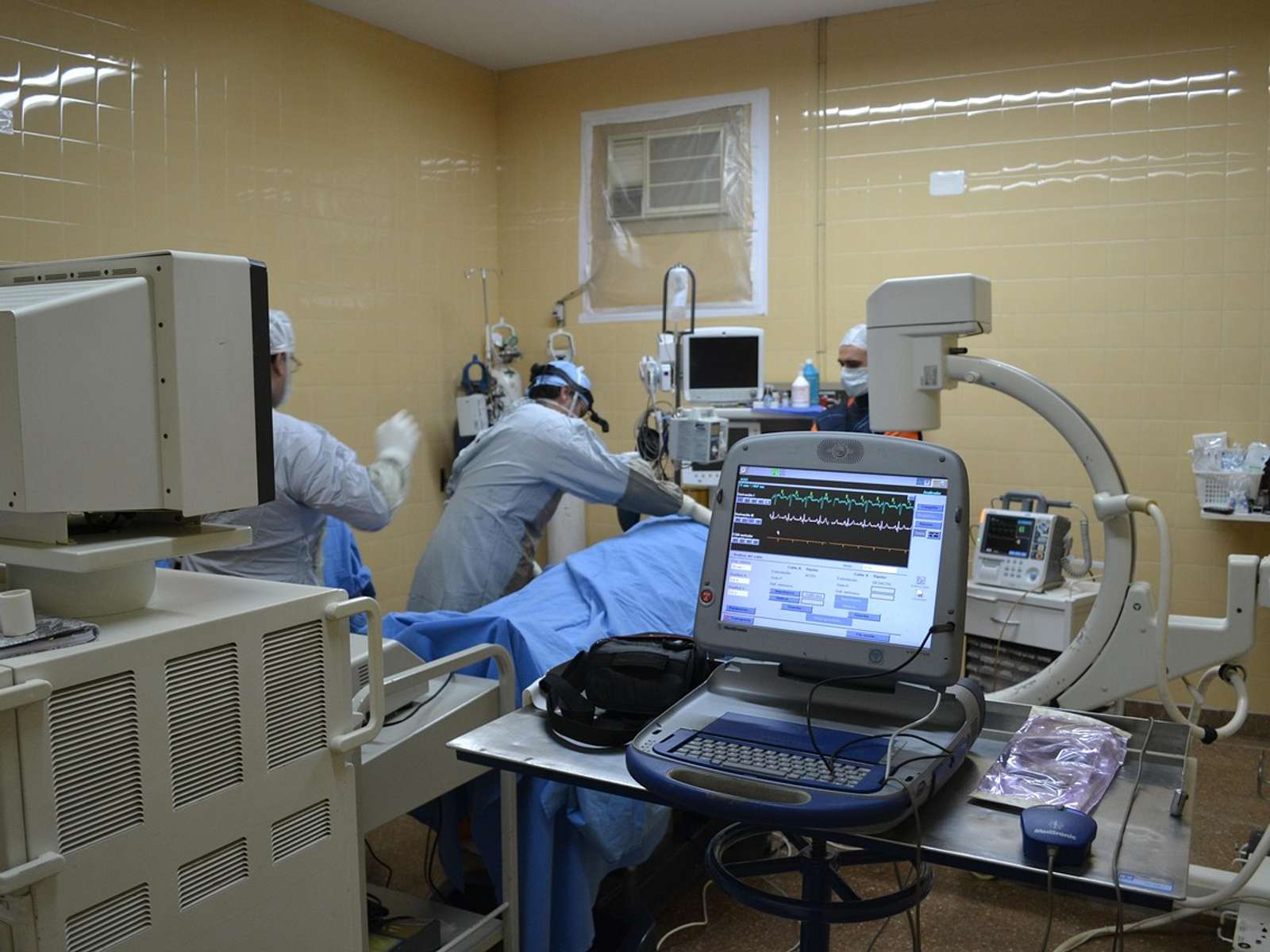
UC Davis Health has finished imaging the last of 10 patients in the first human study of a catheter that combines two optical techniques to show the makeup of plaque in heart arteries. Results have not yet been reported.
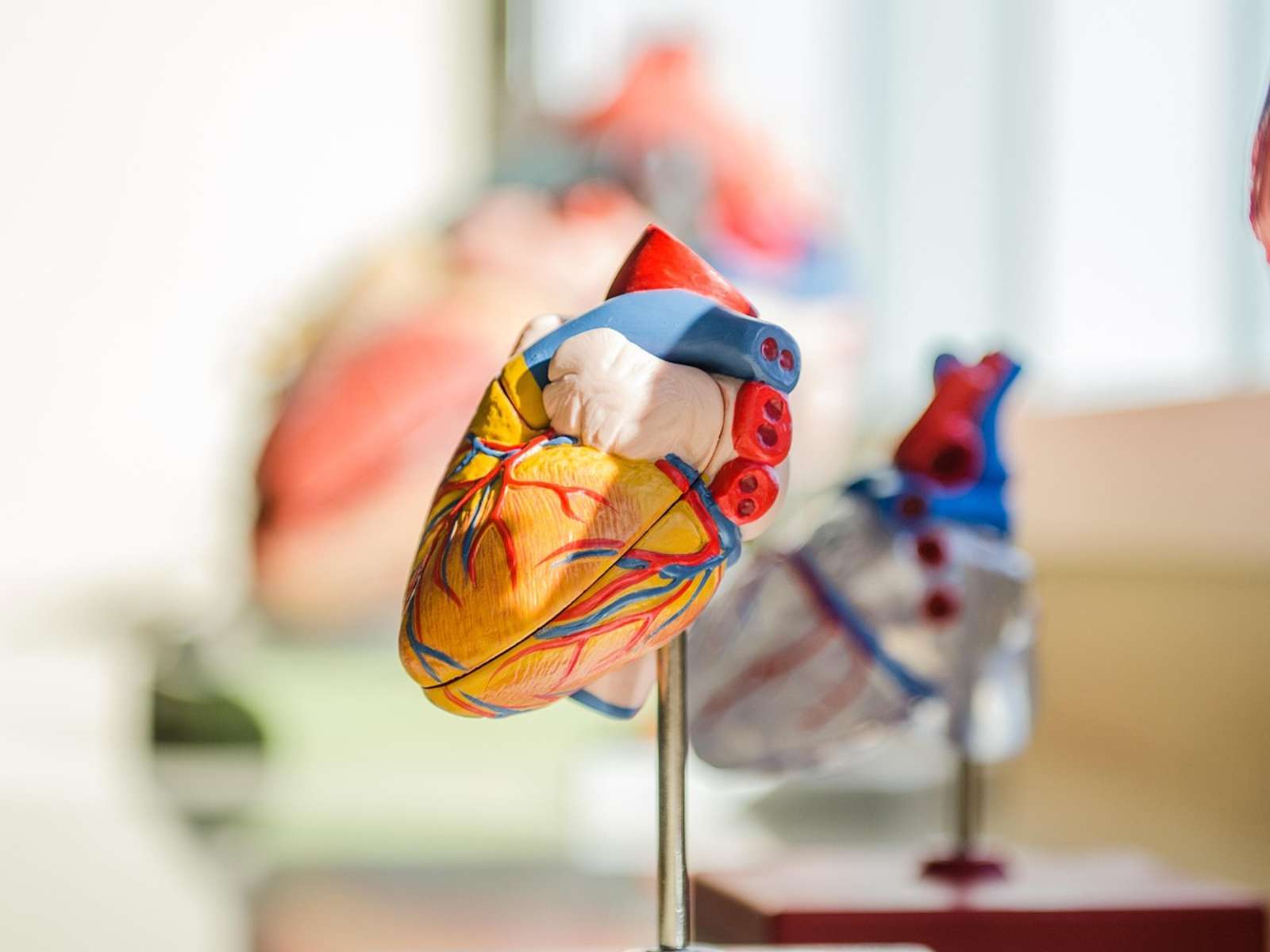
A University of South Florida lab is using umbilical cord cells and tissue-like materials to build heart valves the body could rebuild over time, so a child born with a heart defect might need one valve surgery instead of several. The work is still preclinical.

A University of Auckland engineer is trialling a smartphone tool that reads tiny pulse movements in the skin of the neck, one of eight heart projects sharing NZ$2.32 million from New Zealand's Heart Foundation.
In a Vanderbilt pilot study of 16 women with obesity and prediabetes, empagliflozin reduced blood cell clumps linked to heart disease within two weeks. Women on a low-calorie diet did not show the drop. A larger placebo-controlled trial is now enrolling.

A large Danish study found that people who started statins within a year of a type 2 diabetes diagnosis had a 15 percent lower relative risk of dementia over the next decade than those who never started treatment.
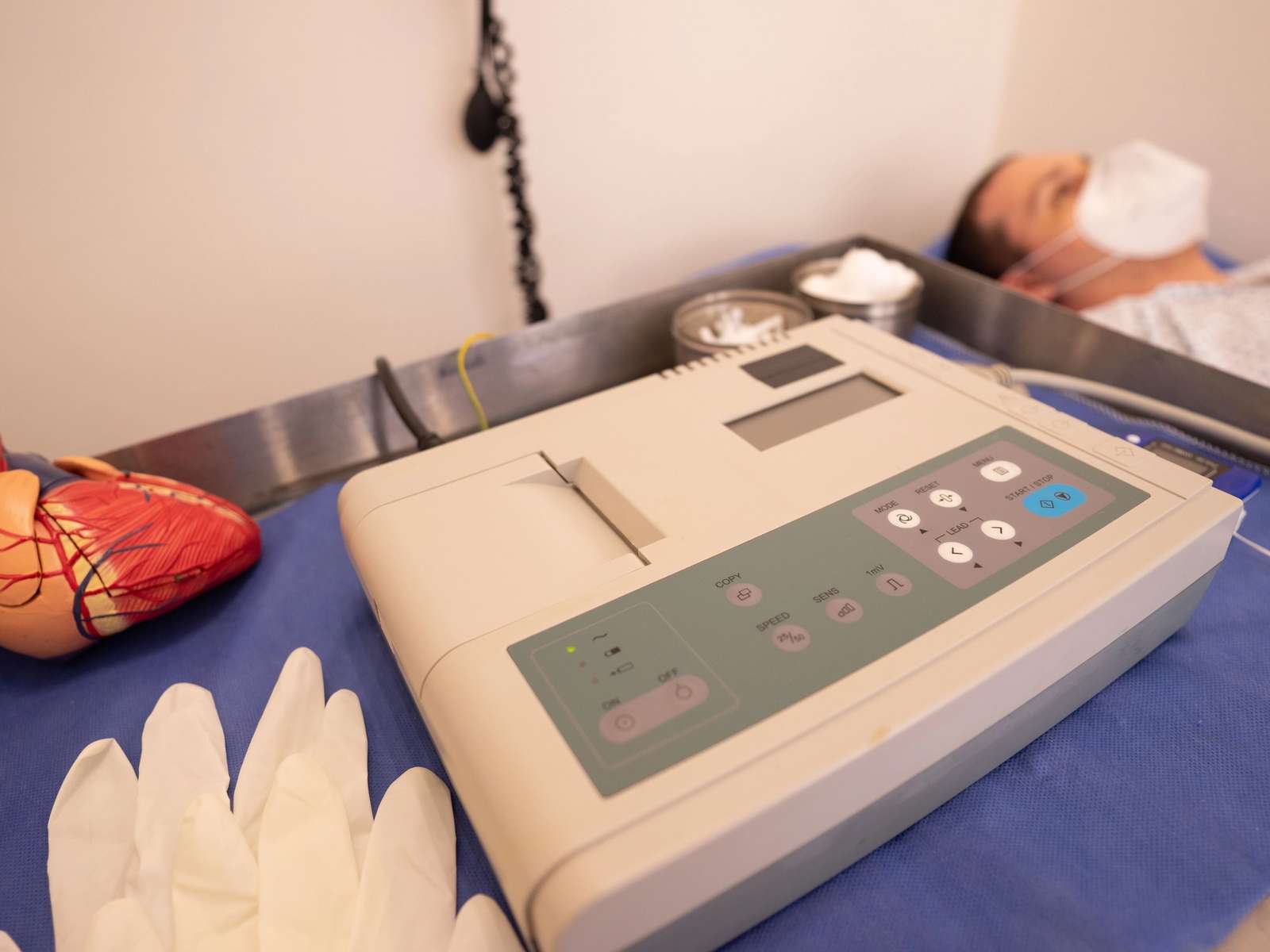
A German trial found that a minimally invasive tricuspid valve repair cut the risk of death or heart failure hospitalization by roughly 60 percent over three years in high-risk patients, resolving a question that had lingered since earlier trials.

A nurse-coordinated care model tested in 1,507 patients across 22 Indian hospitals cut heart failure deaths by 22 percent over two years, addressing one of cardiology's most persistent gaps: patients not receiving medications proven to save lives.