Can a phone video of the neck spot heart problems? NZ researchers get funding to find out
A University of Auckland engineer is trialling a smartphone tool that reads tiny pulse movements in the skin of the neck, one of eight heart projects sharing NZ$2.32 million from New Zealand's Heart Foundation.

A University of Auckland biomedical engineer is testing whether short smartphone videos of a person's neck can help detect serious heart problems, one of eight heart research projects at the university sharing $2.32 million from New Zealand's Heart Foundation, the university said.
An algorithm tracks skin movement too small for the eye to see
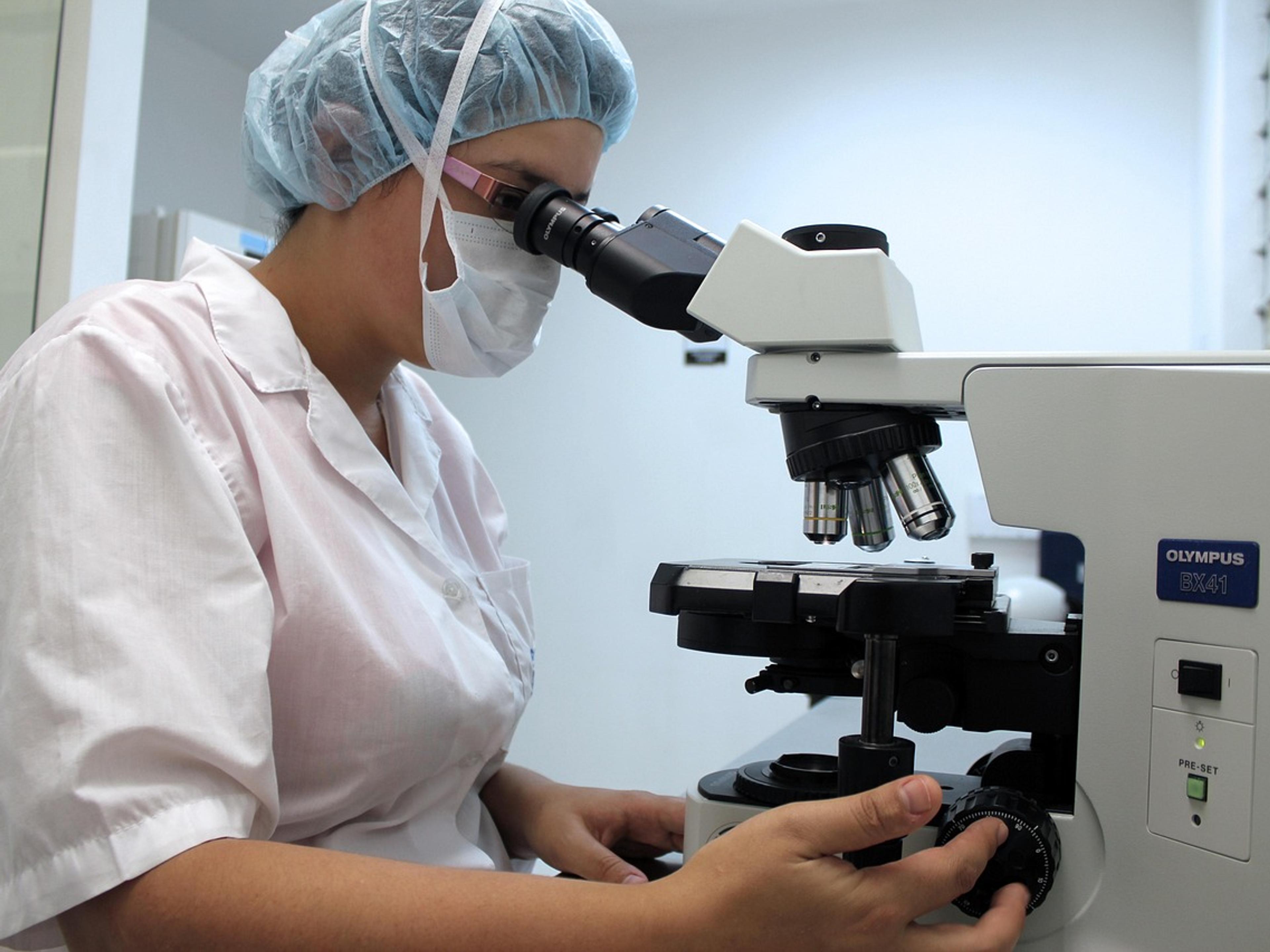
Dr Prashanna Khwaounjoo of the Auckland Bioengineering Institute is trialling a non-invasive tool that records tiny movements in the skin of the neck caused by blood flow. An algorithm then analyses those movements to assess the pulse signal.
“Our algorithm can track skin movement down to the micron level – movements you can't really see with the eye. Instead of guesswork, we're using a smartphone camera to record the movement and an algorithm to track it.” — Dr Prashanna Khwaounjoo, Auckland Bioengineering Institute
Khwaounjoo received a fellowship and a $139,300 grant for the work. He says the tool could give clinicians a fast, low-cost way to decide which patients should be referred for a full heart scan, which for patients could mean fewer unexpected hospital visits and quicker access to care.
Other grants target women's heart failure and inherited disease
Dr Julia Shanks received $20,000 to develop what she describes as a world-first sheep model of heart failure after menopause. The condition she studies, heart failure with preserved ejection fraction, affects more than 40,000 New Zealanders a year, and about half of people with it die within five years of diagnosis.
Dr Zoe Ward received $250,000 to find genetic causes of inherited heart disease that standard tests miss; more than half of people tested currently get no clear answer. Dr Debbie Zhao was awarded $406,575 to use AI to speed up echocardiograms, for which some patients wait many months, and Dr Ryan Sixtus $373,530 to study dangerous blood pressure after tears in the aorta.
Better follow-up care can make a real difference in heart failure, as shown by a trial in India where nurse-led care cut deaths.
The phone test is still at the trial stage
These grants fund work that is only starting and may take years, and the smartphone tool will need to prove in trials that it reliably picks out the right patients. The Heart Foundation, a charity, had funded more than NZ$95 million of heart research by 2024, according to its own figures.
Like what you're reading?
Related stories
Diabetes Drug Cut Inflammatory Blood Cells Within Two Weeks in Small Human Trial
In a Vanderbilt pilot study of 16 women with obesity and prediabetes, the SGLT2 inhibitor empagliflozin reduced inflammatory cell clumps linked to heart disease within two weeks, an effect a diet group did not show.
Single-neuron study finds signs of resilience in brain cells vulnerable to Parkinson's
Scientists sequenced mitochondrial DNA in individual brainstem neurons from people with Parkinson's for the first time, finding heavy damage but also a protective response that was stronger in people who lived longer.
NUS Researchers Partly Restore Egg Maturation in Stiff, Aged-Like Ovarian Tissue
National University of Singapore researchers found that stiffer ovarian tissue cuts the links between eggs and their support cells, and that blocking the protein SMAD7 partly restored egg maturation in lab-grown follicles from preclinical models.