New findings from labs, clinical trials and hospitals, with the stage of each study made clear: cells, mice, small trials or approved care.

Women with severe early-onset preeclampsia had far more extracellular vesicles in their blood, and lowering the levels in lab tests reversed blood vessel dysfunction, Wright State researchers report in Hypertension. It is lab work, not a treatment.
ARPA-H will fund an MIT-led team with up to $38 million over four years to develop PYTHIA, a noninvasive patch powered by body heat that would track biomarkers of sepsis and heart failure. No device has been built or tested yet.
Weill Cornell researchers found that many cancer cells that lost the TNKS1 gene depend on its twin, TNKS2. A compound that blocks TNKS2 slowed those cells in lab dishes without affecting cells with normal TNKS1.
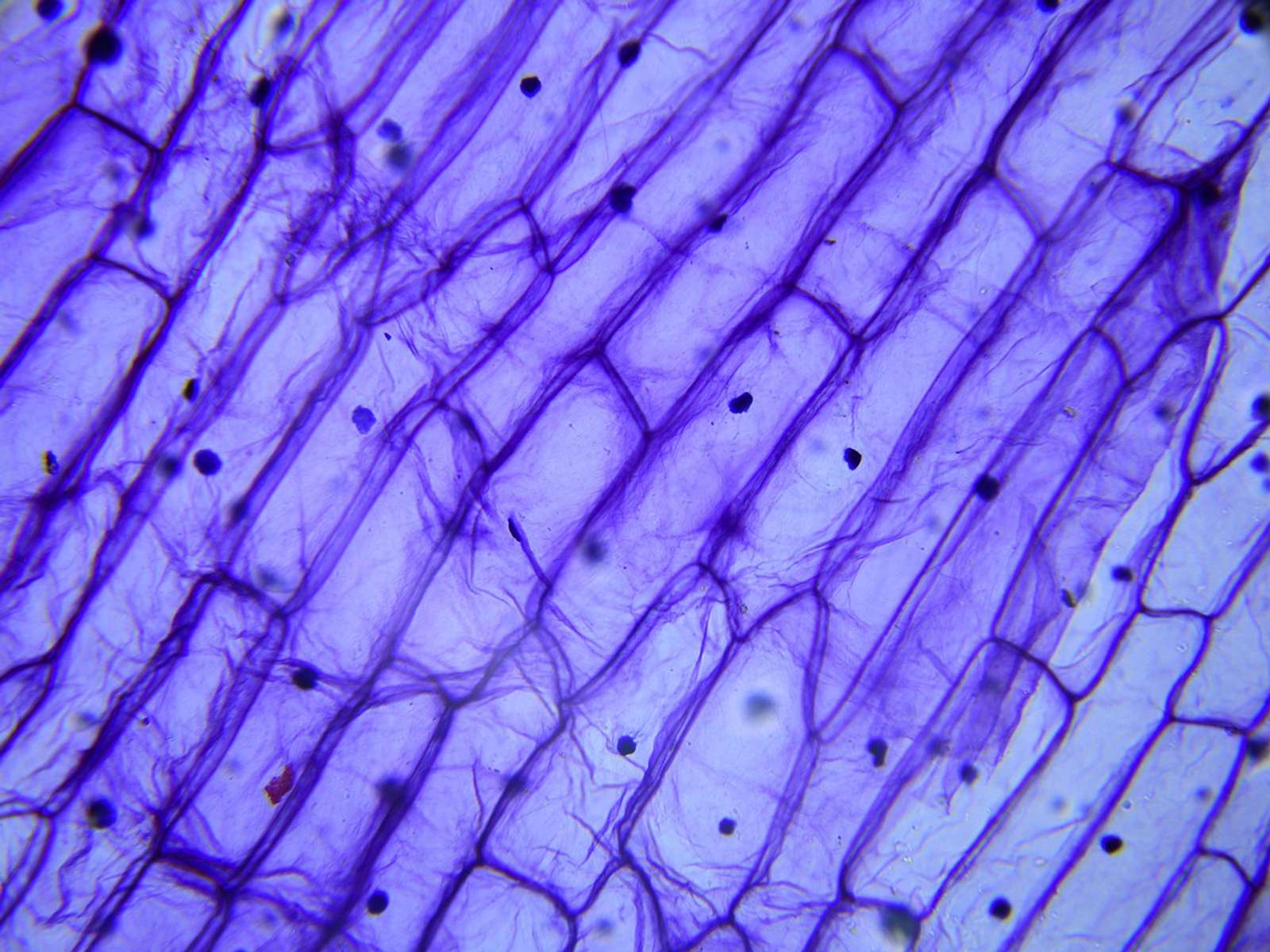
ETH Zurich researchers engineered human cells to archive RNA, the transcripts of active genes, in a protected film around their mitochondria, preserving several thousand molecules that show what the cell was doing days before.

An NIH-funded study used the 1972 rise in the UK school-leaving age as a natural experiment. Among more than 100,000 UK Biobank participants, the extra year of school lowered dementia diagnoses, most among those at high genetic risk.
A study presented at UEG Week 2026 profiled antibodies in 2,000 blood samples and found differences up to 10 years before people were diagnosed with Crohn's disease or ulcerative colitis. It is a proof of principle, not yet a test.
The UK's AD-SMART trial tests several Alzheimer's drugs against one placebo group, starting with metformin and atomoxetine. Its design could more than halve the time to evaluate treatments. It aims to recruit 1,200 people.
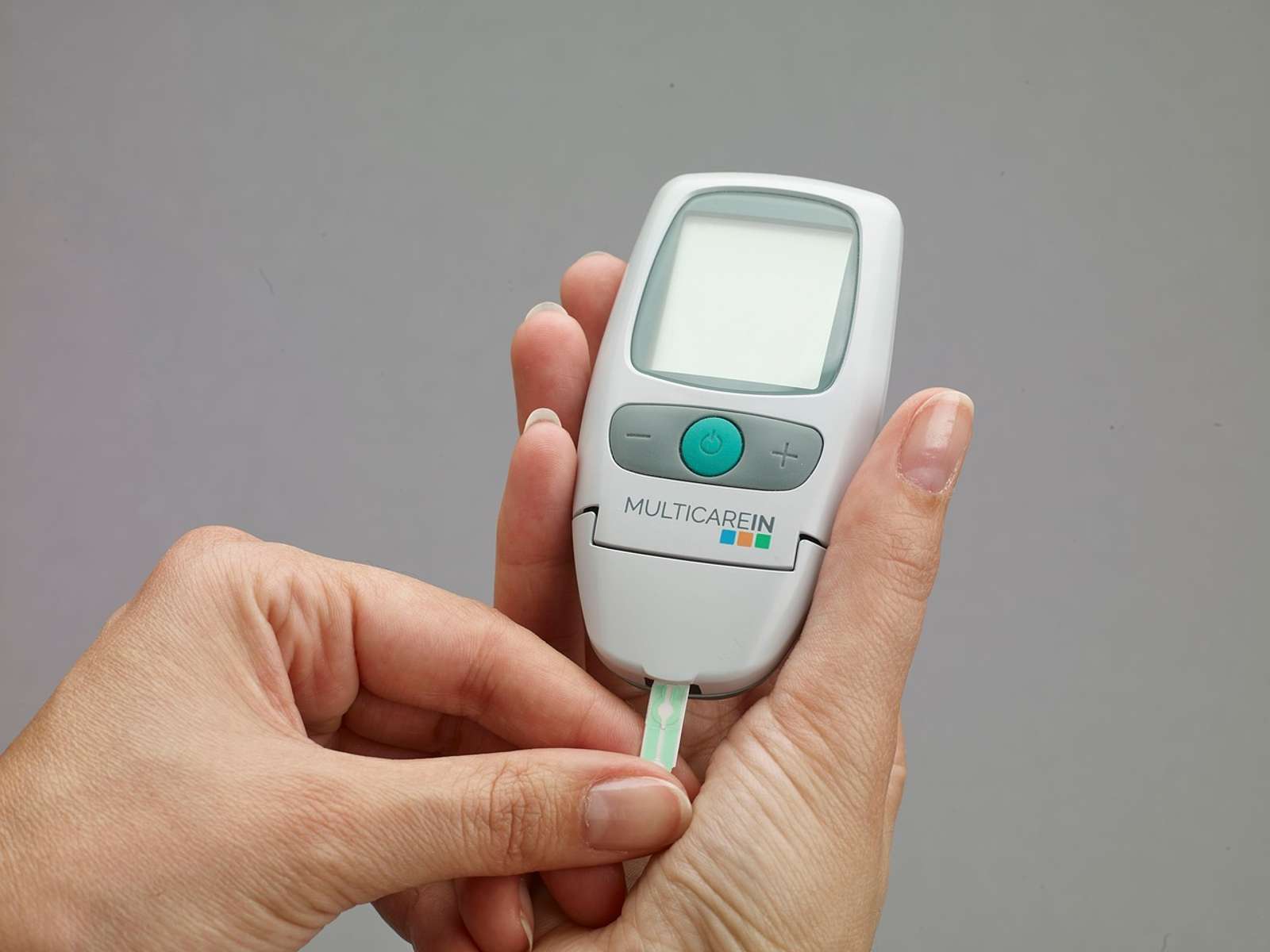
In a 26-week trial of 283 adults with type 2 diabetes who don't use insulin, those given continuous glucose monitors spent about five more hours a day in their target range and lowered their A1c by 0.9 points more than with routine care.
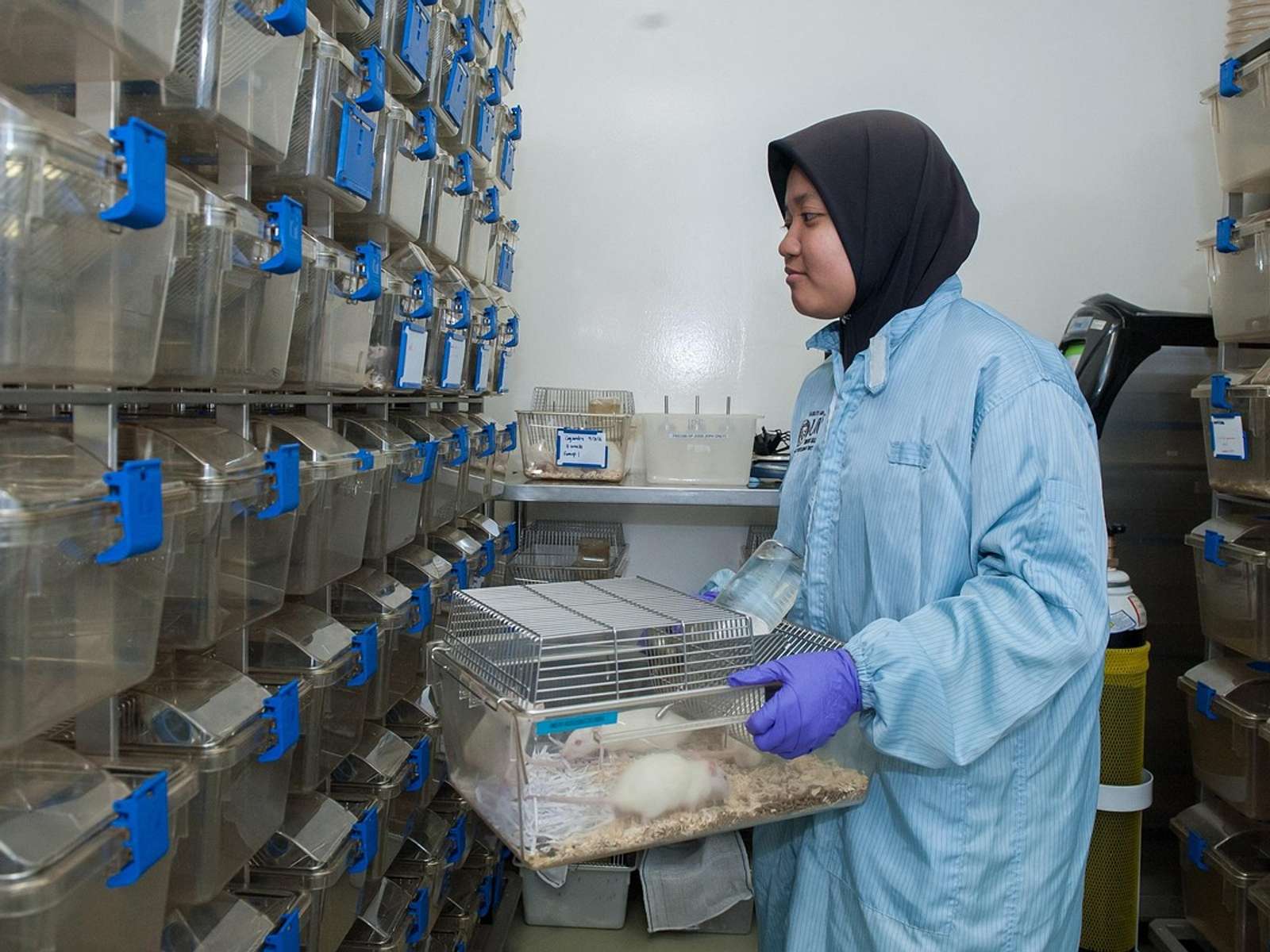
University of Cincinnati researchers used a viral gene therapy to remove the cells that make cerebrospinal fluid in mice with hydrocephalus. Treated animals had much less fluid in their brain tissue. The work is early-stage animal research.
In the first group of blind patients treated with optogenetic therapy, the treatment was safe in all 10 and six gained clinically meaningful light sensitivity. It did not restore normal sight.
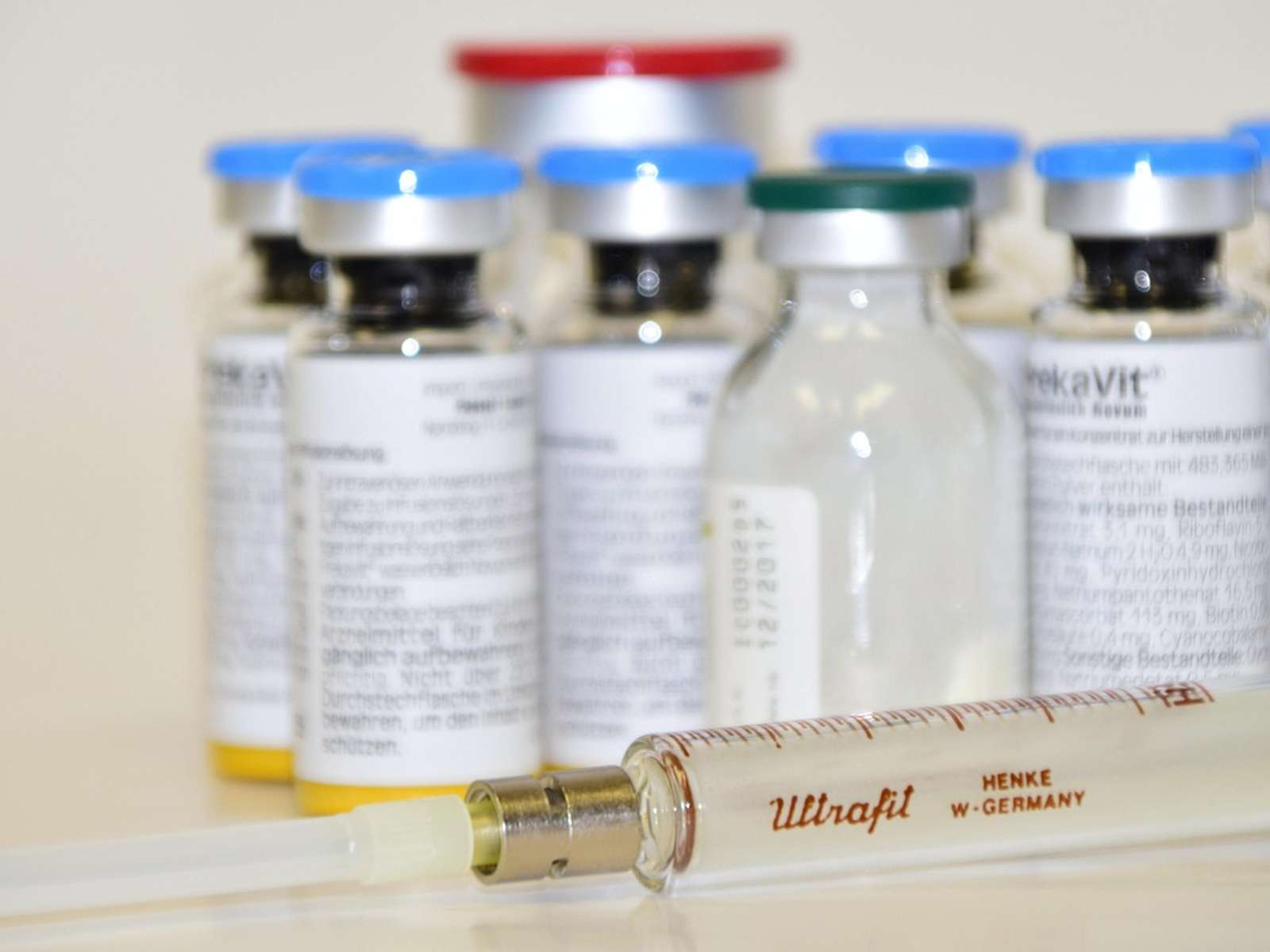
An AI-guided recipe kept mRNA vaccine particles stable for up to a year at room temperature and two months near body heat. The results so far come from cell and mouse studies.
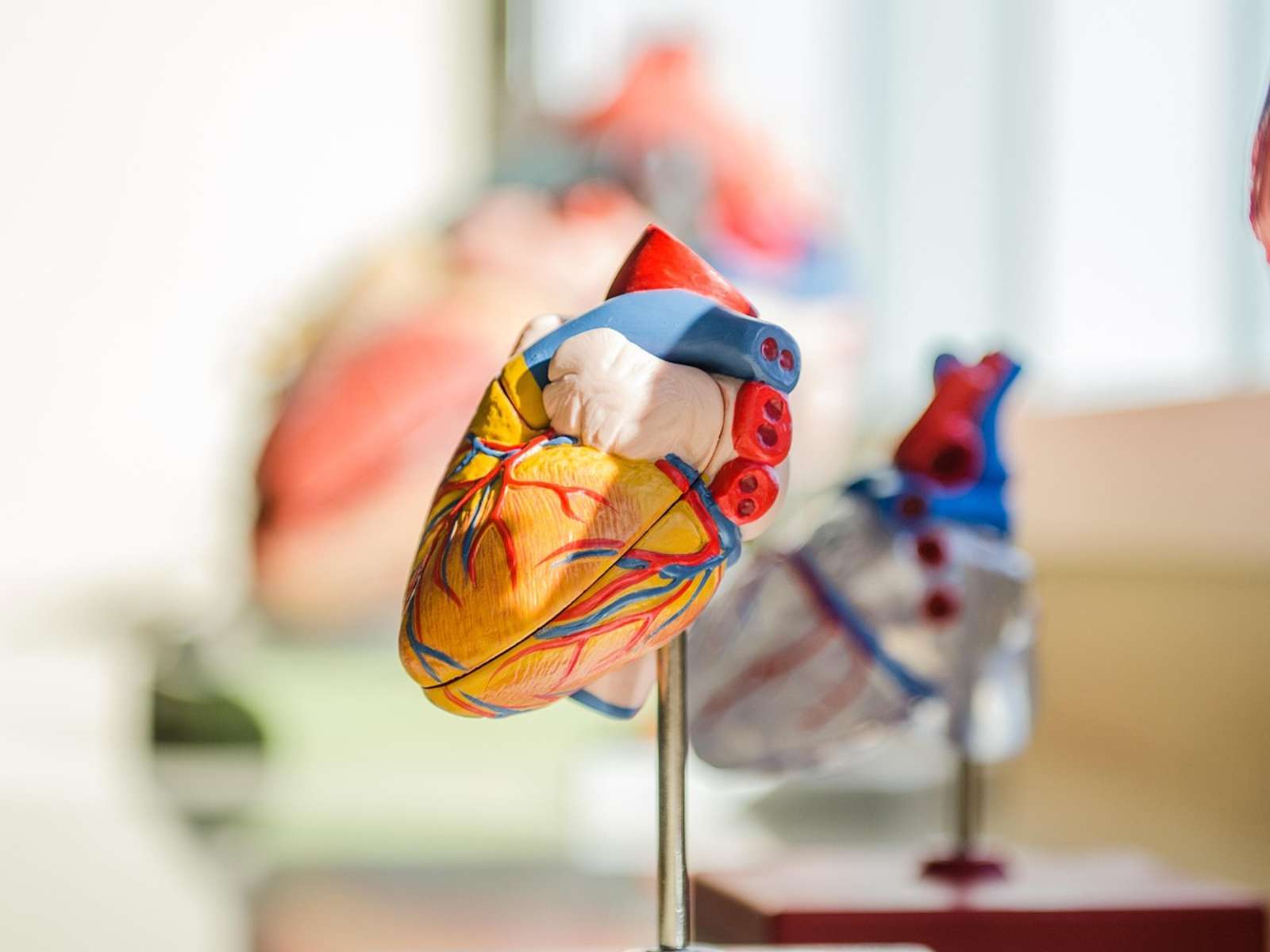
A University of South Florida lab is using umbilical cord cells and tissue-like materials to build heart valves the body could rebuild over time, so a child born with a heart defect might need one valve surgery instead of several. The work is still preclinical.
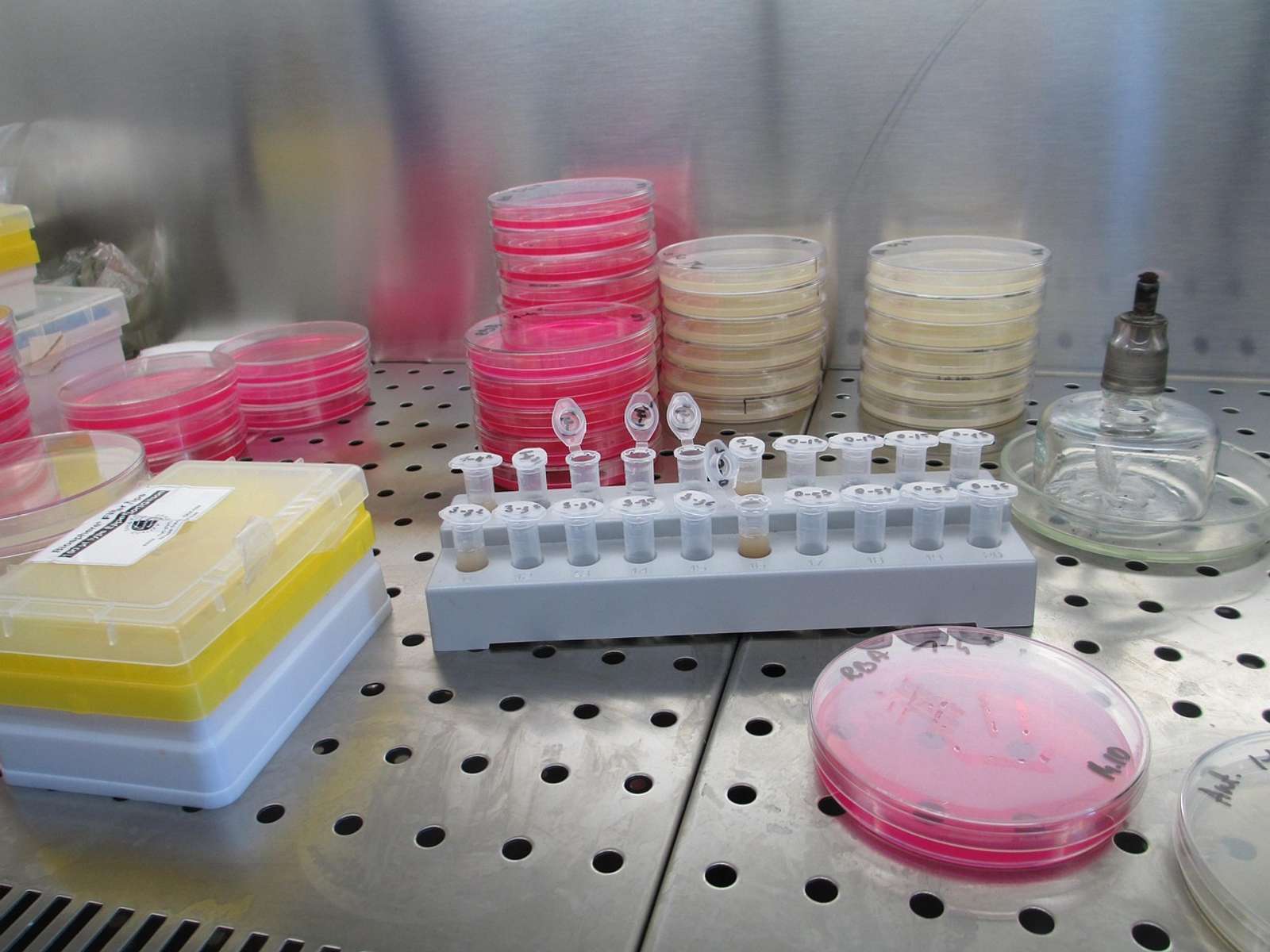
Using X-ray laser snapshots, Oxford researchers recorded step by step how the enzyme IPNS builds the ring at the heart of penicillin, settling a question open for more than 40 years. The team hopes the findings will help design new antibiotics.

In a study of 204 patients having a cannula inserted before an MRI scan in Zurich, those who listened to their own favorite music reported the biggest reduction in pain.
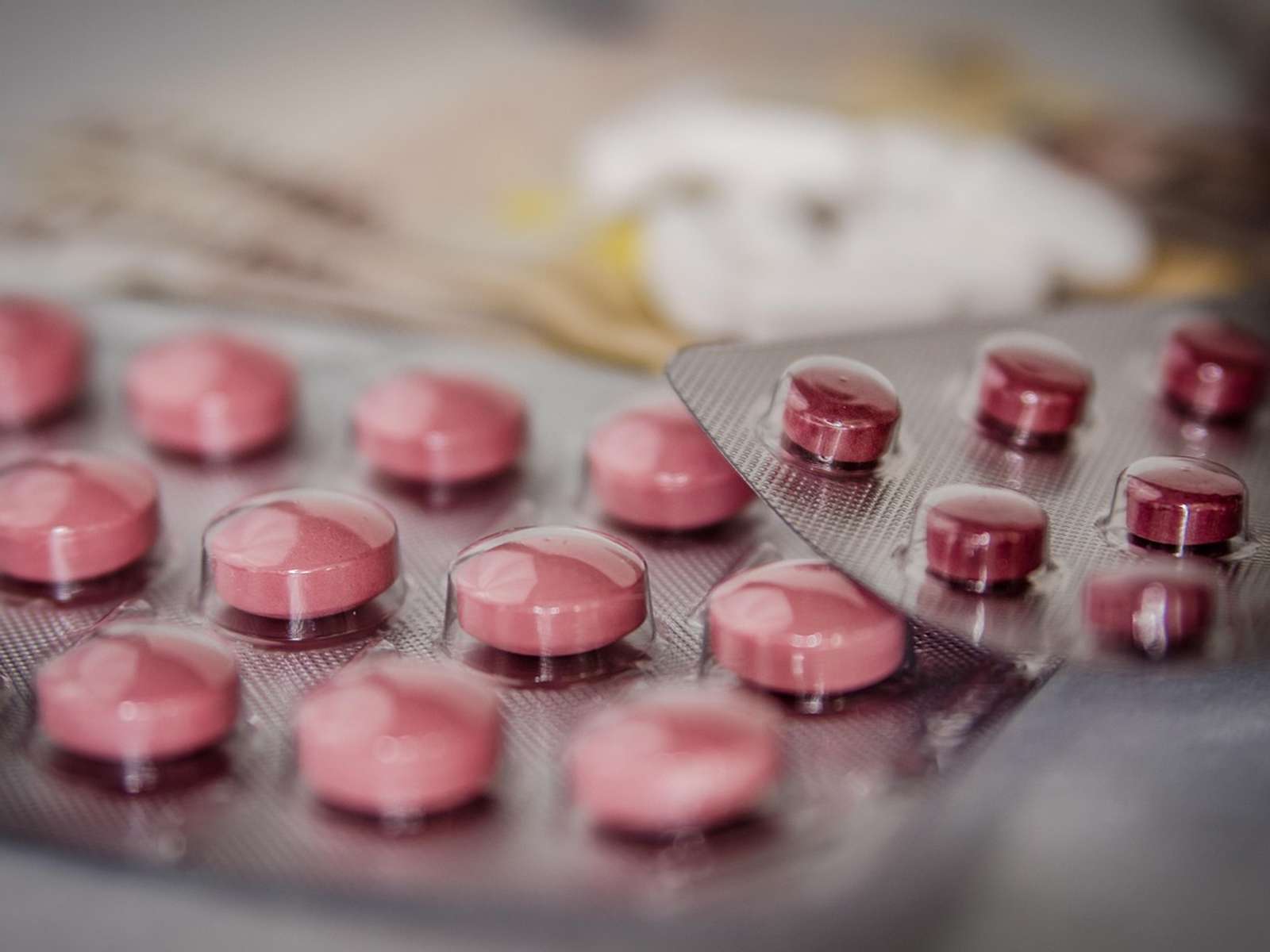
In England's I-WOTCH trial, 29% of chronic pain patients who joined a nurse-led support program had stopped strong opioids after a year, against 7% on usual care. A new economic analysis says the program costs more up front but may still be good value for the NHS.
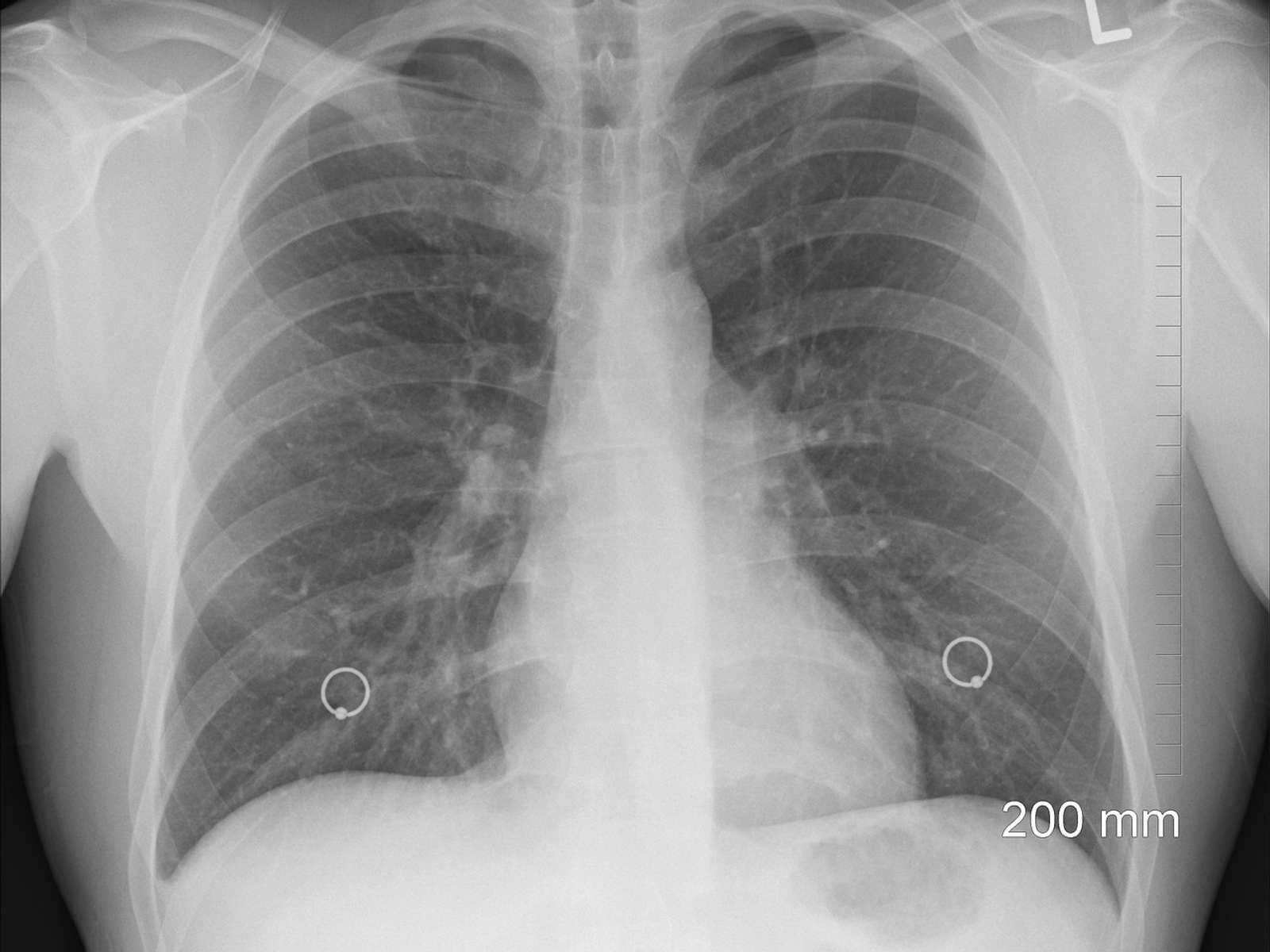
UCL researchers found that suppressive immune cells build up months or years before lung cancer forms, tracked them with prototype blood tests and halved tumor formation in mice with a drug.

A University of Auckland engineer is trialling a smartphone tool that reads tiny pulse movements in the skin of the neck, one of eight heart projects sharing NZ$2.32 million from New Zealand's Heart Foundation.
Scientists sequenced mitochondrial DNA in individual brainstem neurons from people with Parkinson's for the first time, finding heavy damage but also a protective response that was stronger in people who lived longer.
Ovarian tissue grows about 2.5 times stiffer with age, and that stiffness cuts the links between eggs and their support cells, a National University of Singapore team found. Blocking the protein SMAD7 partly restored egg maturation in lab cultures.
In a Vanderbilt pilot study of 16 women with obesity and prediabetes, empagliflozin reduced blood cell clumps linked to heart disease within two weeks. Women on a low-calorie diet did not show the drop. A larger placebo-controlled trial is now enrolling.
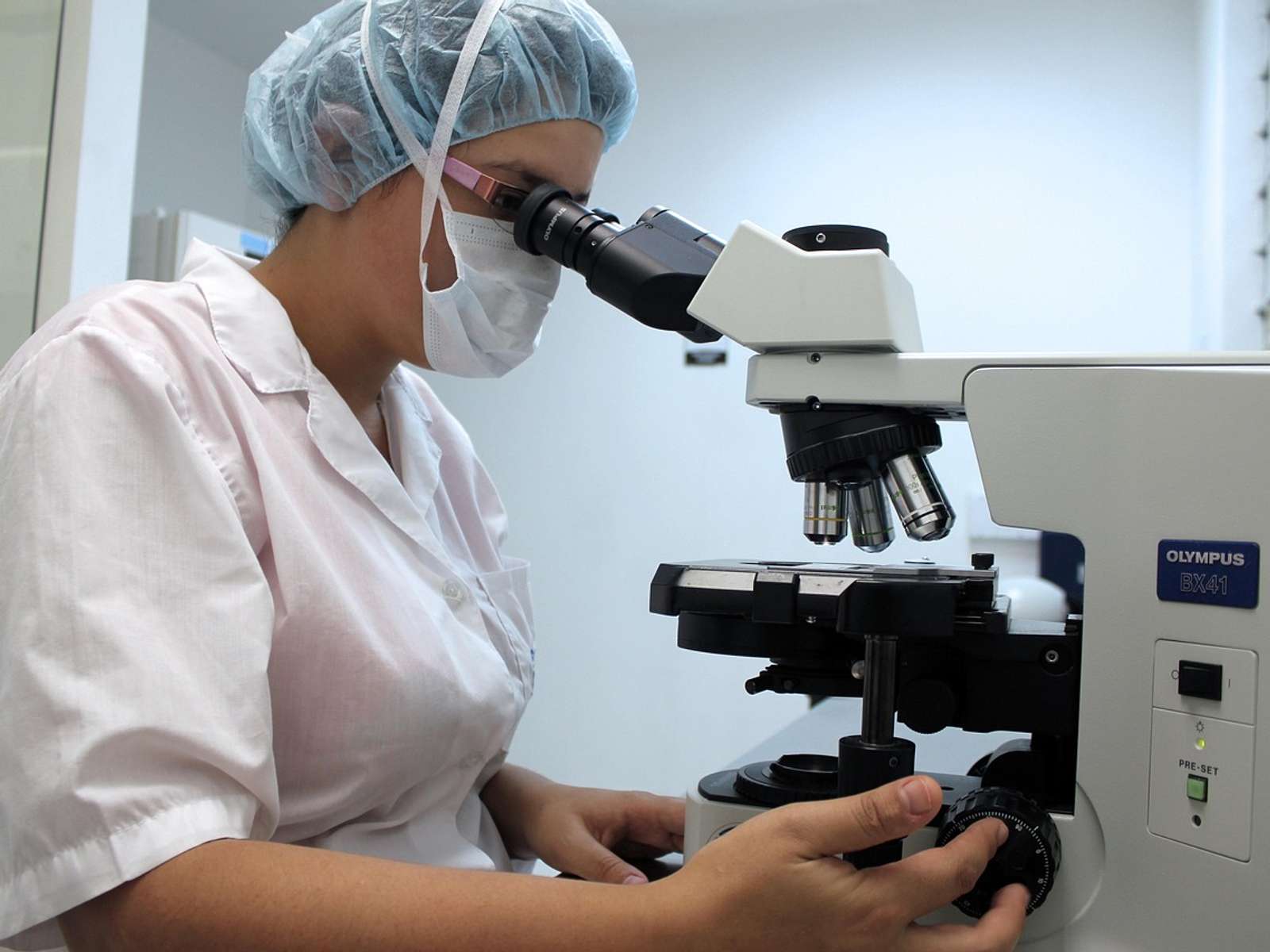
Memorial Sloan Kettering researchers found that the signaling molecule MEK drives T cells into exhaustion by making them overspend energy. Blocking it helped the cells persist in lab and animal models. MEK inhibitors are already approved drugs, but no patient has been tested yet.
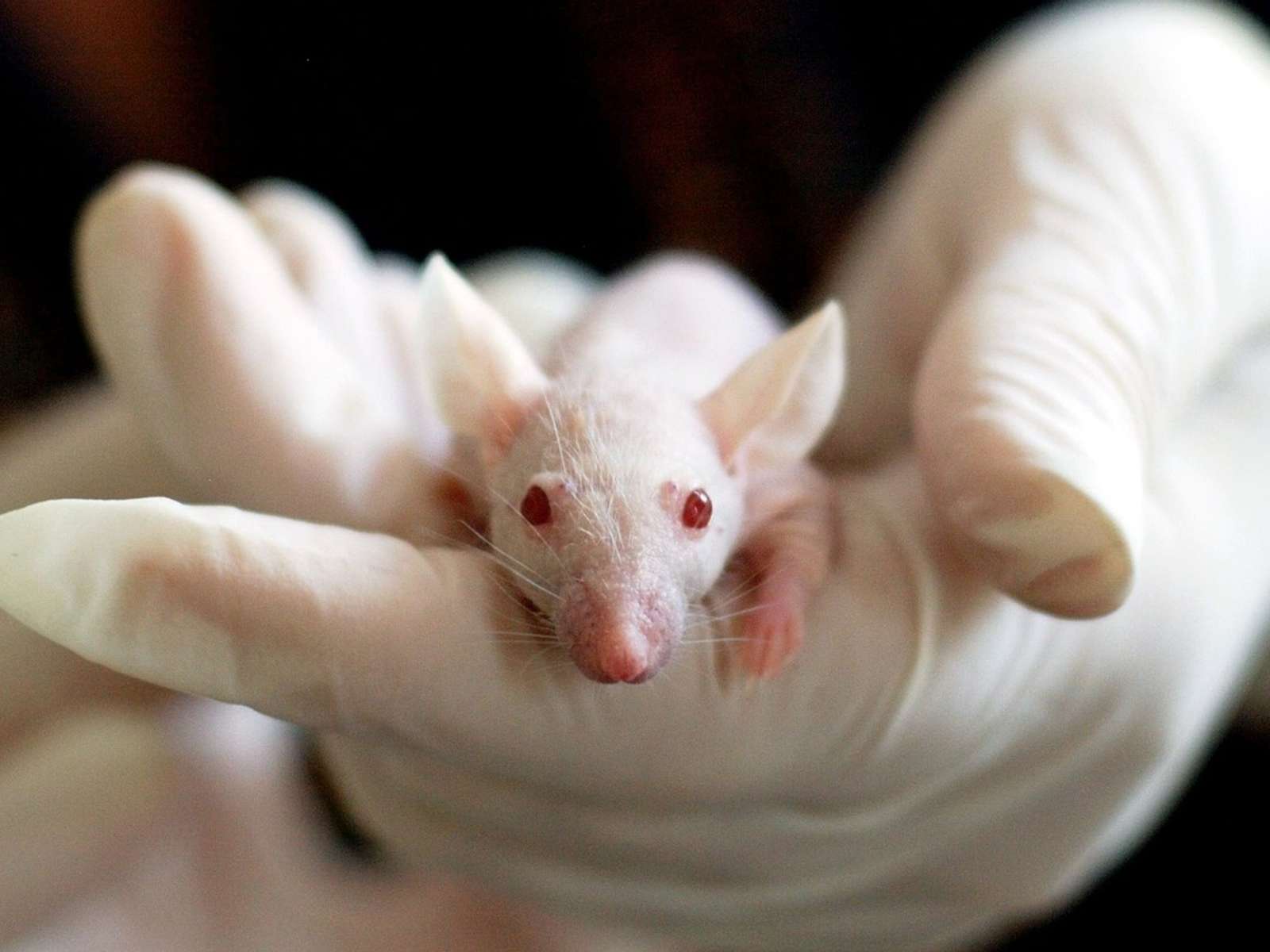
A Cedars-Sinai-led team found that the enzyme UBE2N drops in liver cells as fatty liver disease turns into MASH, and that bringing it back to normal levels in mice reduced fat buildup, inflammation and scarring. The work is preclinical.

Patients who got free plant-based grocery packages from a clinic food pantry for an average of 2.7 years saw diastolic blood pressure, weight and BMI fall in step with how many packages they received. The study had no control group.
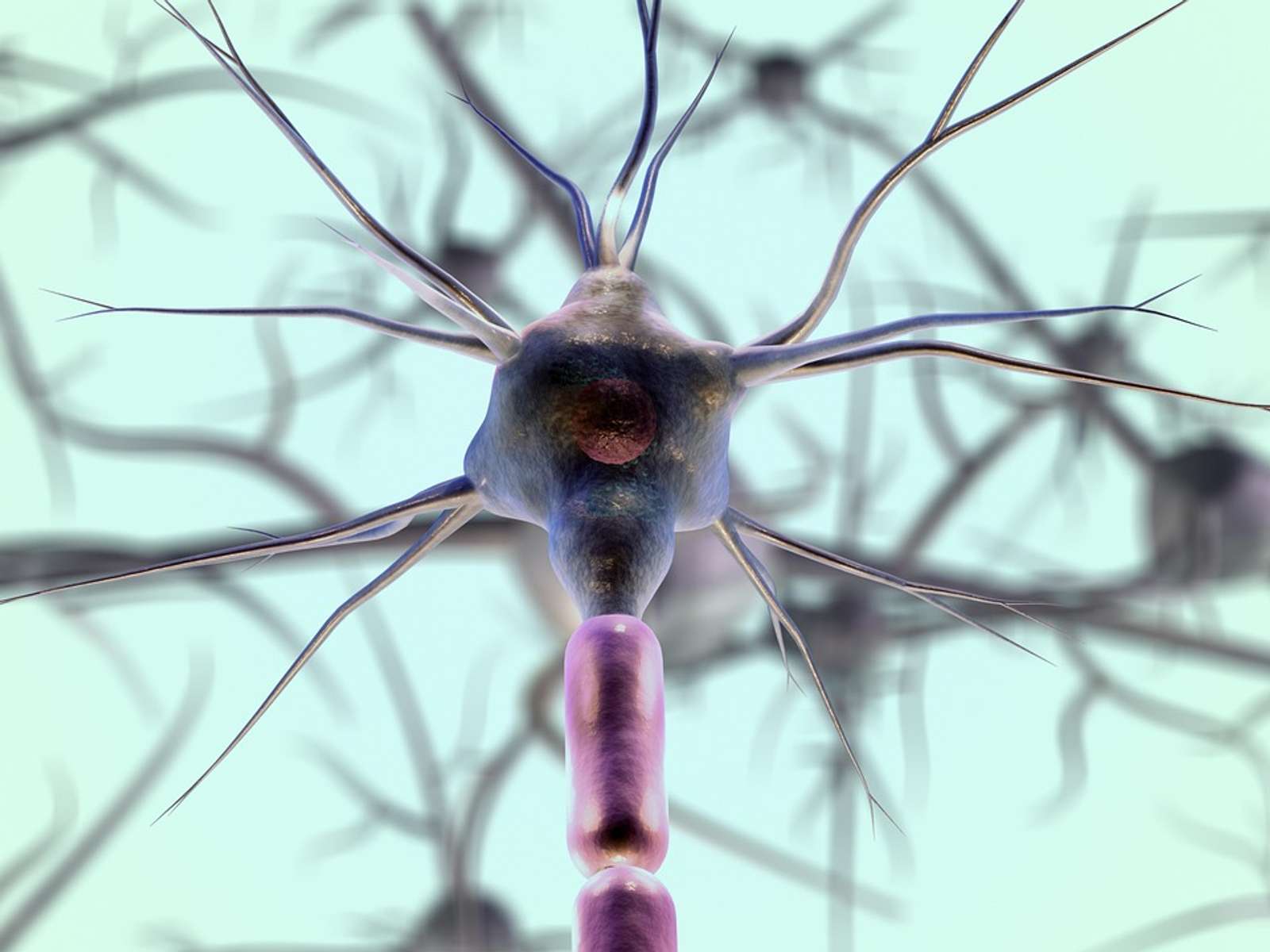
Northwestern chemists built self-assembling threads with precisely placed electric charges. In cell cultures, neurons treated with them grew longer branches, showed four times more calcium activity and formed more synapses.
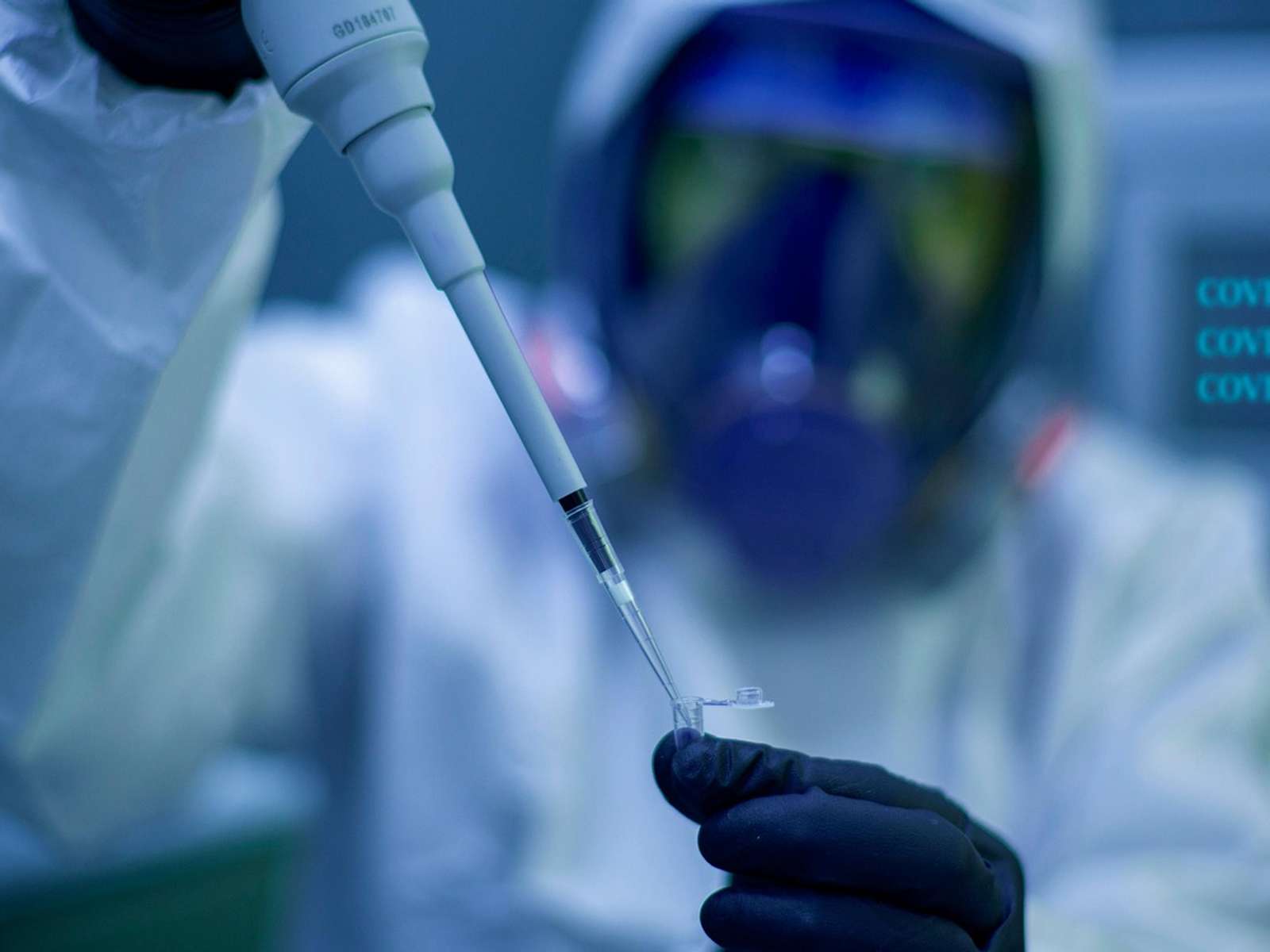
University at Buffalo researchers grew tiny salivary glands from human stem cells. Transplanted into mice, they survived more than 40 days and formed saliva-making cells, an early step toward treating severe dry mouth after cancer radiation.
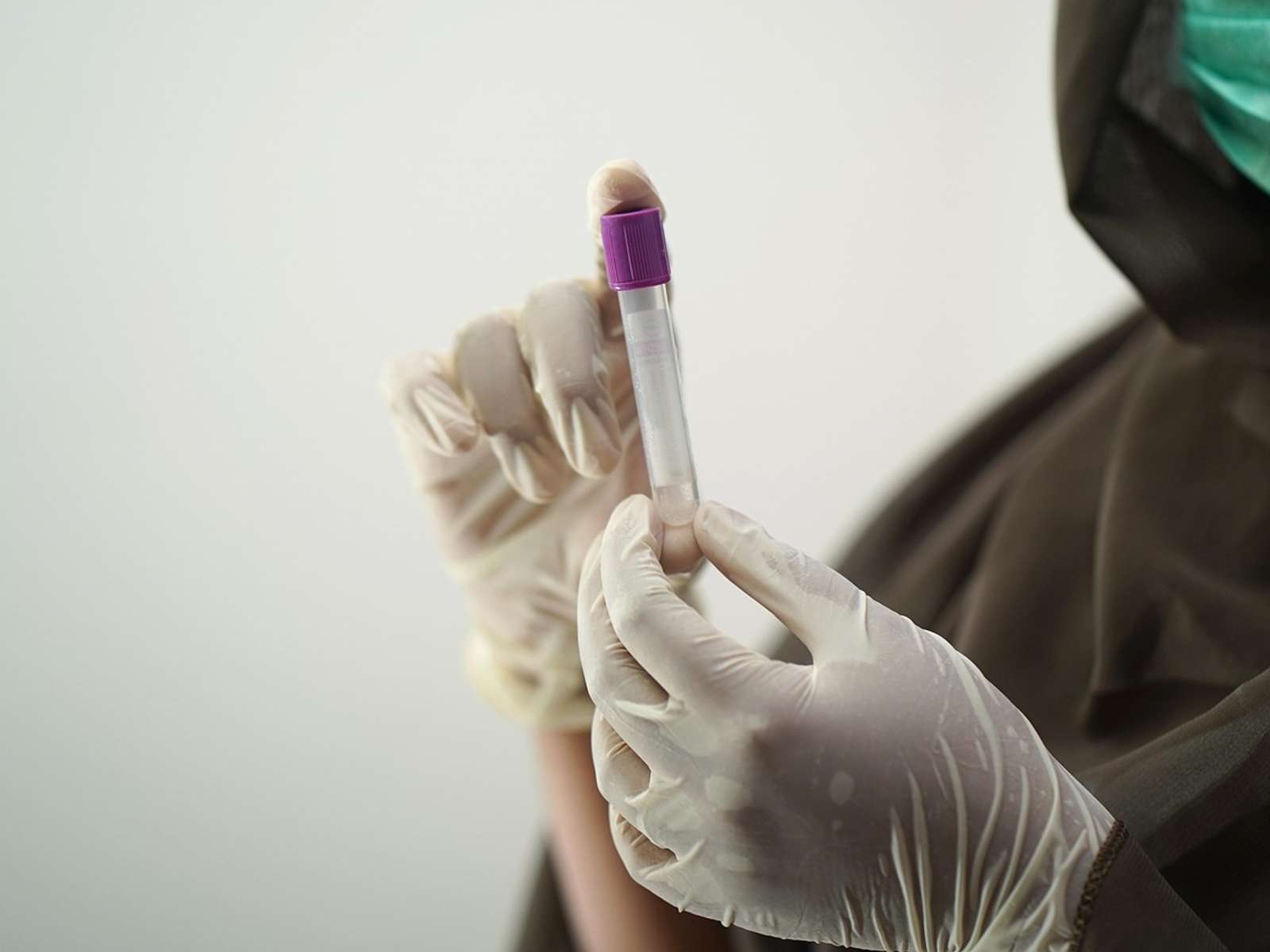
University of Hawaiʻi researchers found 31 small RNA molecules in stored blood samples that were linked to lung cancer up to a decade before diagnosis. The study covered 202 smokers and still needs testing in other groups.
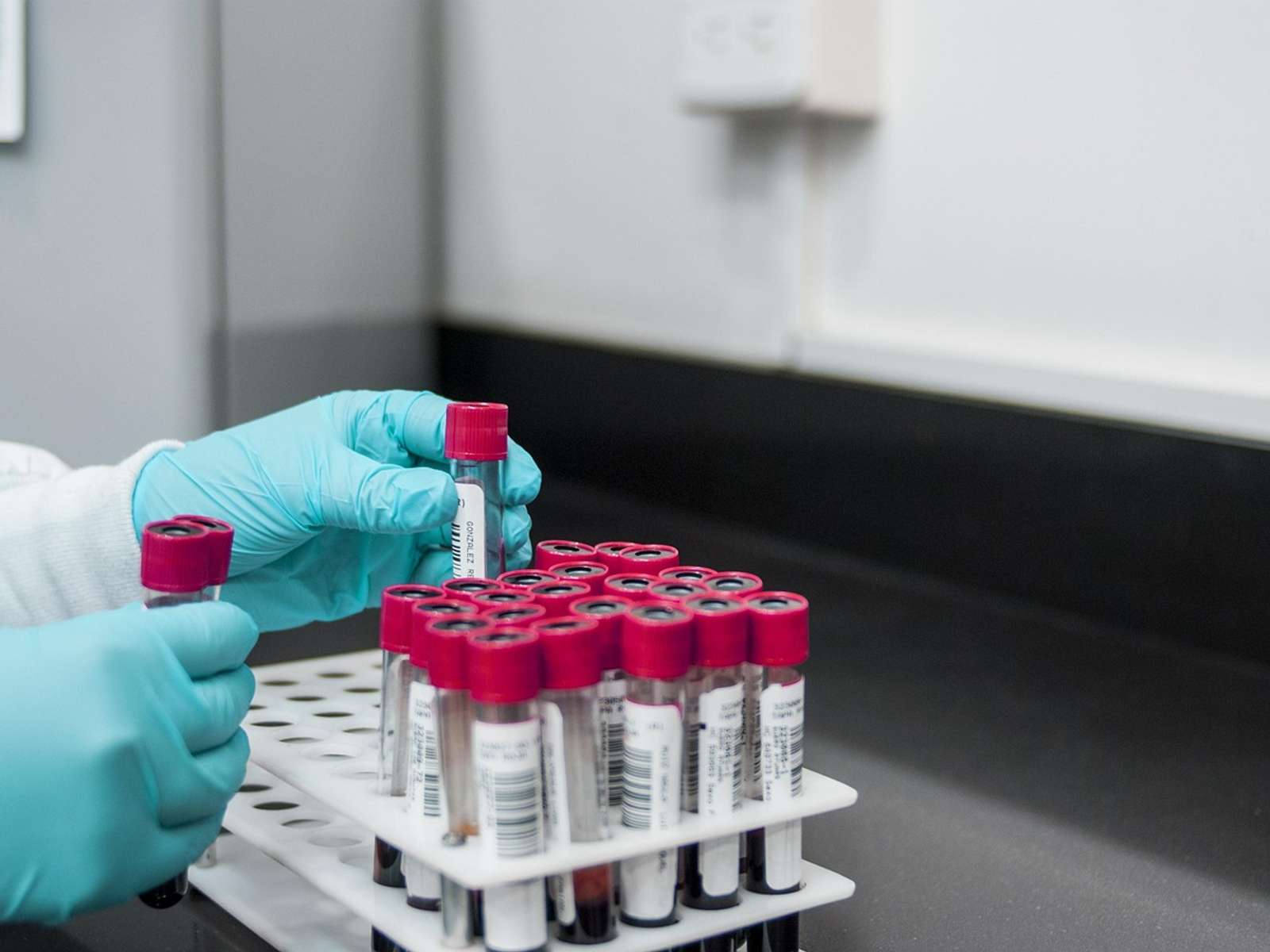
A quick urine test could help doctors identify healthy donor kidneys that might otherwise go unused, potentially making hundreds more organs available for transplantation each year.
About this topic
Most medical progress arrives in small steps. In 2025, the US Food and Drug Administration's drug center approved 46 novel drugs, medicines never before approved or marketed in the United States. Each of them began years earlier as the kind of result reported on this page: a lab finding, an animal study or a small trial.
That is why we state the stage of every study. A treatment that works in cells or mice often fails in people, and an early trial with a few dozen patients shows what is worth testing further, not what doctors should prescribe. When a study was done in animals, we say so near the top of the story, and for human studies we report how many people took part.
Recent stories include an MIT team using AI to design mRNA vaccines that stay stable for a year at room temperature, a UK support program that helped four times as many chronic pain patients quit strong opioids, a simple urine test that could help save hundreds more donor kidneys each year, and a University of South Florida lab building living heart valves that could grow with children.
We link to the university, hospital or journal behind each result and use the researchers' own description of what comes next, such as a larger trial or a regulatory review. These stories report research, not medical advice: talk to a doctor before changing any treatment.