ETH Zurich's 'recordanelles' let human cells store a record of which genes they used days earlier
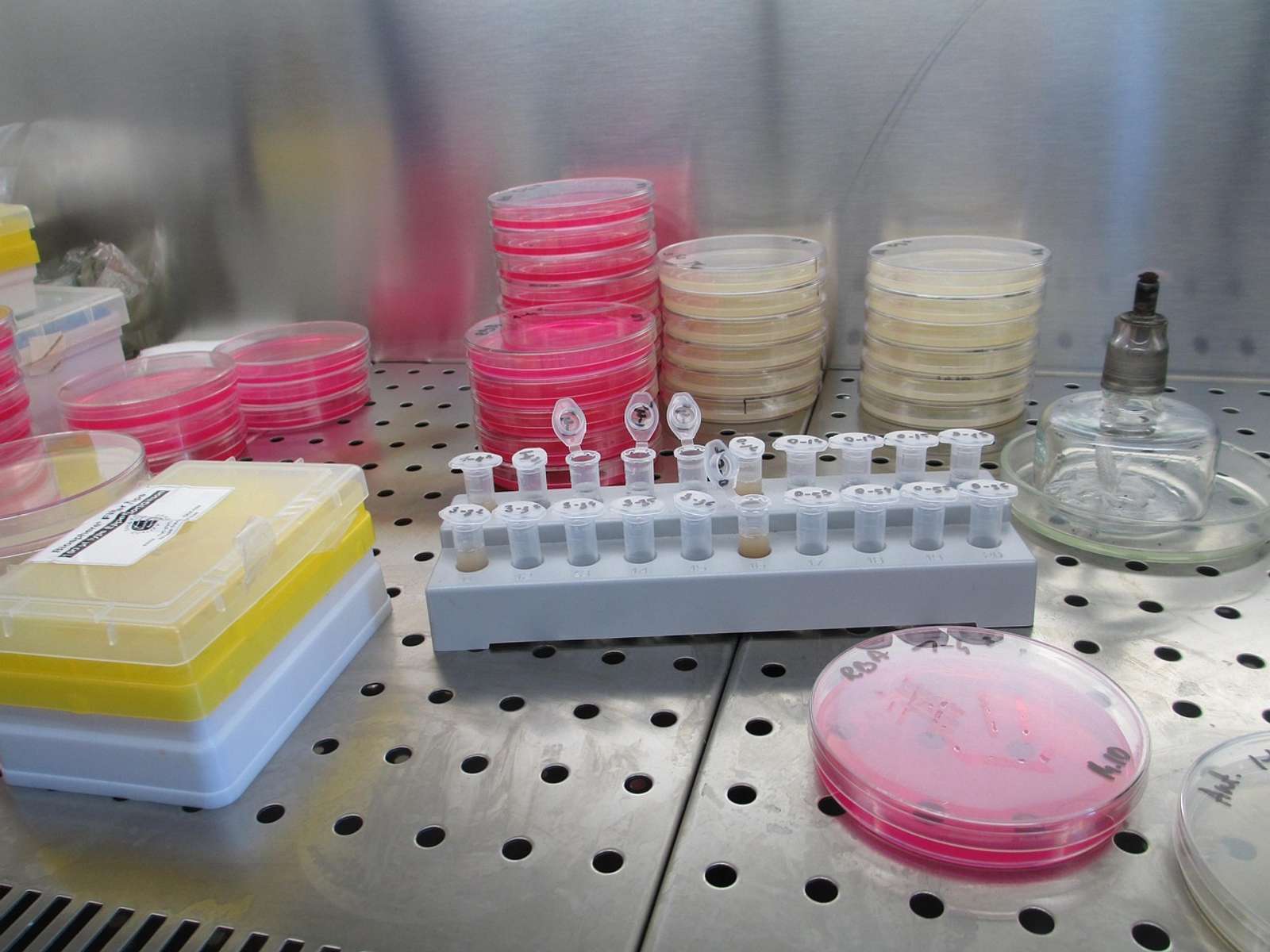
ETH Zurich researchers engineered human cells to archive RNA, the transcripts of active genes, in a protected film around their mitochondria, preserving several thousand molecules that show what the cell was doing days before.
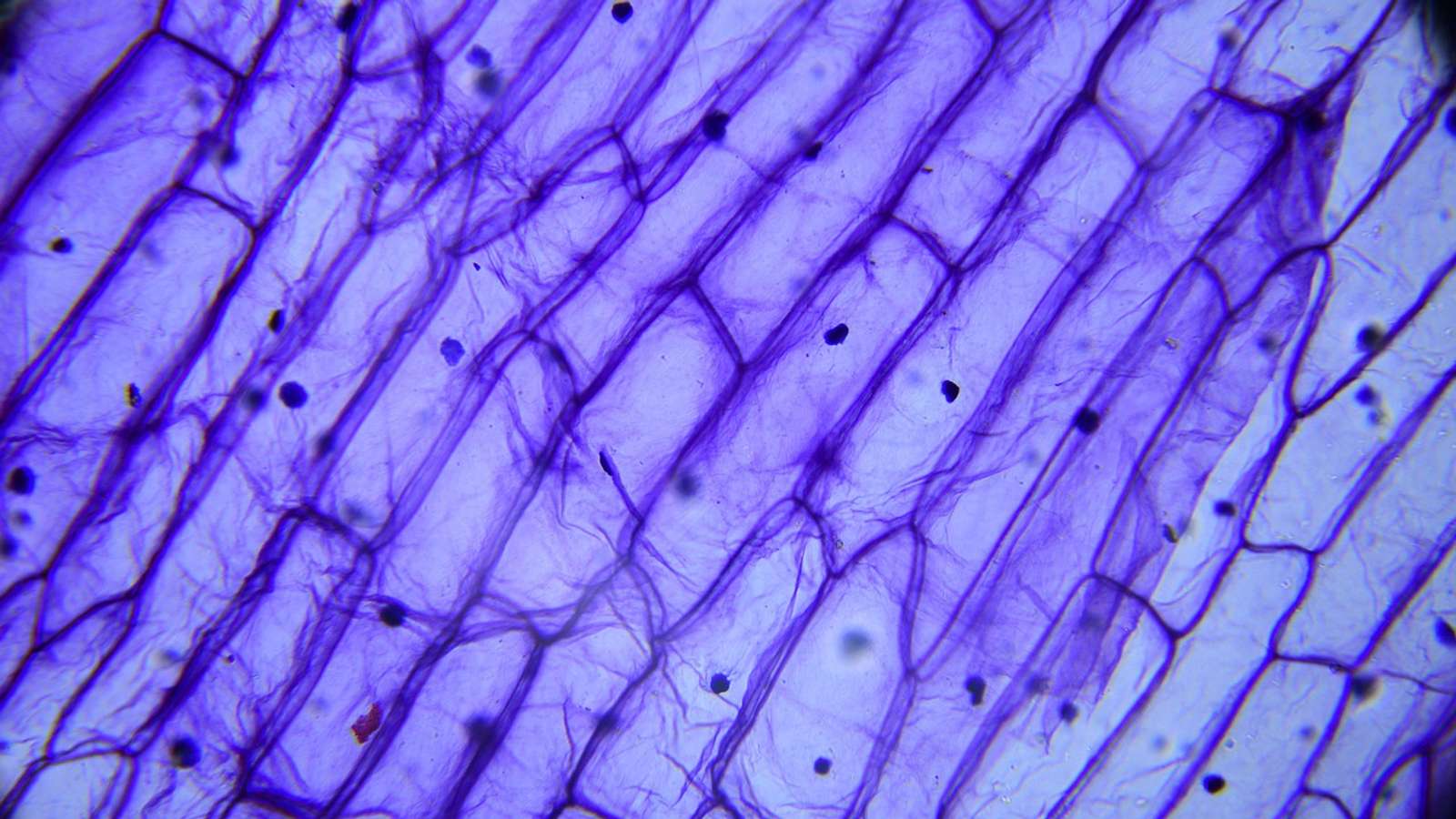
Researchers at ETH Zurich have given human cells a memory of their own recent past, ETH Zurich said on 26 October. Their system, described in Nature Biotechnology as “recordanelles,” lets cells archive RNA, the working copies of active genes, so scientists can later see which genes a cell was using several days earlier.
Why a record is needed
Measuring a cell's gene activity normally destroys the cell, so scientists only see a single moment. “If you measure too late with the conventional method, you no longer see that the response has even taken place,” said first author Marcos Manero Carranza. That makes it hard to study rare events whose importance only becomes clear afterwards.
A protected film around the mitochondria
The team introduces three engineered proteins into cells, including a stress-granule protein. The cells assemble the system themselves: it gathers RNA into a film around the mitochondria and shields it from the enzymes that normally break RNA down. Several thousand RNA molecules per cell can be archived this way, the researchers said.
“If we can put our system to use in cancer research, we'll be able to isolate persister cells and look into their past.” — Christopher Reinkemeier, ETH Zurich, first author
Looking back at cancer cells that survive treatment
One target is persister cells: cancer cells that survive chemotherapy and may drive a relapse. With a record of what they did before and during treatment, researchers could look for the changes that let them survive. The group is led by ETH professor Randall Platt in the Department of Biosystems Science and Engineering in Basel.
So far the method has been shown in human cells grown in the lab. The team has applied for a patent and plans to develop it for use in animals and in cancer research; it is a research tool, not a treatment.
Sources
- ETH Zurich · ethz.ch
How we choose and verify sources: editorial policy.