UQ joins a US program to make personalized RNA medicines in hospitals within days
The University of Queensland's BASE mRNA Facility will build quality-control technology for ARPA-H's GIVE program, which aims to let US hospitals produce personalized RNA medicines on demand. UQ's share is up to $57 million.
The University of Queensland's BASE mRNA Facility has been selected for a US government program that aims to let hospitals make personalized RNA medicines for individual patients within days of diagnosis, UQ said on 22 October. Its part of the work is worth up to $57 million, or US$40 million.
The program, Genetic Medicines and Individualized Manufacturing for Everyone (GIVE), is run by the Advanced Research Projects Agency for Health (ARPA-H), part of the US Department of Health and Human Services. ARPA-H has selected five teams and will fund up to US$125 million in total, the agency said.
Checking every dose before it reaches a patient
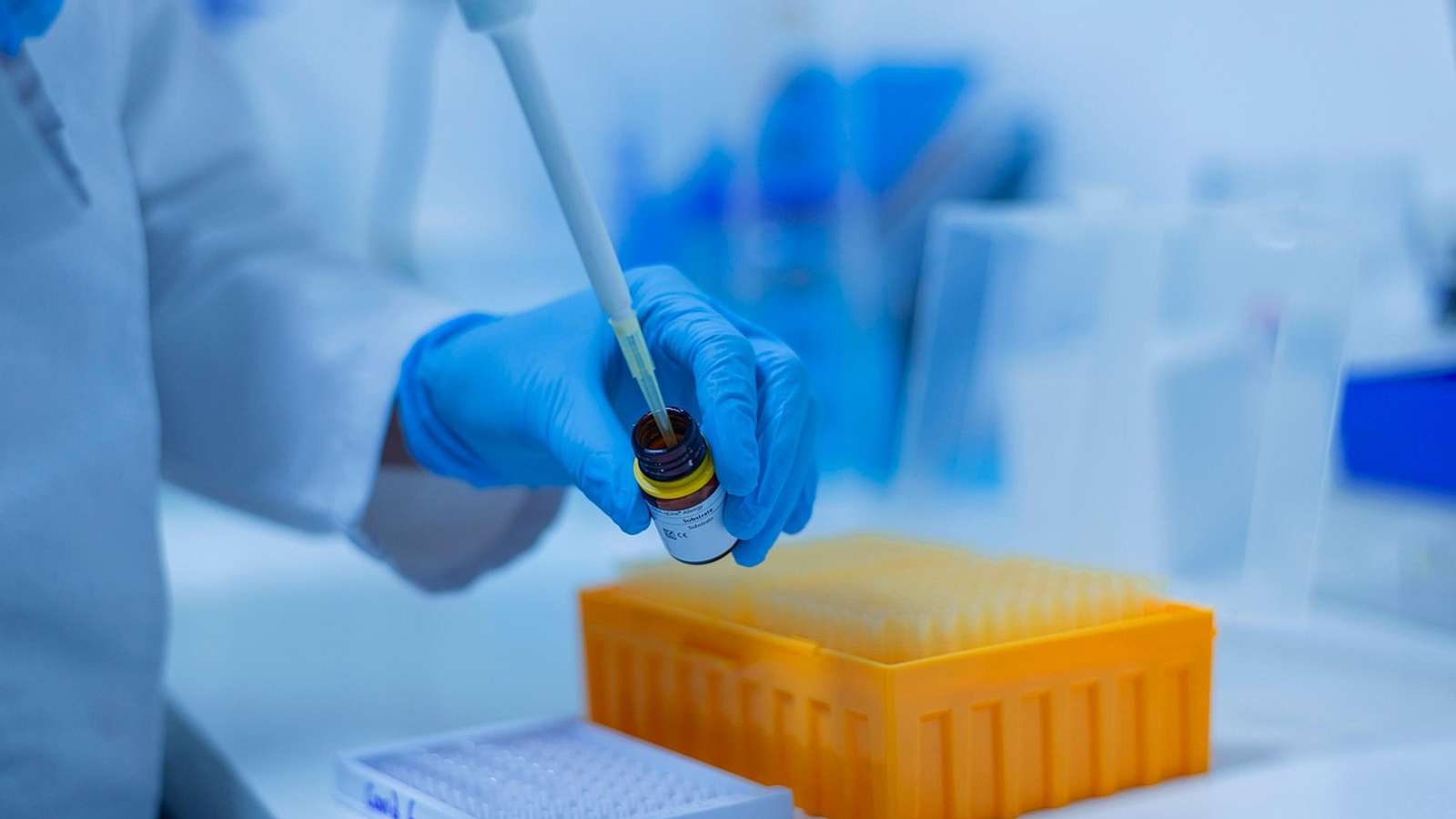
UQ leads the consortium's work on quality control: technology that checks each RNA medicine for accuracy and safety before it is given to a patient. The core method is nanopore sequencing, which reads individual RNA molecules one at a time.
Quality control is one of the slowest and most expensive steps in making genetic medicines. ARPA-H says these medicines currently need centralized facilities and resource-intensive testing, and that personalized treatments cost hundreds of thousands of dollars.
The goal is “bringing production to the patient's bedside.” — Professor Tim Mercer, director of BASE, The University of Queensland
Built in Brisbane, installed in Houston
A prototype will first be built in BASE's laboratories in Australia. Once it works, it will be assembled and tested at Houston Methodist Research Institute in Texas. The Seattle biotech company HDT Bio, one of the five GIVE teams, is also named as a partner.
Other GIVE teams include Massachusetts General Hospital, whose approach ARPA-H describes as taking under three days, and the University of Utah, whose platform could allow full quality testing and release of a batch in as little as one day.
Years of development before patients benefit
This is an engineering program, not a treatment. ARPA-H's program manager John Schiel said the teams would deliver the technology “in a matter of years, not decades.” Any medicine made this way would still need regulatory approval, and the FDA's Karim Mikhail said regulation must evolve as manufacturing becomes distributed. UQ did not give a completion date.
Sources
- The University of Queensland · news.uq.edu.au
- arpa-h.gov
How we choose and verify sources: editorial policy.