Tanzanian labs can now test for wheat blast in under an hour, before the disease arrives
Scientists at Tanzania's TARI-Selian have been trained to use a low-cost LAMP test from the John Innes Centre that confirms wheat blast in 30 to 60 minutes. The disease, which can wipe out whole fields, is already in neighboring Zambia.
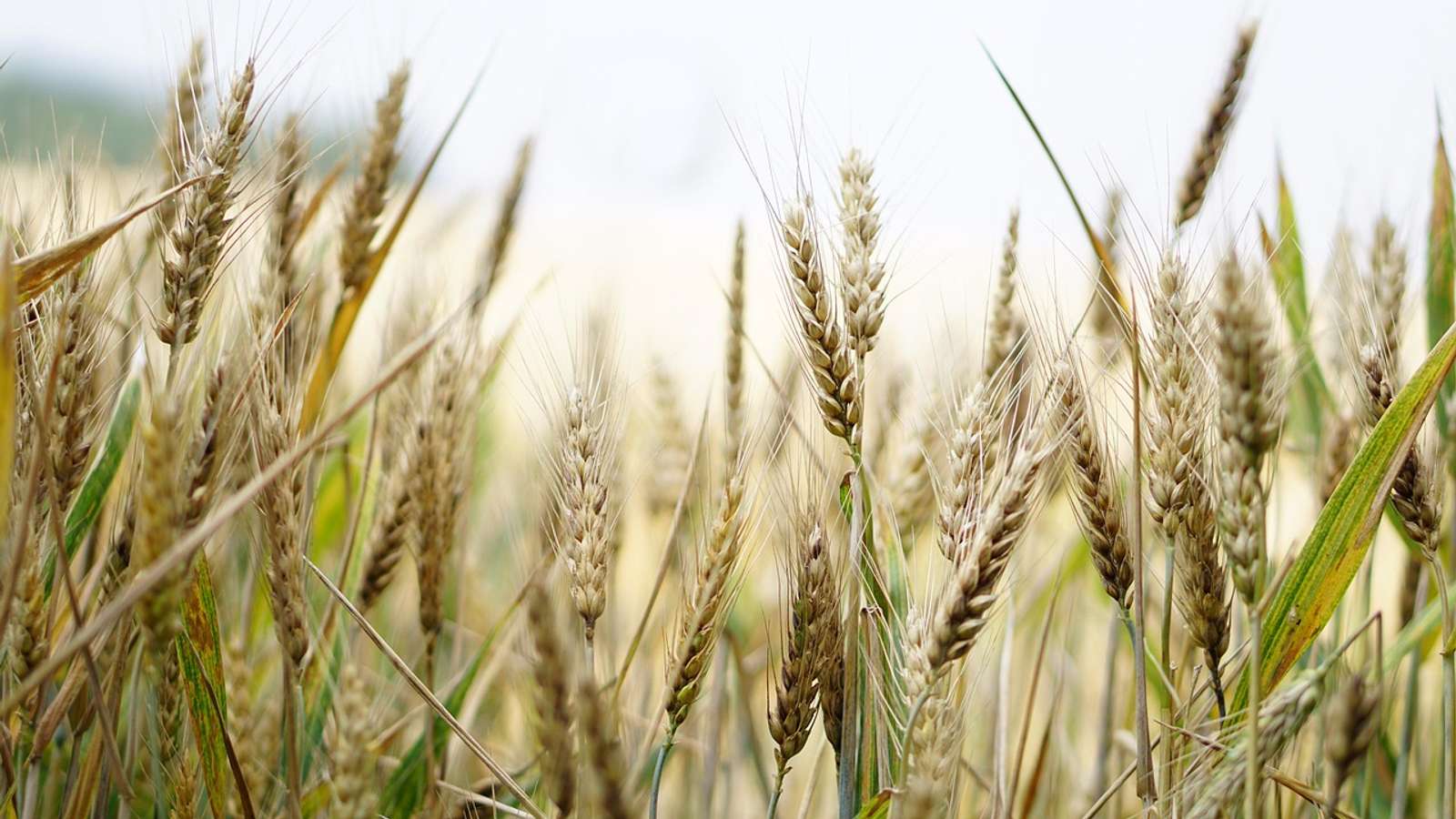
Plant scientists in Tanzania can now confirm wheat blast, one of the most destructive wheat diseases, in about 30 minutes to an hour, using a low-cost test developed at the UK's John Innes Centre. Twenty-one representatives from five Tanzanian institutions were trained to use it at the Tanzania Agricultural Research Institute's TARI-Selian center, the institute said on 19 October.
Wheat blast has not been found in Tanzania. The aim is to spot it quickly if it arrives.
“Wheat blast is a looming threat that could enter Tanzanian fields and damage harvests.” — Dr Caresma Chuwa, director of TARI-Selian
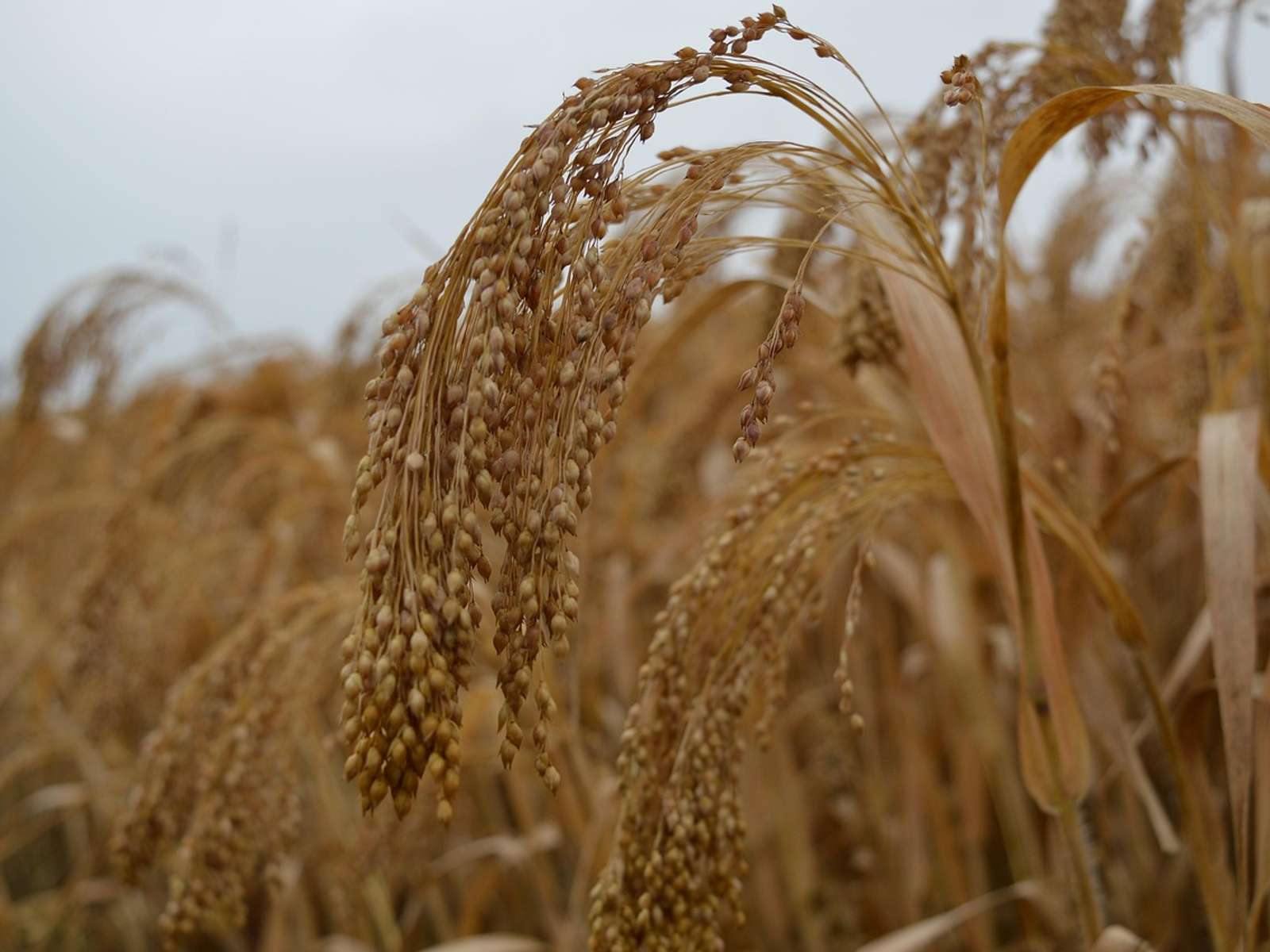
A fungus that can destroy a whole field
Wheat blast is caused by the fungus Magnaporthe oryzae pathotype Triticum. Outbreaks can cause 50% to 100% crop losses, and a single infected plant can produce up to 6,000 spores a day, according to the John Innes Centre. When the disease was identified in Bangladesh in 2016, it caused $2.1 million in agricultural losses within weeks.
The disease was first discovered in Brazil in 1985. It reached Africa in 2018, when symptoms appeared in experimental plots and small farms in Zambia's Mpika district, according to CIMMYT, the international wheat and maize research center. It spreads through infected seed, crop residue and wind-borne spores, and an entire field can be attacked within seven days.
How the color-changing test works
The test uses loop-mediated isothermal amplification (LAMP), a method similar to PCR that copies the fungus's DNA. Unlike PCR, it needs only a simple heating plate at one temperature instead of an expensive thermocycler. If the pathogen is present, the sample turns from pink to yellow. Positive results can then be confirmed with more advanced tests.
That matters because wheat blast is easily confused with Fusarium head blight, another disease that causes 10% to 50% yield losses. “We chose LAMP assays as they provide very precise detection while also being easily accessible for field labs to conduct,” said Liam Butler, a research assistant in Professor Diane Saunders' lab at the John Innes Centre.
Protecting a crop Tanzania mostly imports
Tanzania grows only a small share of the wheat it eats. The country sources more than 90% of its wheat from international markets, and imports were forecast to reach 1.5 million tonnes in 2025/26, according to the US Department of Agriculture. Keeping blast out of local fields protects the farmers who do grow it.
Results from the test feed into DEWAS, a global wheat disease surveillance network run by CIMMYT. The work was funded by the UK's Foreign, Commonwealth & Development Office, CIMMYT and UKRI-BBSRC. The next step, the team said, is a test that needs no heating step or refrigerated reagents, so it can be used in more rural areas. Other ways farmers are protecting harvests are collected under food security.
Sources
- John Innes Centre · jic.ac.uk
- cimmyt.org
- apps.fas.usda.gov
How we choose and verify sources: editorial policy.