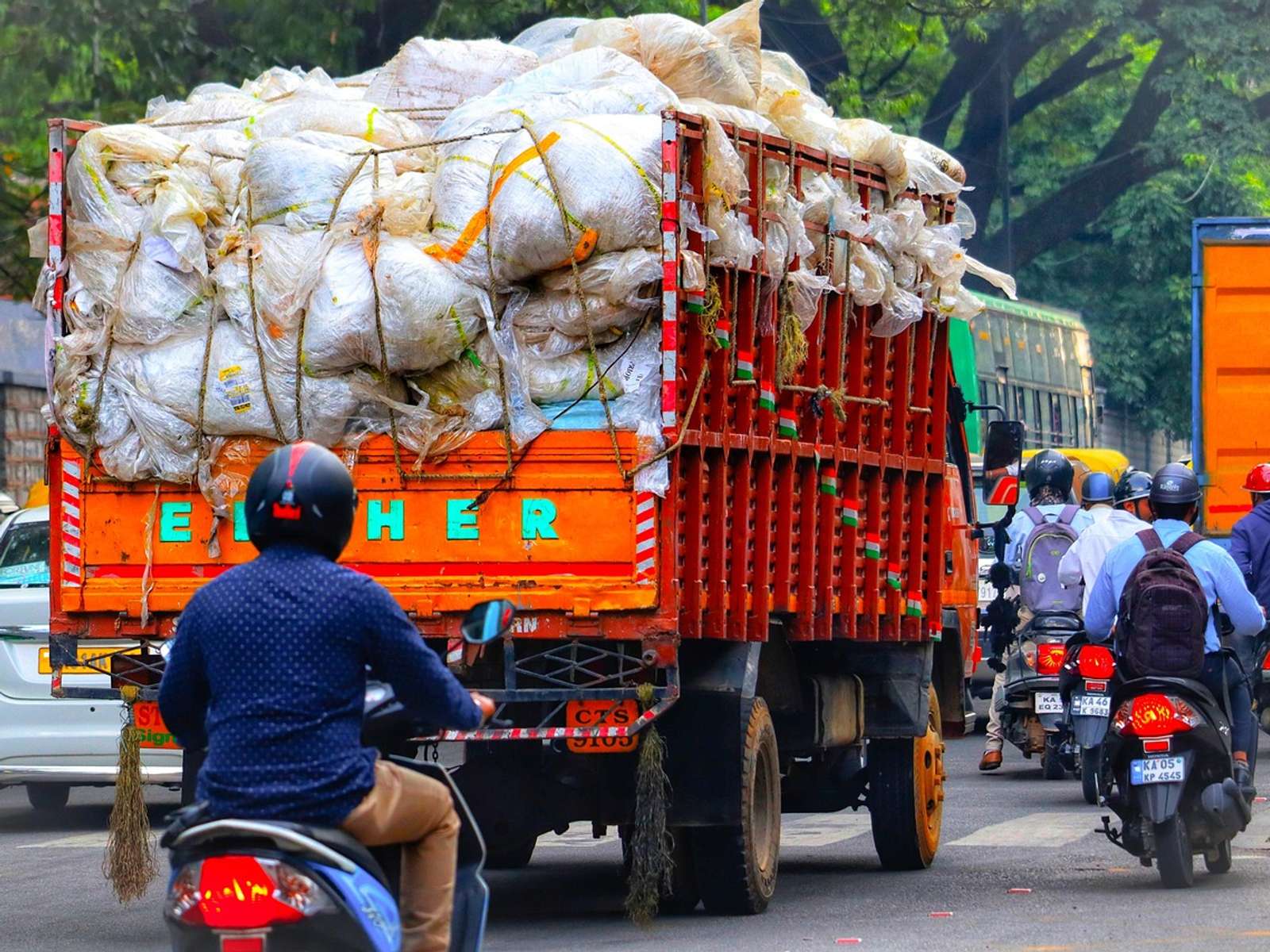
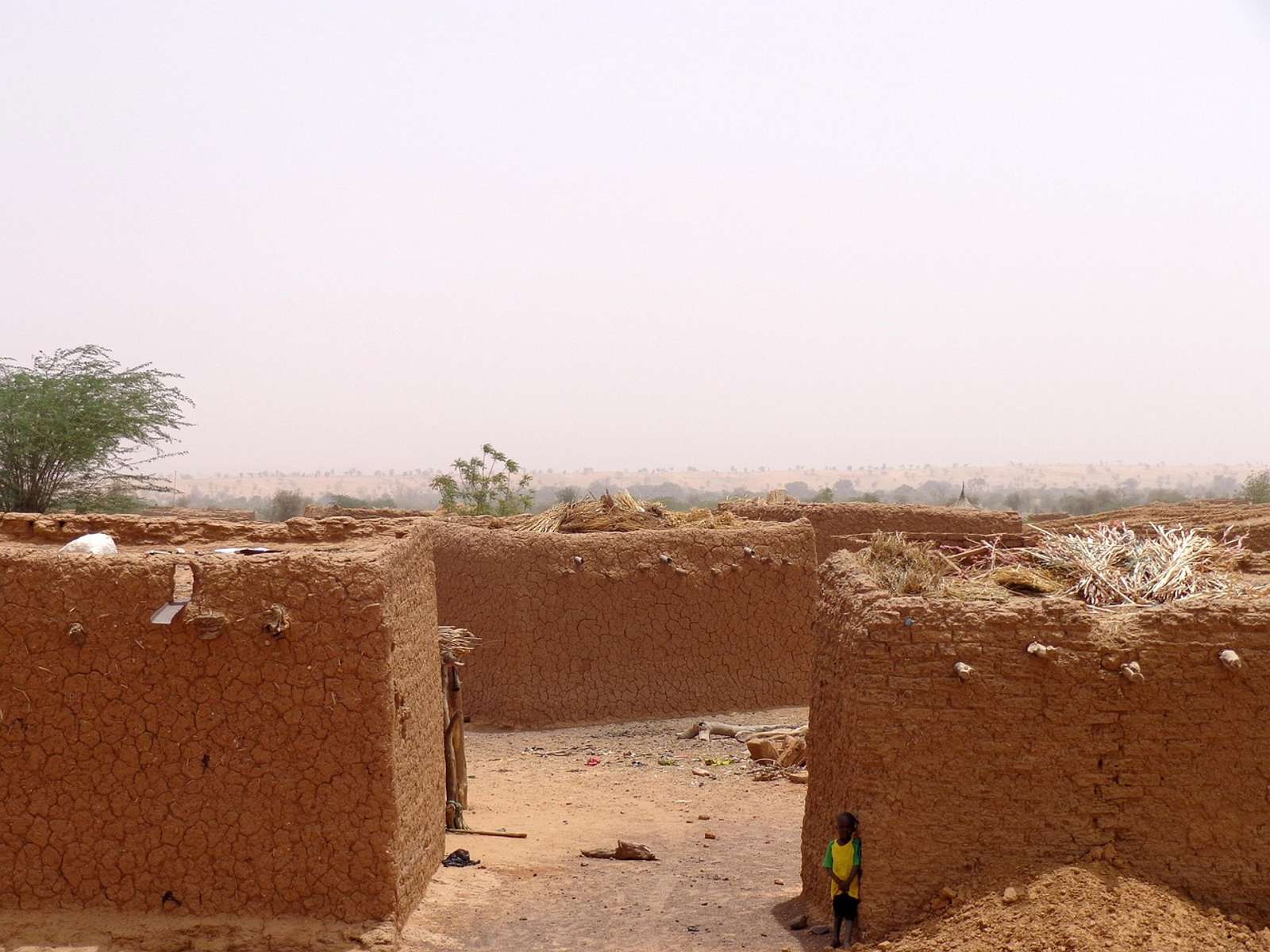
Women farmers in Nepal's Jumla turn an old millet into a cash crop
In Syalbada, Jumla, an all-women farmers' group of 27 has started growing proso millet, or Chino, together on about three hectares, with seeds, a thresher and market links from a UNDP project. Nearby, a cooperative now buys such crops at Rs. 100 per kg.
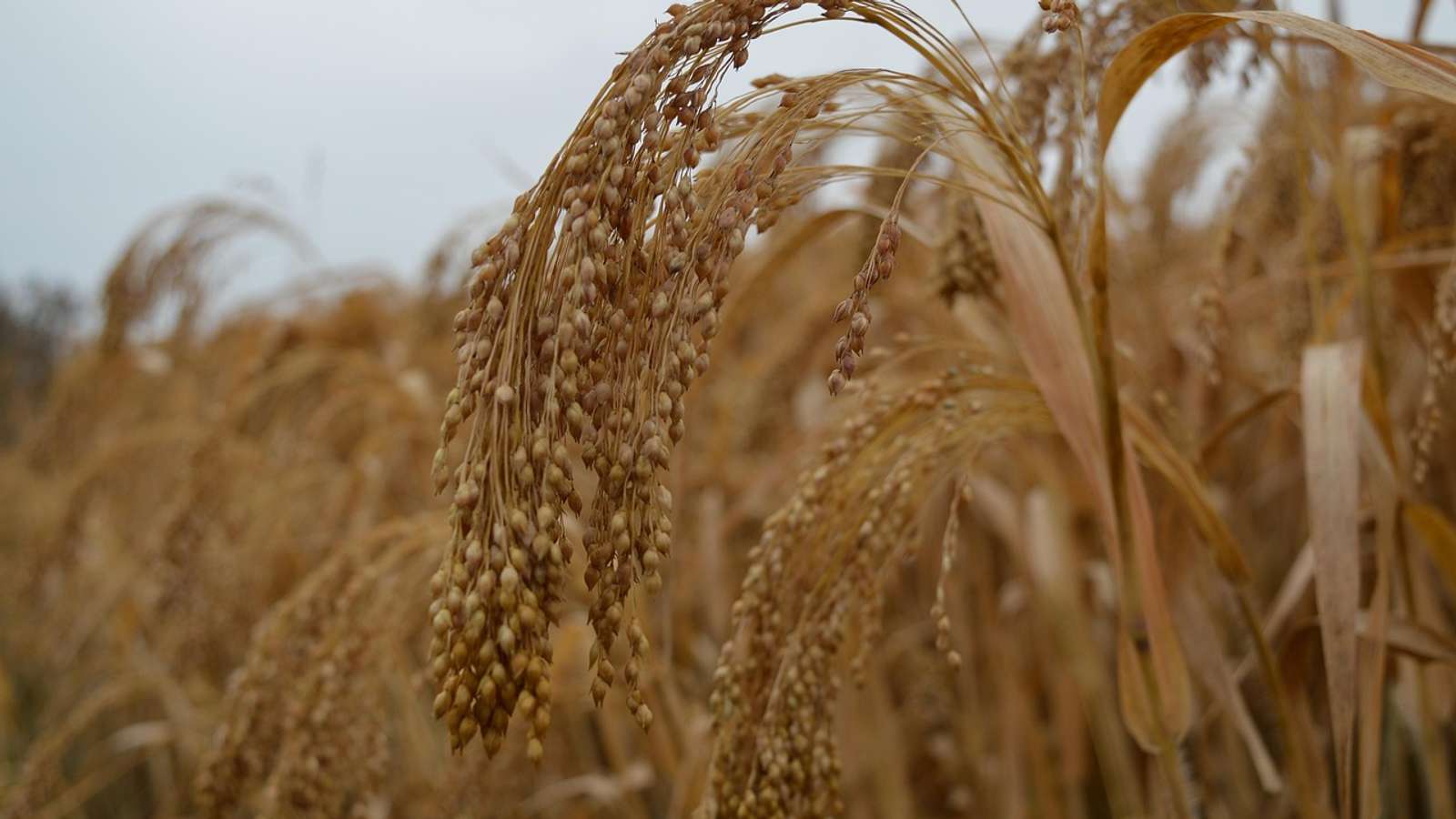
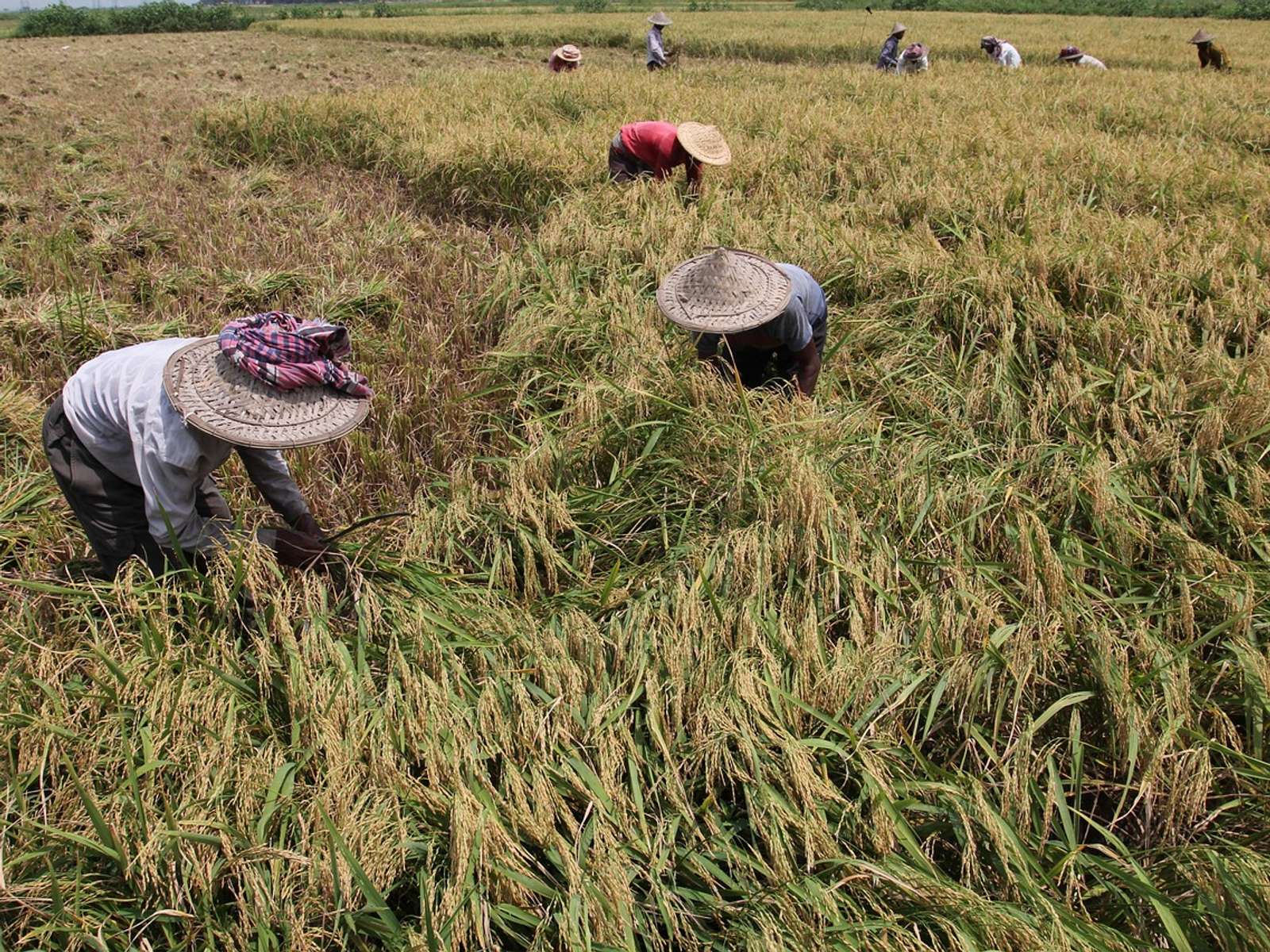
In Syalbada, a village in Nepal's Jumla district at about 2,500 meters, an all-women farmers' group has this year started growing proso millet, known locally as Chino, as a commercial crop, UNDP Nepal said. The group's 27 members now farm it together on about three hectares, which has been designated an indigenous crop block.
For years, families here grew Chino in small plots, mixed with foxtail millet, finger millet, buckwheat and Jumli beans, mainly to eat. “We had always grown it only for our own food,” said farmer Rajkanya Rokaya, who was harvesting the crop on 23 September.
A thresher and a fair price changed the math
Selling was the problem. Middlemen used to come to the village, buy produce on credit and sometimes never pay, said Maya Rana, who chairs the Indigenous crop, fruit, and vegetable production group. Now the group sells through a cooperative. “Now that we are linked to markets through our farmers' group and cooperative, we hope to receive a fair price,” she said.
The project supplied improved seed, technical advice and upgrades to cattle sheds for making manure. It also brought in a powered multi-crop thresher, replacing hours of manual threshing. “With the machine, we can complete the work much faster and more efficiently,” Rana said. The group, registered in 2023, also runs a savings fund: members put in Rs. 50 a month and can borrow at a low rate in an emergency.
“In the past, we produced these crops, but reaching the market was difficult.” — Maya Rana, chairperson of the farmers' group in Syalbada
A crop built for dry mountain fields
Chino suits the region. It tolerates dry conditions where irrigation is limited and is rich in fiber, protein, calcium and iron. Food insecurity is a real problem in this part of the country: 7% of households in Karnali province face severe food insecurity, according to the Nepal Food Security Monitoring System figures cited on the project page.
Prices are rising for farmers who stick with these crops. In Tatopani Rural Municipality, Batuli Sarki, 55, sold 70 kg of Chino and 75 kg of foxtail millet to the Dhauligad Agriculture Cooperative in the 2025/26 fiscal year at Rs. 90 per kg, up from Rs. 80 the year before. The cooperative now pays Rs. 100 per kg.
More than 12 million dollars across 28 local governments
The work is part of Renewable Energy for Resilient Agri-Food Systems (RERAS), a project funded by Norway, Finland and UNDP and running until June 2027 in 28 local governments across 10 districts. Among supported households, 36% have expanded the land used for vegetables and indigenous crops, UNDP said. The project's design aims for at least 70% of the entrepreneurs it supports to be women, since many men migrate for work.
Similar women-led ventures are paying off elsewhere in Asia. In western Thailand, a herb-farming network grew from 21 to 88 households. In Syalbada, the farmers plan to add a second indigenous crop to their collective block next year.
Sources
- UNDP Nepal · undp.org
- undp.org
How we choose and verify sources: editorial policy.
Your weekly dose of good news
The 5 biggest positive stories of the week, straight to your inbox. Free, no noise.
Like what you're reading?
Related stories
EU, UNDP and FAO sign €10 million deal to create farm jobs and steadier harvests in Yemen
Women-led herb farming beside a Thai tiger sanctuary grew from 21 to 88 households