After 12 years as a waste picker, an Indian woman more than doubles her income with a loan and subsidy
Mekala Nancharamma, a former waste picker in Guntur, India, now earns about ₹18,000 a month instead of ₹8,000 after a government scheme helped her group buy a tractor-mounted drain cleaner.
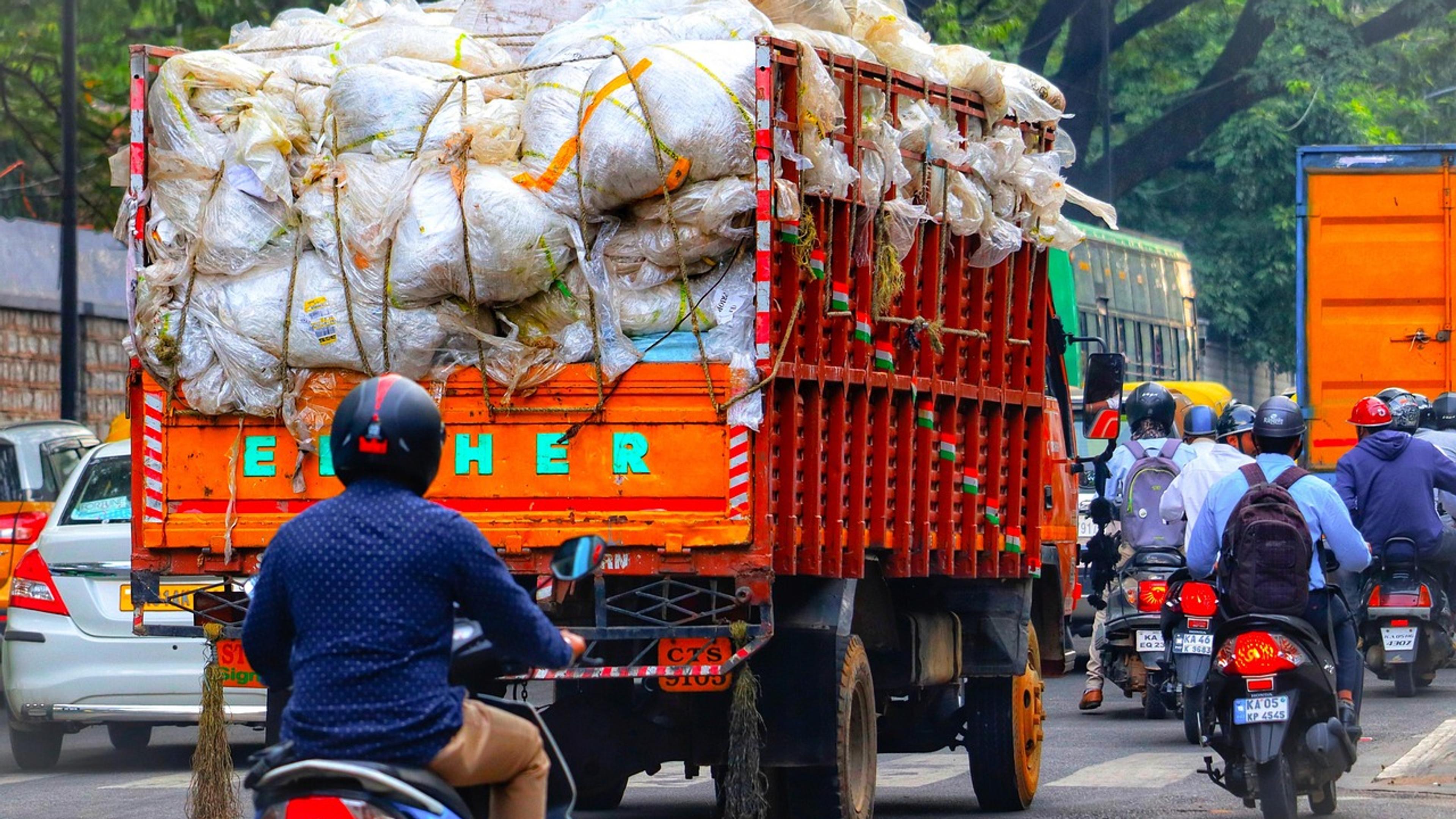
Mekala Nancharamma, who worked as a waste picker in Guntur, Andhra Pradesh, for nearly 12 years, has more than doubled her monthly income after a government scheme helped her move into mechanised sanitation work, India's Ministry of Social Justice and Empowerment said on 5 October.
From ₹8,000 to about ₹18,000 a month
Nancharamma, 30, is from a Scheduled Tribe community and started picking waste young because of her family's poverty, which also kept her out of school. Waste picking gave her a low and irregular income, and her family lived in a slum with few basic services.
Through the Swachhta Udyami Yojana, a scheme supporting sanitation workers to become entrepreneurs, she and one other member received help via the Navajeevan Organisation to buy a tractor-mounted open drain cleaner. The project cost about ₹17 lakh, made up of a loan of about ₹10.25 lakh and a capital subsidy of about ₹6.75 lakh.
With the machine, she earns an extra ₹10,000 a month. Her monthly income has risen from about ₹8,000 to about ₹18,000.
“The support under the Swachhta Udyami Yojana has helped me move beyond traditional waste-picking work and earn a more stable income. It has strengthened my family's financial security and given me greater confidence and dignity.” — Mekala Nancharamma
Better schooling for her children
The ministry says the extra income helps her meet household costs and pay for her children's education. It describes the move to mechanised work as a more organised and sustainable livelihood.
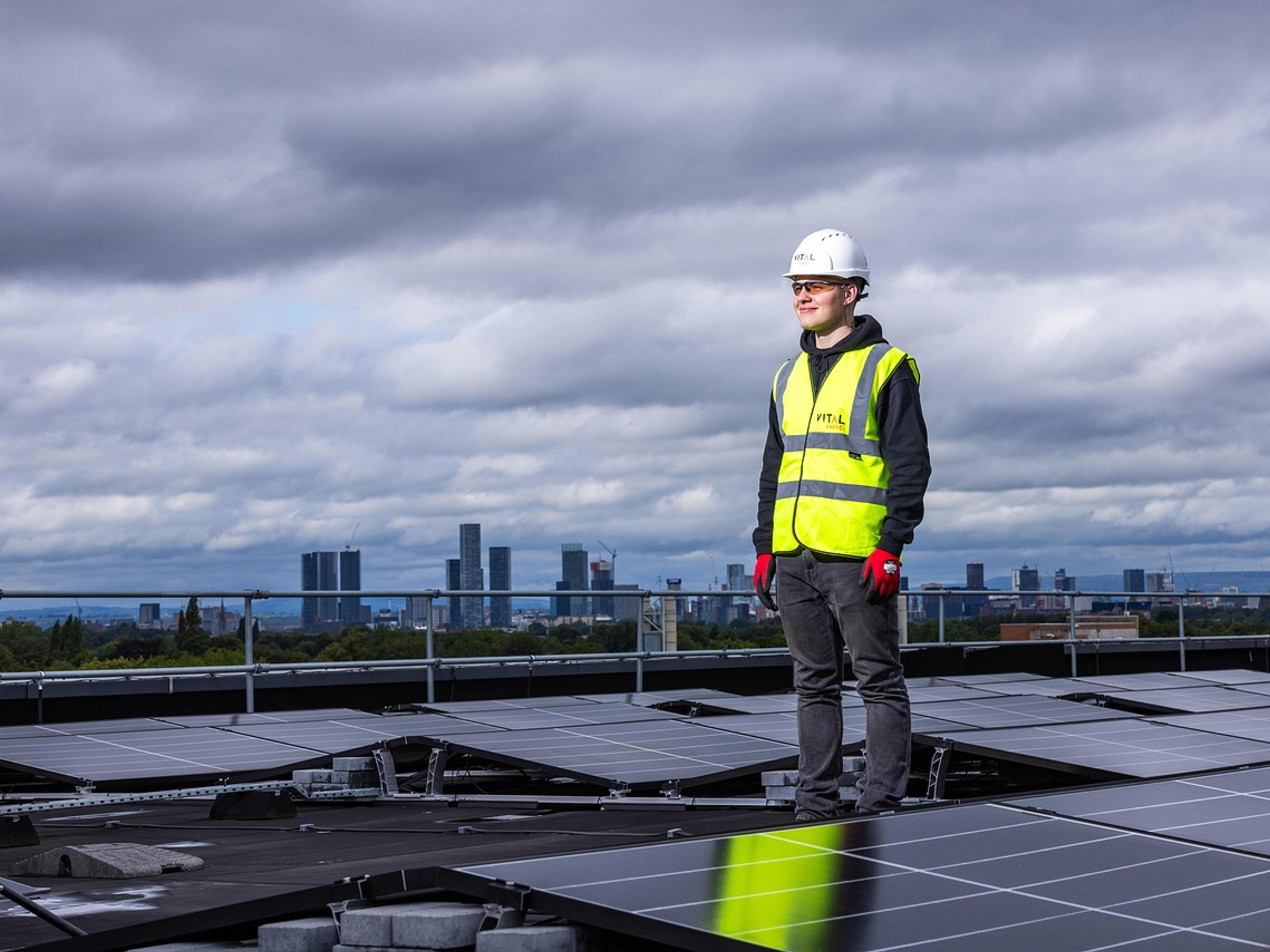
The account comes from the government's own press release and describes one beneficiary, not the scheme as a whole. Practical skills and equipment are helping others build livelihoods too, such as trainees in northern Cameroon learning solar installation and welding.
Sources
- Press Information Bureau, Government of India · pib.gov.in
How we choose and verify sources: editorial policy.
Like what you're reading?
Related stories
UNDP and Generali Central offer grants for insurance that protects India's small businesses
A new UNDP and Generali Central challenge will give up to three insurance solutions grants of up to $40,000 each to help protect India's more than 73 million small businesses from climate, health and financial shocks.
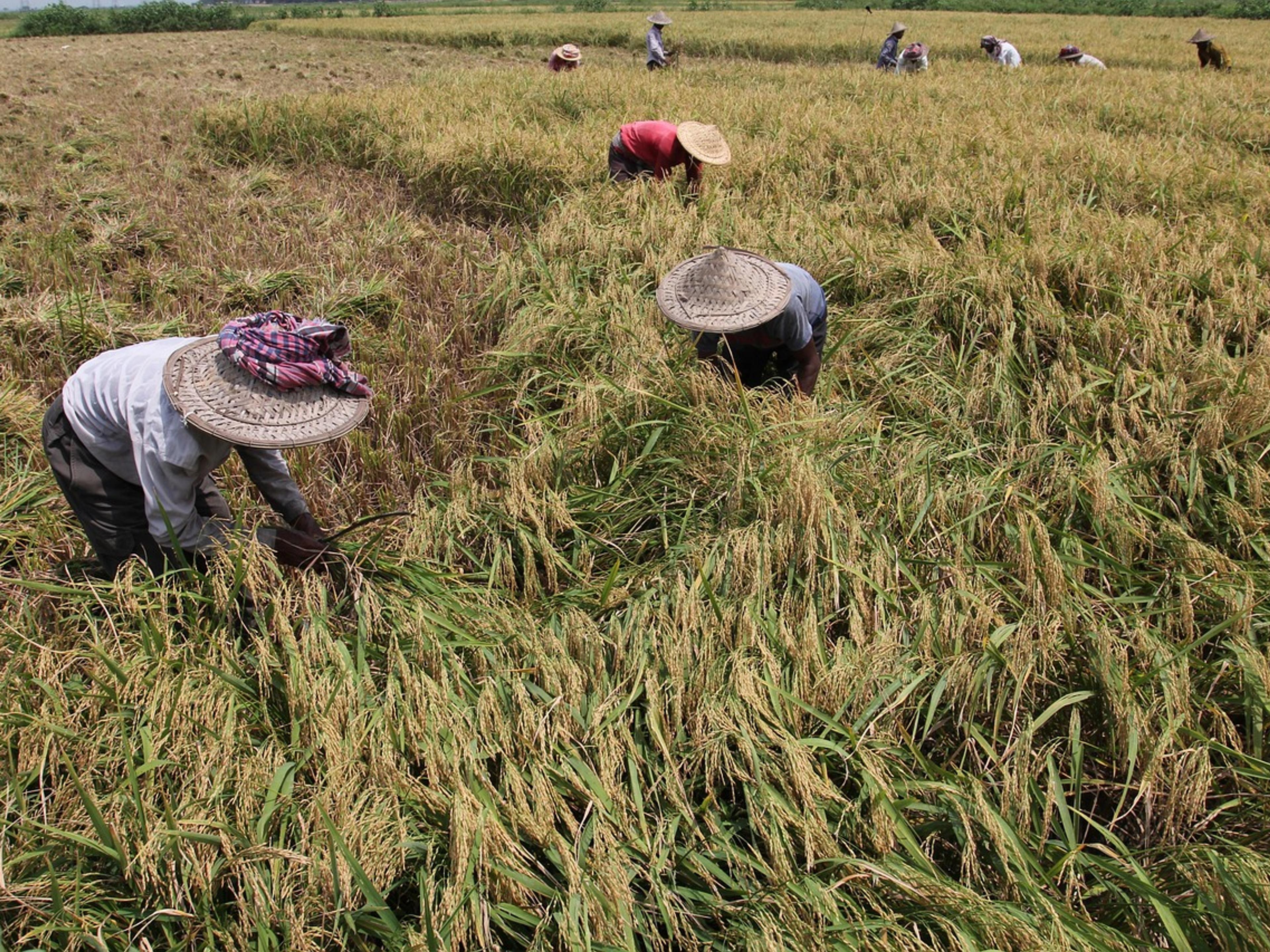
Bangladesh and IFAD launch $324 million in projects to help 2.5 million rural people adapt to climate change
Two new projects worth a combined $324 million, backed by IFAD, Bangladesh and Denmark, aim to reach 2.5 million rural people with flood shelters, early warnings, roads, finance and training.
New Project Aims to Help 4,000 Mongolian Herding Families Withstand Harsher Winters
A $2 million Adaptation Fund project managed by IFAD will help at least 4,000 herding families in Mongolia’s Bayankhongor and Dundgobi provinces cope with severe winters and droughts through water points, early warnings and processing centres.