Three new solar projects will bring electricity to 75,000 people in Fiji and Papua New Guinea
Australia's REnew Pacific program announced three solar projects for remote schools and communities in Fiji and Papua New Guinea that will give more than 75,000 people clean, reliable electricity.
By Diego Callegari, Editor
· Updated · 2 min read
Source: Australian Infrastructure Financing Facility for the Pacific ↗
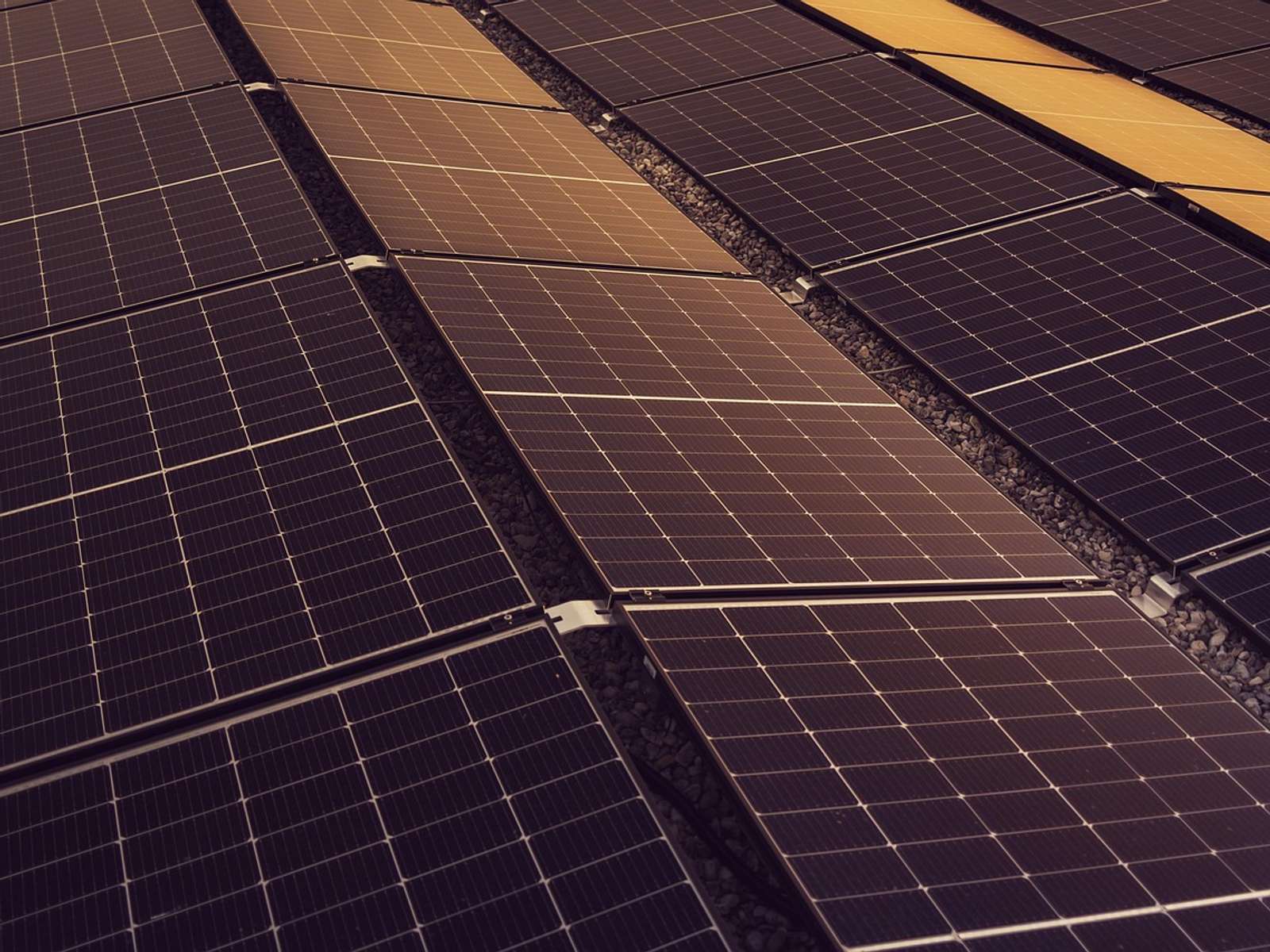
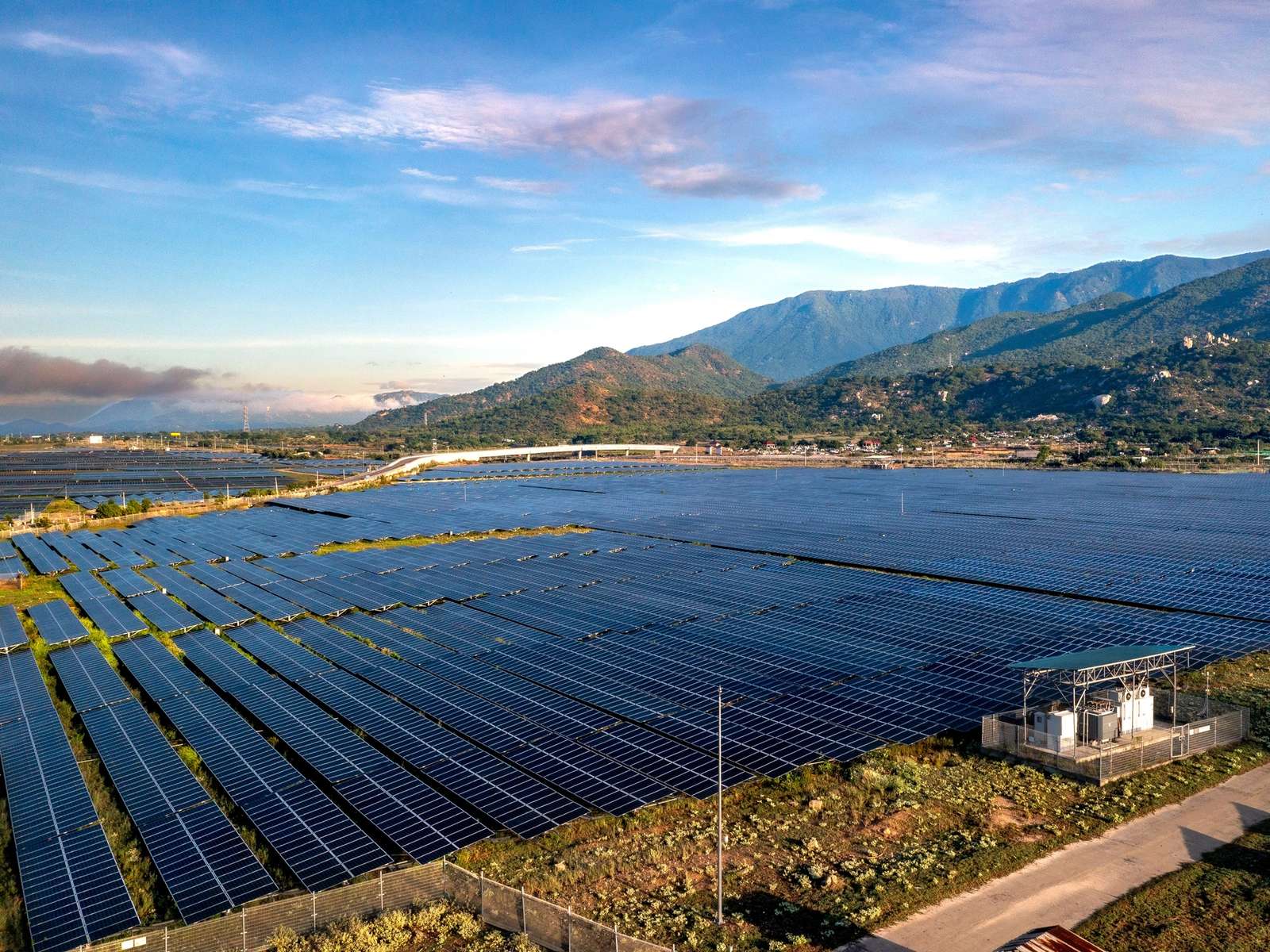
More than 75,000 people in remote parts of Fiji and Papua New Guinea will get clean, reliable electricity through three new solar projects under Australia's REnew Pacific program, the Australian Infrastructure Financing Facility for the Pacific announced on 7 October. Climate Change and Energy Minister Chris Bowen announced them at the Pre-COP31 meeting in Fiji.
Solar, internet and laptops for remote Fijian schools
In Fiji, the It's Time Foundation and the Ministry of Education will install solar systems with battery storage at 13 remote schools and teachers' homes on Vanua Levu, Viti Levu, Taveuni and the Yasawa Islands. Each school will also get Starlink internet, laptops and smart TVs, benefiting more than 1,200 students.
Pay-as-you-go solar for 55,000 people in PNG
In Papua New Guinea's Oro Province, Sola PayGo and MiBank will bring pay-as-you-go solar home systems, streetlights and education servers to around 55,000 people in 19 communities between Popondetta and the Kokoda Track, along with training in technical, financial and digital skills.
In Bougainville, Save the Children and the regional education department will install solar and battery systems at five remote schools in Tinputz, and a school-managed solar lantern scheme will light up to 2,000 nearby homes, reaching more than 11,400 people.
REnew Pacific now reaches 255,000 people
The announcement brings REnew Pacific to 13 locally led projects in seven countries. In less than two years, it says it reaches more than 255,000 people, powering more than 8,100 homes, 98 schools and 49 health centers. The figures are the program's own planned reach; the new projects still have to be built.
Most people in Papua New Guinea still lack electricity
The need is greatest in Papua New Guinea, where only 43.3% of people had access to electricity in 2024, and 39% in rural areas, according to World Bank data. In Fiji, where 95.9% of people have electricity, the new project targets remote schools rather than homes.
Pay-as-you-go solar, used in the Oro Province project, lets households pay for a home system in small installments, often by mobile phone, instead of buying it up front. Costs and completion dates for the three projects were not included in the announcement.
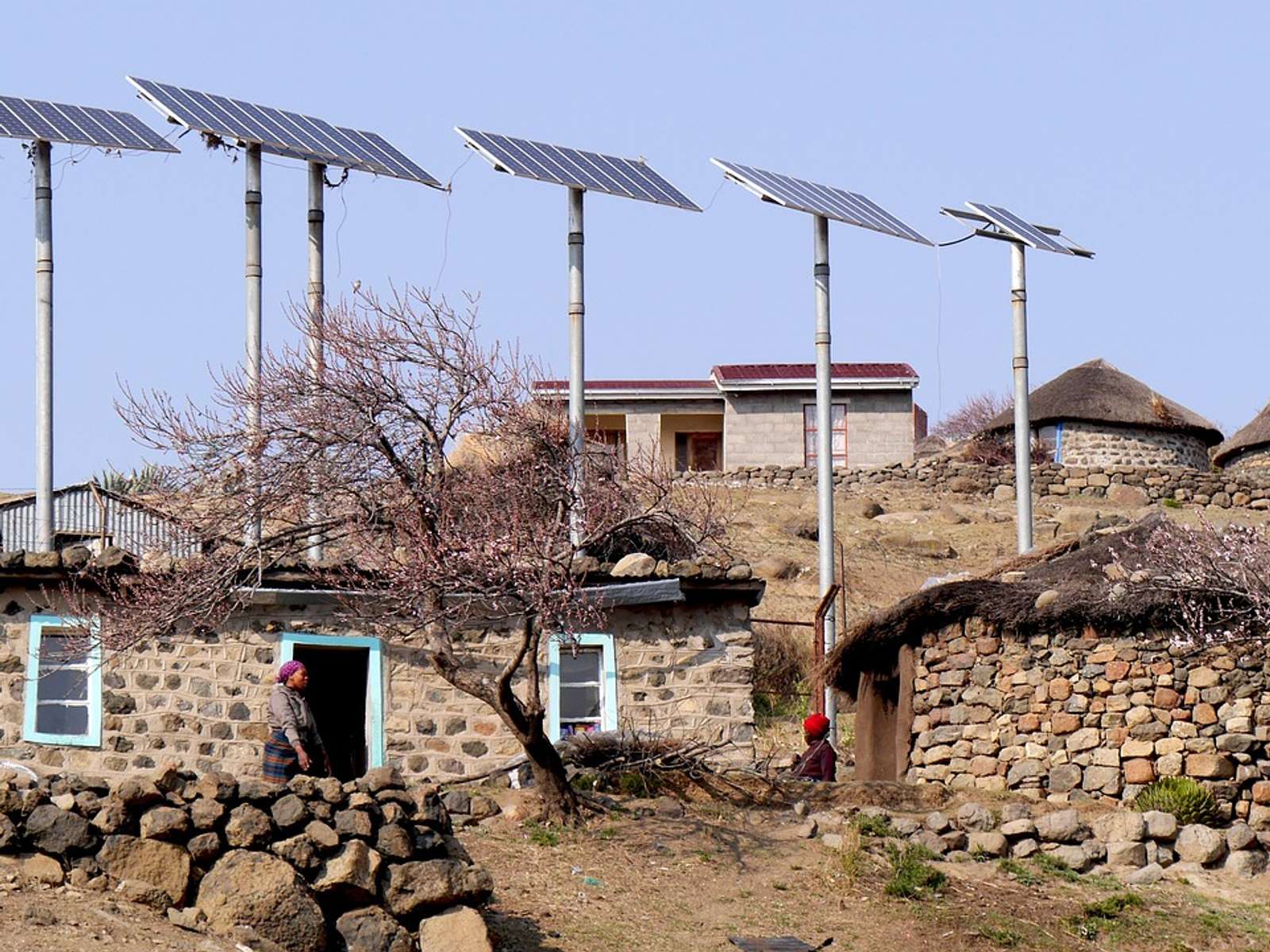
Solar power is already changing school life in other remote places, such as a mountain school in Lesotho where students can now study after dark.
Sources
How we choose and verify sources: editorial policy.