Solar Power Lets Students at a Mountain School in Lesotho Study Before Dawn and After Dark
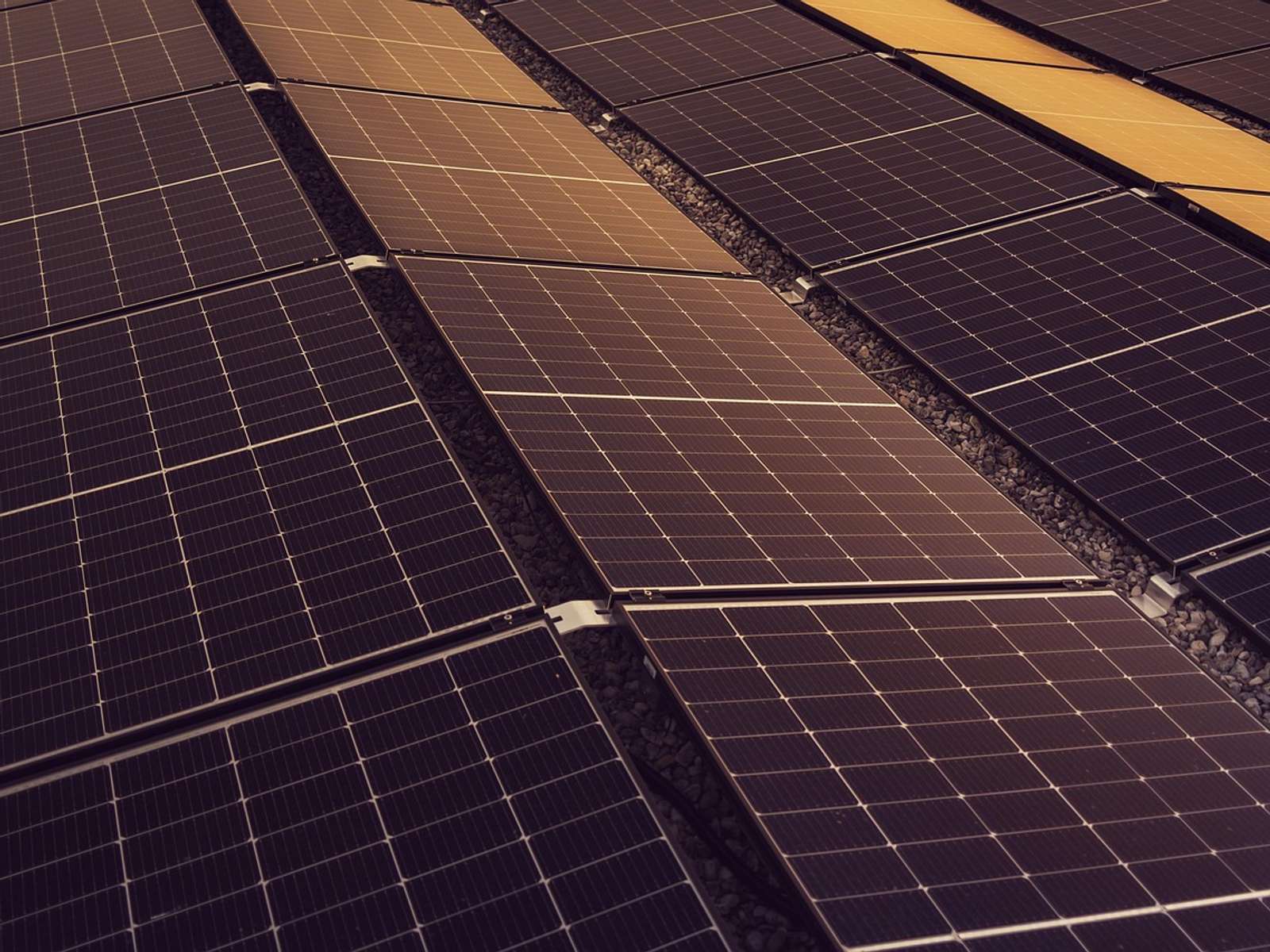
Since St Martins High School in Lesotho’s Mokhotlong district was connected to solar power, its 170 students can study early in the morning and after sunset, and teachers can use laptops and online resources.
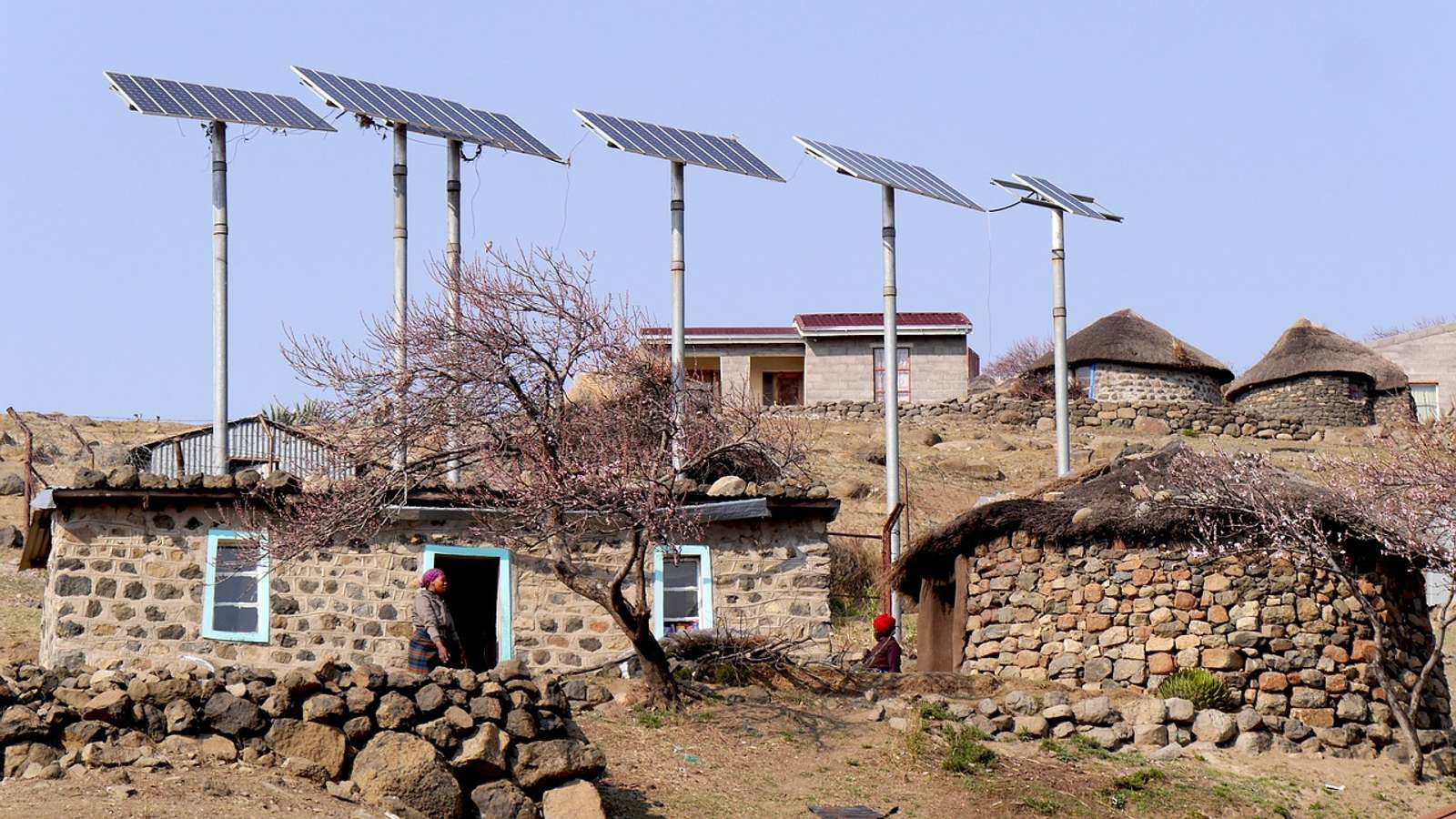
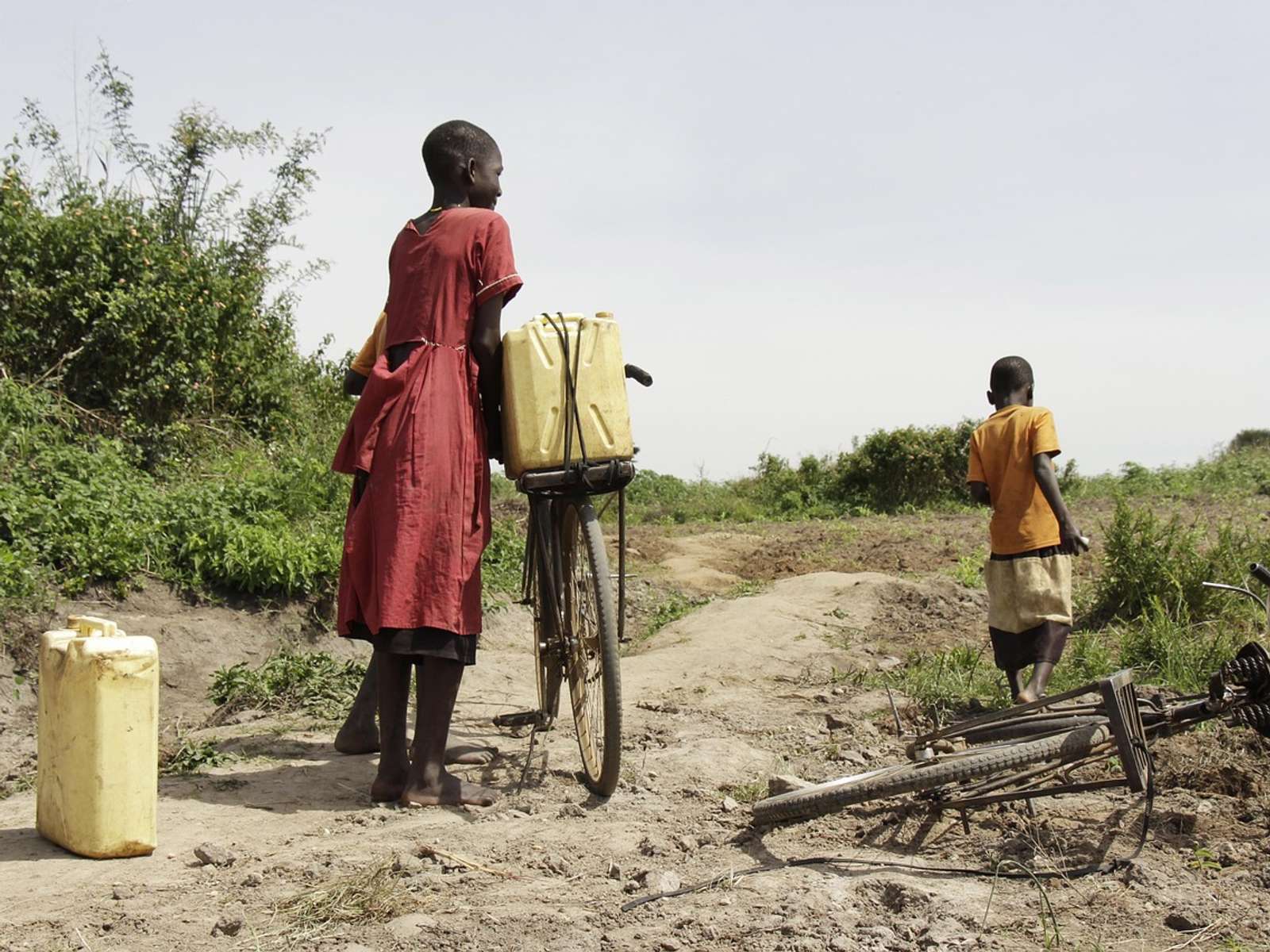
At 4:00 a.m., while their village of Makhiseng in Lesotho's Mokhotlong district is still dark, Grade 11 learner Reekelitsoe Moseli and her classmate Tsobotsi Selialia set off for school. They walk about an hour to St Martins High School in Mahala Mathaba, which has had solar power since October 2025, the UN Development Programme said.
The village they leave still has no electricity. The school they reach now has light before sunrise and after sunset, and that has changed how its students learn.
More hours to study, and better marks
Before the connection, early-morning and evening study depended on daylight. Now students arrive early and stay late. Moseli hopes her marks will get her into university next year and win her a scholarship.
“We come very early and leave late, and that has significantly improved my marks because we can now see.” — Reekelitsoe Moseli, Grade 11 learner, St Martins High School
St Martins has 170 students, 124 girls and 46 boys. Principal Manthati Khotlisi said performance has improved since the school was connected and that the school now has more flexibility in how it uses its time. “Now our pupils are able to come early for morning study and stay beyond school hours for afternoon study because there is light,” she told UNDP.
Laptops, internet and online experiments
Electricity also brought the internet into the classroom. Teachers can now use their laptops, and classes can run experiments online. “There are many things we could not do or use before,” Khotlisi said.
A former student and phone charging help keep the lights on
The school is planning for the system to last. The contractor that installed it trained school staff in basic maintenance. A former student who graduated from Lerotholi Polytechnic as an electrical engineer has offered technical advice. The school also lets people from the surrounding community charge their phones and other devices for a small fee, and the money goes toward future maintenance.
One of the first schools in a wider energy program
The installation is part of Renewable Lesotho: Access to Affordable and Renewable Energy (RL: AARE), run by UNDP with Lesotho's Ministry of Energy and Mining and funded by the European Union, the Irish government and UNDP. By November 2025 the project had connected 564 households, nearly half of them headed by women, and eight schools serving 1,136 pupils, according to the EU delegation in Lesotho. Its 2028 targets include 24 off-grid schools and clinics and 4,400 mini-grid connections.
Off-grid solar is spreading across the region at very different scales, from single schools to Africa's first round-the-clock solar and battery plant. For Moseli and Selialia, the walk from Makhiseng still starts in the dark.
Sources
- UNDP Lesotho · undp.org
- eeas.europa.eu
How we choose and verify sources: editorial policy.