Africa’s First Round-the-Clock Solar and Battery Facility Begins Operation
A massive solar and battery facility in the Democratic Republic of the Congo is now delivering reliable renewable power around the clock to one of Africa’s largest copper mining complexes.
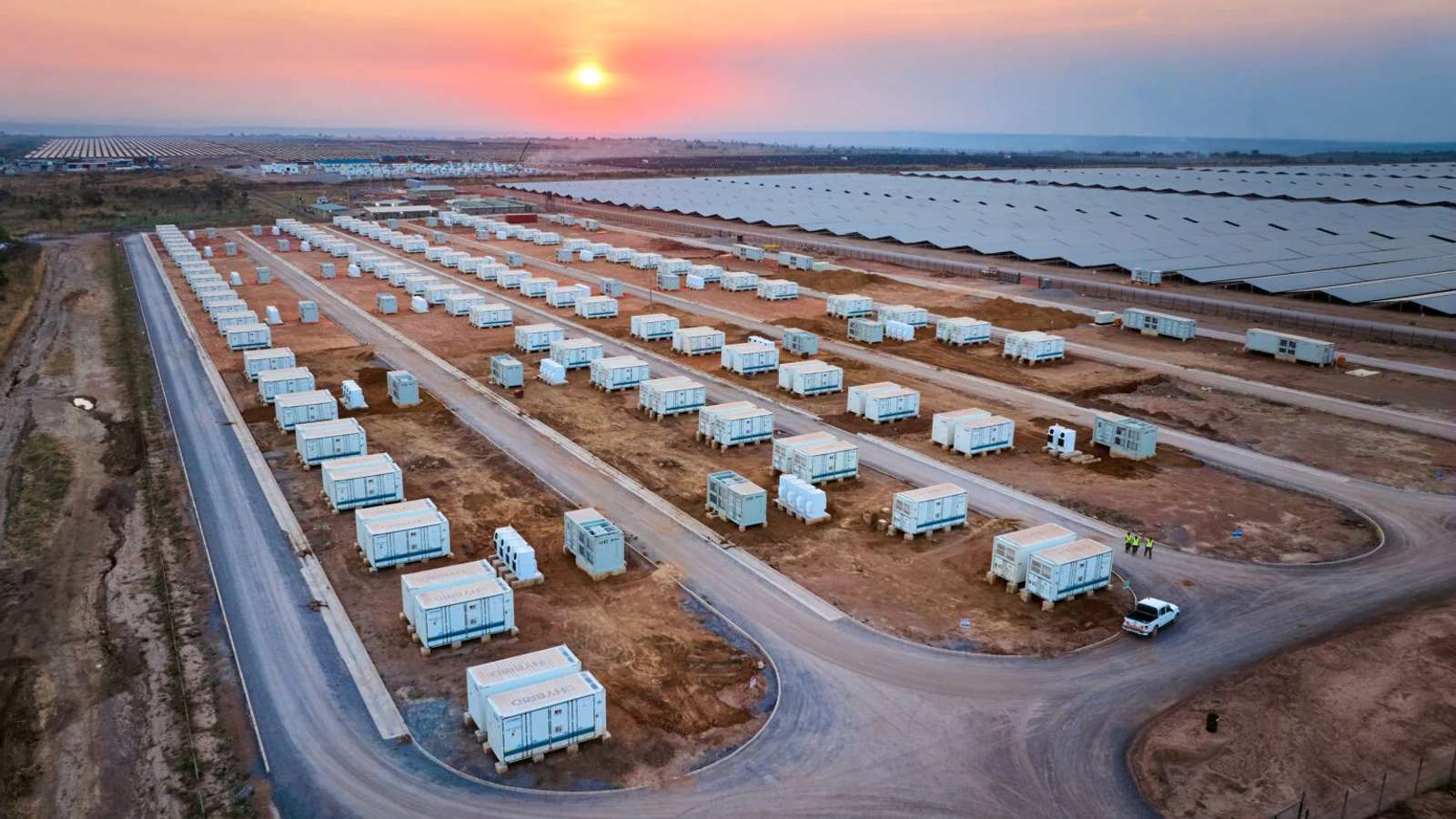
A major renewable energy project in the Democratic Republic of the Congo has begun commercial operation, demonstrating how solar power combined with large-scale battery storage can provide reliable electricity even after the sun goes down.
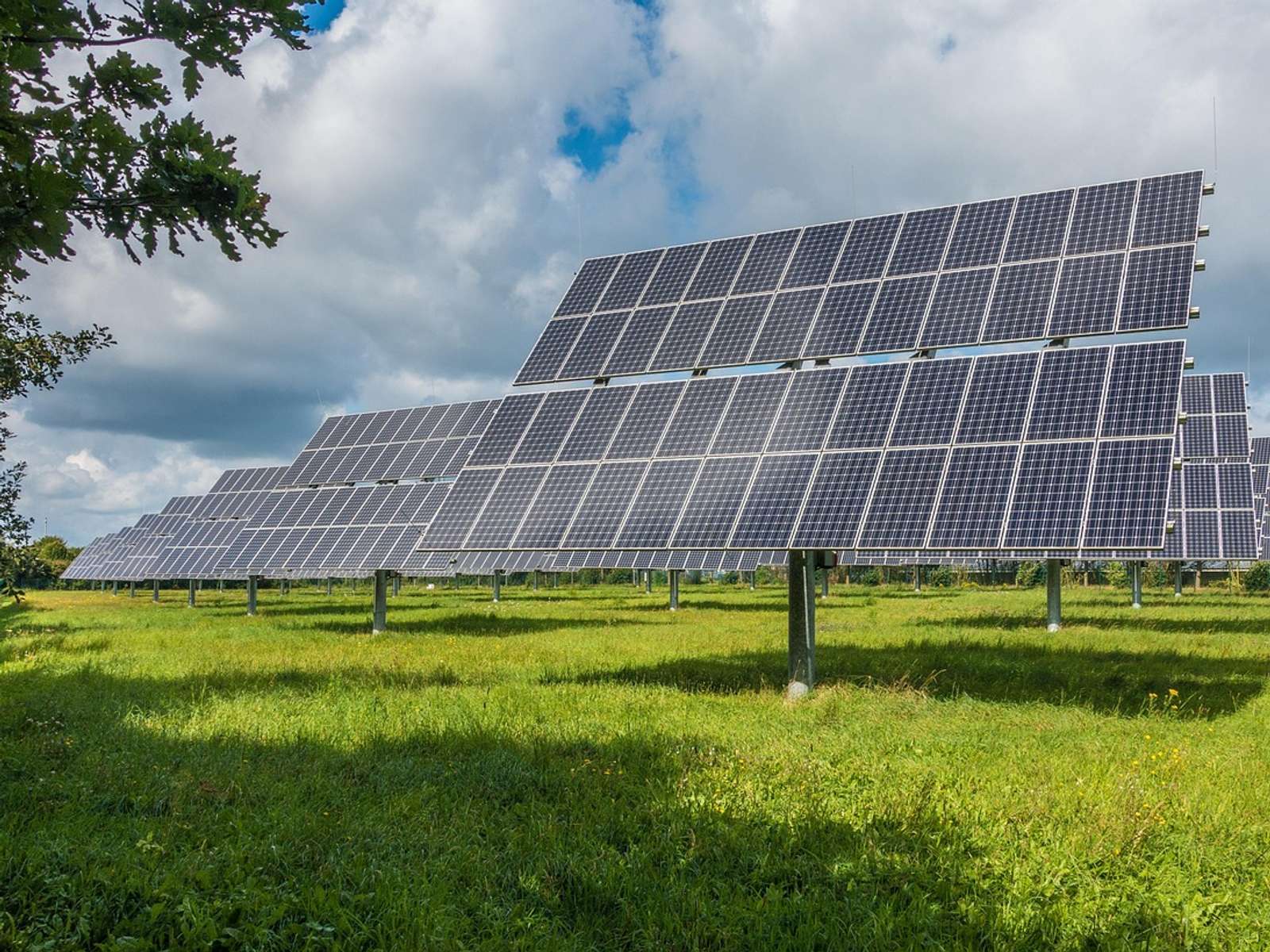
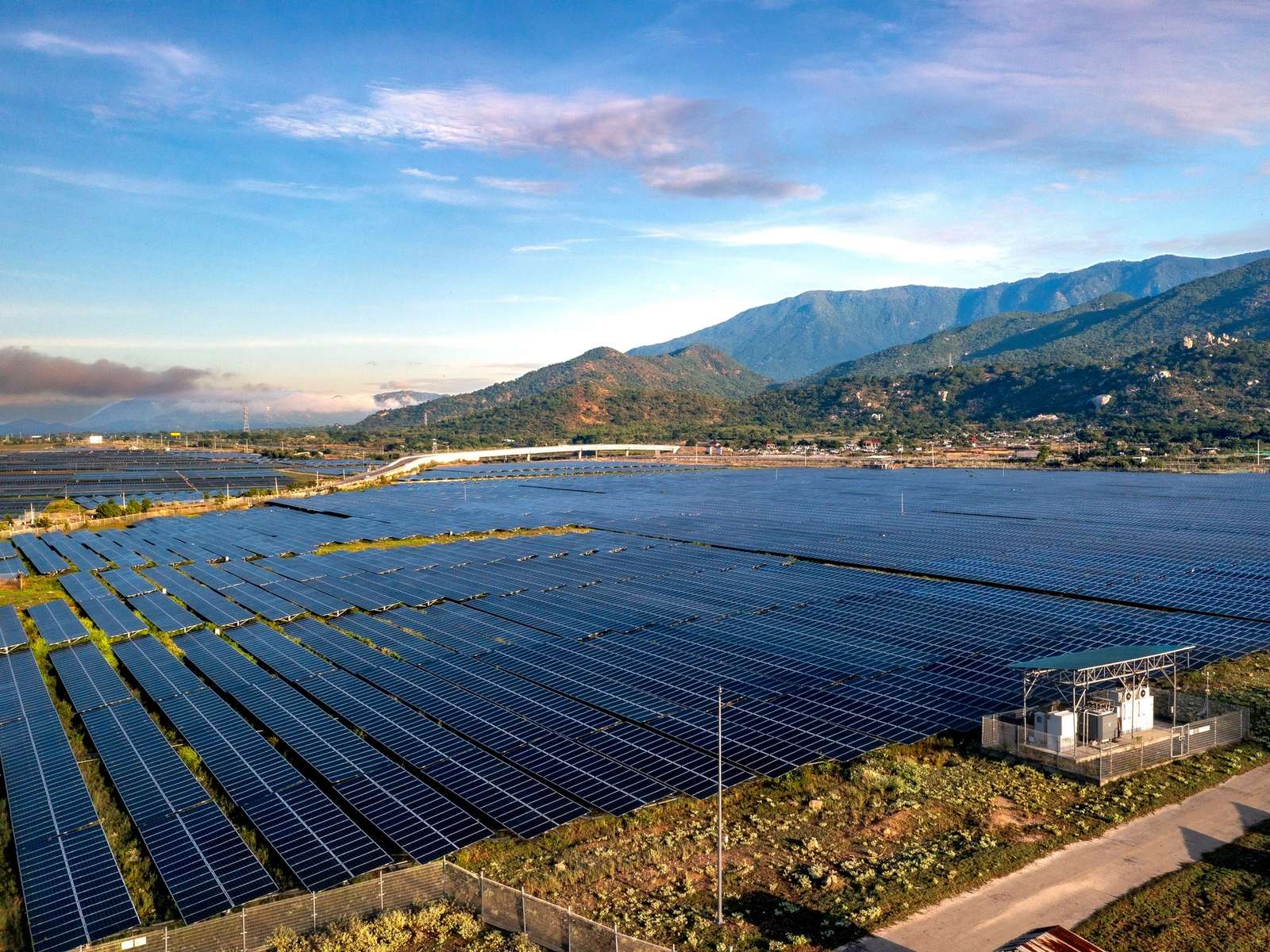
The facility, developed by CrossBoundary Energy for Kamoa Copper, combines a huge solar farm with one of Africa’s largest battery storage systems. It is now supplying at least 30 megawatts of continuous renewable power to the Kamoa-Kakula copper mining complex near Kolwezi.
CrossBoundary Energy describes the project as Africa’s first operational solar and battery facility specifically designed to provide round-the-clock baseload power at this scale.
Solar power that continues after sunset
One of the biggest challenges with solar energy has always been its variability. Solar panels can produce large amounts of electricity during daylight hours, but industrial facilities such as mines need electricity continuously. Storage is moving into national plans as well: India has approved a plan for state power lines and 50 GWh of battery storage to keep renewable power flowing.
The Kamoa-Kakula project tackles that problem by pairing 233 megawatts-peak of solar capacity with a battery energy storage system capable of storing 526 megawatt-hours of electricity.
During sunny periods, the solar panels can both supply power and charge the batteries. Stored electricity can then be released later when solar production falls, allowing the system to maintain a steady supply.
The facility is designed to deliver at least 30 MW of firm baseload electricity, meaning the mine can receive renewable power consistently rather than only when conditions are ideal.
For large industrial operations, that reliability is crucial.
Built in just 16 months
The speed at which the project was completed is another significant part of the story.
Kamoa Copper signed its power purchase agreement with CrossBoundary Energy in April 2025. Commercial operation was achieved on August 12, 2026, only 16 months later.
CrossBoundary says comparable utility-scale solar and battery projects in Africa typically take considerably longer to move from a signed power agreement to full commercial operation.
Delivering a project of this size so quickly required construction, equipment procurement, engineering and logistics to progress simultaneously.
The result is a major renewable energy facility operating years before some conventional alternatives could potentially have been completed.
Cleaner power for a huge copper operation
The electricity is being supplied to Kamoa-Kakula, one of the largest copper mining complexes in Africa.
Copper is becoming increasingly important to the global energy transition because it is used extensively in electricity grids, renewable energy equipment, electric vehicles and other technologies.
At the same time, mining and processing copper requires enormous amounts of electricity.
Finding ways to supply that energy with lower emissions could therefore reduce the environmental footprint of producing a material that is itself essential for electrification.
The solar and battery system can also reduce dependence on diesel generators, which are often used as backup power at remote industrial sites when electricity grids are unreliable.
CrossBoundary estimates that the facility can generate around 300,000 megawatt-hours of clean electricity each year and avoid tens of thousands of tonnes of carbon dioxide emissions annually.
A model for heavy industry
Perhaps the most important aspect of the project is what it could demonstrate beyond a single mine.
Solar energy has expanded rapidly across Africa, but providing dependable renewable electricity to energy-intensive industries remains more difficult than simply installing solar panels.
Large battery systems are beginning to change that equation.
By storing surplus electricity and releasing it when needed, renewable projects can increasingly provide the kind of predictable power that mines, factories and other major industrial facilities depend on.
The Kamoa-Kakula project provides a real-world example of that technology operating at industrial scale.
And expansion is already underway. Kamoa-Kakula is commissioning additional solar and battery capacity from another provider, with the combined facilities expected to eventually deliver 60 MW of continuous renewable power. Plans are also being developed to expand on-site renewable baseload capacity further in the coming years.
For a continent with enormous solar resources and rapidly growing demand for electricity, projects like this could point toward a future where reliable industrial power does not have to depend primarily on fossil fuels.
Sources
- CrossBoundary Energy · crossboundaryenergy.com
How we choose and verify sources: editorial policy.