Bhutan Commissions Its First Fully Homegrown Utility-Scale Solar Power Plant
Bhutan has commissioned the Sephu Solar Power Project, the country's first utility-scale solar plant designed and built entirely by Bhutanese engineers, with the government already approving an expansion to 22.38 megawatts.
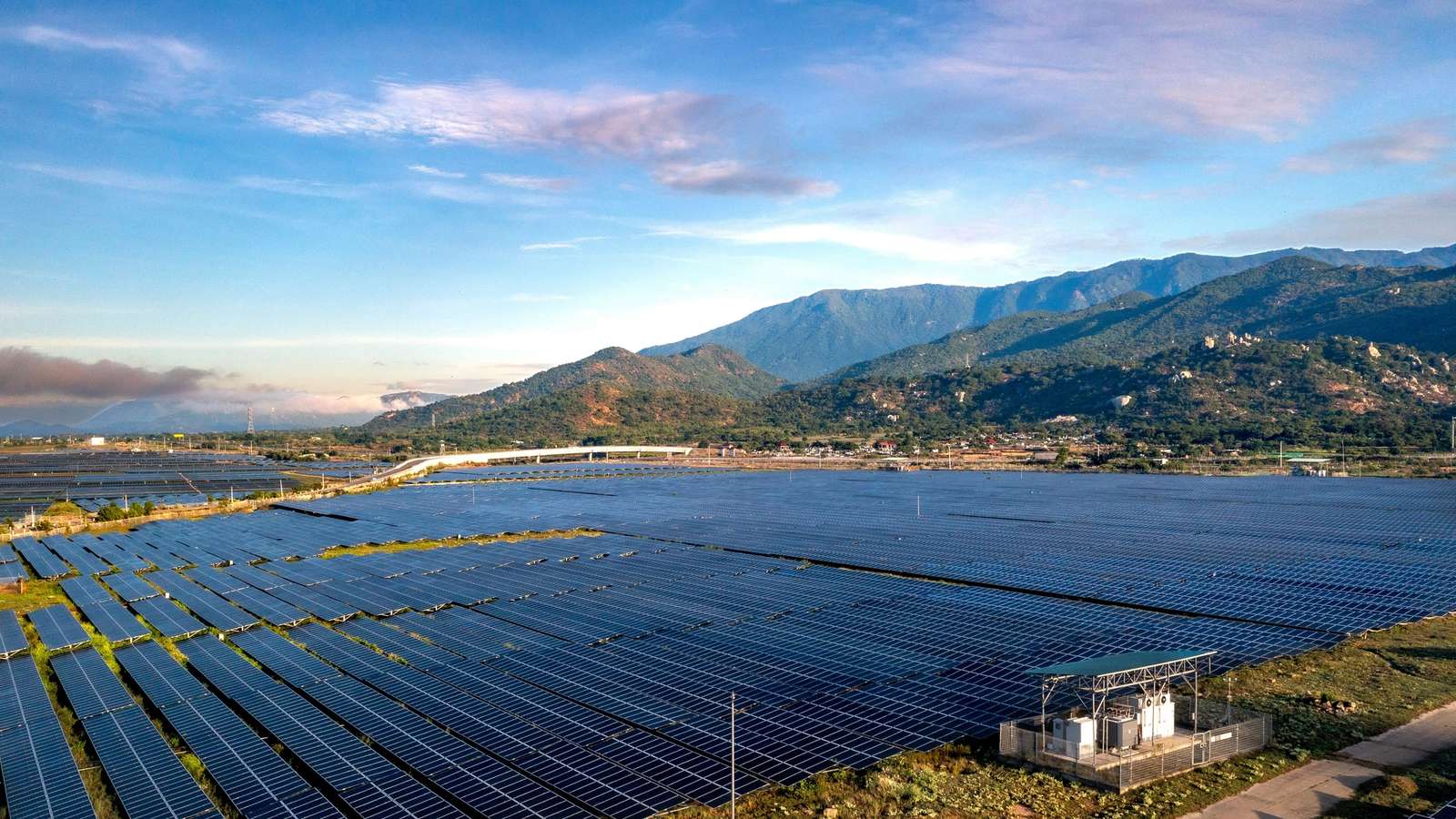
Bhutan has formally commissioned the Sephu Solar Power Project, the first utility-scale solar plant in the country to be entirely designed and built by Bhutanese engineers, and the government has already approved expanding it further.
The commissioning ceremony took place last Saturday in Sephu Gewog, Wangdiphodrang, presided over by the Minister for Energy and Natural Resources, Mejey Gem Tshering. The plant was built by Rigsar Construction, working in joint venture as Rigsar-PES JV, after the contract was awarded in July 2023. Following the project's completion, the Government of Bhutan approved an additional 5 megawatts of capacity at the same site, raising the plant's total installed capacity from 17.38 megawatts to 22.38 megawatts.
Why a homegrown solar plant matters in Bhutan
Bhutan generates the vast majority of its electricity from hydropower, a resource that has made the country a net exporter of clean energy for years. But hydropower output drops sharply in the dry winter months as river flows decline, just as demand for heating and electricity rises, forcing Bhutan to import power from India to cover the shortfall.
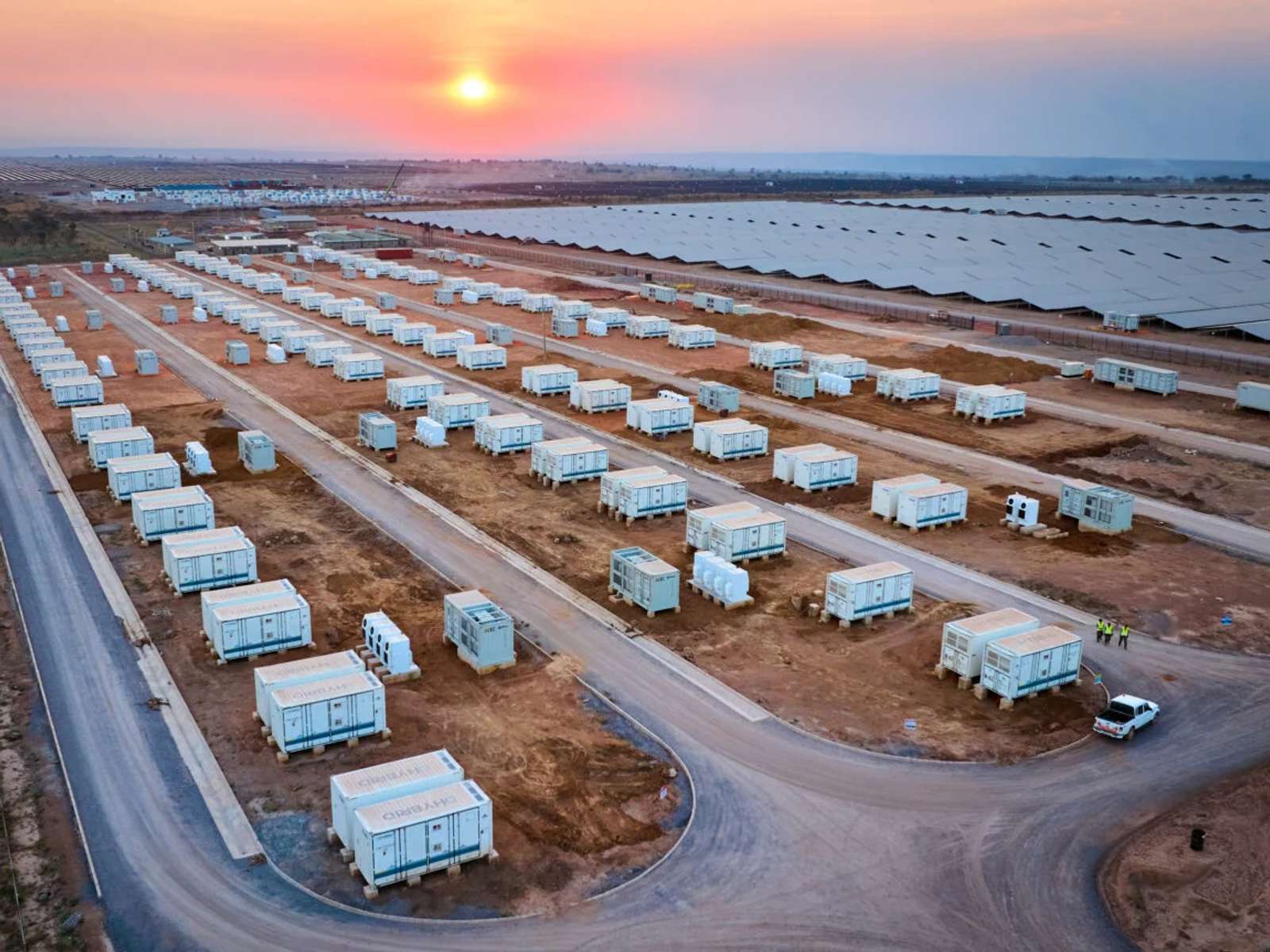
Solar energy is a natural complement, since it can help fill exactly the seasonal gap hydropower struggles with. The government's National Solar Energy Roadmap, covering 2025 to 2040, has identified 310 potential sites nationwide, concentrated in Wangdue, Bumthang, and Trongsa, with a combined solar potential of roughly 4,300 megawatts. Bhutan's broader target is to reach 5,000 megawatts of total generation capacity by 2040, with solar playing a supporting role alongside hydropower, and the Department of Energy has set a goal of cutting electricity imports by at least 10 percent by 2029-30, with the aim of eliminating them entirely by 2040. Paired with batteries, solar can even work after dark: in the Democratic Republic of the Congo, a solar farm with large-scale battery storage now supplies round-the-clock power to a copper mine.
A milestone beyond the megawatts
What sets Sephu apart from Bhutan's earlier renewable energy projects is not just its size, but who built it. Rigsar Construction is described as the first Bhutanese firm to independently design and execute a utility-scale solar project, a shift from the country's hydropower sector, where major projects have often relied heavily on foreign contractors and financing, particularly from India.
The project team framed the work in those terms, calling it "a transformative journey of learning and growth in solar technology," language that points to Sephu's significance as a proof of domestic technical capacity as much as a power plant. Building that capacity matters for a small country trying to develop a large share of its identified 4,300 megawatts of solar potential over the next 15 years: doing so will require Bhutanese firms and engineers who can plan, build, and maintain solar infrastructure without depending entirely on outside expertise for every project.
Part of a wider build-out already underway
Sephu is not an isolated project. Bhutan has also brought a smaller 200-kilowatt facility online in Bumthang, and larger projects are already under development, including a planned 120-megawatt facility at Jamjee and a 146-megawatt project at Jungzhi, both of which would dwarf Sephu's capacity once completed.
Since beginning generation, Sephu has already produced tens of millions of units of electricity, a modest contribution next to Bhutan's hydropower output but a meaningful step toward diversifying a power system that has historically depended on a single resource.
What comes next
The approved 5-megawatt expansion at Sephu is the most immediate next step, bringing the site to its planned 22.38-megawatt capacity. Beyond that, the real test for Bhutan's solar ambitions will be whether the country can replicate Sephu's approach, domestic design, domestic construction, and Bhutanese-led execution, across the much larger projects already in the pipeline. If it can, Sephu may be remembered less for its size than for proving the model works.
Sources
- Rigsar Construction Pvt. Ltd. · rigsar.bt
How we choose and verify sources: editorial policy.