Three Wind Turbines on Ross Island Cut About 122,000 Gallons of Diesel a Year at Two Antarctic Bases
The three-turbine wind farm powering McMurdo Station and Scott Base has cut the bases' fuel use by roughly 463,000 liters, about 122,000 gallons, a year since 2009, and larger turbines with batteries are due by 2030.
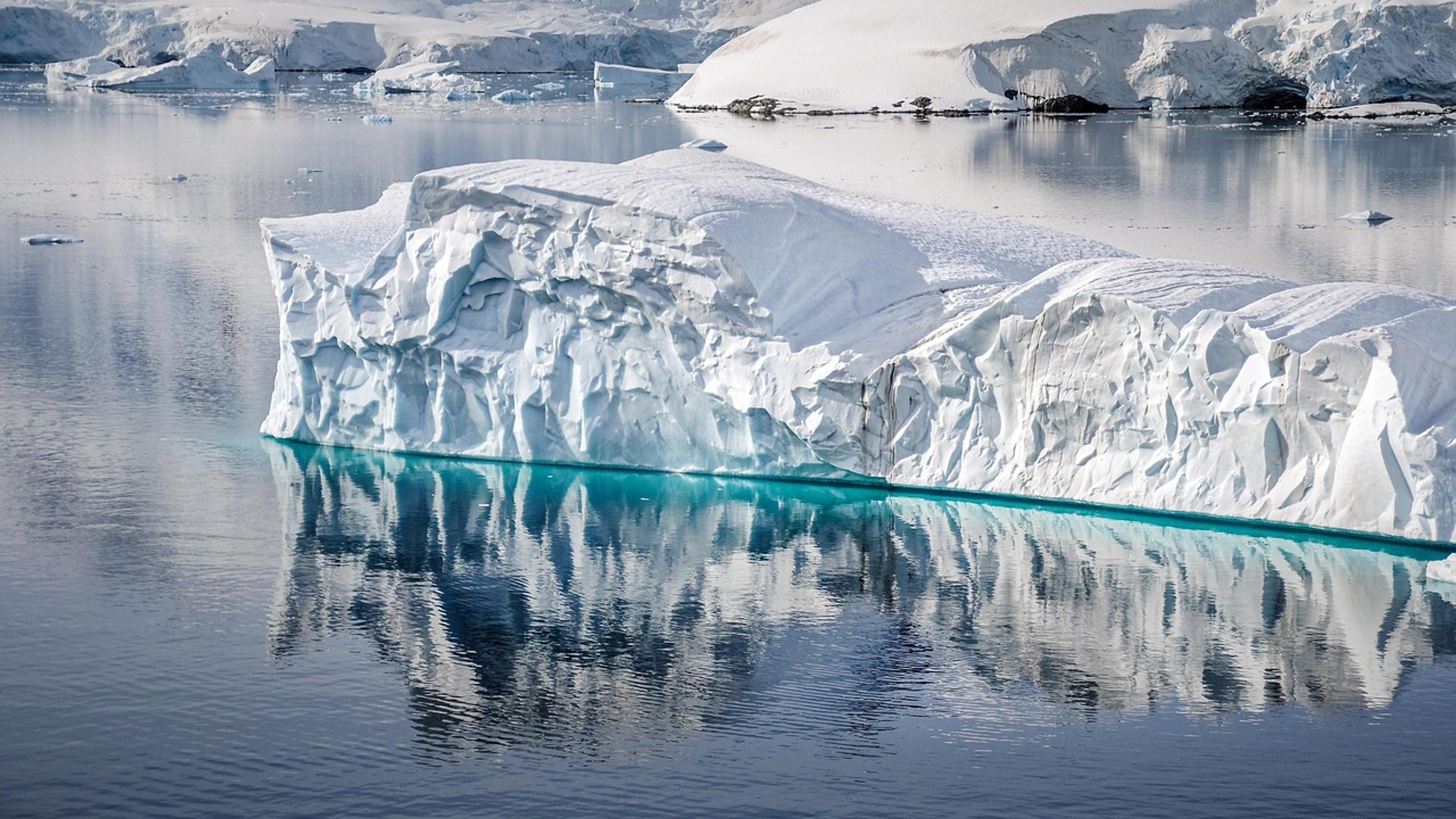
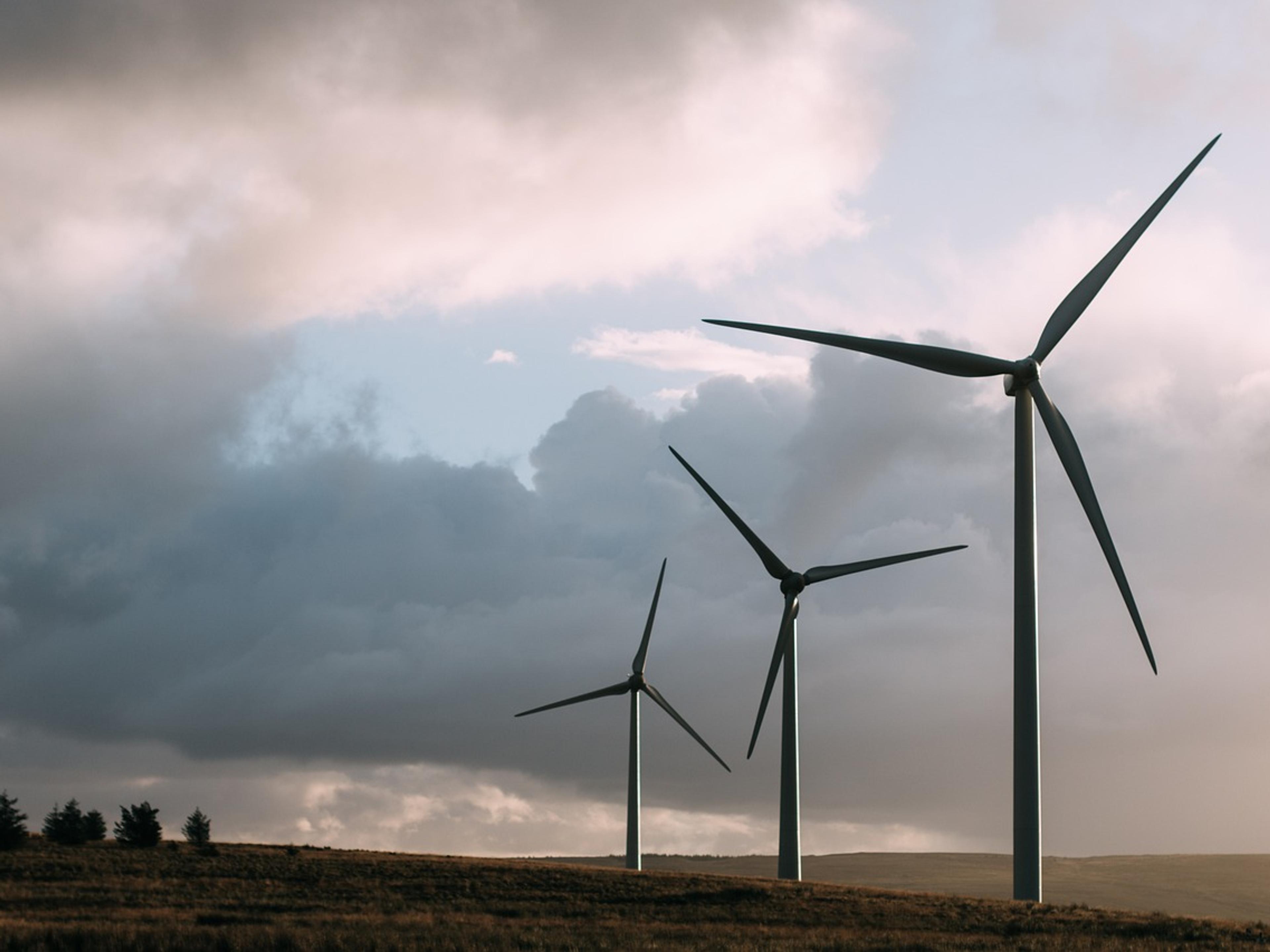
Three wind turbines on Antarctica's Ross Island supply a share of the electricity for the United States' McMurdo Station and New Zealand's Scott Base, and the fuel they displace adds up to about 122,000 gallons of diesel a year, according to Good News Network. New Zealand utility Meridian Energy, which built the project with Antarctica New Zealand, puts the same figure at roughly 463,000 liters of fuel saved annually.
Fewer liters of diesel and fewer emissions since 2009
The wind farm, on Crater Hill, began construction in 2008 and was fully operational in 2009. Meridian says it has also reduced greenhouse gas production from both bases by 1,242 tonnes of carbon dioxide. Diesel generators still cover the gaps when the wind is weak.
Turbines built for fearsome winds
Each of the three turbines, a 330-kilowatt Enercon E33, was designed to withstand the continent's extreme conditions. They have no gearbox, which avoids the problems of oil thickening and friction in the cold, and their components are built to cope with temperatures down to -30°C. The turbines also had to fit inside shipping containers for seasonal transport to Ross Island.
Larger turbines and batteries are planned by 2030
The current turbines are due to be replaced by larger, more powerful ones paired with battery storage by 2030, under a power-sharing agreement between the United States and New Zealand. Foundation construction for the replacements began during the 2024/25 season. The battery storage is meant to let the bases hold on to wind power for calmer periods.
Like what you're reading?