Heartwarming rescues, wildlife comebacks, and stories celebrating the bond between humans and animals.
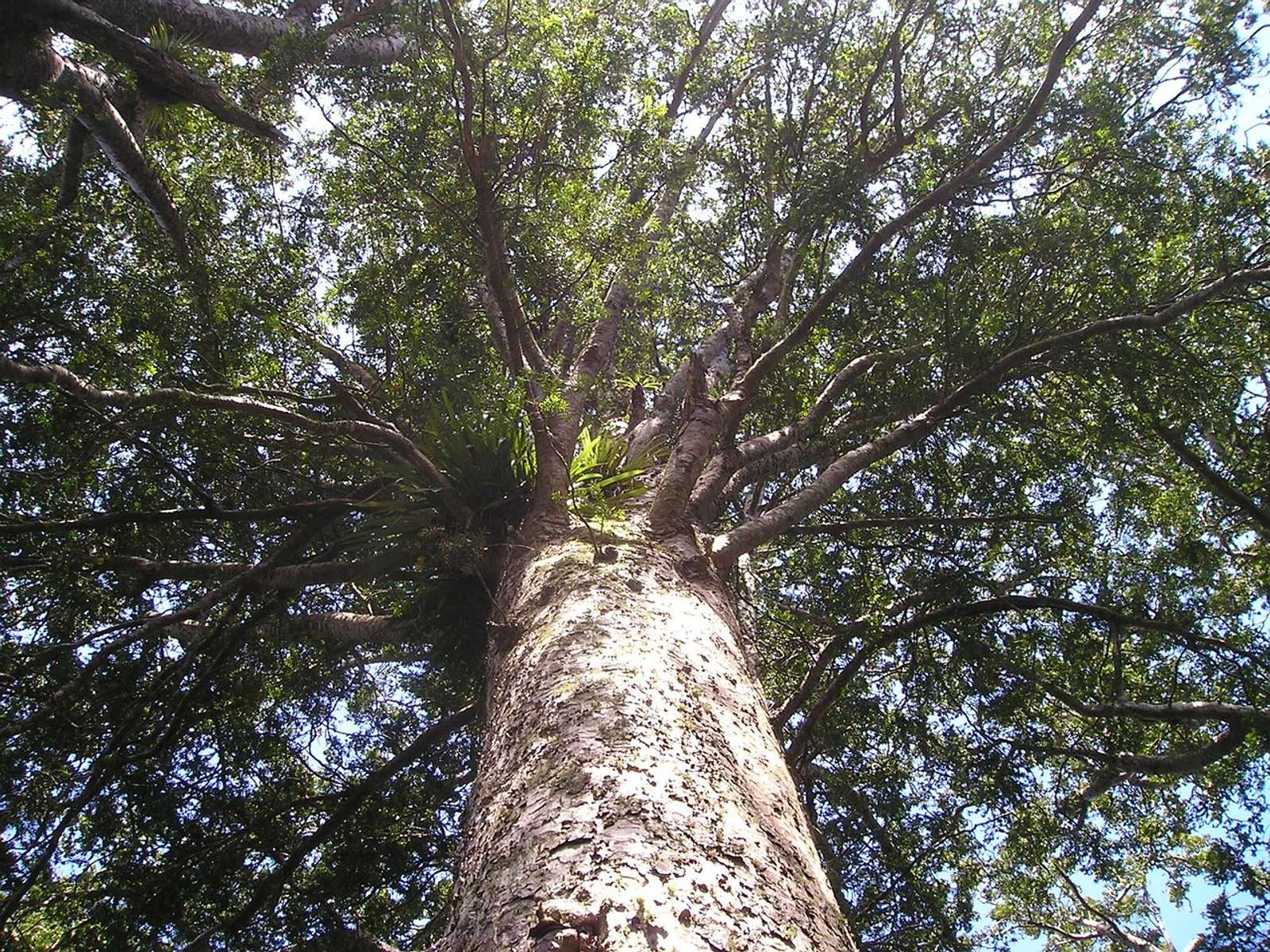
Two juvenile male kākāpō have joined a mainland habitat trial at Sanctuary Mountain Maungatautari, and 122 Mahoenui giant wētā were released there. The kākāpō population reached 325 after a record breeding season.

Entomologist Christopher Heckscher of Delaware State University found the similar firefly, Pyractomena similis, in Brandywine Creek State Park, the first documented record since 1983. A new review lists 28 lost firefly species in the US and Canada.
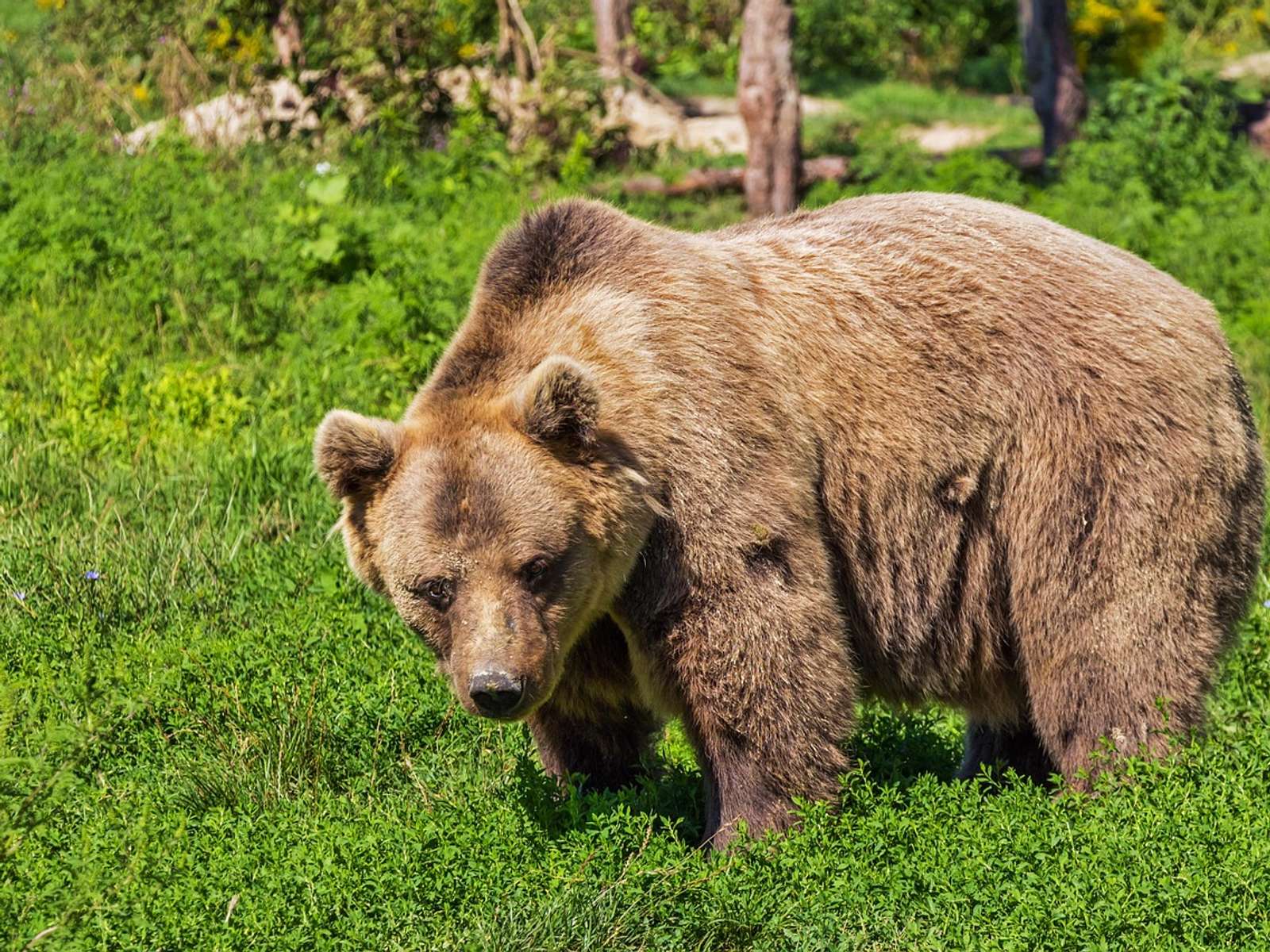
Bu, a former circus bear, and Tyapa, from a petting zoo, have reached Wild Ireland in Donegal after a five-year rescue across war, sanctions and flight disruptions. They are now the only living brown bears in Ireland.
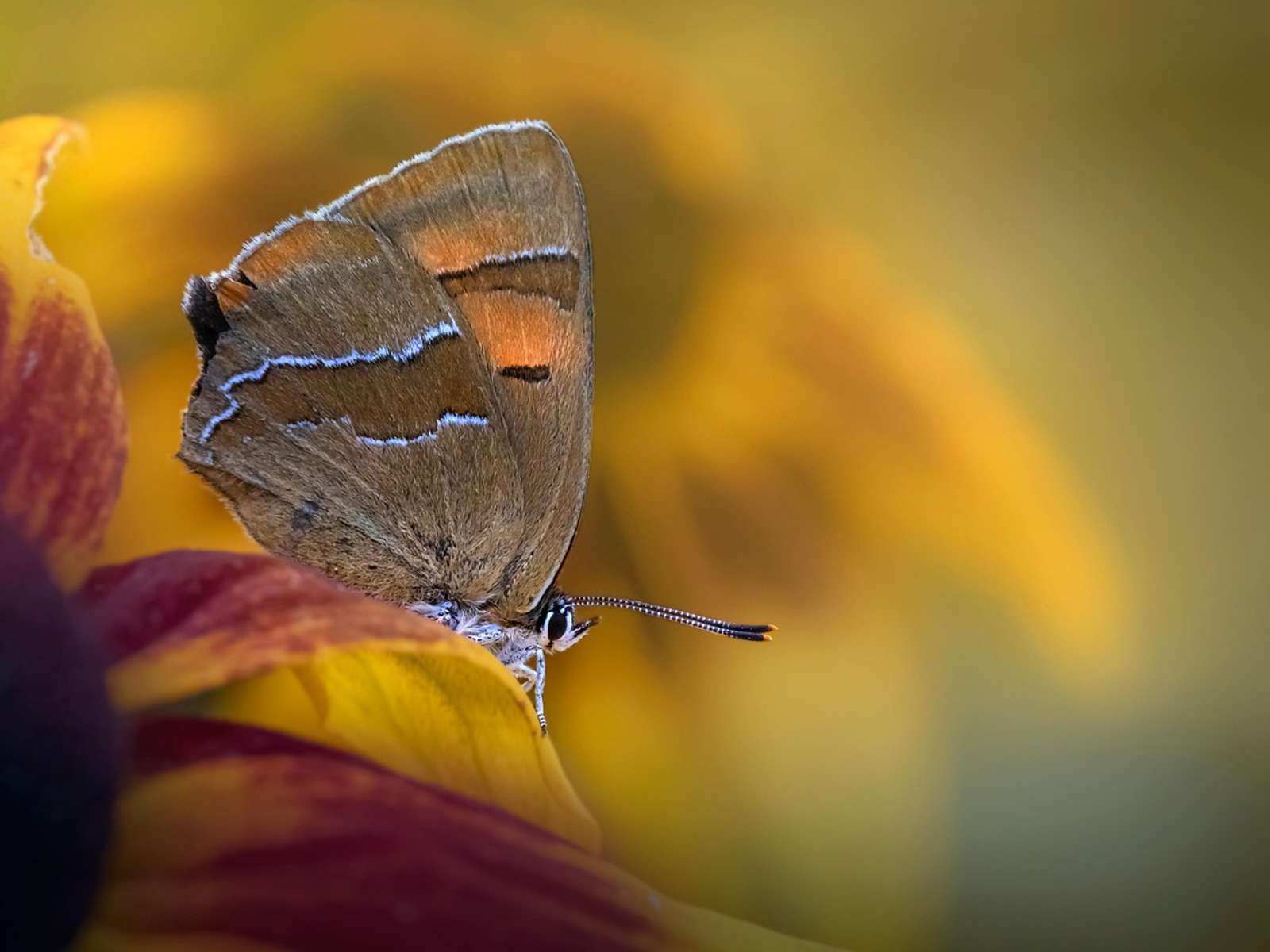
The University of Guelph leads a $2.4 million national project to recover the mottled duskywing, the frosted elfin, missing from Canada since the 1990s, and the curiously isolated hairstreak, known from one site in Alberta.
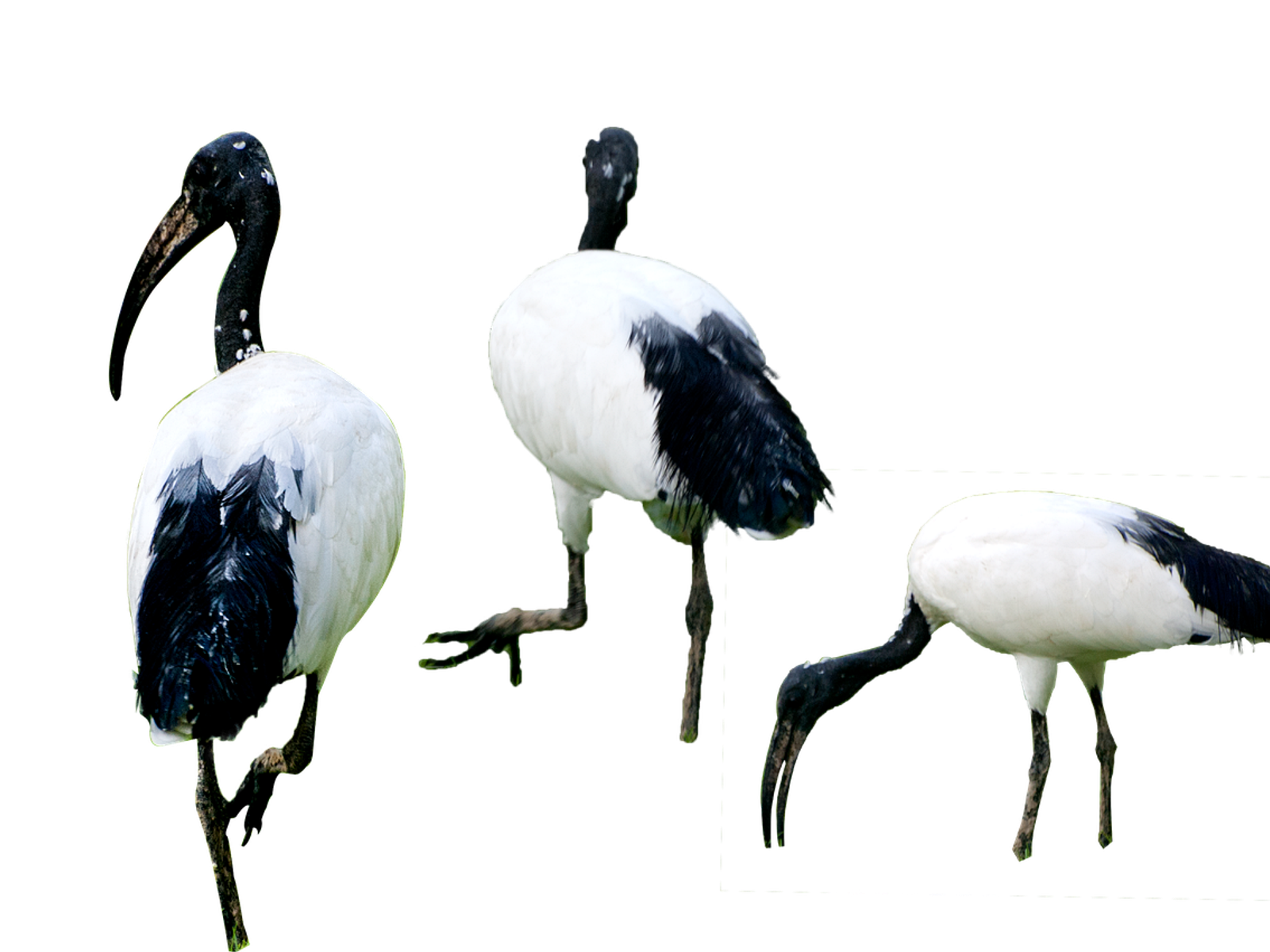
For the first time, all three breeding pairs of endangered Madagascar sacred ibises at Houston Zoo raised their own chicks. The four chicks outnumber all those produced in previous years combined by the AZA population.
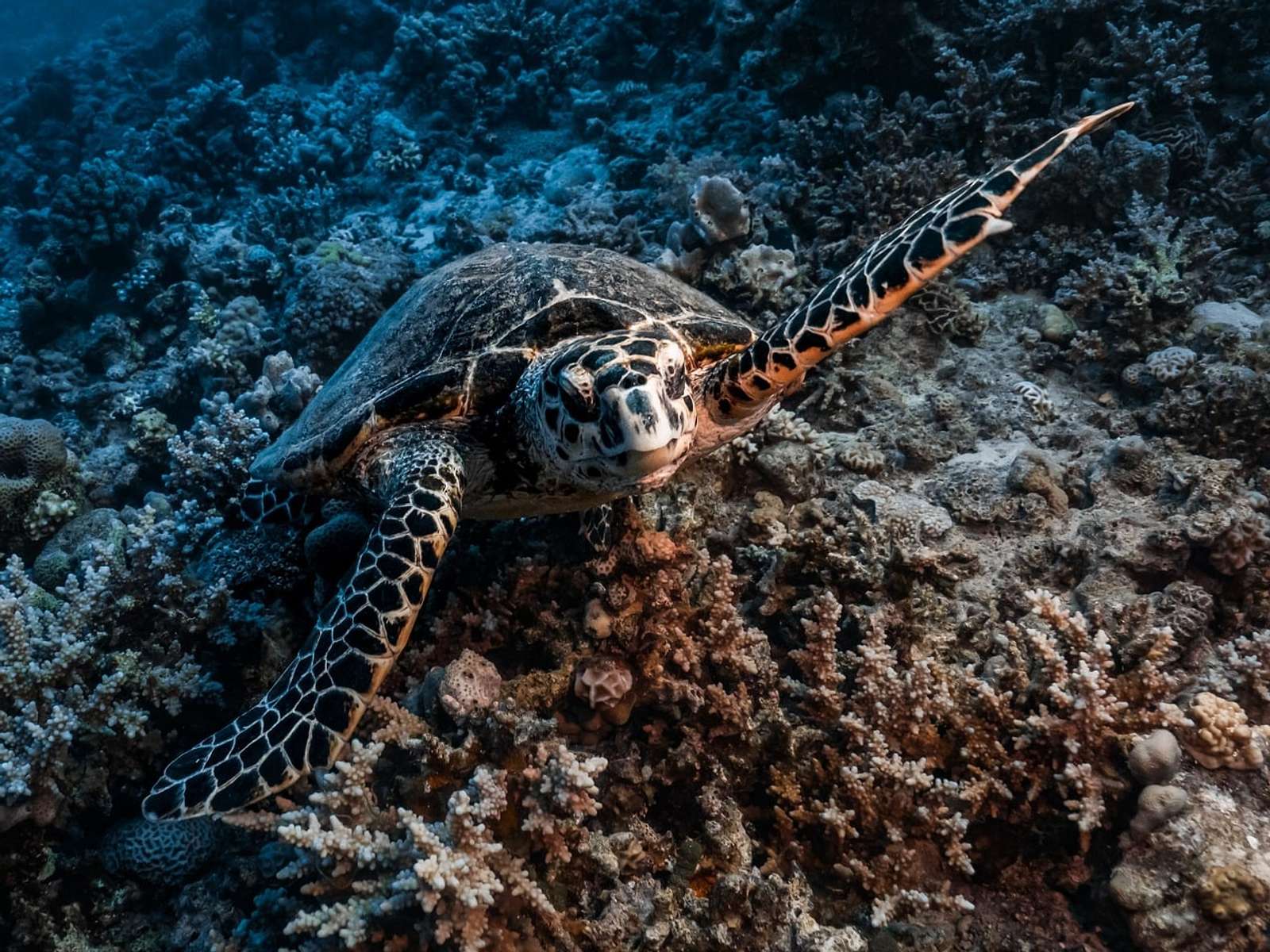
The National Aquarium Abu Dhabi and the Environment Agency – Abu Dhabi released 43 rehabilitated sea turtles at Saadiyat Beach: 28 green turtles and 15 hawksbills, among them 10 hatchlings. Their program has now released more than 1,800.
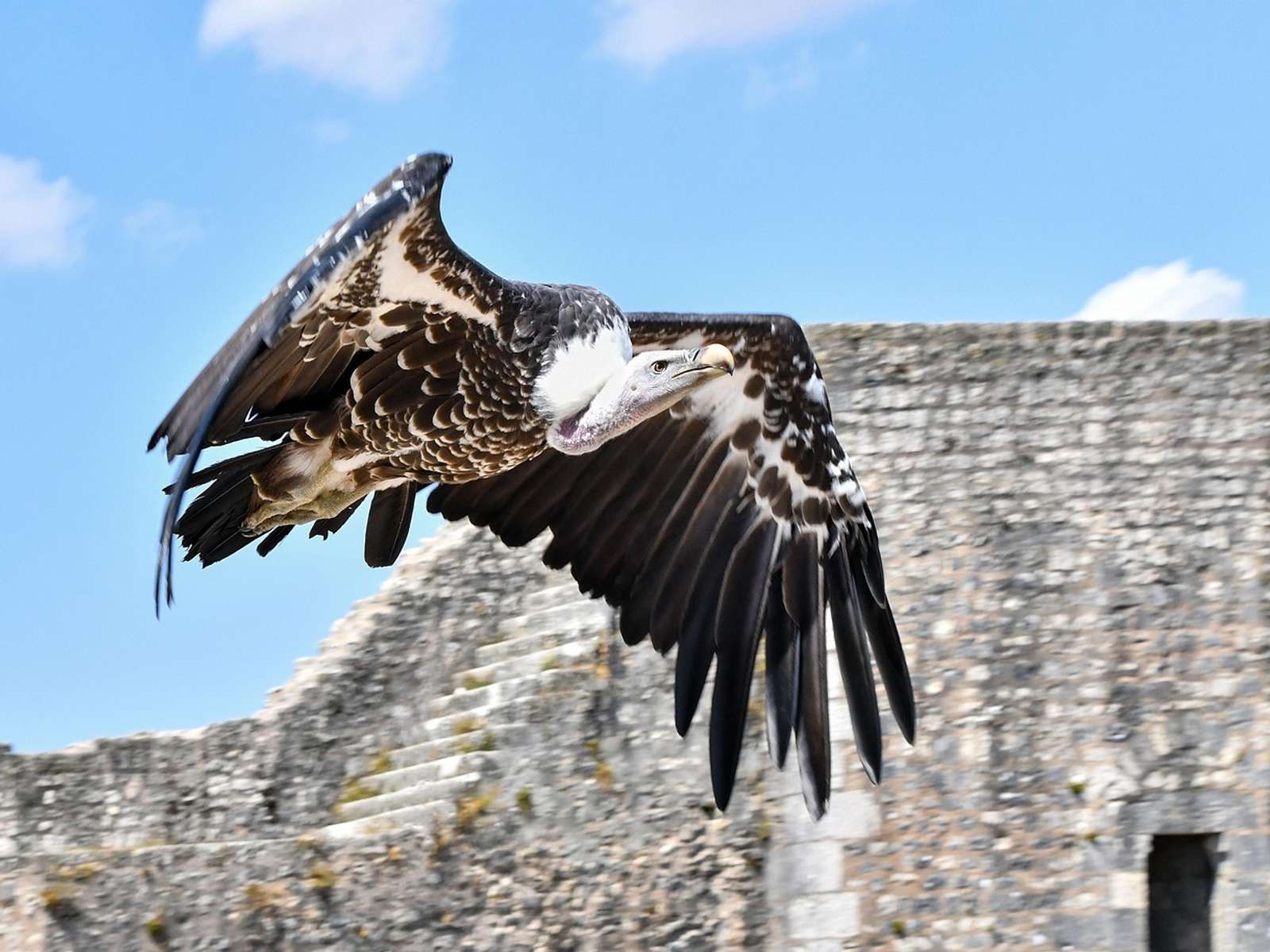
A Vulture Conservation Foundation study under BalkanDetox LIFE found the average number of vultures recorded as poisoned each year fell from 22 to about 8. But poisoning rose again in 2025, and offenders are rarely punished.

A young male Sumatran orangutan rescued from an apartment near Mumbai in 2024 has been flown home to Indonesia. Renamed Heera, he will go through quarantine and rehabilitation at the Sumatran Rescue Alliance in North Sumatra.
Rescue records from Alobi Wildlife Rescue Center show more than 90 Bangka slow lorises were rescued on Indonesia's Bangka Island between 2015 and 2025, proving a species missing from the scientific record since the 1930s survives.
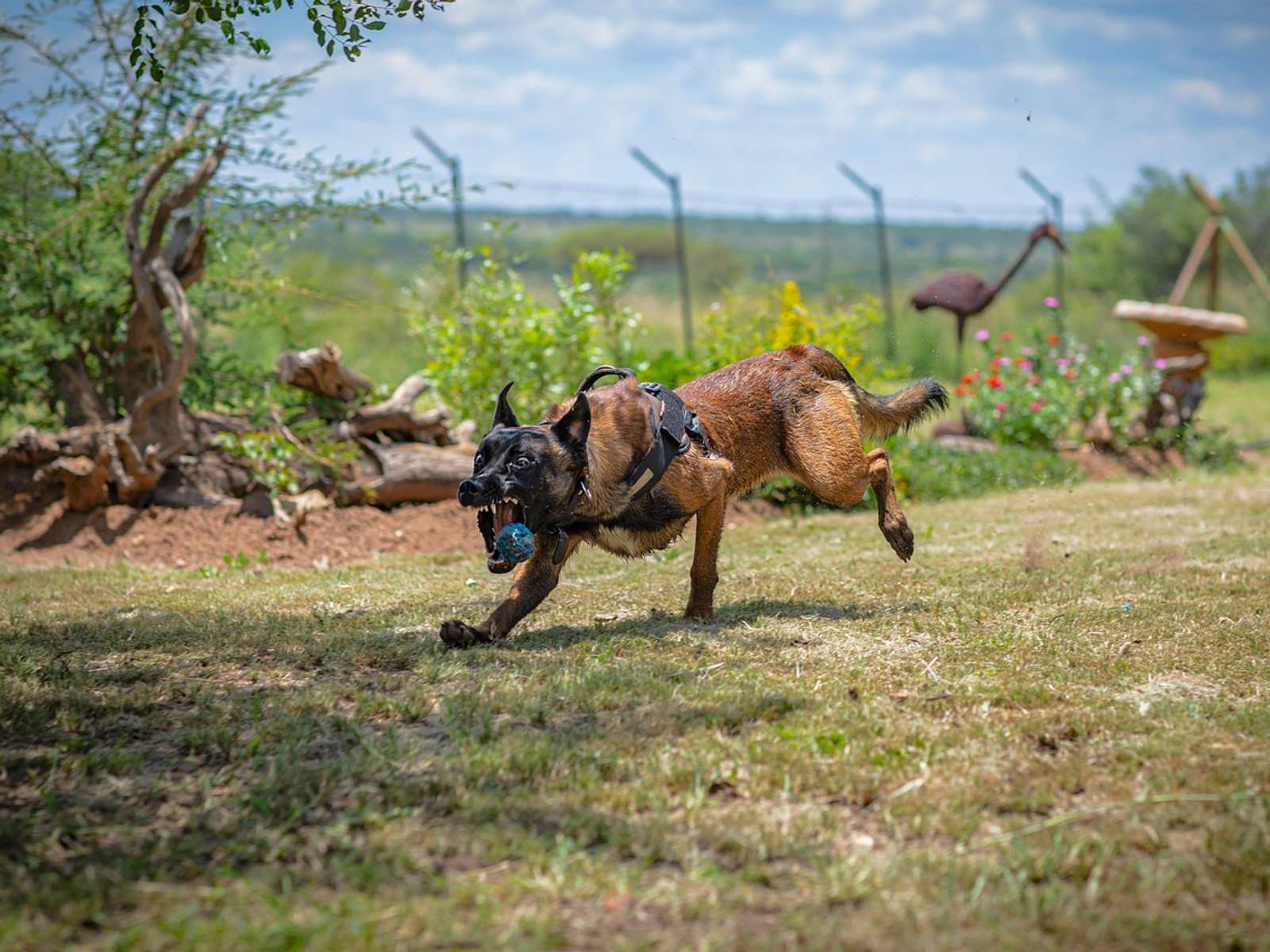
Jasper, a two-year-old Belgian Malinois, has graduated into the IFAW-JAAN anti-poaching dog unit at Ujung Kulon National Park in Indonesia, the last home of the Javan rhino. In his final test he found two snares and illegal fishers.
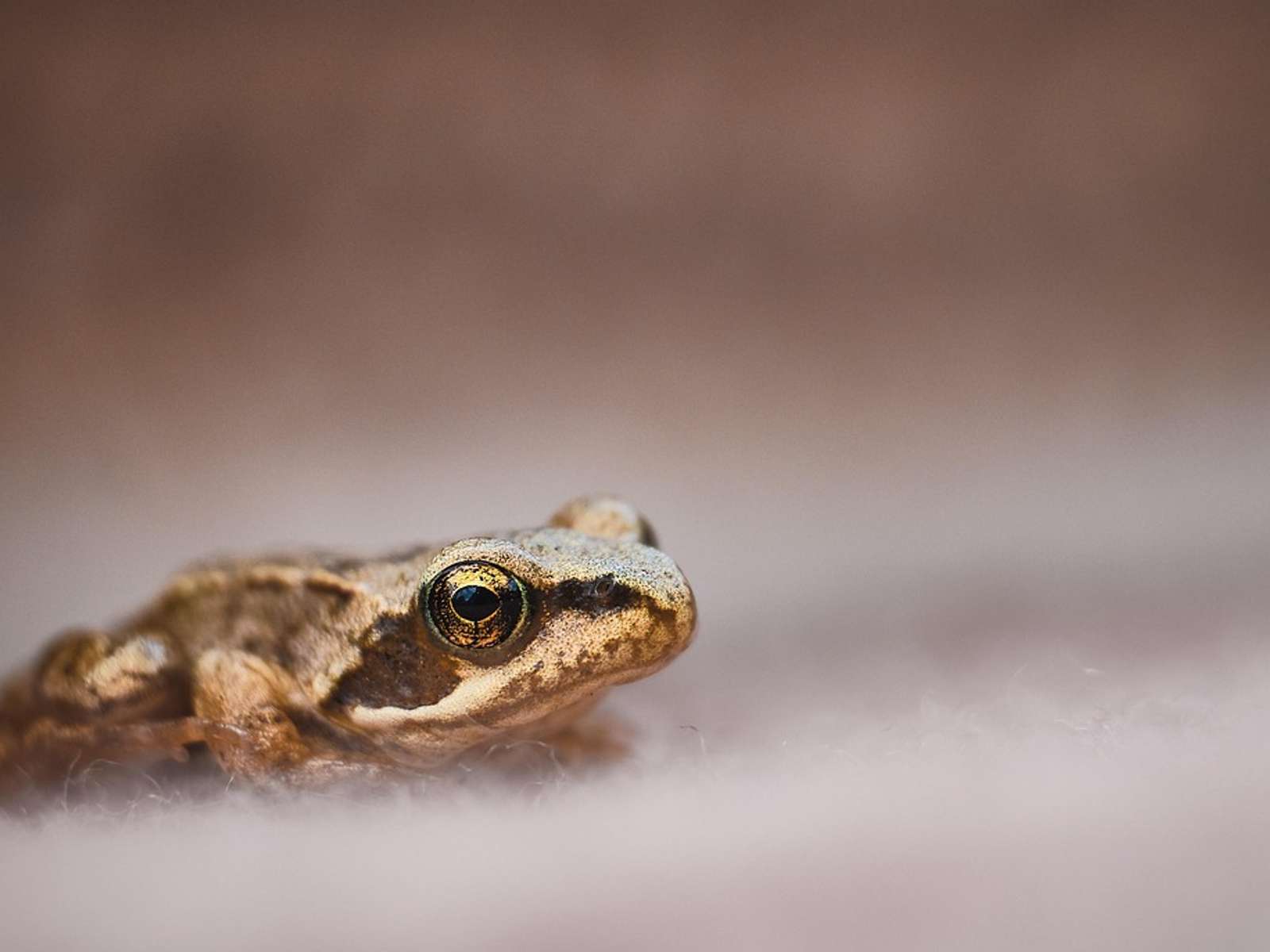
Fifteen Afia Birago's puddle frogs, a Critically Endangered species known from just two pools in Ghana's Atewa Hills, have hatched at London Zoo. They are the first of their species bred under human care anywhere.
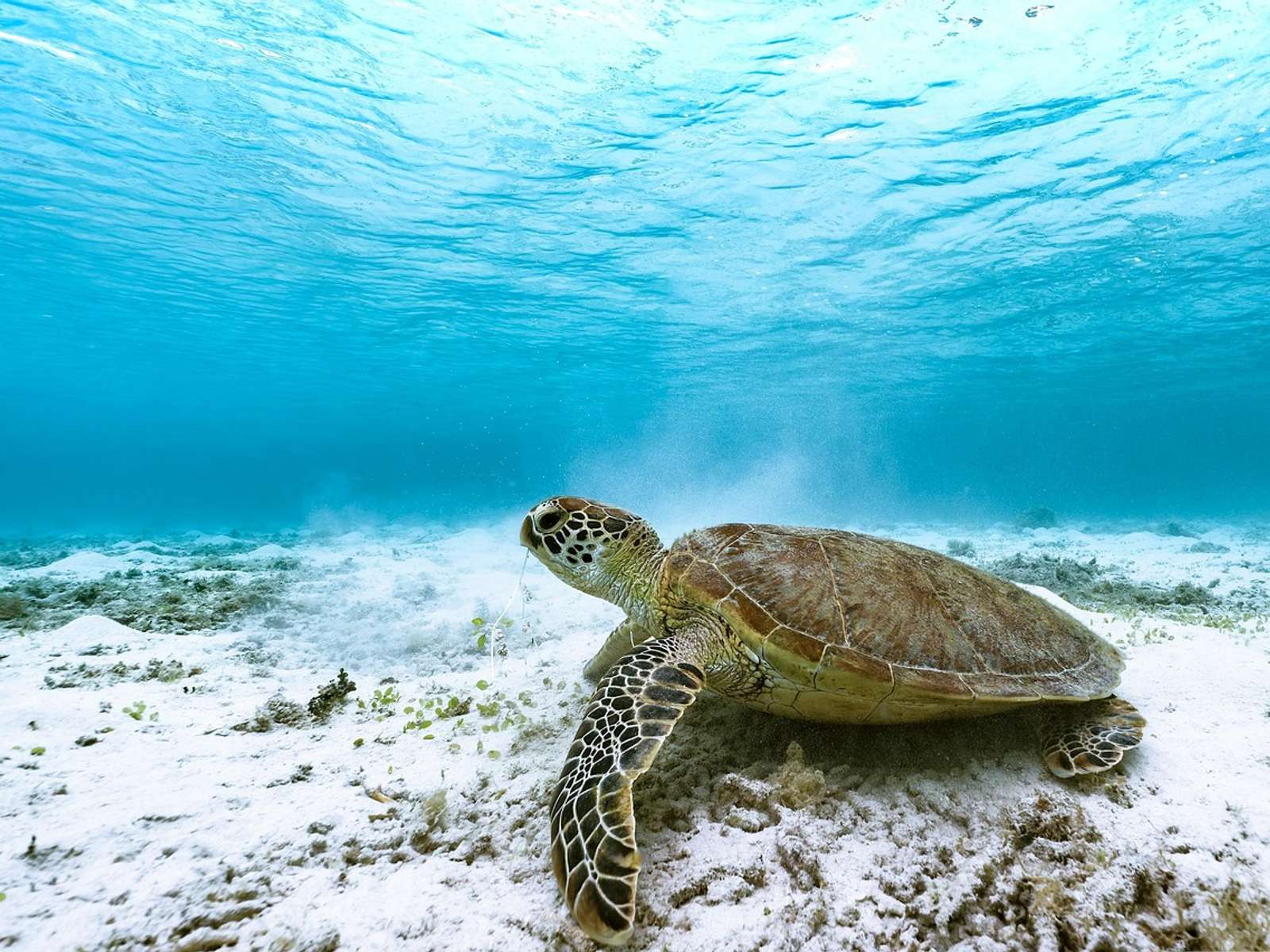
Fishermen reported an unmanned boat off Serangan Beach in Bali carrying 22 live green turtles. After vet checks, Indonesia's marine ministry released 20 of them on 13 October; two are still being treated.
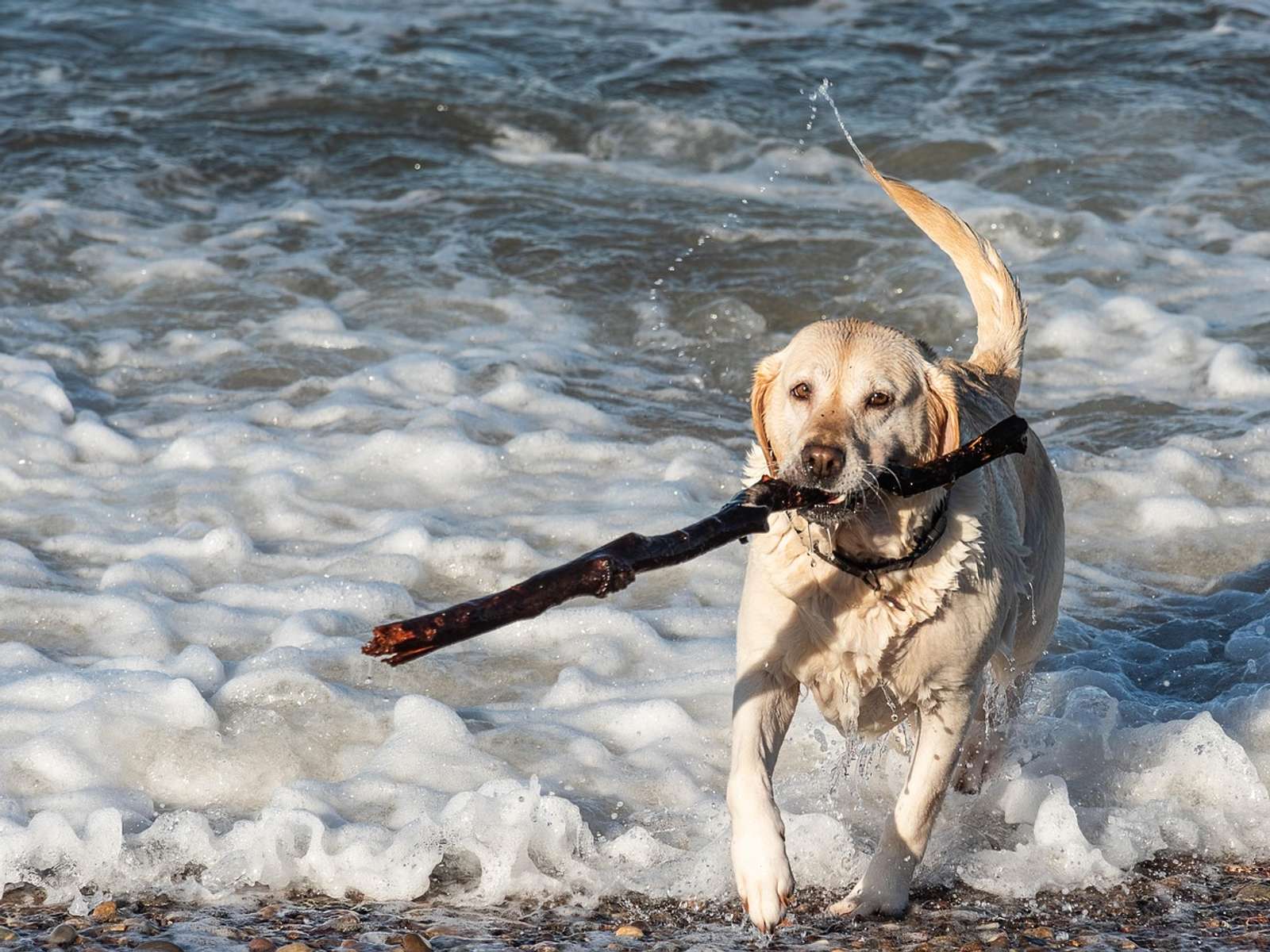
Sgiath, a Scottish labrador trained to detect the invasive carpet sea squirt by scent, won Animal of the Year at IFAW's Animal Action Awards 2026 in London, alongside six people honored for work on anteaters, lions, sharks, wildlife crime and rescue.
San Diego Zoo Wildlife Alliance has established a third reintroduced population of Pacific pocket mice, a thumb-sized rodent rediscovered in 1993. More than 500 have been released since 2006.
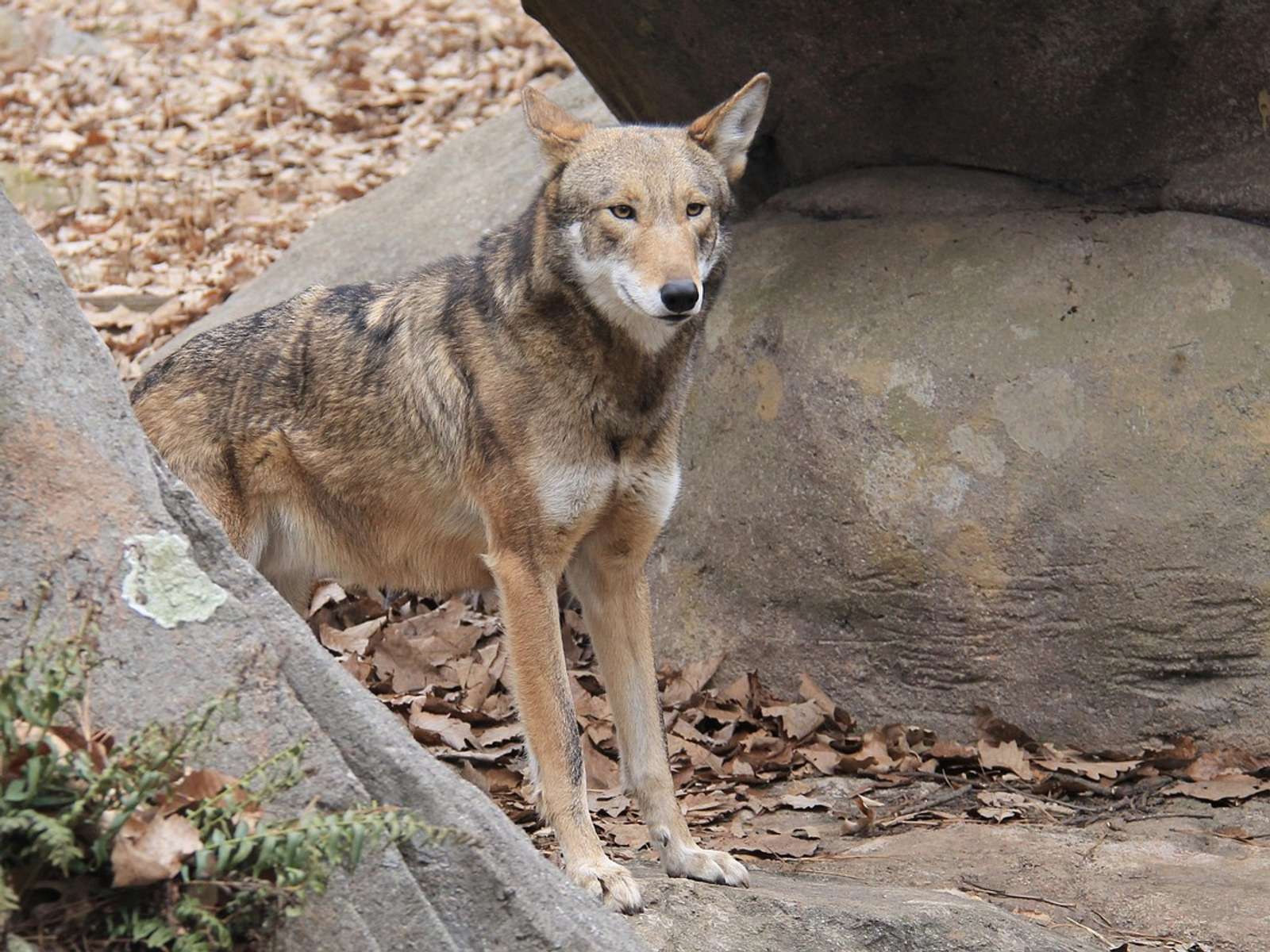
Red wolves Carolina and Jacques and their five pups moved from Durham's Museum of Life and Science to the Wolf Conservation Center in New York, in an exchange meant to keep the species' small captive population genetically healthy.
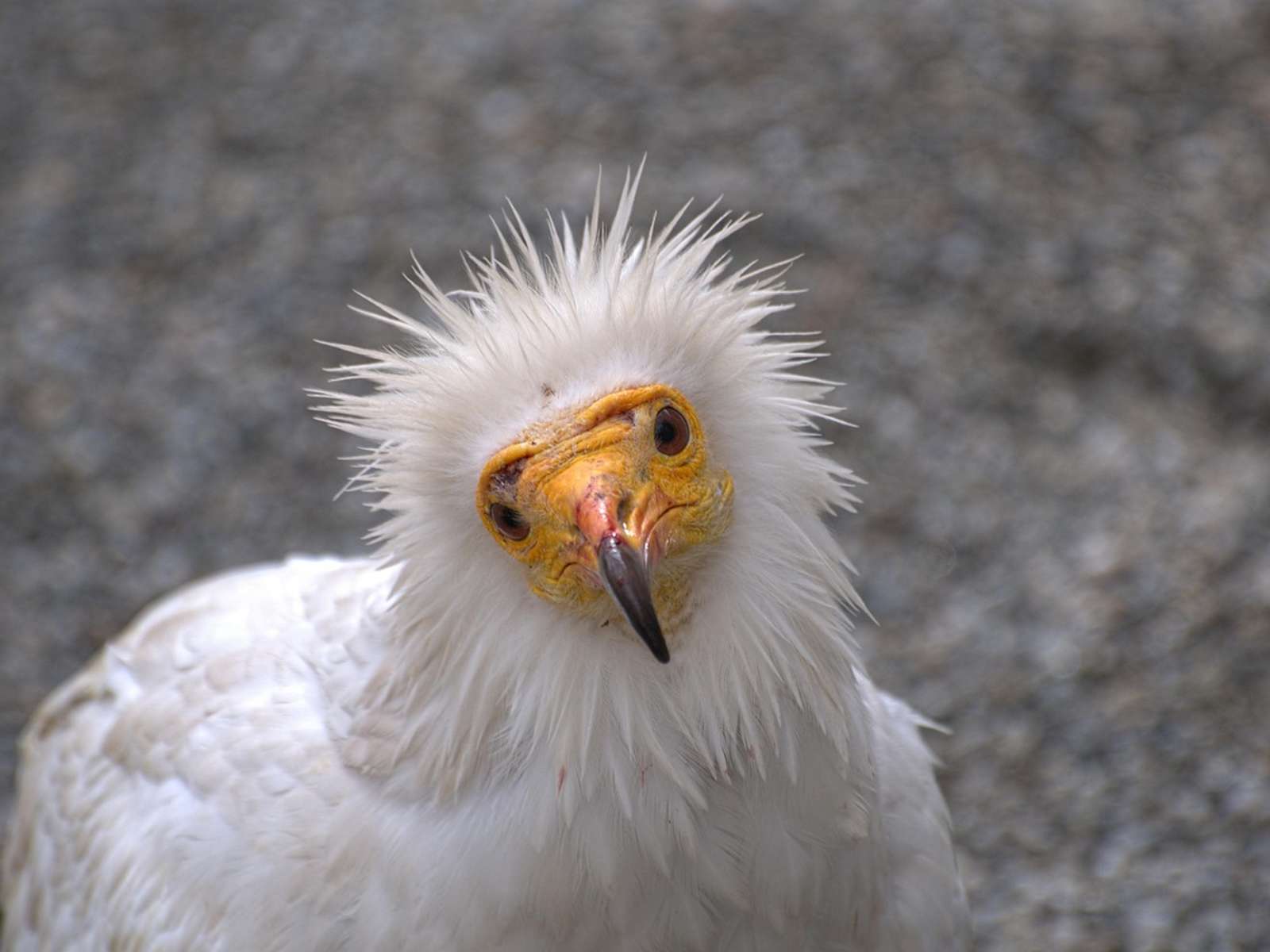
Brok, rescued from a Lebanese farm in 2021, and Qalamoon, found at an illegal wildlife facility, became parents at Prague Zoo when their chick Kali hatched on 12 July. Neither parent can return to the wild, but Kali joins Europe's breeding program.

A WCS-led study used more than 134,000 GPS locations from 99 jaguars to map the corridors that connect their populations across the Americas. It found new pathways, warned that some old ones may be lost, and showed many lie outside protected areas.
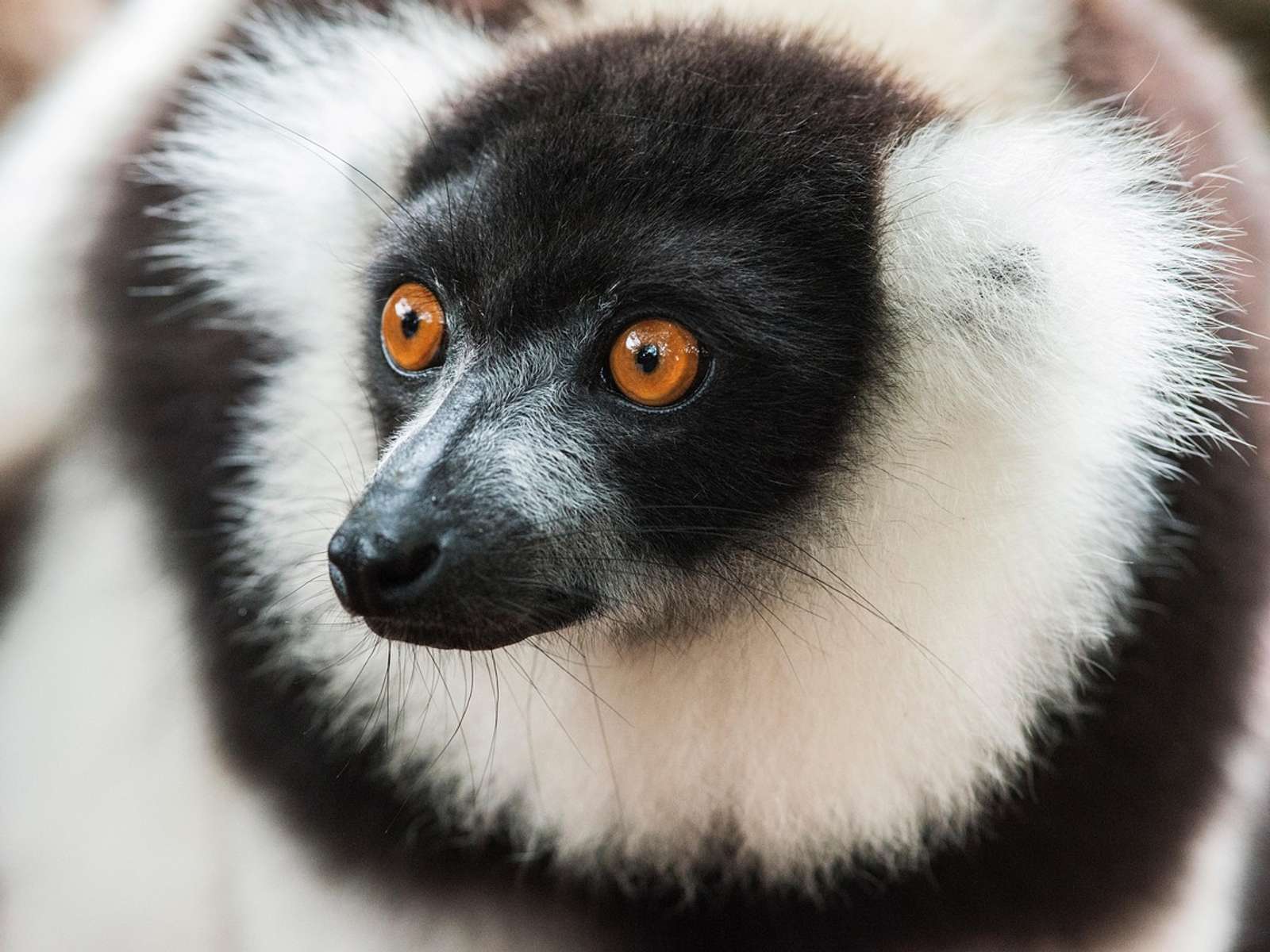
Nine private funders, including the Bezos Earth Fund, Rainforest Trust and Re:wild, launched the Species Recovery Alliance at the UN biodiversity summit with more than $500 million over five years for species listed as endangered or worse.
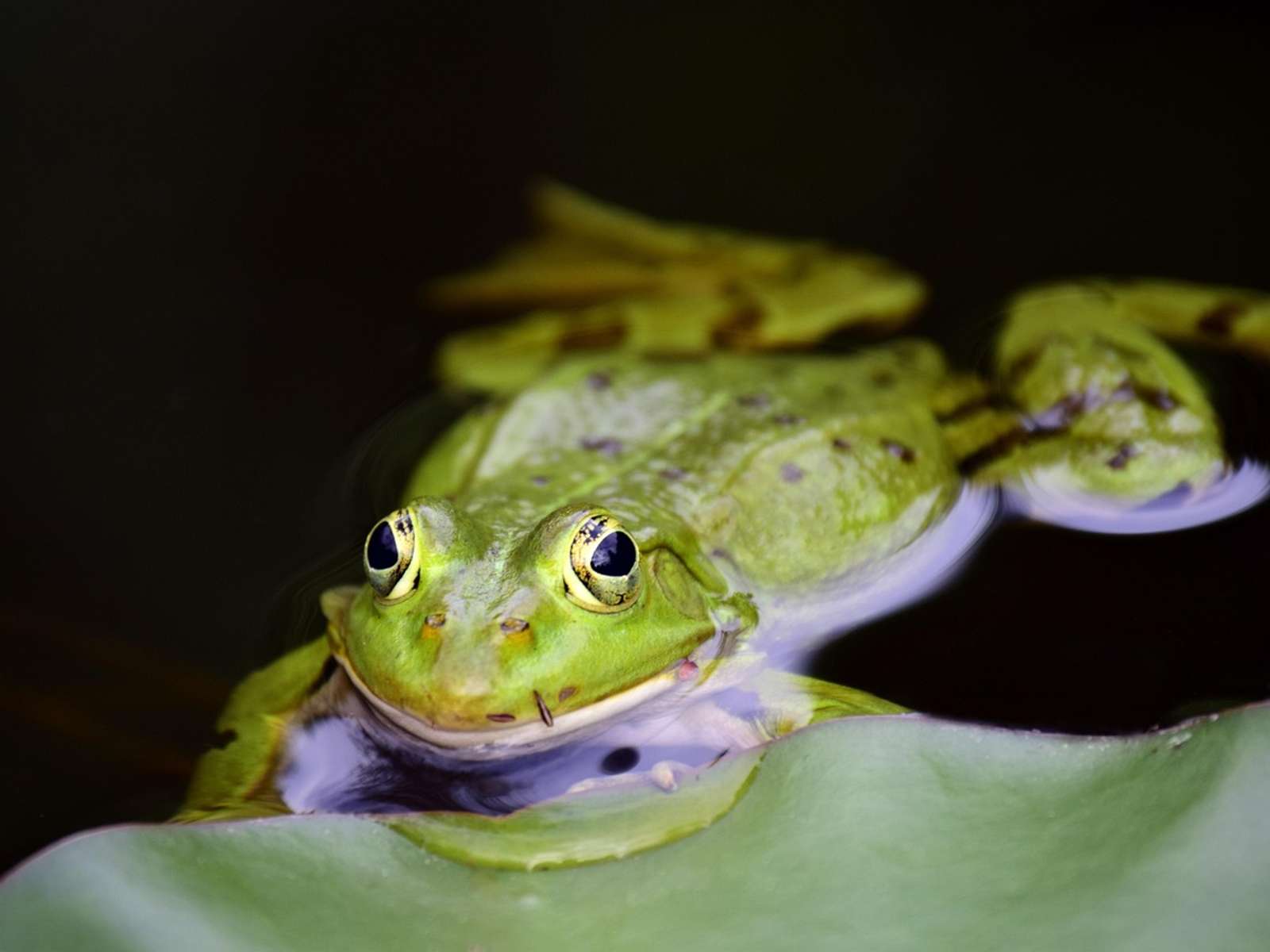
Museum specimens show the chytrid fungus arrived at Brazil's Boracéia station just as frogs vanished in 1979-1982. Today most species there appear to have recovered, Smithsonian and Penn State researchers report, though five have not been found.
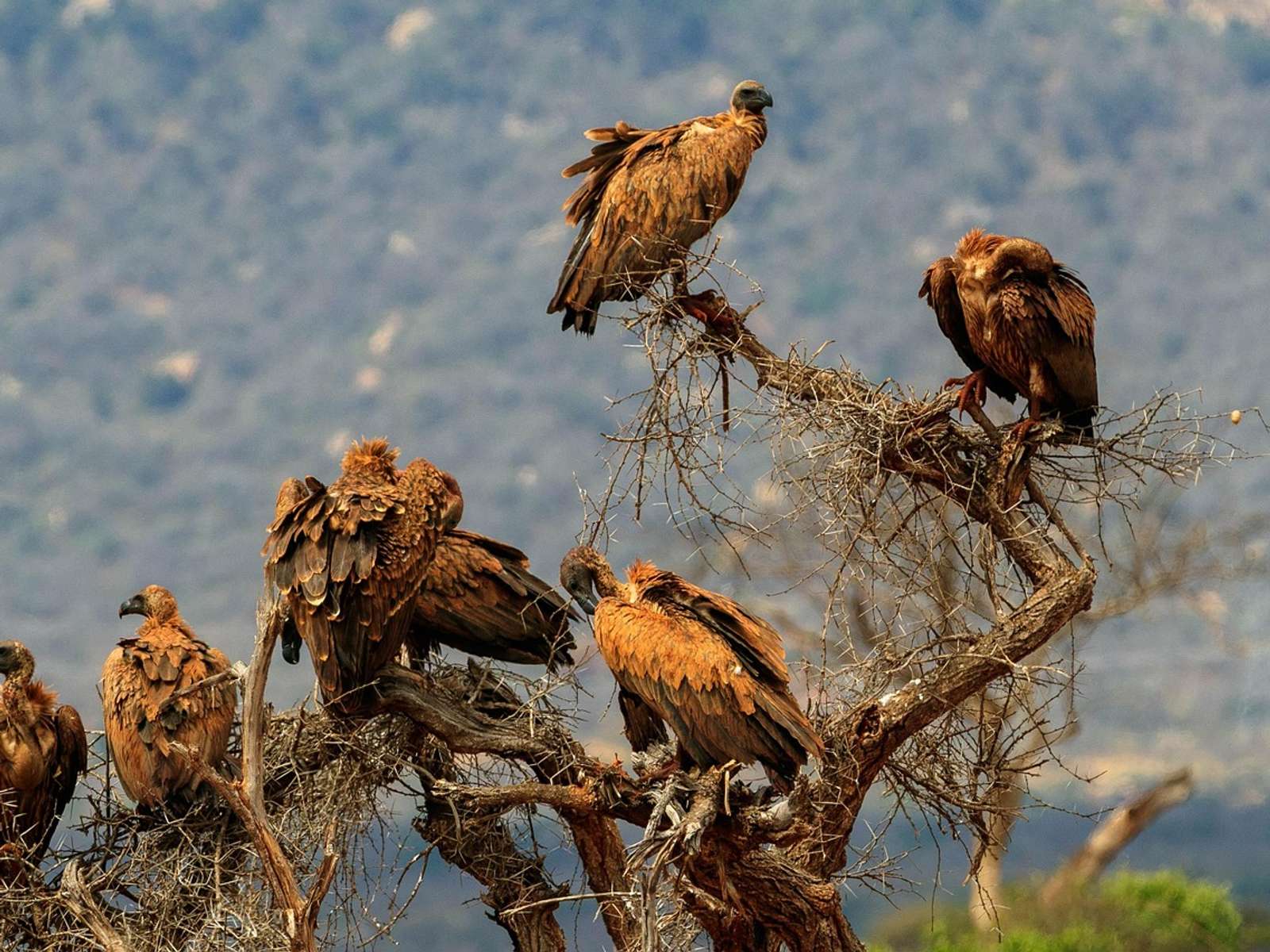
Since 1996, the African Bird Club has given £755,241 in small grants to 383 bird conservation projects in 53 countries and territories, from protecting coastal forest in Kenya to surveying waterbird colonies in Zambia.
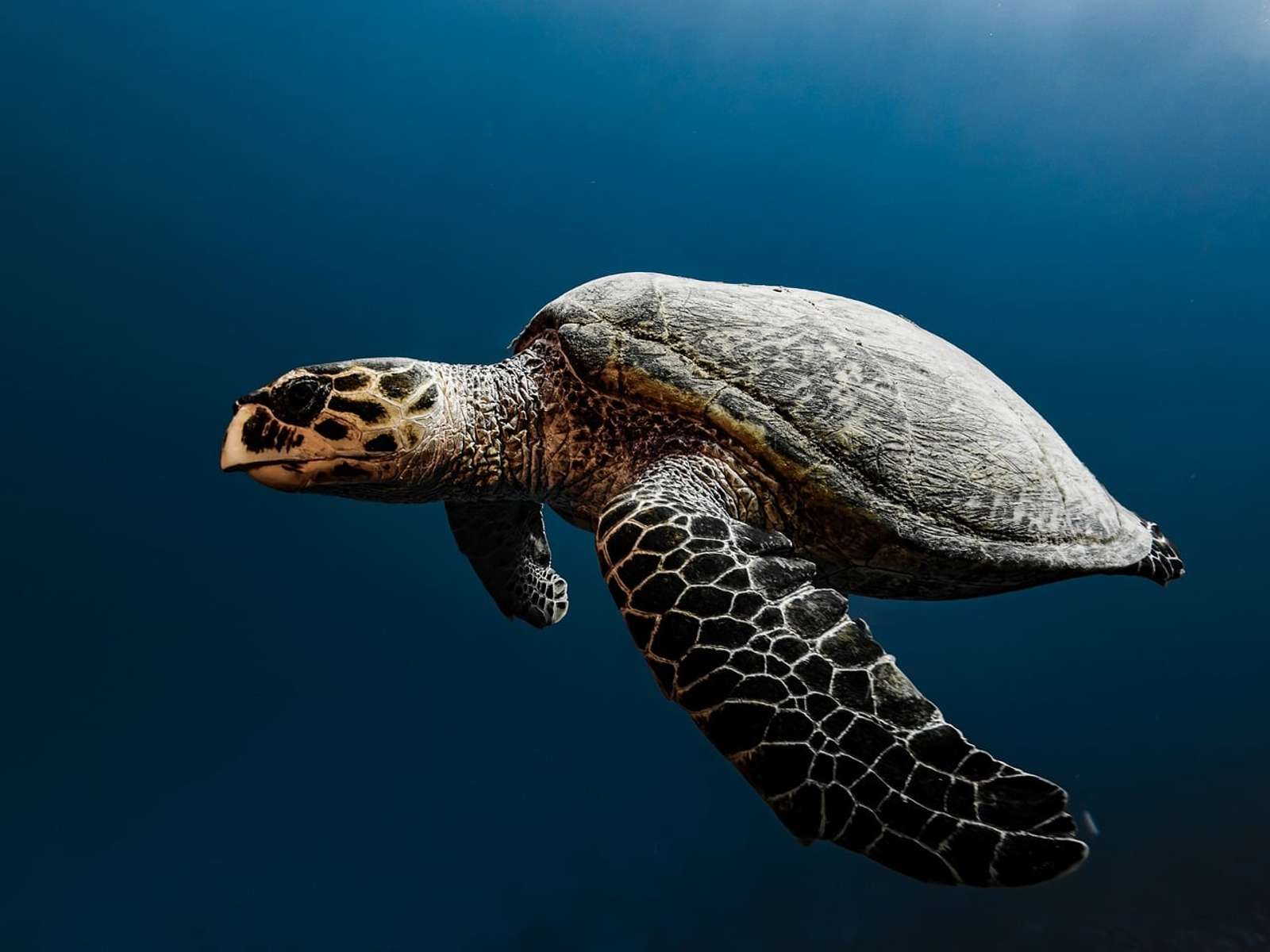
Habanero, an adult male loggerhead rescued in South Africa in February 2025, lost a front flipper to a bone infection. Scans now show him free of infection, and he is training at the Two Oceans Aquarium for his return to the sea.
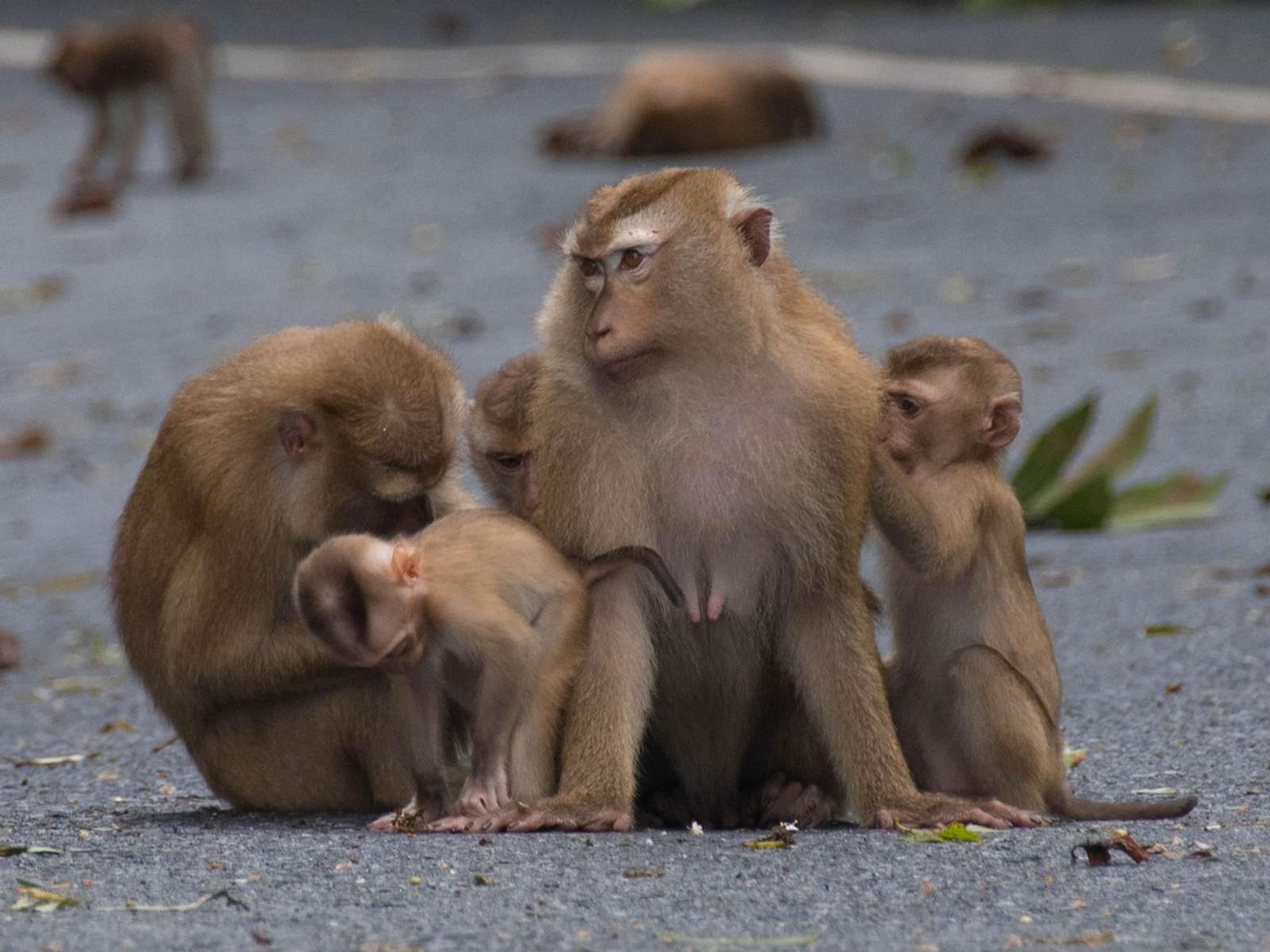
Phong Nha-Ke Bang National Park released 17 rescued animals from seven species, including a Sunda pangolin and three pygmy slow lorises, on 8 October. It was the park's fifth release of 2026, bringing the year's total to 220.
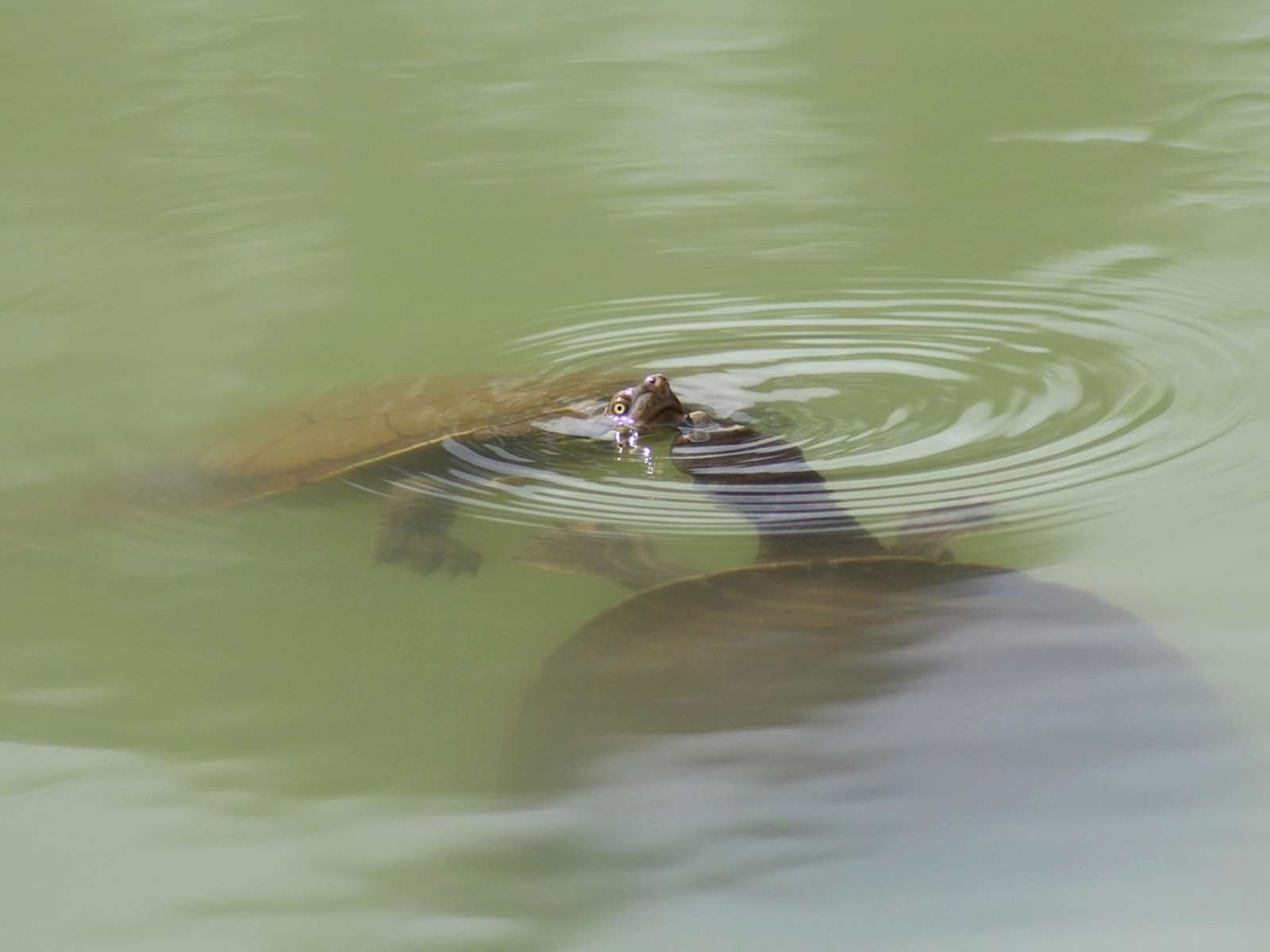
Thirty-nine freshwater turtles pulled from a drying waterhole in the Gwydir wetlands laid more than 250 eggs at Taronga Western Plains Zoo. Thirteen adults are already back in the wild.
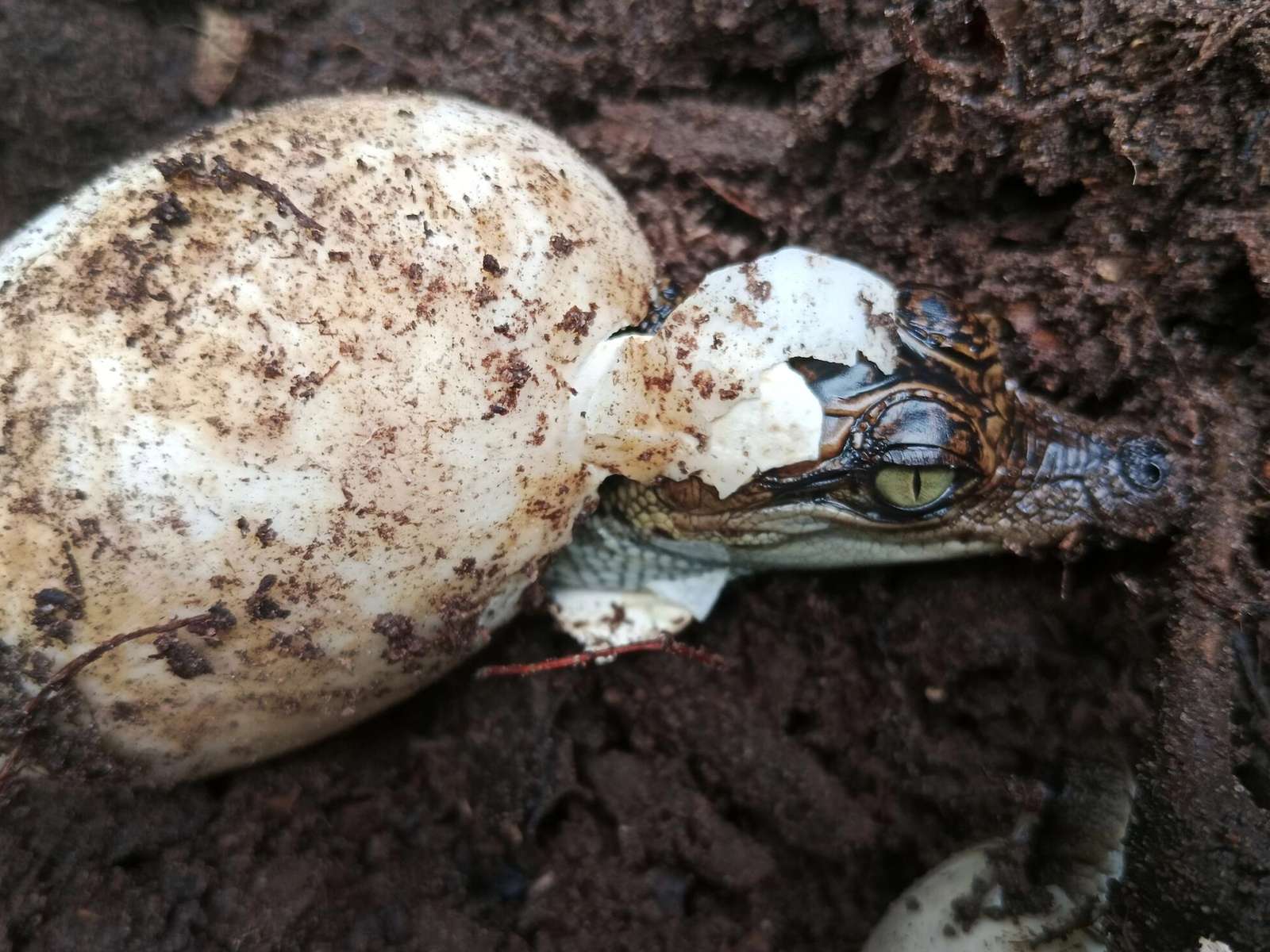
Cambodia has set aside 315 hectares of marsh in the Cardamom Mountains as its first genetic conservation area for an animal species. The site holds more than 40 wild Siamese crocodiles, the largest known wild group.
About our animals coverage
Our animals section covers wildlife and the people working to bring it back: species released into areas they had vanished from, populations counted and recovering, injured animals rescued and returned to the wild, and research that changes how we protect them. Recent stories have followed reintroduced deer in India, vultures tracked along their migration to Africa and bird counts across Europe.
We treat a comeback as news when there is a number behind it, such as a census, a release count or a survival rate, and we name the organization that did the work. When a recovery is fragile, or a rescued animal's future is uncertain, we say so. Captive births are reported with their place in a breeding program, not as a stand-in for wild recovery.