Rediscovered species, rescued animals and threats pushed back: verified stories about wildlife on the IUCN Red List and the people keeping it alive.
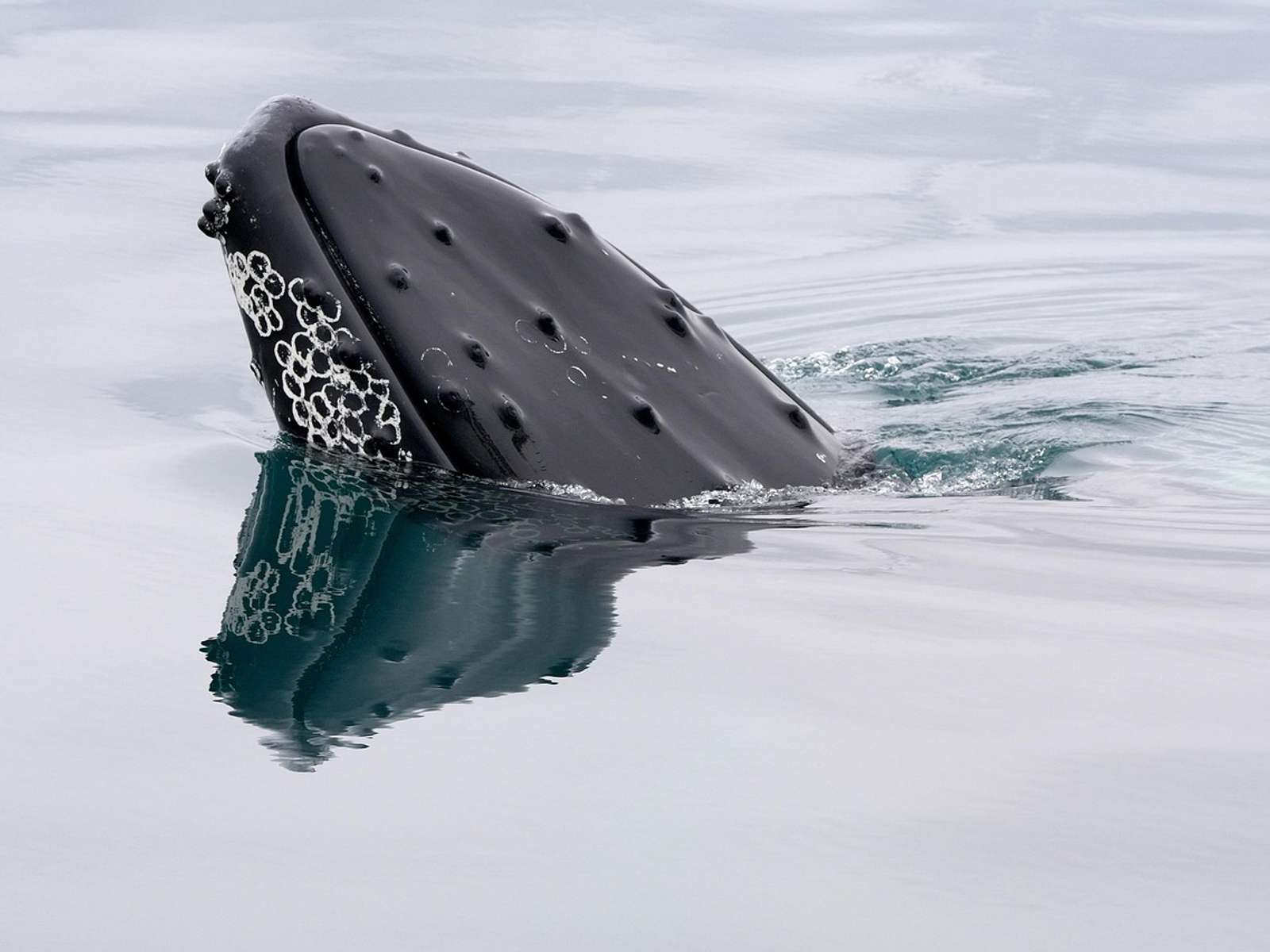
Researchers photographed a right whale mother and an unknown calf near Anticosti Island, Quebec, on 25 September. The New England Aquarium says it is likely the 24th calf of the 2025-2026 season, for a species of about 380 whales.
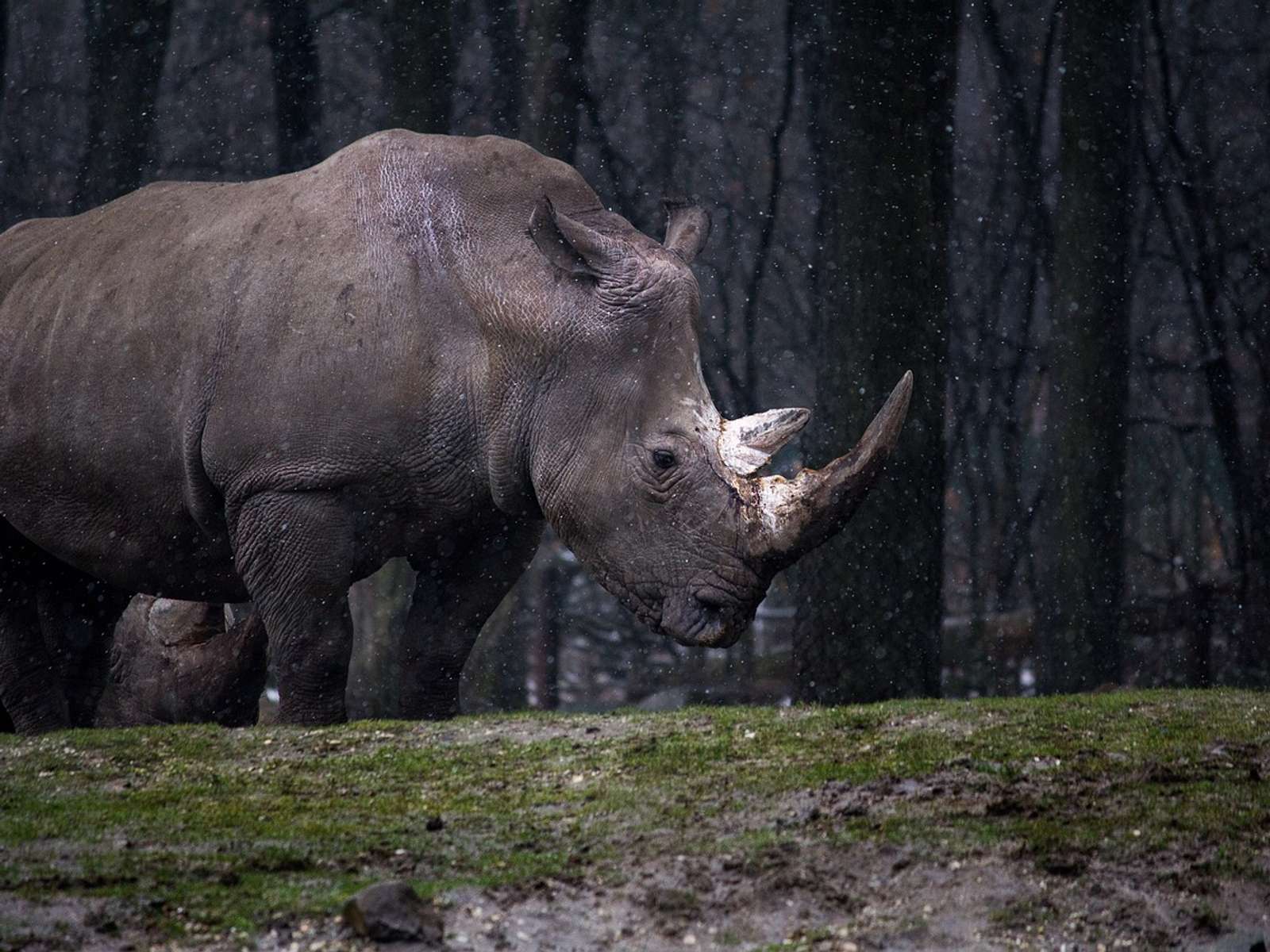
A camera trap in Indonesia's Ujung Kulon National Park recorded a Javan rhino calf about 1 to 2 months old on 10 October. It is the fifth calf of the female Desy, the Ministry of Forestry said. Fewer than 100 Javan rhinos are left.
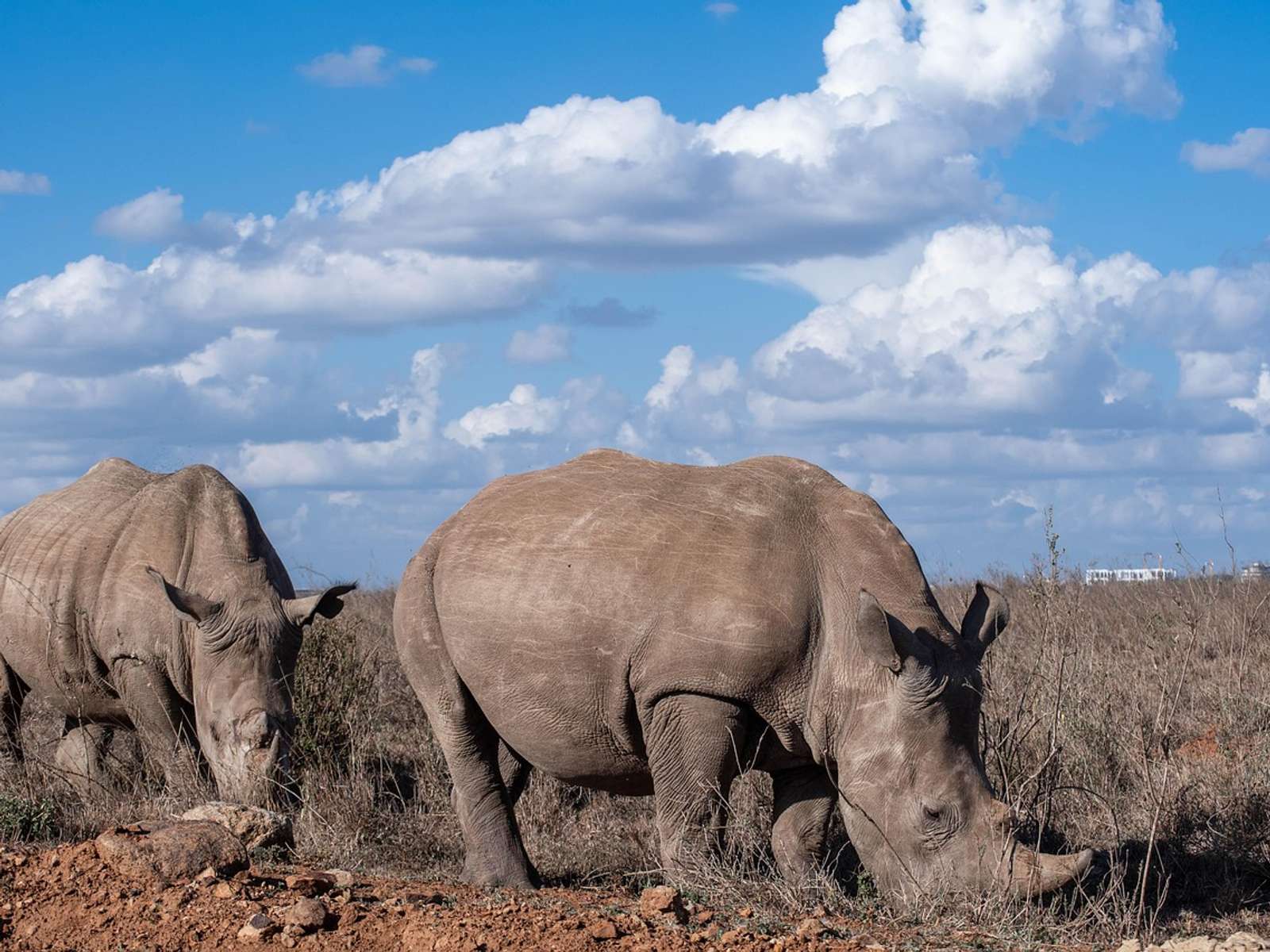
The final fence of the expanded Tsavo West Rhino Sanctuary came down in September, opening about 3,200 square kilometers to black rhinos, roughly 30 times more space, the Kenya Rhino Range Expansion initiative and San Diego Zoo Wildlife Alliance said.
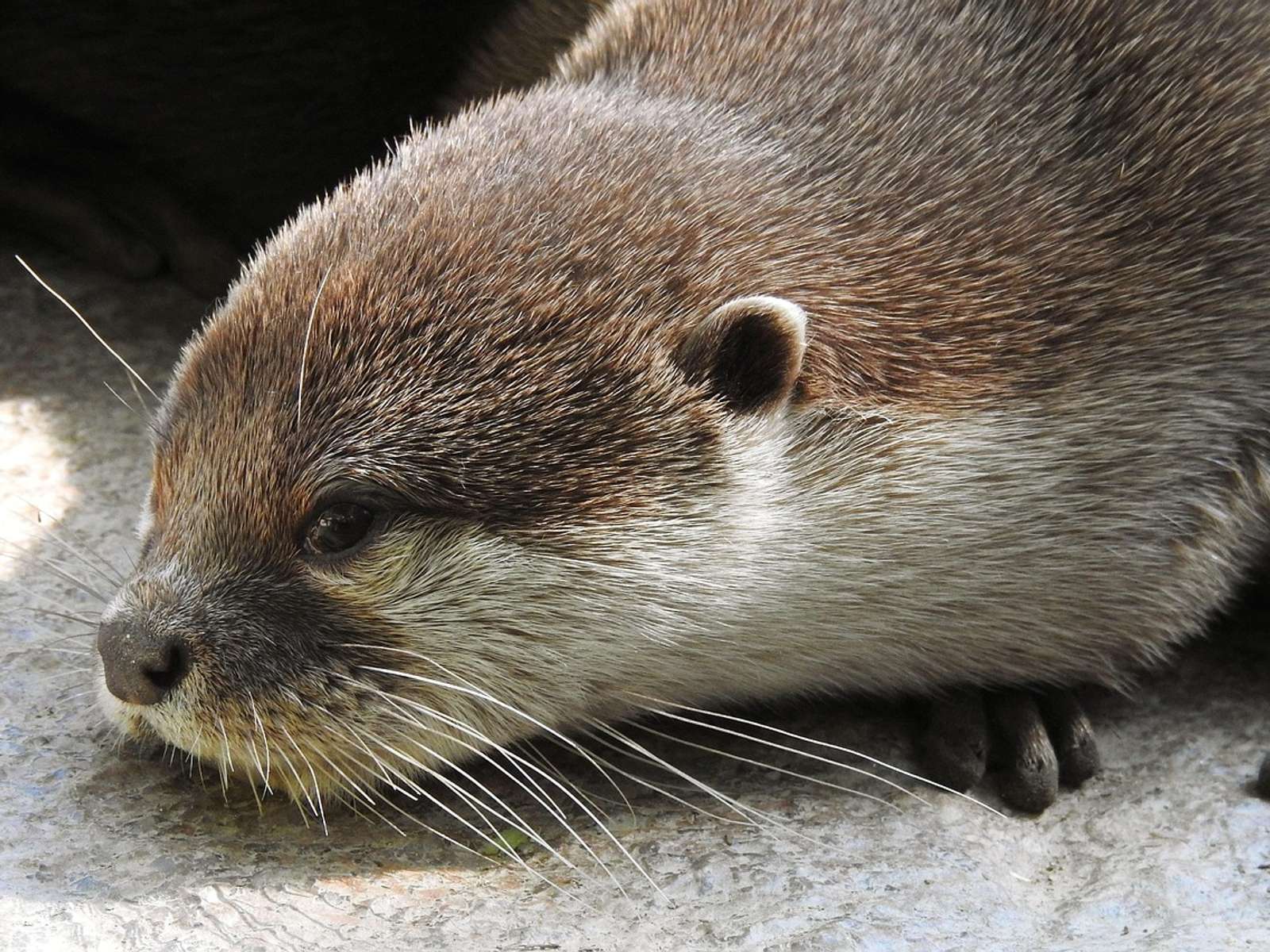
Five Asian small-clawed otter pups, four males and a female, were born on 19 October at the North Carolina Aquarium at Fort Fisher to Milli and Binx. Their older siblings help bring food and build the nest.
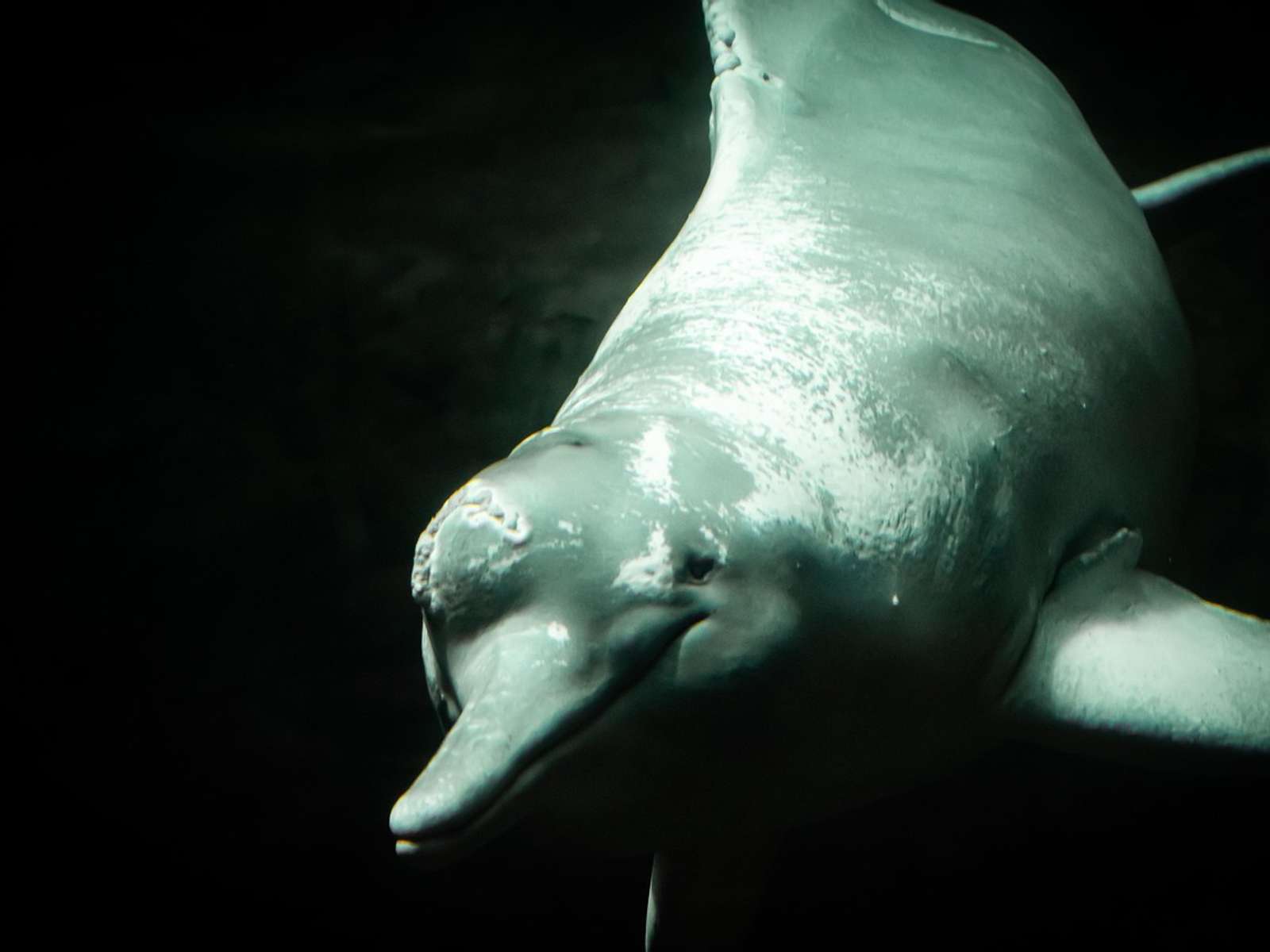
A photo taken during Cobija's first City Nature Challenge led to Bolivia's first documented records of the Amazon river dolphin, Inia geoffrensis, in the Acre River. Fishers supplied two more records, WCS said.
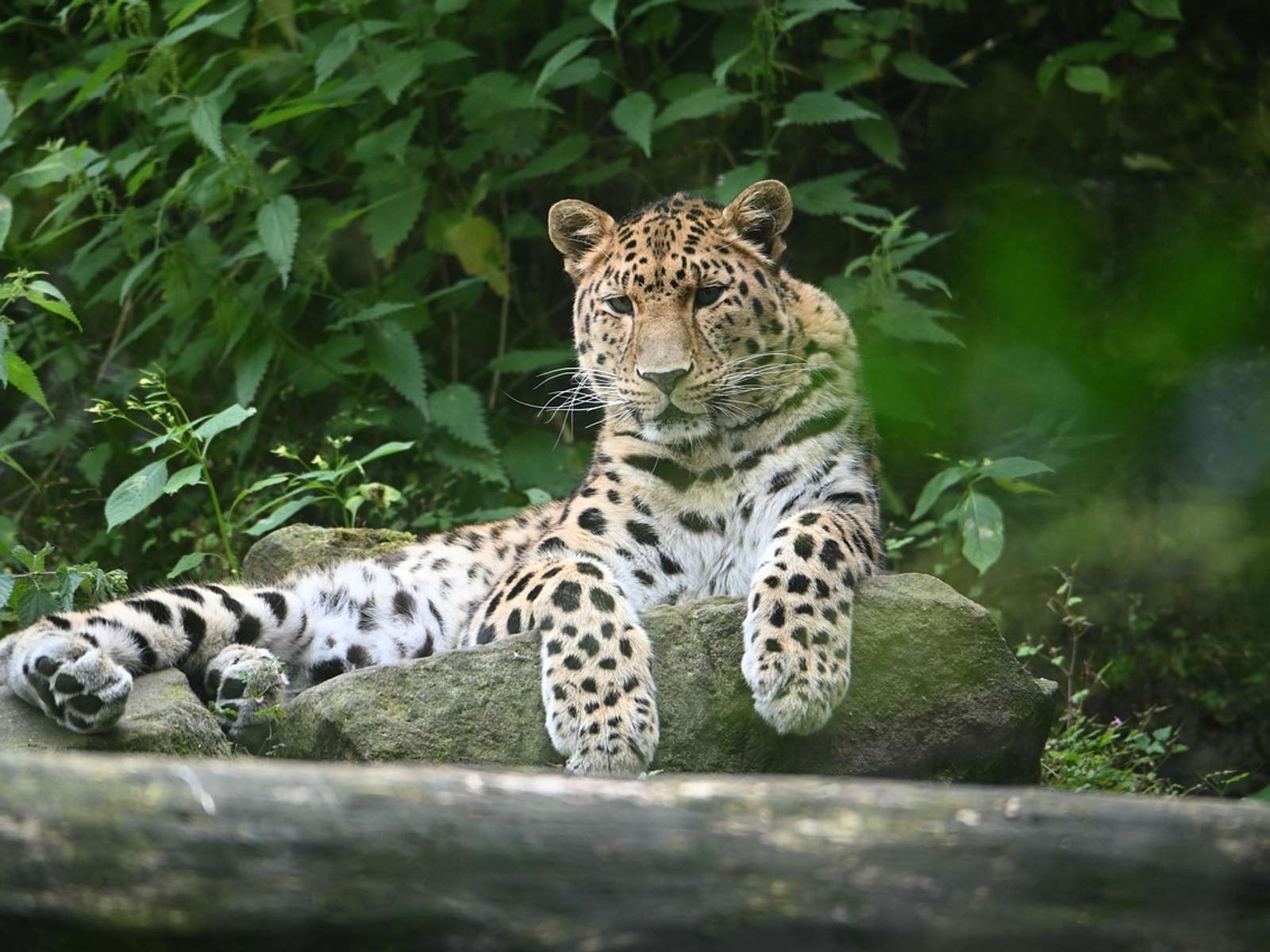
A male Amur leopard cub born on 8 September at Potawatomi Zoo in Indiana is doing well after keepers hand-reared him around the clock when his first-time mother did not feed him. About 100 Amur leopards remain in the wild, the zoo says.
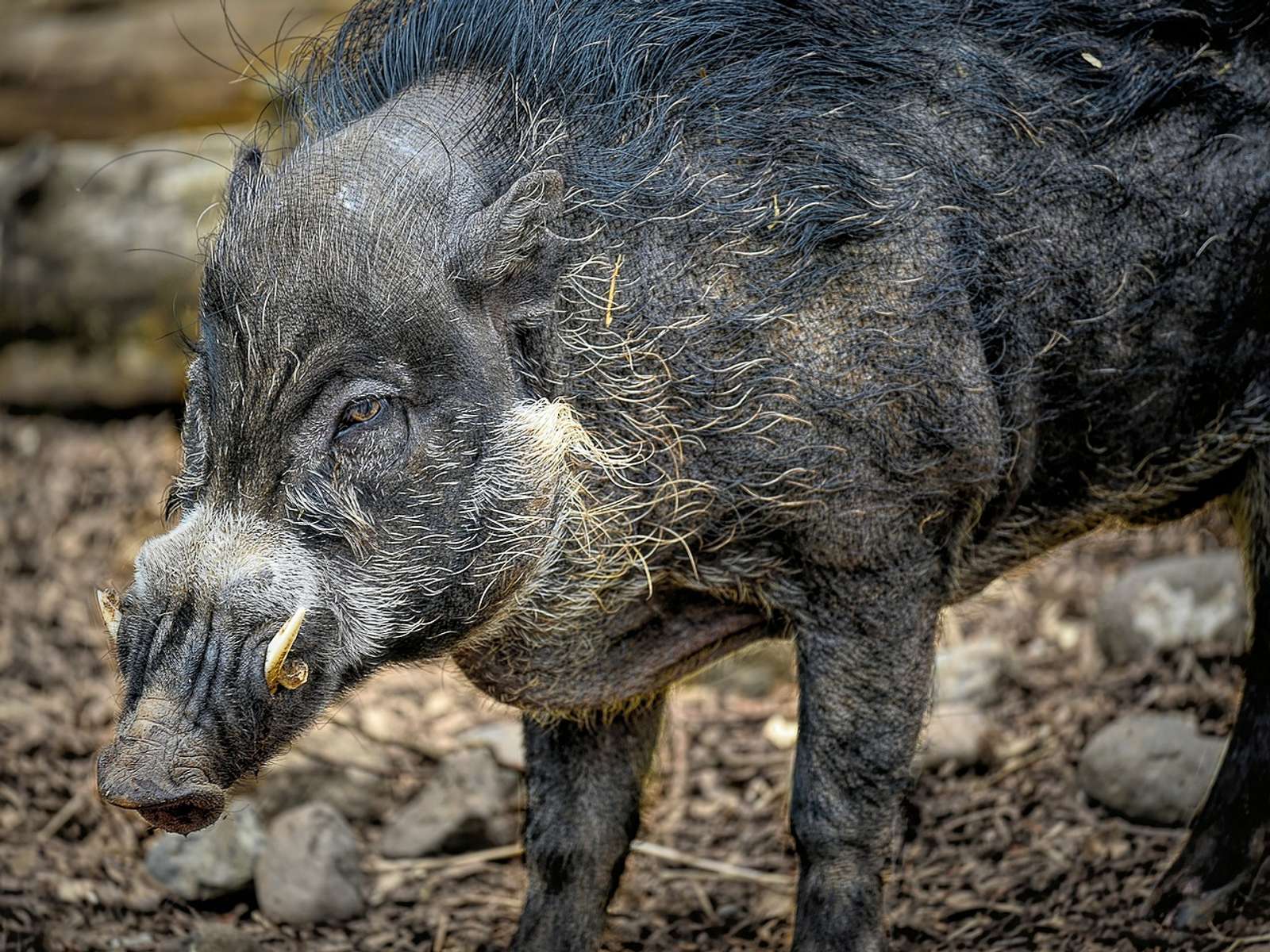
Six critically endangered Visayan warty piglets were born at the North Carolina Zoo in two litters. One litter of four is the largest on record in the species' Species Survival Plan and the first born in the US since 2022.
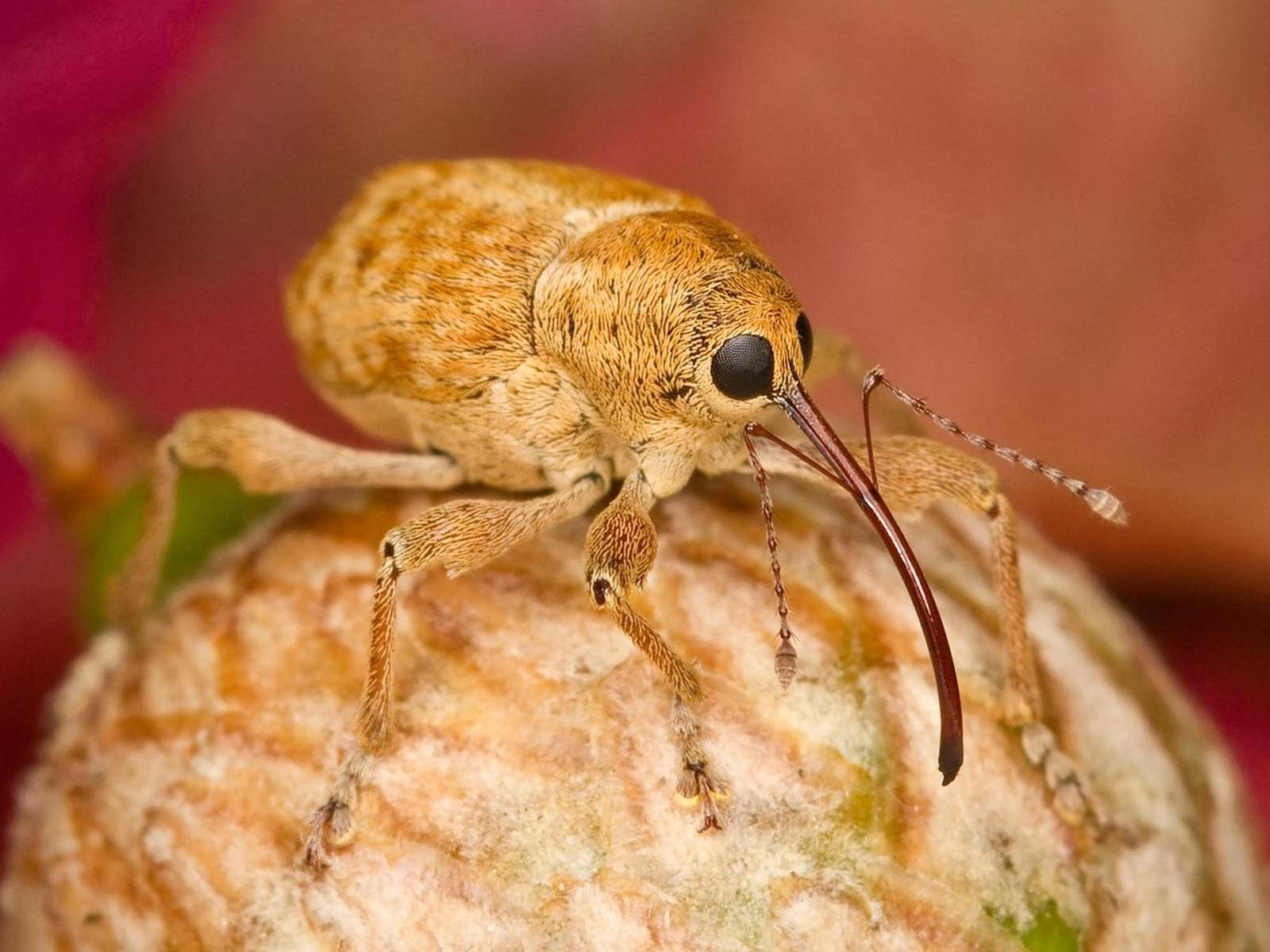
New Zealand's Department of Conservation has released captive-bred Canterbury knobbled weevils near the Ashburton Lakes. The colony grew from six beetles to more than 200; the species was thought extinct until 2004.
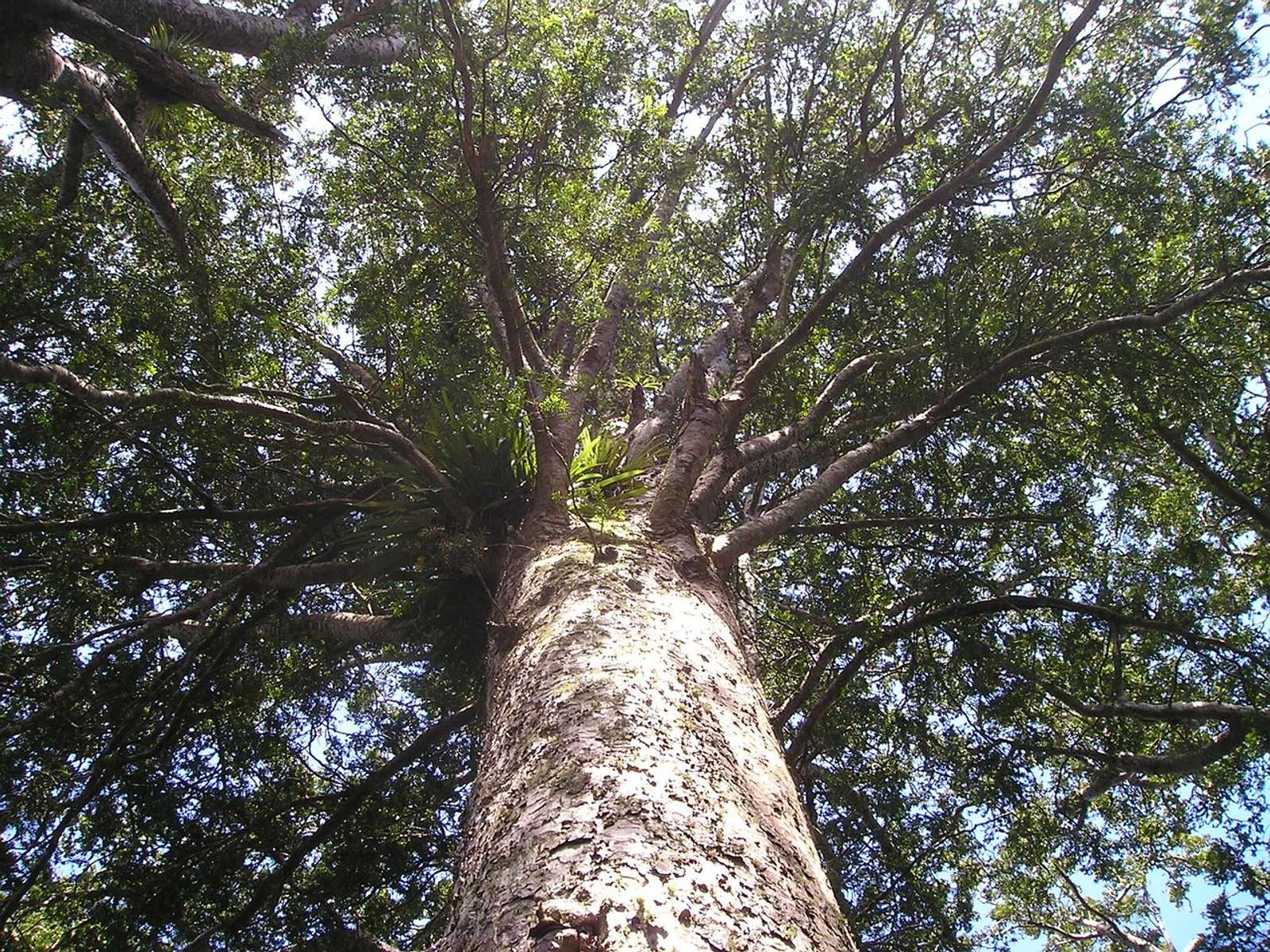
Two juvenile male kākāpō have joined a mainland habitat trial at Sanctuary Mountain Maungatautari, and 122 Mahoenui giant wētā were released there. The kākāpō population reached 325 after a record breeding season.

Entomologist Christopher Heckscher of Delaware State University found the similar firefly, Pyractomena similis, in Brandywine Creek State Park, the first documented record since 1983. A new review lists 28 lost firefly species in the US and Canada.
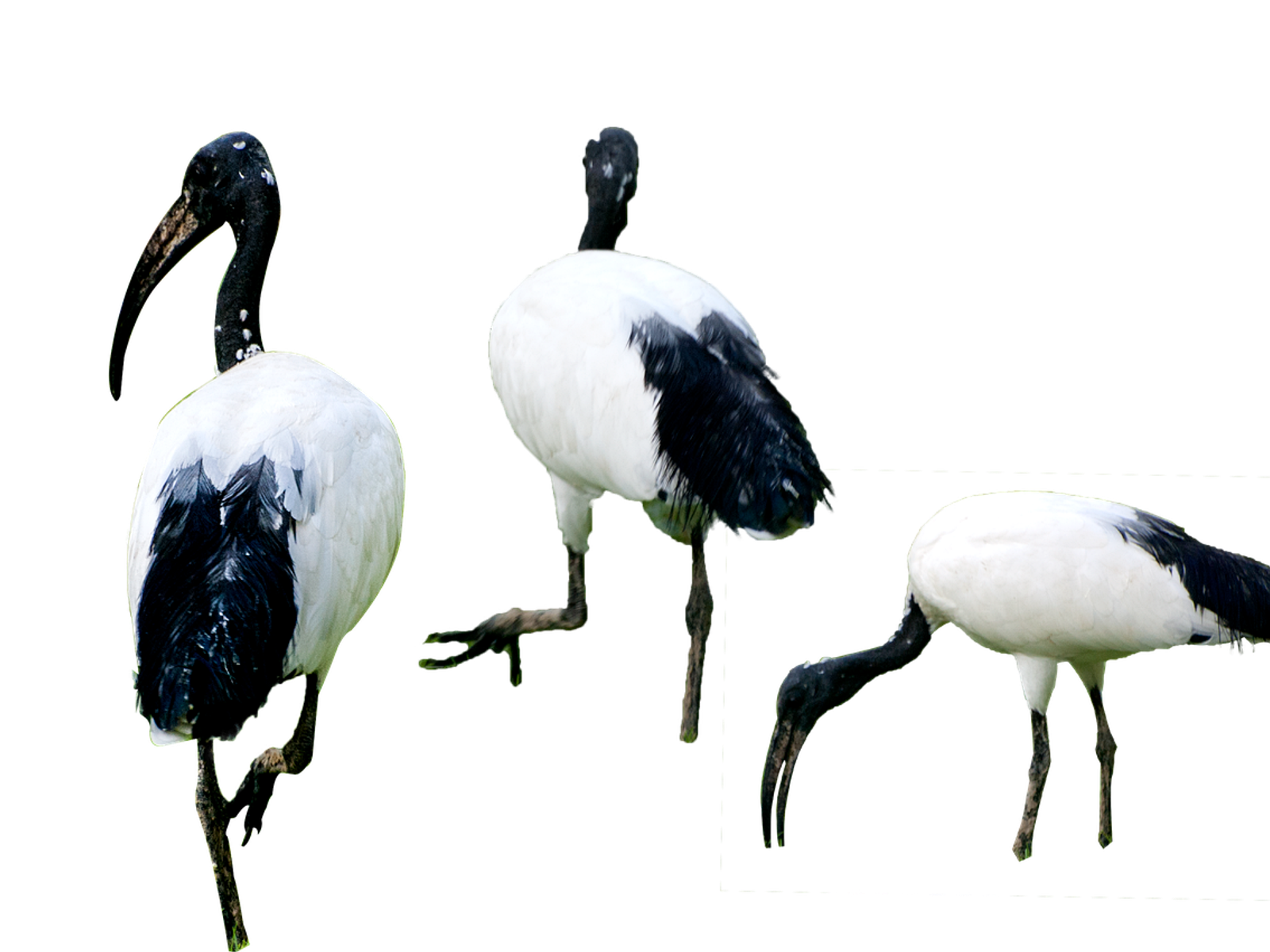
For the first time, all three breeding pairs of endangered Madagascar sacred ibises at Houston Zoo raised their own chicks. The four chicks outnumber all those produced in previous years combined by the AZA population.
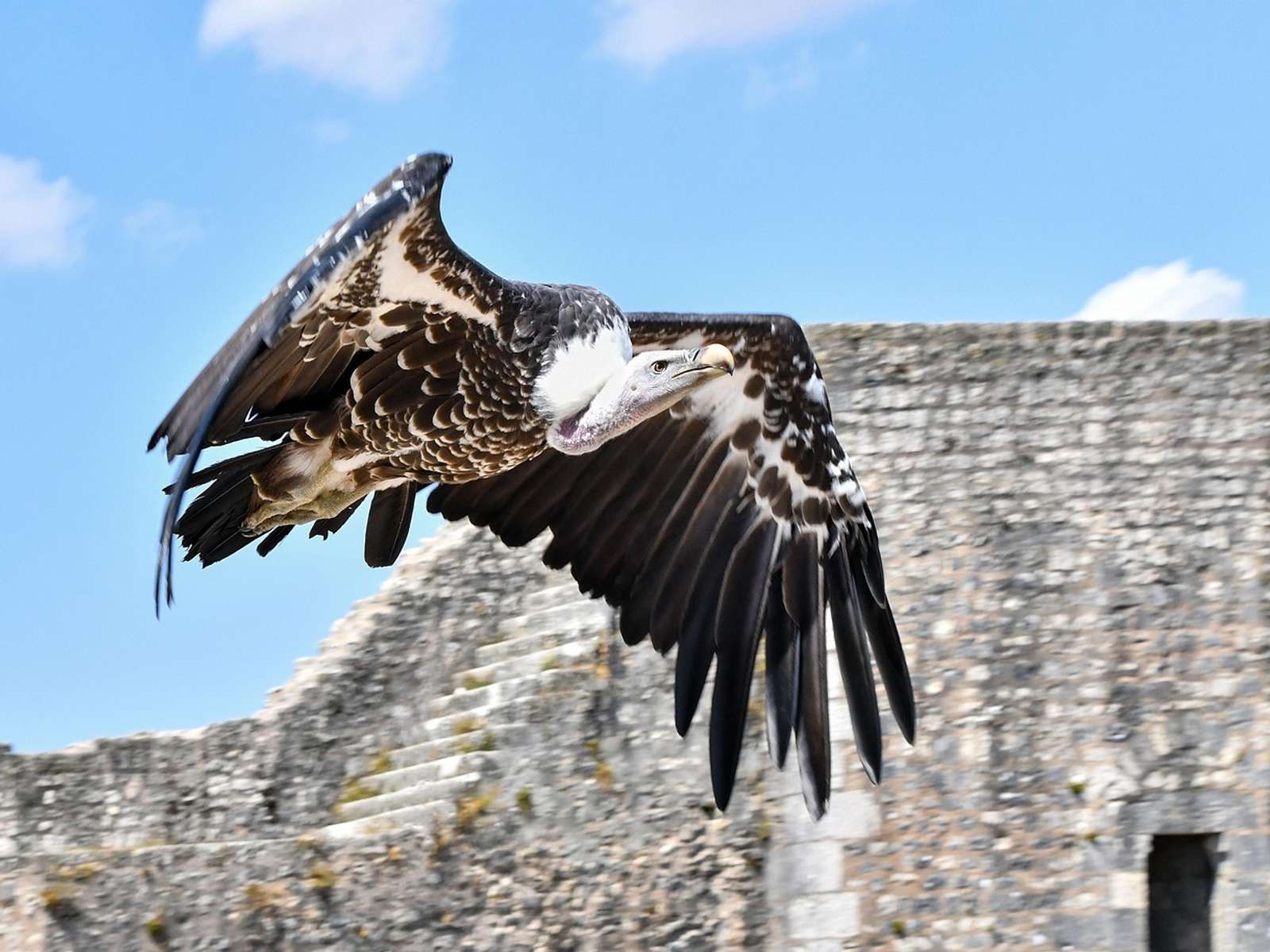
A Vulture Conservation Foundation study under BalkanDetox LIFE found the average number of vultures recorded as poisoned each year fell from 22 to about 8. But poisoning rose again in 2025, and offenders are rarely punished.

Researchers from Utrecht University recorded 2,500 calls from Critically Endangered Rüppell's vultures at two Dutch zoos and found 16 call types. Chicks start calling inside the egg about two days before hatching.
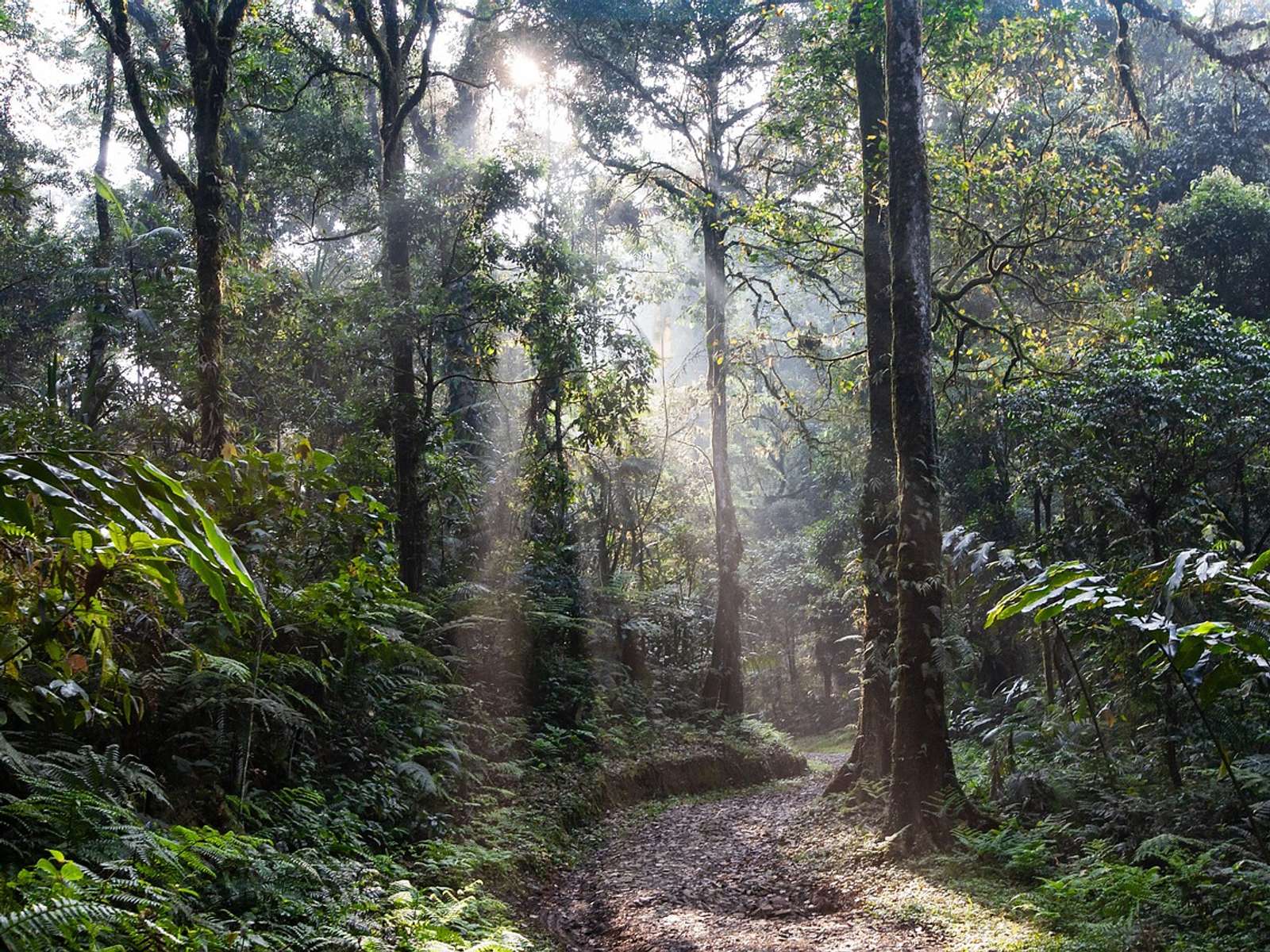
Rescue records from Alobi Wildlife Rescue Center show more than 90 Bangka slow lorises were rescued on Indonesia's Bangka Island between 2015 and 2025, proving a species missing from the scientific record since the 1930s survives.
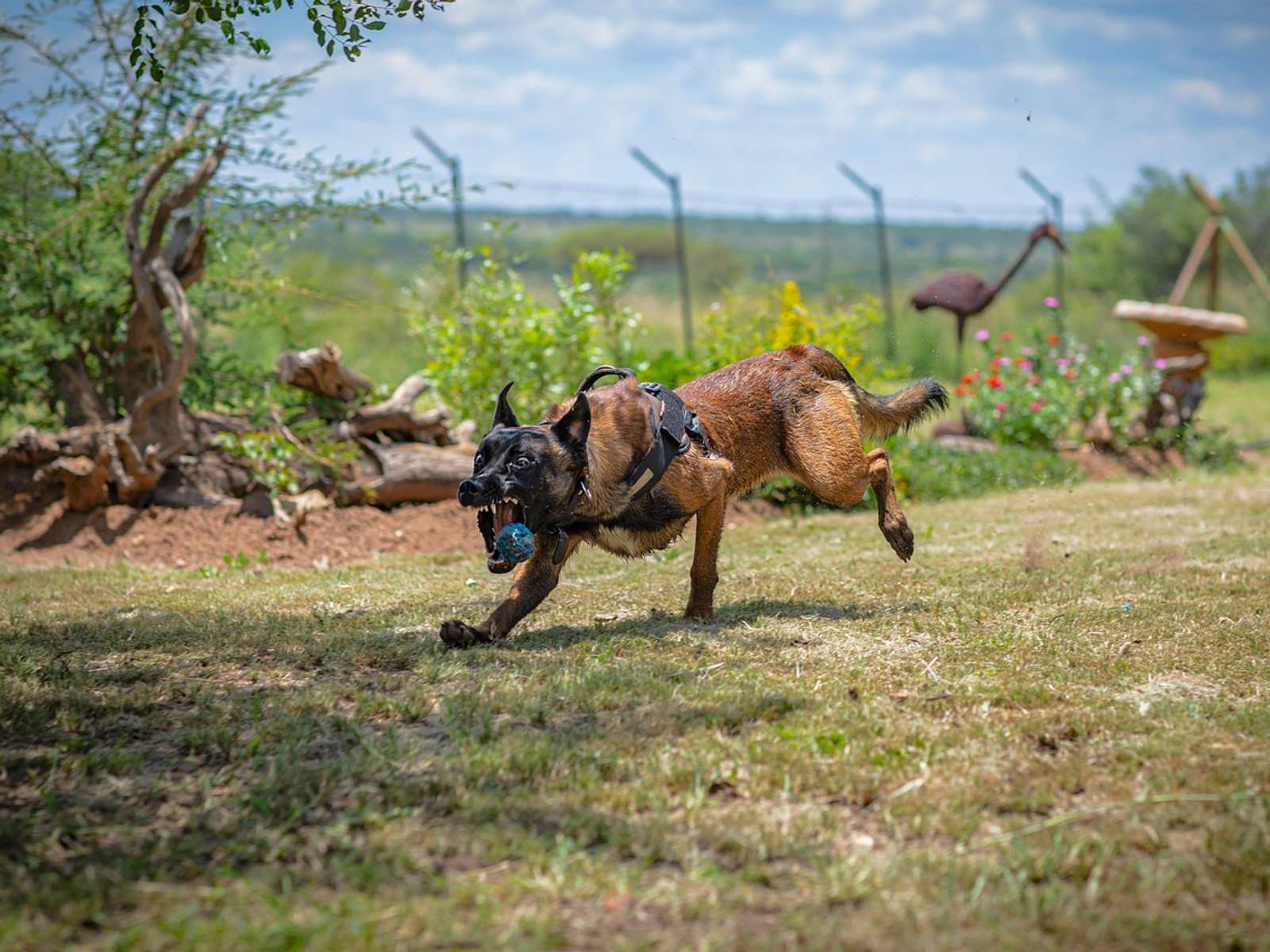
Jasper, a two-year-old Belgian Malinois, has graduated into the IFAW-JAAN anti-poaching dog unit at Ujung Kulon National Park in Indonesia, the last home of the Javan rhino. In his final test he found two snares and illegal fishers.
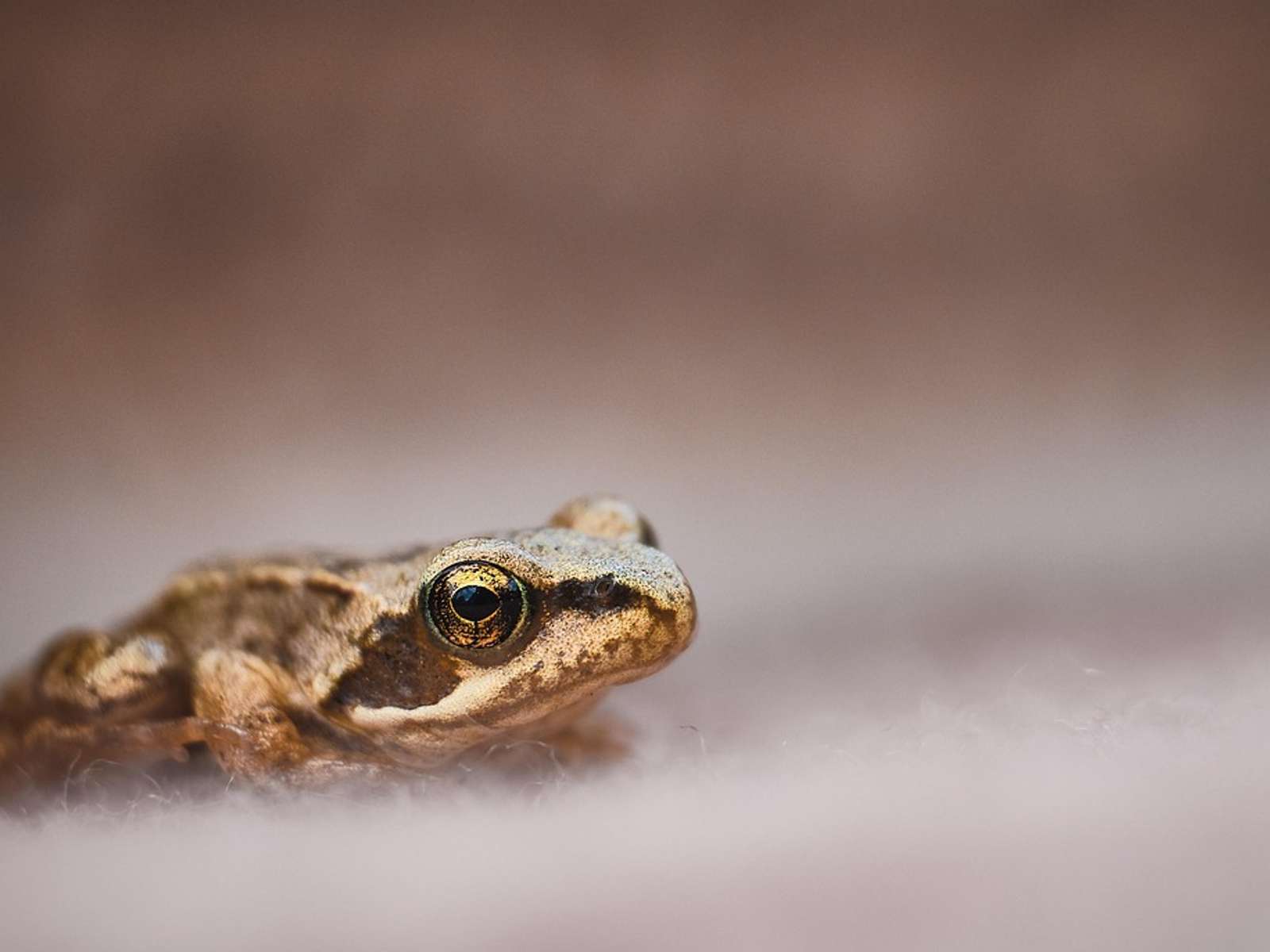
Fifteen Afia Birago's puddle frogs, a Critically Endangered species known from just two pools in Ghana's Atewa Hills, have hatched at London Zoo. They are the first of their species bred under human care anywhere.
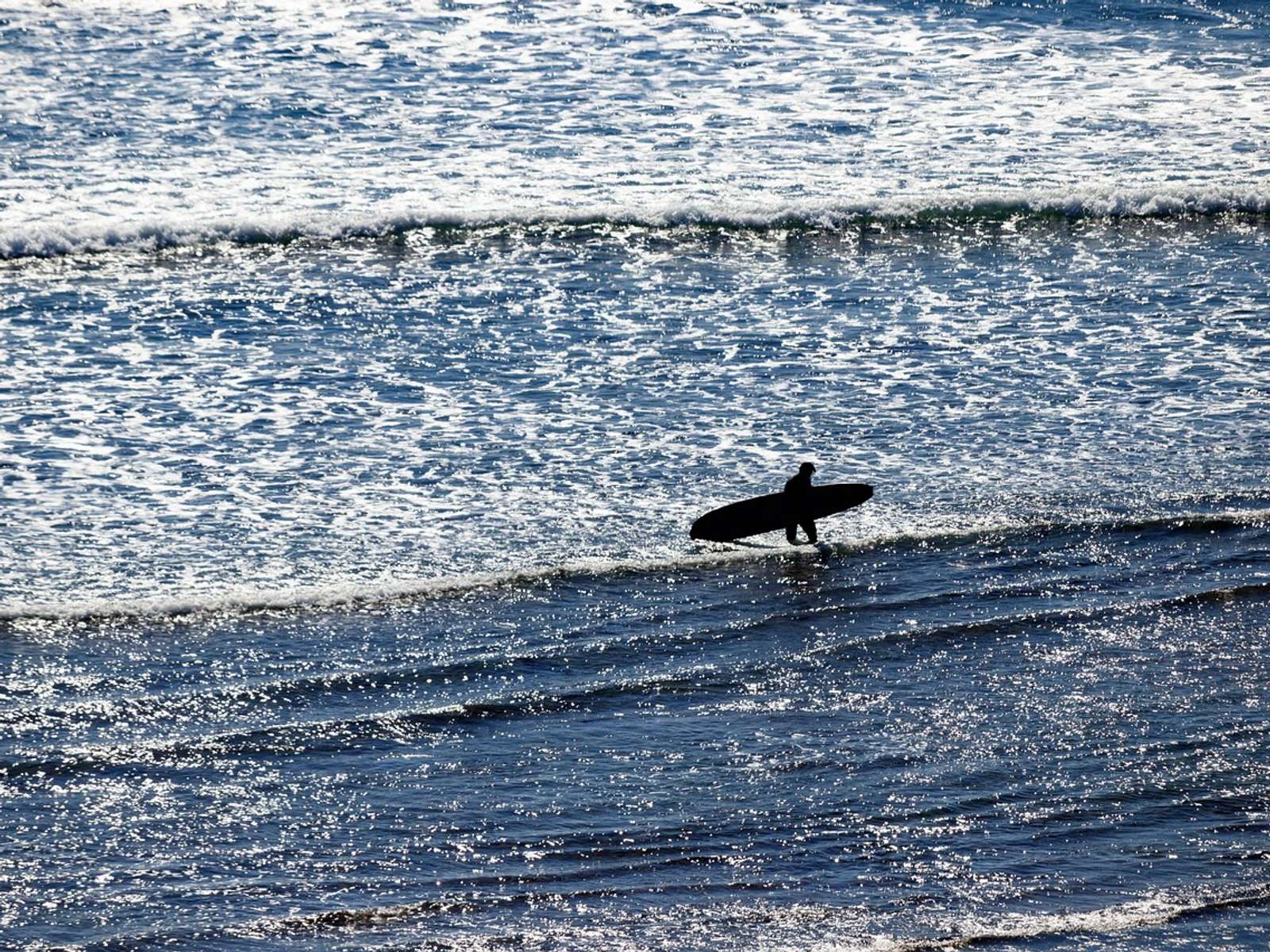
San Diego Zoo Wildlife Alliance has established a third reintroduced population of Pacific pocket mice, a thumb-sized rodent rediscovered in 1993. More than 500 have been released since 2006.
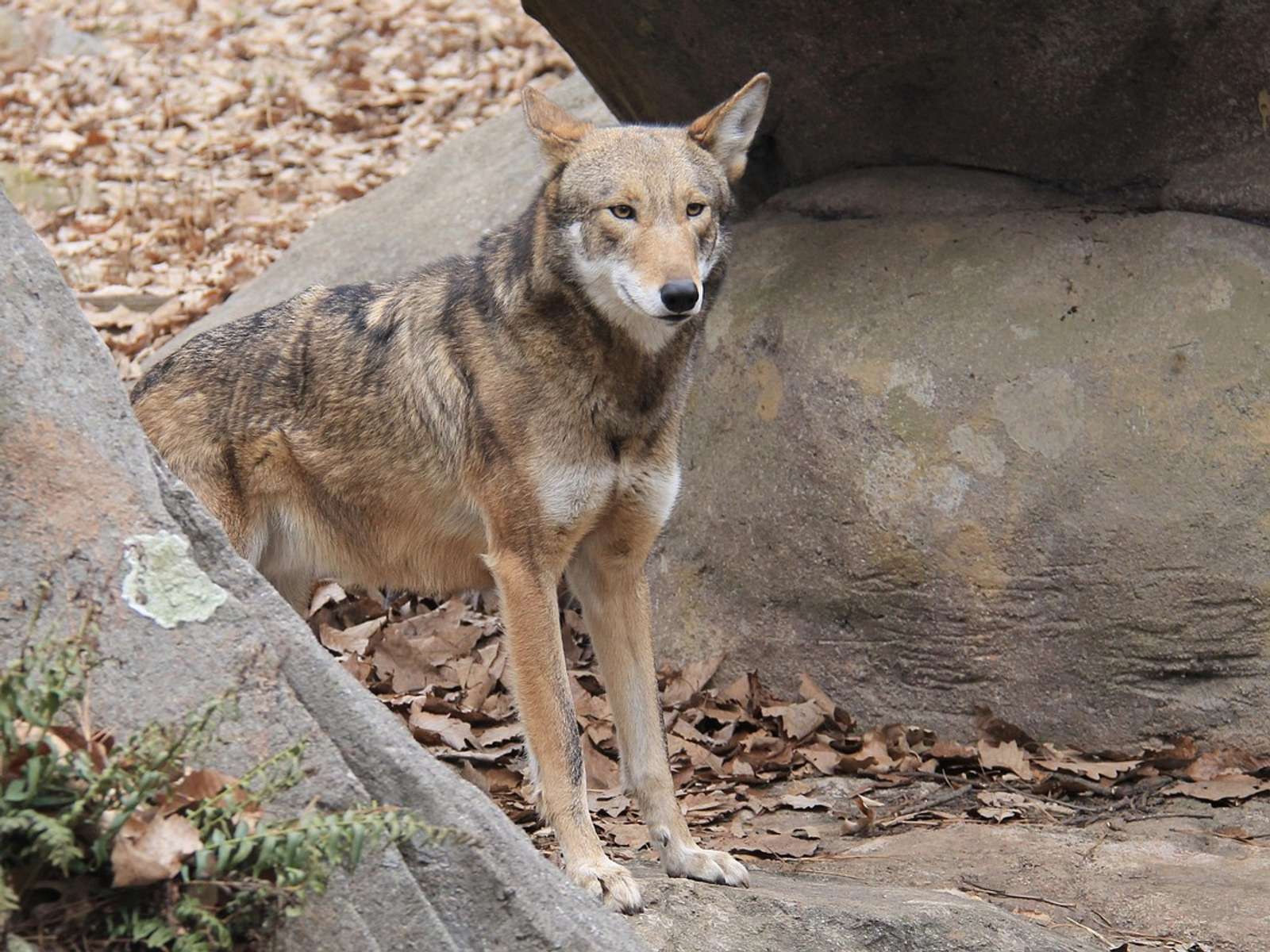
Red wolves Carolina and Jacques and their five pups moved from Durham's Museum of Life and Science to the Wolf Conservation Center in New York, in an exchange meant to keep the species' small captive population genetically healthy.
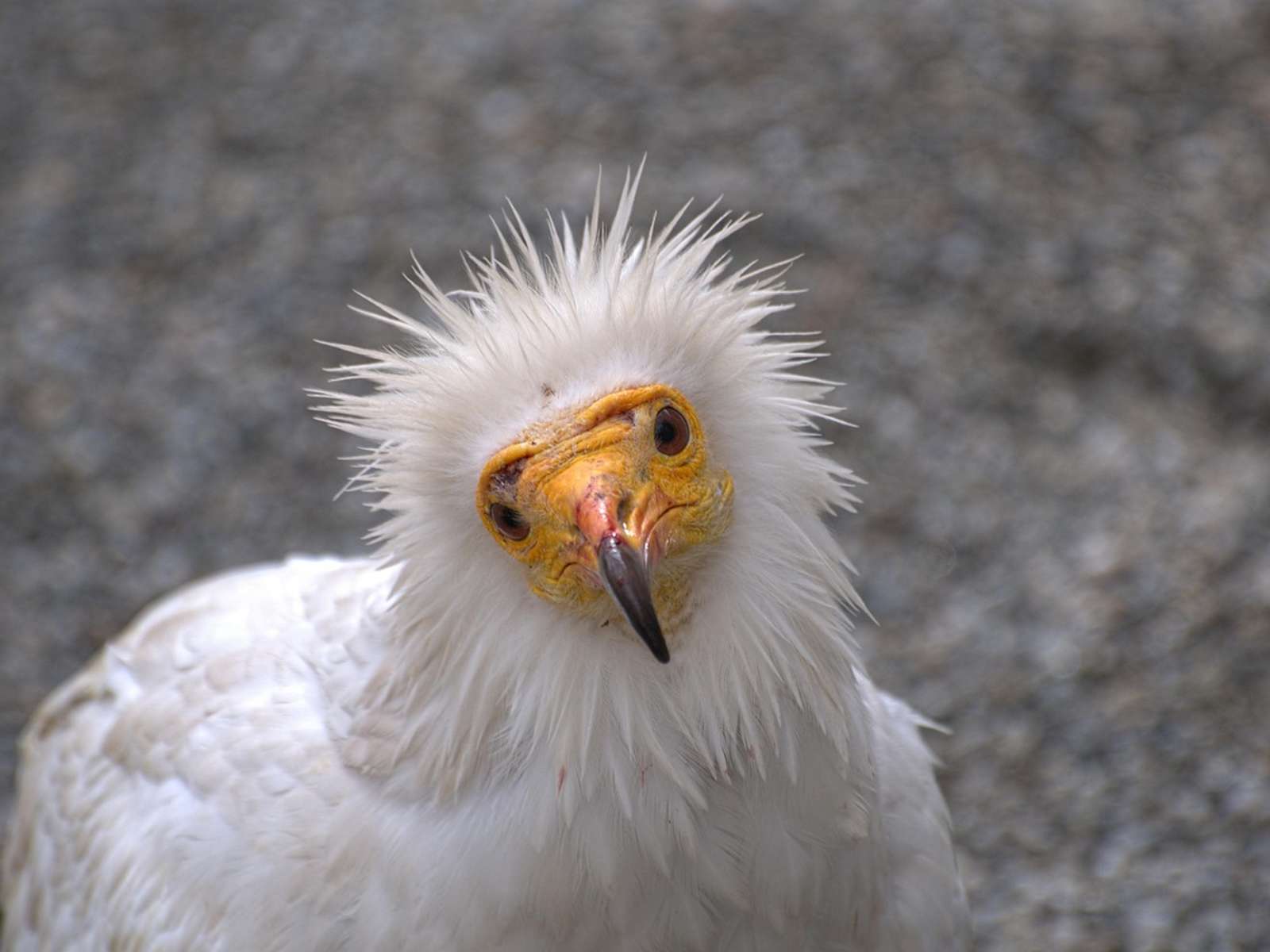
Brok, rescued from a Lebanese farm in 2021, and Qalamoon, found at an illegal wildlife facility, became parents at Prague Zoo when their chick Kali hatched on 12 July. Neither parent can return to the wild, but Kali joins Europe's breeding program.
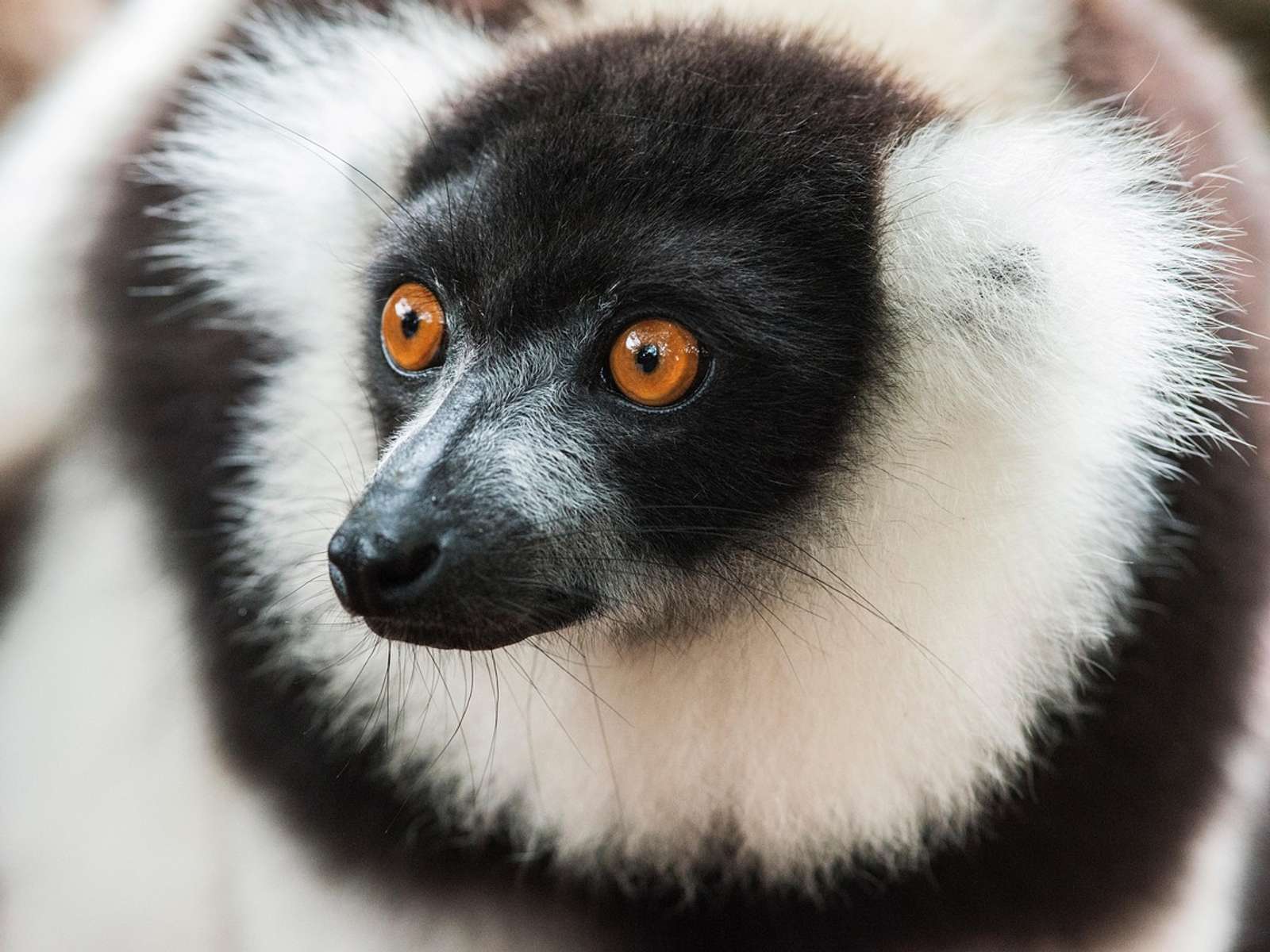
Nine private funders, including the Bezos Earth Fund, Rainforest Trust and Re:wild, launched the Species Recovery Alliance at the UN biodiversity summit with more than $500 million over five years for species listed as endangered or worse.
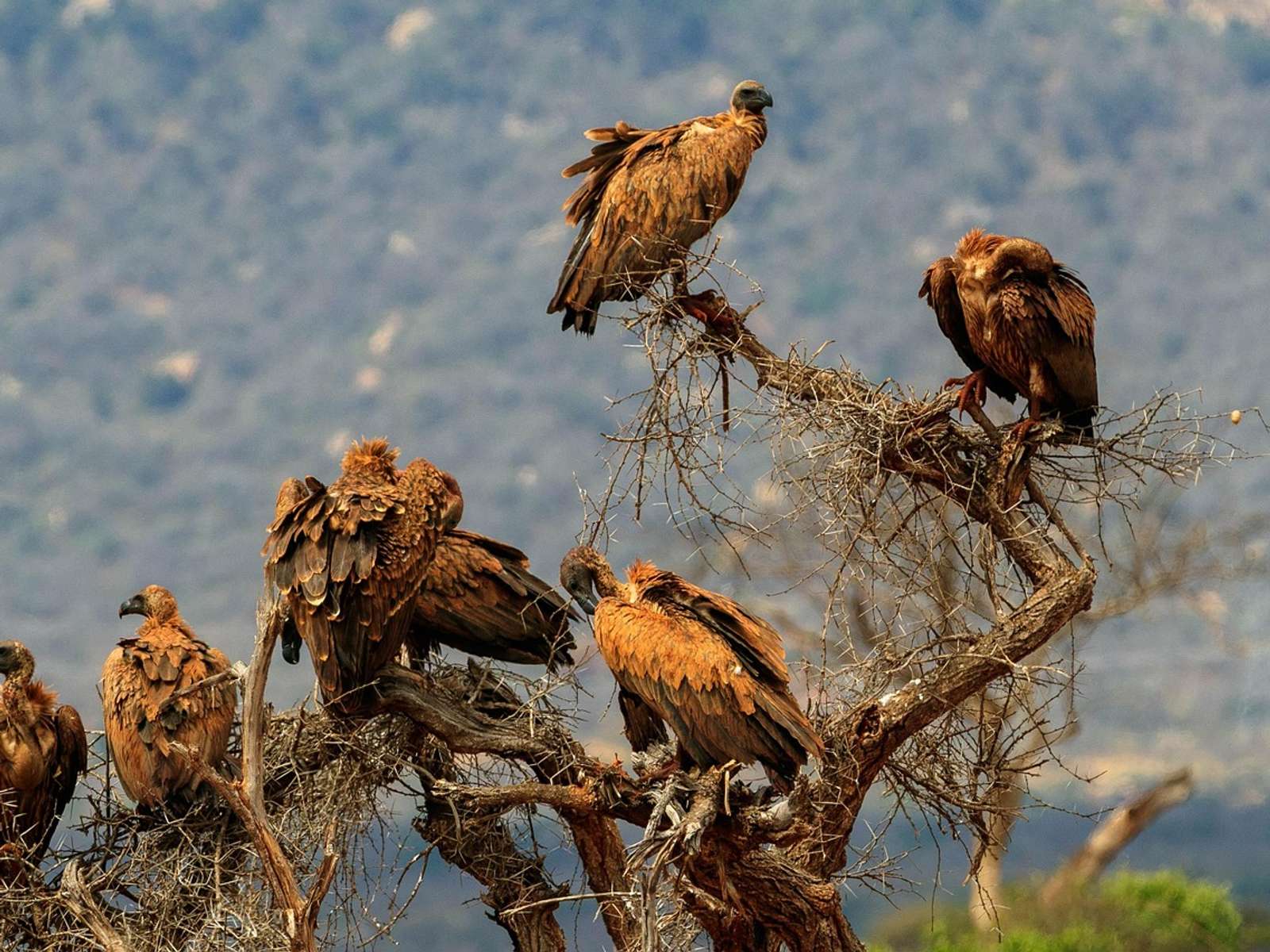
Since 1996, the African Bird Club has given £755,241 in small grants to 383 bird conservation projects in 53 countries and territories, from protecting coastal forest in Kenya to surveying waterbird colonies in Zambia.
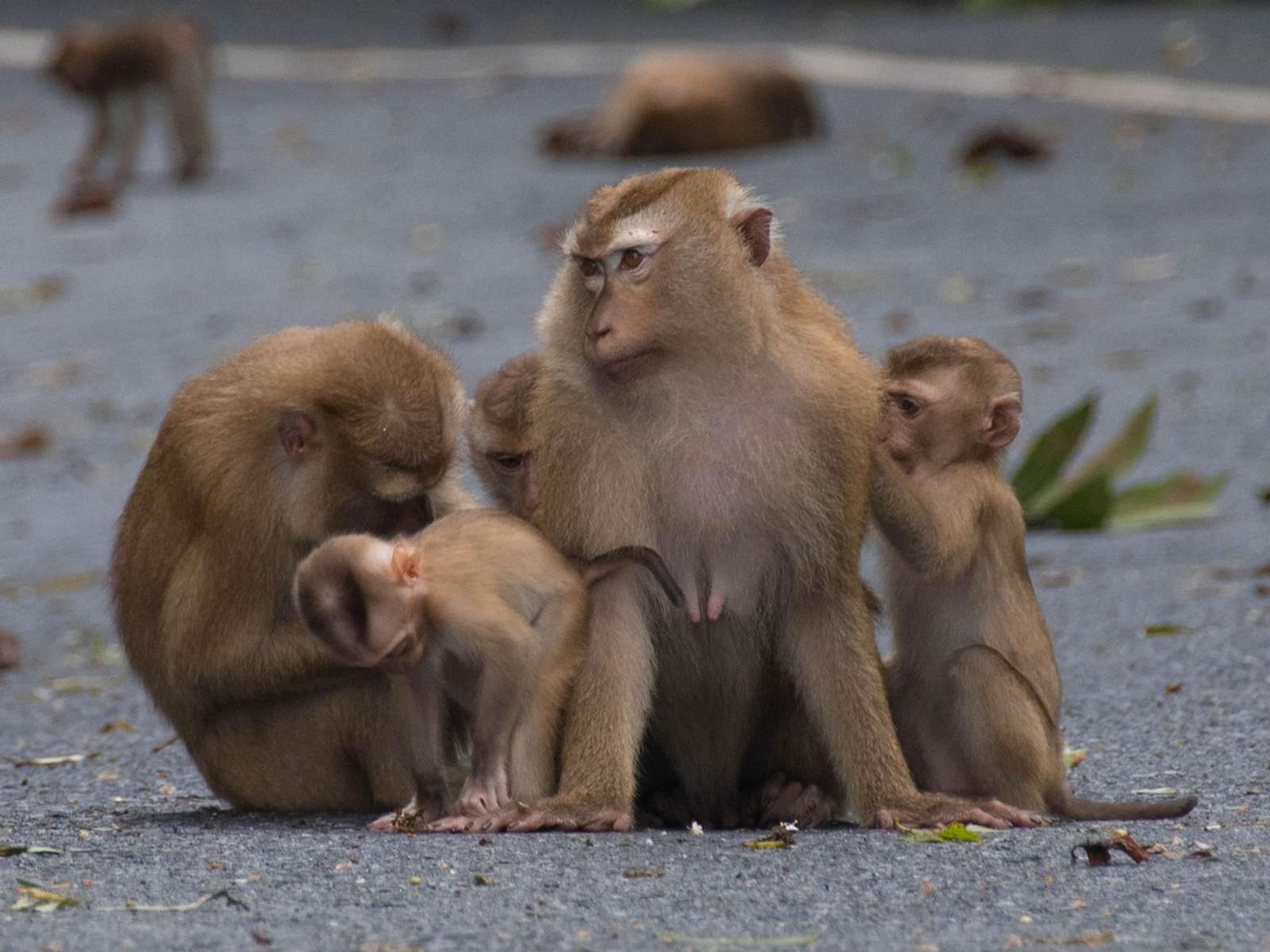
Phong Nha-Ke Bang National Park released 17 rescued animals from seven species, including a Sunda pangolin and three pygmy slow lorises, on 8 October. It was the park's fifth release of 2026, bringing the year's total to 220.
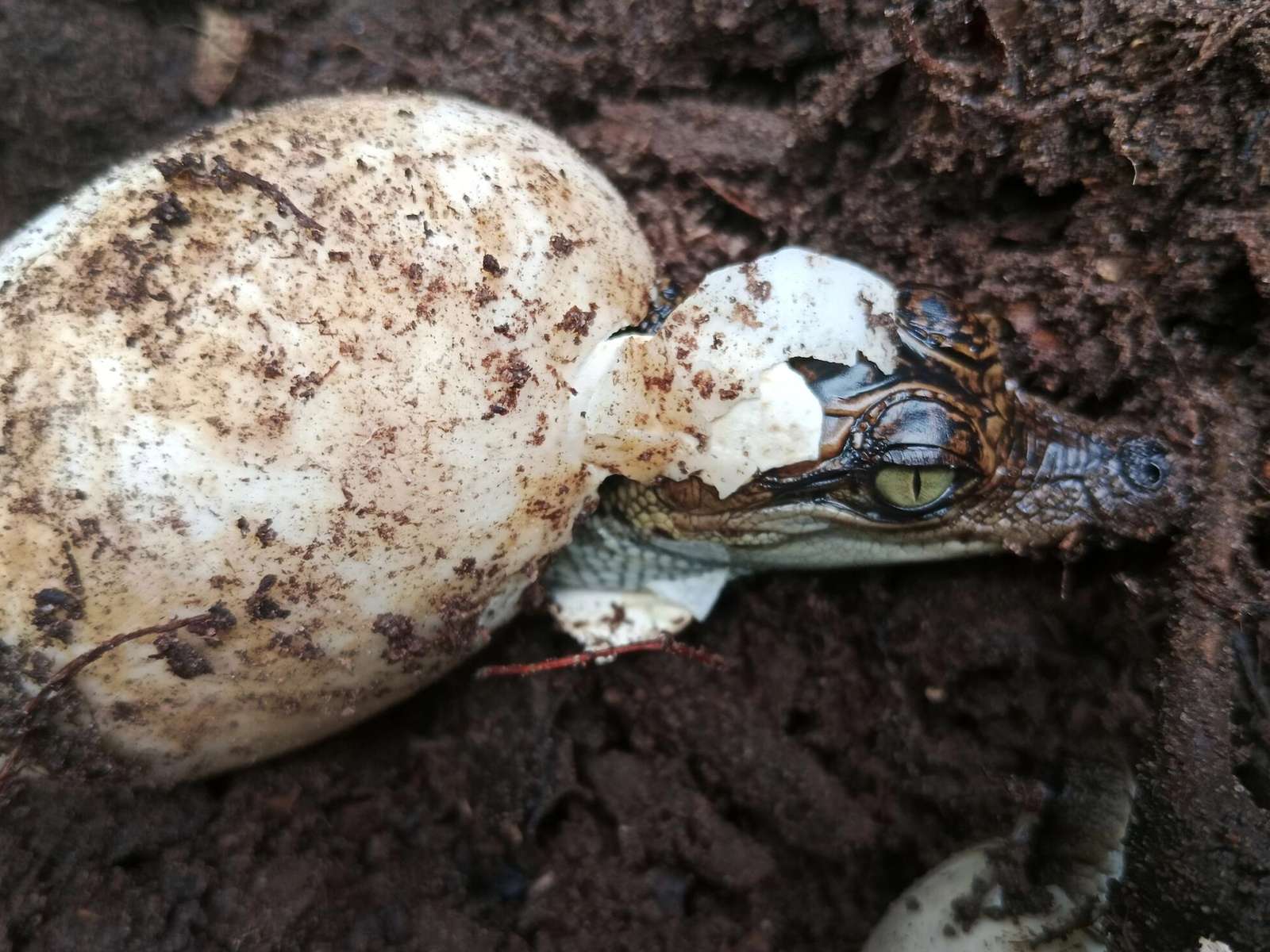
Cambodia has set aside 315 hectares of marsh in the Cardamom Mountains as its first genetic conservation area for an animal species. The site holds more than 40 wild Siamese crocodiles, the largest known wild group.
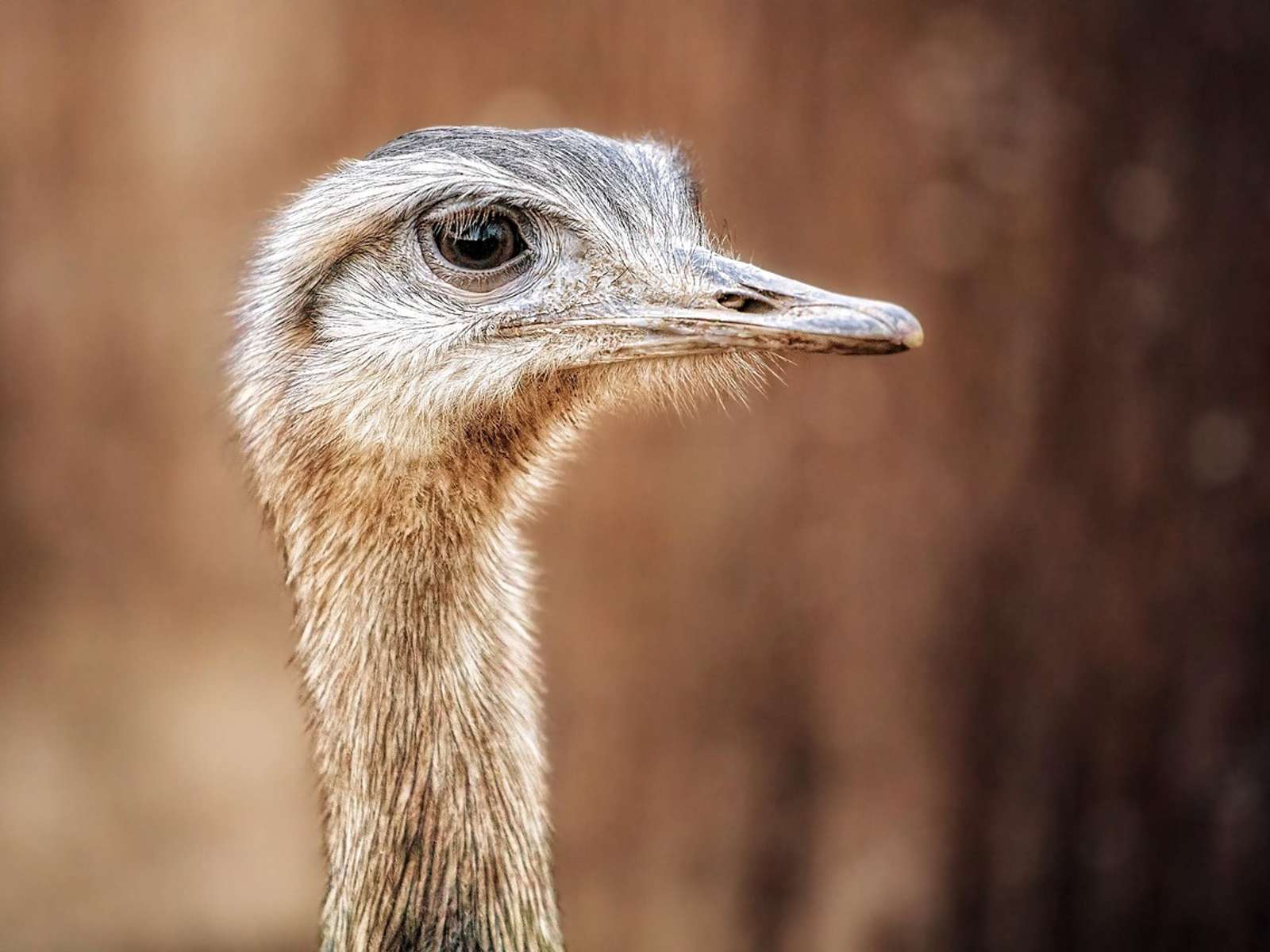
Rewilding Chile and its partners released 39 young Darwin's rheas into Patagonia National Park in March and April, part of a recovery program that began in 2014 for this endangered flightless bird.
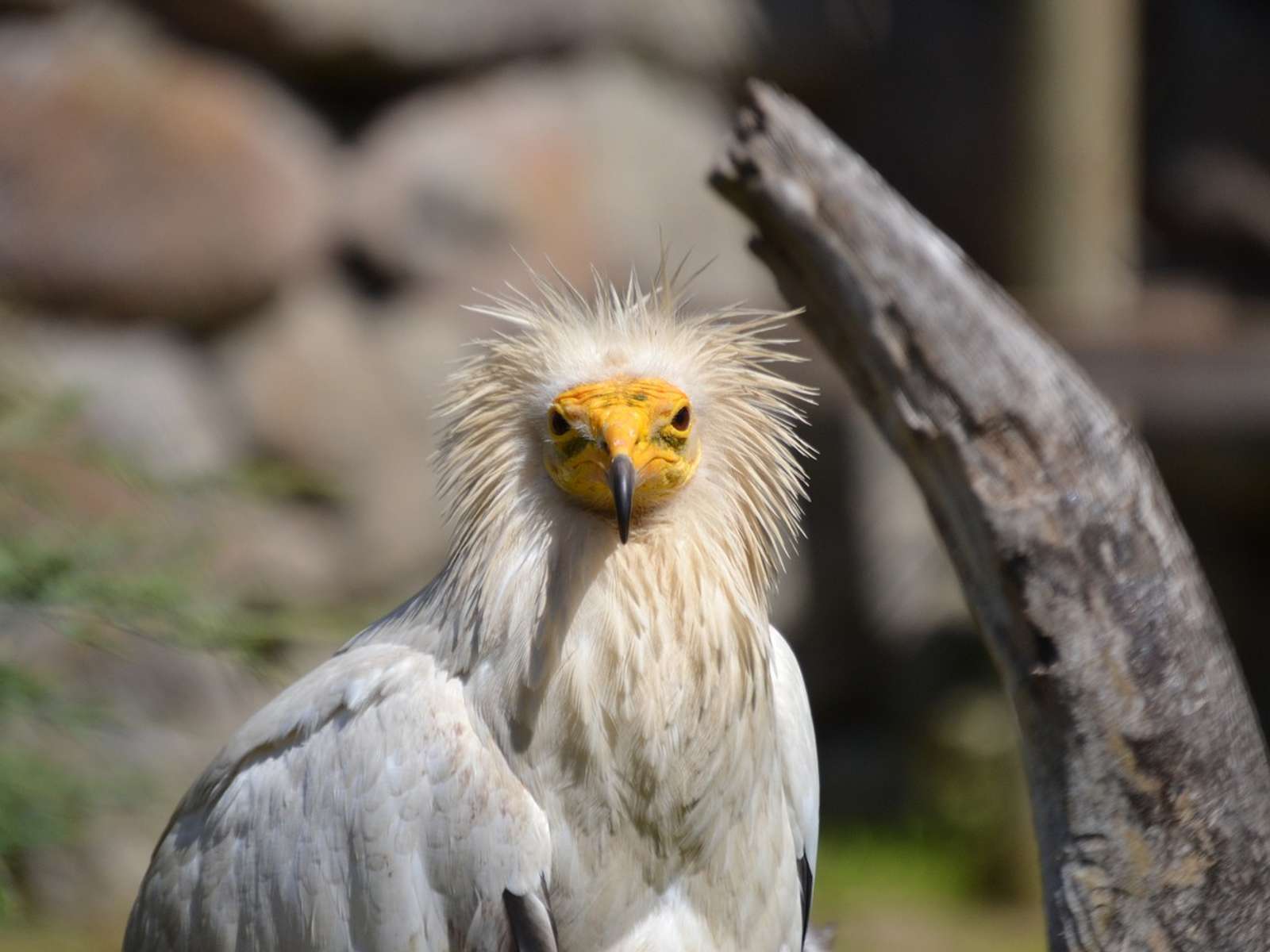
LIFE EV Safe Return, led by BirdLife Bulgaria with 15 partners, plans to release at least 40 Egyptian vultures in Bulgaria and Greece and tackle poisoning, poaching and electrocution along their 5,000 km migration.
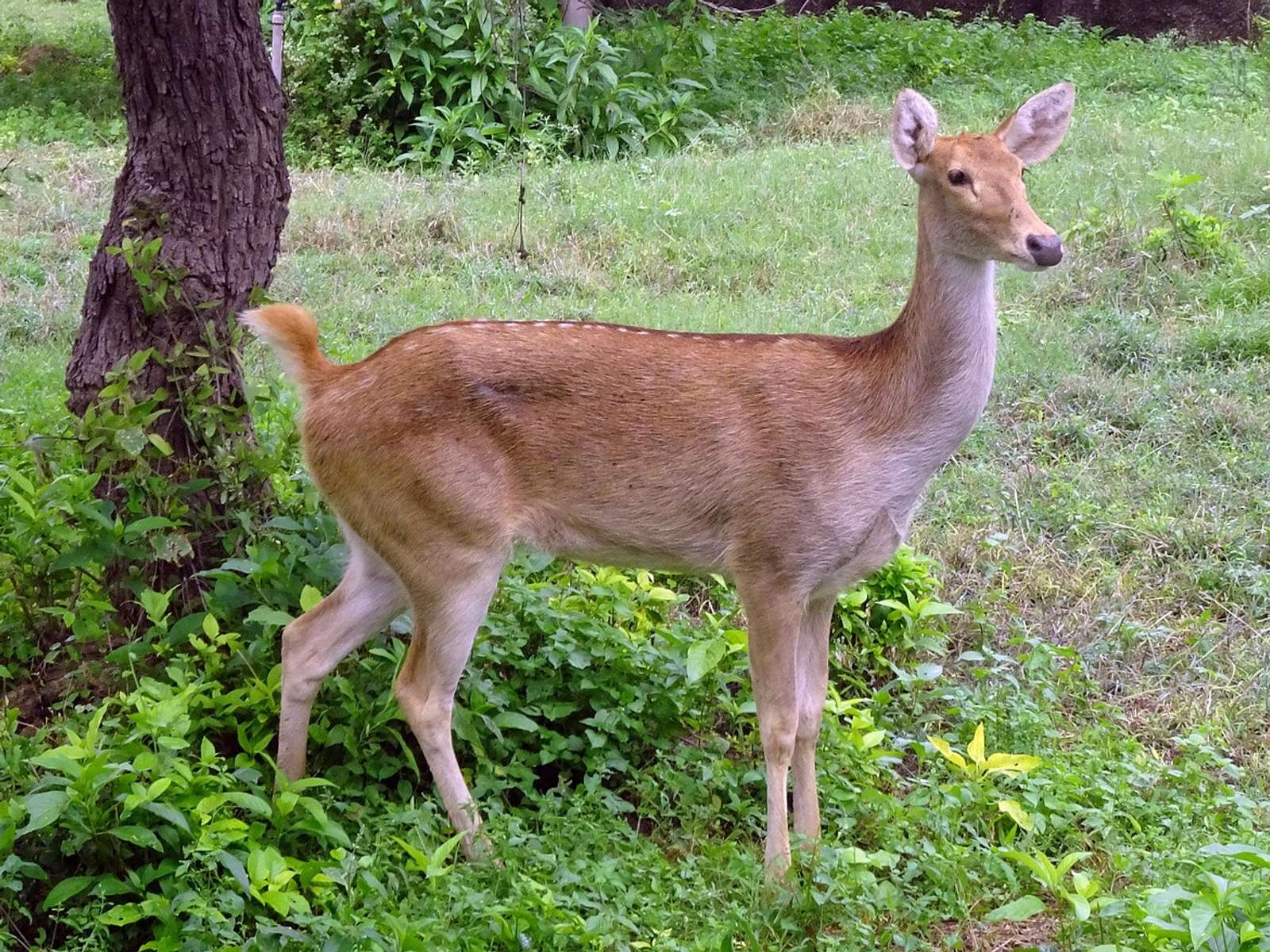
Ten years after Madhya Pradesh began moving hard-ground barasingha from Kanha to Satpura Tiger Reserve, where the deer had died out, the population has grown to about 303, with corridors now planned.
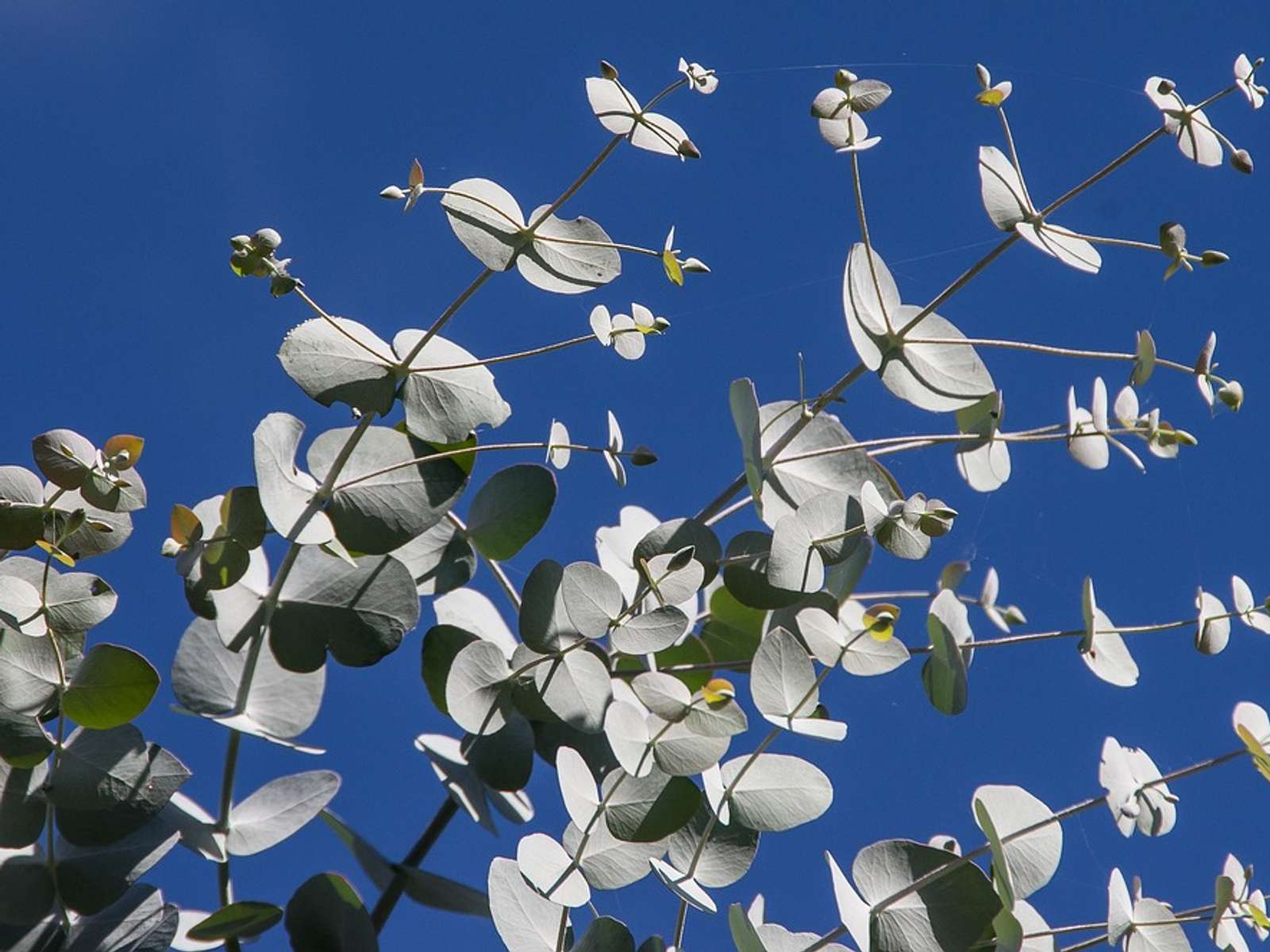
University of the Sunshine Coast researchers used DNA from greater glider droppings to identify 17 plant species in their diet, including non-eucalypts such as acacia and casuarina.

In Alta Floresta, Brazil, rope canopy bridges over city roads recorded nearly 15,000 animal crossings in 15 months, and eight more bridges have been added, bringing the total to 15.
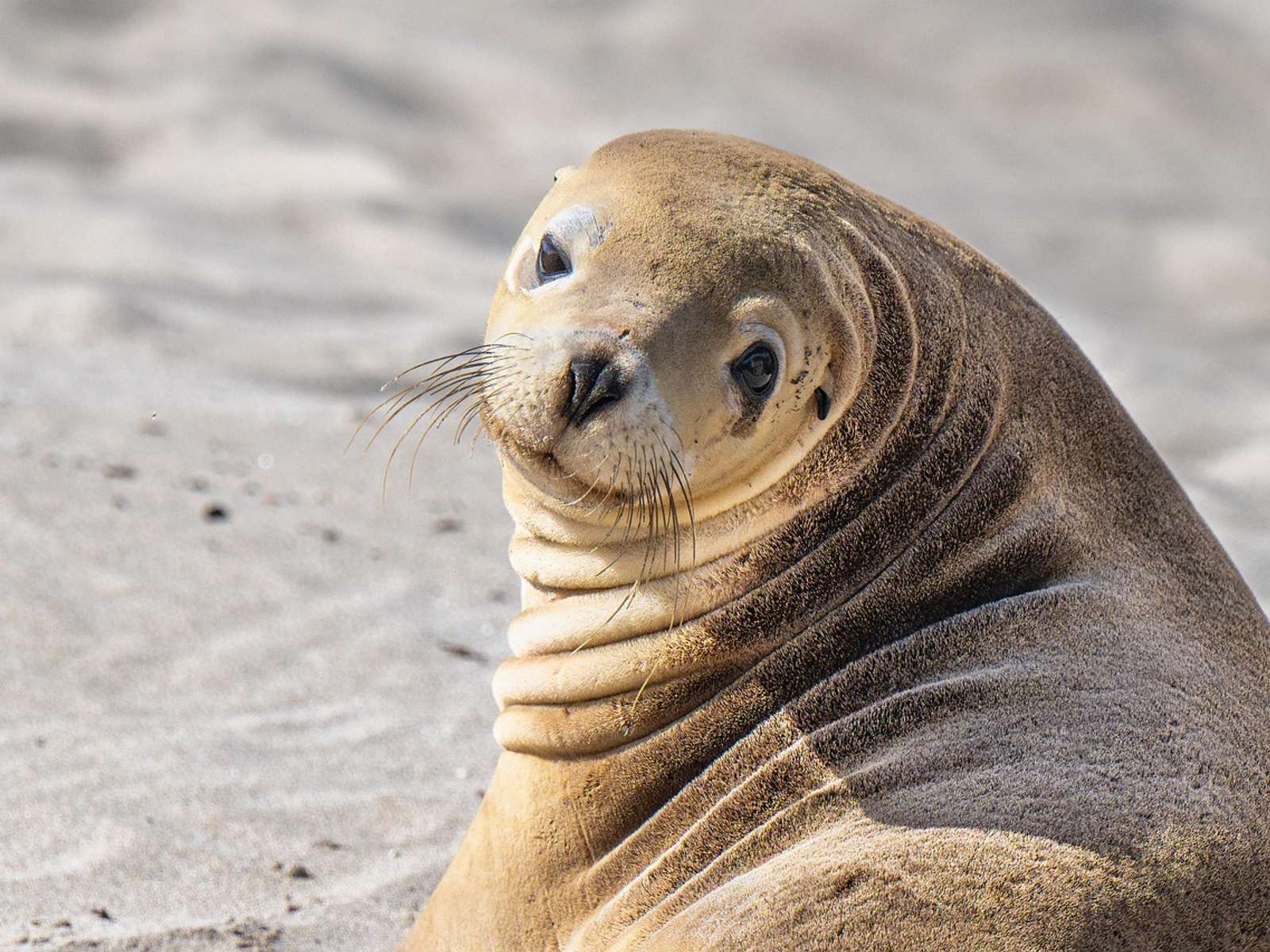
Researchers at Curtin University and Taronga trained sea lions and fur seals to press a paddle when they heard a tone, producing the first hearing baselines for the two Australian species.

Rescue teams in Indonesia have saved dozens of orangutans from wildfires in Borneo and Sumatra in recent months, including a burned young female named Novita now in intensive care.
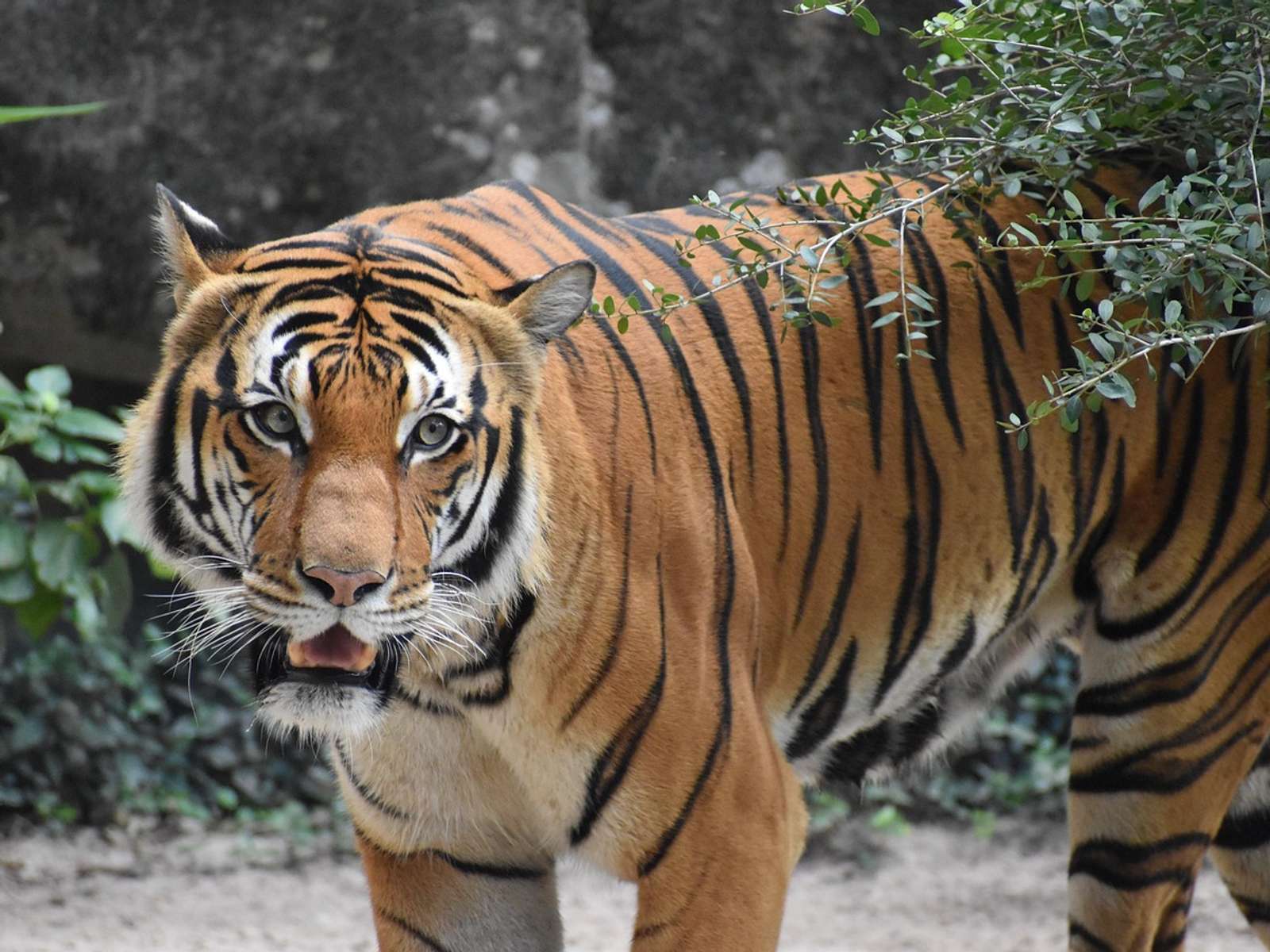
Camera traps in Thailand's Western Forest Complex show a wild tigress named Mae Kaew has raised three litters, nine cubs in all, and one of her daughters has now had two cubs of her own.

A white-crowned mangabey, a West African monkey that signals with its white eyelids, has been born at BIOPARC Valencia, the 10th birth there for the European breeding program.
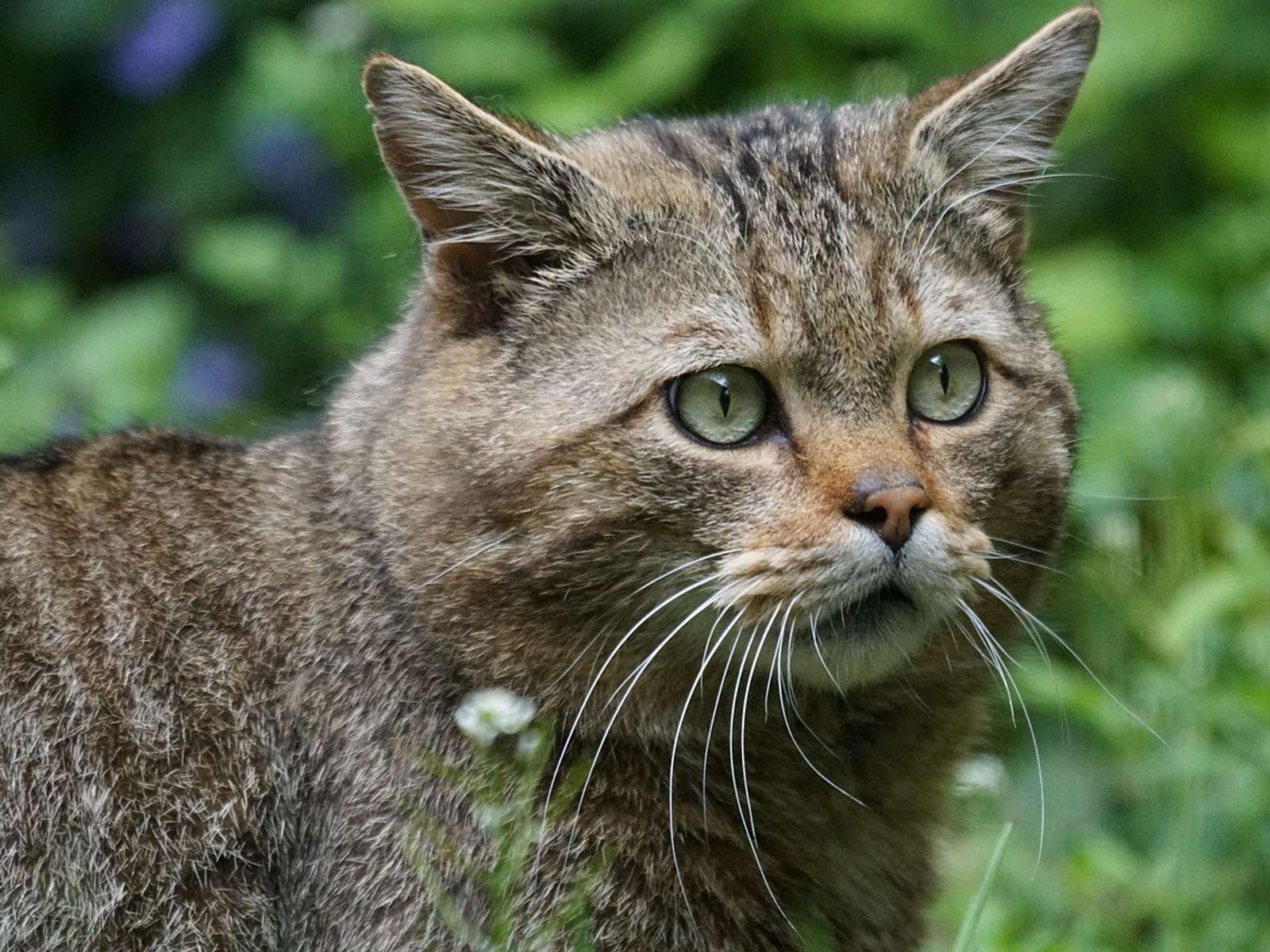
The Saving Wildcats project has now released 50 critically endangered wildcats into Scotland’s Cairngorms National Park since 2023, and released females have given birth in the wild for three years in a row.
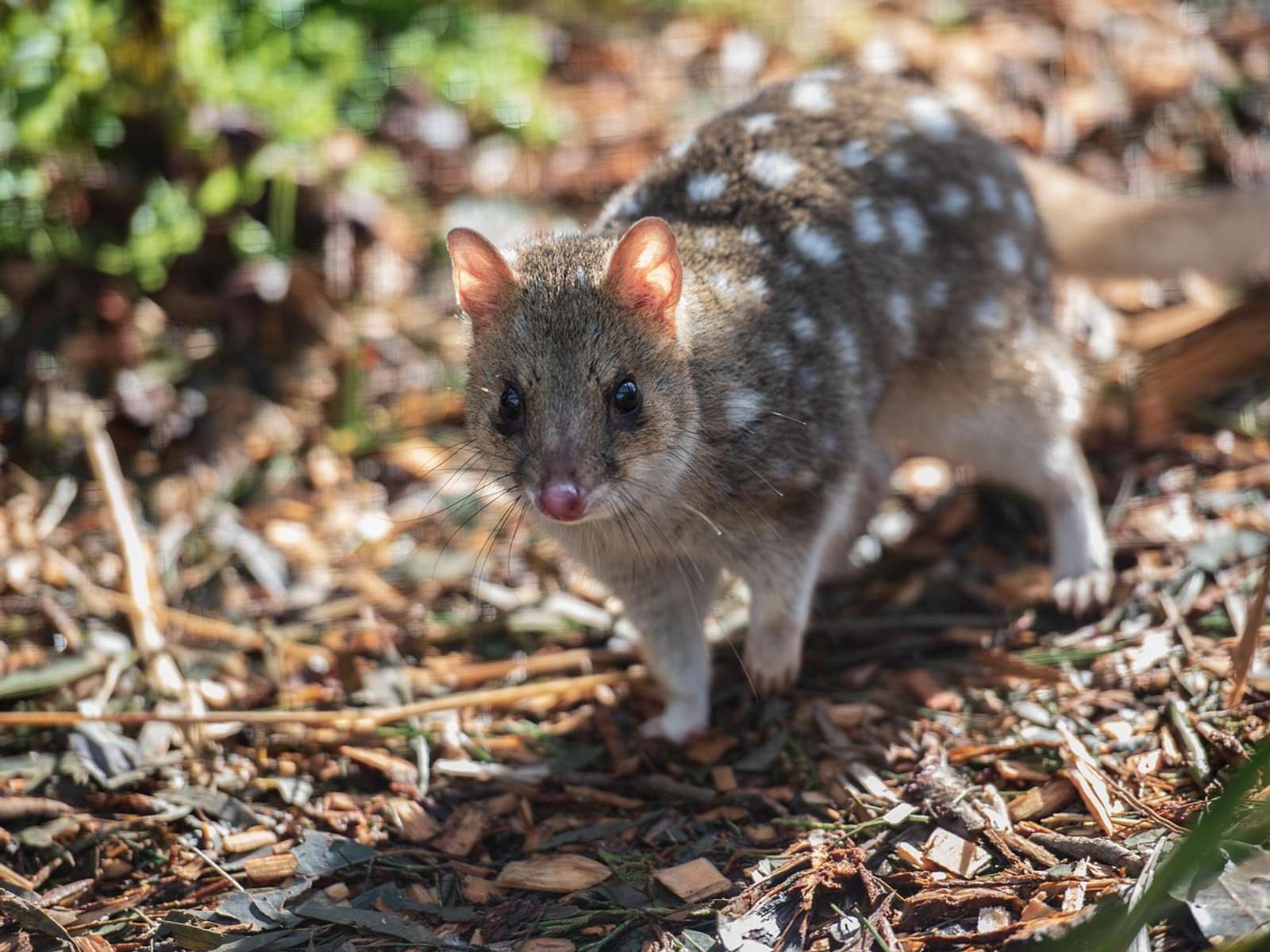
Australian Wildlife Conservancy has begun releasing endangered northern quolls, many of them females carrying young, into a 950-hectare feral predator-free area at Mt Zero-Taravale Wildlife Sanctuary in north Queensland.

Lulingu, a Grauer's gorilla rescued from the wildlife trade as an 18-month-old orphan and returned to the forest in 2024, gave birth on Mount Tshiaberimu in Virunga National Park in May. Mother and baby are healthy.

A five-year-old Philippine eagle rescued in Magpet, Cotabato, was carrying three airgun pellets. Vets removed two, and the critically endangered bird is under close care. The rescue also shows eagles still use a nesting territory last confirmed active in 1990.
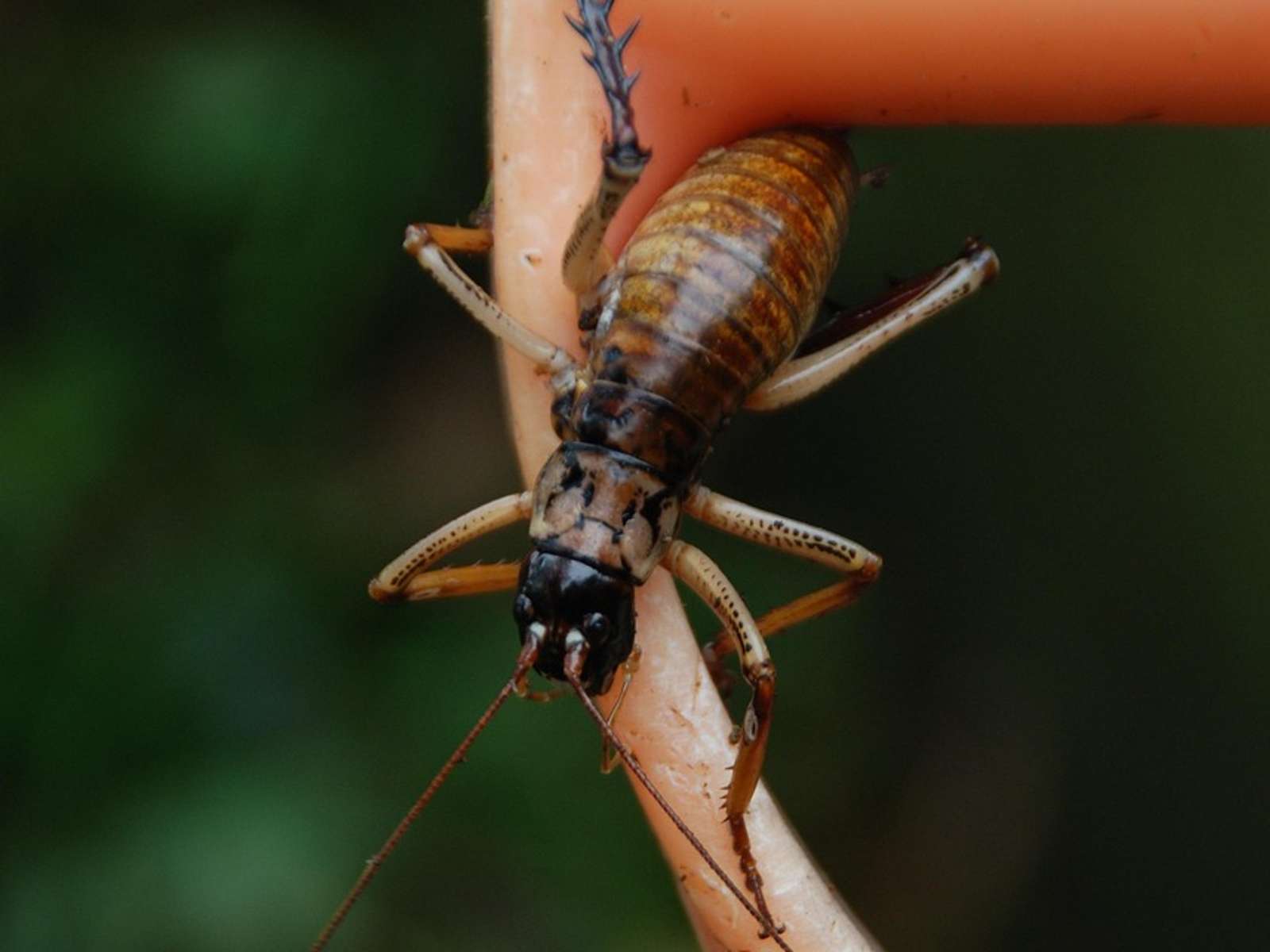
A 15-year breeding program at Butterfly Creek and Auckland Zoo has put 11,000 wētāpunga into 10 new wild sites. The giant insect's status improved from Nationally Endangered in 2004 to Nationally Increasing in 2022.
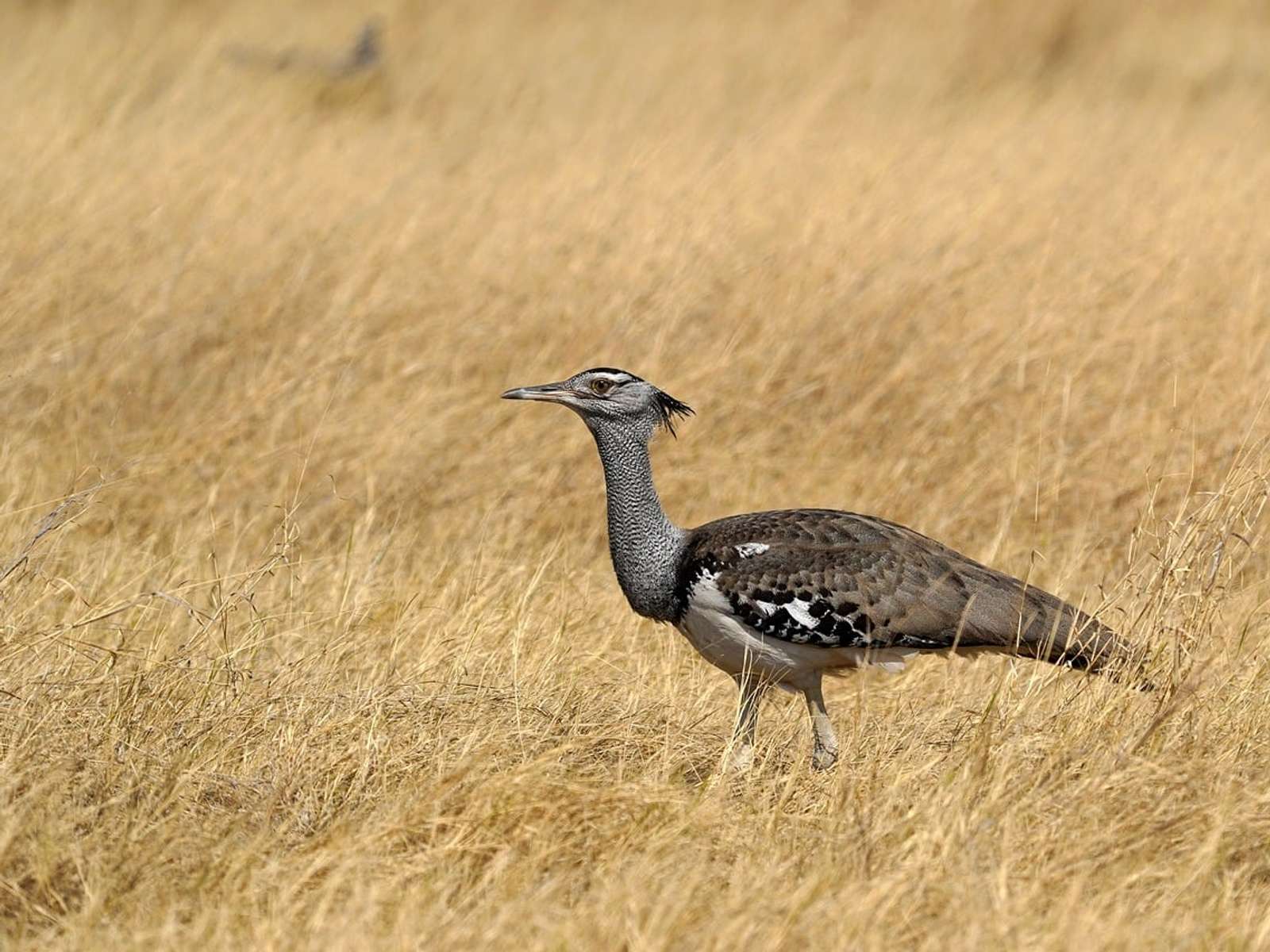
Two male Great Indian Bustards bred in captivity were released at Desert National Park in Rajasthan on 4 October, the first step from breeding the critically endangered bird to returning it to the wild.
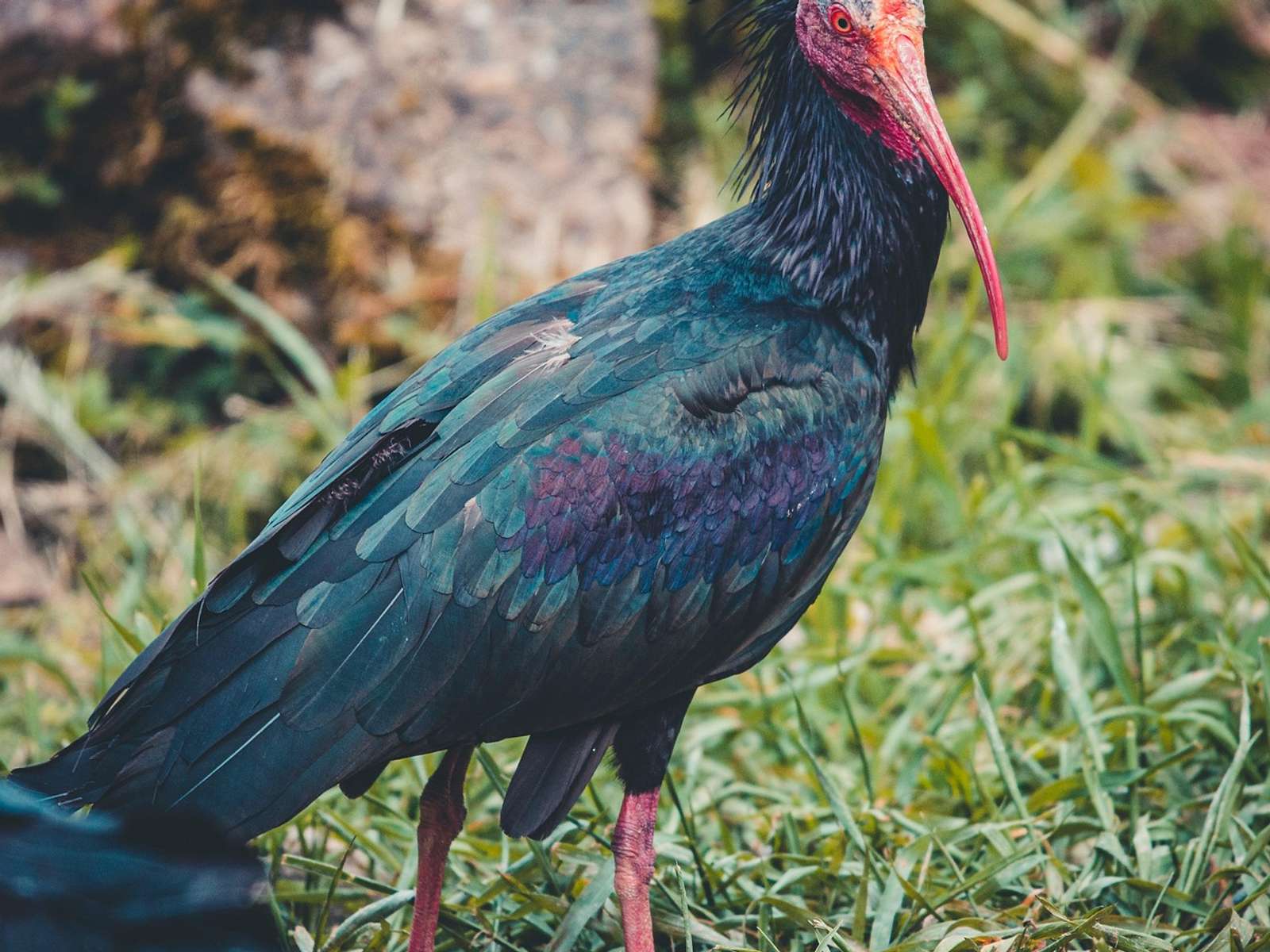
Fifteen young northern bald ibises were guided to Spain behind ultralight aircraft flown by their human foster parents, part of a project to re-establish a migratory population of a species extinct in Europe since the 17th century.

Nigeria Customs seized the baby gorilla Bili at Lagos airport in August 2023. After three years of care in Calabar and a DNA test that traced her to the Republic of Congo, she was flown to a sanctuary near Pointe-Noire in September.
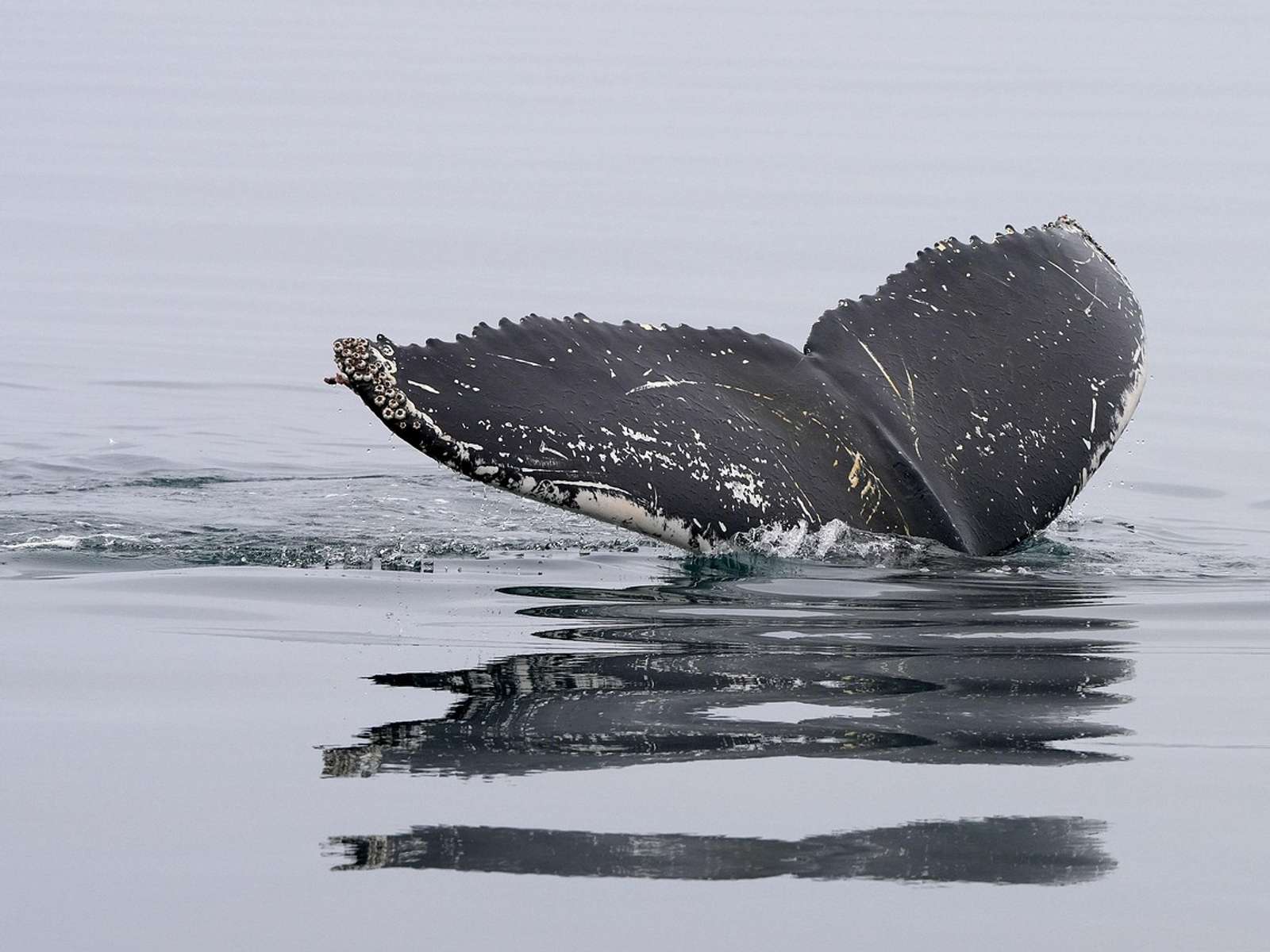
Mitochondrial DNA from 2,285 humpbacks shows the whales that live year-round off Oman split from other populations 43,000 to 113,000 years ago. A taxonomy committee still has to decide on the proposed subspecies.
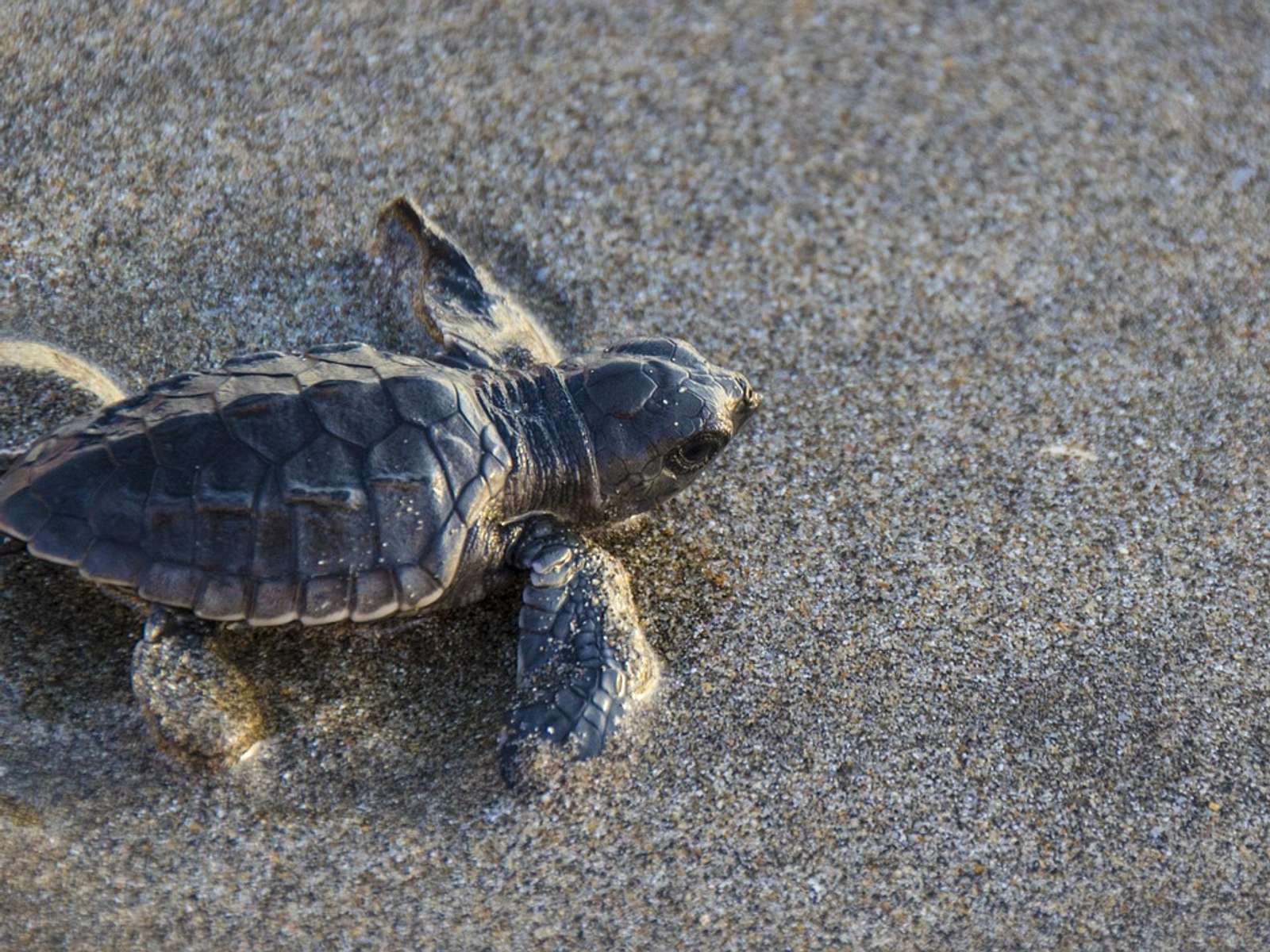
Two olive ridley sea turtles nested on Orange County beaches in September, a first for any sea turtle on the US West Coast. Their 204 eggs are now incubating at the Aquarium of the Pacific.
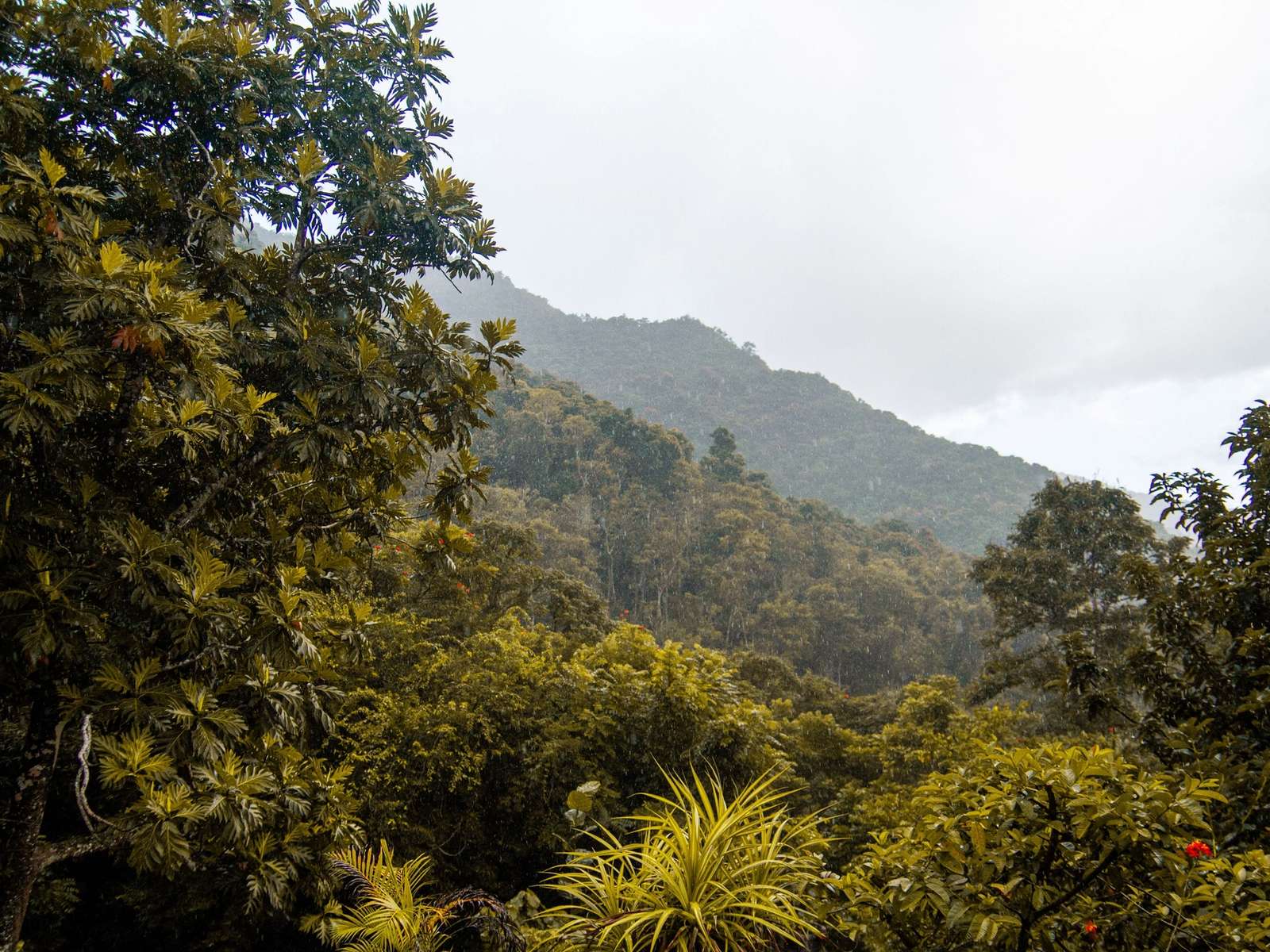
Laos has designated a 217,400-hectare national park in the Annamite Mountains, protecting habitat for the critically endangered saola and several other species found almost nowhere else on Earth.

Ho Chi Minh City forest rangers released 84 rescued animals from 13 species into the Dong Nai Nature and Culture Reserve, part of an ongoing program that has returned over 1,400 animals to protected habitats since 2022.
About this topic
More than 49,500 species are threatened with extinction, 28% of all species assessed for the IUCN Red List, including 41% of amphibians, 26% of mammals, 44% of reef-building corals and 11% of birds. The Red List calls species threatened when they are Vulnerable, Endangered or Critically Endangered, and it has assessed more than 175,900 species so far.
The stories on this page follow what happens next. Some species turn out not to be lost at all: rescue records from Bangka Island showed that the Bangka slow loris, missing from the scientific record since the 1930s, still survives, and a firefly unrecorded since 1983 was found flashing in a Delaware meadow. Others are being pulled back from the edge: recorded vulture poisoning deaths in the Balkans fell from an average of 22 a year to about 8, and London Zoo bred Afia Birago's puddle frog, a Ghanaian species known from two pools, for the first time.
A rescue, a birth in a zoo or a new reserve is not the same as a species recovering. Where it is available, we give the species' Red List status, its population and the main threat, and we say when the numbers are estimates or the work is only starting.
Each story links to the organization or research team behind it, so you can follow the work further.