Orphaned gorilla rescued from traffickers gives birth in the wild after rewilding
Lulingu, a Grauer's gorilla rescued from the wildlife trade as an 18-month-old orphan and returned to the forest in 2024, gave birth on Mount Tshiaberimu in Virunga National Park in May. Mother and baby are healthy.
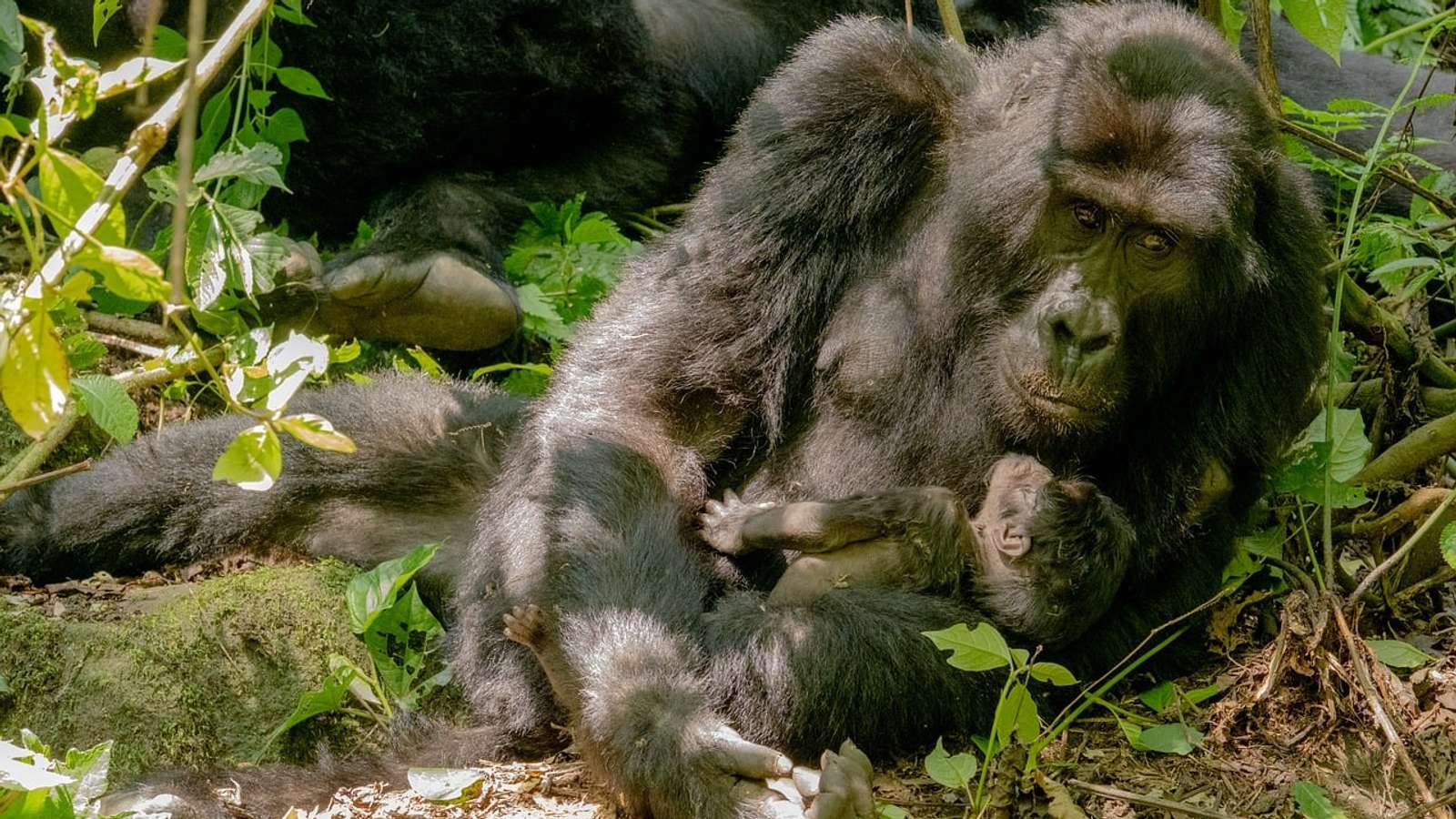
Lulingu, one of the first four gorillas ever returned to the wild from the GRACE sanctuary in eastern Congo, gave birth on 21 May on Mount Tshiaberimu in Virunga National Park, GRACE Gorillas announced. The father is Mwasa, the wild silverback whose family she joined after her release. Monitoring teams say mother and infant are healthy.
Both belong to the critically endangered Grauer's gorilla, also called the eastern lowland gorilla. It is Lulingu's first baby.
She arrived at the sanctuary at 18 months, taken for the wildlife trade
The Congolese nature authority ICCN and Gorilla Doctors rescued Lulingu in 2016, when she was about 18 months old, after she had been taken from her family and sold into the illegal wildlife trade. She was the youngest gorilla GRACE had ever taken in. GRACE describes itself as the only sanctuary in the world for rescued Grauer's gorillas.
Caregivers Devotte Kavira Kihira and Kambale Muviri looked after her around the clock during quarantine. Months later, an experienced female named Pinga took her on as a surrogate mother, and Lulingu grew up in the sanctuary's gorilla family alongside Isangi, Mapendo and Ndjingala.
"I cared for her during quarantine and helped her integrate into her GRACE family. Now, I feel like a grandmother to this baby," Devotte said in the sanctuary's announcement.
Other gorillas taken by traffickers are also getting second chances. In September, a gorilla seized as a baby by customs officers in Nigeria was DNA-traced and flown home to Congo after three years of rehabilitation.
Without new breeding females, the mountain's gorillas faced extinction
The four females left the rewilding facility on Mount Tshiaberimu on 3 December 2024 and followed Mwasa into the forest. The release came after a rewilding process of more than five years, led by GRACE, Virunga National Park, Gorilla Doctors and local communities, with support from ICCN and the conservation group Re:wild.
The aim is genetic. The Tshiaberimu gorillas are one of the smallest and most isolated Grauer's gorilla populations, and a population viability analysis found a high probability they would die out within 50 years unless breeding females were added, according to a joint press release from the partners. None of the four has needed veterinary treatment for illness or injury since the release, said Cedric Kibengo, a field veterinarian with Gorilla Doctors.
“They’ve adjusted to living in the wild extremely well so far, but raising an infant in the wild can be a challenge even for experienced mothers.” — Katie Fawcett, executive and science director, GRACE Gorillas
Rangers check for pregnancies with tests on leaves
A monitoring team follows the group daily. Besides watching what the gorillas eat, rangers collect urine from leaves and use human pregnancy tests to check hormone levels. At least one of the other three females may also be pregnant and could give birth within months, the partners said.
"We have seen her nursing, cradling, and playing with the baby," said Benoit Ishaba, head of gorilla monitoring on Mount Tshiaberimu and a Virunga ranger. Another young gorilla in the group has shown interest in the infant, he said.
The first year is the risky part. Infant mortality has not been studied in wild Grauer's gorillas, but for closely related mountain gorillas it is about 35%, according to the partners. None of the four females had raised a baby before, though all of them spent time around young gorillas at GRACE.
Sources
- GRACE Gorillas · gracegorillas.org
- rewild.org
How we choose and verify sources: editorial policy.