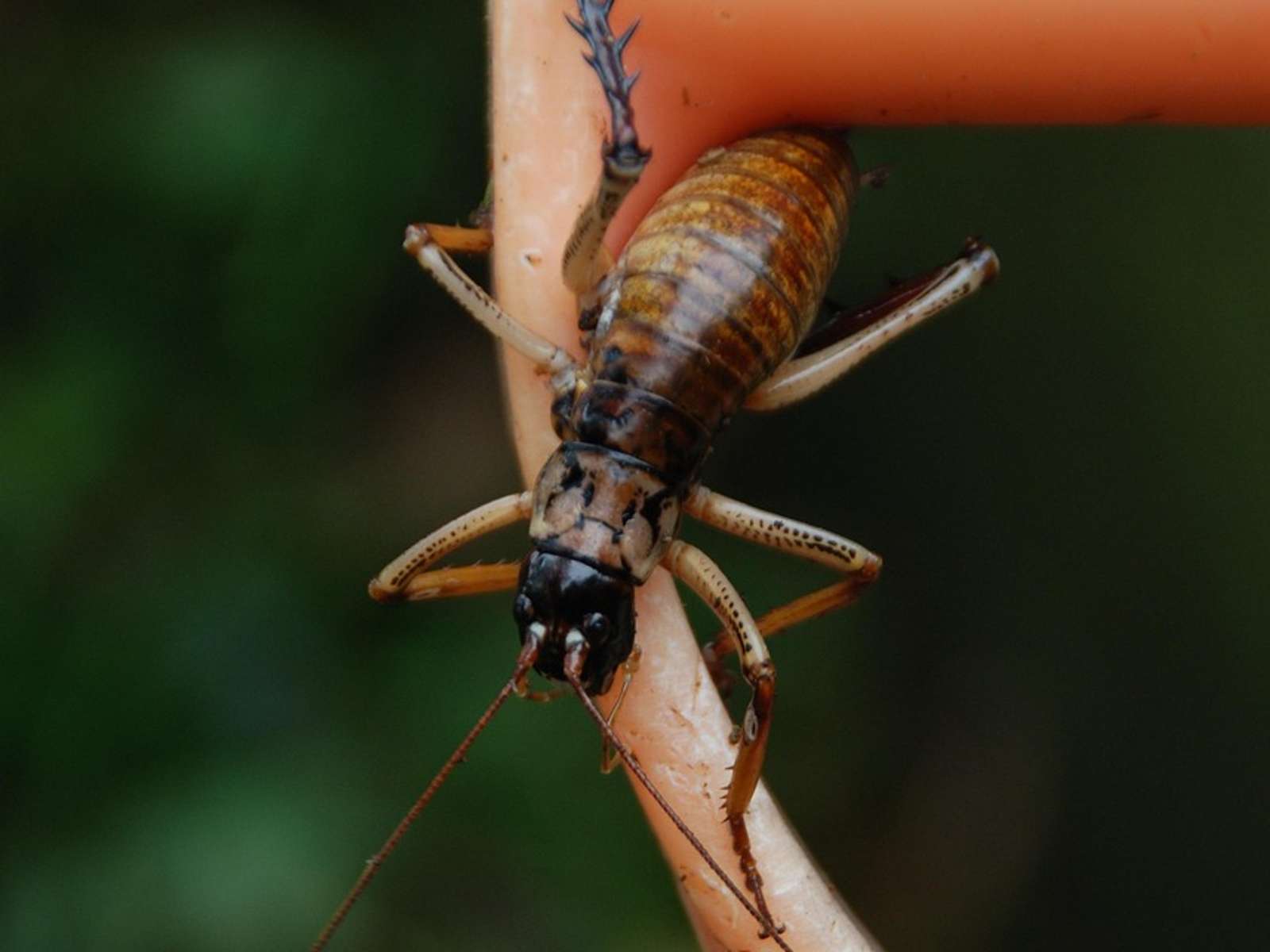
Captive-bred Canterbury knobbled weevils, a 'living fossil' once thought extinct, are released into the wild
New Zealand's Department of Conservation has released captive-bred Canterbury knobbled weevils near the Ashburton Lakes. The colony grew from six beetles to more than 200; the species was thought extinct until 2004.
By Diego Callegari, Editor
· New Zealand · 1 min read
Source: Department of Conservation (New Zealand) ↗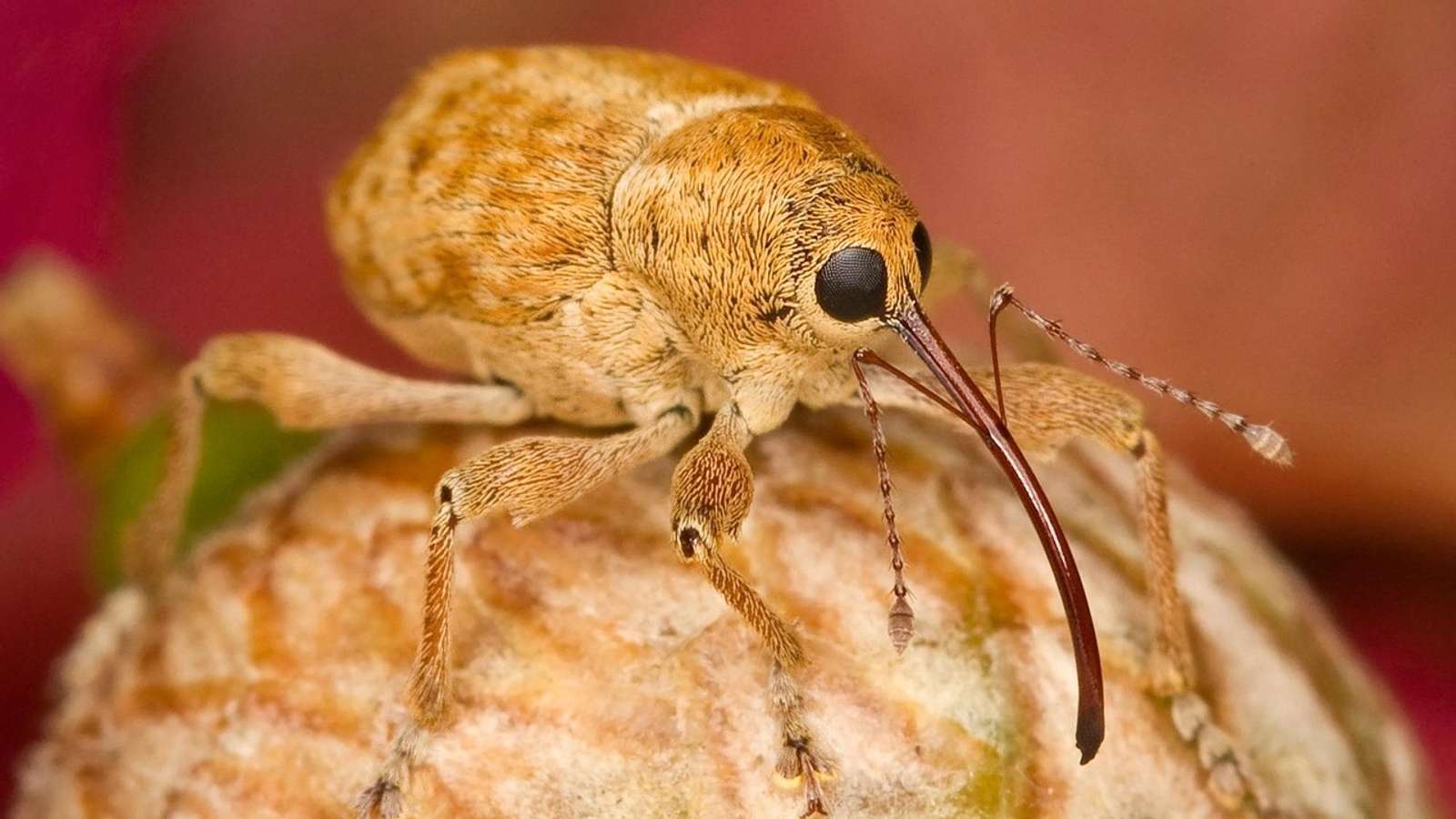
One of New Zealand's rarest beetles is back in the wild. The Department of Conservation (DOC) has released captive-bred Canterbury knobbled weevils onto spear grass plants in the Ōtūwharekai/Ashburton Lakes area, DOC said on 23 October.
Thought extinct until 2004
The Canterbury knobbled weevil is critically endangered and described by DOC as a genetically ancient “living fossil.” It was thought extinct until a small population was found at Burkes Pass in 2004, and another small pocket turned up in Mid-Canterbury in late 2024.
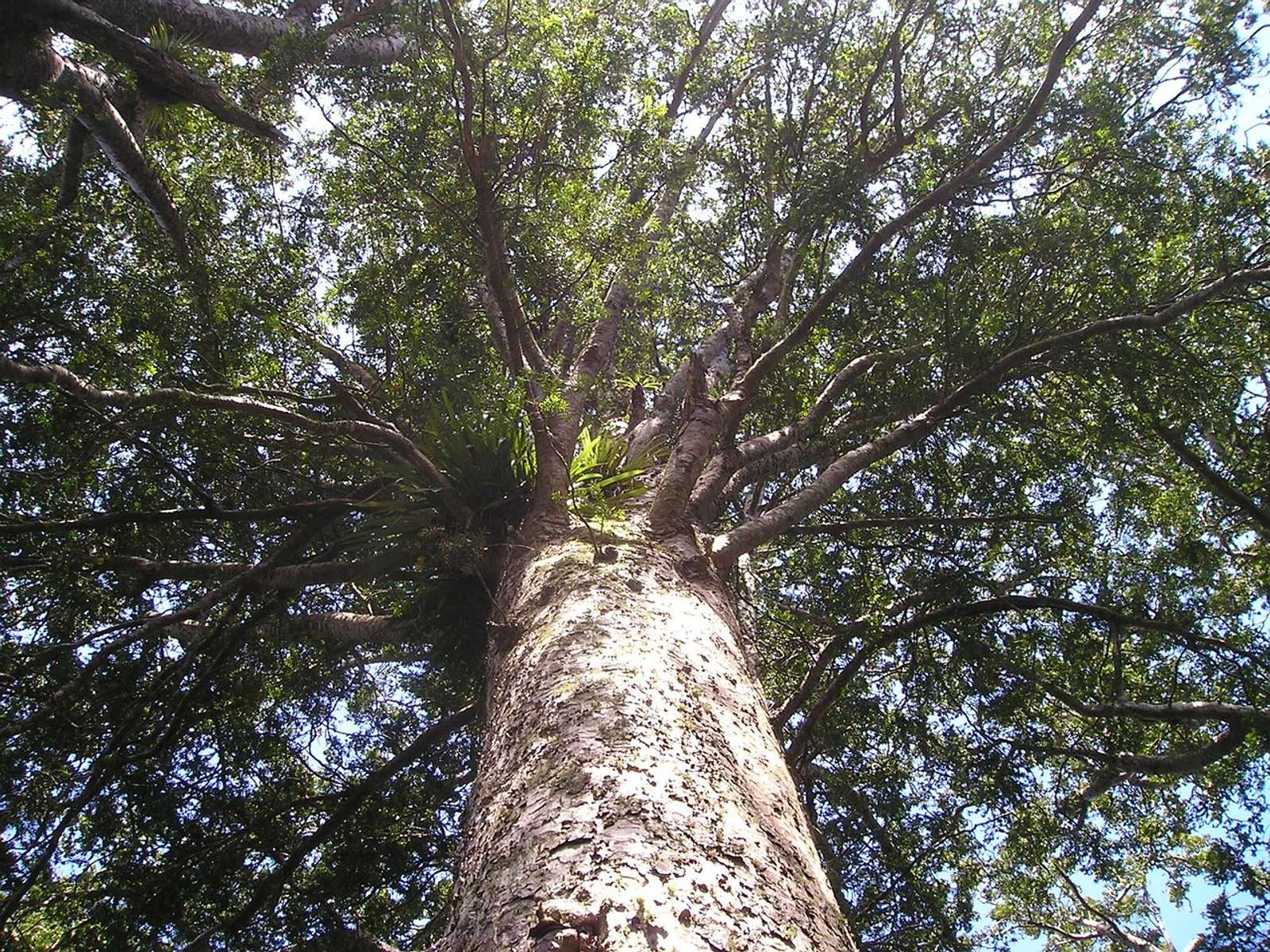
The weevils depend on Aciphylla, the spiky plants known as spear grass, and their main threat is the loss of those plants from the landscape. Living in only a few small populations also leaves them vulnerable to fire and other hazards.
From six beetles to more than 200
The captive colony was built at a specialist laboratory at the Bioeconomy Science Institute at Invermay, working with weevil specialist Barbara Barratt. “We began with six and now we have more than 200,” said Tara Murray, a DOC senior science advisor.
“It's amazing seeing them scuttle down into the depths of the spear grass.” — Tara Murray, DOC Senior Science Advisor
The release is a soft-release trial: protective covers stay on the plants for about a week while the weevils settle, and DOC will monitor them before removing the covers. The work is done with Te Rūnanga o Arowhenua. New Zealand has used similar methods for other insects, such as the 11,000 giant wētāpunga released at 10 wild sites.
Next: new populations in new places
If the trial succeeds, DOC and Te Rūnanga o Arowhenua plan to collect more wild weevils for a full-scale effort to establish populations in separate locations. DOC will also keep monitoring Burkes Pass and bring any weevils found there into the captive facility. More recovery stories are collected under species recovery.
Sources
- Department of Conservation (New Zealand) · doc.govt.nz
How we choose and verify sources: editorial policy.