Animals and plants coming back from the brink: reintroductions, breeding programs and wild populations that are growing again.
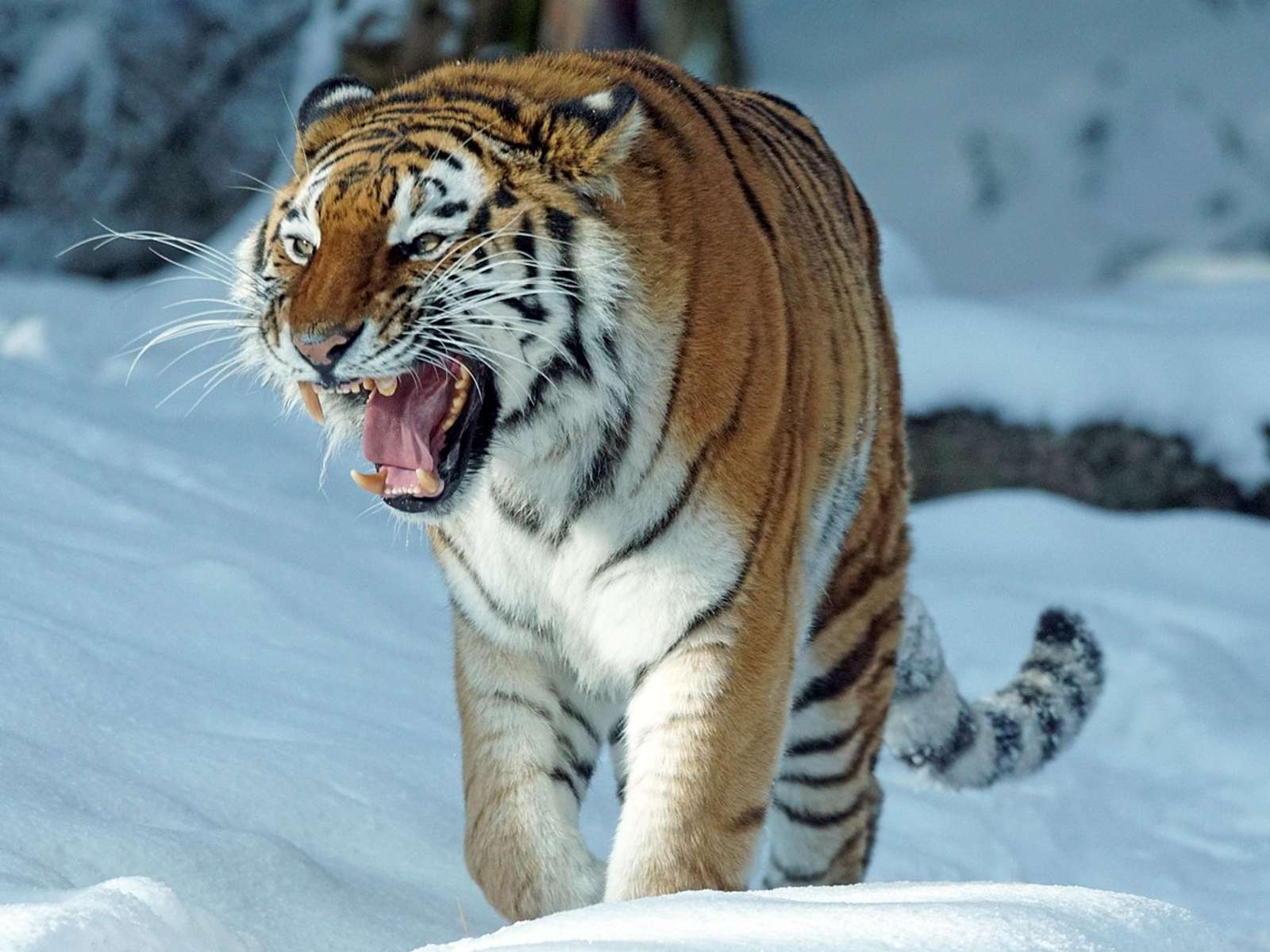
A male Amur tiger named Amur was released into the Ile-Balkhash State Nature Reserve on 31 October, Kazakhstan's ecology ministry said. He follows the tigress Ümit, released in July, in a program to bring tigers back more than 70 years after they disappeared.
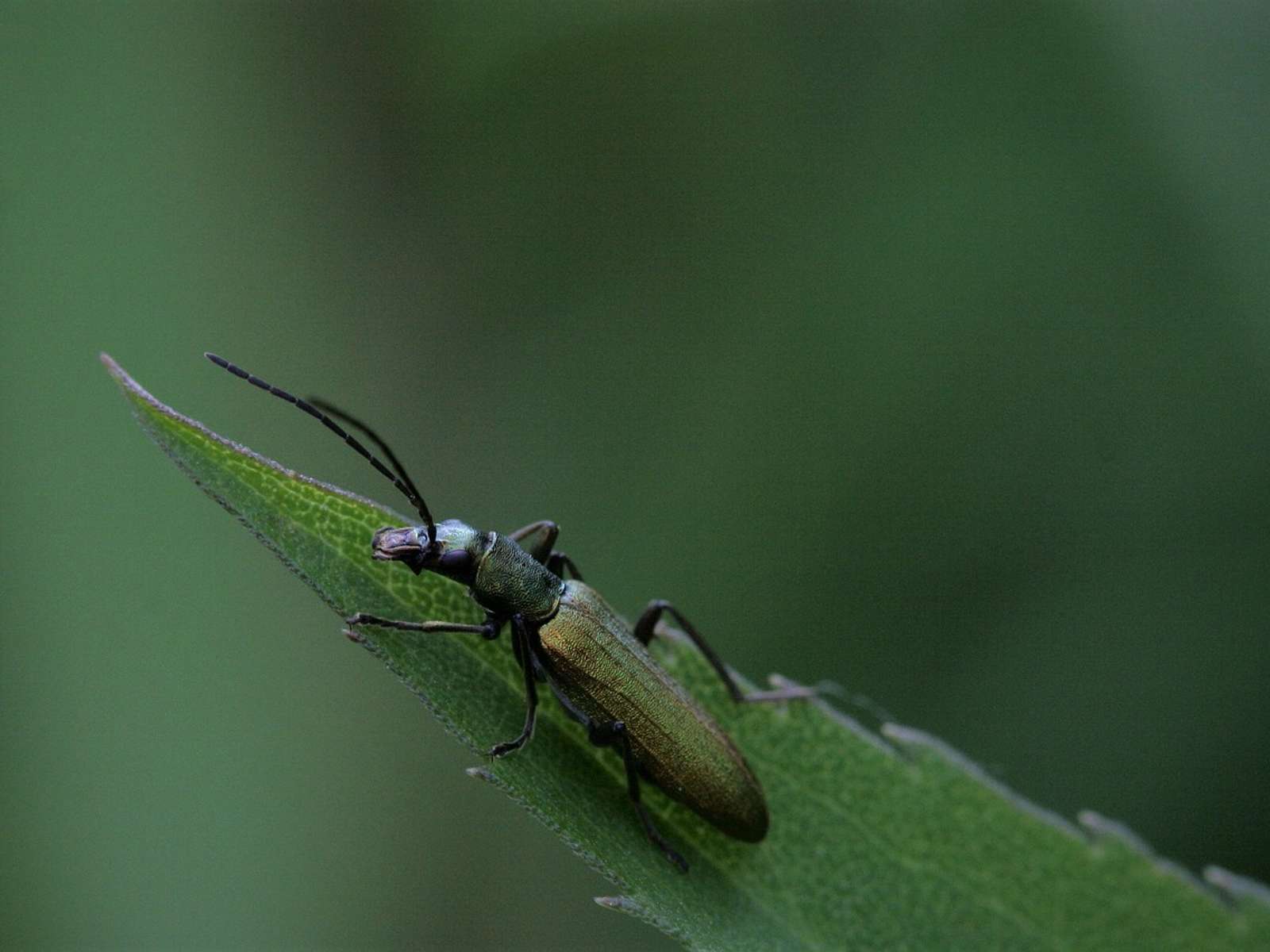
Surveyors found larvae of the short-necked oil beetle at Castlemartin Range in Pembrokeshire, its only site in Wales, after surveys in 2022 and 2025 found only dead adults, Natural Resources Wales said.
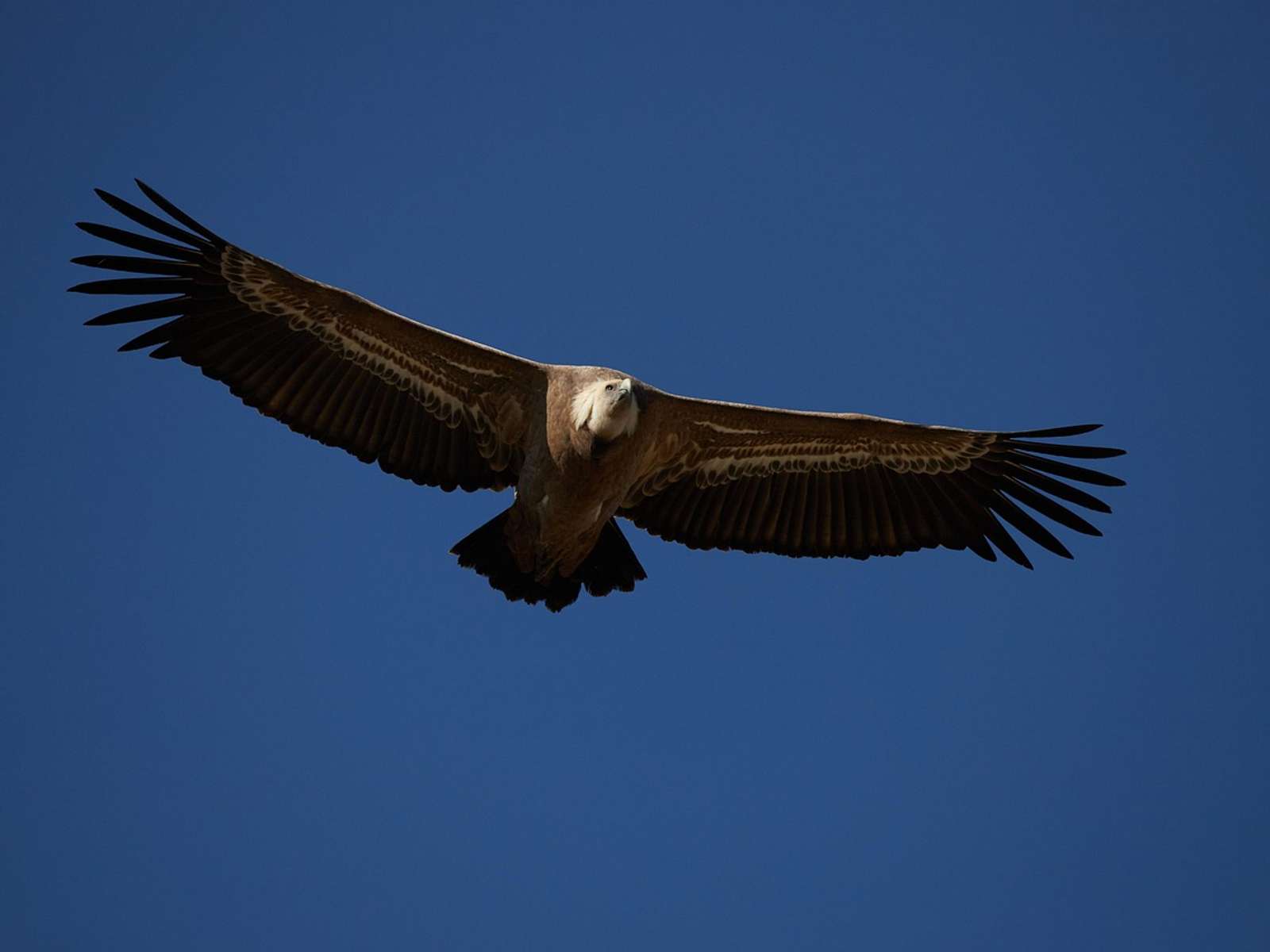
Portugal recorded 127 to 131 breeding pairs of cinereous vultures in 2026, up from 119 to 126, and found a new colony at Monfortinho, the Vulture Conservation Foundation said. The species stopped breeding in Portugal in the 1970s.

Ten scarlet macaws were released in the Cangrejal River basin near La Ceiba, Honduras, on 26 October, bringing this year's total to 26. Wild scarlet macaws had not been recorded in the area since the 1960s.
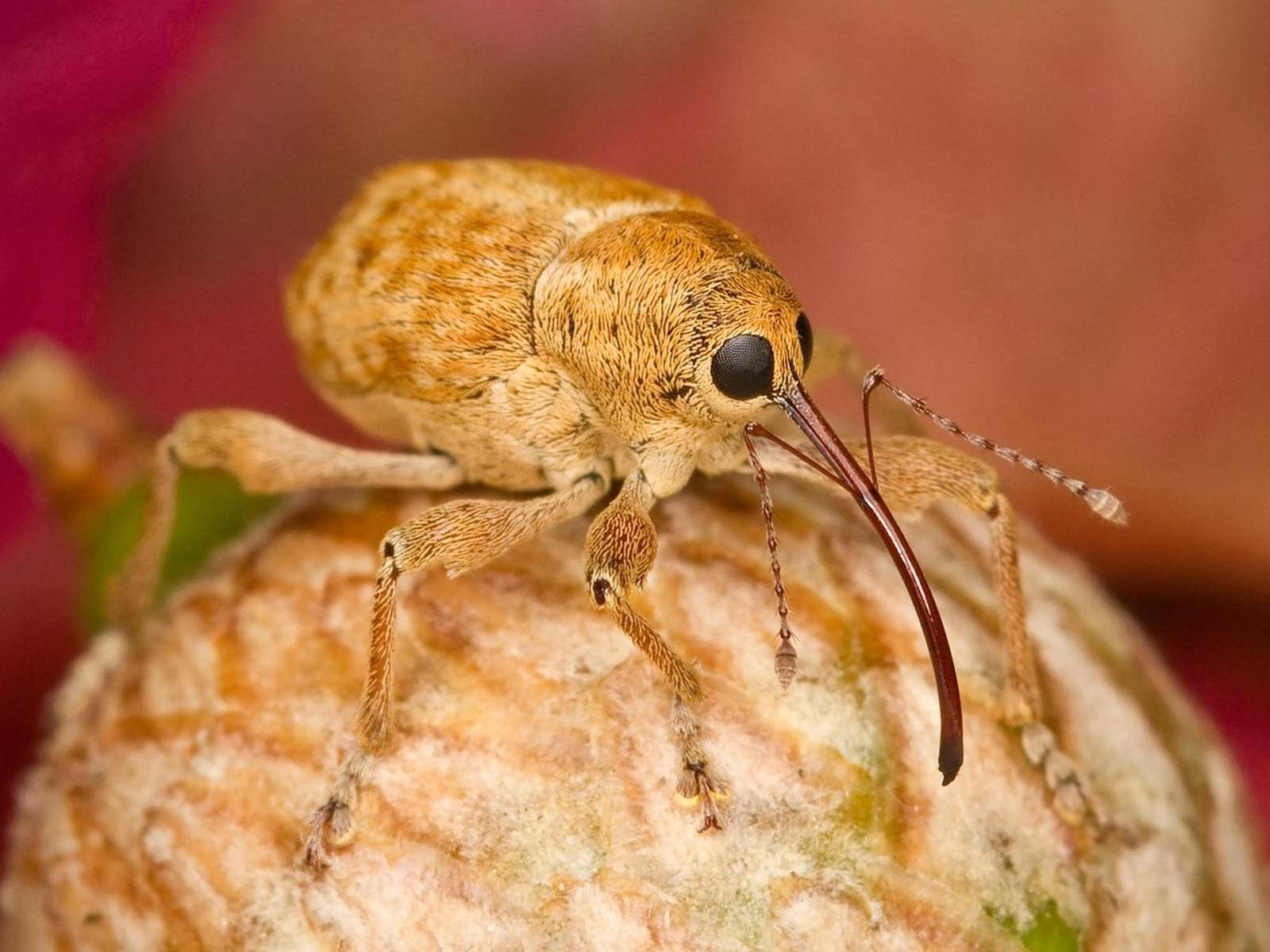
New Zealand's Department of Conservation has released captive-bred Canterbury knobbled weevils near the Ashburton Lakes. The colony grew from six beetles to more than 200; the species was thought extinct until 2004.
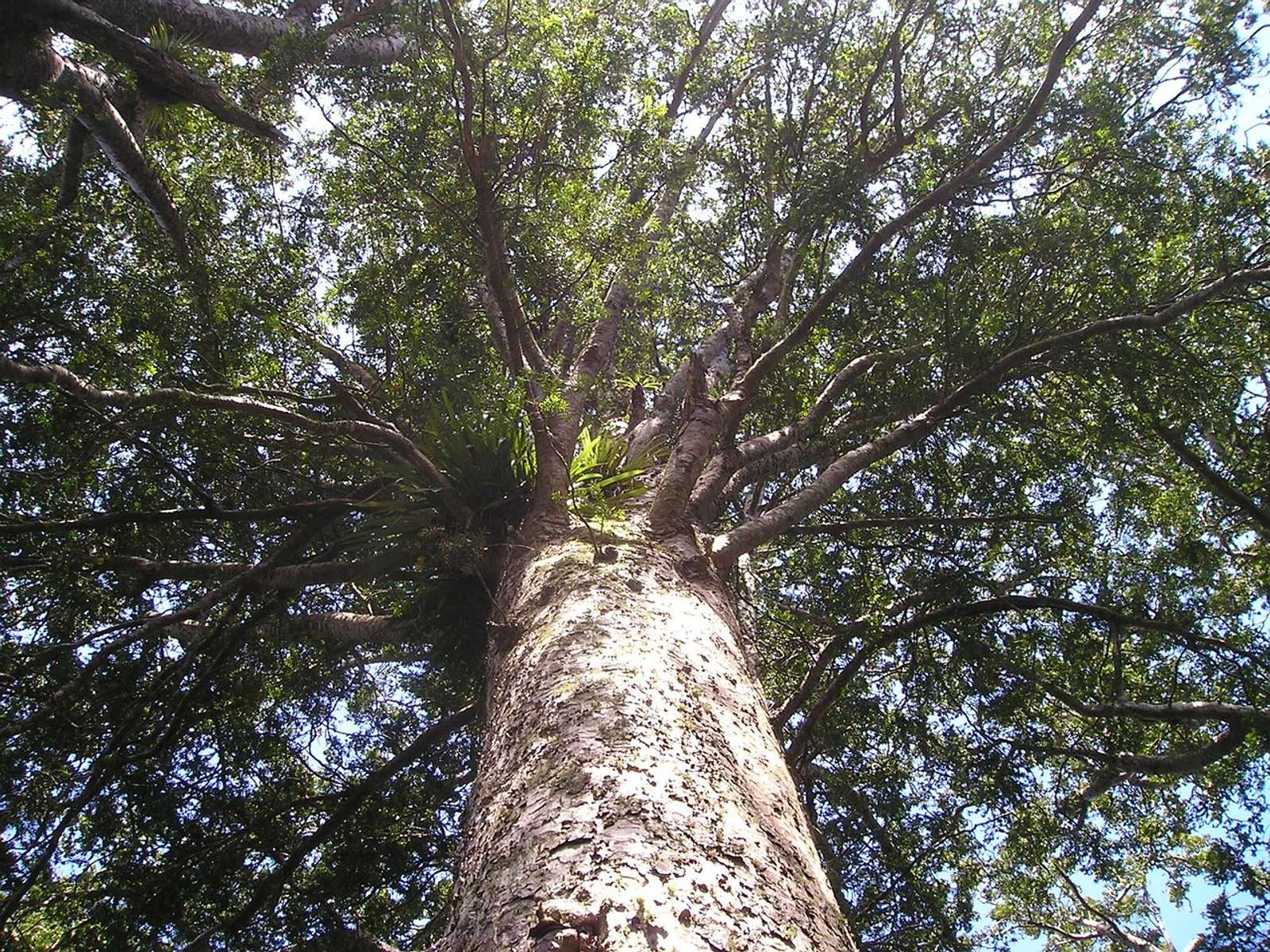
Two juvenile male kākāpō have joined a mainland habitat trial at Sanctuary Mountain Maungatautari, and 122 Mahoenui giant wētā were released there. The kākāpō population reached 325 after a record breeding season.
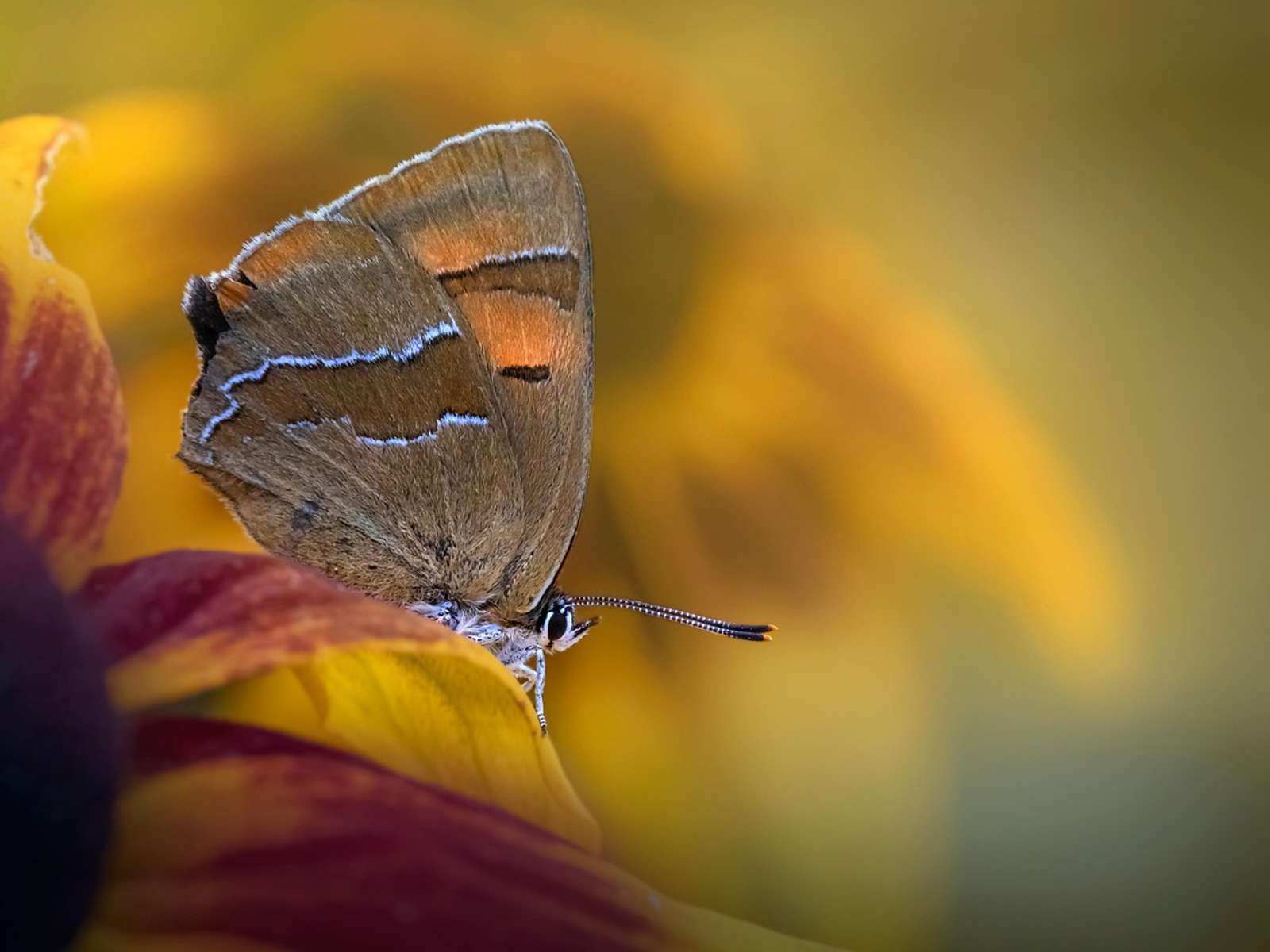
The University of Guelph leads a $2.4 million national project to recover the mottled duskywing, the frosted elfin, missing from Canada since the 1990s, and the curiously isolated hairstreak, known from one site in Alberta.
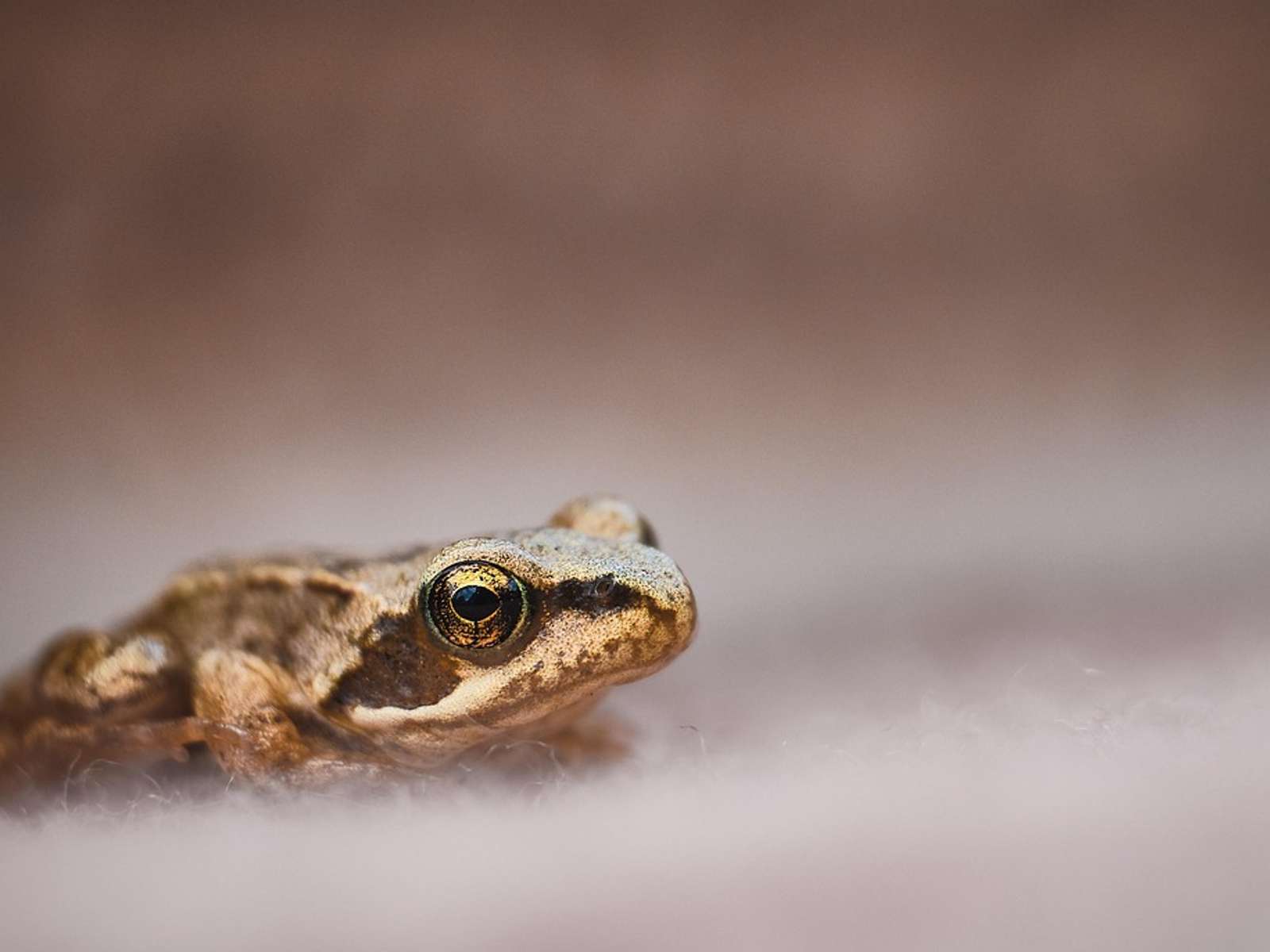
Fifteen Afia Birago's puddle frogs, a Critically Endangered species known from just two pools in Ghana's Atewa Hills, have hatched at London Zoo. They are the first of their species bred under human care anywhere.
San Diego Zoo Wildlife Alliance has established a third reintroduced population of Pacific pocket mice, a thumb-sized rodent rediscovered in 1993. More than 500 have been released since 2006.
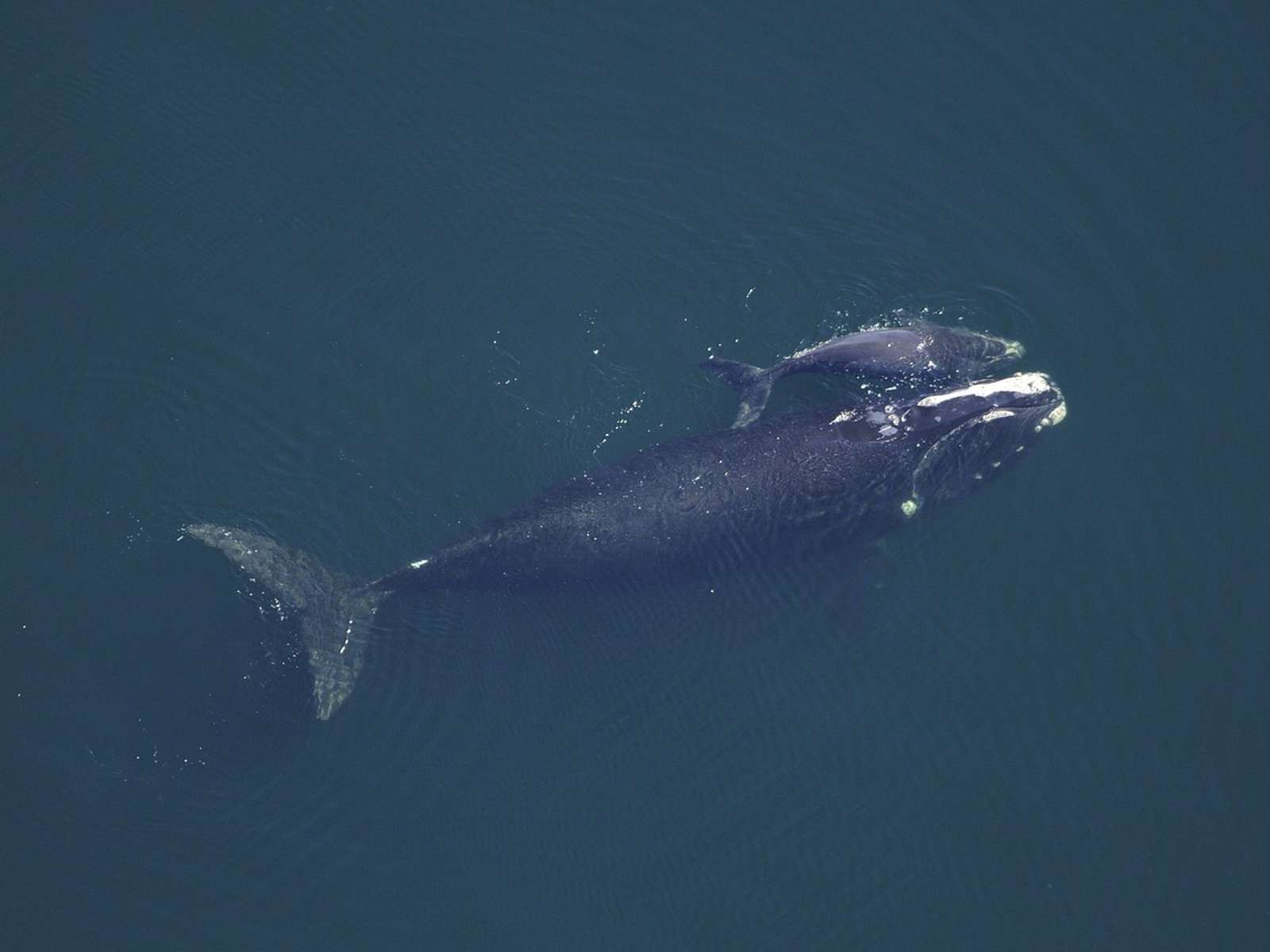
Satellite tracking of 21 southern right whales from New Zealand's Auckland Islands showed half swam straight west to feed south of Australia, while the rest took a month-longer L-shaped route. Both groups arrived at about the same time.
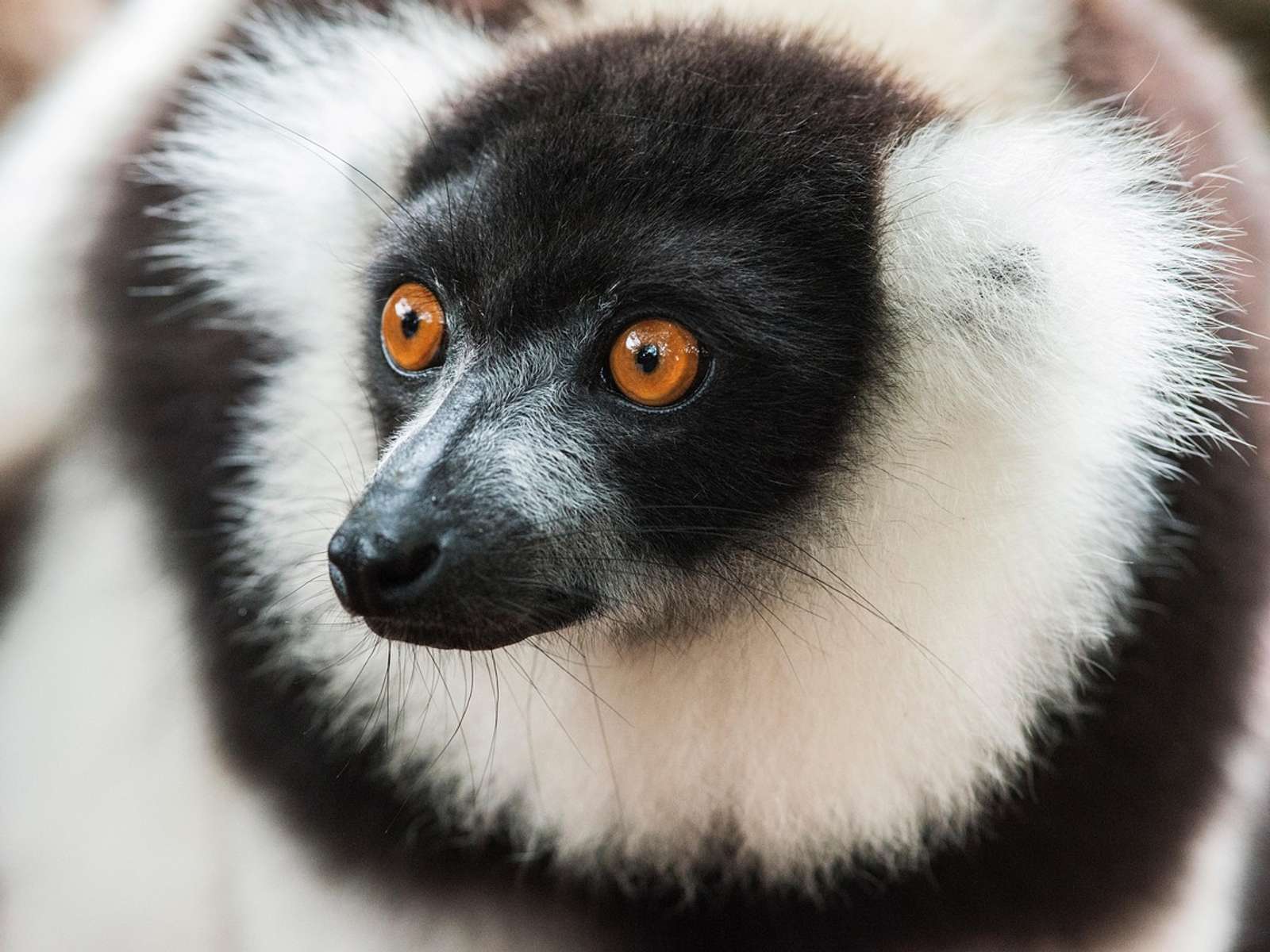
Nine private funders, including the Bezos Earth Fund, Rainforest Trust and Re:wild, launched the Species Recovery Alliance at the UN biodiversity summit with more than $500 million over five years for species listed as endangered or worse.
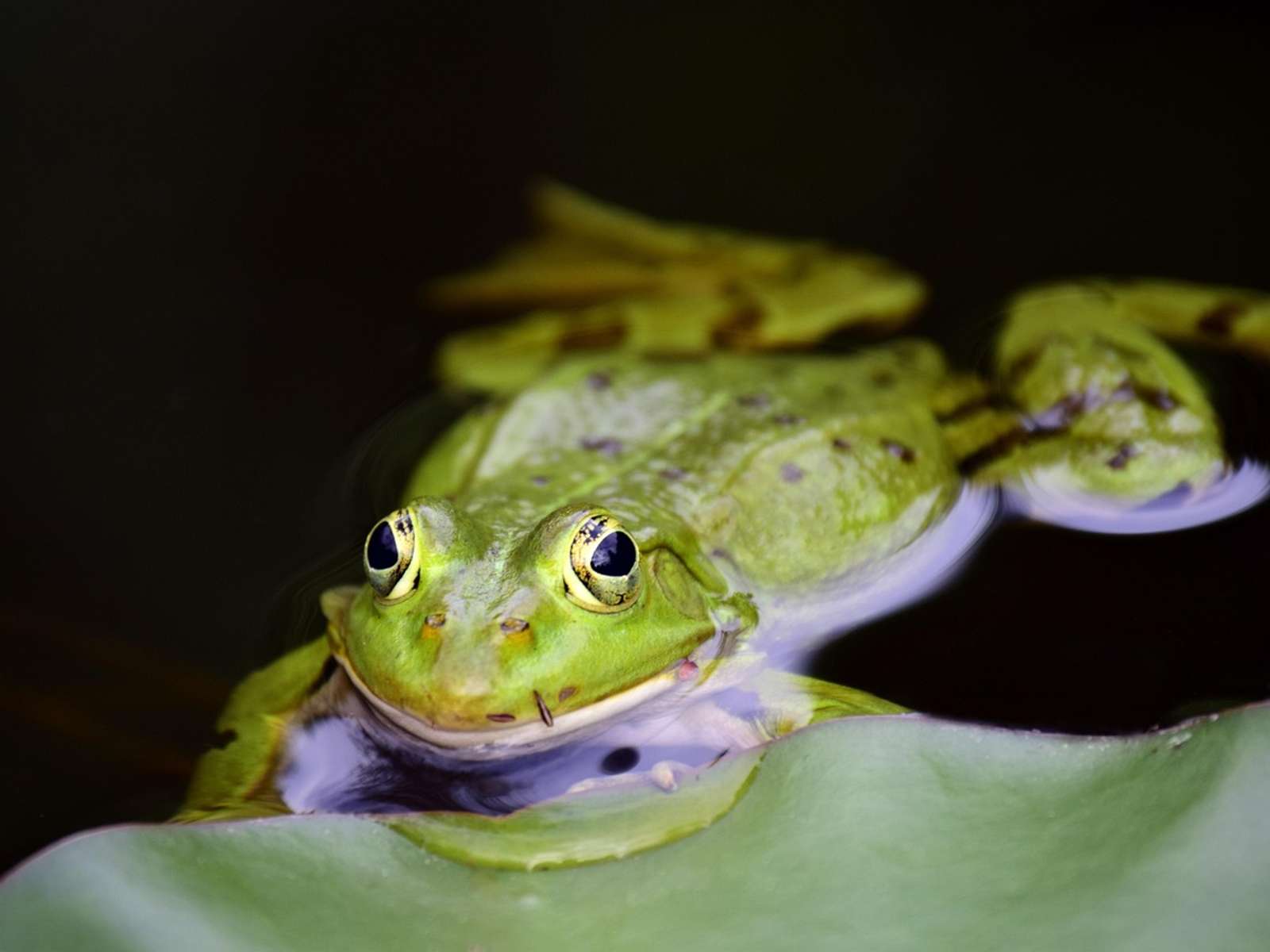
Museum specimens show the chytrid fungus arrived at Brazil's Boracéia station just as frogs vanished in 1979-1982. Today most species there appear to have recovered, Smithsonian and Penn State researchers report, though five have not been found.
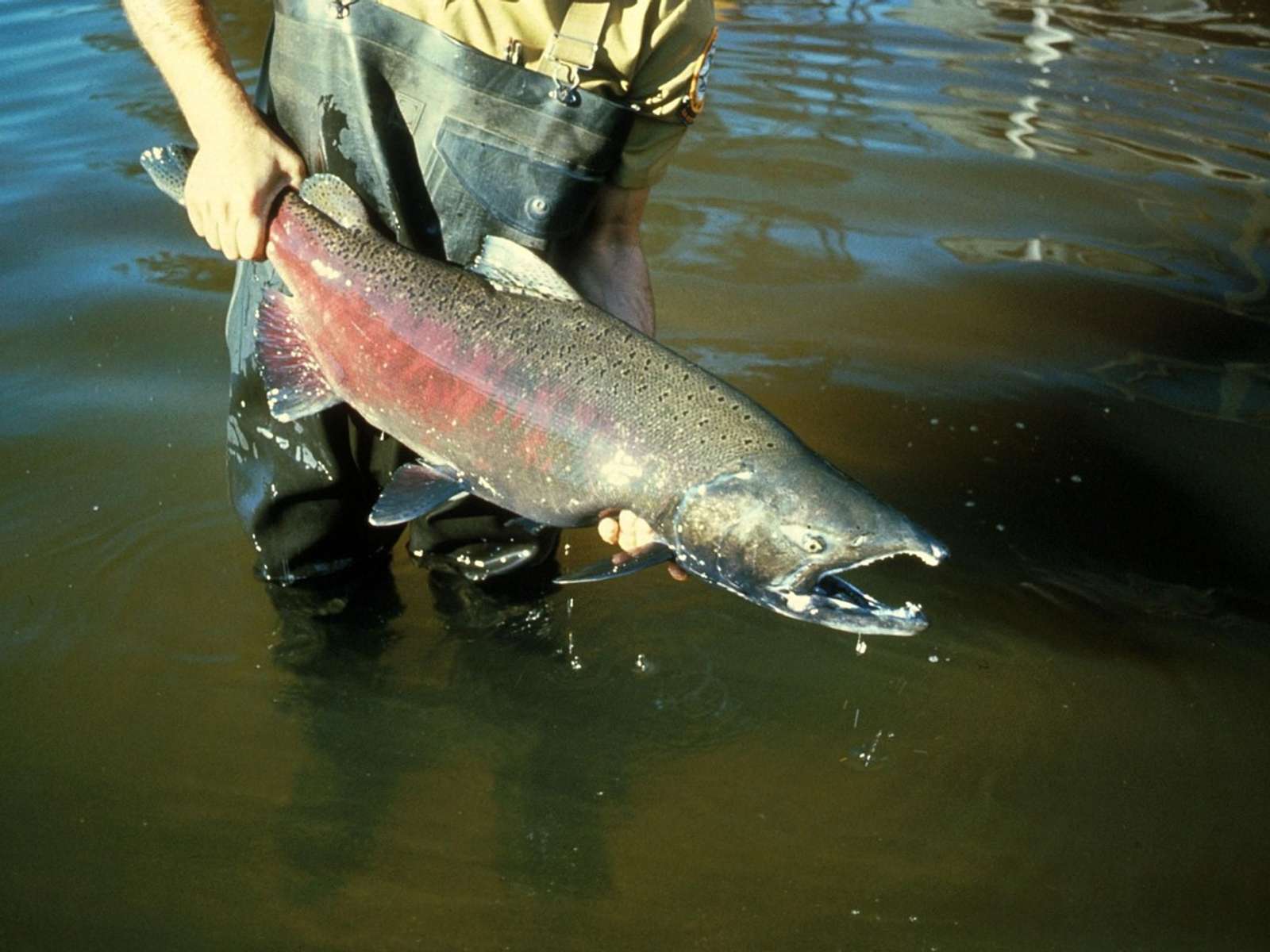
After four dams were removed from the Klamath River in 2024, sonar counted 7,742 Chinook swimming upstream that fall and 13,310 in 2025. The fish now reach 88% of their historical range above the old dams.
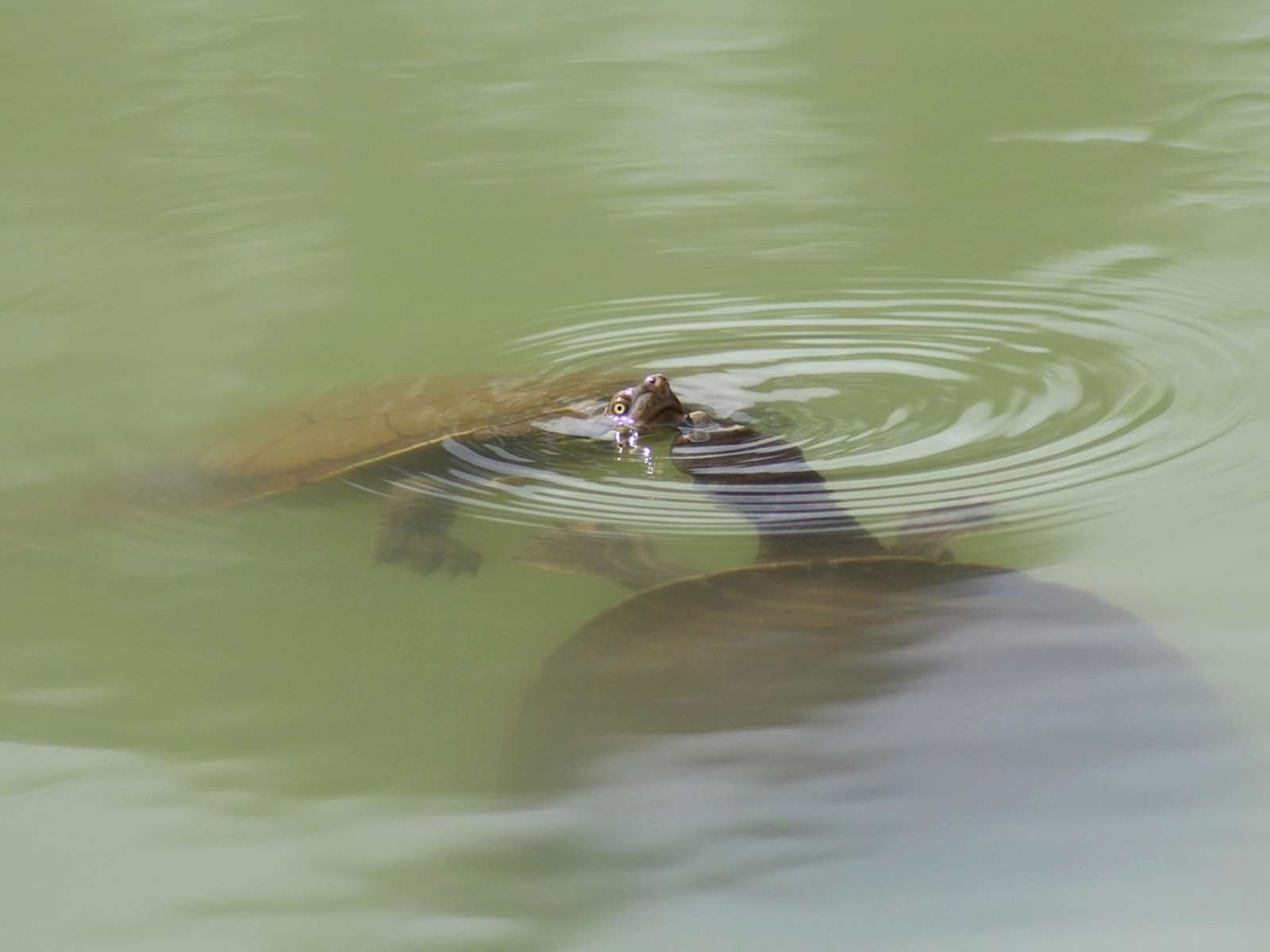
Thirty-nine freshwater turtles pulled from a drying waterhole in the Gwydir wetlands laid more than 250 eggs at Taronga Western Plains Zoo. Thirteen adults are already back in the wild.
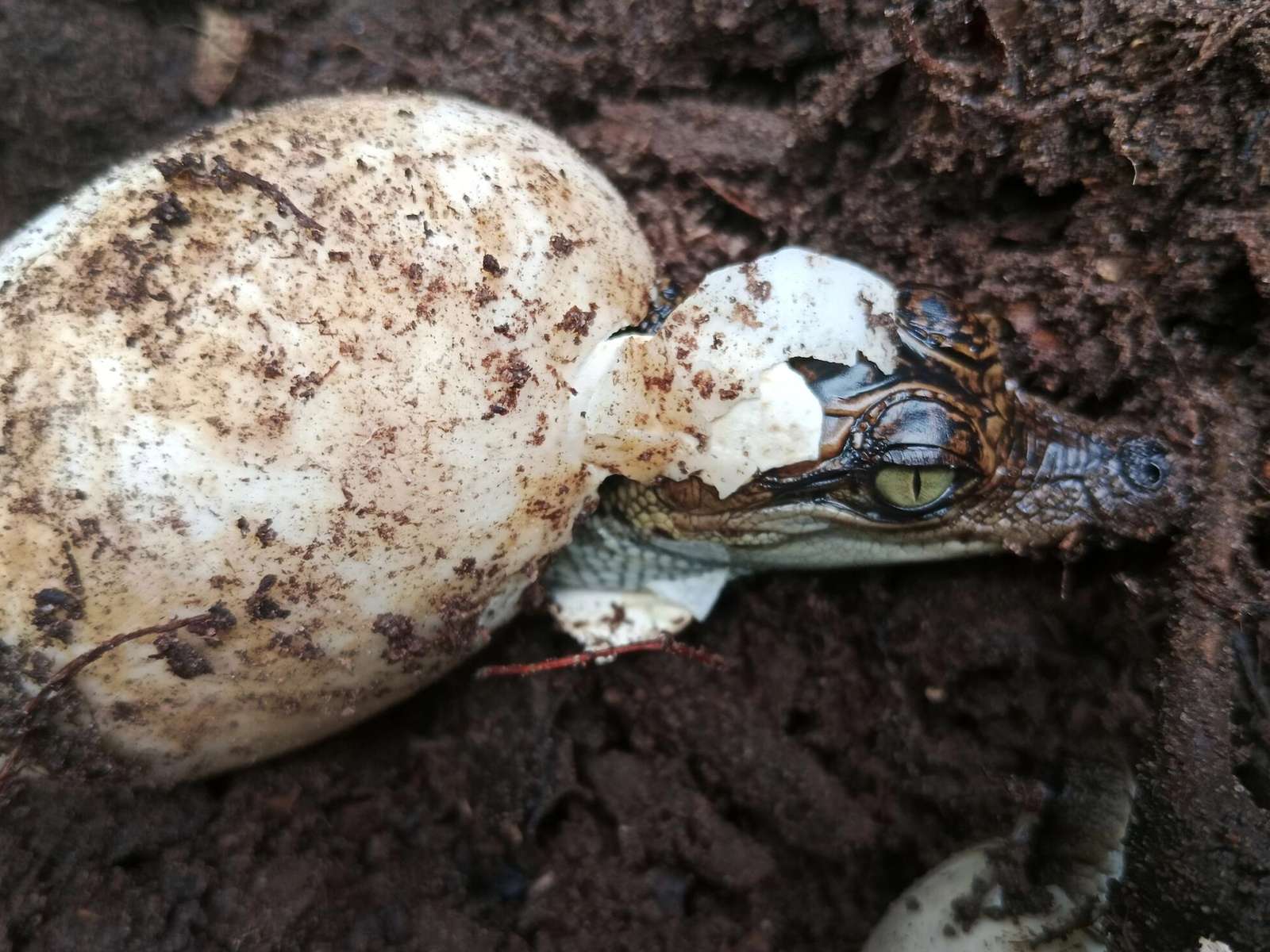
Cambodia has set aside 315 hectares of marsh in the Cardamom Mountains as its first genetic conservation area for an animal species. The site holds more than 40 wild Siamese crocodiles, the largest known wild group.
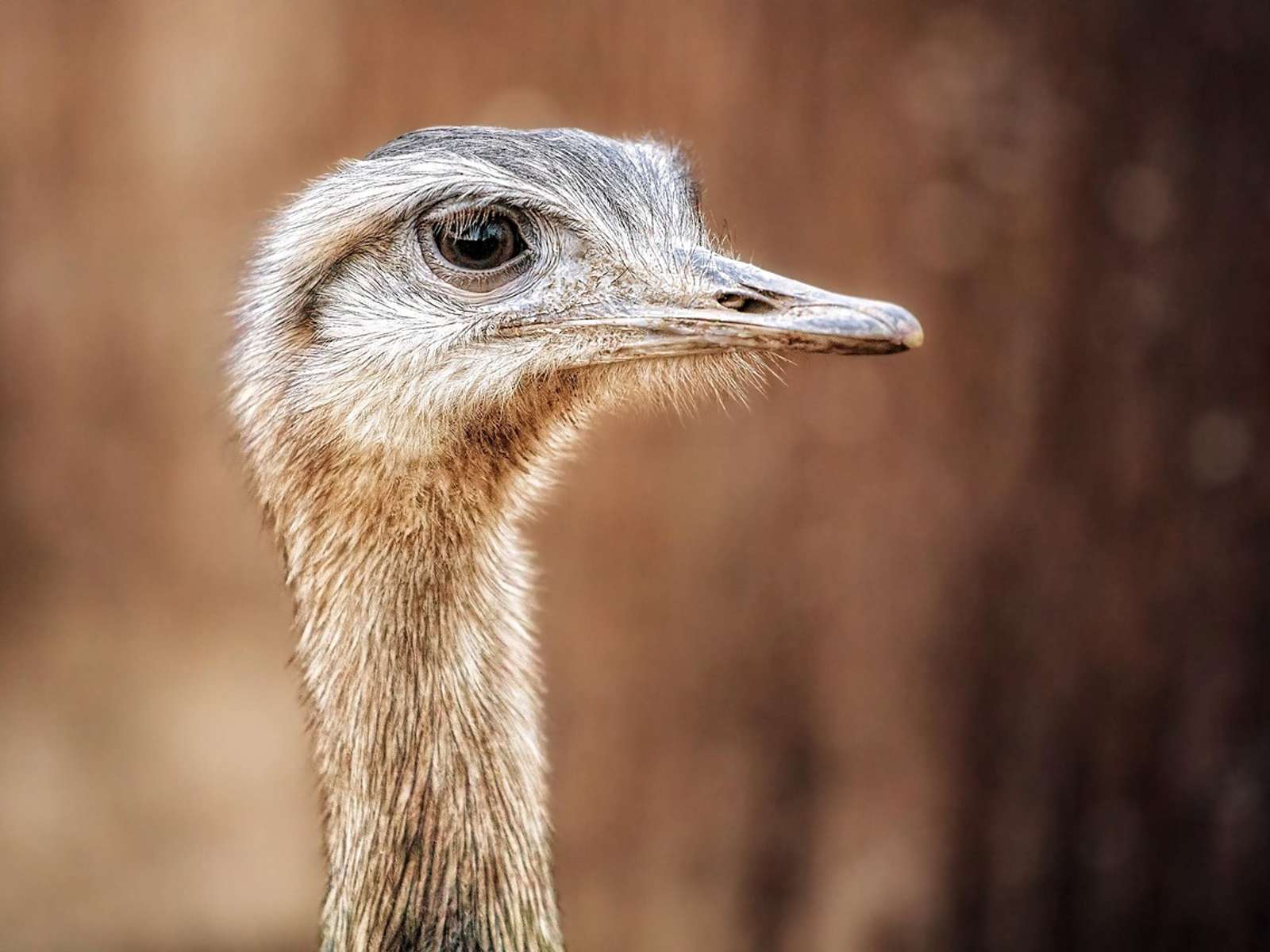
Rewilding Chile and its partners released 39 young Darwin's rheas into Patagonia National Park in March and April, part of a recovery program that began in 2014 for this endangered flightless bird.
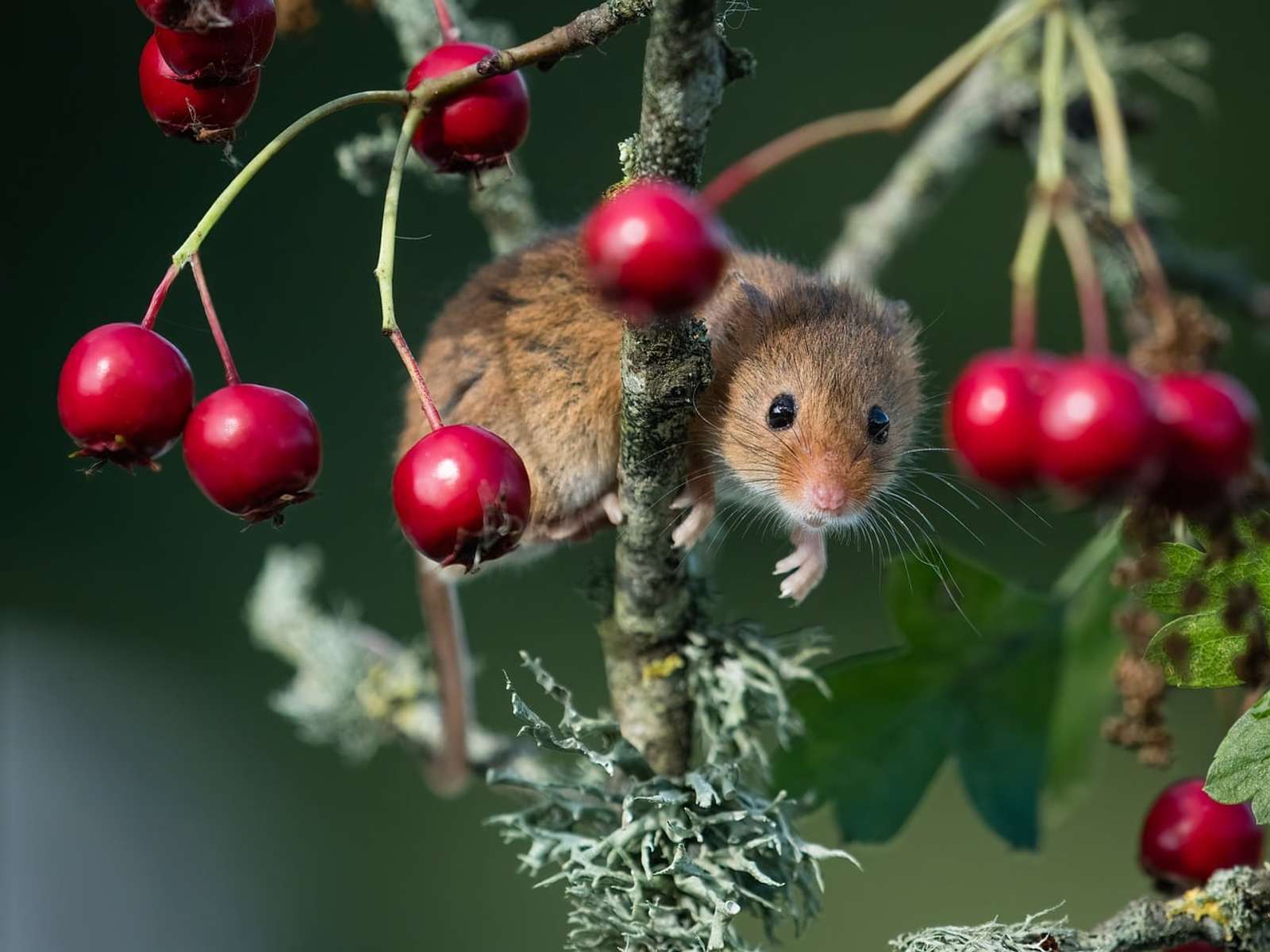
Devon teenagers Eva and Emily, both 14, are looking for 20 children aged 8 to 13 to breed 250 harvest mice at home, guided by ecologists, for release into the wild in September 2027.
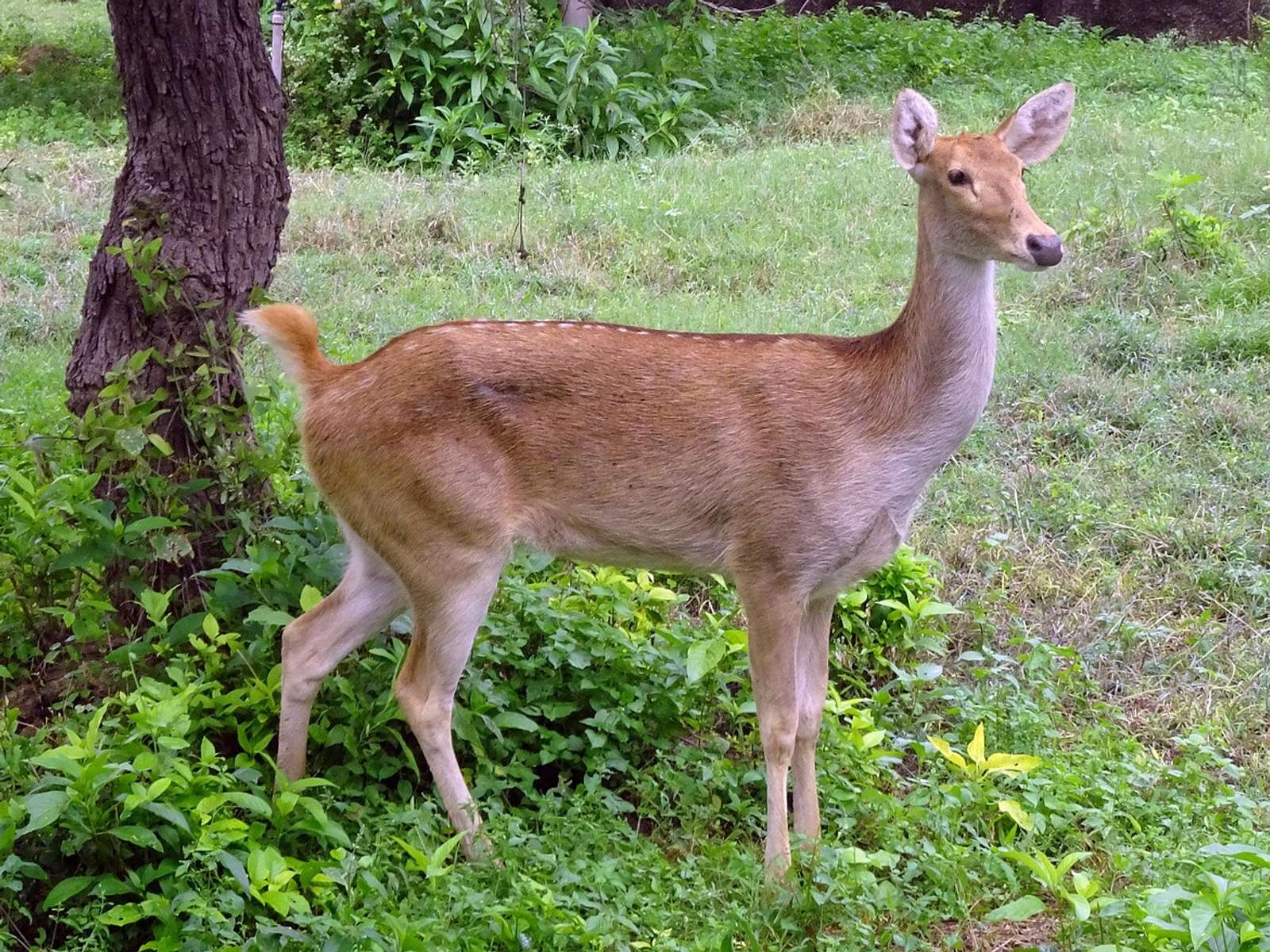
Ten years after Madhya Pradesh began moving hard-ground barasingha from Kanha to Satpura Tiger Reserve, where the deer had died out, the population has grown to about 303, with corridors now planned.
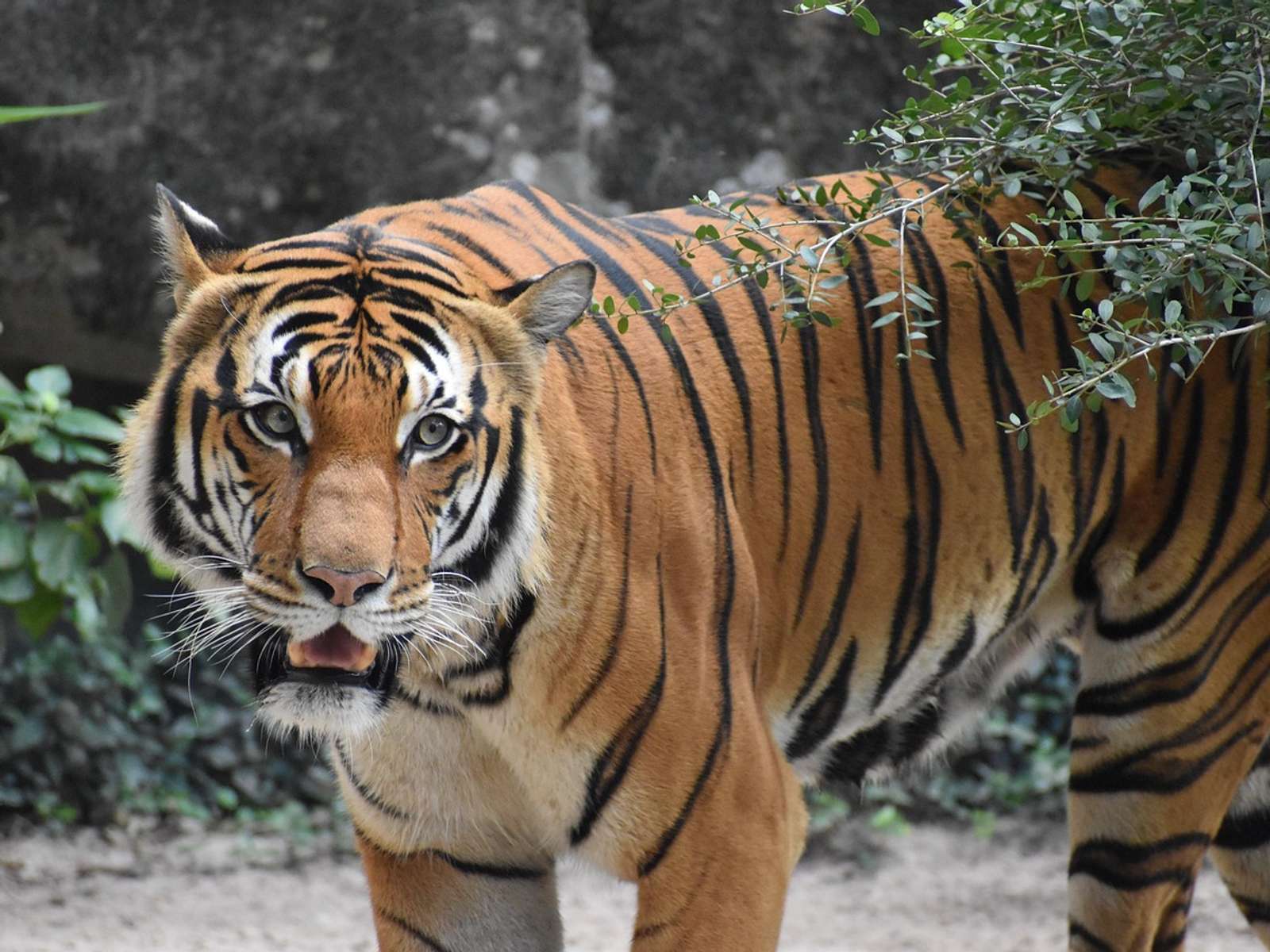
Camera traps in Thailand's Western Forest Complex show a wild tigress named Mae Kaew has raised three litters, nine cubs in all, and one of her daughters has now had two cubs of her own.
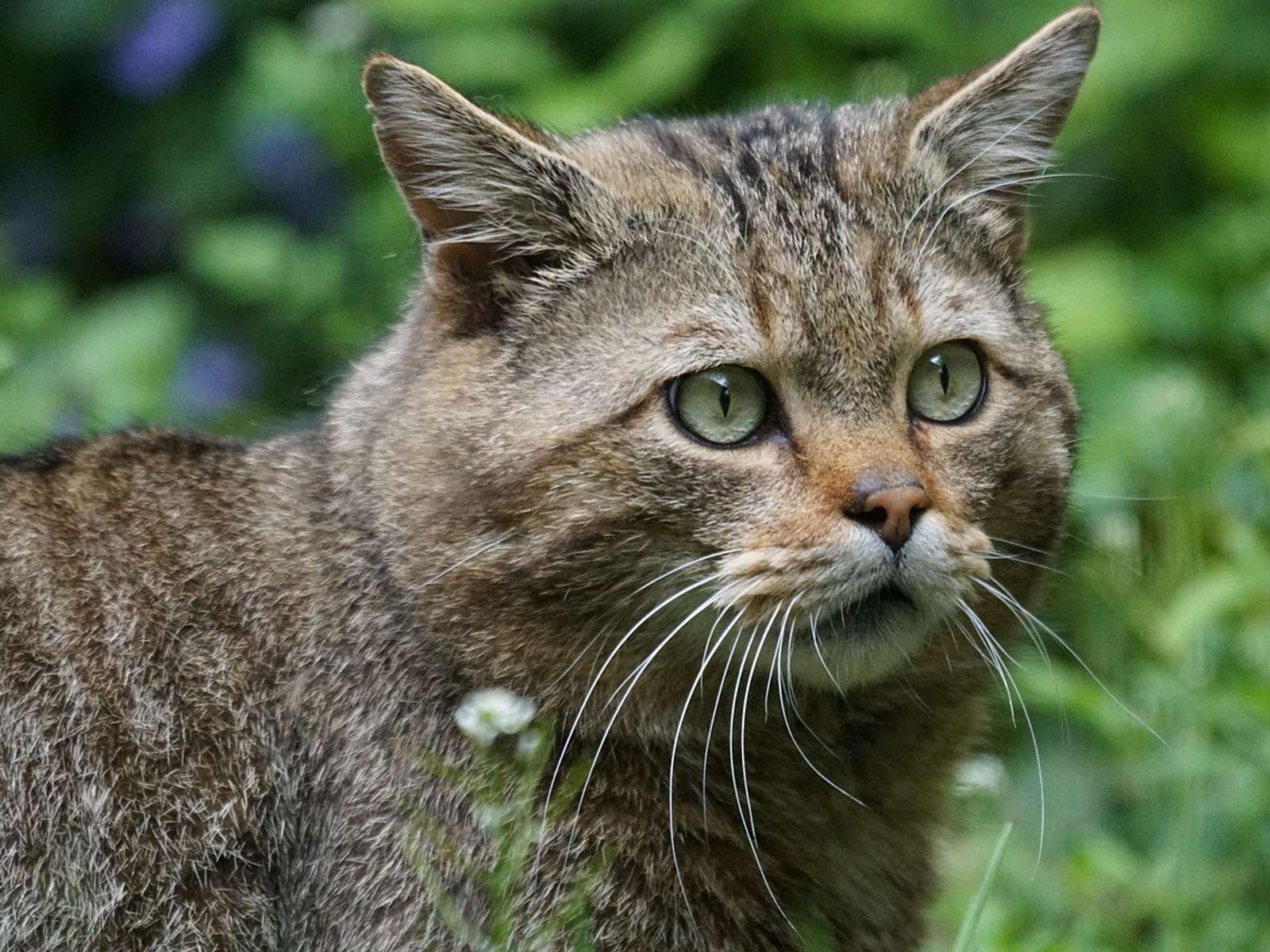
The Saving Wildcats project has now released 50 critically endangered wildcats into Scotland’s Cairngorms National Park since 2023, and released females have given birth in the wild for three years in a row.
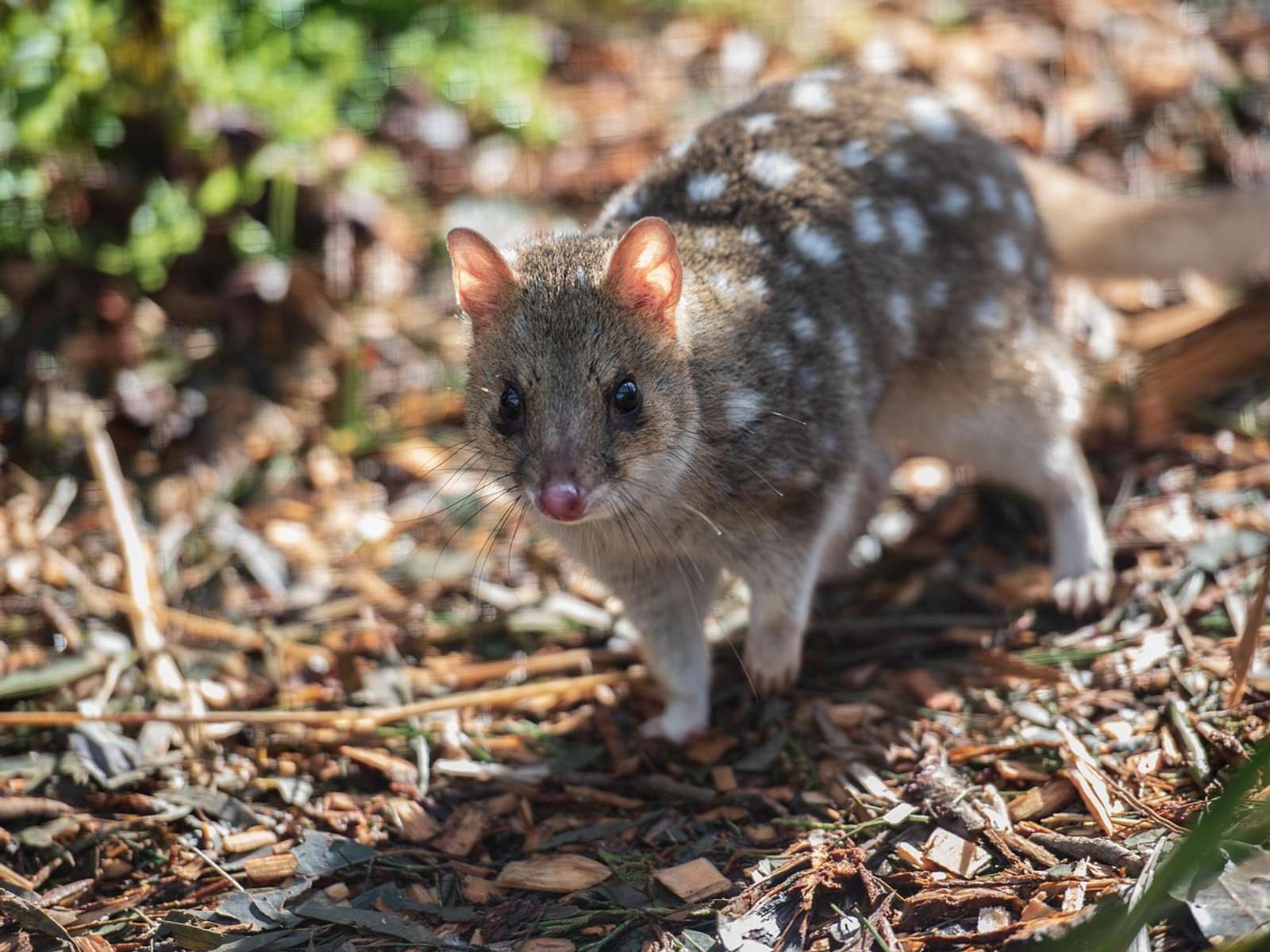
Australian Wildlife Conservancy has begun releasing endangered northern quolls, many of them females carrying young, into a 950-hectare feral predator-free area at Mt Zero-Taravale Wildlife Sanctuary in north Queensland.

Lulingu, a Grauer's gorilla rescued from the wildlife trade as an 18-month-old orphan and returned to the forest in 2024, gave birth on Mount Tshiaberimu in Virunga National Park in May. Mother and baby are healthy.
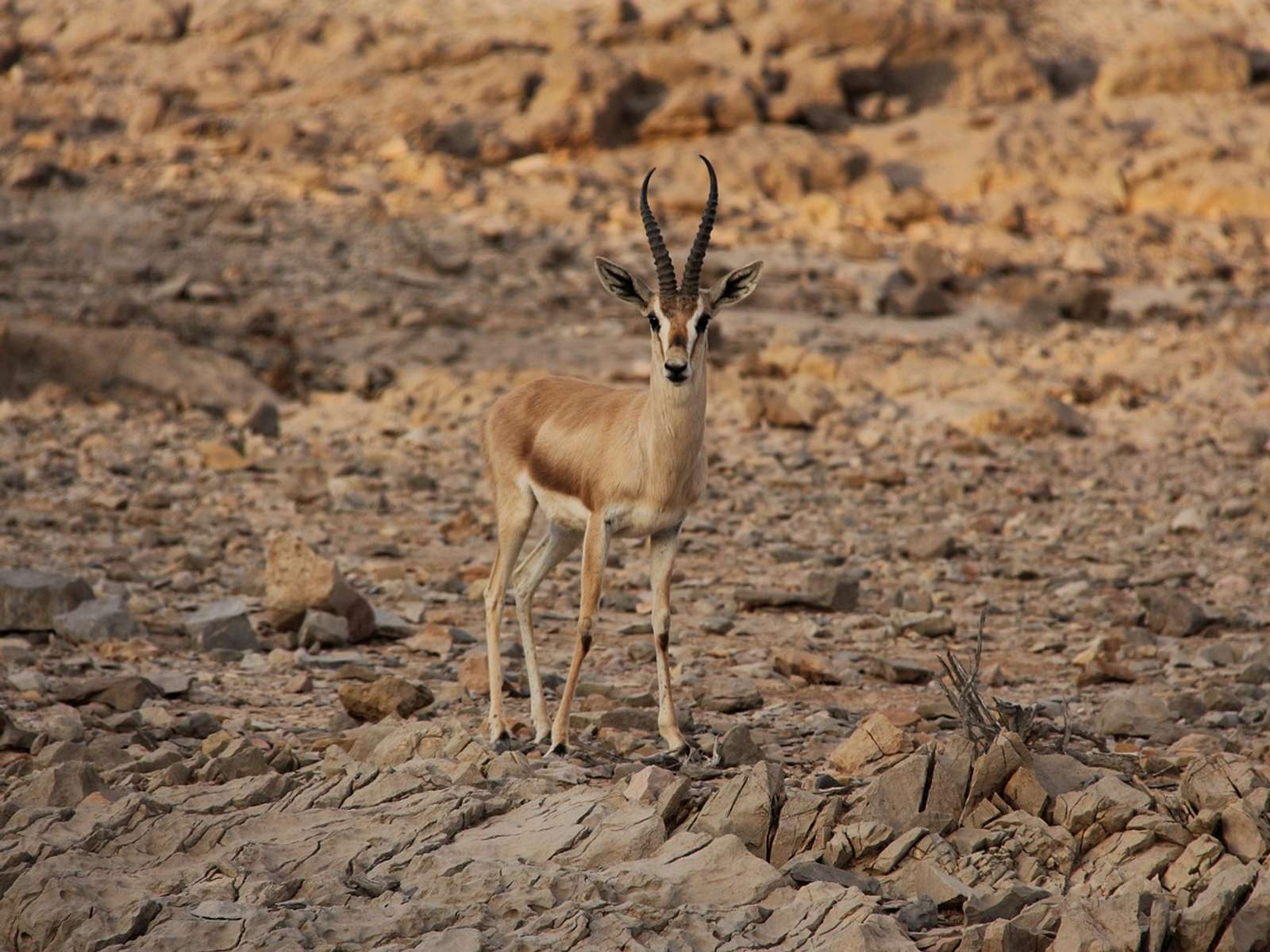
Thirty-eight vulnerable sand gazelles now live among the panels of a working 250-megawatt solar park in northwest Saudi Arabia, where a royal reserve hopes to breed a herd of about 600 by 2031 for release into the wild.
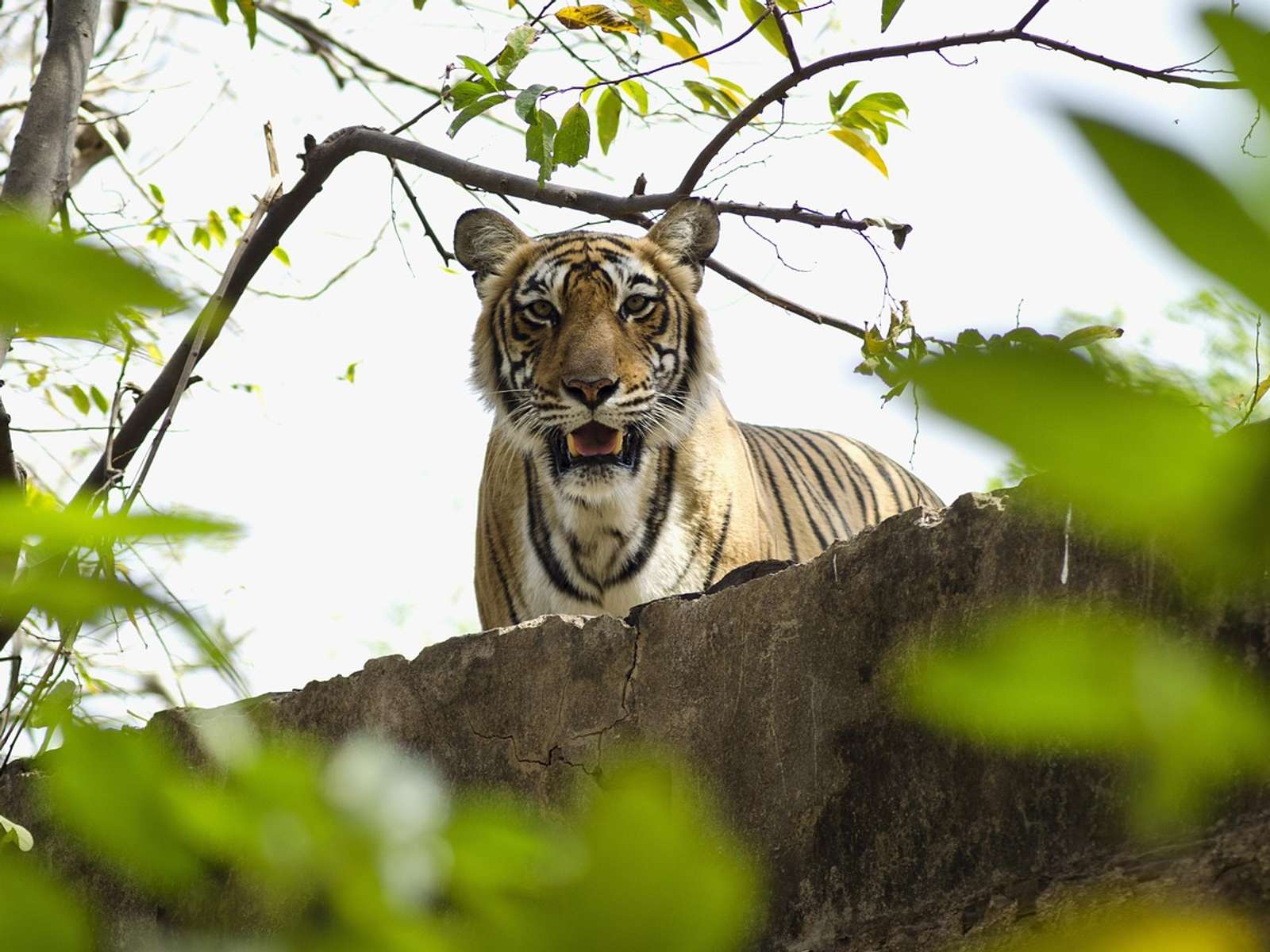
Tigress T138, about three years old, was flown from Bihar's Valmiki reserve and released into West Bengal's Buxa Tiger Reserve on 2 October, the first step in a phased plan to bring back a breeding tiger population.
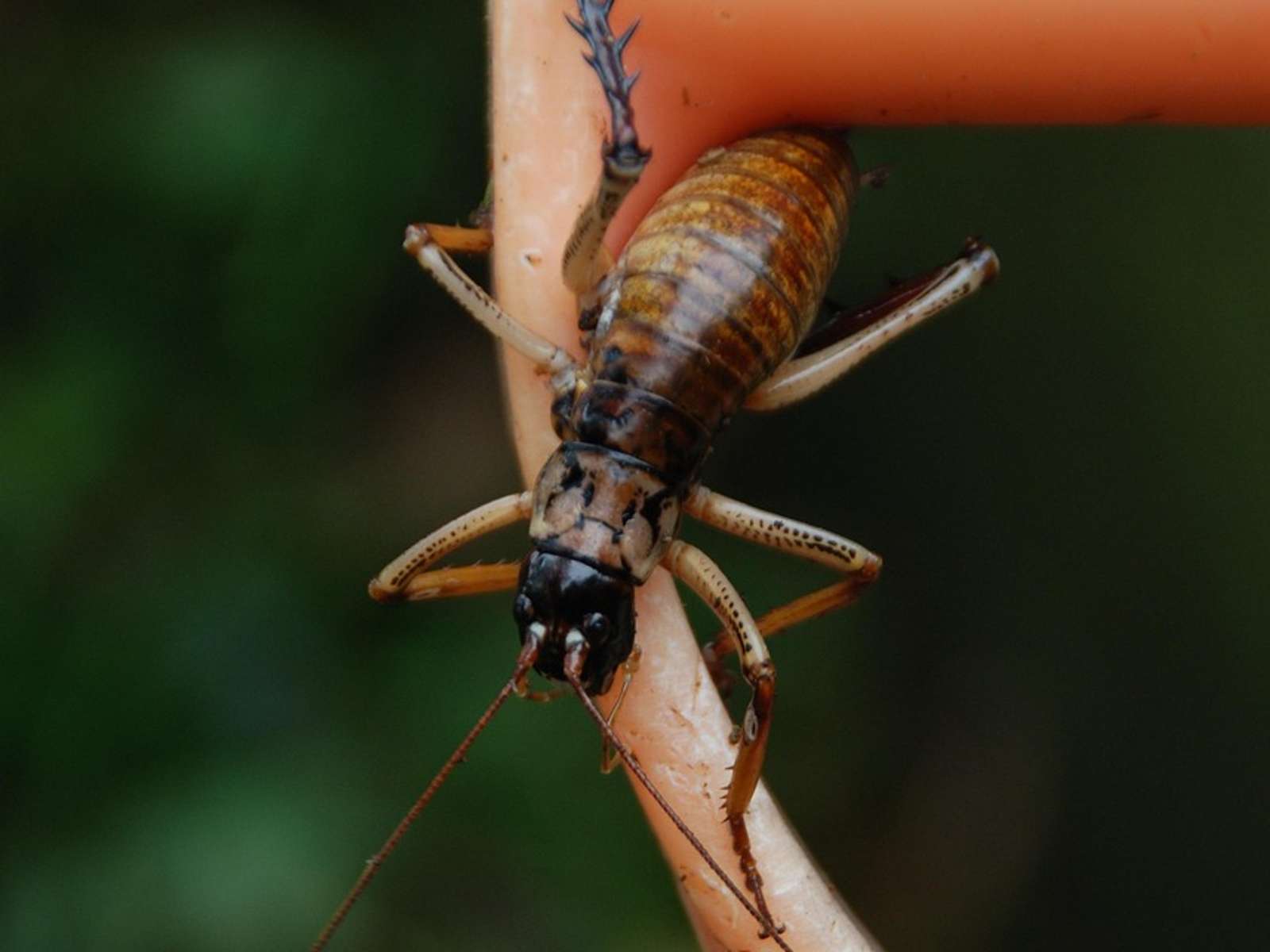
A 15-year breeding program at Butterfly Creek and Auckland Zoo has put 11,000 wētāpunga into 10 new wild sites. The giant insect's status improved from Nationally Endangered in 2004 to Nationally Increasing in 2022.
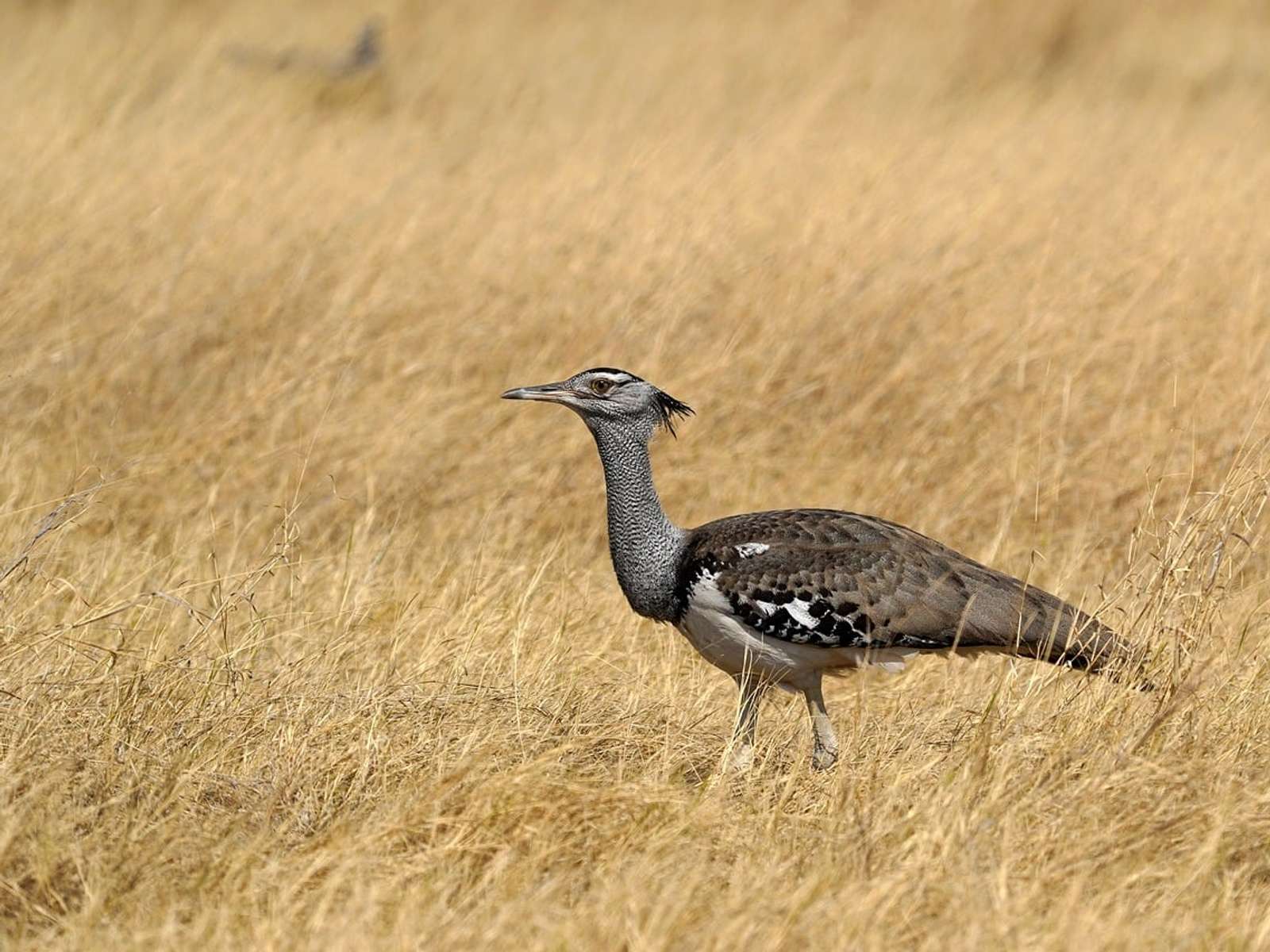
Two male Great Indian Bustards bred in captivity were released at Desert National Park in Rajasthan on 4 October, the first step from breeding the critically endangered bird to returning it to the wild.
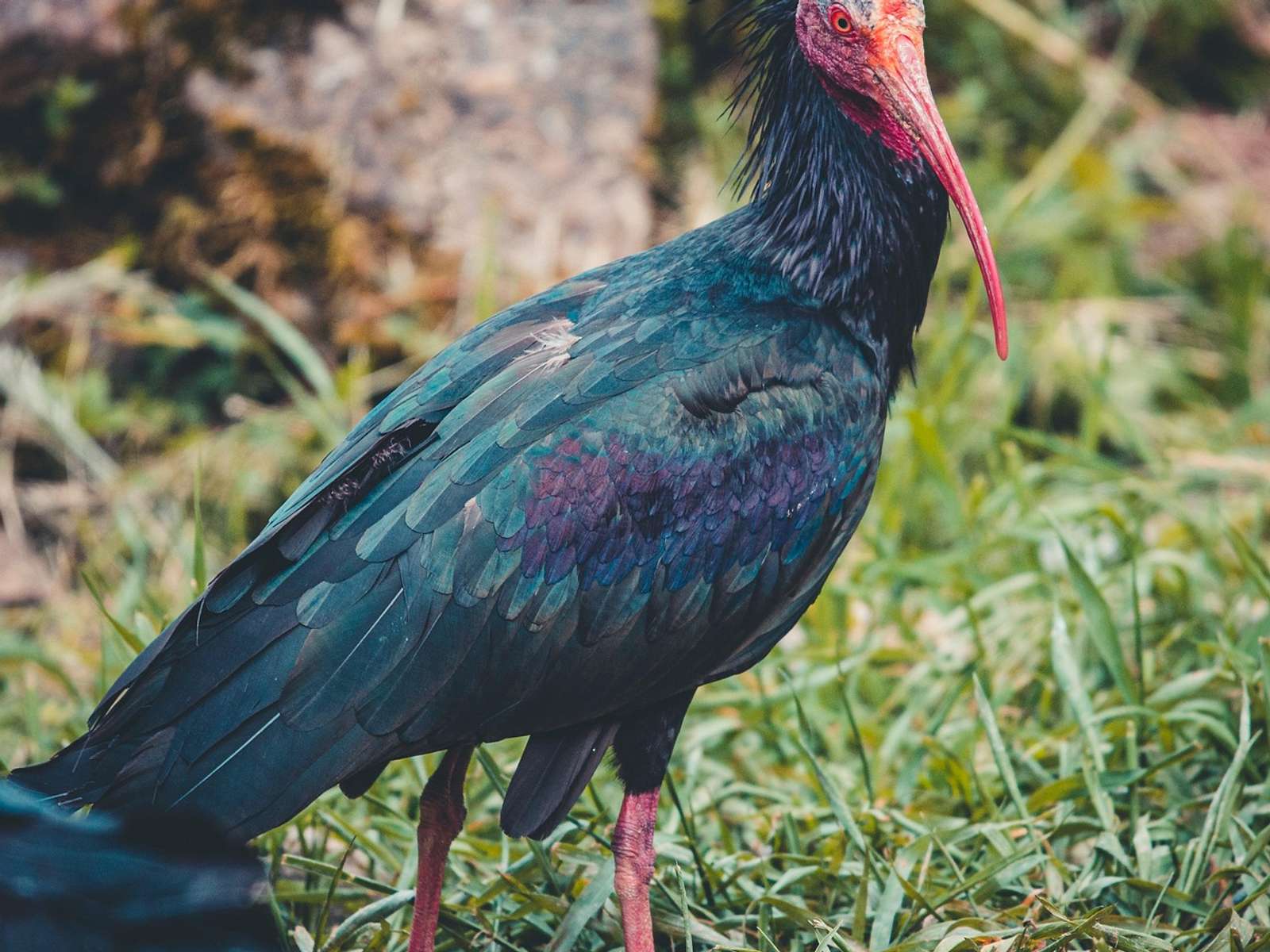
Fifteen young northern bald ibises were guided to Spain behind ultralight aircraft flown by their human foster parents, part of a project to re-establish a migratory population of a species extinct in Europe since the 17th century.
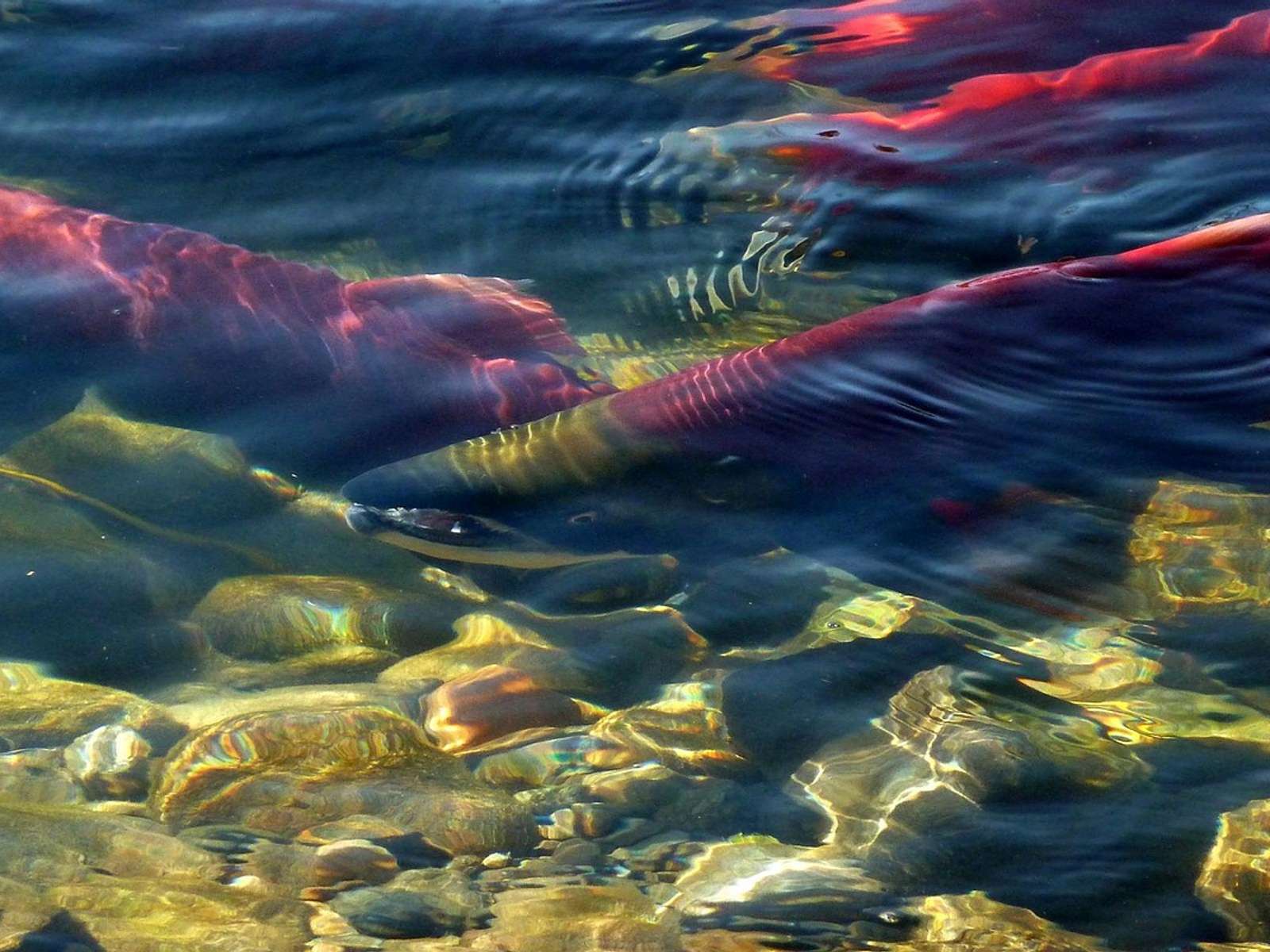
Threatened Hood Canal summer-run chum salmon are making a remarkable comeback in Washington, with average annual returns nearly tripling in recent years as major river restoration work gives the population an even stronger chance to recover.
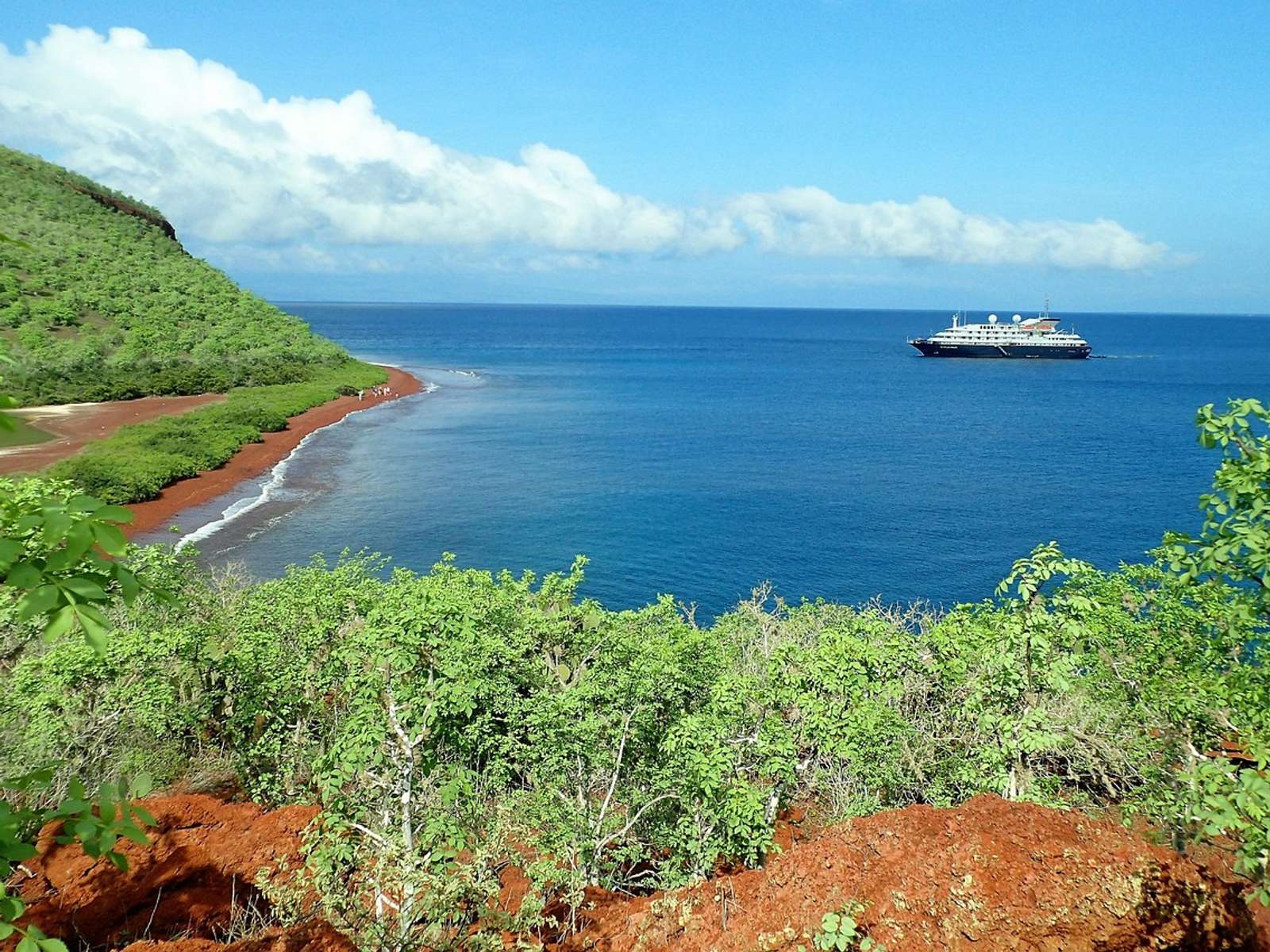
A critically endangered Galápagos plant has made a remarkable comeback, growing from just six known survivors into a recovering wild population after decades of dedicated conservation work.
About this topic
More than 49,500 species are threatened with extinction, 28% of all species assessed for the IUCN Red List. Amphibians, reef corals and cycads are among the hardest hit. Against that background, every population that grows again is hard-won, and usually the result of years of work by a small team.
The stories on this page follow those comebacks. Some are reintroductions: wildcats released in Scotland's Cairngorms, northern quolls moved into a cat-free sanctuary in Queensland, Darwin's rheas returned to Patagonia National Park in Chile, and a tigress moved into India's Buxa Tiger Reserve to rebuild a lost population. Others are breeding programs that took a decade or more, like the 11,000 giant wētāpunga released in New Zealand or the first captive-bred Great Indian Bustards released in Rajasthan. And some are wild populations bouncing back once a threat was removed, such as Chinook salmon reclaiming 88% of their old range in the Klamath River within two years of dam removal.
We report the numbers the organizations themselves give: how many animals were released, how many survived, how many young were born in the wild. A release is a start, not a recovery, so where the source gives survival rates, deaths or genetic risks, we include them, and we say when a population still depends on fences, feeding or further releases.
Recovery is also getting more attention at a global level. In August 2026, IUCN's Species Survival Commission joined Re:wild and the Bezos Earth Fund in the Phoenix Species Project, which aims to bring 100 of the world's most threatened species back from the brink.