Threatened Salmon Make Remarkable Comeback as Returns Nearly Triple
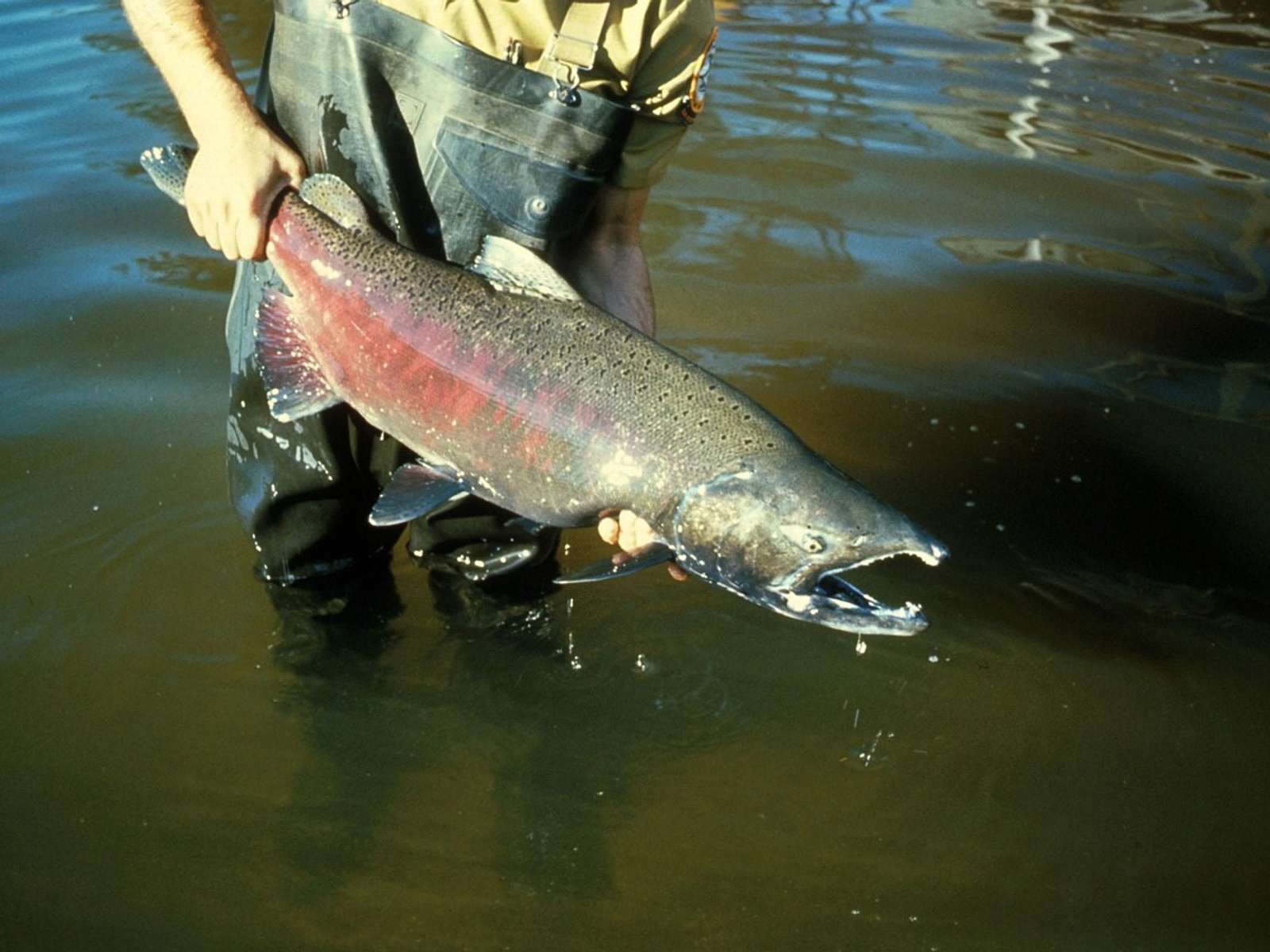
Threatened Hood Canal summer-run chum salmon are making a remarkable comeback in Washington, with average annual returns nearly tripling in recent years as major river restoration work gives the population an even stronger chance to recover.
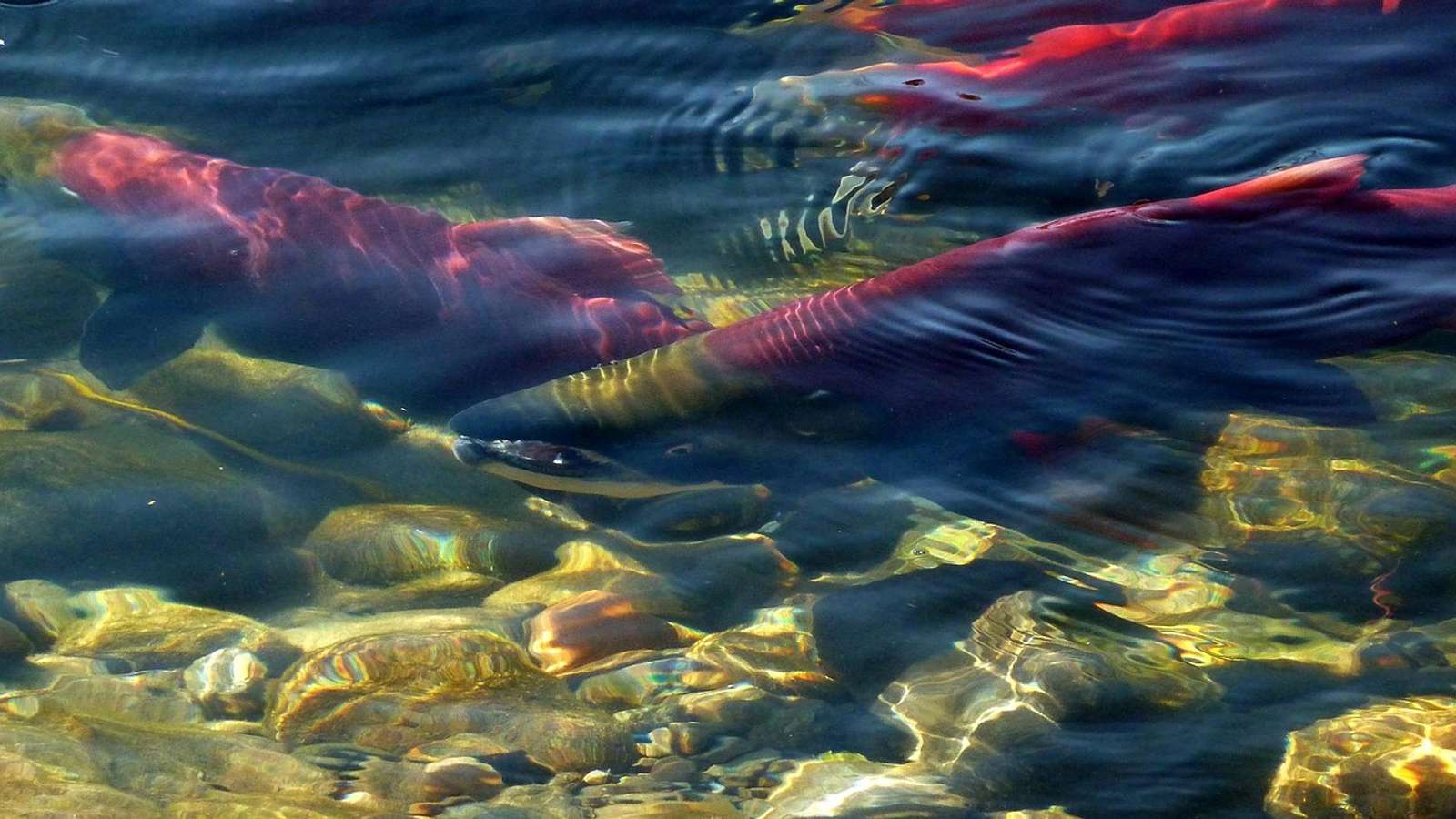
A threatened salmon population in Washington state is showing one of the most encouraging signs of recovery in the Pacific Northwest.
Average annual returns of Hood Canal summer-run chum salmon have nearly tripled in recent years, rising from about 11,600 fish per year between 2018 and 2021 to roughly 32,600 between 2022 and 2025.
That is a dramatic turnaround from the early 1990s, when fewer than 1,000 spawning fish were returning.
Now, conservationists are working to make that recovery more resilient by rebuilding one of the population's most important river habitats.
A population coming back from the brink
Summer-run chum salmon return from the Pacific Ocean to rivers around Washington's Hood Canal to reproduce.
Scientists say favorable ocean conditions have contributed to the recent increase. Cooler waters can support more of the food salmon depend on, improving their chances of surviving at sea.
But those conditions naturally change over time.
Warmer periods in the Pacific can make survival more difficult, which is why researchers believe healthy rivers and estuaries are essential if the salmon population is going to maintain its gains over the long term.
One of the strongest populations is returning to the Big and Little Quilcene rivers, where the number of spawning chum has quadrupled in just four years.
The surprising part is that the Big Quilcene has historically been one of the area's most heavily altered rivers.
Undoing nearly a century of damage
Beginning around 1930, sections of the Big Quilcene River were straightened and confined between dikes to create additional land for agriculture and development.
That prevented the river from naturally spreading across its floodplain.
Water was forced through a narrow channel at higher speeds, washing away the gravel salmon use to build nests and, in some locations, scouring the river all the way down to bedrock.
An estimated 360,000 cubic yards of sediment were eroded from one stretch of the river.
Much of that material eventually ended up downstream in Quilcene Bay, where it buried more than 31 acres of estuary habitat.
For young chum salmon, that estuary is particularly important because they move toward salt water soon after hatching and use the sheltered habitat to feed and gradually adapt to life in the ocean.
The altered river also created problems for people.
Between 1982 and 2015, the community of Quilcene experienced nine federally declared flood disasters.
Now, one restoration effort is attempting to solve both problems at once.
Giving the river room to move again
NOAA Fisheries awarded the Hood Canal Salmon Enhancement Group $9.7 million to restore the river at Moon Valley.
Instead of forcing the water through a single straight channel, crews are replacing it with a 1.84-mile braided network that more closely resembles a natural river system.
The project reconnects the river to 140 acres of floodplain and includes more than 180 engineered log jams.
Large pieces of wood slow the water, create deeper pools and help gravel accumulate in places where salmon can spawn.
New spawning gravel is also being added directly to the riverbed.
The restoration is expected to cut downstream flood velocity roughly in half while reducing the erosion that has damaged both salmon habitat and the local community.
Farther downstream, another major restoration project has removed a 2,300-foot dike and replaced an 81-foot bridge with a 1,140-foot structure spanning the floodplain.
That gives the river space to spread into multiple channels again rather than being squeezed through a narrow corridor.
Building resilience for the future
The current salmon rebound cannot be attributed to river restoration alone.
Scientists say cooler Pacific conditions have played an important role, and those favorable conditions will eventually change.
That is precisely why improving habitat now matters.
Healthy rivers can give salmon more places to spawn, provide better conditions for young fish and help populations withstand years when ocean survival is more difficult.
Other restoration projects around Hood Canal have already produced encouraging results. At Jimmycomelately Creek, a degraded stream was relocated and its estuary restored in the early 2000s. Summer chum returns that had fallen close to zero climbed into the thousands within four years.
At the Union River, nearly 13,000 summer chum returned in 2024, the highest number recorded there since monitoring began in 1975.
The Big Quilcene restoration is expected to be largely completed as this year's salmon return to spawn.
After decades in which the river was confined and degraded, returning fish will encounter a wider, more complex habitat built to function more like the river that once existed naturally.
The salmon's numbers are already moving in the right direction. In California and Oregon, salmon have shown how quickly a river can come back once barriers go: Chinook reclaimed 88% of their old Klamath range within two years of dam removal.
Now, by restoring the habitat beneath them, conservationists hope to turn a promising comeback into a recovery that can last for generations.
Sources
- NOAA Fisheries · fisheries.noaa.gov
How we choose and verify sources: editorial policy.