Projects that bring damaged ecosystems back, from kelp forests and mangroves to free-flowing rivers and the land around them.
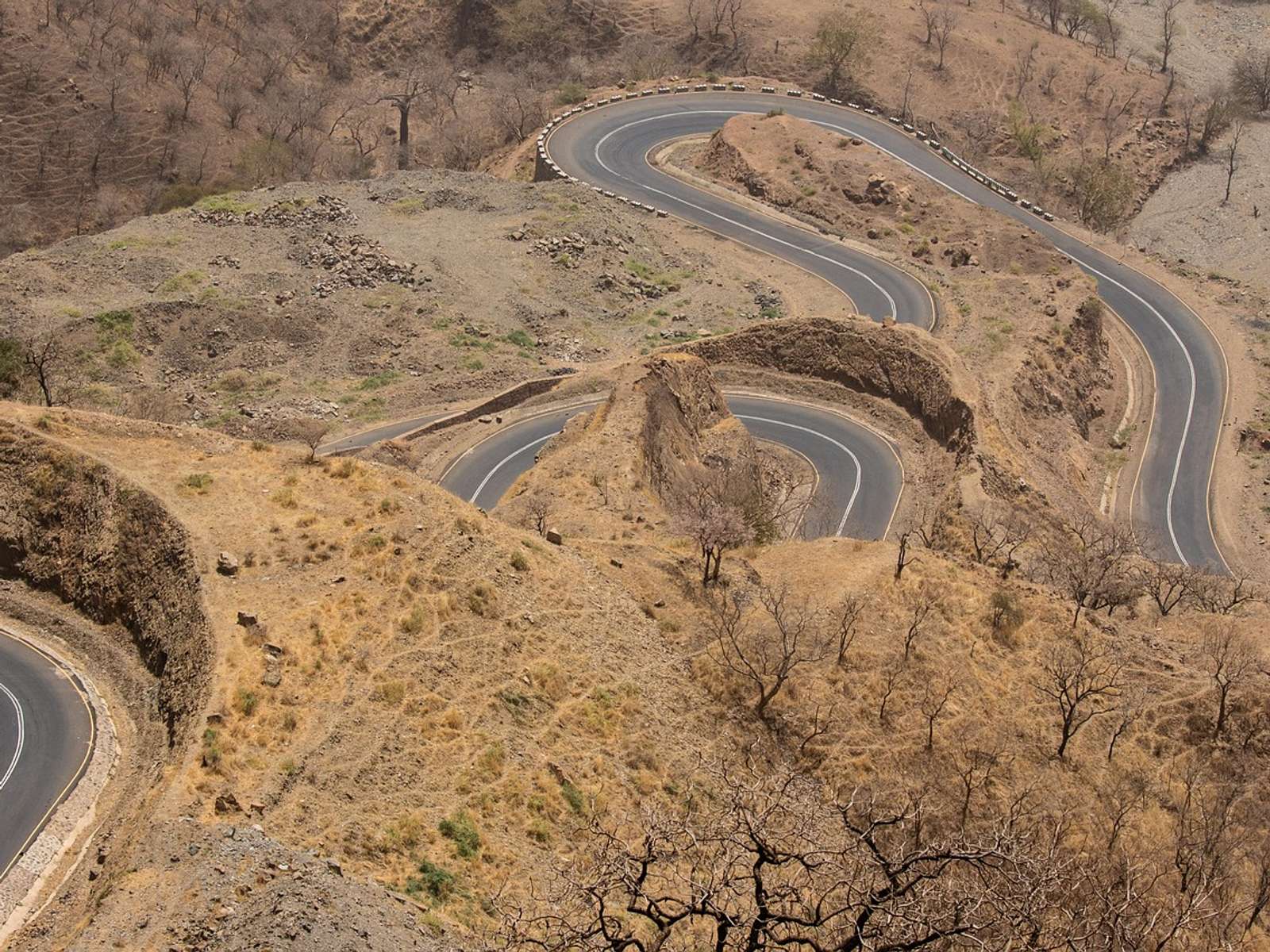
A WeForest project with local communities has restored more than 23,000 hectares of degraded land in Ethiopia's Desa'a forest in Tigray. UNEP named it a World Restoration Flagship on 29 October, Mongabay reported.
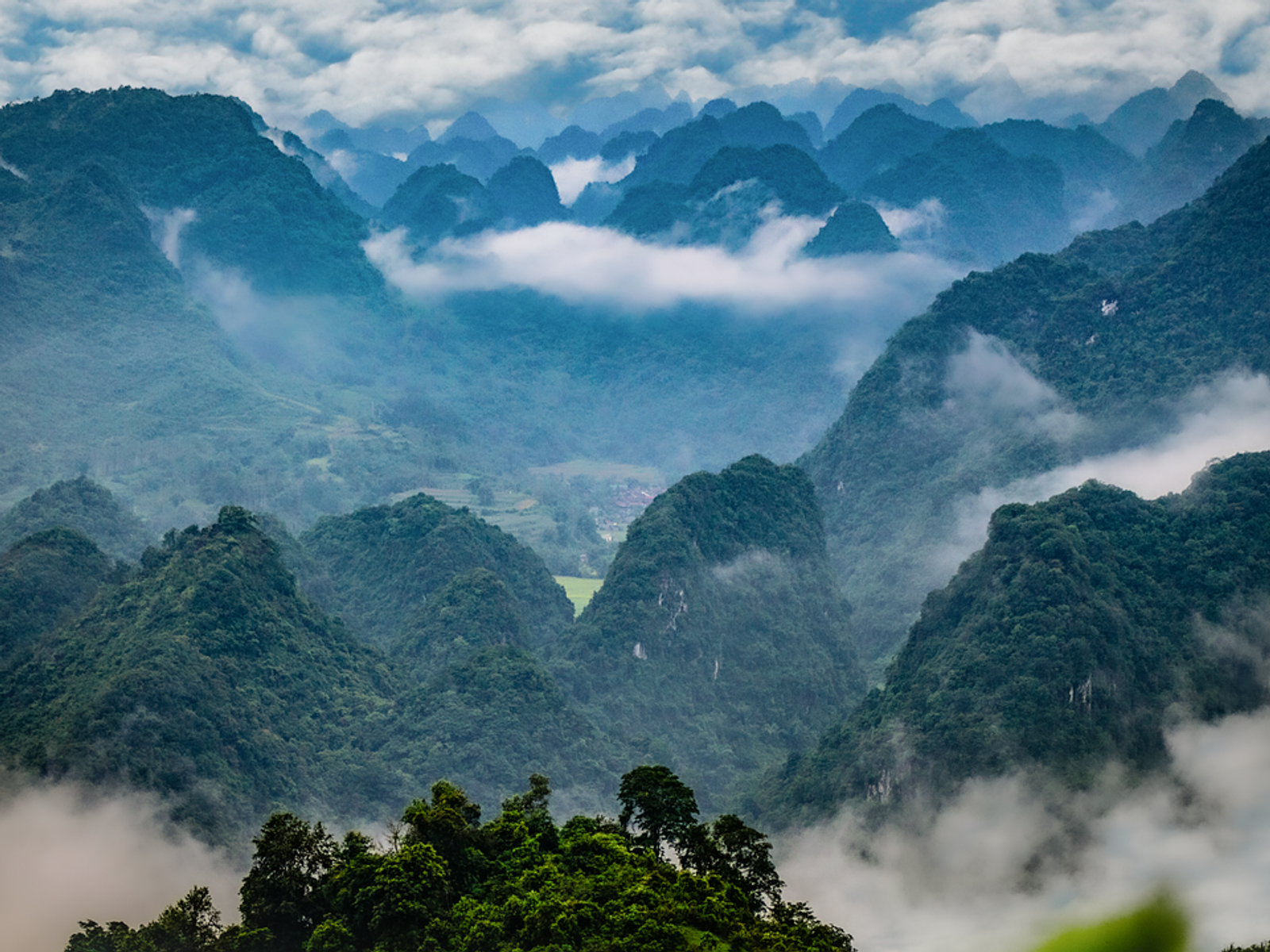
A UN report finds 252 million hectares across 149 countries are under restoration, creating more than one million green jobs. But freshwater and marine ecosystems lag, and annual restoration finance must more than quadruple by 2030.
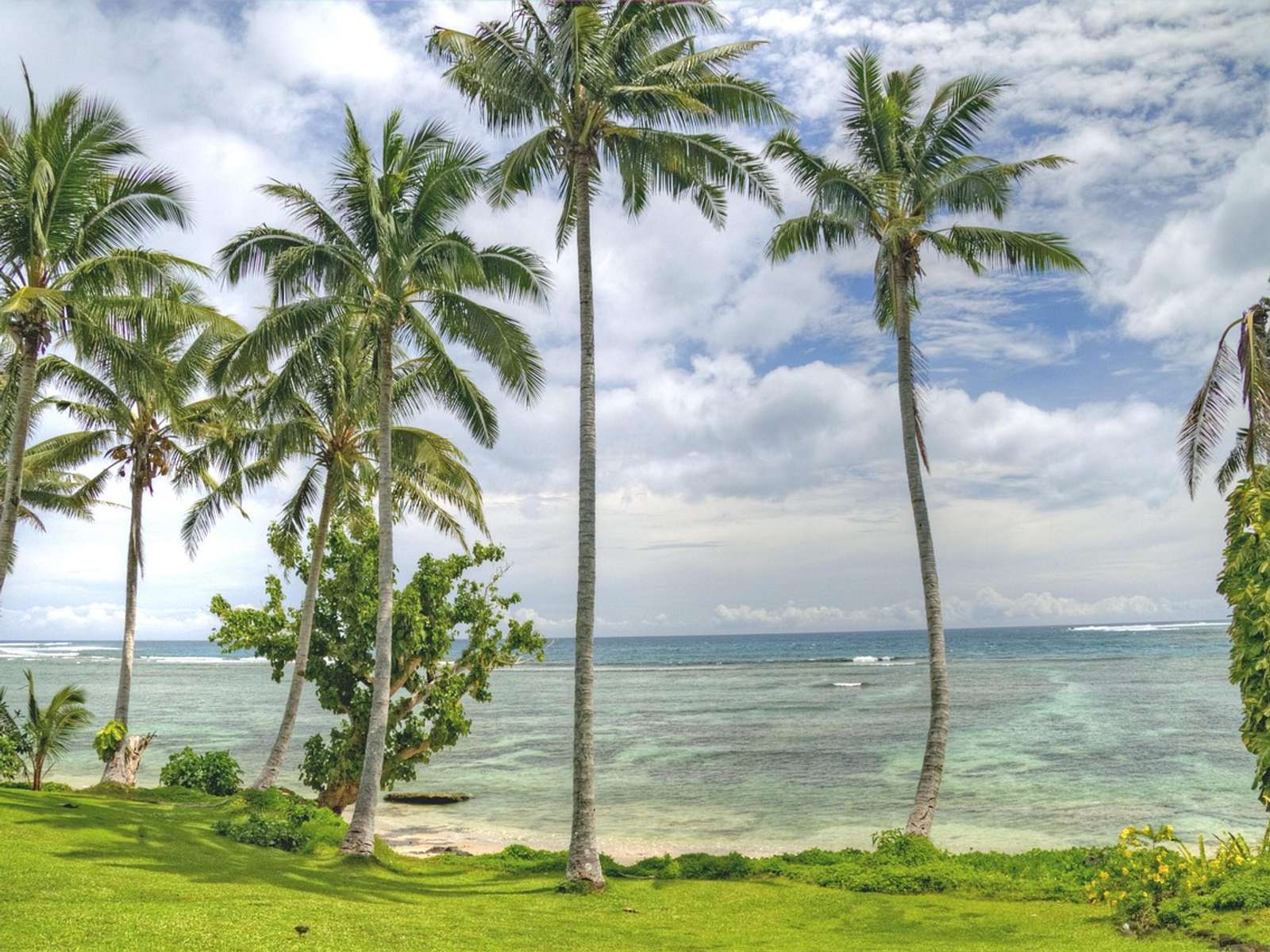
One year after Samoa's environment ministry and partners cleared invasive rats and feral pigs from Nu'utele Island, sea turtles are nesting there again after decades, native seedlings carpet the forest floor and rare ground-doves are breeding.

A WCS-led study used more than 134,000 GPS locations from 99 jaguars to map the corridors that connect their populations across the Americas. It found new pathways, warned that some old ones may be lost, and showed many lie outside protected areas.
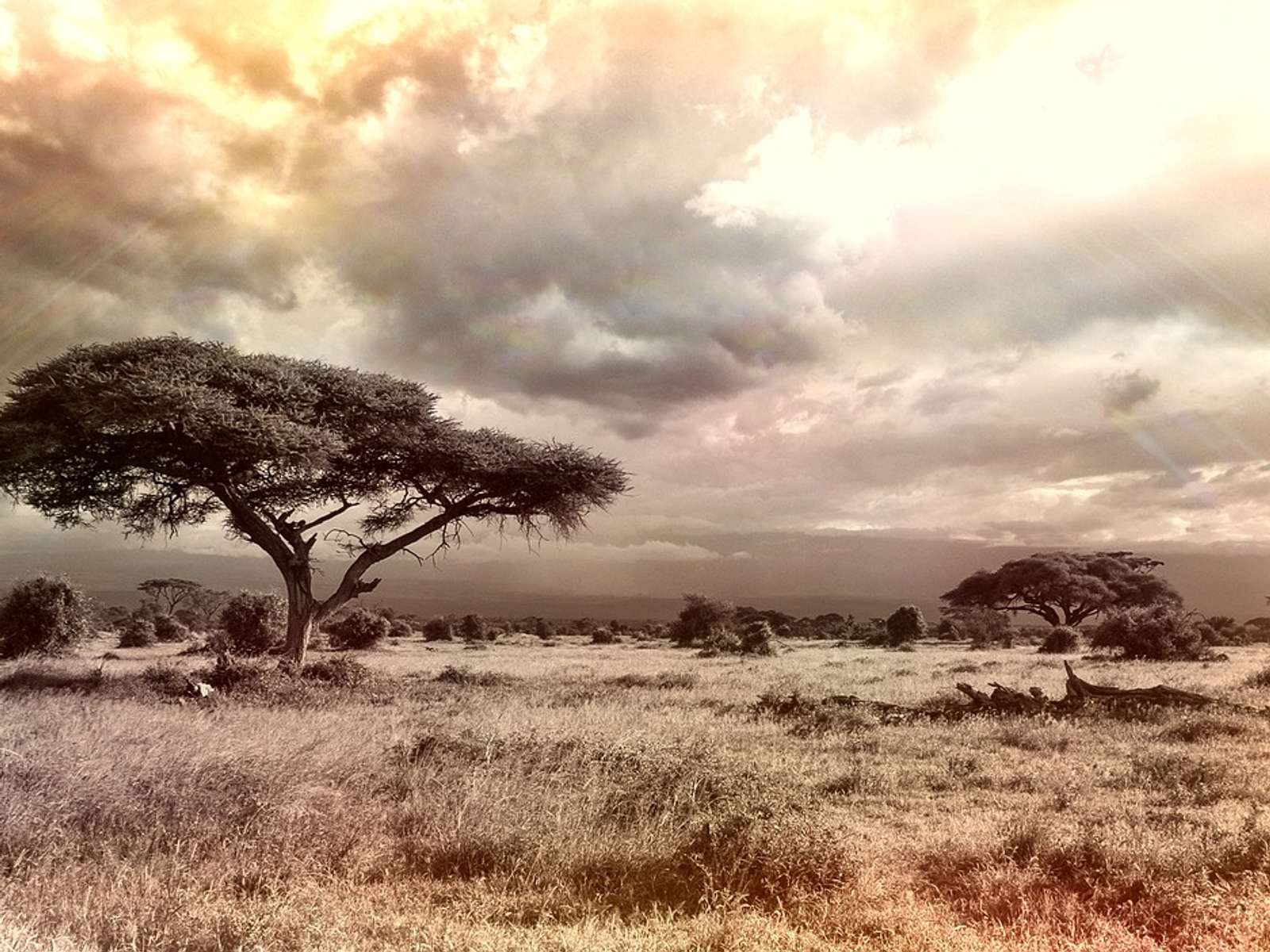
Official data put conservation areas at 18.5% of the world's land. A Nature study led from the University of Kent estimates the real figure at 26.81%, close to the 30% goal for 2030, but warns that the extra land fills few gaps in nature protection.
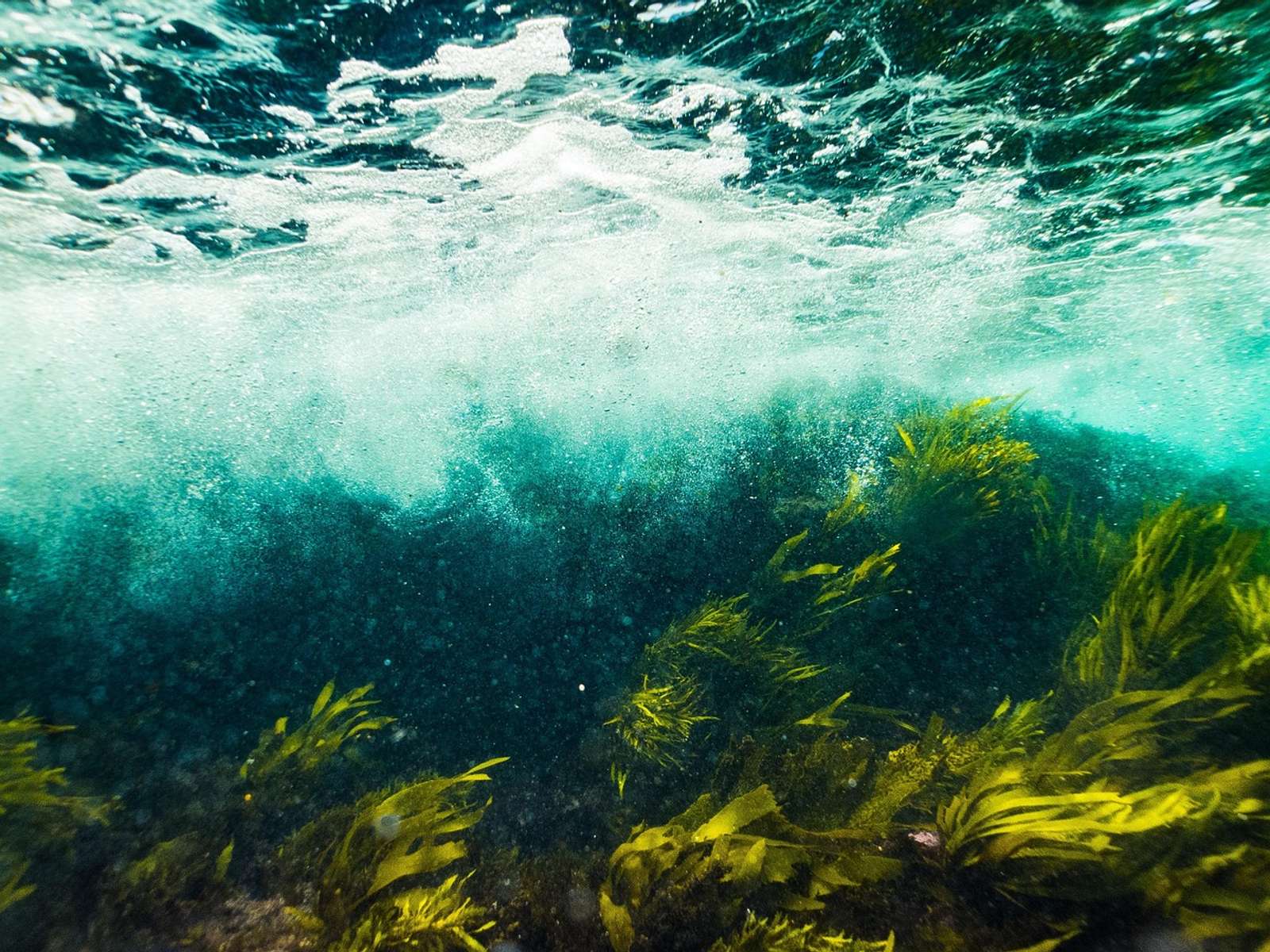
The Tla-o-qui-aht First Nation, Redd Fish Restoration Society and West Coast Kelp have restored about 4,200 square meters of kelp in Clayoquot Sound since early 2026, using floating nurseries out of reach of sea urchins.
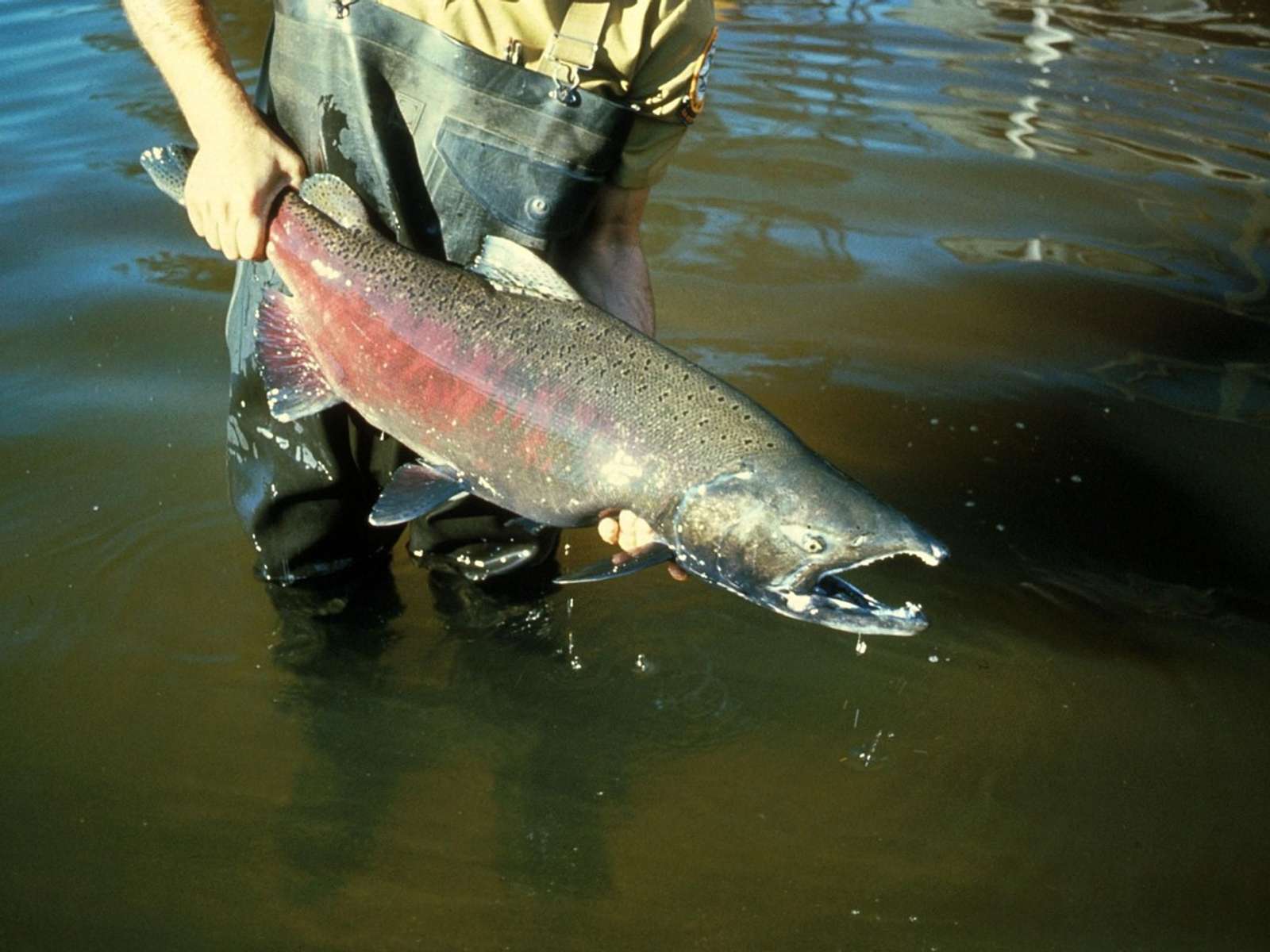
After four dams were removed from the Klamath River in 2024, sonar counted 7,742 Chinook swimming upstream that fall and 13,310 in 2025. The fish now reach 88% of their historical range above the old dams.
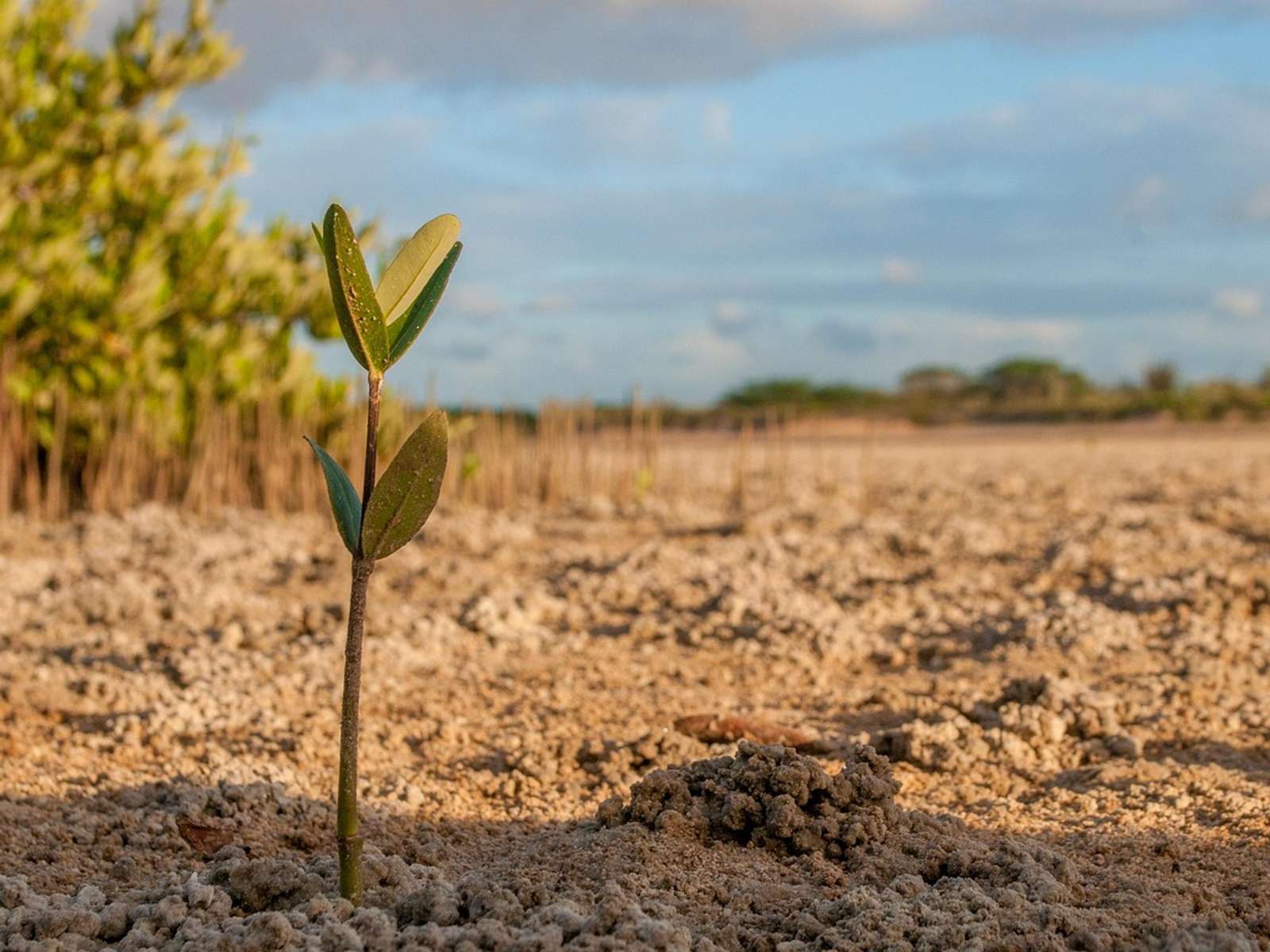
A youth-led network and local fishers have restored more than 15 hectares of degraded mangroves at Nyumba Sita in Kenya's Kwale County. They now aim for 200 hectares by 2030.
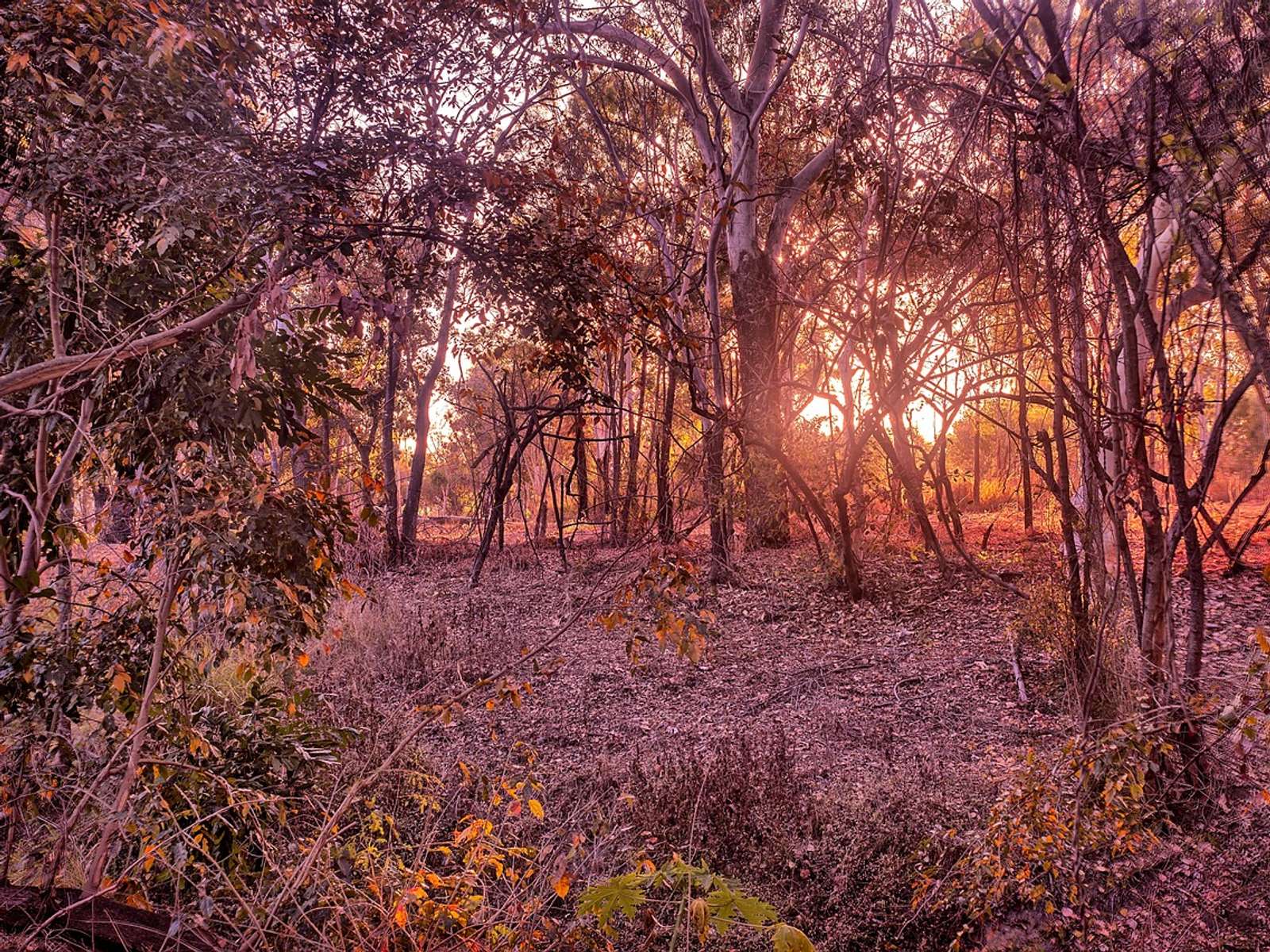
Victoria has formally established three new national parks, Mount Buangor, Pyrenees and Wombat–Lerderderg, along with new conservation and regional parks and nearly 30 reserves.
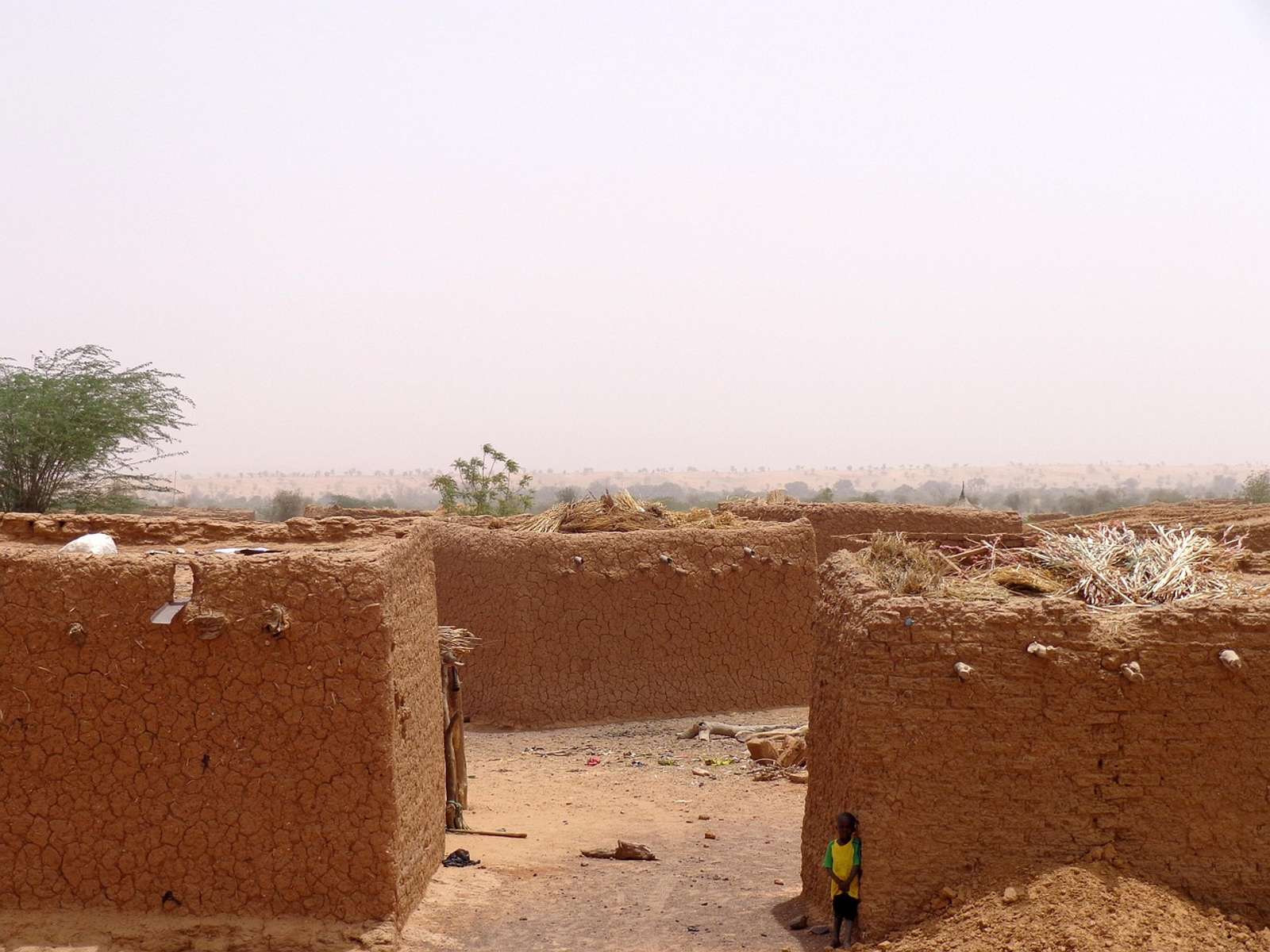
A new US$78 million GEF program, run with UNEP, aims to restore 270,000 hectares of degraded land and improve the livelihoods of 5 million people across nine Great Green Wall countries.
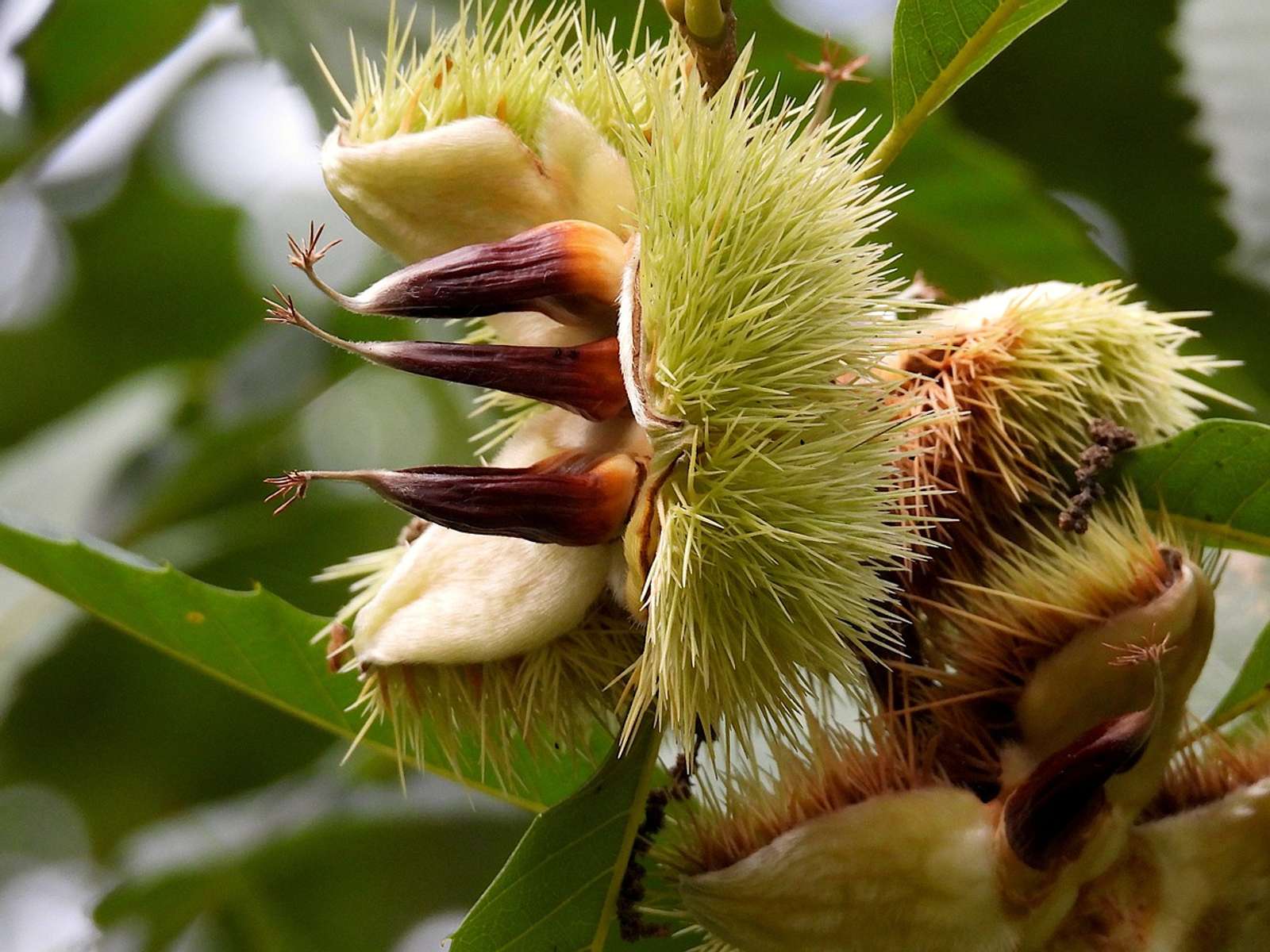
Twenty blight-resistant hybrid American chestnut trees were planted at the Bronx Zoo, where the zoo's chief forester first documented the disease that killed nearly 4 billion of the trees.
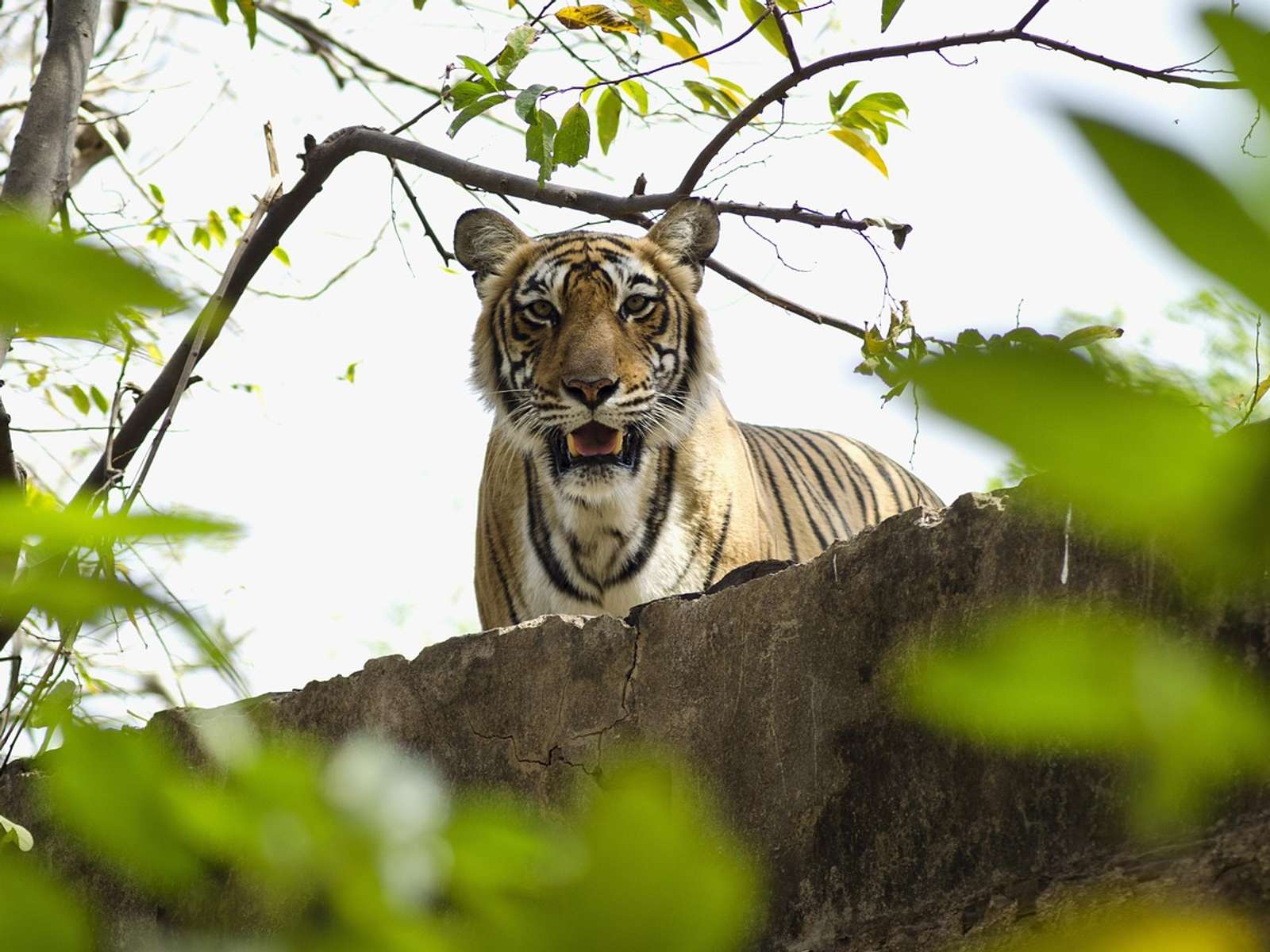
Tigress T138, about three years old, was flown from Bihar's Valmiki reserve and released into West Bengal's Buxa Tiger Reserve on 2 October, the first step in a phased plan to bring back a breeding tiger population.
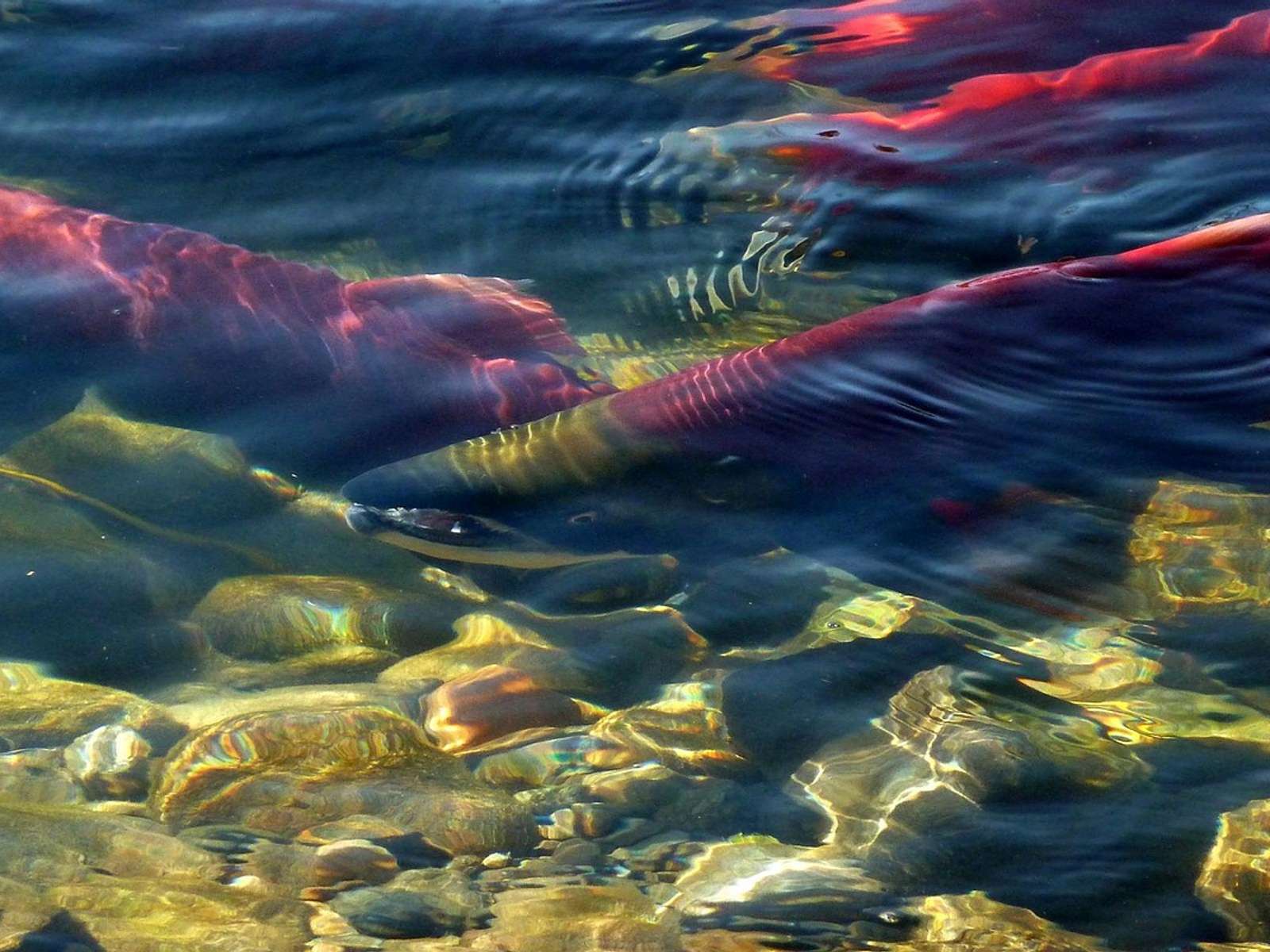
Threatened Hood Canal summer-run chum salmon are making a remarkable comeback in Washington, with average annual returns nearly tripling in recent years as major river restoration work gives the population an even stronger chance to recover.
About this topic
Under the Kunming-Montreal Global Biodiversity Framework, governments agreed that by 2030 at least 30% of degraded land, inland water, coastal and marine ecosystems should be under effective restoration. Protection is growing too: by October 2026, protected areas covered 17.58% of the world's land and inland waters and 9.82% of the ocean, according to Protected Planet, the global database run by UNEP-WCMC and IUCN.
The stories on this page follow the work behind those numbers. Some are about putting ecosystems back: a First Nation-led project replanting 4,200 square meters of kelp forest in Clayoquot Sound, young Kenyans replanting mangroves on the Kwale coast, and a $78 million program to restore 270,000 hectares along Africa's Great Green Wall. Others show what happens when a river is set free: after four dams came down on the Klamath, Chinook salmon reclaimed 88% of their old range within two years. And some are about protection, like Victoria's three new national parks covering more than 65,000 hectares.
Restoration is slow, and a planting or a new park boundary is only the beginning. We report the area restored or protected as the responsible organization gives it, and say whether that is a target or a result. Where the source explains how a site will be monitored, funded or managed with local and Indigenous communities, we include it, because that decides whether the work lasts.
Each story links to the organization that did the work, so you can follow the project further.