Chinook salmon reclaimed 88% of their old Klamath range within two years of the dams coming down
After four dams were removed from the Klamath River in 2024, sonar counted 7,742 Chinook swimming upstream that fall and 13,310 in 2025. The fish now reach 88% of their historical range above the old dams.
By Diego Callegari, Editor
· 2 min read
Source: Scientific Reports (Goodman et al., CalTrout and partners) ↗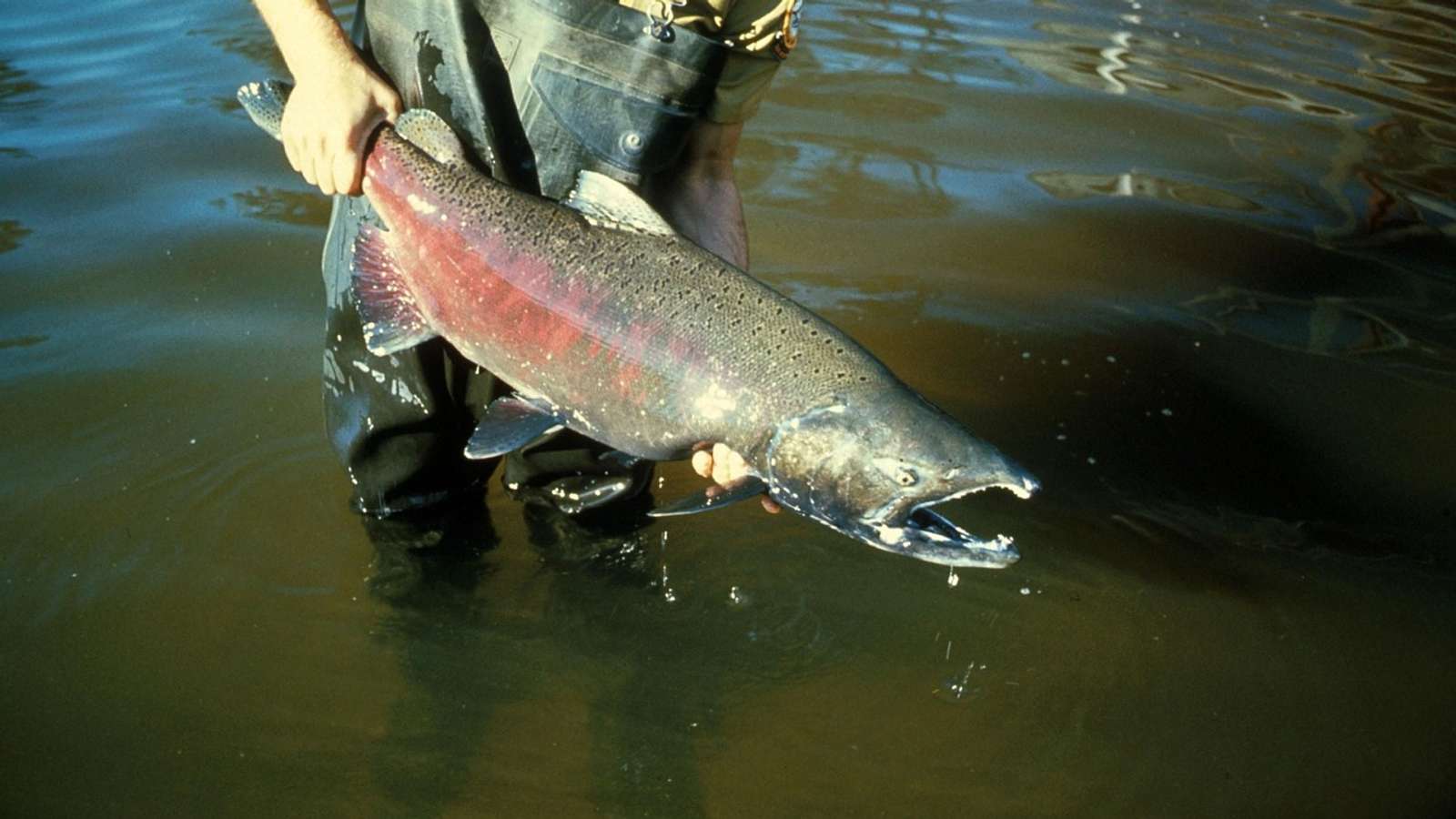
Within two migration seasons of the largest dam removal ever completed, Chinook salmon have moved back into about 88% of their documented historical range in the upper Klamath River basin, according to a study in Scientific Reports. Sonar near the former Iron Gate Dam counted an estimated 7,742 adult Chinook swimming upstream in fall 2024 and 13,310 in 2025.
The fish spread into 345 kilometers of reconnected river and climbed to elevations of 1,250 meters, passing through the old dam sites, complex river stretches and engineered fishways.
Four dams came out in 2024, reopening more than 640 kilometers
The J.C. Boyle, Copco 1, Copco 2 and Iron Gate hydroelectric dams on the Klamath, which runs through southern Oregon and northern California, were removed in 2024. Their removal reconnected more than 640 kilometers of habitat for fish that migrate between the ocean and fresh water.
The study, led by Damon Goodman of the conservation group California Trout (CalTrout) with 11 co-authors, including researchers from NOAA and the U.S. Geological Survey, is described by its authors as the first quantitative assessment of how salmon have responded, according to the USGS publication record.
Sonar counted the fish as they passed the old dam site
The researchers used a stationary high-resolution multibeam sonar at the former Iron Gate site to count adult Chinook moving upstream. The uncertainty margins are narrow: 7,702 to 7,778 fish in 2024, and 12,876 to 13,733 in 2025. Those fish made up 18% to 19% of all Chinook returning to the Klamath basin.
The monitoring partners include the Karuk Tribe, the Klamath Tribes, the Yurok Tribe, Oregon and California wildlife agencies and Cal Poly Humboldt. Coho salmon, steelhead and Pacific lamprey are also moving into the newly opened water, but monitoring of those species is still under way and the study gives no numbers for them, ActiveNorCal reported. The same report notes that the Klamath reopened to fishing on 1 July for the first time since 2022.
Two good seasons, not yet a recovered population
The study measures where adult fish went, not how many young they produced; that will take more seasons of monitoring. The counts come from a single sonar site and cover two years.
The Klamath result adds to other salmon rebounds on the Pacific coast, such as the summer chum of Hood Canal, whose returns nearly tripled. On the Klamath, monitoring by CalTrout and its partners continues.
Sources
How we choose and verify sources: editorial policy.
Your weekly dose of good news
The 5 biggest positive stories of the week, straight to your inbox. Free, no noise.
Like what you're reading?
Related stories
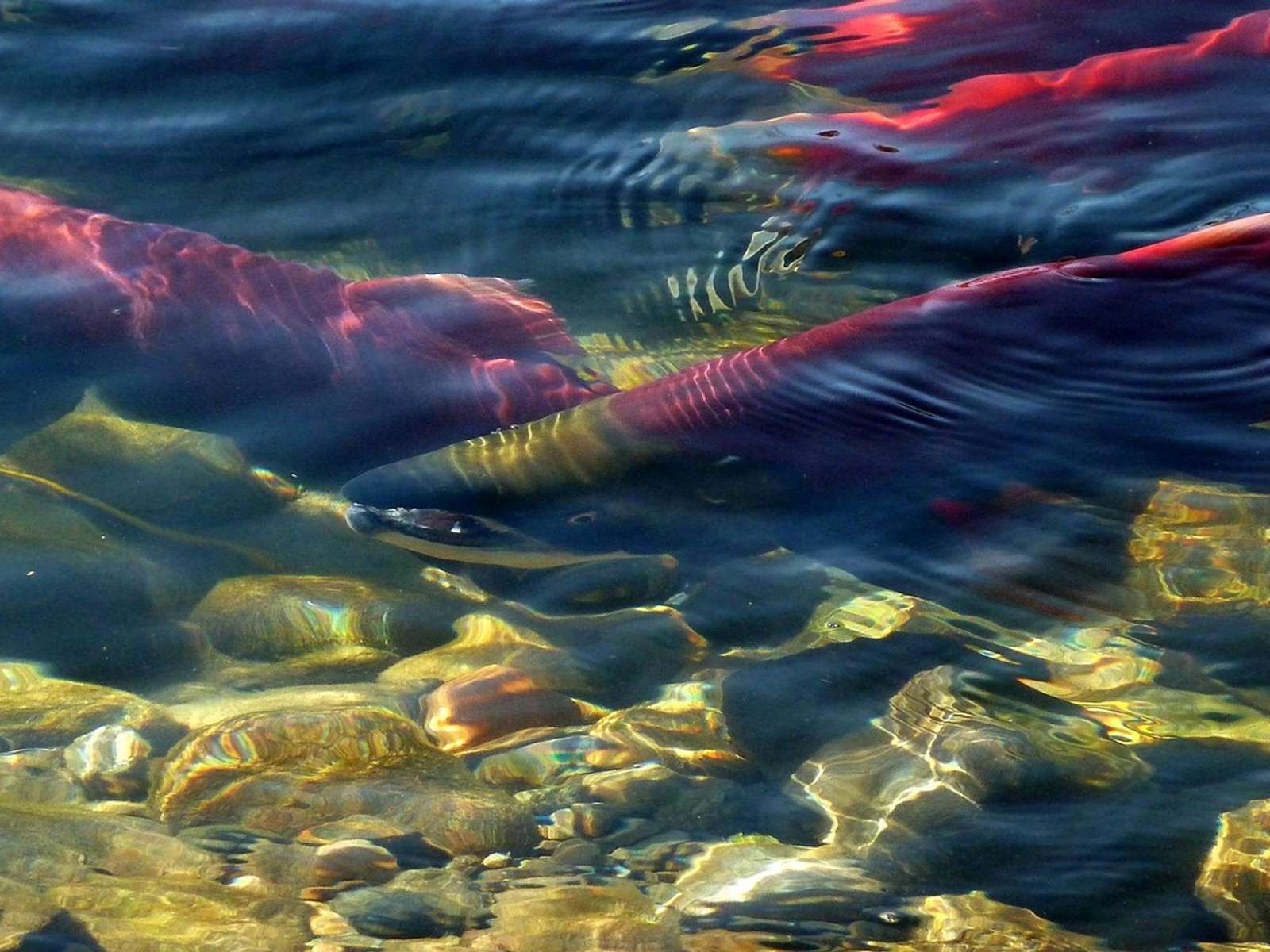
Threatened Salmon Make Remarkable Comeback as Returns Nearly Triple
Threatened Hood Canal summer-run chum salmon are making a remarkable comeback in Washington, with average annual returns nearly tripling in recent years as major river restoration work gives the population an even stronger chance to recover.
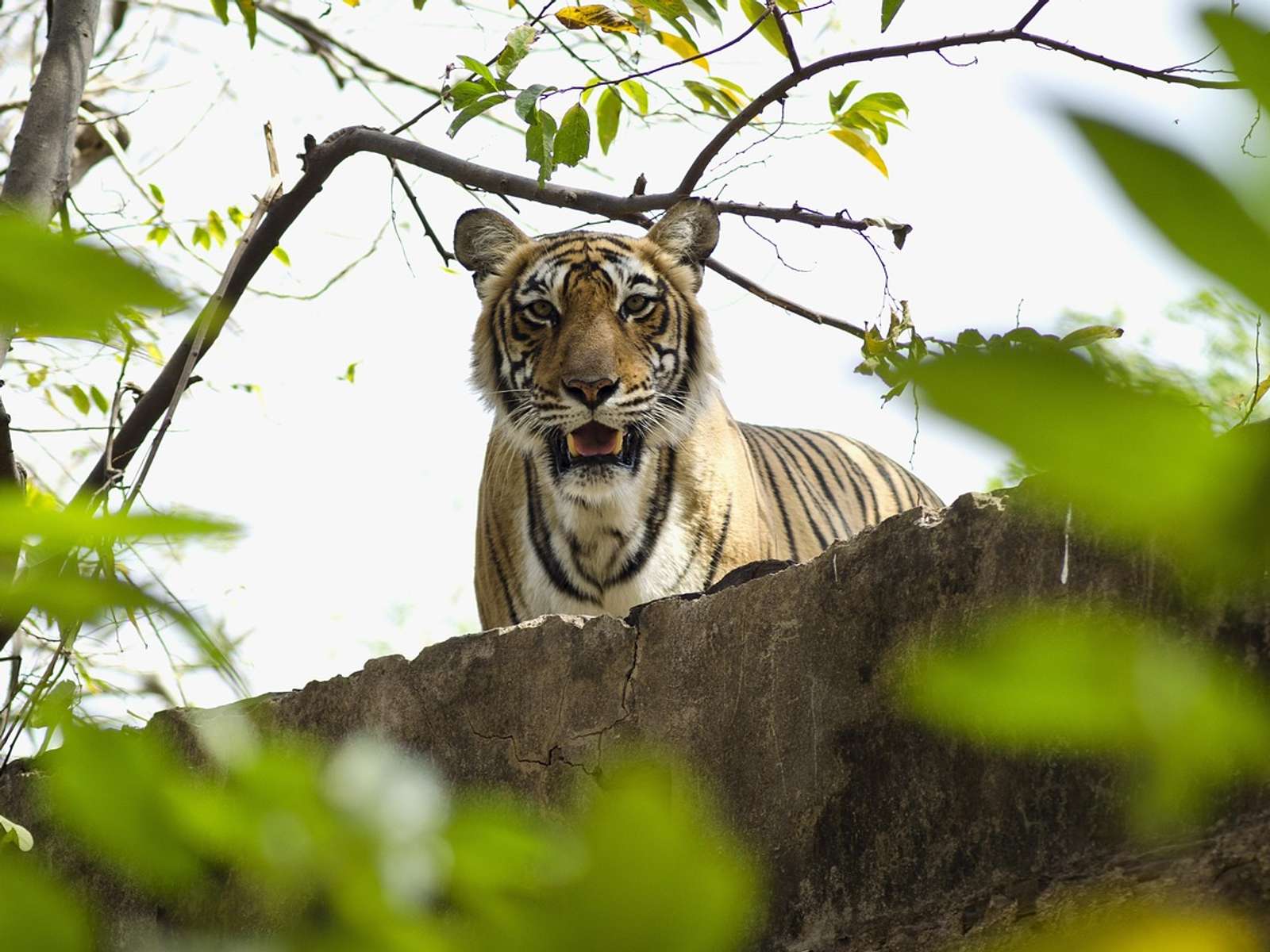
India moves its first tigress into Buxa Tiger Reserve to rebuild a lost population
Tigress T138, about three years old, was flown from Bihar's Valmiki reserve and released into West Bengal's Buxa Tiger Reserve on 2 October, the first step in a phased plan to bring back a breeding tiger population.
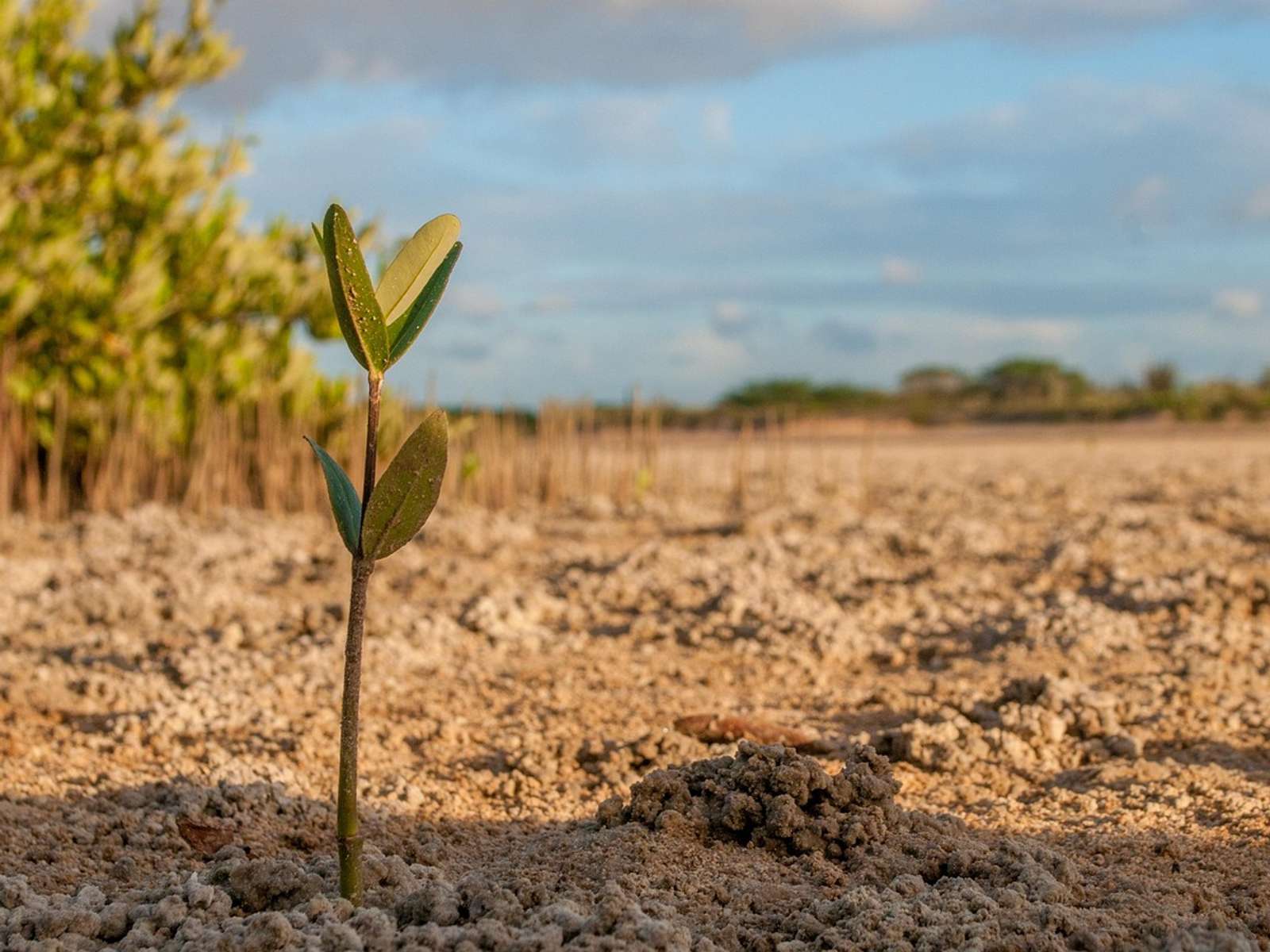
Young Kenyans have replanted more than 15 hectares of mangroves on the Kwale coast
A youth-led network and local fishers have restored more than 15 hectares of degraded mangroves at Nyumba Sita in Kenya's Kwale County. They now aim for 200 hectares by 2030.