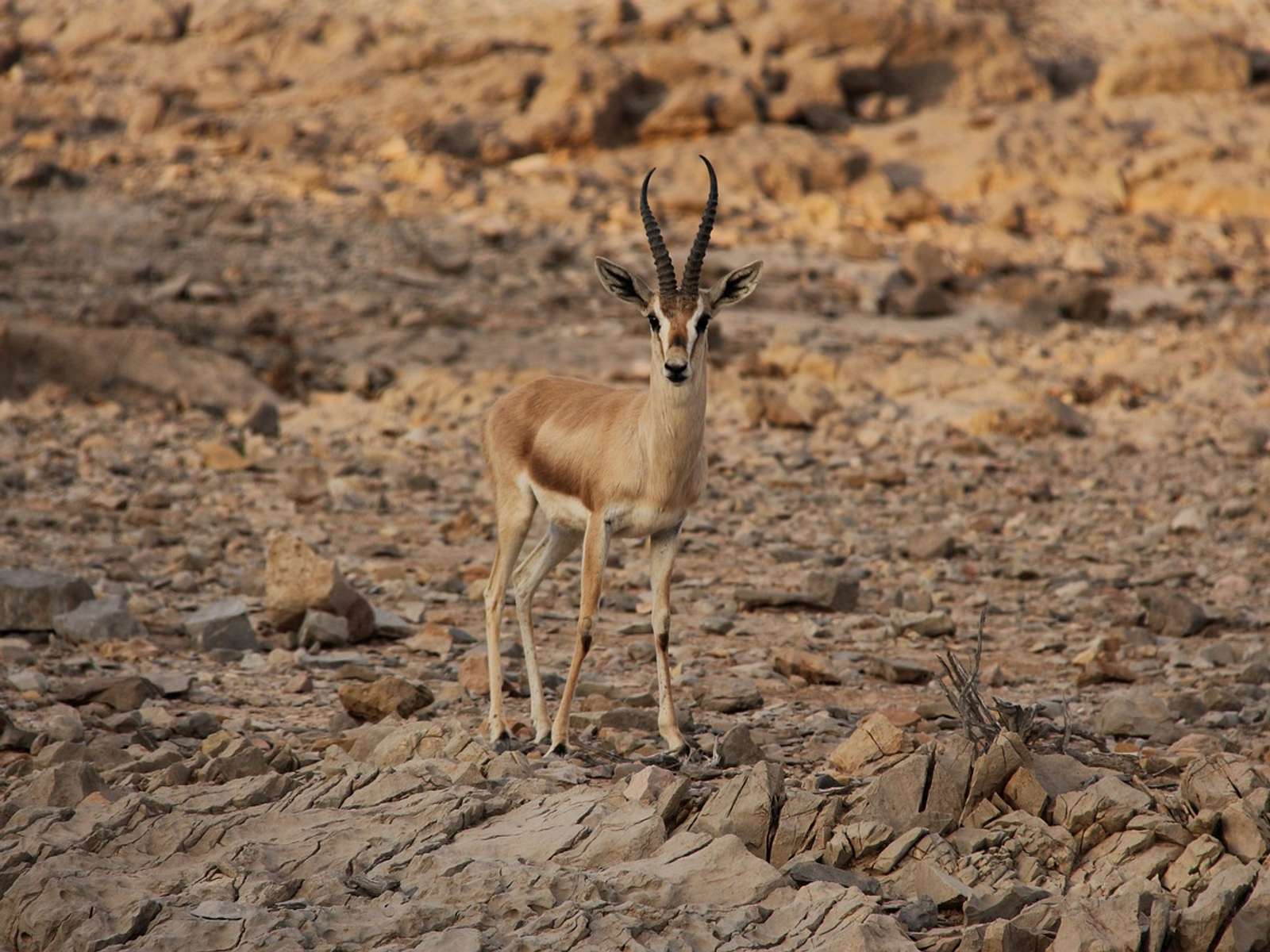
Turtles rescued from a drying wetland in NSW laid more than 250 eggs in care
Thirty-nine freshwater turtles pulled from a drying waterhole in the Gwydir wetlands laid more than 250 eggs at Taronga Western Plains Zoo. Thirteen adults are already back in the wild.
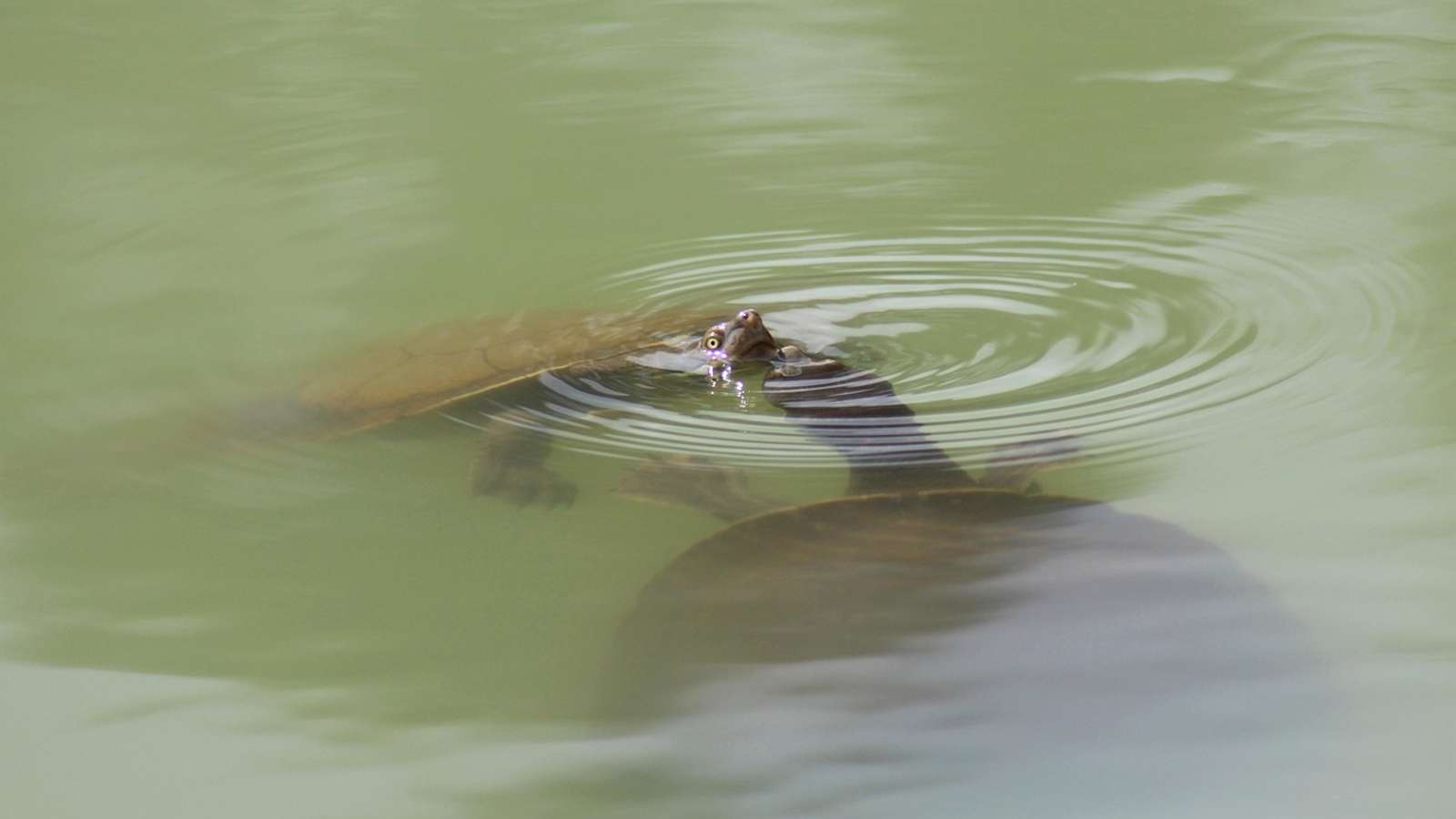
More than 250 turtle eggs are incubating at Taronga's Platypus Rescue HQ in Dubbo after 39 native turtles rescued from a drying waterhole in the Gwydir wetlands laid them in care, the NSW Government said on 9 October. Ten broad-shelled turtles and three Murray River turtles have already been released back into the wetlands.
The hatchlings are expected over the coming year and will be released into the wild in stages. The remaining adults should follow later this year as conditions allow.
A waterhole in one of Australia's key inland wetlands ran dry
The Gwydir wetlands in north-west New South Wales are among the country's most important inland wetland systems, and the Gingham watercourse supports four sites listed as internationally important under the Ramsar Convention. Their refuge waterholes depend on flows from the Gwydir River, which today are regulated by Copeton Dam upstream.
In March, researchers from the University of New England warned that the Gingham Waterhole was drying fast. "We are watching the collapse of a turtle population in real time," freshwater turtle biologist Deborah Bower said in a university statement on 17 March. Her team had found that the Murray River turtle population previously recorded there had nearly disappeared, and that eastern long-necked turtles were showing shell and mouth infections linked to poor water quality.
Bower pointed out that Copeton Dam then held more than 800 gigaliters, including about 217 gigaliters of environmental water available before July, and called for a release. "A relatively small environmental flow could maintain refuge habitat and prevent the loss of this population," she said.
Many of the rescued turtles were already carrying eggs
After the university raised the alarm, the NSW Government organized a rescue to collect as many turtles as possible. Many of the 39 animals turned out to be carrying eggs. At Taronga Western Plains Zoo's rehabilitation facility they received veterinary care and health checks, and laid more than 250 eggs, which are now in temperature-controlled incubators.
“To rehabilitate these rescued turtles to a point where they can begin to be returned to the wild is a milestone in itself.” — Dr Phoebe Meagher, Wildlife Conservation Officer, Taronga Zoo
Meagher said the eggs "could further supplement wild populations of the species." Environment Minister Penny Sharpe said that "sometimes a crisis creates an opportunity to do something truly groundbreaking."
Turtles recover slowly, so every hatchling counts
Freshwater turtles are among Australia's most threatened vertebrates, according to the University of New England, and can take more than eight years to reach maturity, so a local population that is lost recovers slowly if at all.
The government statement does not say how many turtles died before the rescue, or how water for the Gingham Waterhole will be managed in future dry periods. It describes the release sites as "healthy" wetlands.
Sources
- NSW Government (Environment and Heritage) · environment.nsw.gov.au
- une.edu.au
How we choose and verify sources: editorial policy.
Your weekly dose of good news
The 5 biggest positive stories of the week, straight to your inbox. Free, no noise.
Like what you're reading?
Related stories
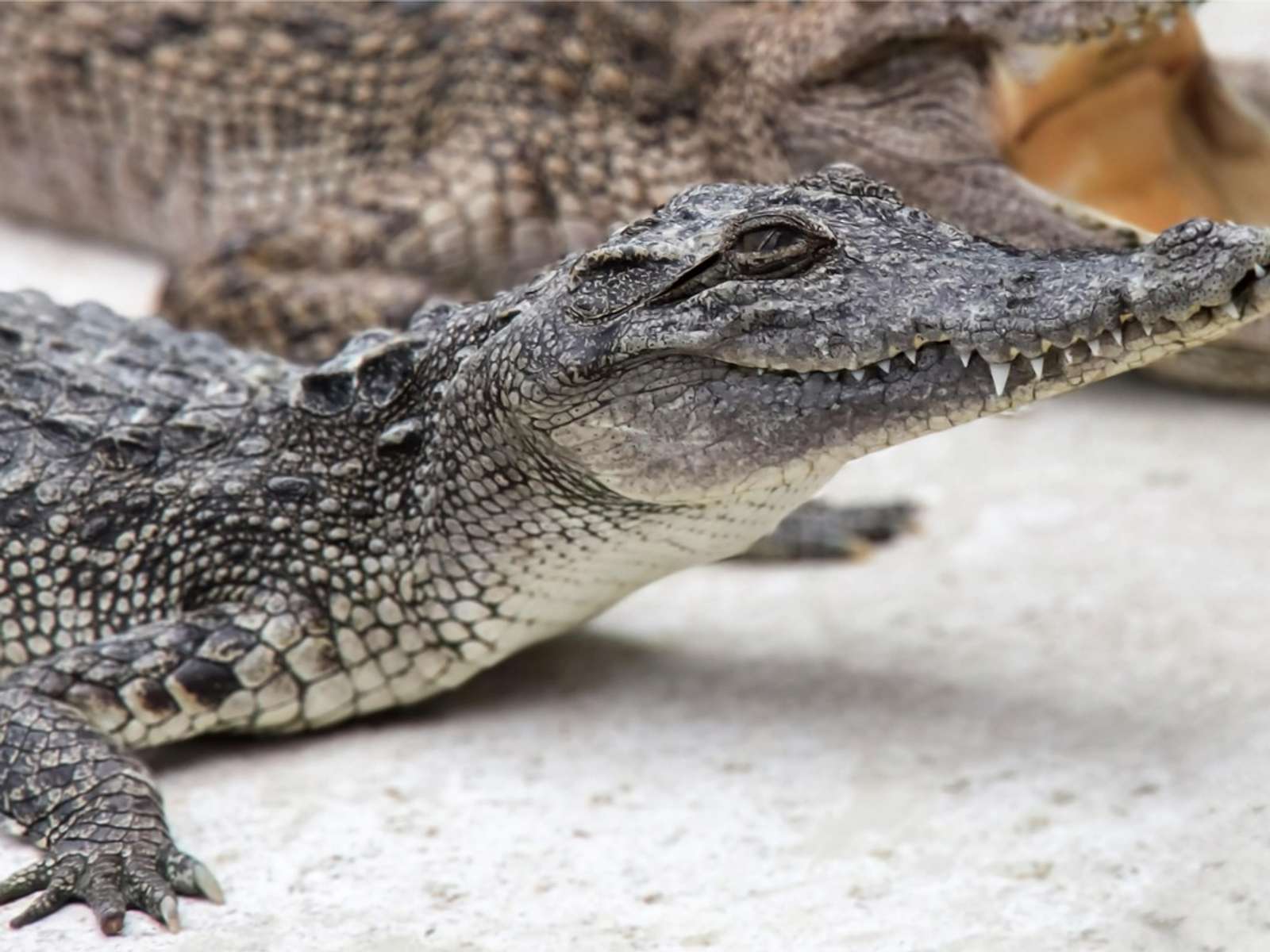
Cambodia protects 315 hectares of wetland as its first conservation area for the Siamese crocodile
Cambodia has set aside 315 hectares of marsh in the Cardamom Mountains as its first genetic conservation area for an animal species. The site holds more than 40 wild Siamese crocodiles, the largest known wild group.
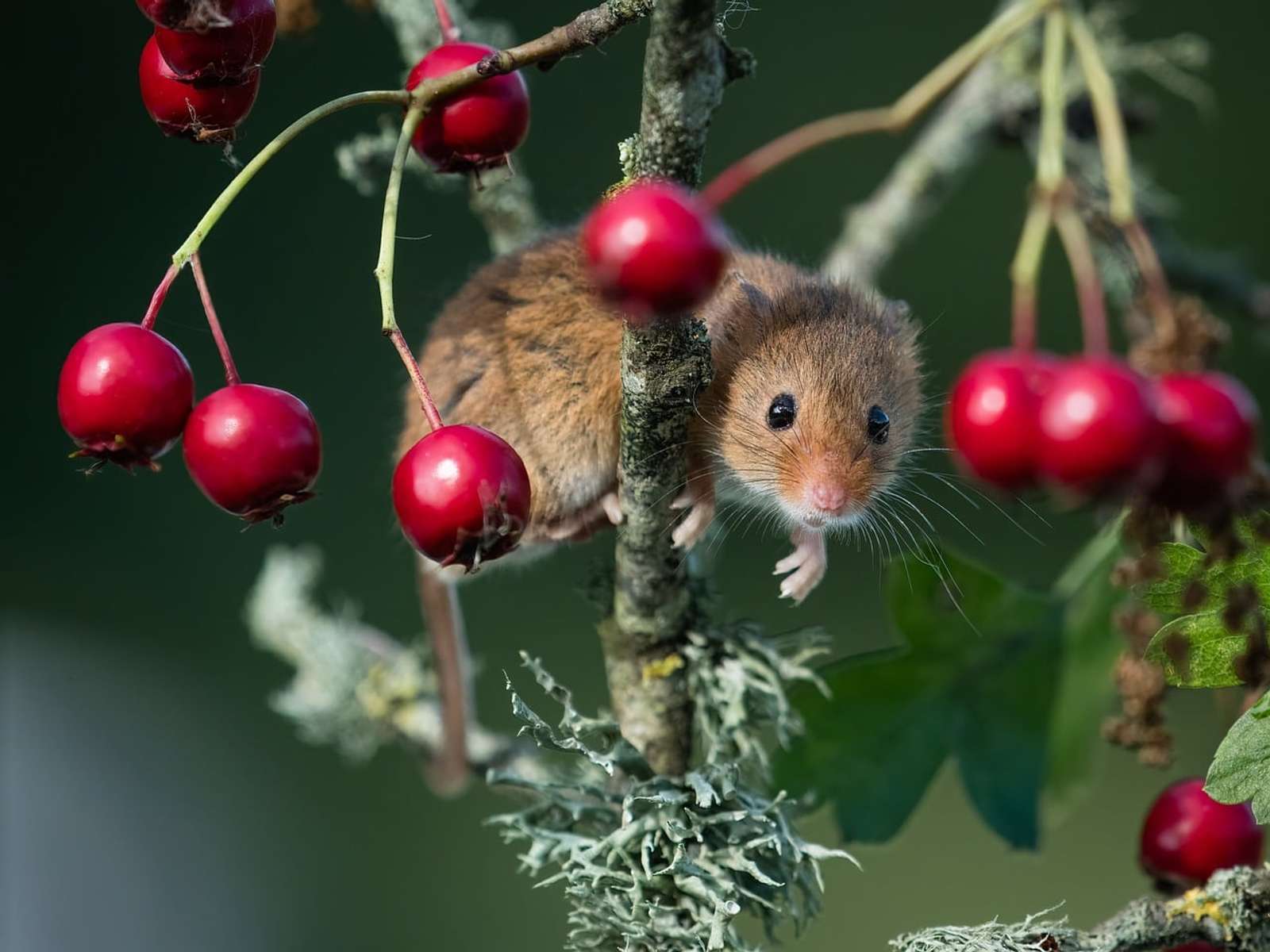
Two 14-year-olds recruit Devon children to raise harvest mice at home for release into the wild
Devon teenagers Eva and Emily, both 14, are looking for 20 children aged 8 to 13 to breed 250 harvest mice at home, guided by ecologists, for release into the wild in September 2027.
Endangered barasingha deer pass 300 in India's Satpura reserve a decade after their return
Ten years after Madhya Pradesh began moving hard-ground barasingha from Kanha to Satpura Tiger Reserve, where the deer had died out, the population has grown to about 303, with corridors now planned.