Endangered Northern Quolls Released Into a Predator-Free Sanctuary in Queensland
Australian Wildlife Conservancy has released the first 18 endangered northern quolls into a feral predator-free fenced area in north Queensland, the start of a plan to build a secure population of up to 300.
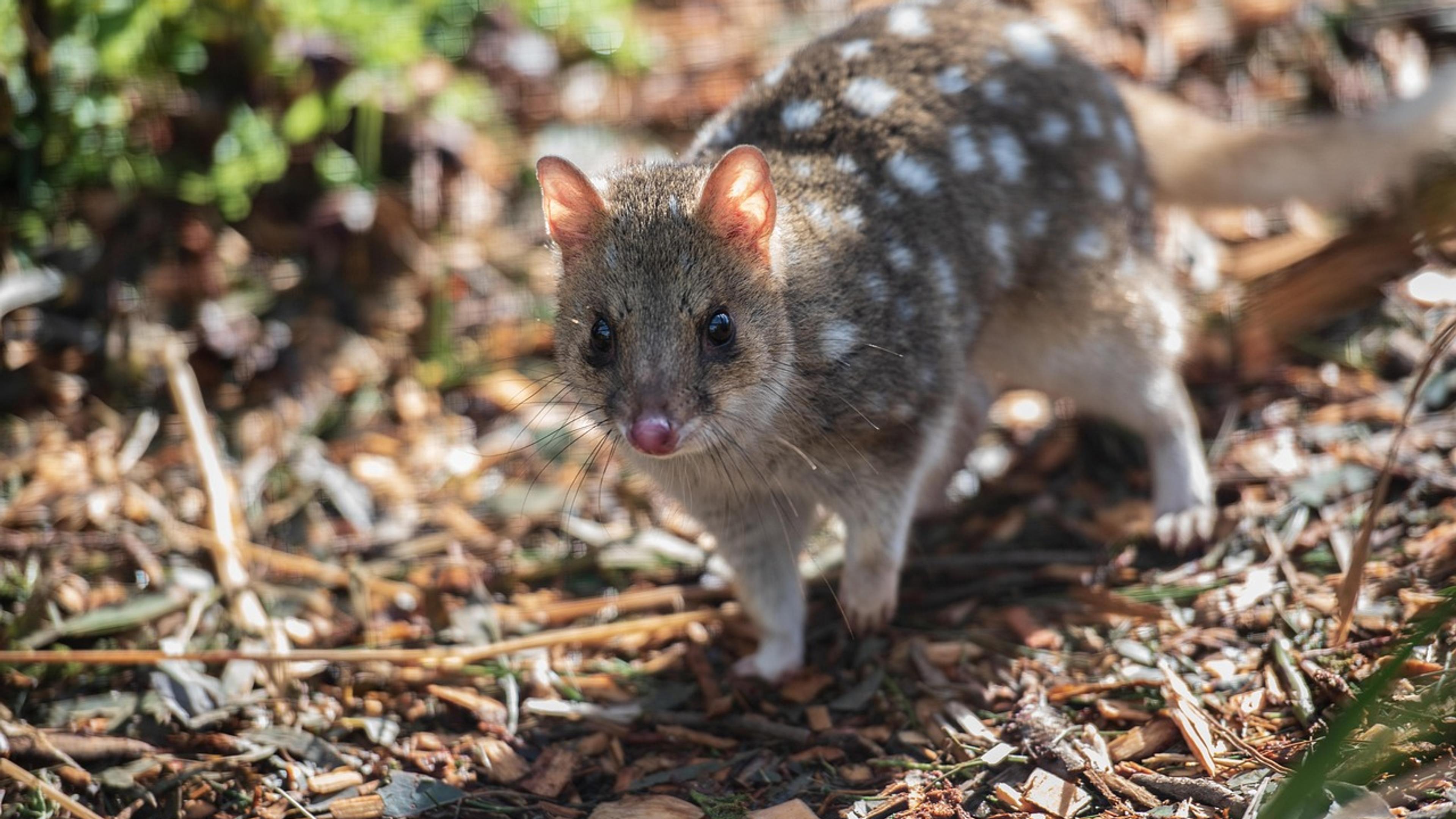
The first 18 endangered northern quolls have been released into a feral predator-free fenced area at Mt Zero-Taravale Wildlife Sanctuary in north Queensland, Australian Wildlife Conservancy (AWC) said, as reported by EcoVoice. It is the first step in a multi-year plan to build a secure mainland population.
Cane toads and feral cats drove the decline
Northern quolls, small spotted marsupial predators, were once widespread across northern Australia but have declined since the 1930s and are listed as endangered. Feral cats, poisoning from invasive cane toads and inappropriate fire regimes have all contributed, the ABC also reported.
“Creating a secure population within a feral predator-free fenced area provides greater certainty for the species’ future, while increasing overall population numbers and strengthening its adaptive potential.” — Dr Jennifer Anson, Senior Ecologist, Australian Wildlife Conservancy
Females with pouch young were moved first
The quolls came from four source populations, including AWC’s Brooklyn Wildlife Sanctuary, over six weeks. Taking only a few animals from each population every year spreads genetic diversity without straining the sources. Moving them after the breeding season let AWC prioritize females carrying young.
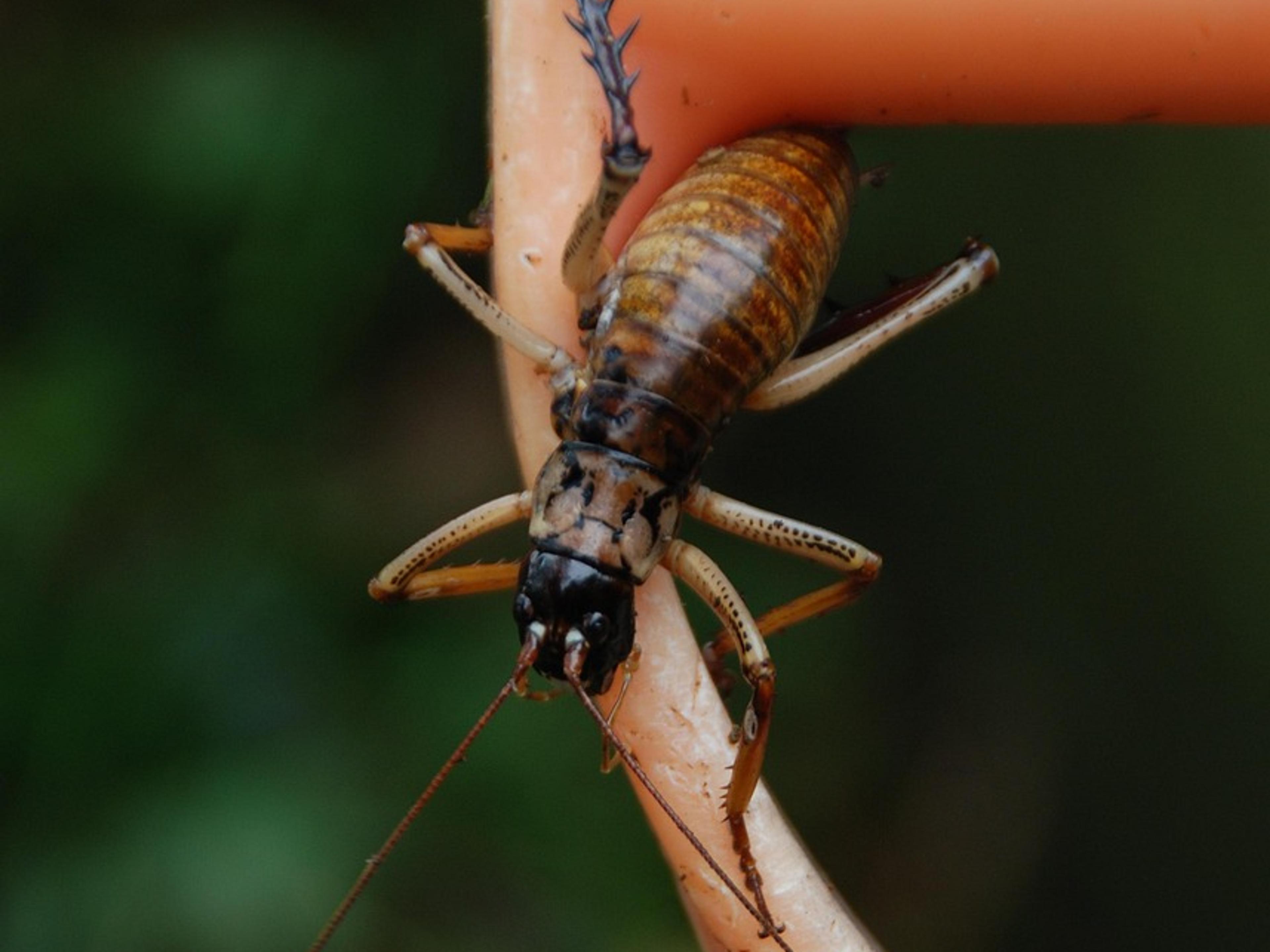
All quolls wear telemetry collars, and AWC expects the population inside the 950-hectare fenced area on Gugu Badhun Country to grow to as many as 300. Some may move out into up to 20,000 hectares of surrounding habitat. Similar fenced releases have helped other species, such as New Zealand’s giant wētāpunga.
The release was funded by the Colossal Species Reintroduction Fund and AWC donors. Colossal’s chief biology officer, Andrew Pask, said the company is separately working toward gene-edited quolls resistant to cane toad toxin.
Like what you're reading?
Related stories
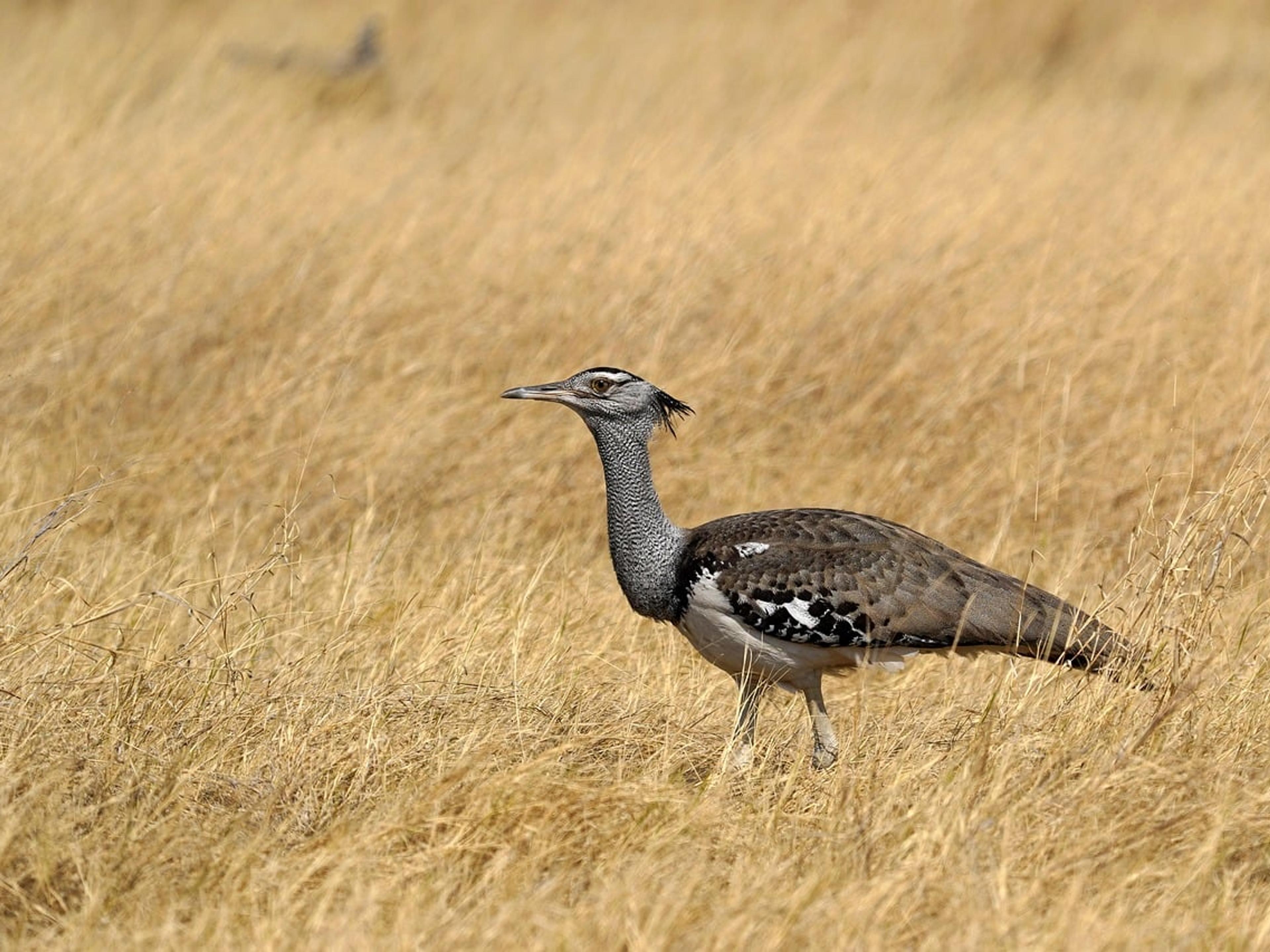
India Begins Releasing Captive-Bred Great Indian Bustards After a Decade of Conservation Breeding
Two captive-bred Great Indian Bustards entered a soft-release enclosure at Rajasthan's Desert National Park this weekend, the first step in returning birds from a 97-strong captive flock to a wild population of roughly 130.
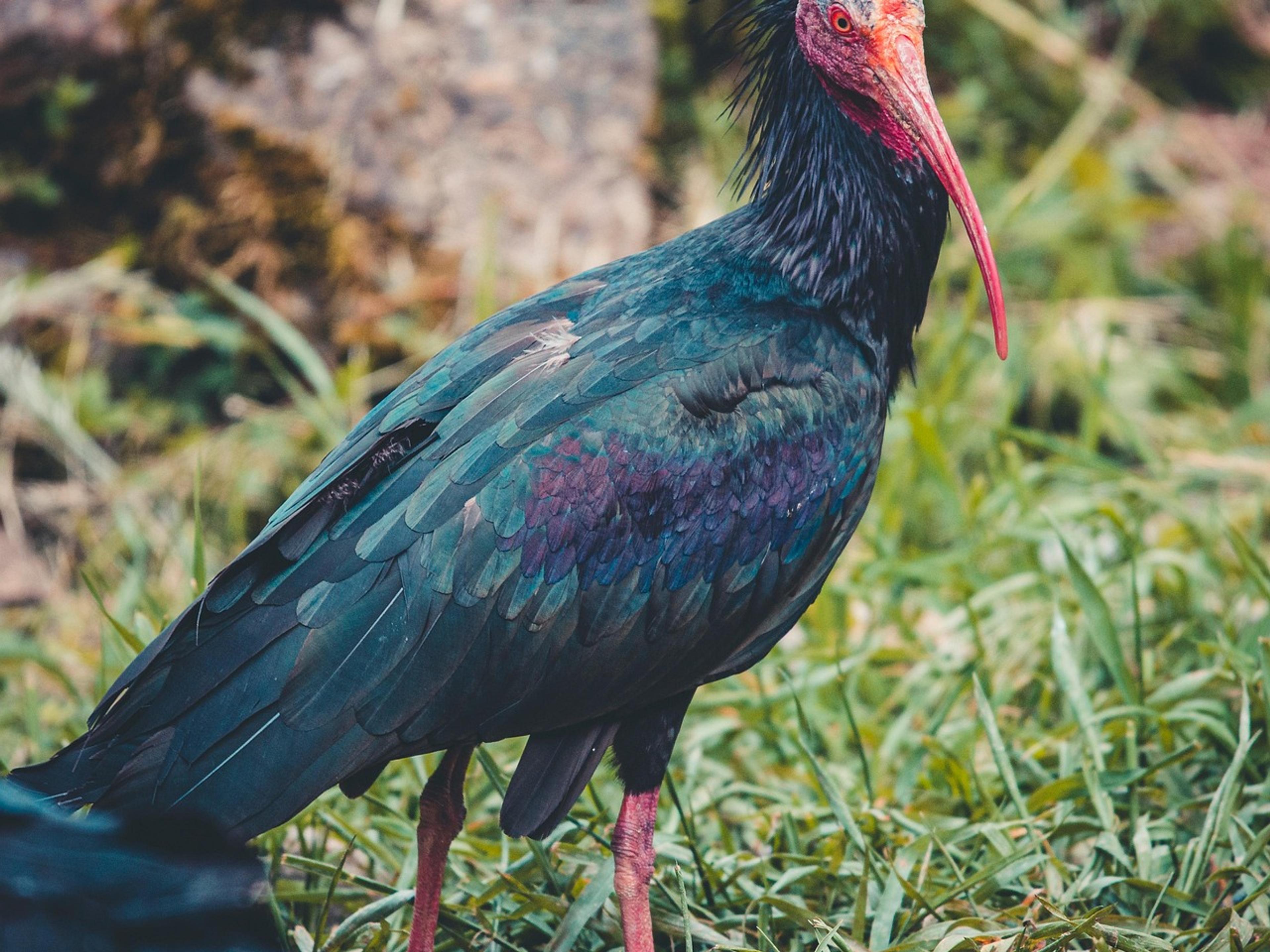
Northern Bald Ibises, Gone From Europe for Centuries, Follow Ultralight Aircraft to Rebuild a Migration Route
Fifteen young northern bald ibises were guided to Spain behind ultralight aircraft flown by their human foster parents, part of a project to re-establish a migratory population of a species extinct in Europe since the 17th century.
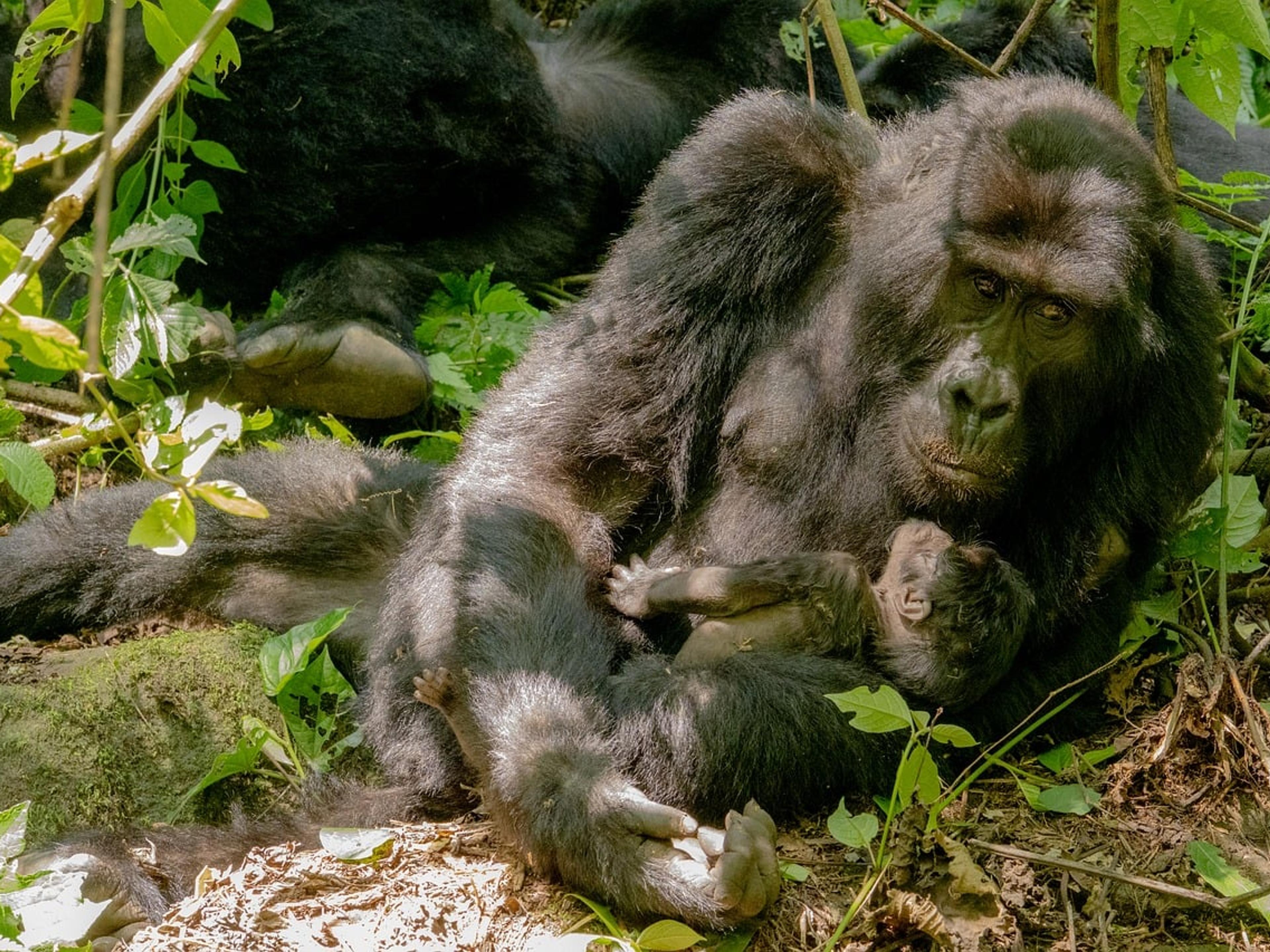
Orphaned Gorilla Rescued From Traffickers Gives Birth in the Wild After Rewilding
Lulingu, an eastern lowland gorilla rescued from the wildlife trade as an 18-month-old orphan, has given birth in Congo’s Virunga National Park, one of the first rewilded gorillas of her kind to become a mother in the wild.