Cambodia protects 315 hectares of wetland as its first conservation area for the Siamese crocodile
Cambodia has set aside 315 hectares of marsh in the Cardamom Mountains as its first genetic conservation area for an animal species. The site holds more than 40 wild Siamese crocodiles, the largest known wild group.
By Diego Callegari, Editor
· 2 min read
Source: Cambodia Ministry of Environment (via Conservation International) ↗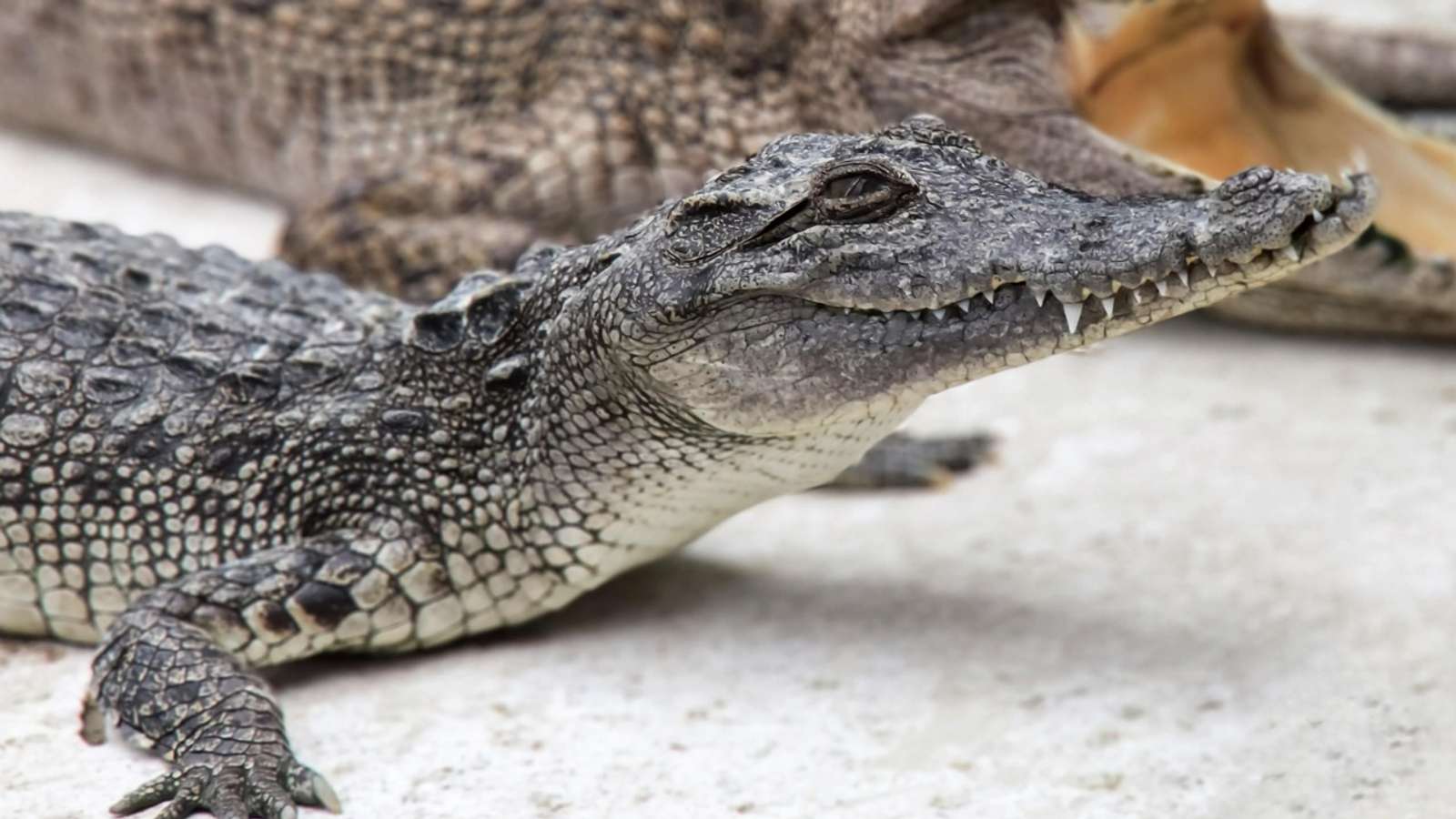
Cambodia has turned 315 hectares of marshland in the Cardamom Mountains into its first Crocodile Genetic Conservation Area, giving legal protection to the main nesting grounds of the critically endangered Siamese crocodile, according to a joint statement from the Ministry of Environment, the Ministry of Agriculture, Forestry and Fisheries, Conservation International and Fauna & Flora. The site, Boeung Veal Veng in O'Som commune, Pursat province, holds more than 40 wild crocodiles.
The government says this is the largest remaining wild population of the species. The designation was made by a ministerial decree (prakas) announced on 22 July, and the partners issued their statement on 26 September.
A species once feared extinct in the wild
Siamese crocodiles were long thought to have disappeared from the wild. In 2000, Fauna & Flora and Cambodian government partners rediscovered a population at O'Som, confirming what local people already knew. Since 2012, a conservation breeding program run by the agriculture ministry has returned captive-bred crocodiles to the wild, and in June 2025 a natural nest of 17 eggs was found at the site.
Only about 1,000 Siamese crocodiles are thought to remain across Southeast Asia, roughly 400 of them in Cambodia, Conservation International reported in August. It lists habitat loss, poaching and crossbreeding with captive-bred crocodiles as the main threats.
“Boeung Veal Veng is Cambodia's first-ever Genetic Conservation Area established specifically for an animal species.” — H.E. Dr. Eang Sophalleth, Minister of Environment, Cambodia
Stricter rules than a normal protected area
A genetic conservation area is a specialized designation with stricter legal protection and enforcement than a traditional protected area, the partners said. Its stated aims are to protect the nesting habitat and keep the genetic diversity of the wild population intact. The area will be managed by the Pursat Provincial Department of Environment, with support from other agencies, local authorities, communities and conservation groups, Cambodianess reported.
Conservation International began working with the government on the designation in late 2023. Minister of Agriculture Dith Tina said giving the wild population "full legal protection over their core nesting habitat" was the result of ministries, partners and communities working together.
The population is growing, but the pressure is too
Horm Chandet, Fauna & Flora's country director in Cambodia, called the species' recovery "an extraordinary conservation success story," but warned: "we're not out of the woods yet: new threats are emerging, with habitats under growing pressure, and so our work is ever evolving." Conservation International has pointed to illegal land grabs and rapid deforestation around the area.
Sony Oum, country director of Conservation International Cambodia, said protecting "the last stronghold" of the species in the wild would also support Indigenous communities and law enforcement in the Central Cardamom Mountains.
The designation covers the 315-hectare core marsh. The statement does not say how many rangers will patrol it or how the stricter rules will be funded.
Sources
- Cambodia Ministry of Environment (via Conservation International) · conservation.org
- conservation.org
- cambodianess.com
How we choose and verify sources: editorial policy.
Your weekly dose of good news
The 5 biggest positive stories of the week, straight to your inbox. Free, no noise.
Like what you're reading?
Related stories
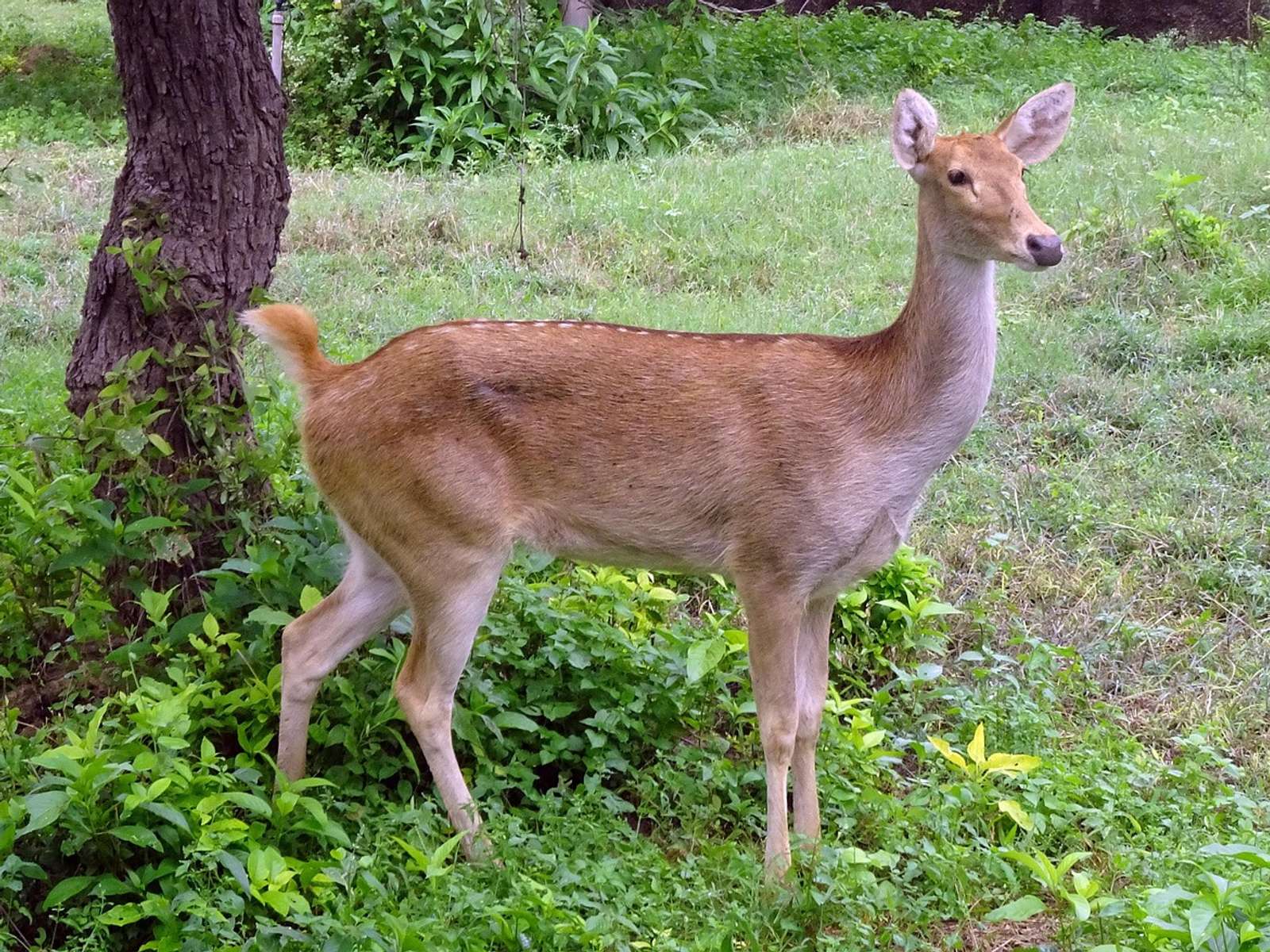
Endangered barasingha deer pass 300 in India's Satpura reserve a decade after their return
Ten years after Madhya Pradesh began moving hard-ground barasingha from Kanha to Satpura Tiger Reserve, where the deer had died out, the population has grown to about 303, with corridors now planned.
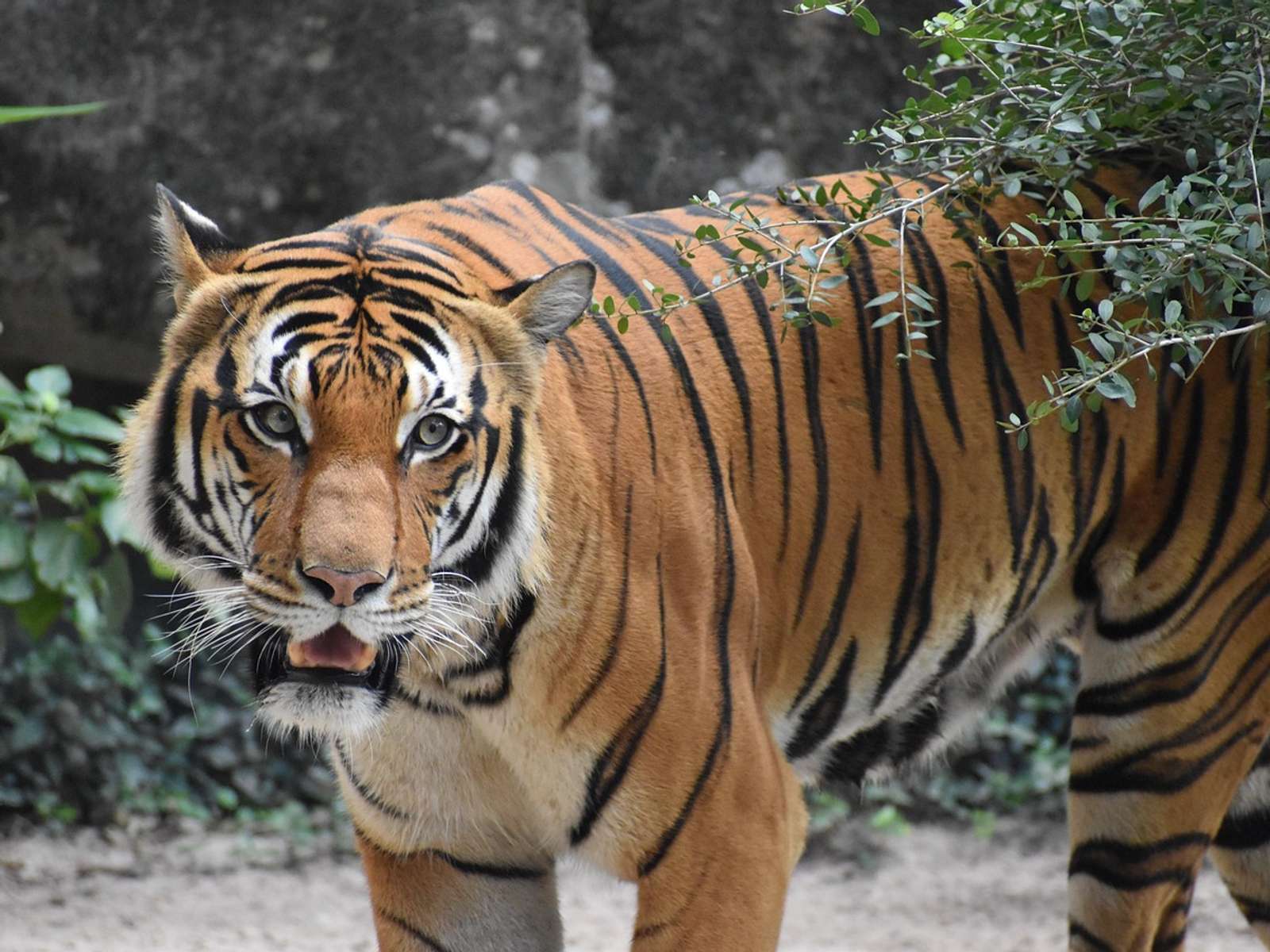
Thai tigress Mae Kaew has raised nine cubs, and now her daughter is a mother too
Camera traps in Thailand's Western Forest Complex show a wild tigress named Mae Kaew has raised three litters, nine cubs in all, and one of her daughters has now had two cubs of her own.
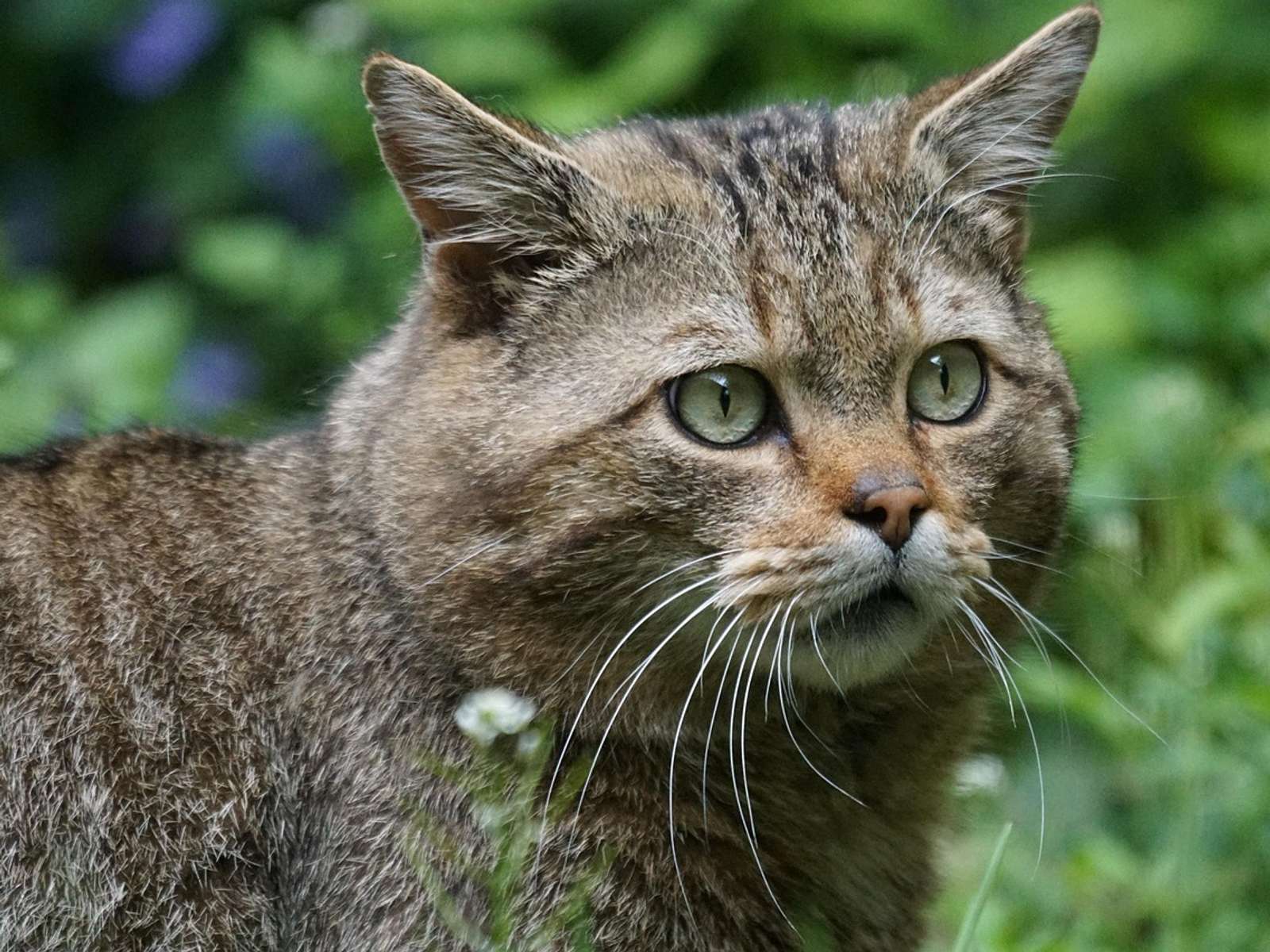
Scotland Reaches 50 Wildcat Releases, With Kittens Born in the Wild Three Years Running
The Saving Wildcats project has now released 50 critically endangered wildcats into Scotland’s Cairngorms National Park since 2023, and released females have given birth in the wild for three years in a row.