Northern Bald Ibises, Gone From Europe for Centuries, Follow Ultralight Aircraft to Rebuild a Migration Route
Fifteen young northern bald ibises were guided to Spain behind ultralight aircraft flown by their human foster parents, part of a project to re-establish a migratory population of a species extinct in Europe since the 17th century.
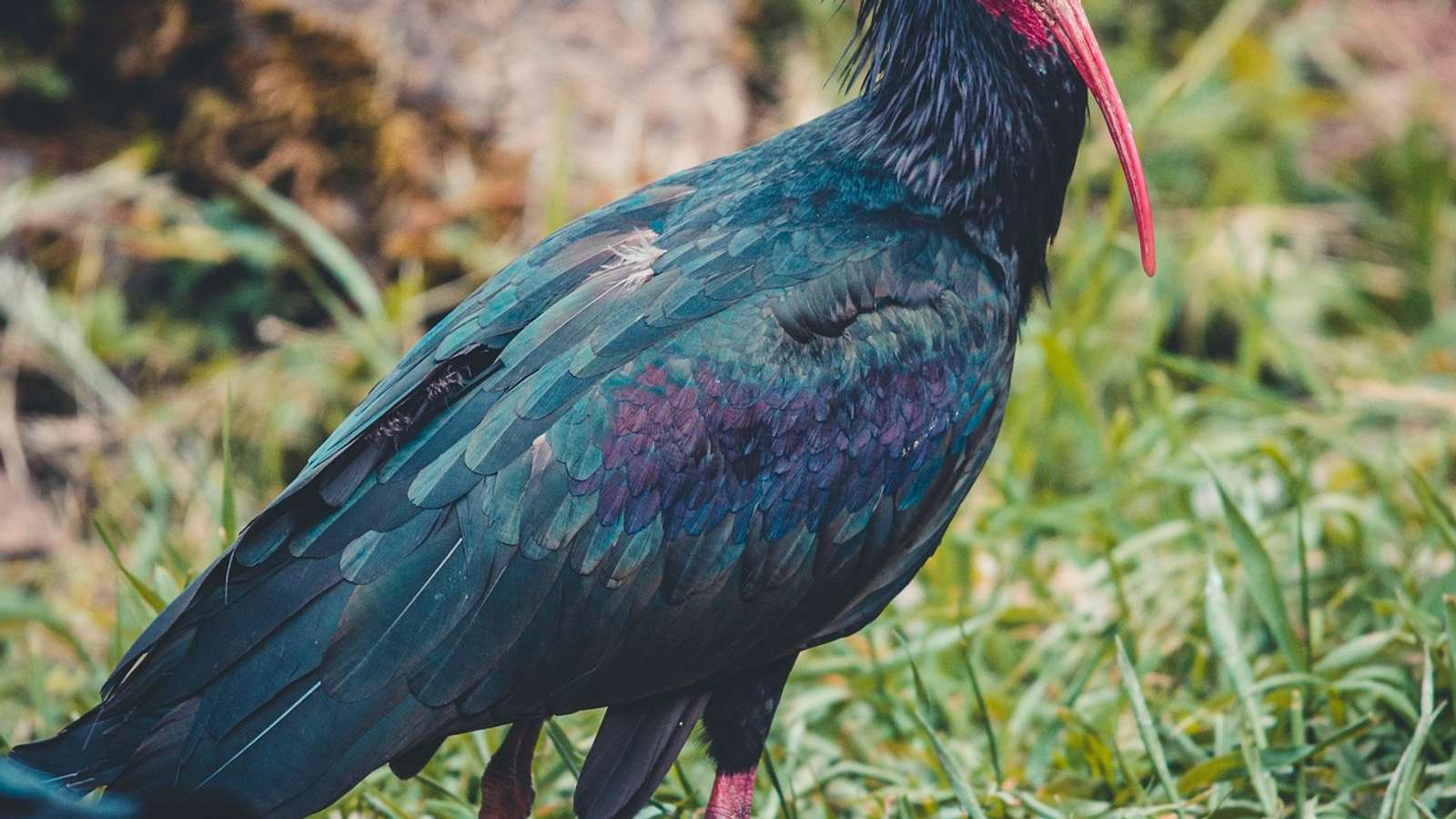
Fifteen young northern bald ibises have been guided to Catalonia in northern Spain by ultralight aircraft flown by their human foster parents, the latest step in a project to rebuild a migration route for a species that disappeared from Europe centuries ago, according to Brit Brief.
Foster parents who fly the route with the birds
The Austria-based Waldrappteam raises the chicks with human foster parents, who then fly an ultralight aircraft ahead of the flock to lead it south. The 2026 journey began in mid-August, passed through France and ended in Spain, according to the Waldrappteam. The team has about 20 years of experience guiding birds this way.
A route that links Austria, Catalonia and Andalusia
The route connects Austria with Alt Empordà in Catalonia, which acts as a stopover, and with Jerez in Andalusia. The Alt Empordà project began in 2024 and had a first generation of nearly 60 ibises by 2025. It works with the Aiguamolls Park wetland reserve, and the birds are released at Torre d'en Mornau, a converted army stable. Local biologist Bernat Garrigós, who runs the project, said of the birds: “They are such intelligent birds. Very sociable, all with different personalities.”
A species with a narrow safety net
The northern bald ibis went extinct in Europe in the 17th century. It is classed as Endangered on the IUCN Red List, a step down from Critically Endangered in 2018 because the protected wild population in Morocco has slowly grown. Even so, BirdLife International counts only 200 to 249 mature birds in the wild, and at least 95% of truly wild birds live in one Moroccan subpopulation, according to its species factsheet.
The Alt Empordà project aims for at least 50 breeding pairs, roughly 300 birds, within ten years. Brit Brief reports that mortality among the released birds has been much lower than in earlier projects, which organizers credit to working with the experienced teams in Austria and Jerez.
Why the birds need a guide
Young ibises normally learn where and when to migrate by following older birds. With no wild migratory population left in Europe, the foster parents and their aircraft take that role for the first generations, so that later birds can make the journey with their own flock. Another migratory bird is getting help along its route, where a European project is making the Egyptian vulture's Balkan flyway safer.
Correction, 15 October 2026: An earlier version of this article said the northern bald ibis is classed as critically endangered. It has been listed as Endangered on the IUCN Red List since 2018.
Sources
- Brit Brief / Waldrappteam · britbrief.co.uk
- waldrappteam.at
- datazone.birdlife.org
How we choose and verify sources: editorial policy.