Stories of kindness, generosity, and people making a difference in their communities.
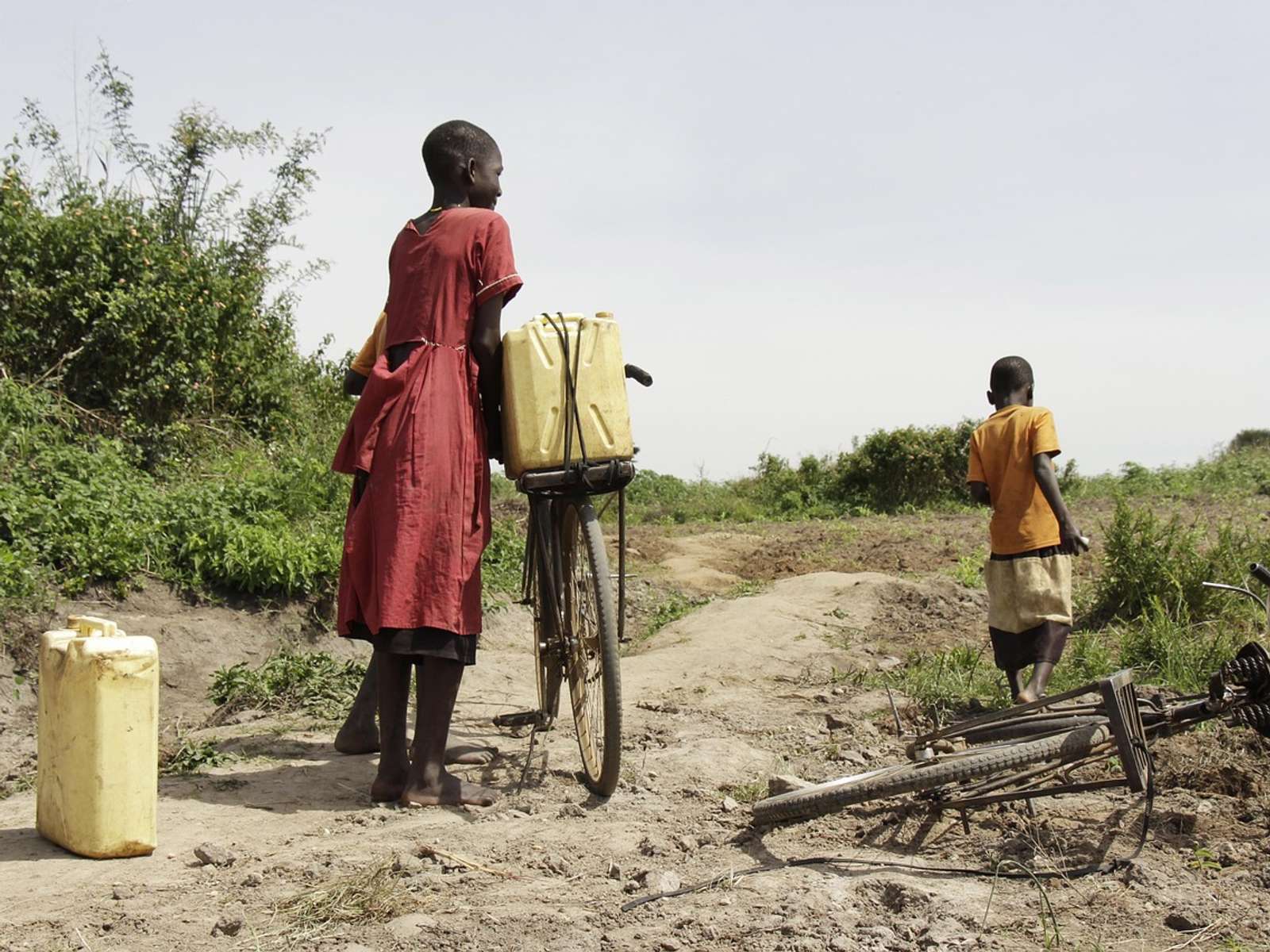
Austria is giving EUR 3.5 million, and UNICEF EUR 390,000, for a three-year water and sanitation program in Uganda's Yumbe and Madi-Okollo districts, home to the Bidibidi and Rhino Camp refugee settlements. More than 72,000 people should benefit.
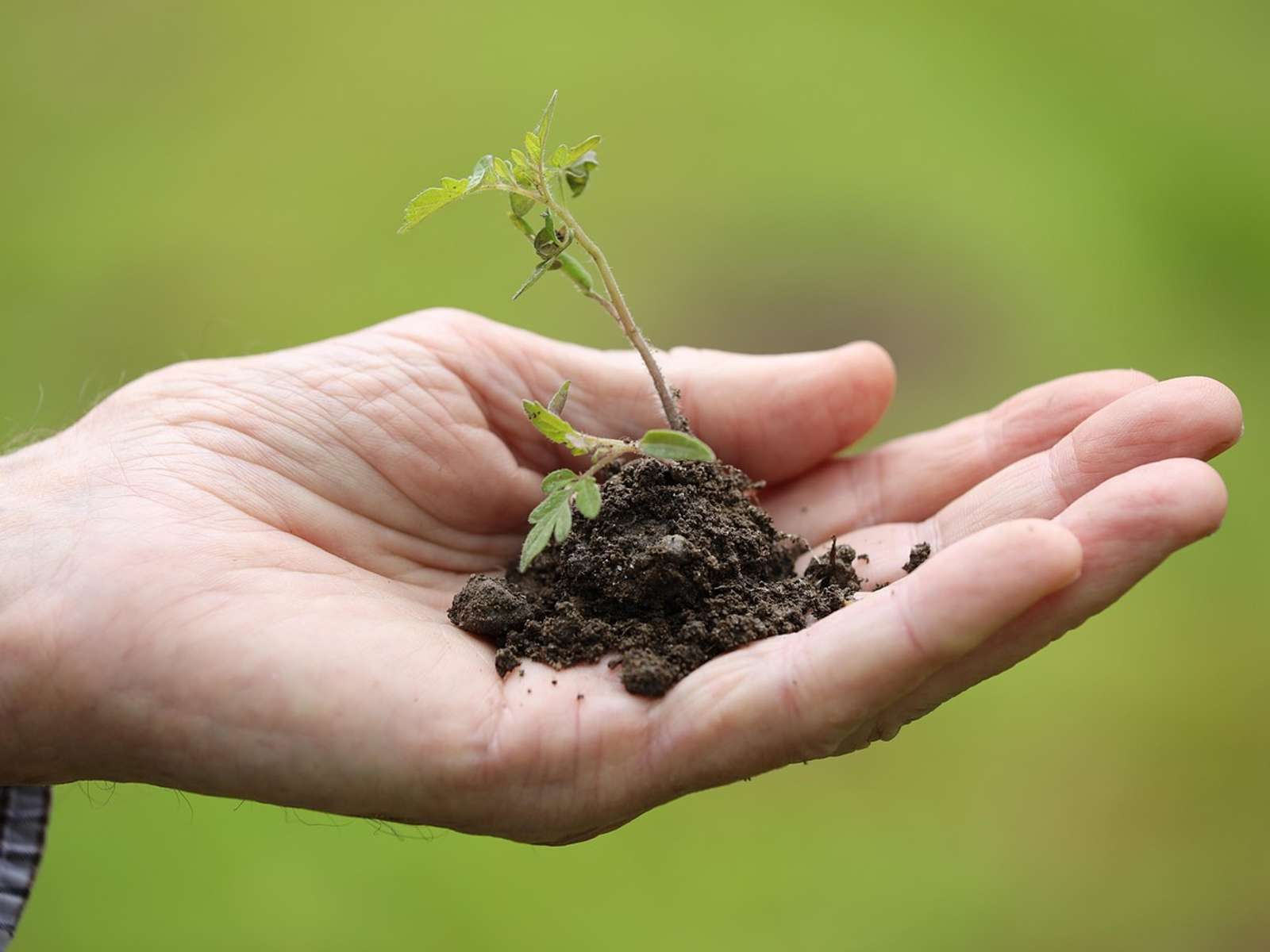
Eighteen pilot schools in Turkmenistan received the country's first Green School certificates, six at Level II and 12 at Level I, UNICEF said on 5 November. Students lead eco-clubs, clean-up days and tree planting under the program.
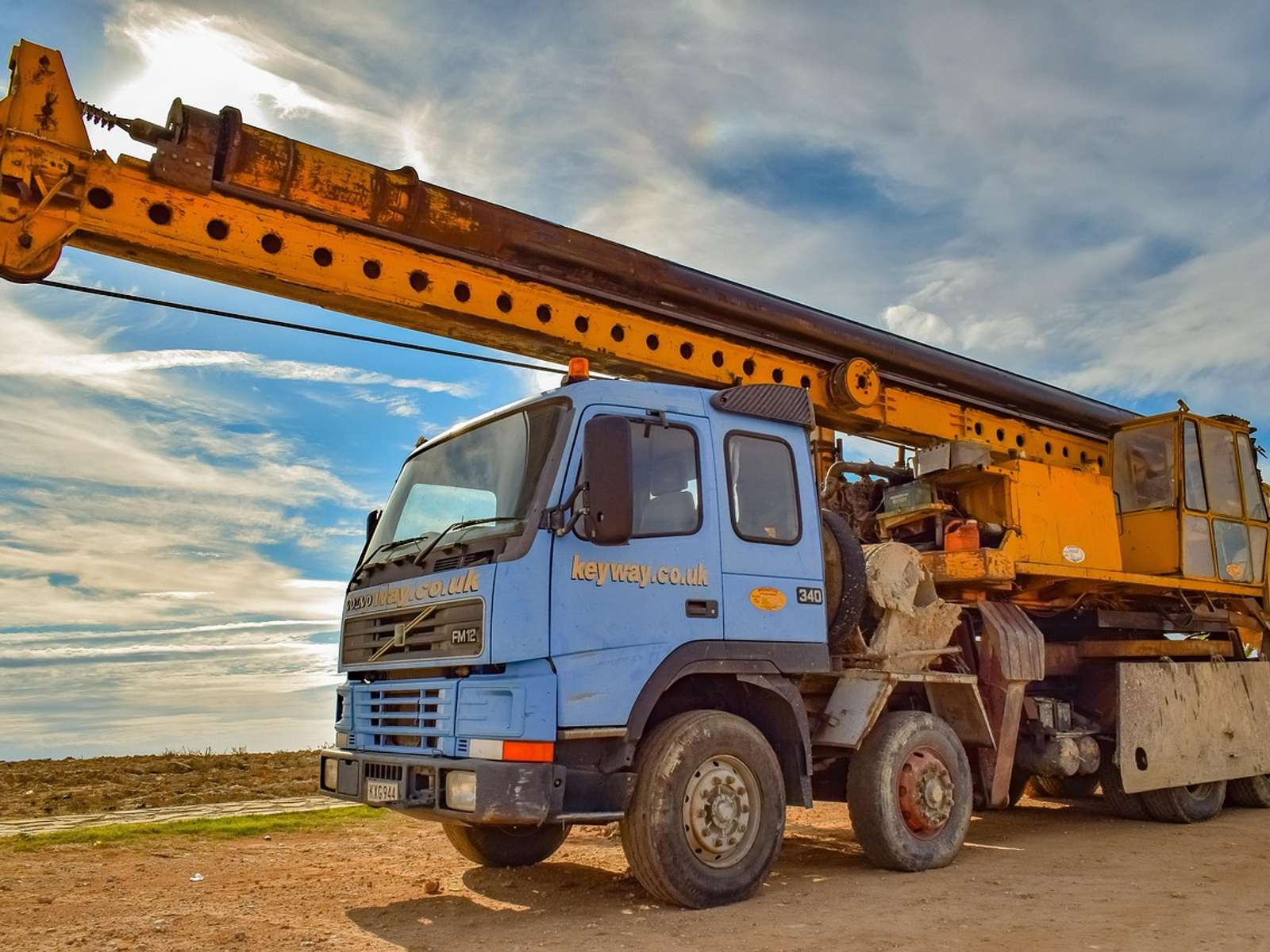
A UNDP groundwater project in Ethiopia's Somali Region drilled 11 high-yield boreholes in 2026, and four water systems now supply 41,112 people, seven schools, three health facilities and 76,618 livestock.
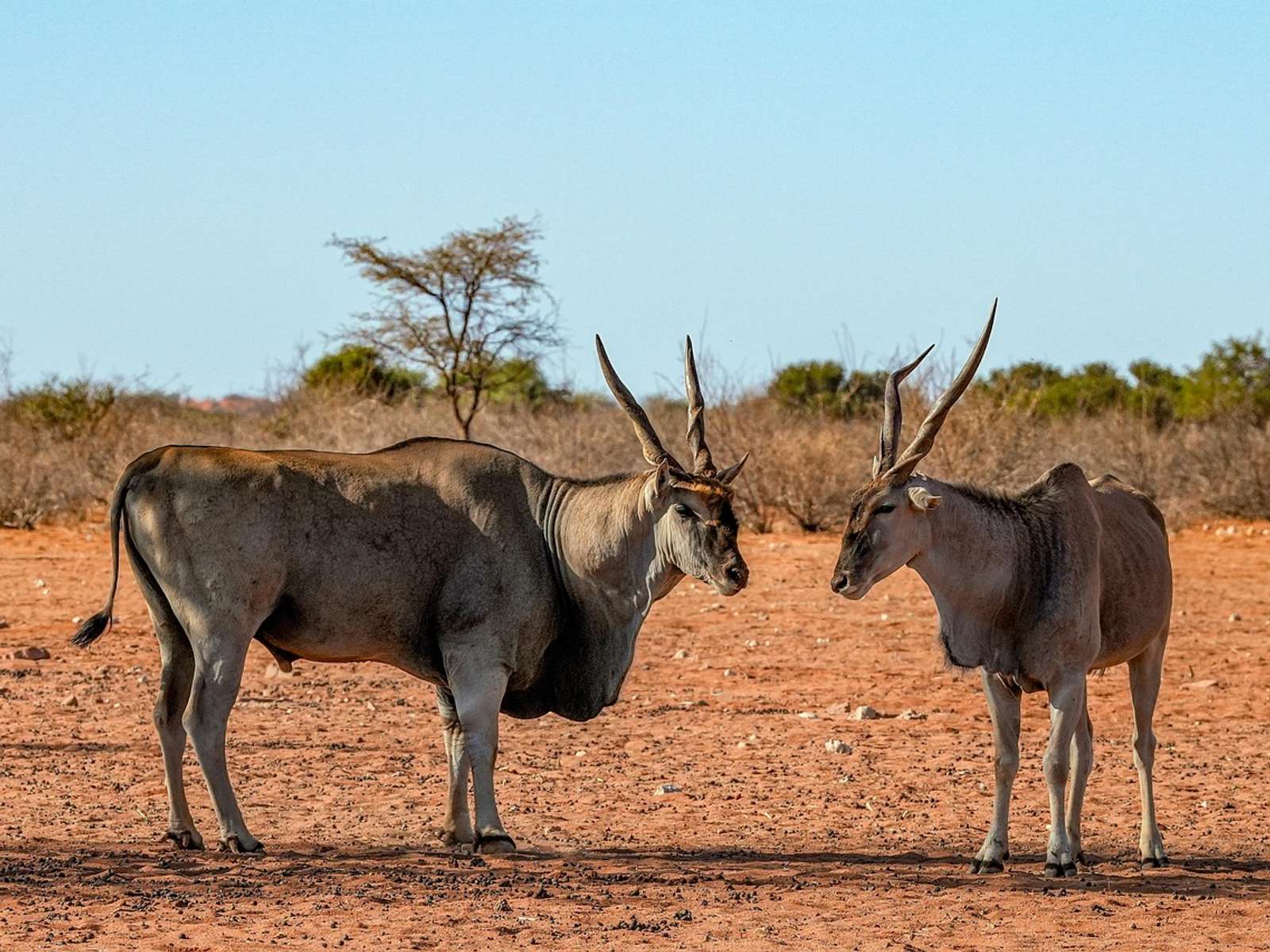
Botswana's government has approved a four-phase roadmap that could let Indigenous San communities return to the Central Kalahari Game Reserve with legally recognized rights, Mongabay reports. Key questions remain open.
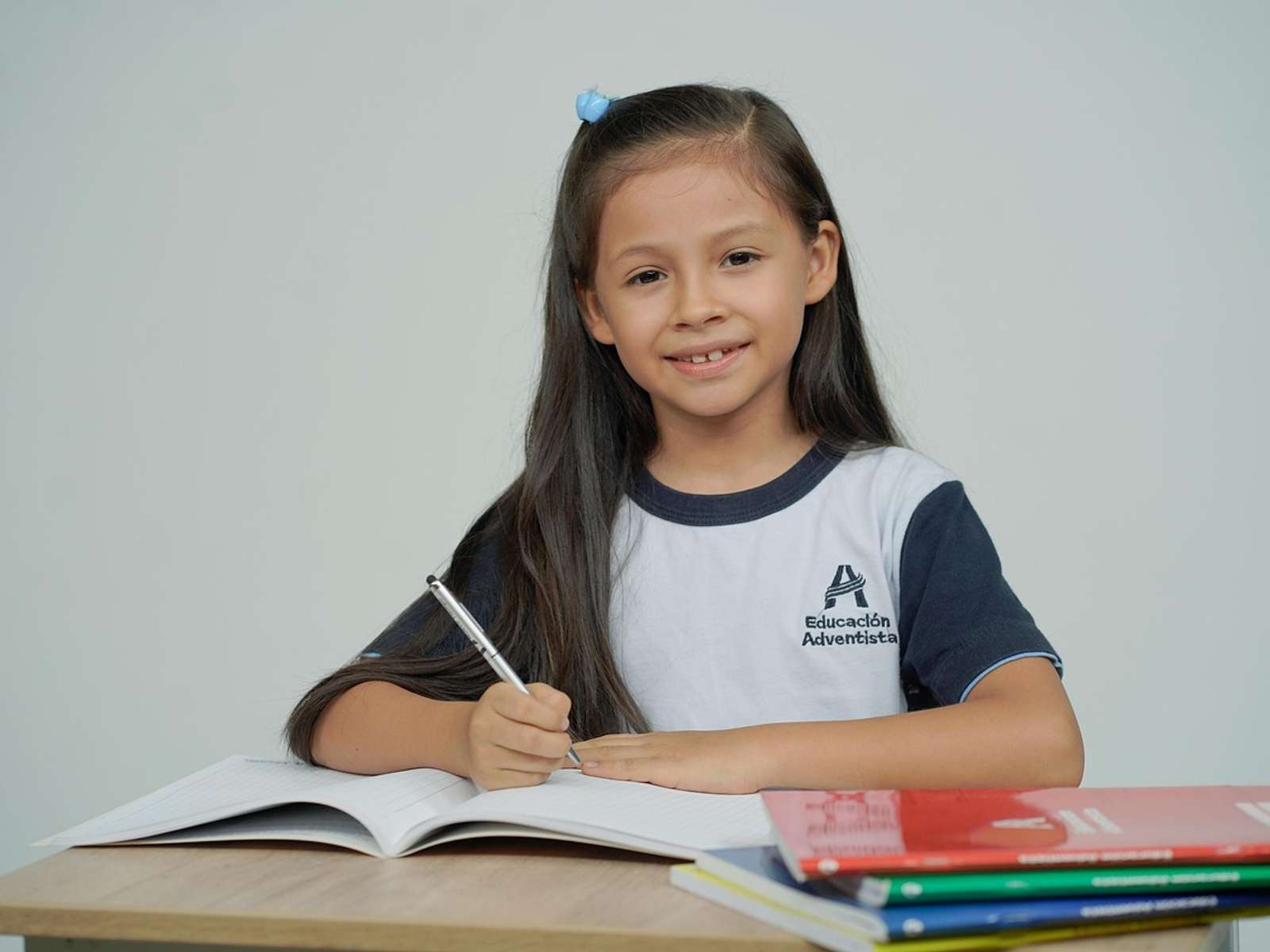
Hiba, 14, was out of school for five years because of insecurity and war in Sudan. Now she studies at an accelerated learning centre in Goz El Salam camp in Kosti, run by UNICEF with the White Nile State education ministry.
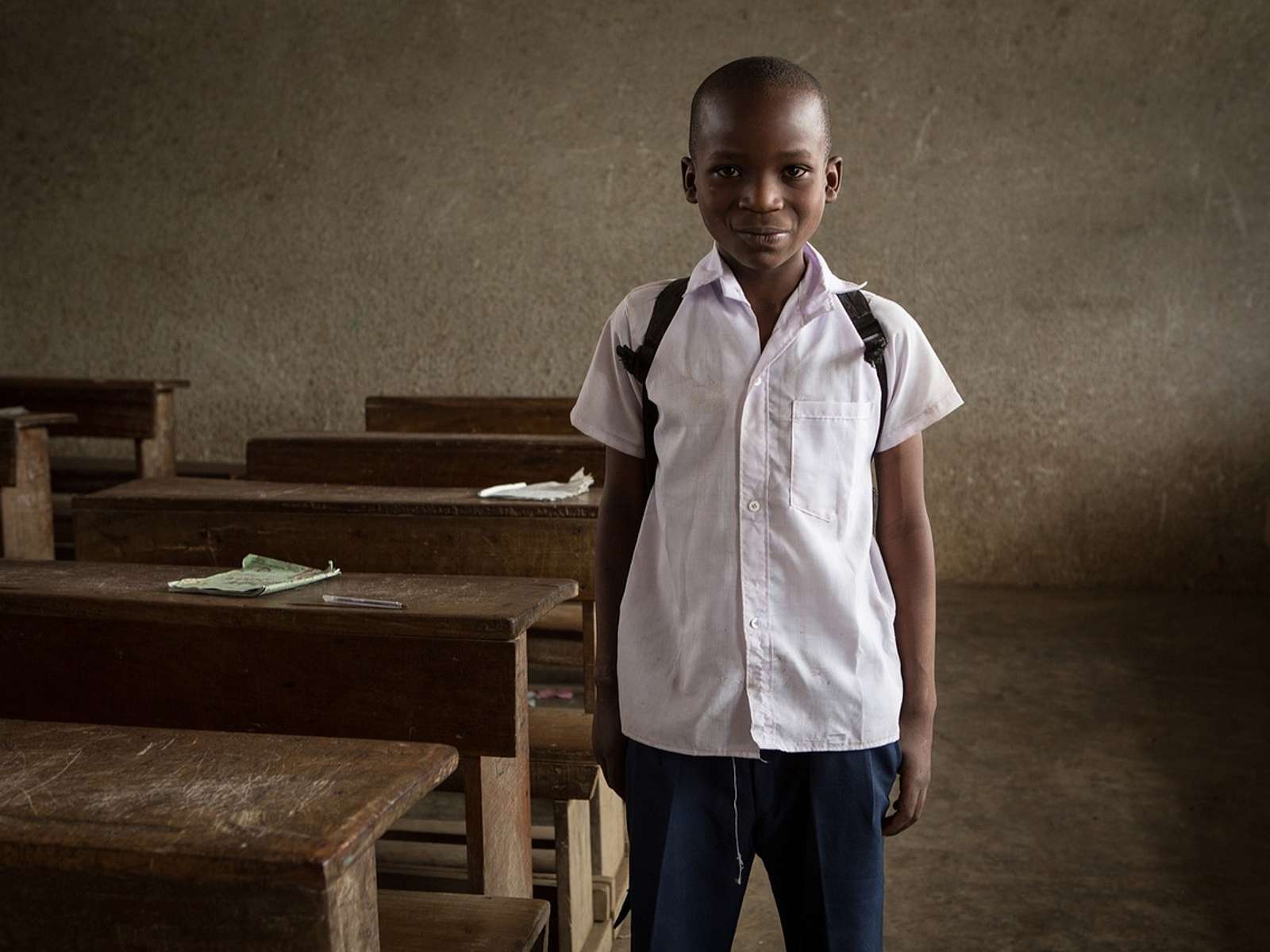
Construction has begun on 14 public preschools in Timor-Leste's Bobonaro and Baucau municipalities, backed by South Korea through KOICA and UNICEF. Only 29% of young children attend preschool; the government aims for 60% by 2028.
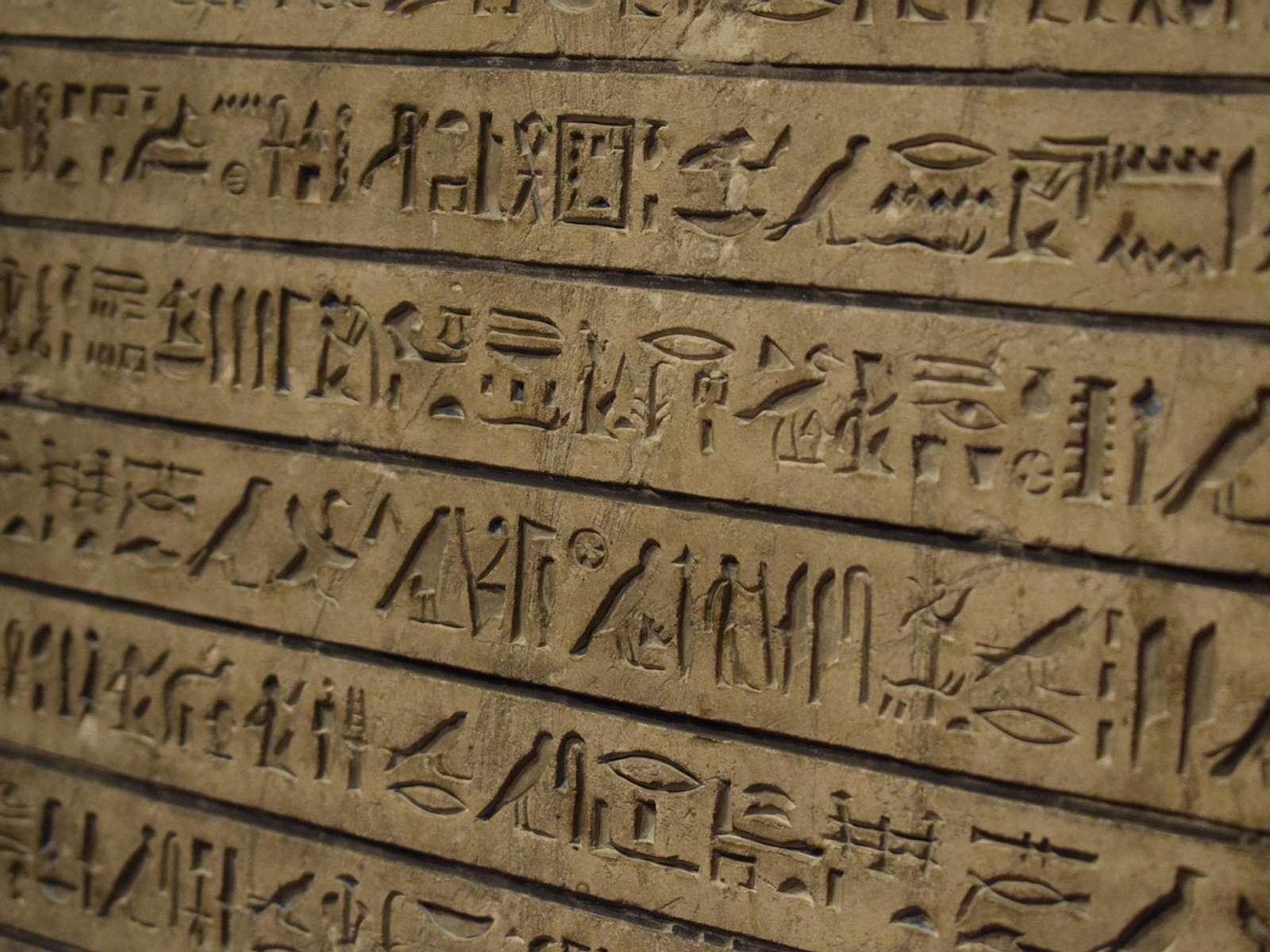
Researchers at Marburg University found plant compounds linked to aloe in a mummified head from the 8th century BCE, the first molecular identification of aloe in ancient Egyptian embalming materials, published in PNAS.
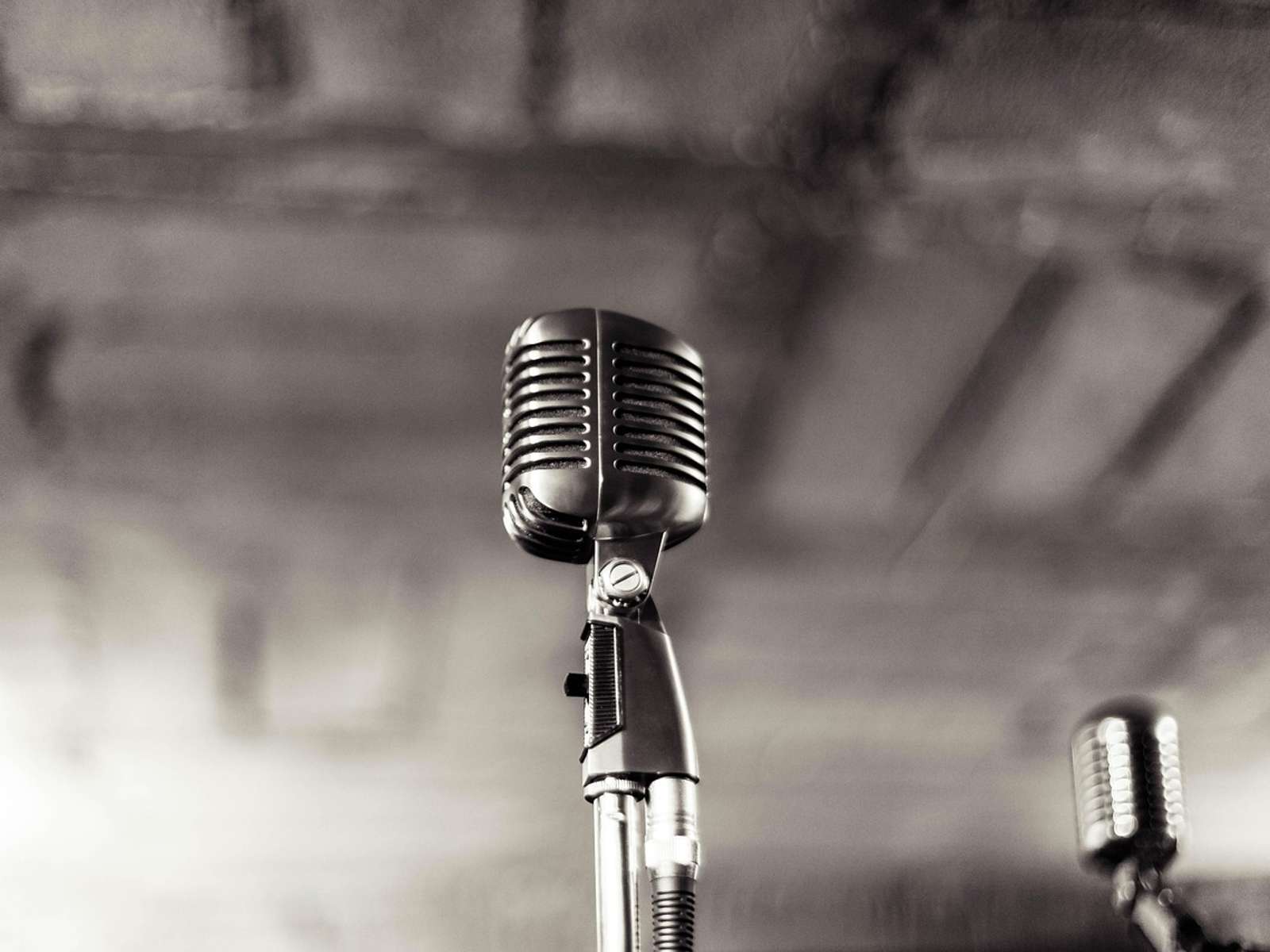
A Cambridge linguist has identified recordings made in 1935 by Lorenzo Dow Turner as the earliest extended audio of Louisiana Creole, including the only recordings of the New Orleans variety. Only a few thousand native speakers remain today.
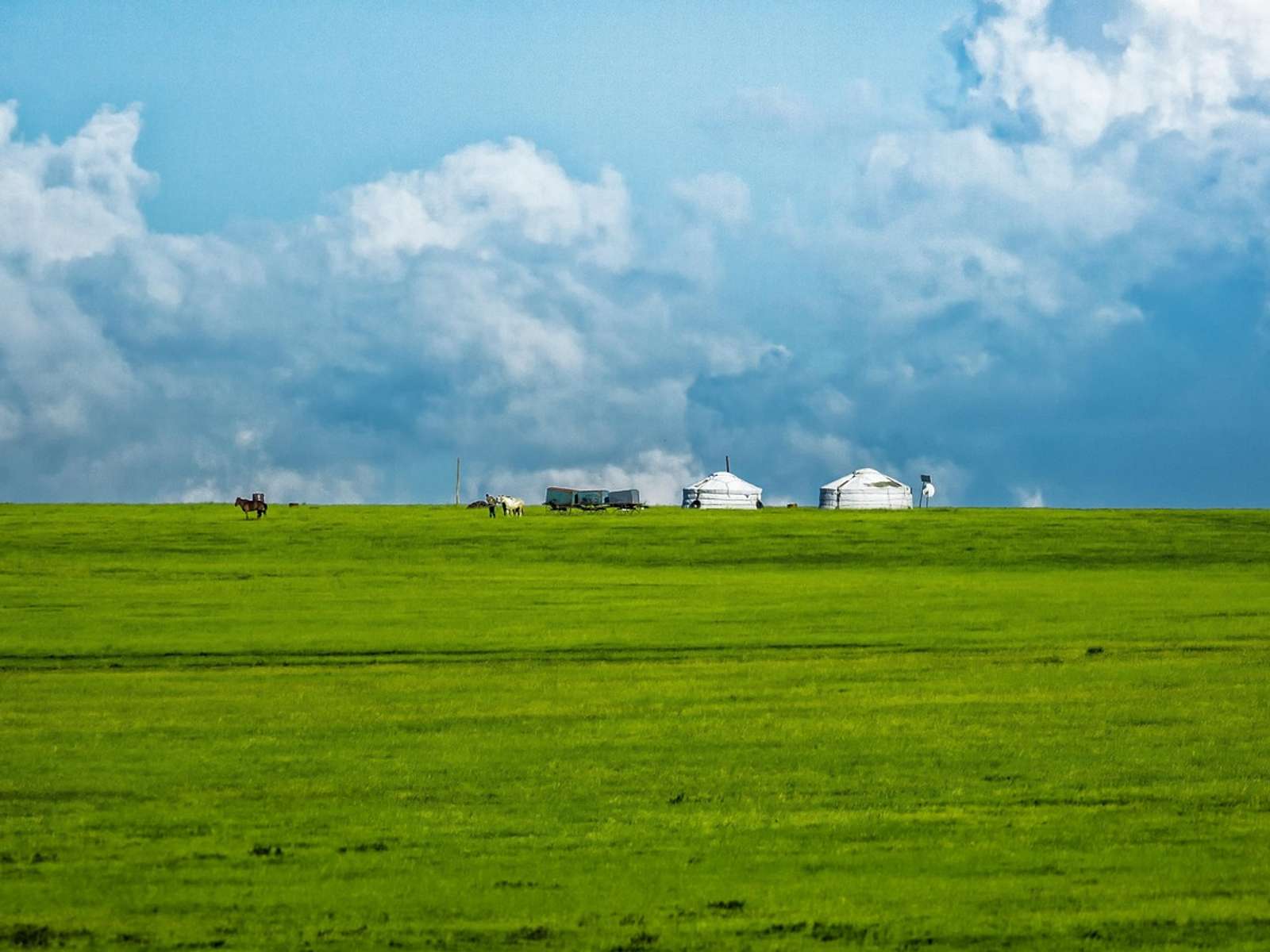
Mongolia's Teacher with a Tablet program, run by UNICEF and the Ministry of Education since 2023, sends kindergarten teachers to herding families' homes with tablets. It has reached more than 14,500 children and trained 550 teachers.
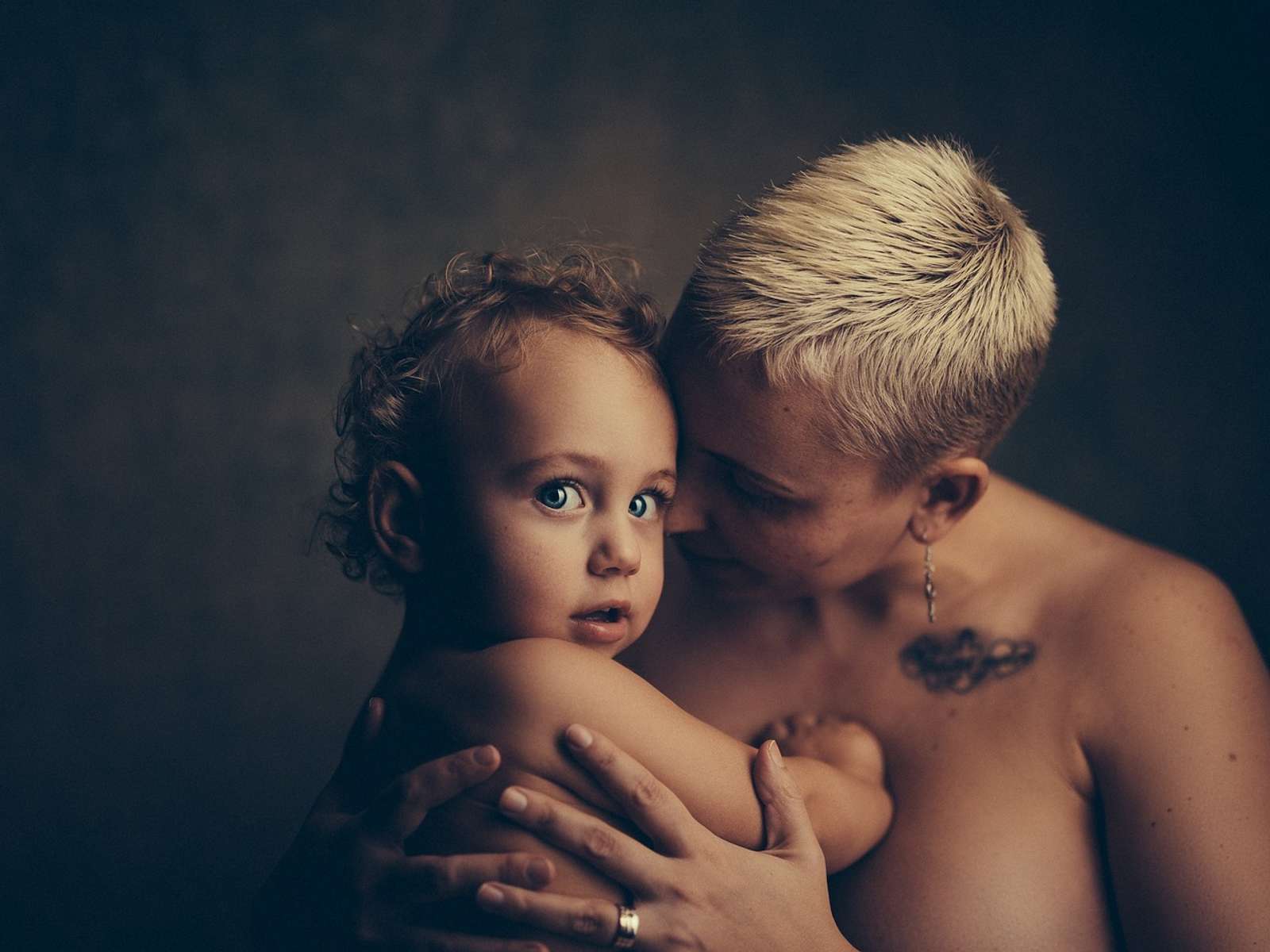
In Turkmenistan, a UN-backed pilot of community social services has grown into a national system set to reach all 56 districts by 2027. For Batyr, a toddler with cerebral palsy, early rehabilitation meant walking and talking within seven months.
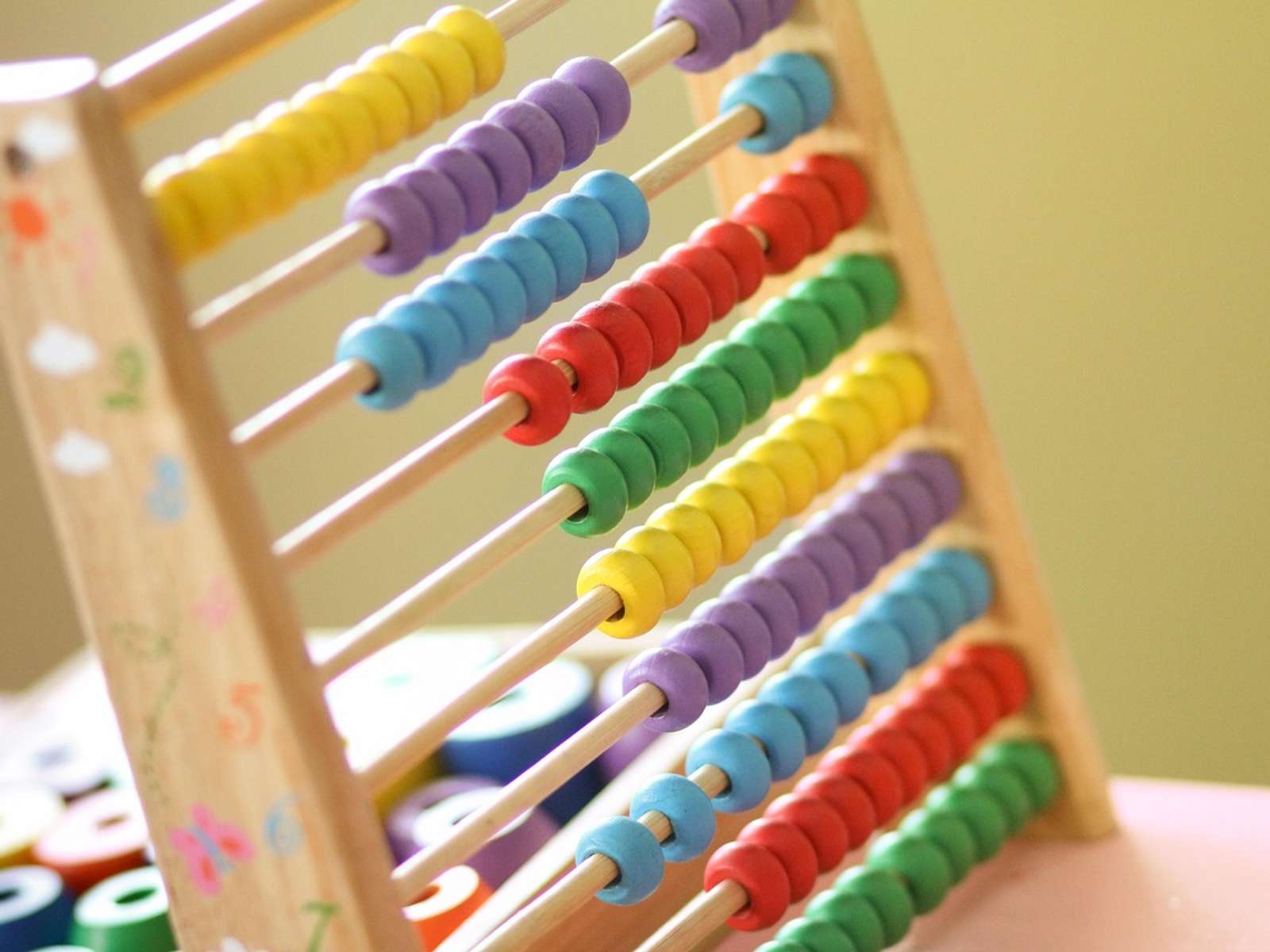
Guatemala's Ministry of Education, UNICEF and the Municipality of Cobán opened the first of four Departmental Early Childhood Reference Centers. Together they aim to support more than 2,000 educators and over 40,000 children.
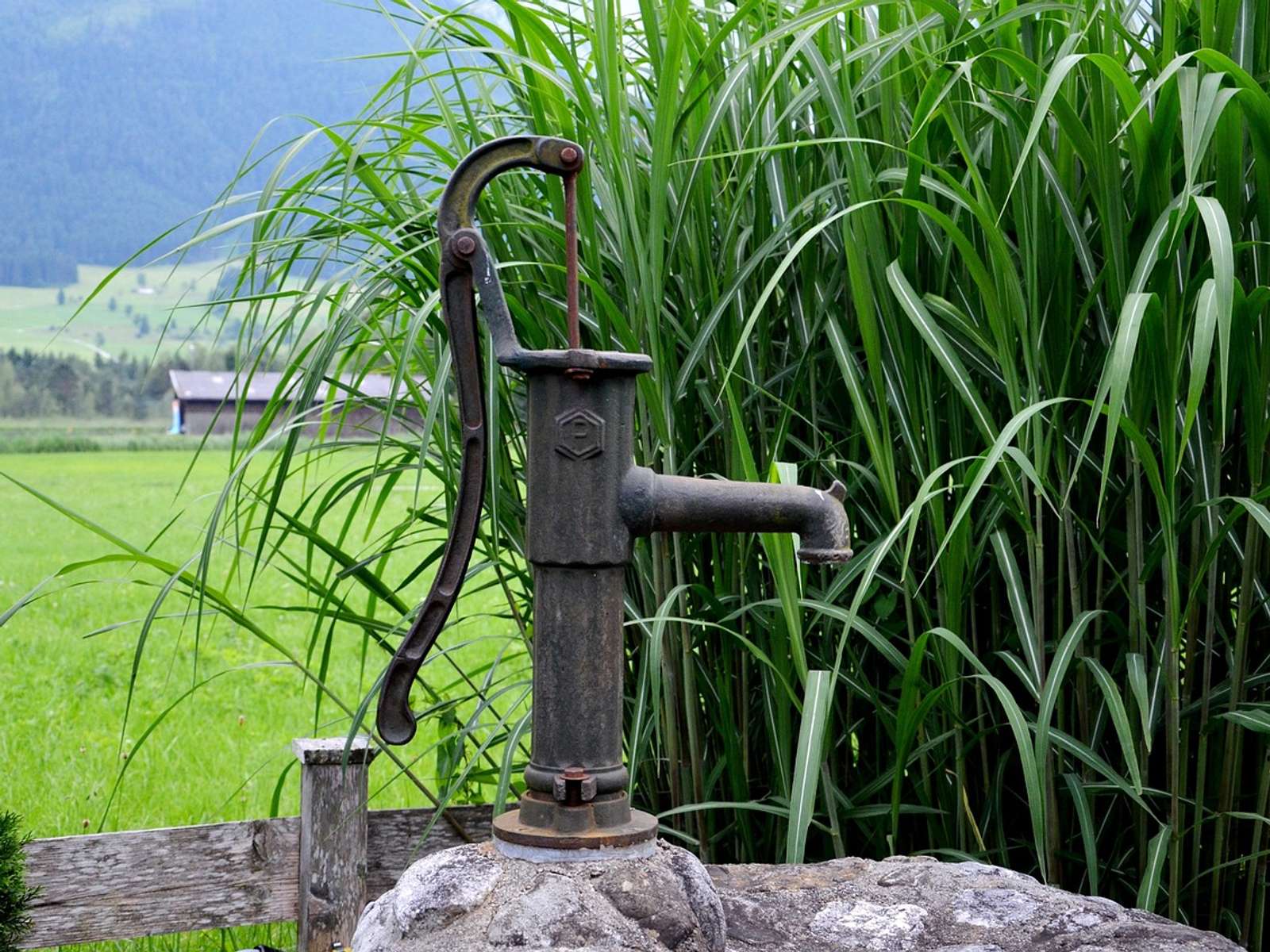
With funding from the Republic of Korea, UNICEF has built 19 boreholes, solar-powered pumps, reservoirs and pipe networks in climate-vulnerable communities including Ghor province, reaching over 39,000 children and their families.

A partnership between UNICEF, Airtel Africa and Nigeria's government has connected nearly 2,000 schools and made learning platforms free of data charges, reaching about 1 million students and more than 20,000 teachers.
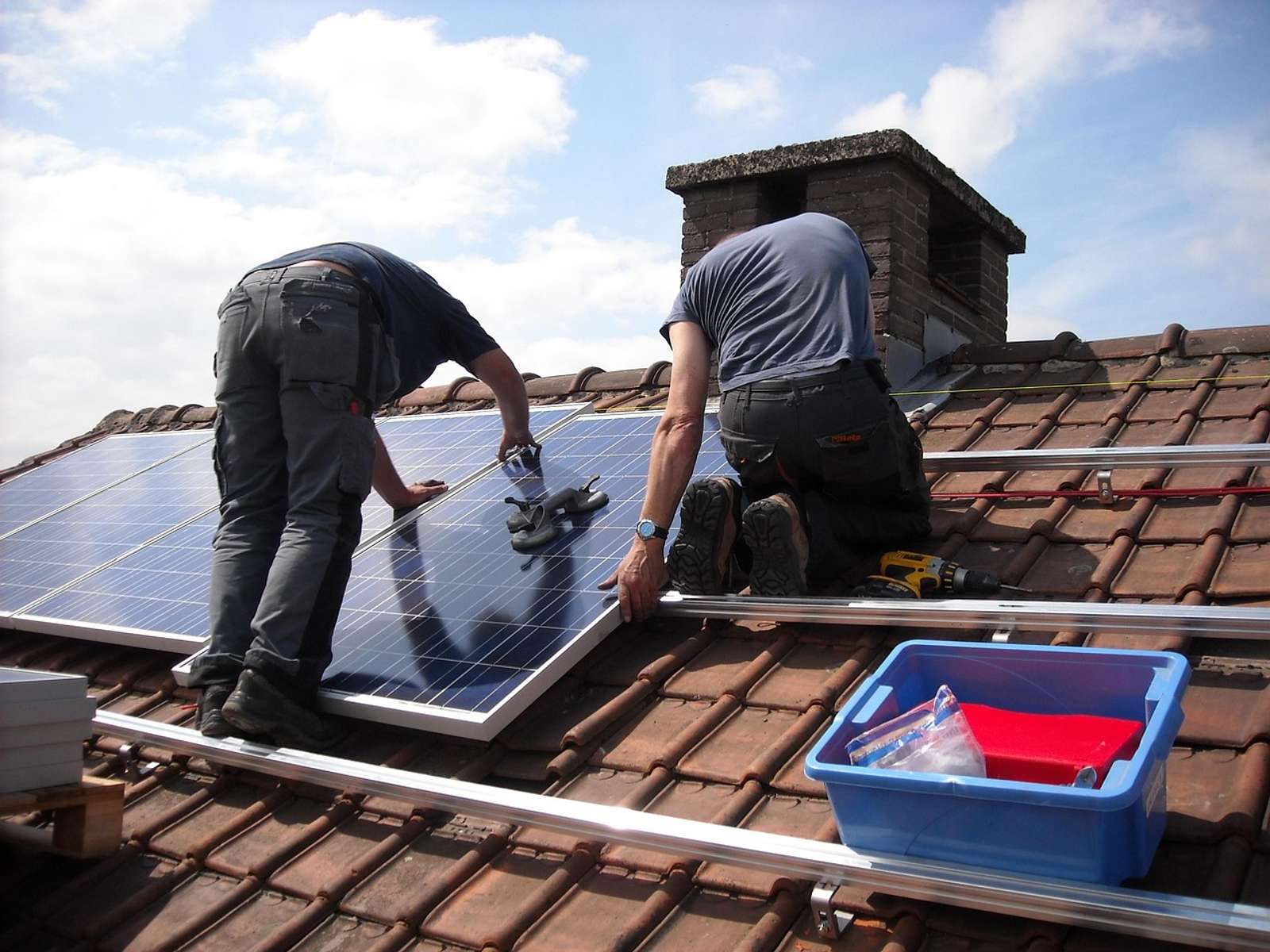
In Cambodia's Ratanakiri province, Indigenous students are learning to install and maintain solar systems through UNICEF's Youth Solar (YOSO) program. About 2,600 students in Ratanakiri and Preah Vihear are expected to take part in 2026.
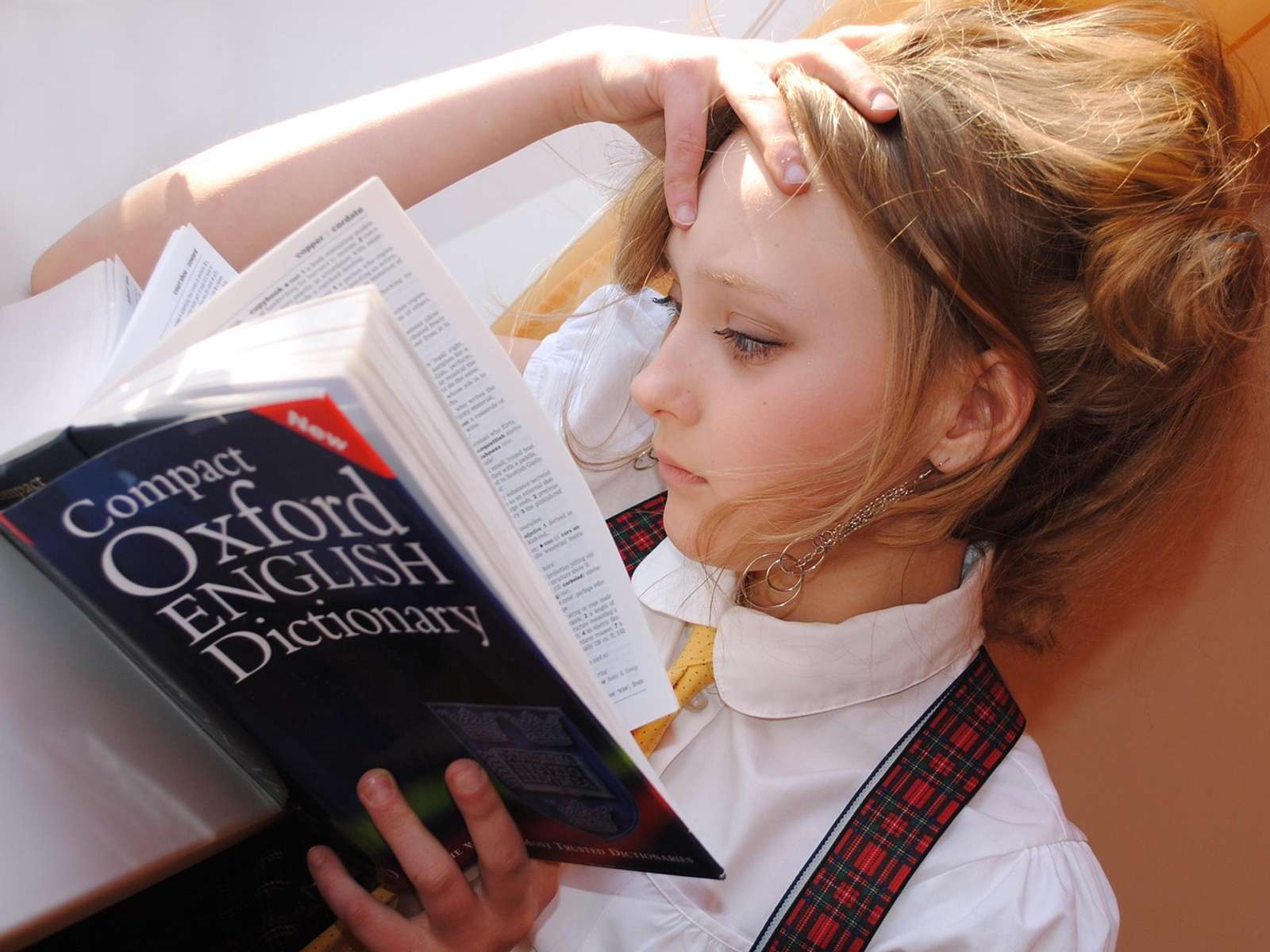
In Mwinilunga, Zambia, girls who became pregnant are back at school under the country's re-entry policy, with support from a UNICEF and EU program. One wants to join the police, another to study physiotherapy.

Malyn Lyceum No. 2 in Ukraine's Zhytomyr region, damaged by a blast wave during Russian attacks in 2022, reopened after a renovation of almost €2 million with a new roof, insulation, heating and safety systems for up to 600 pupils.
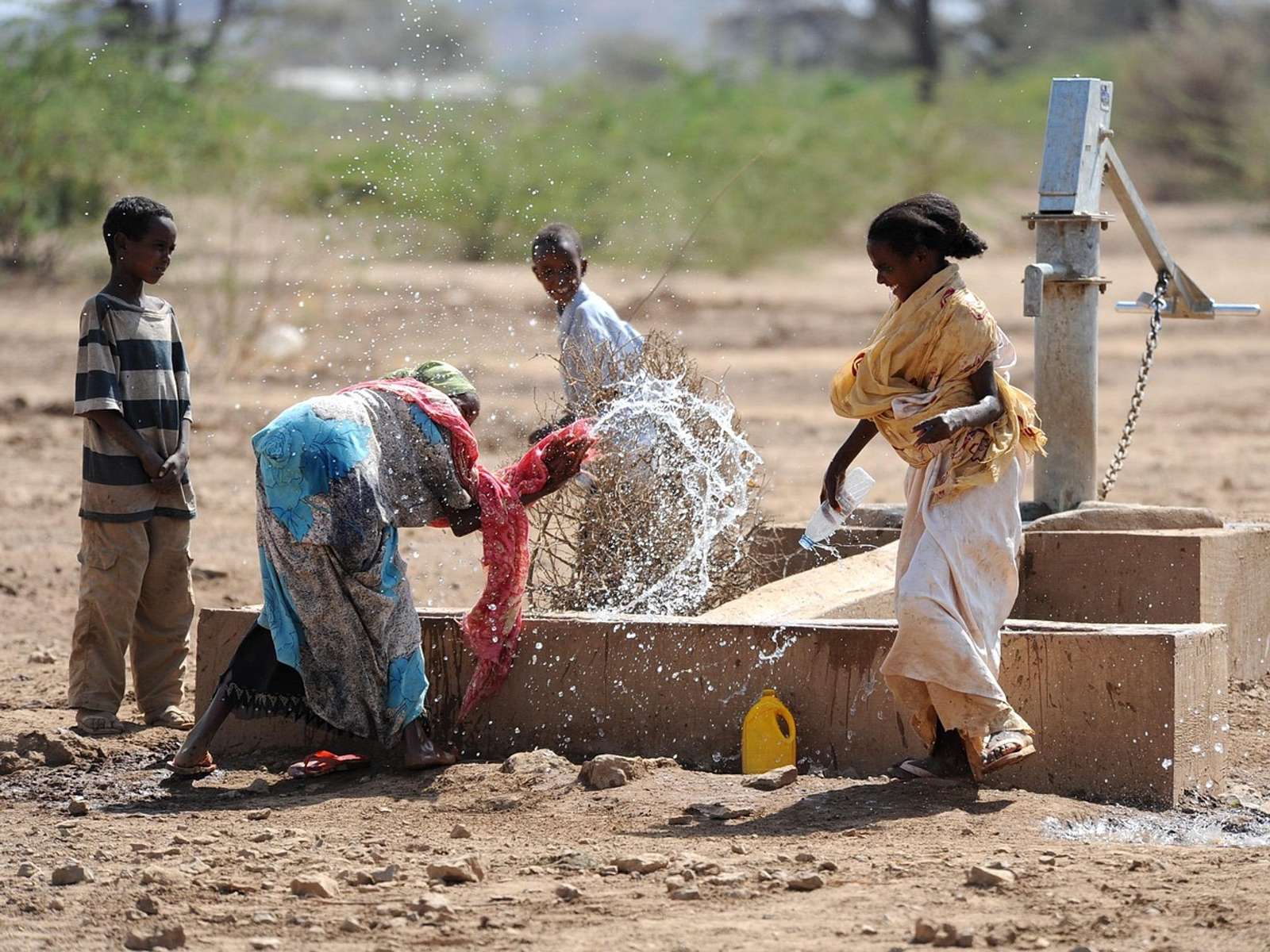
After a cholera outbreak with 720 suspected cases and 46 deaths, UNICEF and Oxfam set up river-water treatment systems in villages along the Oubangui in the Central African Republic, aiming to give 15,000 people safe water.

In Tawila, North Darfur, a solar-powered water yard built by UNICEF now gives about 10,000 displaced people at least 15 liters of safe water a day each, from 36 taps. Mothers like Hayat no longer queue for water trucks before sunrise.
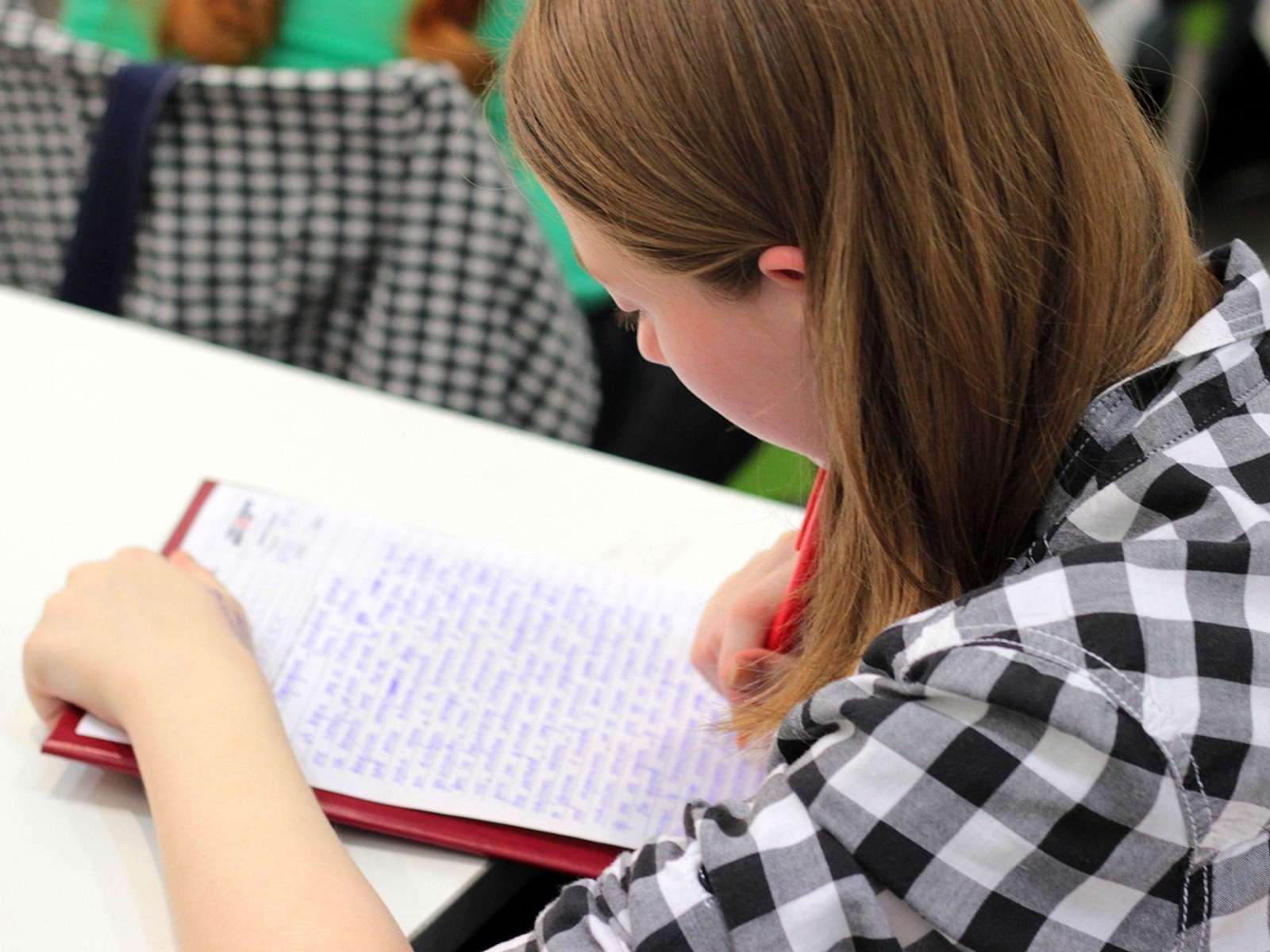
Suhaib, 13, returned to school in Ramadi through Iraq's Back-to-Learning campaign, and his sisters Malak, 14, and Tiba, 18, followed. The campaign helped 92,843 children back into learning in 2025, UNICEF said.
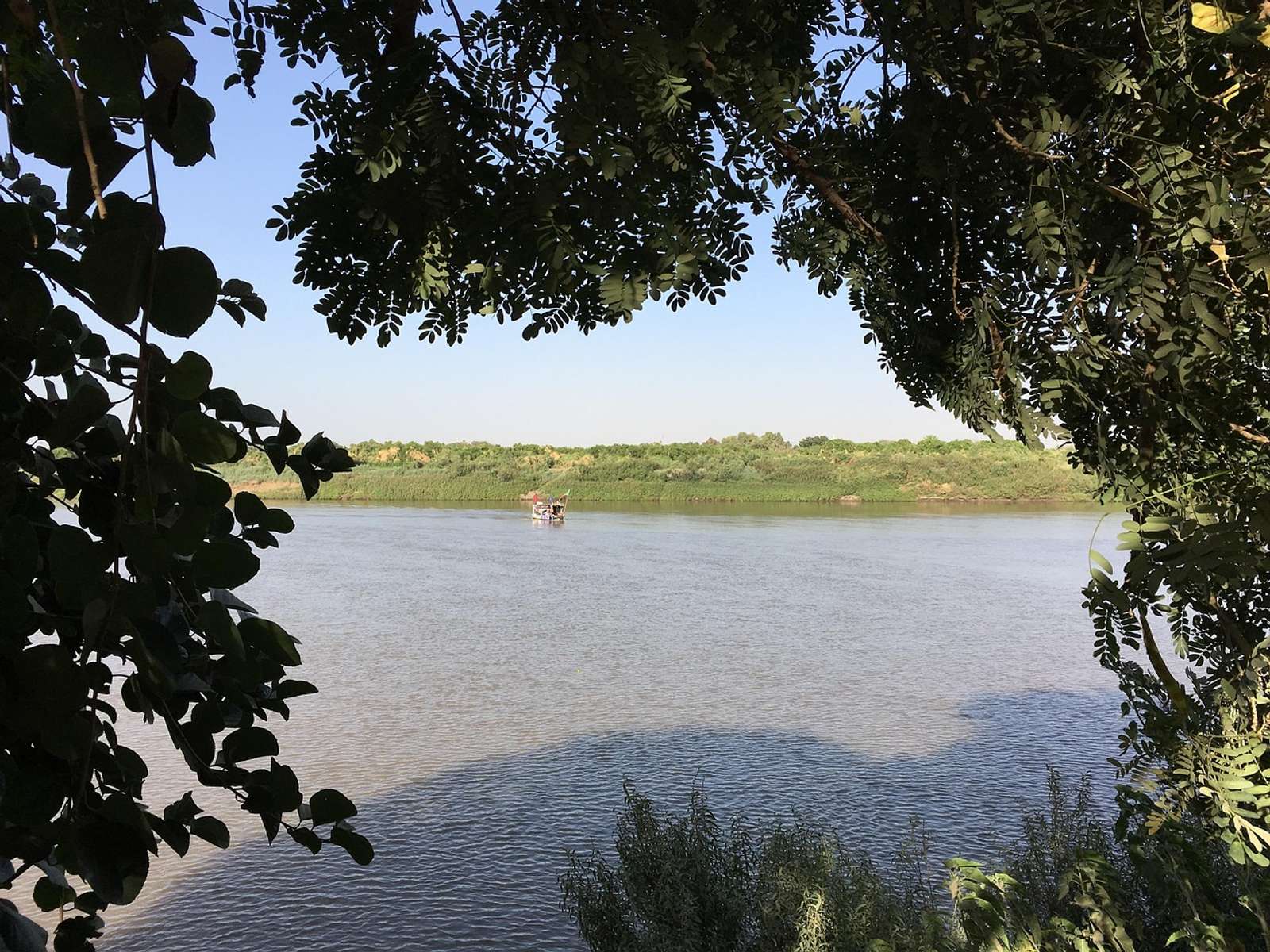
Five-year-old Aisha lost a limb when an explosion hit her family's compound in North Omdurman, killing her father and two siblings. Fitted with an artificial limb at the Karrari Centre for Prosthetics, she has taken her first steps, UNICEF said.
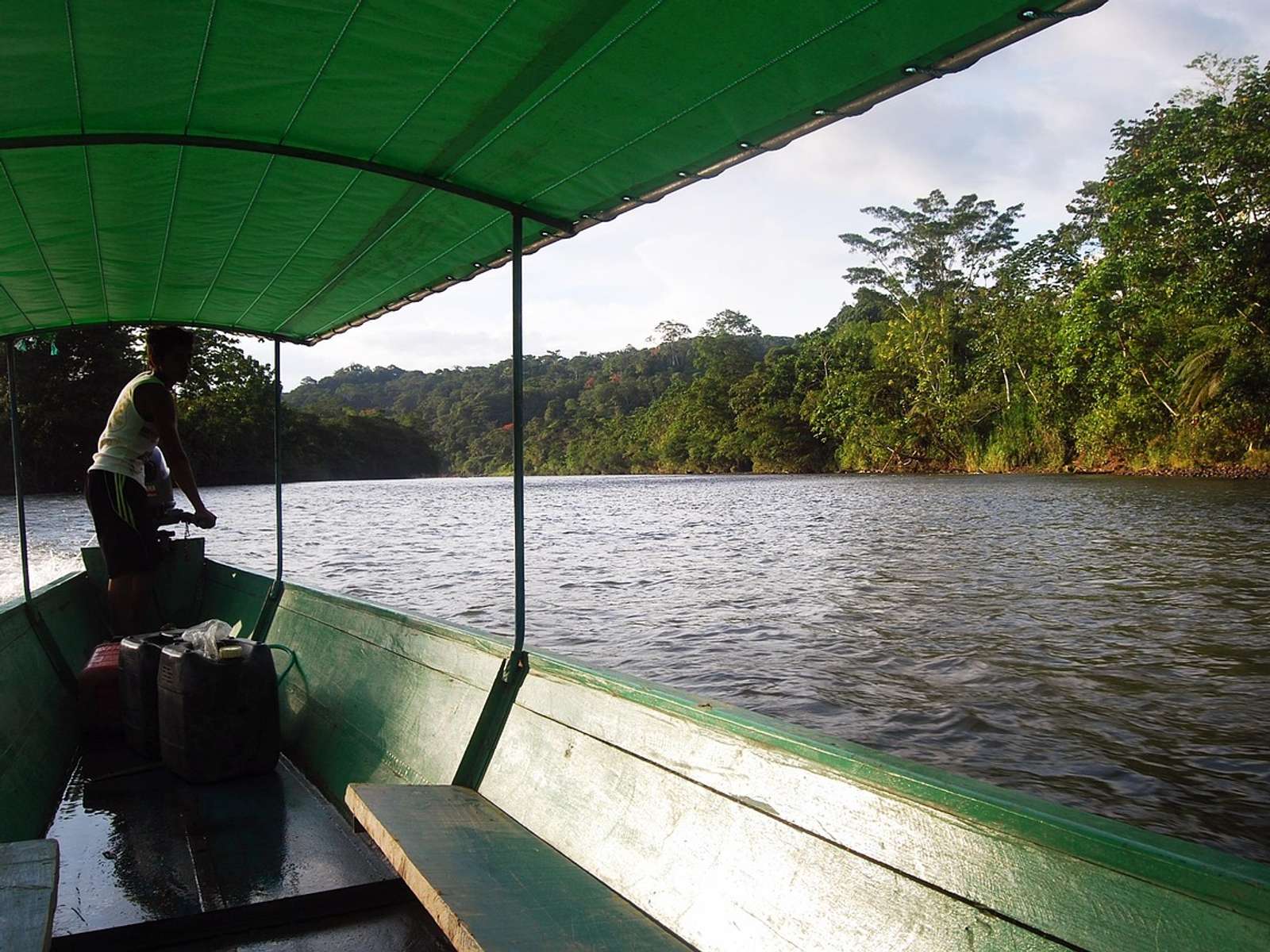
Young Kichwa, A'i Cofán, Shuar and Sapara artists in Ecuador's Amazon are rapping in their own languages about oil and mining threats, and one track has passed 400,000 views on TikTok in a month.
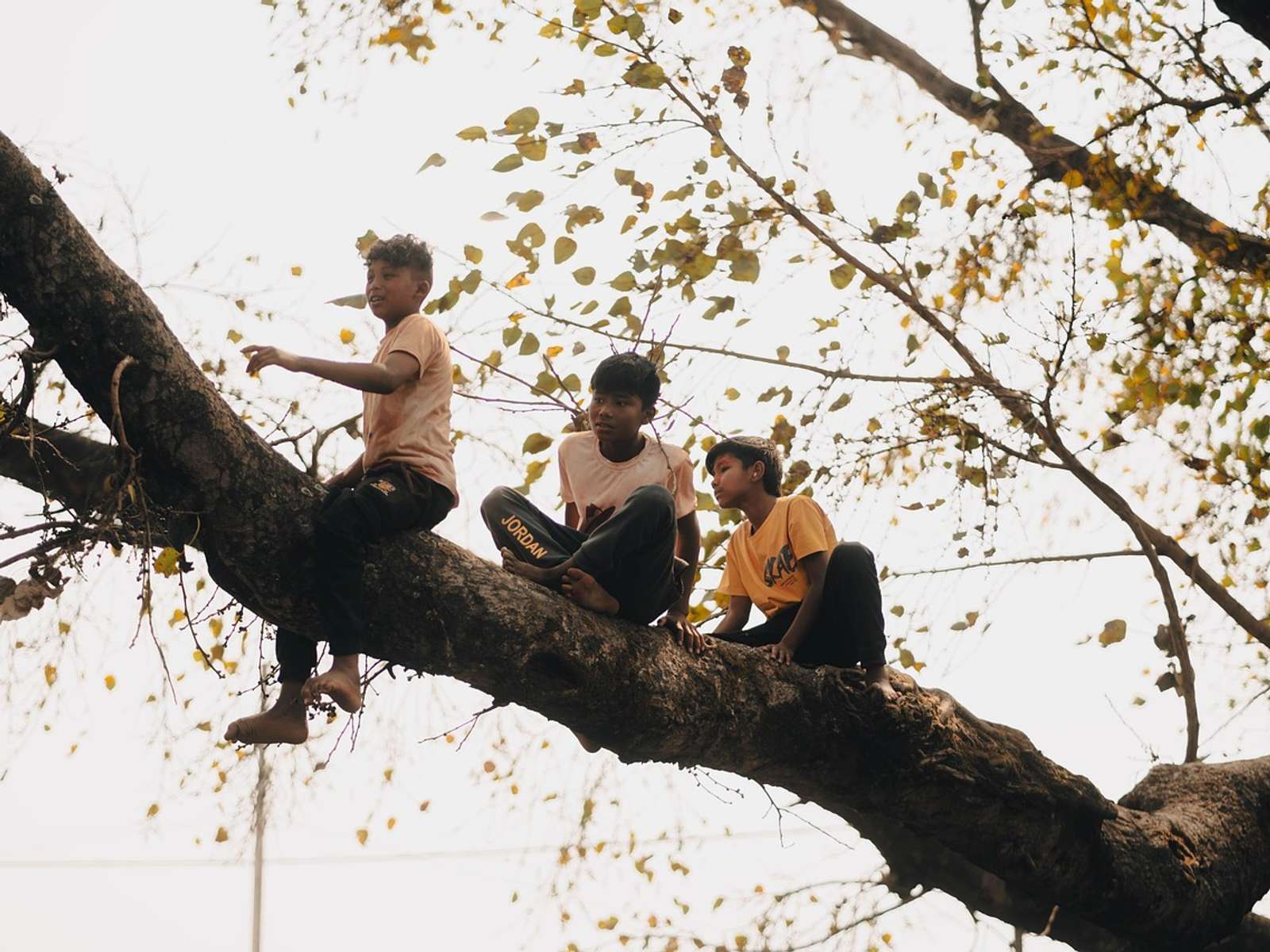
The share of young women in Nepal who married before 18 fell from 37% in 2014 to 28% in 2024-25, and marriage before 15 halved, but girls from the poorest homes are being left behind.
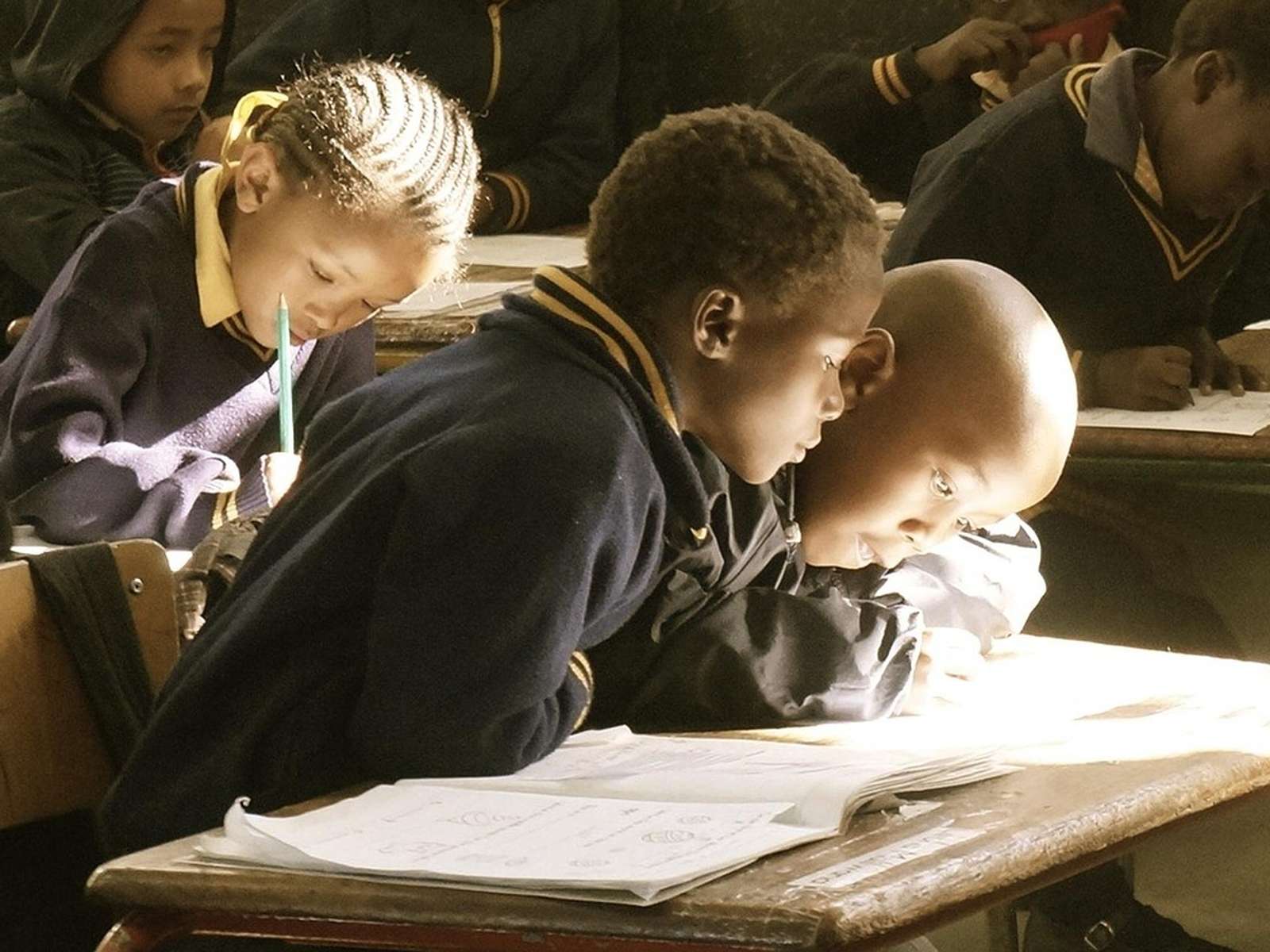
Pushed out of school by pregnancy at 13, Amina is now a 17-year-old secondary student in Uganda’s West Nile region thanks to cash support and mentoring from an EU-funded program, and she plans to become a nurse.
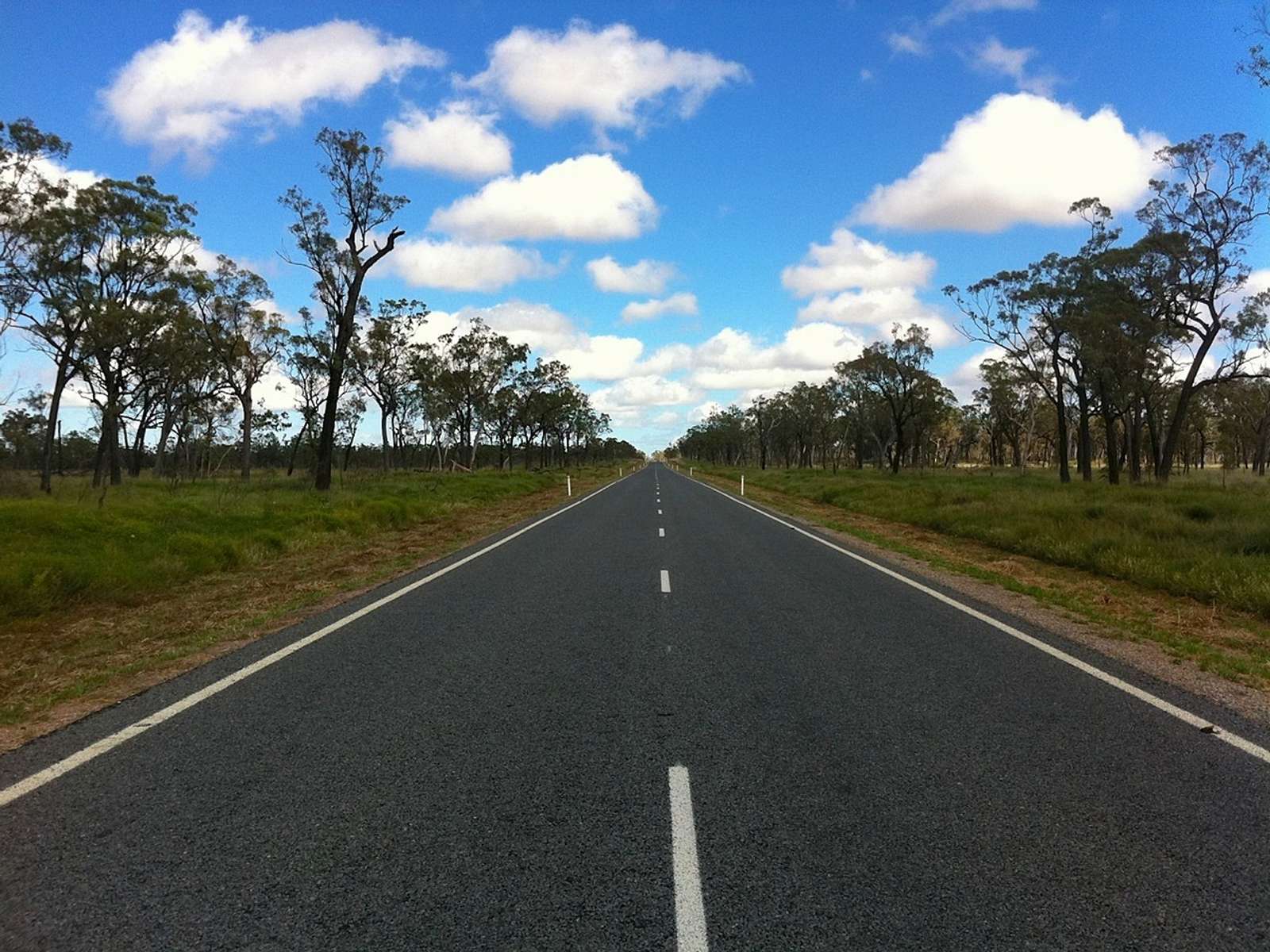
Dusty Langby, 12, walked 540 km in 16 days from Warren, NSW, to Parliament House to raise money for Little Wings, which flies sick children to specialist care. The government matched his total and added A$1 million.
About our humanity coverage
Humanity collects stories about people and rights: girls staying in school instead of marrying young, communities using art and culture to defend their land, families reunited, and individuals whose lives changed because someone stepped in. These are often stories told through one person, set against the wider numbers.
We use only the names and personal details the source itself has published, keep people's own words when we quote them and give the context that shows whether a story is an exception or part of a trend. When a story comes from an aid organization's own account of its work, we say so.