More Than 100 Restaurants Let Diners Pay What They Could for One Day
More than 100 restaurants across 13 countries joined a global Pay What You Can Day, serving their regular menus while allowing diners to decide what they could afford to pay.
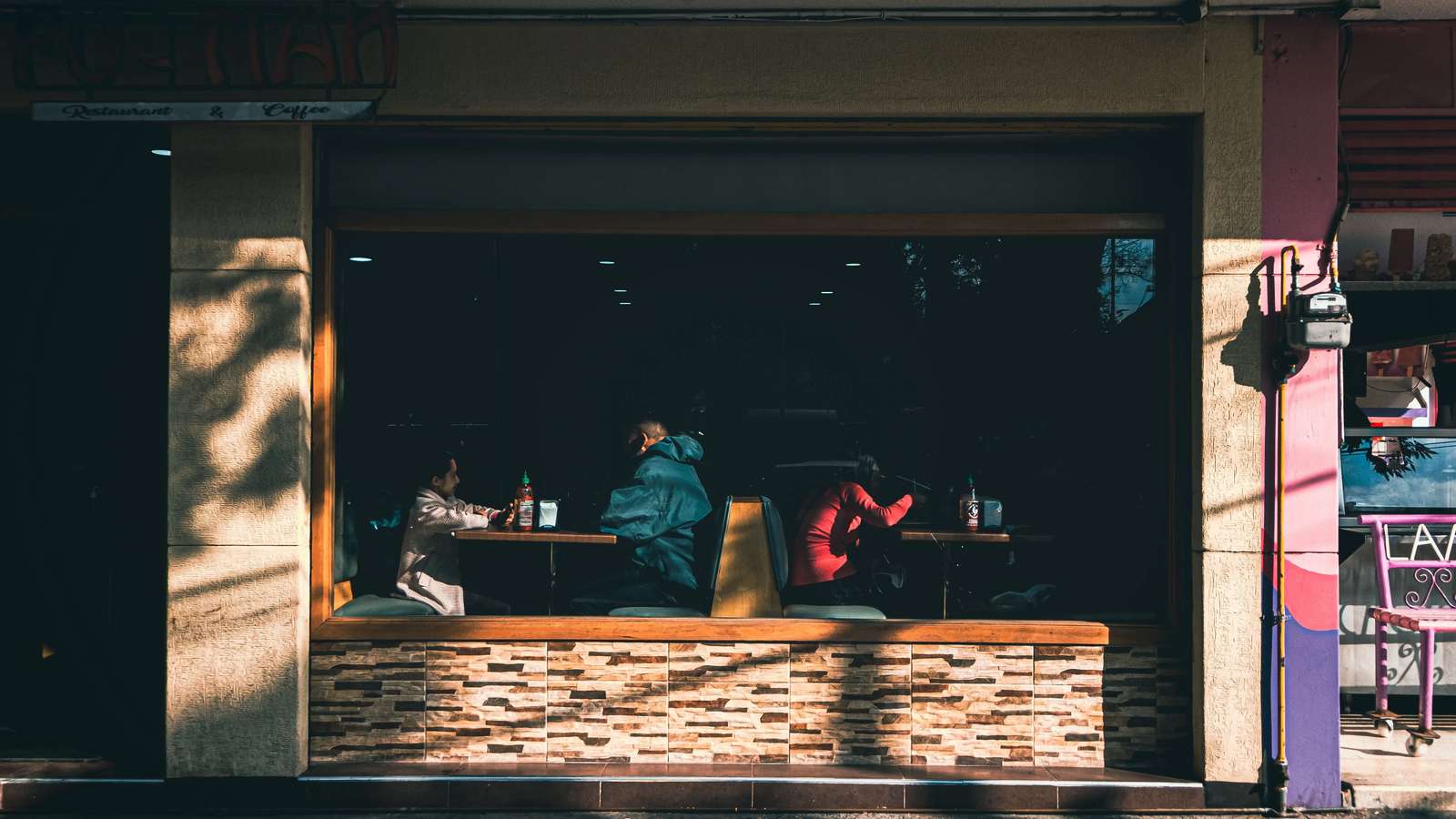
More than 100 restaurants around the world opened their dining rooms with an unusual rule on August 26: eat what you want from the regular menu, receive the same service as everyone else, and pay only what you can afford.
Restaurants across 13 countries participated in the 2026 Paga Lo Que Puedas, or Pay What You Can, Global Restaurant Day, an initiative designed to make restaurant dining more accessible while bringing communities together.
The concept has grown rapidly. What started as a practice at one restaurant in Mexico City has now spread to restaurants across Mexico, the United States and countries including Colombia, France, India, Nigeria and Turkey.
The idea started at one Mexico City restaurant
The initiative was created by chefs and restaurant owners Saqib Keval and Norma Listman of Masala y Maíz in Mexico City.
For more than eight years, the restaurant has periodically held Pay What You Can days.
Rather than creating a cheaper menu or separating guests according to what they can afford, the restaurant operates largely as it normally would.
Customers order from the regular food menu and receive full table service. At the end of the meal, they decide how much they are able to pay.
Drinks are generally sold at their regular prices.
Some guests have even contributed in ways other than money.
According to the organizers, past diners have offered artwork, homemade salsa or exercise classes for restaurant staff in exchange for their meals.
The goal is not simply to give away food. Organizers describe the day as an experiment in trust, dignity and access, allowing people who might normally be unable to afford a restaurant experience to participate without being treated differently from other customers.
From 20 restaurants to more than 100
In 2025, Masala y Maíz invited other restaurants to try the model.
More than 20 participated, including three Michelin-starred restaurants.
A year later, participation has increased more than fivefold.
The official initiative says more than 100 restaurants across 13 countries signed up for the 2026 event.
In the United States alone, participating establishments stretched across the country, including restaurants in Oakland, New York City, Washington, Baltimore, Austin, New Orleans and Florida.
Organizers also provide participating restaurants with a playbook covering issues such as preparing staff, communicating the idea to customers, managing service, financial considerations and engaging with local communities.
Can a restaurant afford to do it?
Allowing customers to choose their own price might sound financially risky, particularly in an industry known for tight profit margins.
But Masala y Maíz says its experience has been surprisingly positive.
According to the initiative's organizers, its Pay What You Can events have not resulted in financial losses and have often generated revenue similar to a normal day of service.
Some customers pay less because they need to. Others choose to pay the normal price or contribute more.
Staff tips have also generally remained comparable to, or higher than, those received during ordinary services, according to the organizers.
That experience helped convince the founders that the idea could potentially work beyond their own restaurant.
Making dining more accessible
For many people, eating at a restaurant is something easily taken for granted. For others, rising living costs mean even an occasional meal out may be impossible.
Pay What You Can Day tries to remove that barrier without changing the experience itself.
Participating kitchens still prepare their normal food. Dining rooms still provide regular service. Customers are not required to prove financial hardship or order from a separate discounted menu.
The only major difference comes when it is time to pay.
That approach is central to the organizers' message: access to hospitality should not require sacrificing dignity.
The project is still centered around a single annual event rather than a permanent pricing model, and every restaurant has to decide whether the system works for its own circumstances.
But the scale of this year's event shows how quickly the idea has caught on.
Eight years after two chefs began experimenting with a different way of welcoming people into their Mexico City restaurant, more than 100 dining rooms around the world have now tried the same thing. Access to good food is also being studied as medicine, as in a Massachusetts program where free weekly groceries were linked to lower blood pressure and weight.
For one day, the price of a meal became less about what was written on the bill and more about what each guest was able to give.
Sources
- Fast Company · fastcompany.com
How we choose and verify sources: editorial policy.