Tracked hummingbirds break a migration record, ten scarlet macaws fly free in Honduras, off-grid solar reaches 149 million people, an extra school year lowers dementia diagnoses, and an MIT brain implant pushes drugs deeper.
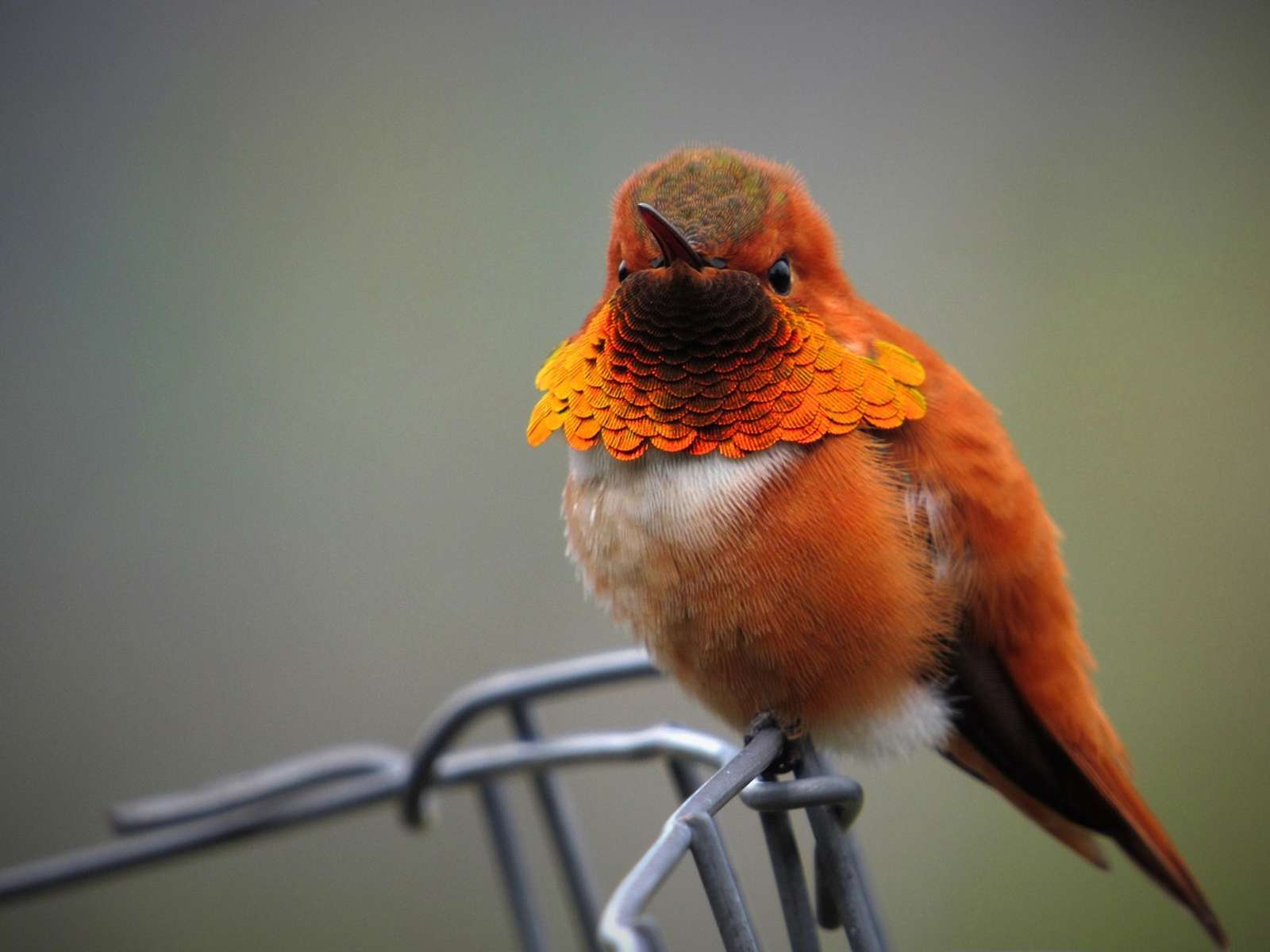
Three rufous hummingbirds fitted with tiny tracking devices at the Alaska Wildlife Conservation Center flew more than 5,500 km south, one reaching Guadalajara, Mexico. The longest flight, 5,821 km, beats a record set in 2010.
Ten scarlet macaws were released in the Cangrejal River basin near La Ceiba, Honduras, on 26 October, bringing this year's total to 26. Wild scarlet macaws had not been recorded in the area since the 1960s.
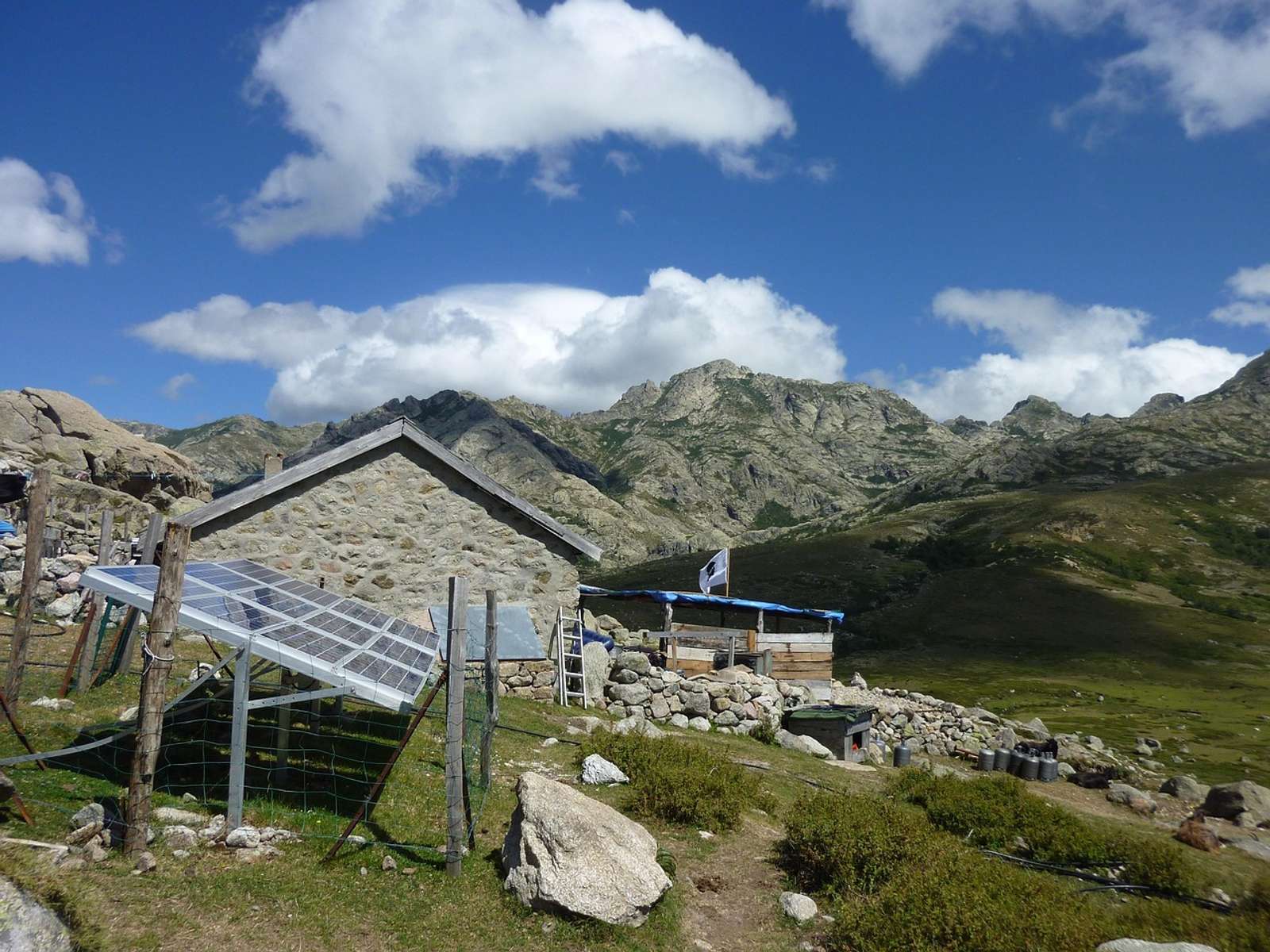
The number of people using off-grid solar rose 26% to 149 million between 2023 and 2025, according to a report by the World Bank's ESMAP and GOGLA. The sector employs 219,000 people, and 655 million still lack electricity.
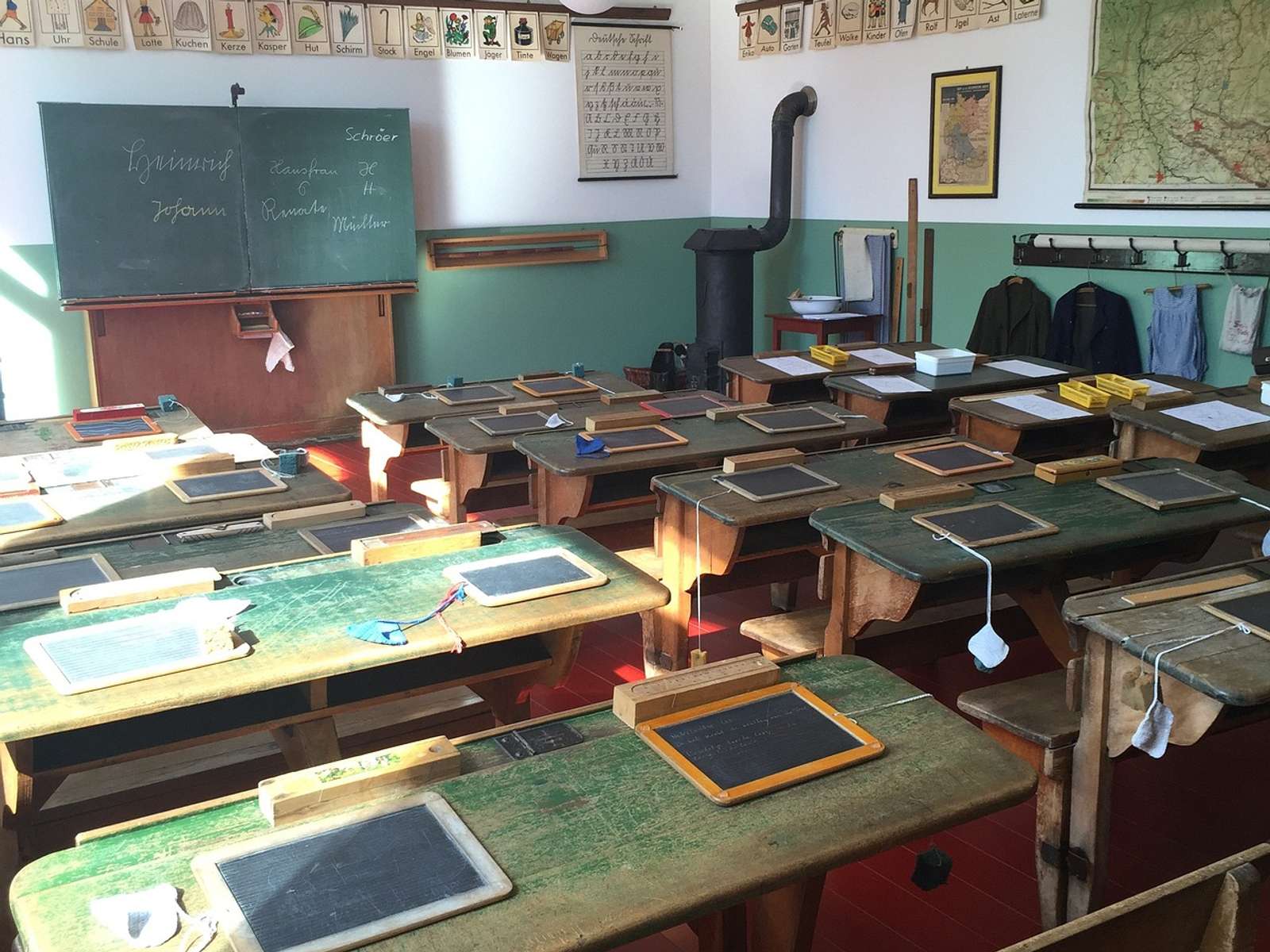
An NIH-funded study used the 1972 rise in the UK school-leaving age as a natural experiment. Among more than 100,000 UK Biobank participants, the extra year of school lowered dementia diagnoses, most among those at high genetic risk.
MIT researchers built LUCID, a flexible implant as thin as cardstock that releases drugs in the brain and uses 24 tiny ultrasound transducers to spread them farther. It has been tested in a tissue model and in mice.
An experimental drug shrank tumors in a rare lung cancer, southern right whales took two routes to the same feeding grounds, Guatemala gained its first endemic bird, pocket mice got a third home, and a sniffer dog won IFAW's top animal award.
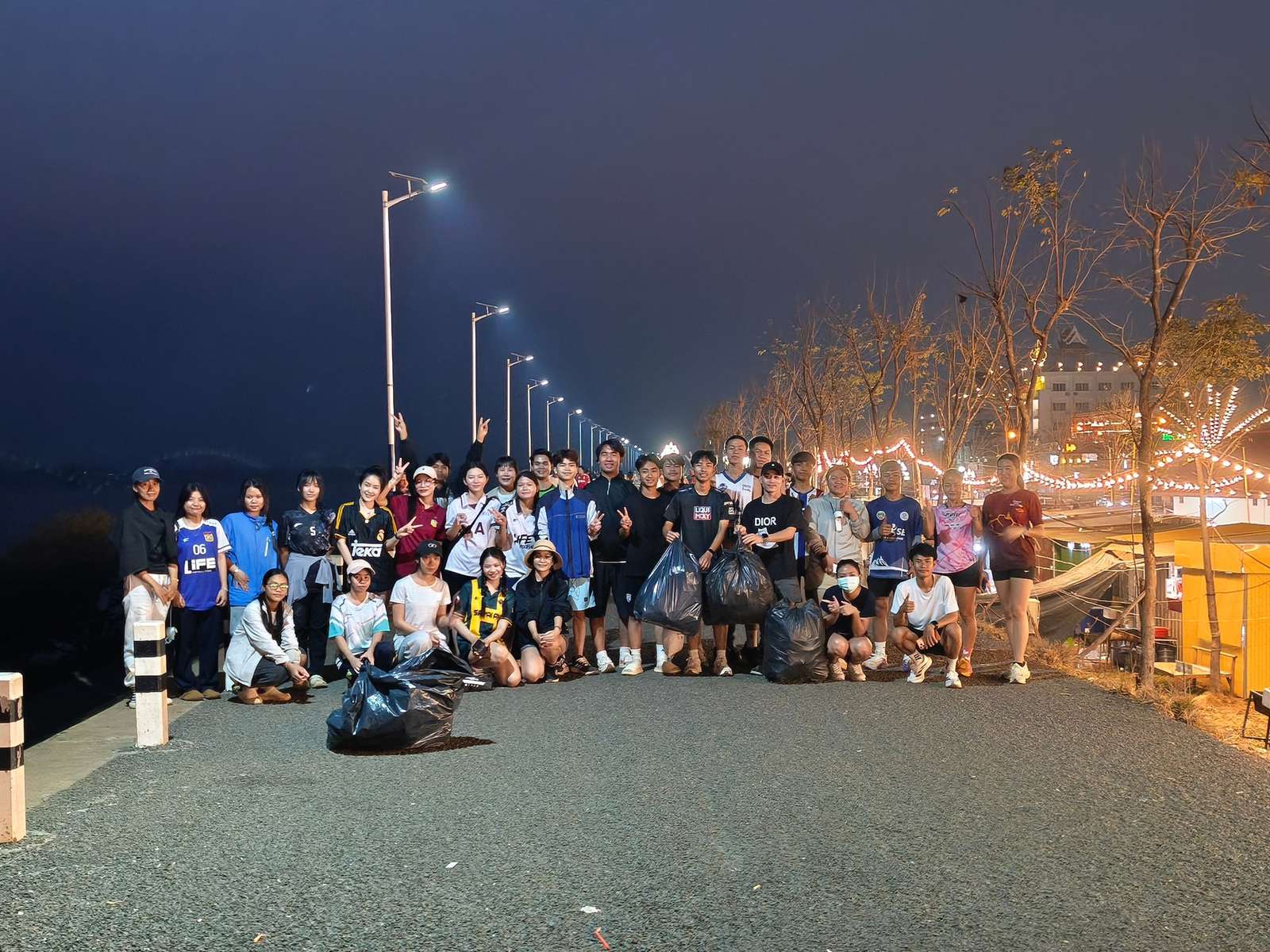
A daily trash pickup in Laos grows into a 13-province movement, Colombia clears mines from Indigenous forest, a Berlin teen stops transfusions after CRISPR care, octopus DNA folding is studied, and Yemen gets a €10 million farm deal.
A mouse study points to a liver-protecting enzyme, New Zealand's heaviest insect recovers, California opens Cal Fire jobs to former prison firefighters, a 12-year-old's walk wins government backing, and a diabetes drug calms inflammatory blood cells.
The five most-read stories of the week: Borneo villagers paid to photograph wildlife, a record Bills food drive, $131.5 million for NYC delivery workers, California's first sea turtle nests and a blood test for lung cancer risk.