Off-grid solar now reaches 149 million people, up 31 million in two years, a World Bank report finds
The number of people using off-grid solar rose 26% to 149 million between 2023 and 2025, according to a report by the World Bank's ESMAP and GOGLA. The sector employs 219,000 people, and 655 million still lack electricity.
The number of people using off-grid solar products rose by 31 million in two years, to 149 million, according to the Off-Grid Solar Market Trends Report 2026, the World Bank said on 27 October. The report, by the World Bank Group's energy program ESMAP and the industry association GOGLA, was launched at the Global Off-Grid Solar Forum and Expo in Kigali, Rwanda.
From 118 million to 149 million users
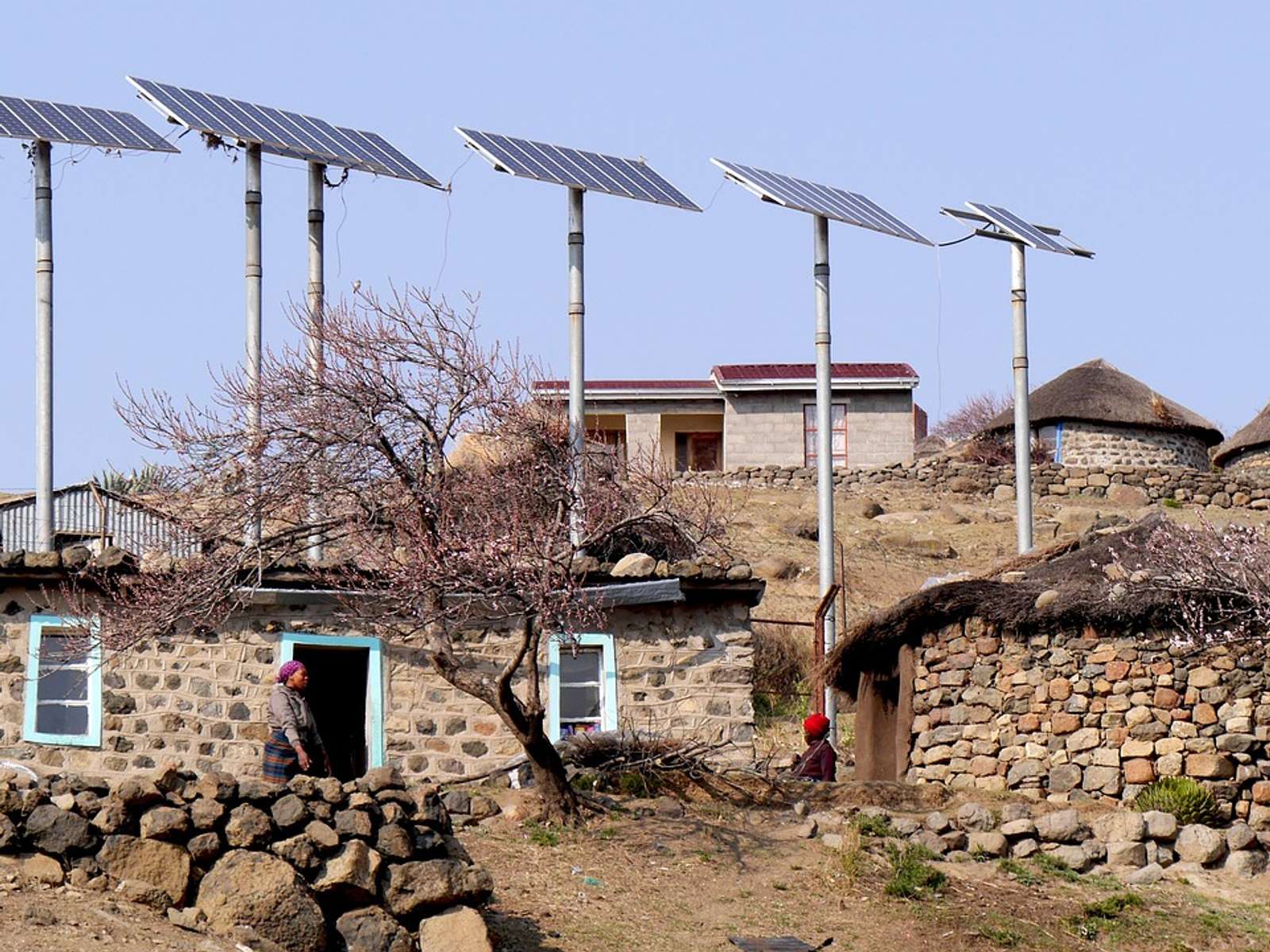
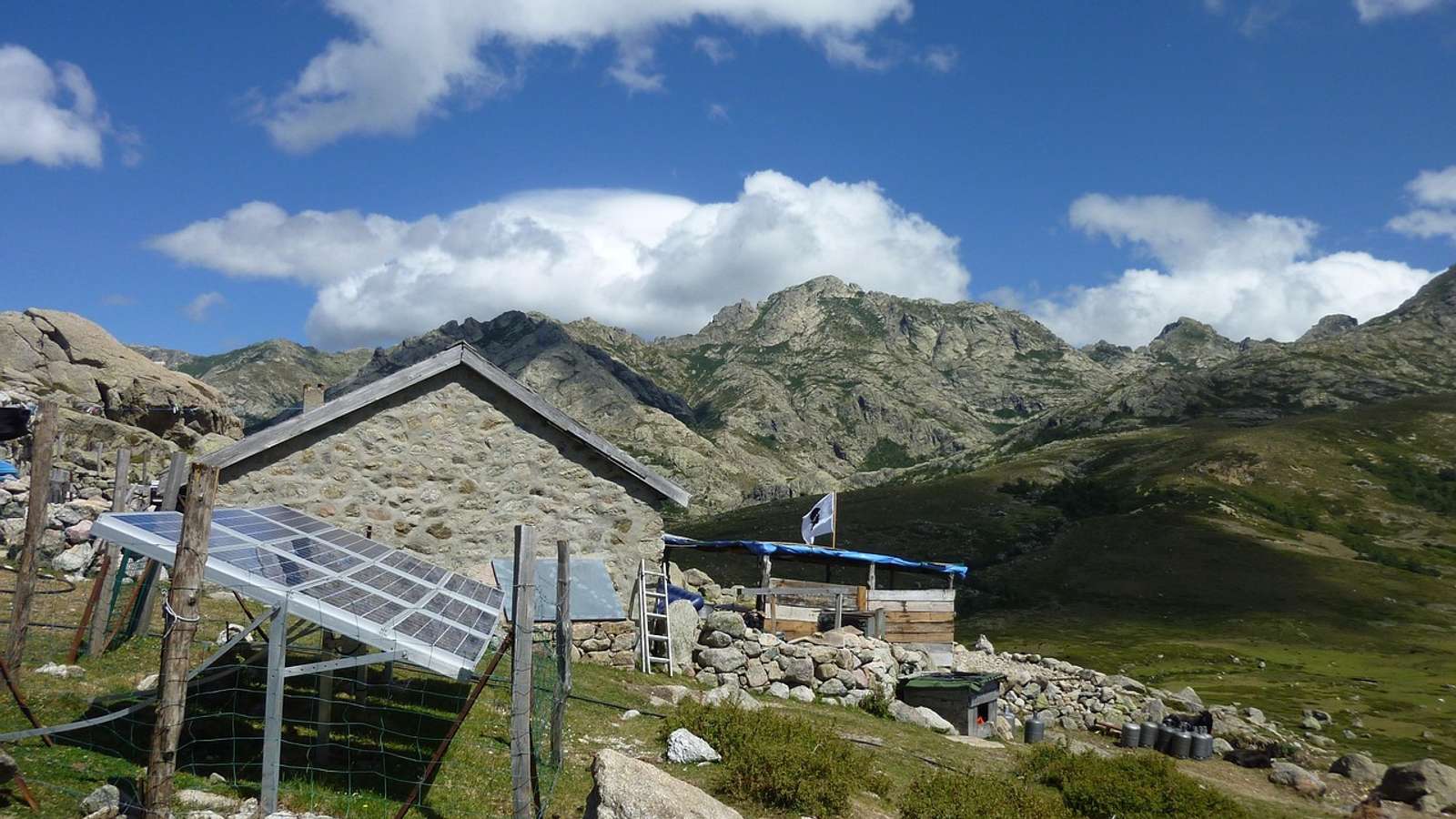
Off-grid solar covers solar lanterns, home systems and similar products that work without a connection to the power grid. Between 2023 and 2025, their users grew by 26%, from 118 million to 149 million people. About 7.4 million people use them to run small businesses or other income-generating work, and customers have gained an estimated $28 billion in income and savings over 15 years, the report says.
The sector also creates local jobs. Companies surveyed for the report employ 219,000 people, up 29%, most of them sales agents and technicians who work in their own communities. Durability looks good: 95% of surveyed customers said their solar home systems still worked four or more years after they bought them.
“Off-grid solar has proven it can deliver at scale, through shocks, and in places the grid has not reached.” — Sarah Malm, Executive Director, GOGLA
655 million people are still waiting
About 655 million people still have no electricity. For at least 398 million of them, off-grid solar is the cheapest way to get it, according to the report. Affordability is the main barrier: one-third of households without power can afford an entry-level solar home system through pay-as-you-go payments, another third can only with difficulty, and the rest cannot.
Reaching those 398 million people by 2030 would take about $11.4 billion, the report estimates: roughly $1.3 billion a year in grants and subsidies and $1.6 billion a year in equity, debt and receivables financing. That is a small share of the $3 trillion to $5 trillion a year the world is expected to spend on the energy transition. World Bank Group commitments to off-grid solar reached $974 million in its 2025 and 2026 fiscal years, the same as in the two years before.
What governments are asked to do
The report urges governments to treat off-grid solar as infrastructure rather than a stopgap until the grid arrives, to cut costs with tools such as VAT exemptions, import duty waivers and targeted subsidies, and to widen access to finance. In Africa, 80% of the 35 national energy plans drawn up under Mission 300, which aims to connect 300 million people in sub-Saharan Africa by 2030, include distributed renewable energy in their targets. In the Pacific, three new solar projects aim to bring power to 75,000 people in Fiji and Papua New Guinea.
Sources
- World Bank (ESMAP) and GOGLA · worldbank.org
How we choose and verify sources: editorial policy.