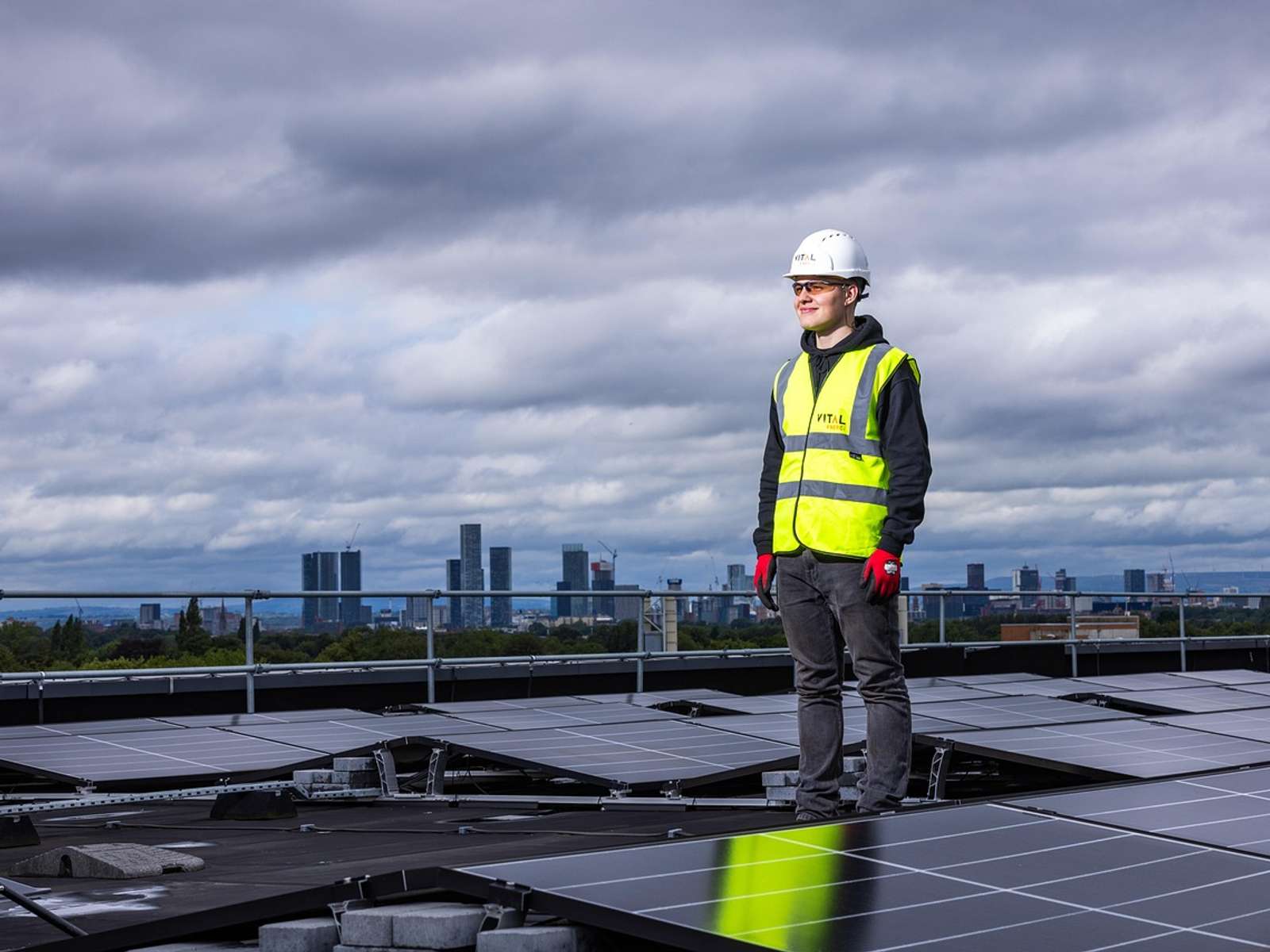
Solar power now runs 296 health facilities in Zambia, serving about 1.5 million people
Solar systems installed at 296 health facilities in Zambia now power maternity wards, labs and 200 vaccine fridges for about 1.5 million people, UNICEF said. At one rural health post, nurses no longer deliver babies by phone light.
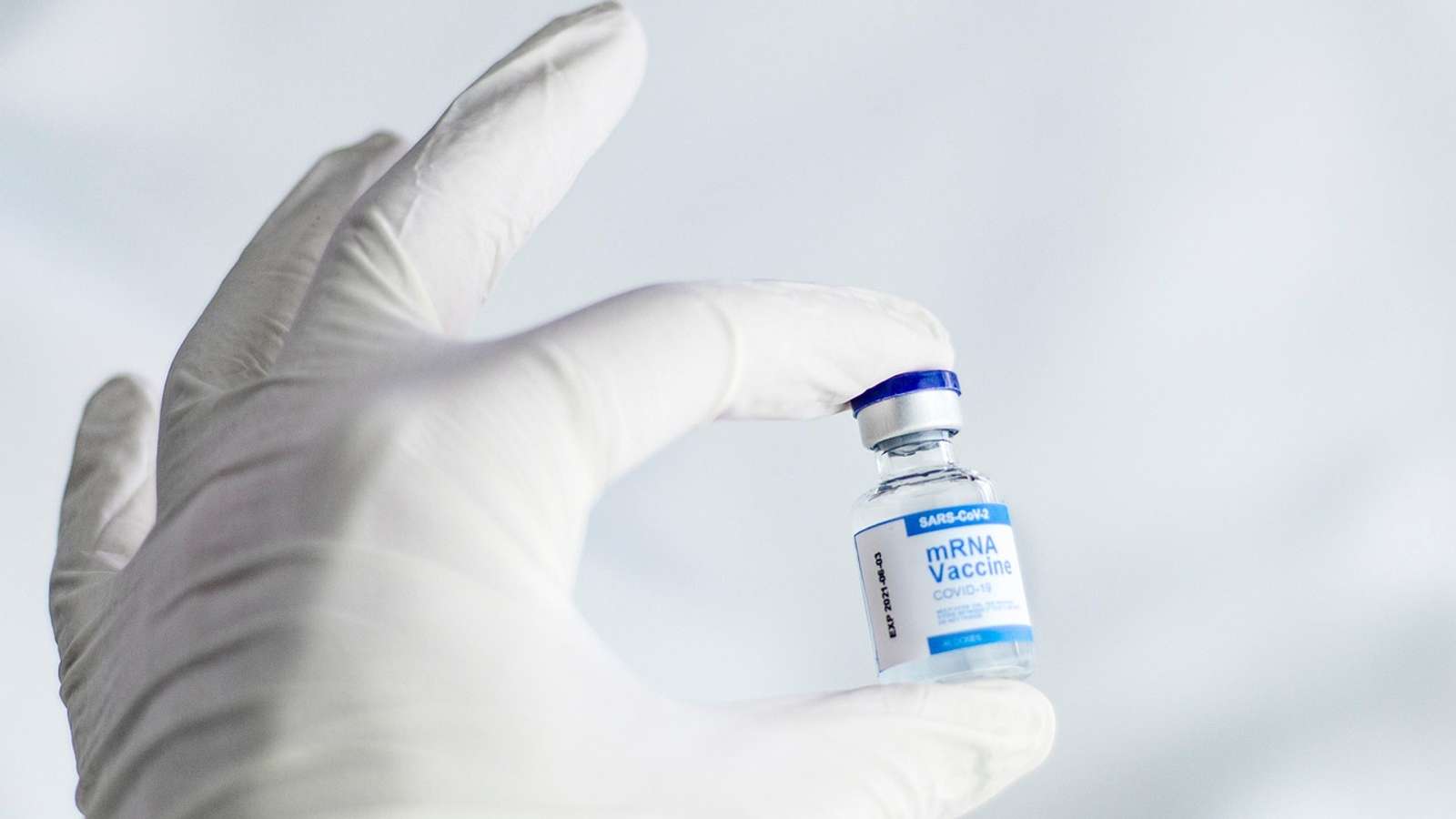
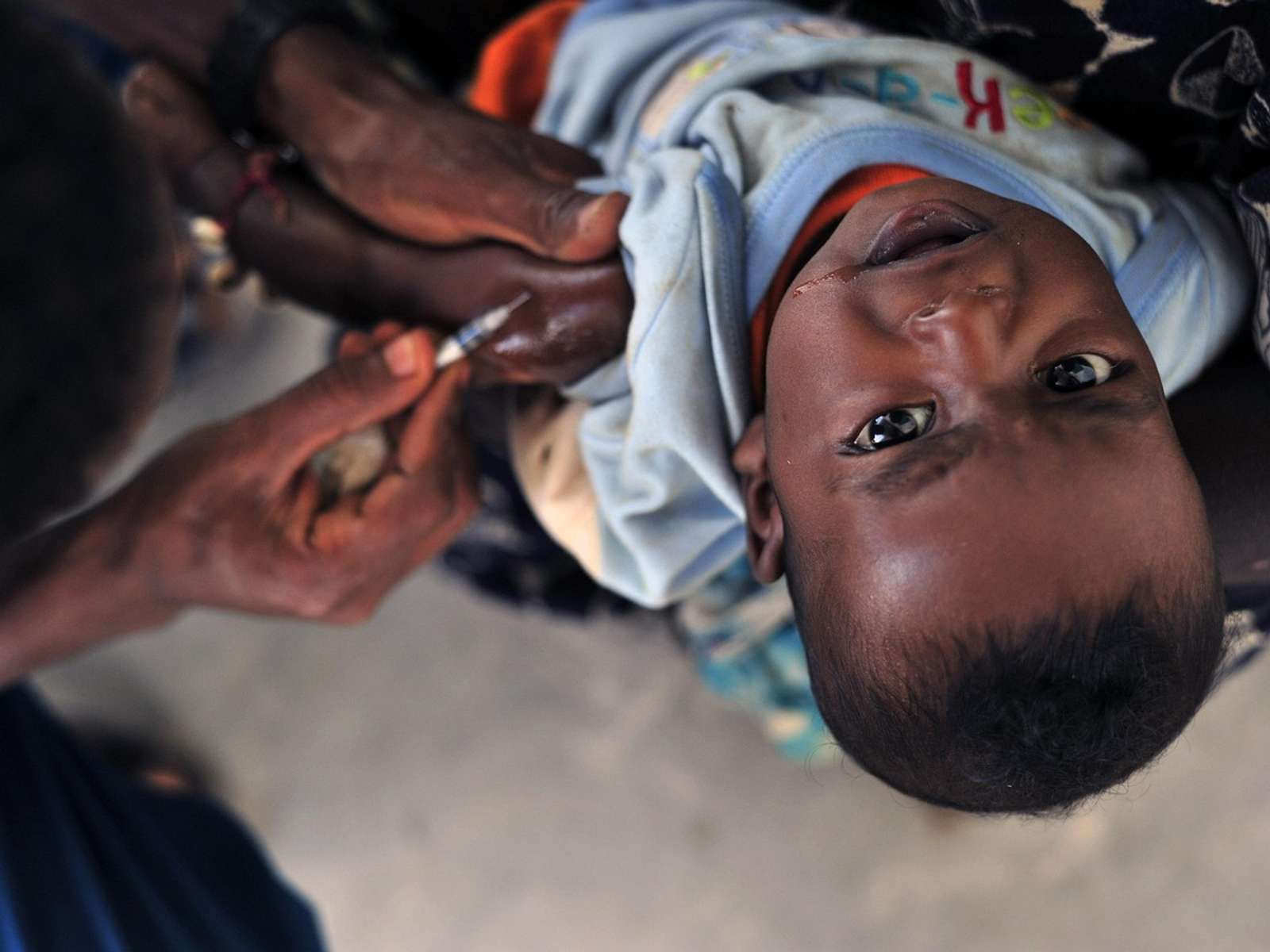
Solar power systems have now been installed at 296 health facilities across Zambia, giving about 1.5 million people, including more than 68,500 babies under one year old, access to clinics with reliable electricity, UNICEF Zambia said on 14 October. The systems, from 3 to 8 kilowatts depending on the site, power outpatient rooms, maternity wards, pharmacies and labs, and 200 vaccine refrigerators.
Night deliveries no longer happen by phone light
At Nyamutuma Health Post in Sinda district, Eastern Province, staff used phone torches during emergencies before the solar system arrived. Vaccines could not be stored reliably, and urgent cases had to be sent to Nyanje Hospital, about 12 kilometers away. The post, opened in 2023, is run by two nurses, a community health assistant and two volunteers.
Now the post can handle night-time care and deliveries and keep vaccines on site. “Before, even charging a phone or completing our reports after dark was difficult,” said Emmanuel Anderson Banda, the post's community health assistant.
“We have seen maternal health services improve because health workers can now provide care day and night.” — Dr. Wadula Zulu, Director of Health Services, Sinda Health Council
A Gavi-funded program in four countries
The work is part of the Health Facility Solar Electrification initiative, funded by Gavi, the Vaccine Alliance, with about $28 million and launched in Zambia in August 2025 with the Ministry of Health, UNICEF and WHO. At the launch, the plan for Zambia was 250 facilities serving 1.3 million people, prioritizing off-grid sites with maternity services, according to UNICEF. The program covers 1,277 facilities across Zambia, Ethiopia, Pakistan and Uganda.
The Zambian rollout has gone beyond that first target, with 296 facilities now powered.
One of a billion people served by clinics without power
The problem is global. Close to 1 billion people in low- and lower-middle-income countries are served by health facilities without reliable electricity, and 15% of facilities in sub-Saharan Africa have no electricity at all, according to the World Health Organization. Without power, vaccines spoil, births happen in the dark and basic equipment cannot run.
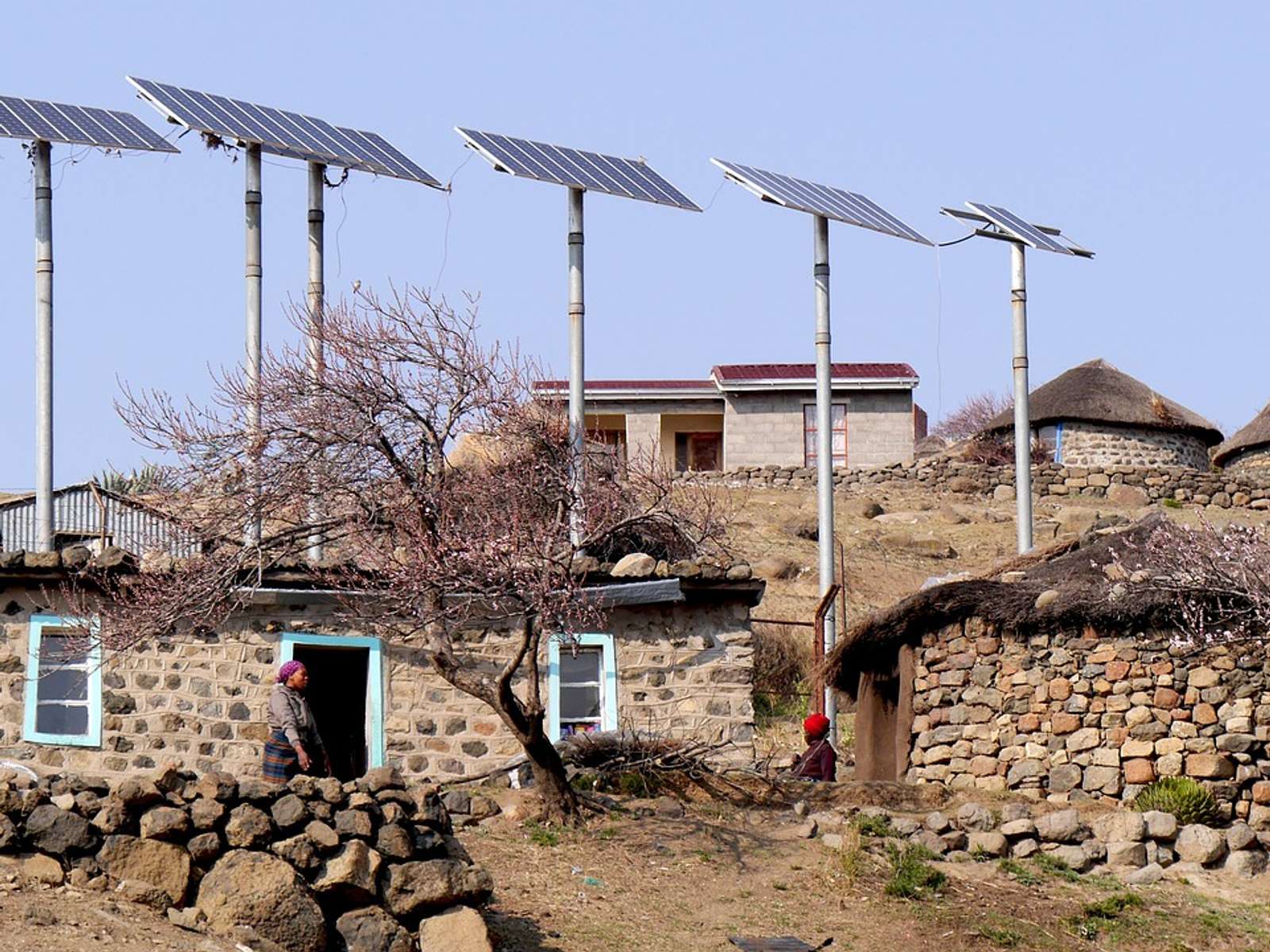
Solar is filling the gap in other public buildings across the region too, as at a mountain school in Lesotho where students can now study after dark.
Batteries and maintenance decide how long it lasts
Keeping the systems running is the next challenge. UNICEF's story names regular servicing, timely battery replacement and a dedicated maintenance budget as the needs for the coming years. “It is our desire to have power installed in all health facilities and ensure that the equipment is well looked after,” said Solomon Mbewe, the provincial cold chain specialist. UNICEF has not said who will pay for battery replacements once the Gavi program ends.
Not medical advice. This article reports on research and health programs for general information. Results from early studies often change in larger trials. Talk to a doctor before making decisions about your own health or treatment.
Sources
- UNICEF Zambia · unicef.org
- unicef.org
- who.int
How we choose and verify sources: editorial policy.
Your weekly dose of good news
The 5 biggest positive stories of the week, straight to your inbox. Free, no noise.
Like what you're reading?