No hepatitis B found in surveyed children: Albania and Armenia reach WHO control targets
WHO's European experts have validated Albania and Armenia as having reached the region's hepatitis B control targets. Surveys found no infections among children aged 6 to 8 after more than 20 years of vaccination.
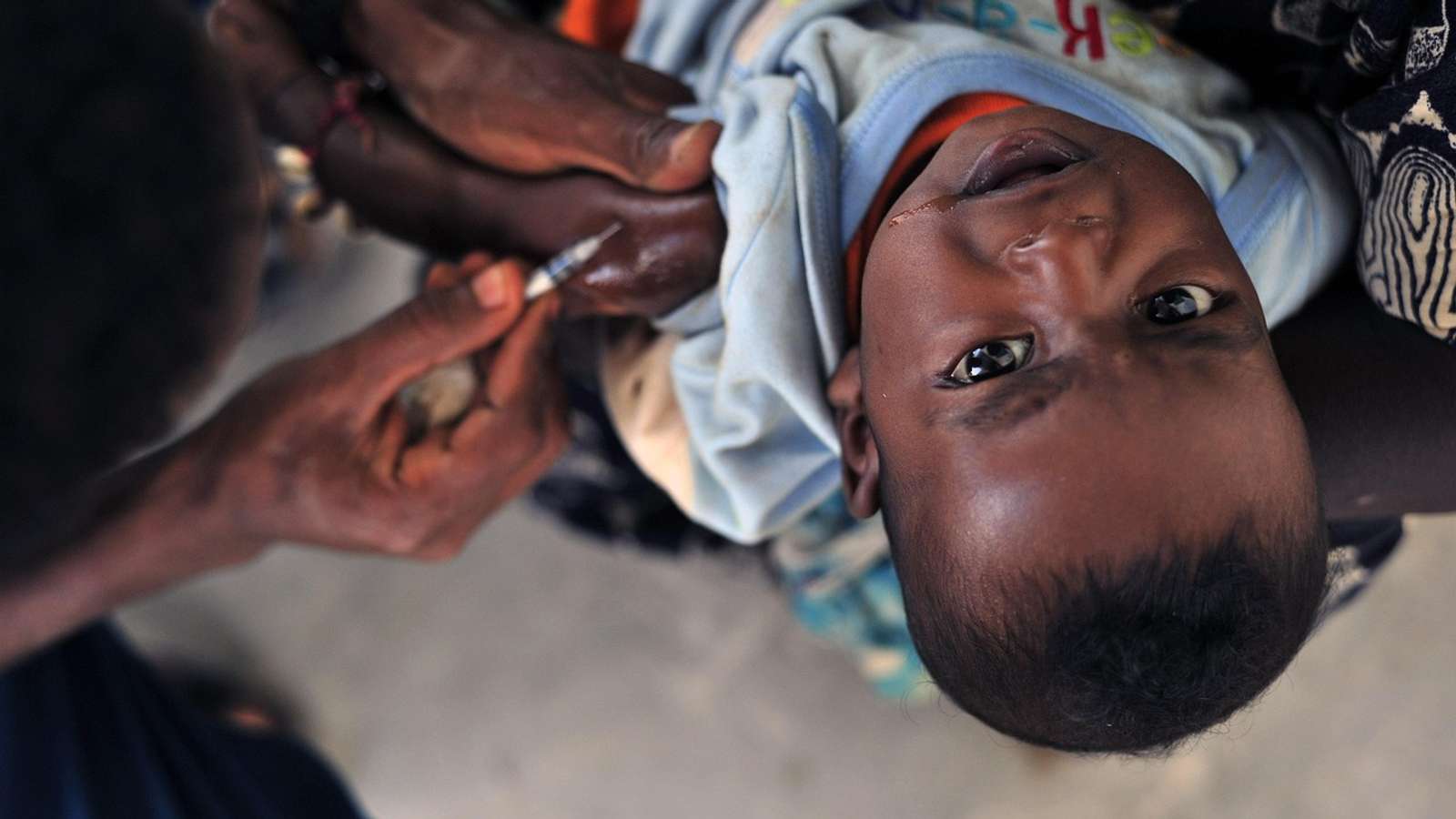
Albania and Armenia have reached the World Health Organization's regional targets for controlling hepatitis B, WHO/Europe said on 12 October. National surveys in both countries found no children aged 6 to 8 who tested positive for the hepatitis B surface antigen, the marker of current infection.
The result was validated by the European Technical Advisory Group of Experts on Immunization (ETAGE), based on country reports and recommendations from its hepatitis B working group, which met in April.
Infections early in life are the ones that last
Hepatitis B is a virus that attacks the liver. About 240 million people were living with chronic hepatitis B in 2024, and the disease caused an estimated 1.1 million deaths that year, mainly from cirrhosis and liver cancer, according to WHO's fact sheet. The virus is most often passed from mother to child at birth.
Age at infection matters enormously. Infection in infancy and early childhood leads to chronic hepatitis in about 95% of cases, compared with less than 5% when people are infected as adults. The vaccine offers nearly 100% protection, and WHO recommends that every baby gets a first dose within 24 hours of birth.
More than 20 years of vaccination made the difference
WHO/Europe credits sustained high vaccination coverage, prevention of mother-to-child transmission and timely birth doses. In Armenia, hepatitis B vaccination was added to the national schedule about 30 years ago, Dr Stepan Atoyan told the Armenian news agency Armenpress at a certificate ceremony on 6 October.
“Our children are free from acute hepatitis B and this very severe chronic disease.” — Anahit Avanesyan, Minister of Health of Armenia
Albania and Armenia join nine countries in the WHO European Region that were validated between 2021 and 2023: Belarus, Georgia, Italy, Kyrgyzstan, the Netherlands, the Republic of Moldova, Turkmenistan, the United Kingdom and Uzbekistan.
Control in children, not yet elimination
The milestone covers new infections in children. Adults who were infected before vaccination began still live with chronic hepatitis B and need testing and treatment; Avanesyan noted that medication for chronic hepatitis B costs patients 30,000 to 40,000 drams a month in Armenia. WHO/Europe presents the validations as progress under its regional action plans for 2022 to 2030 and as a step on the region's path to eliminating hepatitis B.
The WHO statement does not say how many children were tested in each country's survey, and Albania's results are not broken out separately.
Not medical advice. This article reports on research and health programs for general information. Results from early studies often change in larger trials. Talk to a doctor before making decisions about your own health or treatment.
Sources
How we choose and verify sources: editorial policy.
Your weekly dose of good news
The 5 biggest positive stories of the week, straight to your inbox. Free, no noise.
Like what you're reading?
Related stories
MIT team uses AI to make mRNA vaccines that stay stable for a year at room temperature
An AI-guided recipe kept mRNA vaccine particles stable for up to a year at room temperature and two months near body heat. The results so far come from cell and mouse studies.

Laos offers free pet vaccinations as it steps up its fight against rabies
Lao health and agriculture ministries marked World Rabies Day in Vientiane with free pet vaccinations and a renewed goal of ending human deaths from dog-transmitted rabies by 2030.

WHO launches a global roadmap to tackle pre-eclampsia and high blood pressure in pregnancy
WHO and partners have launched a roadmap to 2035 to cut deaths from pre-eclampsia and other high blood pressure disorders in pregnancy, which kill an estimated 42,000 women a year.