Combining nutrition, sanitation and family support cut severe stunting in Mozambique's Sofala
An evaluation in Mozambique's cyclone-hit Sofala province found that bringing nutrition, sanitation and behaviour-change programmes to the same communities was linked to a 6.7% relative drop in severe stunting.
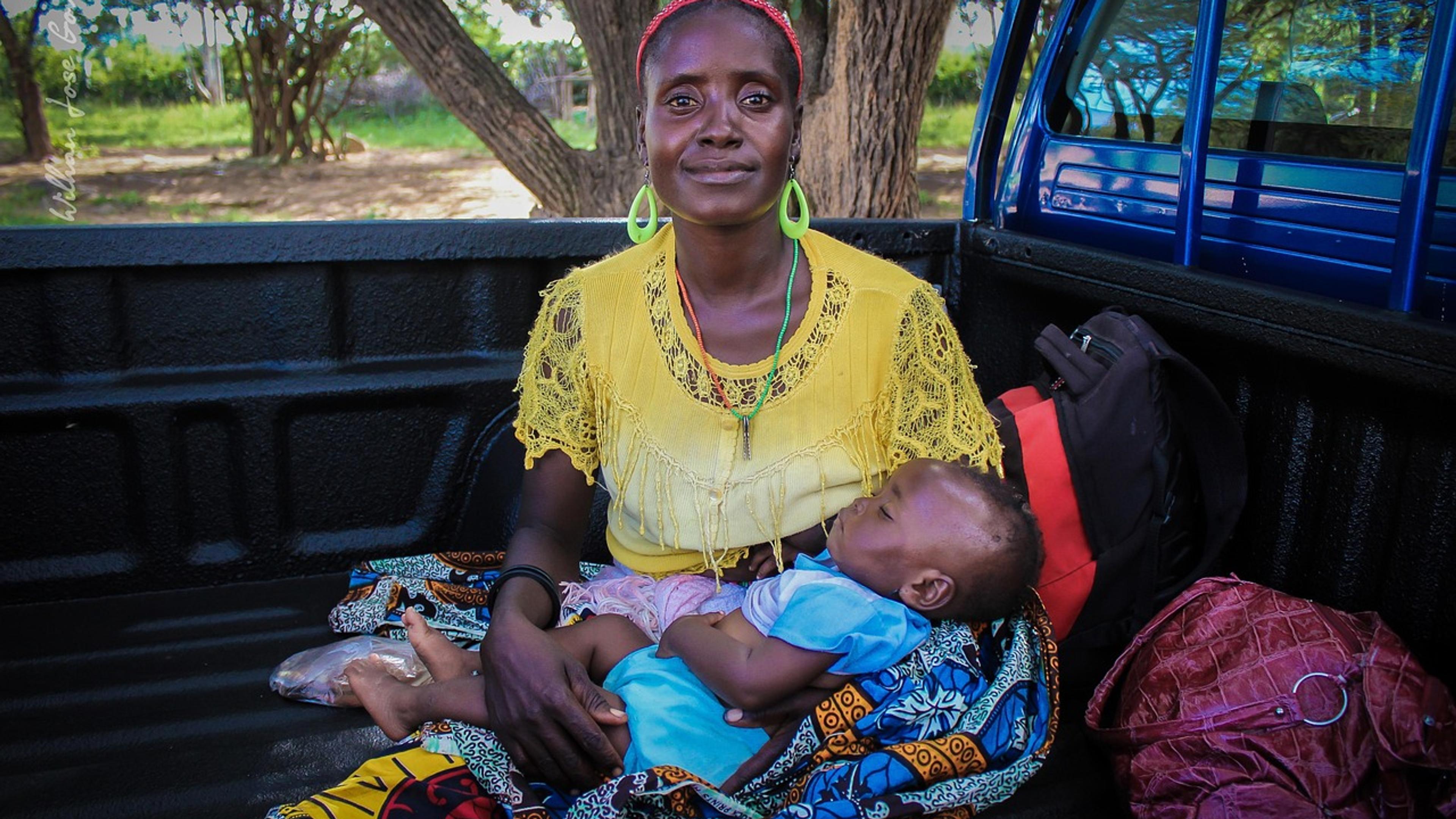
Bringing health, nutrition, sanitation and behaviour-change programmes to the same communities was linked to a 6.7% relative reduction in severe stunting among young children in Mozambique's Sofala province, UNICEF Mozambique reported. The findings come from an impact evaluation that surveyed more than 9,000 households.
Programmes that used to work separately were combined
After Cyclone Idai hit central Mozambique in 2019, UNICEF and the government ran a programme from 2020 to 2025 in six districts of Sofala. It combined three approaches that often operate on their own: a nutrition package delivered by community health workers, a sanitation programme to end open defecation, and a "Model Family" scheme in which households adopting good habits encouraged their neighbours.
Teams mapped communities and planned their work so that the three programmes reached many of the same places, with shared district coordination and joint monitoring.
“What stands out from the evaluation is that convergence works: in communities receiving the full package of support, severe stunting was reduced by 6.7 per cent.” — Francesco Iacoella, UNICEF evaluation team
Everyday habits changed at home
For families, that meant counselling on breastfeeding and feeding alongside building latrines and handwashing stations. One participant described learning to bathe children, use a drying rack and make porridge with peanuts, beans and moringa leaves.
A relative improvement, not a cure
The 6.7% figure is a relative reduction, comparing communities that received the full package with those that received only part of it, and the evaluation used quasi-experimental methods rather than a randomised trial. Stunting has many causes, and UNICEF says no single practice solves it. The organisation sees the results as evidence that delivering services together achieves more than delivering them apart.
Like what you're reading?
Related stories
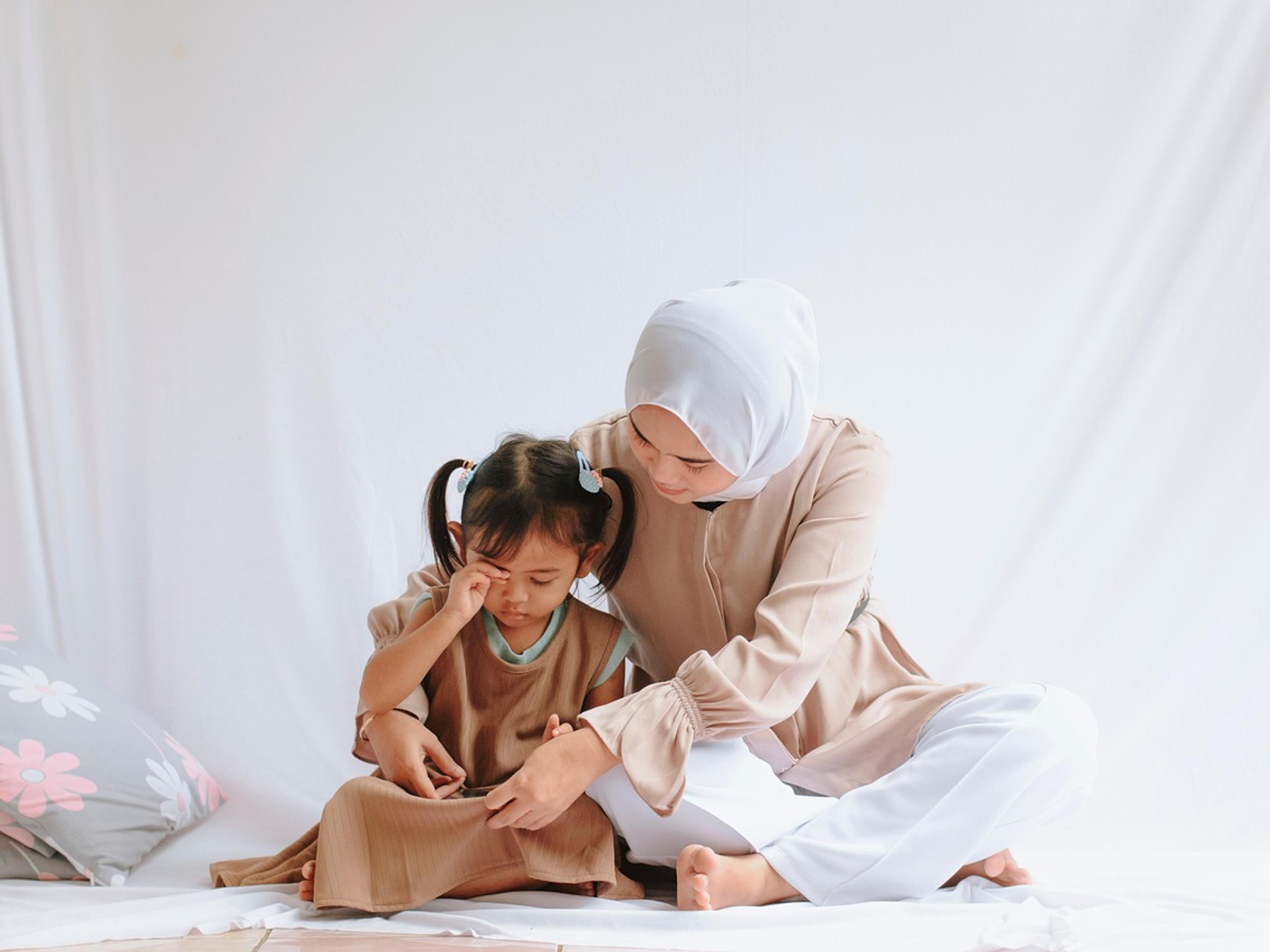
Two-year-old Margaretha recovers from severe malnutrition with treatment close to home in Papua
A two-year-old girl in South Papua, Indonesia, gained 2 kilograms and is walking and playing again after outpatient treatment for severe wasting with ready-to-use therapeutic food.
WHO publishes its first global guidelines for treating obesity in children and teens
The World Health Organization has issued its first guidelines on treating obesity in children and adolescents, putting diet, activity and behaviour support first and limiting medicines and surgery to teenagers.
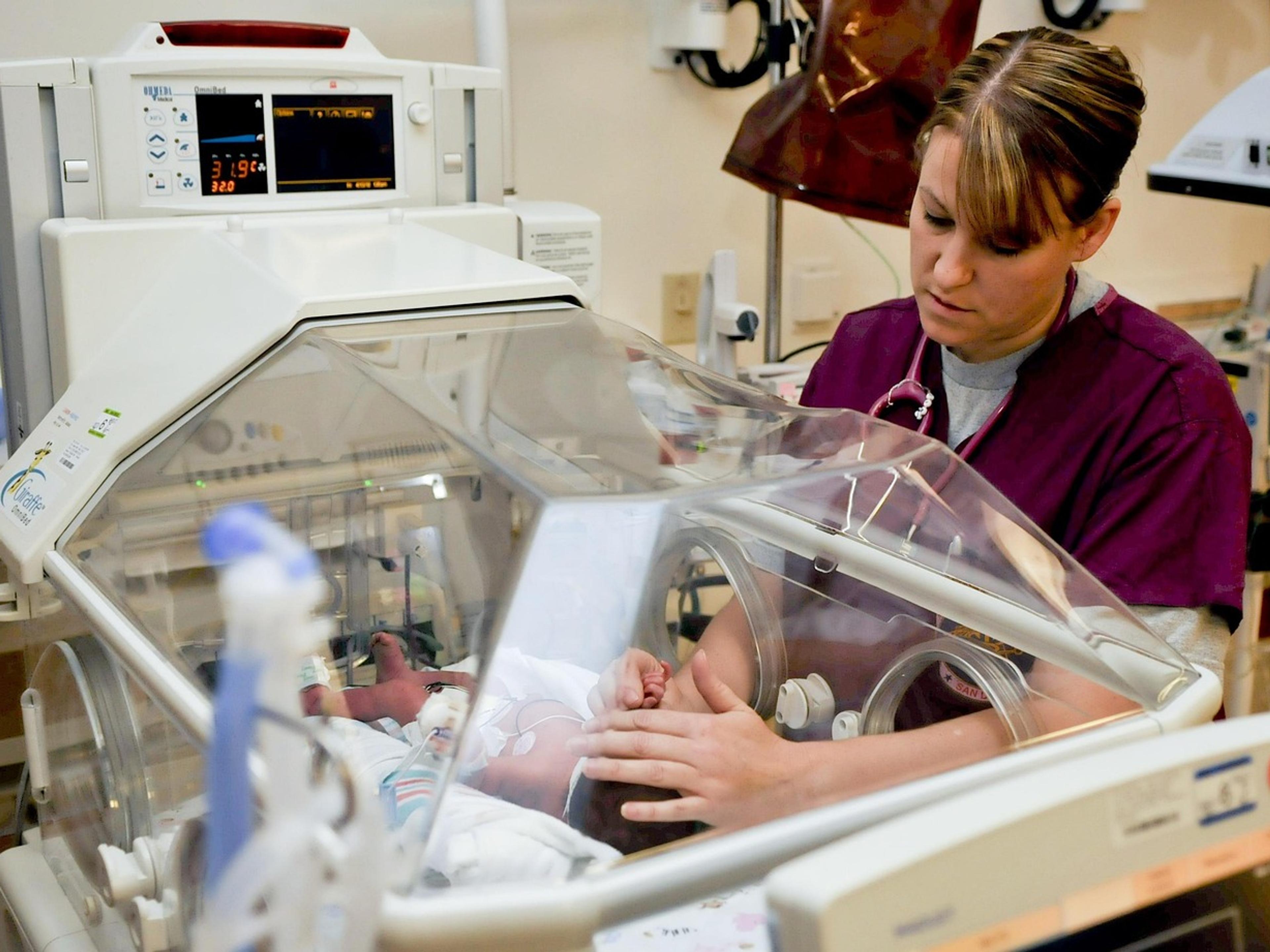
Mobile X-Ray Lets Doctors Scan Premature Babies in Serbia Without Moving Them
The neonatology centre in Kragujevac, Serbia, has received a mobile X-ray machine, funded by UNICEF donors and OTP Bank, that images preterm and sick babies beside their incubators so they do not have to be moved.