Listening to your favourite music can ease the pain of a needle, Swiss study finds
In a study of 204 patients having a cannula inserted before an MRI scan in Zurich, those who listened to their own favourite music reported the biggest reduction in pain.
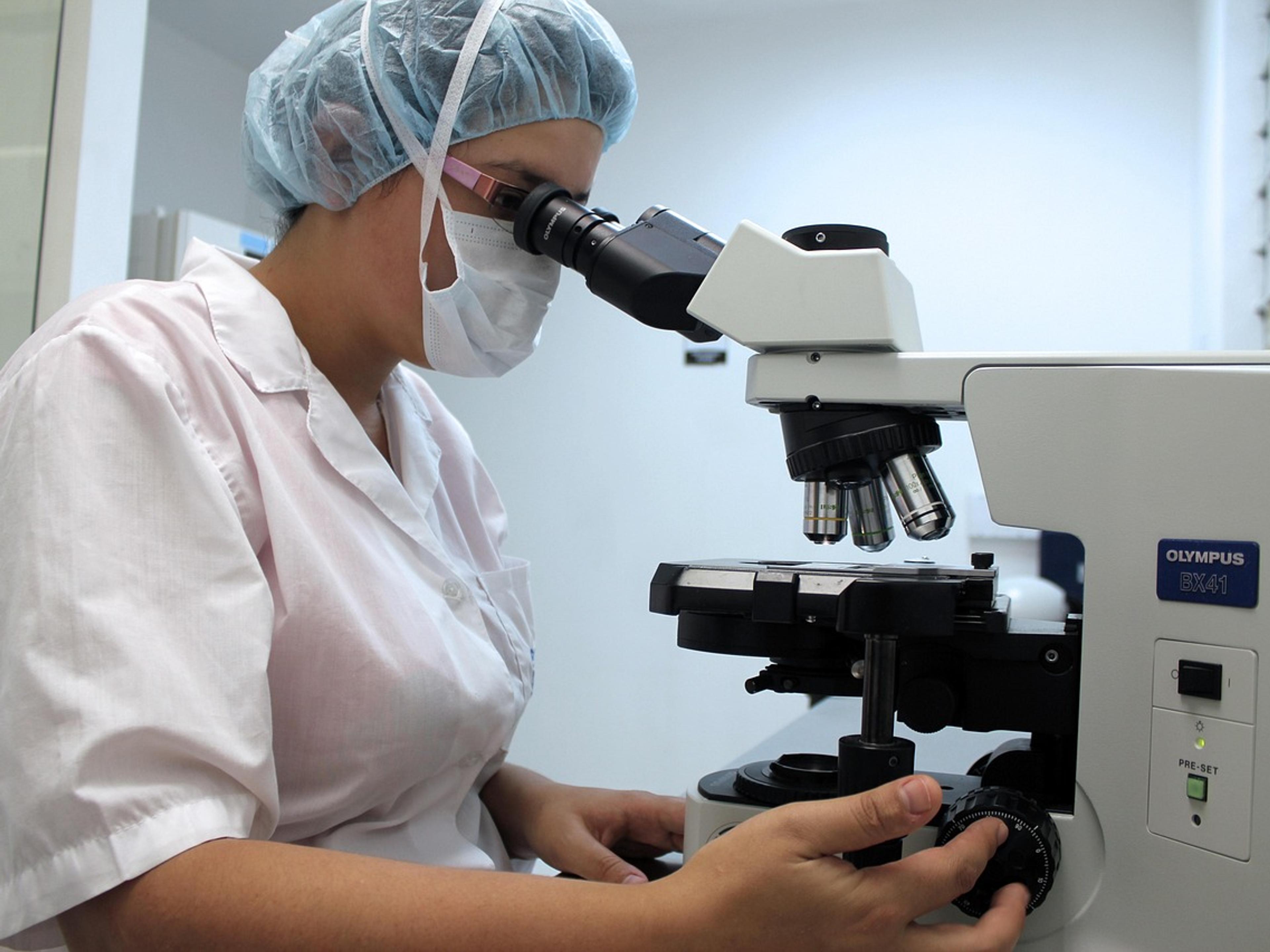
Patients who listened to their own favourite music while having a needle put in their arm felt less pain than those who heard no music, relaxation music or Mozart, according to a study of 204 patients at University Hospital Zurich, published in Frontiers in Pain Research.
Four groups, one small needle
All patients were having a routine MRI scan that required a contrast agent through an intravenous cannula, a small but sometimes painful procedure. A quarter heard no music, and the rest listened to either their own chosen song or artist, music designed for relaxation, or Mozart's Sonata KV448, which earlier studies linked to reduced pain and stress.
Patients rated their pain from one to ten before the procedure, during it, and 30 seconds and two minutes afterwards.
“From the four conditions we examined, only favorite music and Mozart showed a positive effect.” — Dr Meritxell Garcia Alzamora, University Hospital Zurich, senior author
Favourite music helped everyone; Mozart helped some
The favourite-music group reported less pain both 30 seconds and two minutes after the needle went in. Mozart only reduced pain in patients who were already in pain before the procedure. Relaxation music and silence made no difference, perhaps because relaxation music is slow and quiet and easy to tune out, the authors suggest.
The hospital plans to use music more often for needle procedures before scans, especially for anxious or claustrophobic patients.
Short pain, small study
Lead author Dr Andrei Cristinel Dragnea cautioned that the needle caused only brief pain, and that a technician talking to patients could also have had a calming effect, although all groups had the same conditions. The team says longer and more painful procedures should be studied next.
Like what you're reading?
Related stories

Support programme helps chronic pain patients come off strong opioids, and may pay off for the NHS
In the I-WOTCH trial, 29% of chronic pain patients in a support programme stopped strong opioids within a year, versus 7% with usual care, and a new analysis suggests it could be good value for the NHS.
Scientists spot an "immune fog" that builds up years before lung cancer, and reverse it in mice
UCL researchers found that suppressive immune cells build up months or years before lung cancer forms, tracked them with prototype blood tests and halved tumour formation in mice with a drug.

Can a phone video of the neck spot heart problems? NZ researchers get funding to find out
A University of Auckland engineer is trialling a smartphone tool that reads tiny pulse movements in the skin of the neck, one of eight heart projects sharing NZ$2.32 million from New Zealand's Heart Foundation.